It always starts the same way for me.
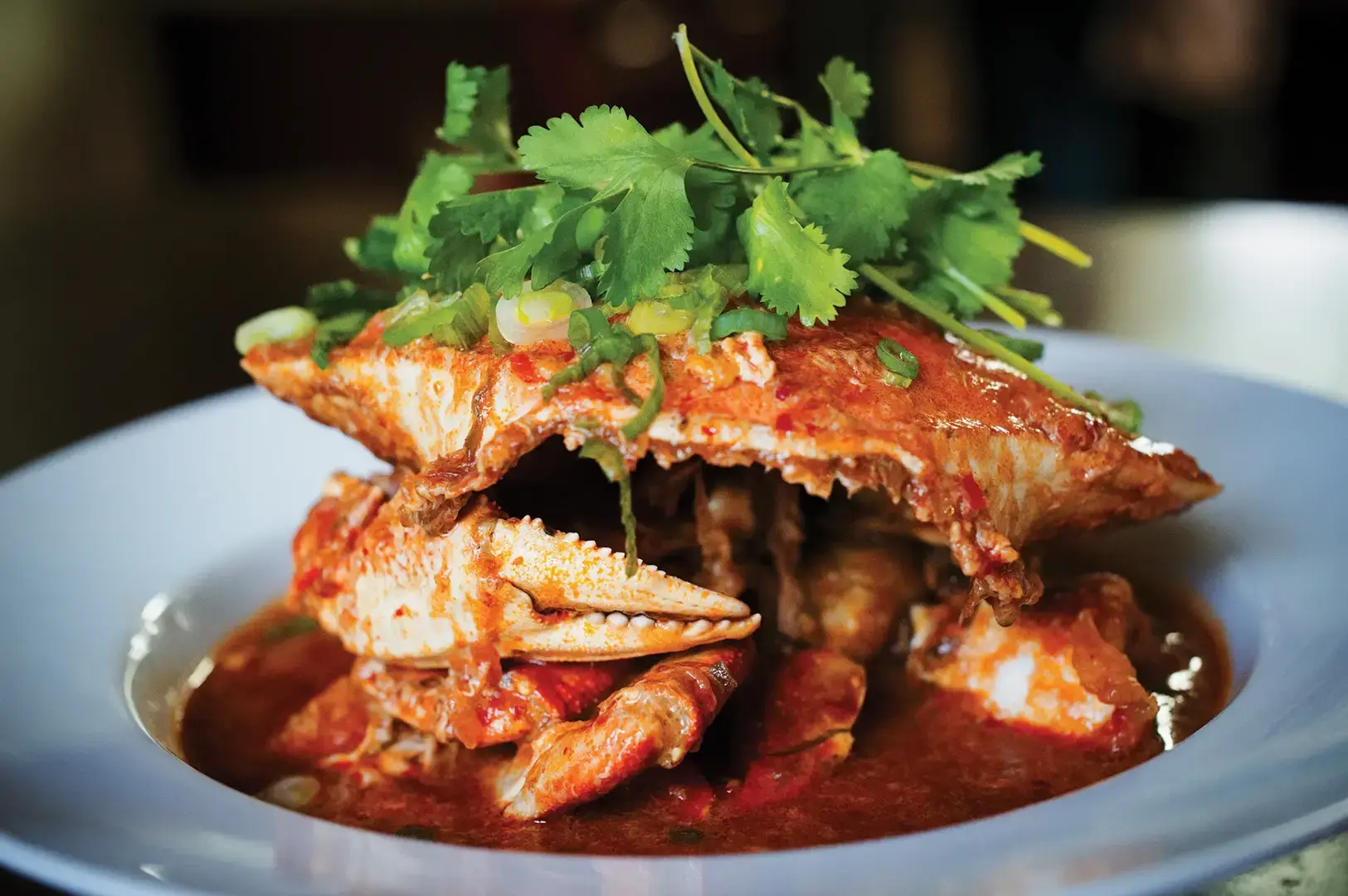
Someone lifts the lid off a plate of chilli crab, and the whole table leans in. Fingers reach before spoons do. Somebody tears the first piece of fried mantou, drags it through that sticky, sweet-savoury sauce, and the rest of us stop talking for a second.
That is the thing about seafood restaurants in Singapore. It was never really about one famous crab order. It is the whole table: the shells, the steam, the prawns, the fish dishes, the rice turning red with curry, the crab claws cracked open, and the shared mess that somehow makes the meal feel bigger than the food.
A quick note before we start: crab, live lobster, and other live seafood are often market price, and opening hours can shift. Always check the current menu, prices, and reservations before you go.
Table For | Venue |
Best Seafood Restaurants for Chilli Crab | Red House Seafood |
JUMBO Seafood | |
Palm Beach Seafood | |
Black Pepper Crab and Live Seafood Classics | Long Beach Seafood |
Seafood by the River | |
Curry Fish Head, Pulau Ubin Roots, and Bold Flavors | Ocean Curry Fish Head |
New Ubin Seafood | |
Smith Marine Floating Restaurant |
1. Red House Seafood (Clarke Quay)
Nearest MRT: Clarke Quay, about 5–7 minutes on foot
Price: $$$
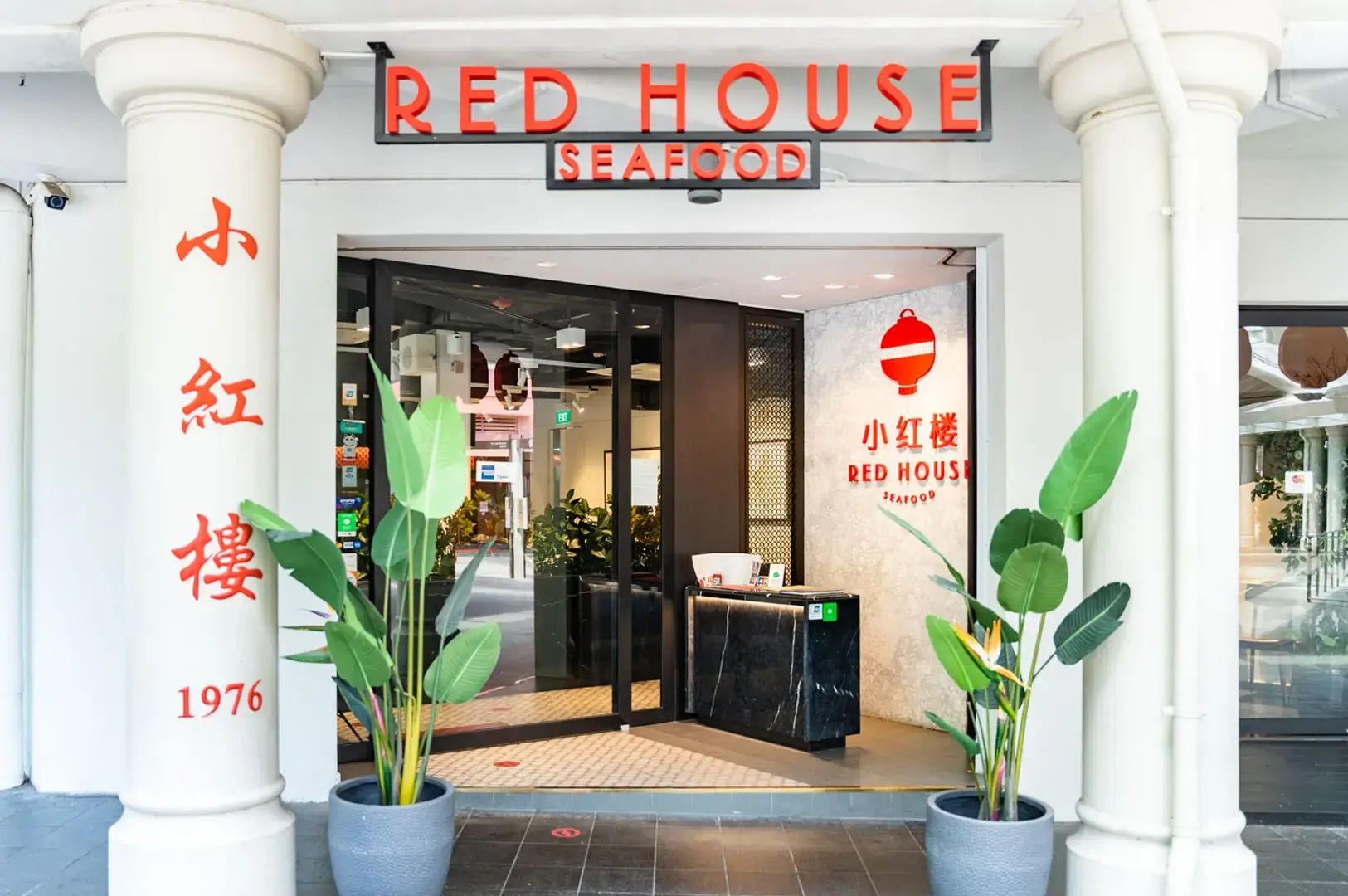
Red House Seafood is the polished family-table pick on this list. The brand has been around since 1976, and its current Clarke Quay outlet sits at CQ @ Clarke Quay, 3C River Valley Road, #01-02/03. Its own positioning leans into Singapore Nanyang-style seafood, shaped by Southern Chinese cooking and Southeast Asian influences.
Beyond crab, the supporting seafood options matter. The Signature Creamy Custard Prawns are the kind of rich, buttery dish that softens the heat of a chilli crab table. Red House also highlights lobster and giant grouper dishes at Clarke Quay, so it works well when the group wants more than one seafood centrepiece. The table feels generous without turning chaotic: crab at the centre stage, prawns for richness, fish for balance, and mantou for the sauce.
If you want to compare Red House’s Nanyang-style seafood with a broader Chinese dining table, this Chinese restaurants guide from Eat Drink Asia gives a wider look at how technique, banquet energy, and shared dishes shape Singapore meals.
Signature item
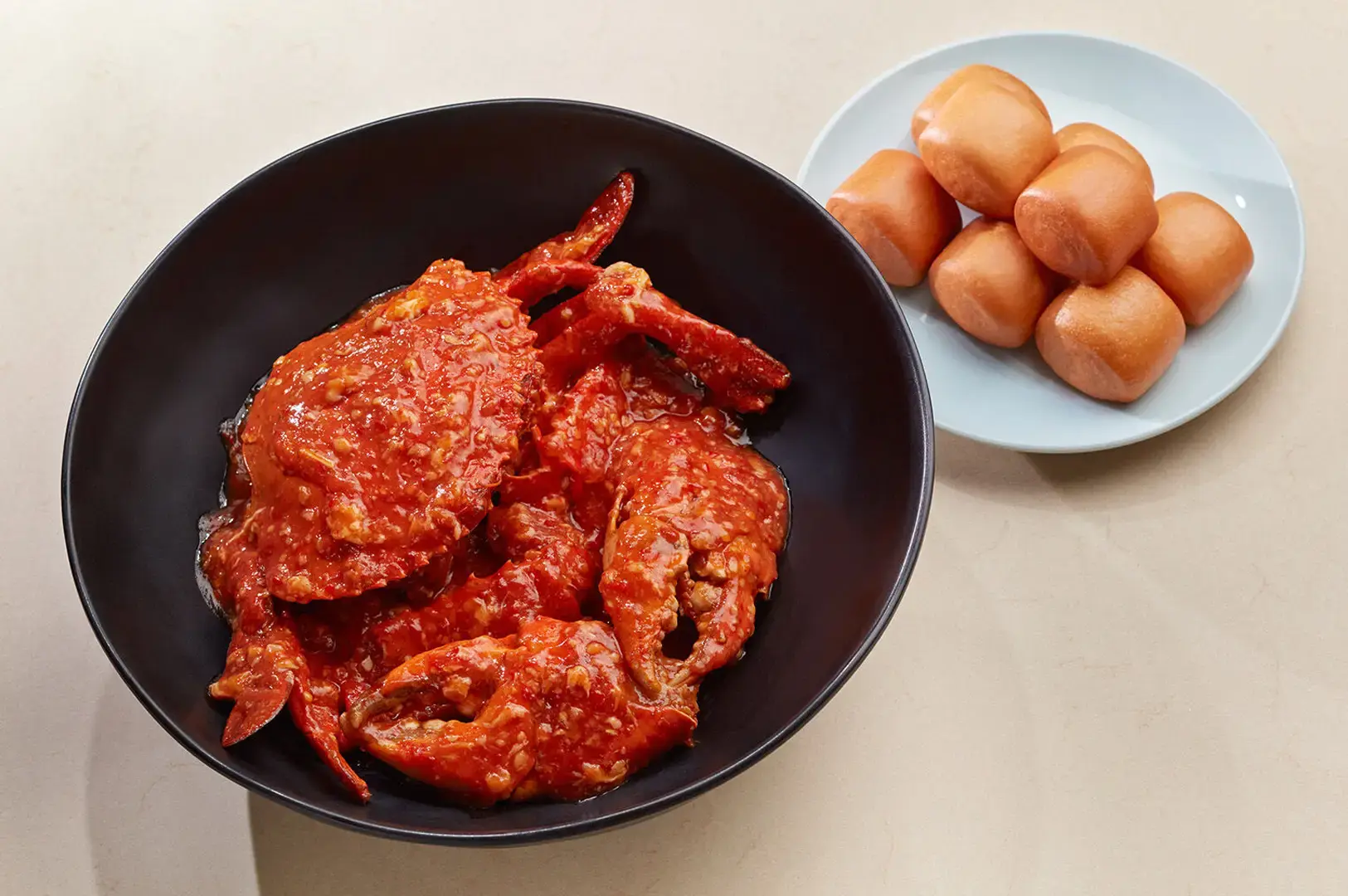
Red House Chilli Crab is the anchor: sweet, spicy, egg-thickened sauce clinging to the shell, made for fried mantou and messy fingers. Pricing is usually market price, though recent promotional set menus have used chilli crab as part of multi-course group meals, so check the current menu before booking.
Worth to Crack: Best for polished family celebrations, visiting relatives, birthdays, and diners who want Red House Seafood with a comfortable Singapore seafood-restaurant setting.
Sounds Fishy: Avoid if you want cheap crab, rough coffee-shop zi char, or a very casual no-reservation meal.
2. JUMBO Seafood (Dempsey Hill)
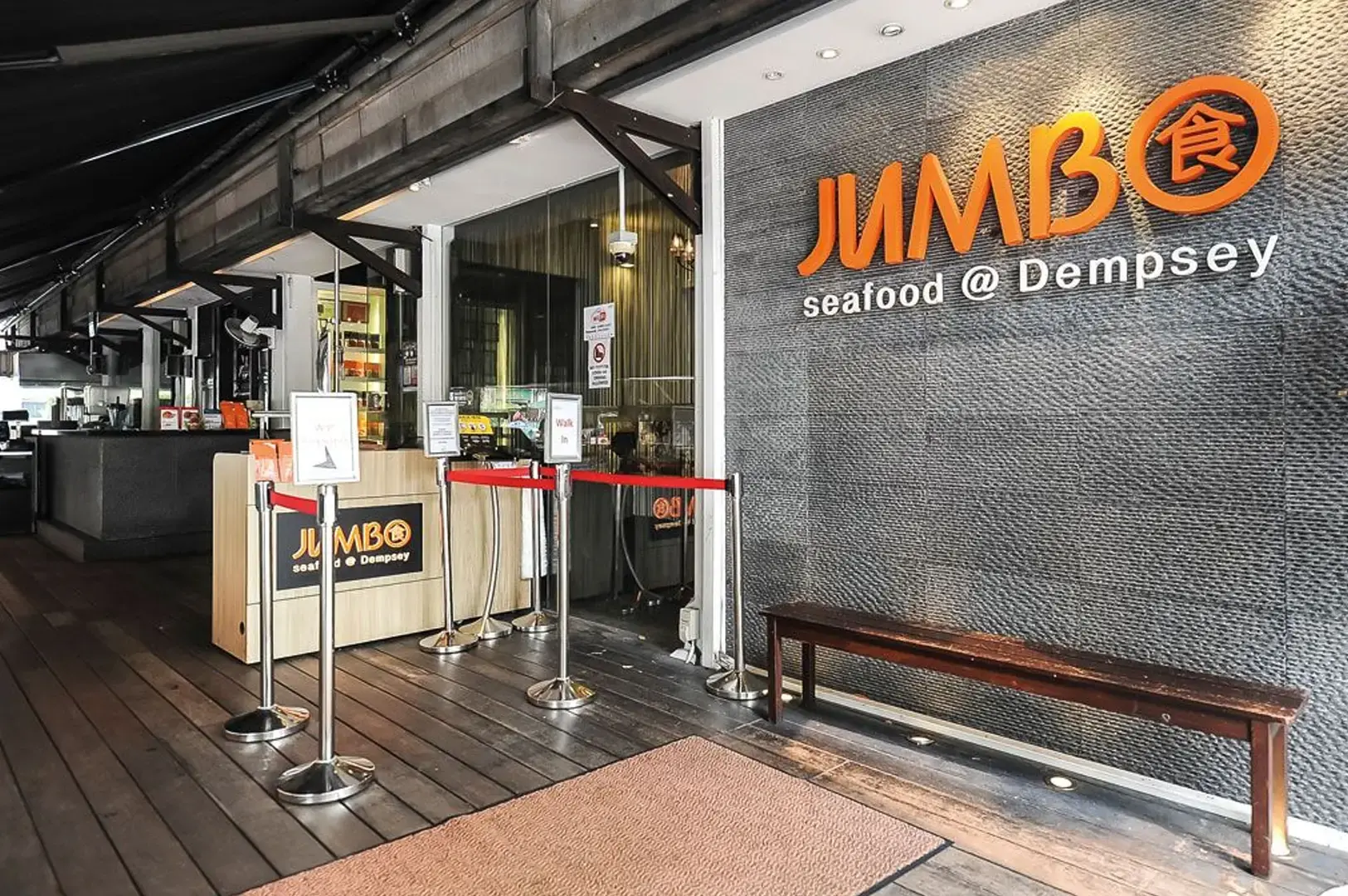
Nearest MRT: Napier or Orchard Boulevard, but taxi or Grab is easier
Price: $$$
JUMBO Seafood is the obvious first-timer choice, and sometimes obvious is useful. The Dempsey Hill outlet is at Block 11 Dempsey Road, #01-16, away from the city’s hard edges, with a leafy destination feel that suits a proper crab night. Its official page lists daily lunch from 11:30am–2:30pm and dinner from 5:30pm–10:30pm.
The supporting table can go wide: salted egg prawns, crispy fried baby squid, steamed fish, vegetables, and mantou. I would not come only for one bowl of sauce. I would come for the full feast, where wok-fried seafood, fried squid, crab claws, and hot mantou all land close together. Customer reviews often praise the chilli crab and black pepper crab, though some diners mention high prices and occasional uneven service, which is fair for a big-name, reputation-heavy restaurant.
Signature item
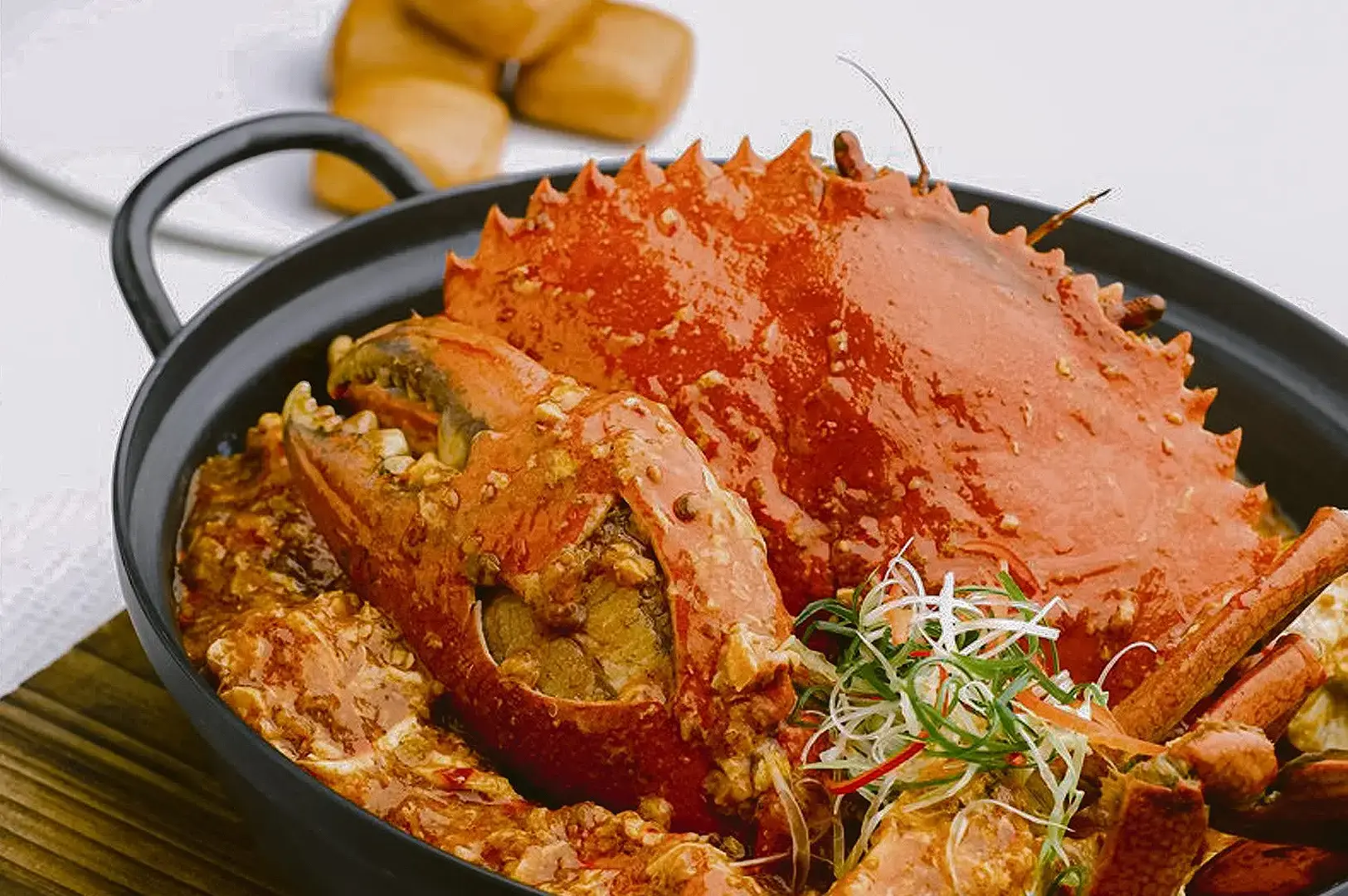
The move is Award-Winning Chilli Crab, or both chilli crab and Signature Black Pepper Crab if the group is large enough. The chilli crab gives you sweet, eggy sauce for mantou; the black pepper crab is darker, drier, hotter, and more aromatic. Crab is generally market price, while JUMBO’s larger group set menus can run into the hundreds, including versions that feature Boston lobster.
Worth to Crack: Best for tourists, first-timers, family crab nights, and groups who want a reliable name for chilli crab and black pepper crab.
Sounds Fishy: Avoid if you are price-sensitive or want a lesser-known local seafood spot.
3. Palm Beach Seafood (One Fullerton)
Nearest MRT: Raffles Place, about 8–10 minutes on foot
Price: $$$
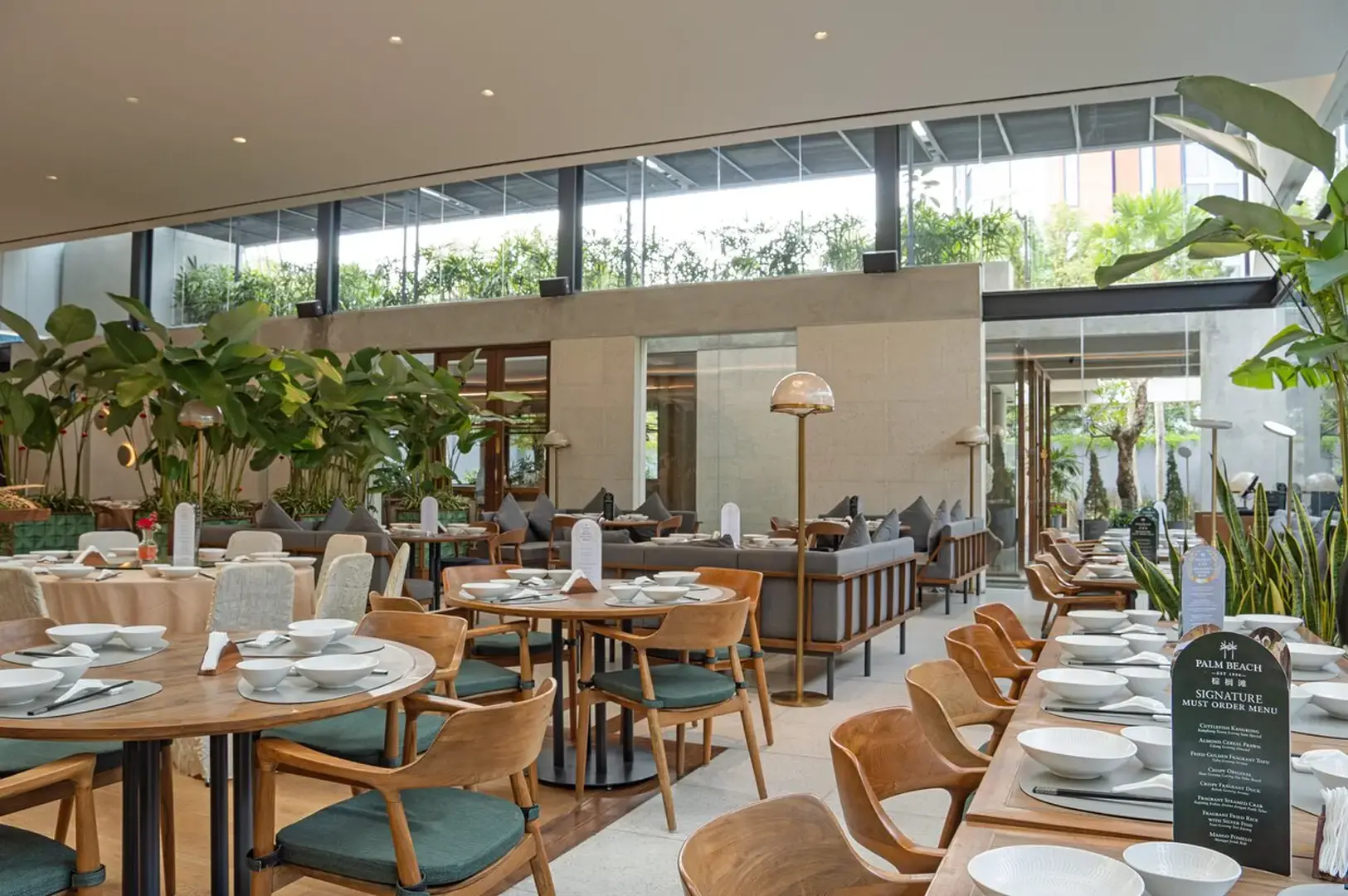
Palm Beach Seafood has one of the strongest settings in the list: One Fullerton, near the Merlion, where the Singapore River opens into Marina Bay. The official site frames it around waterfront dining, indoor air-conditioned seating, and al fresco tables with skyline views.
The menu has range beyond crab. Look at Coco-Lobo, its live lobster with vermicelli in superior broth, plus Golden Milk Prawns, Double Baked Crab A La Singapura, Honey Tangy Fish, and other seafood plates. This is the place where the view can become part of the meal. It is lovely if you want atmosphere, but it also means the bill can feel tourist-district heavy.
Signature item
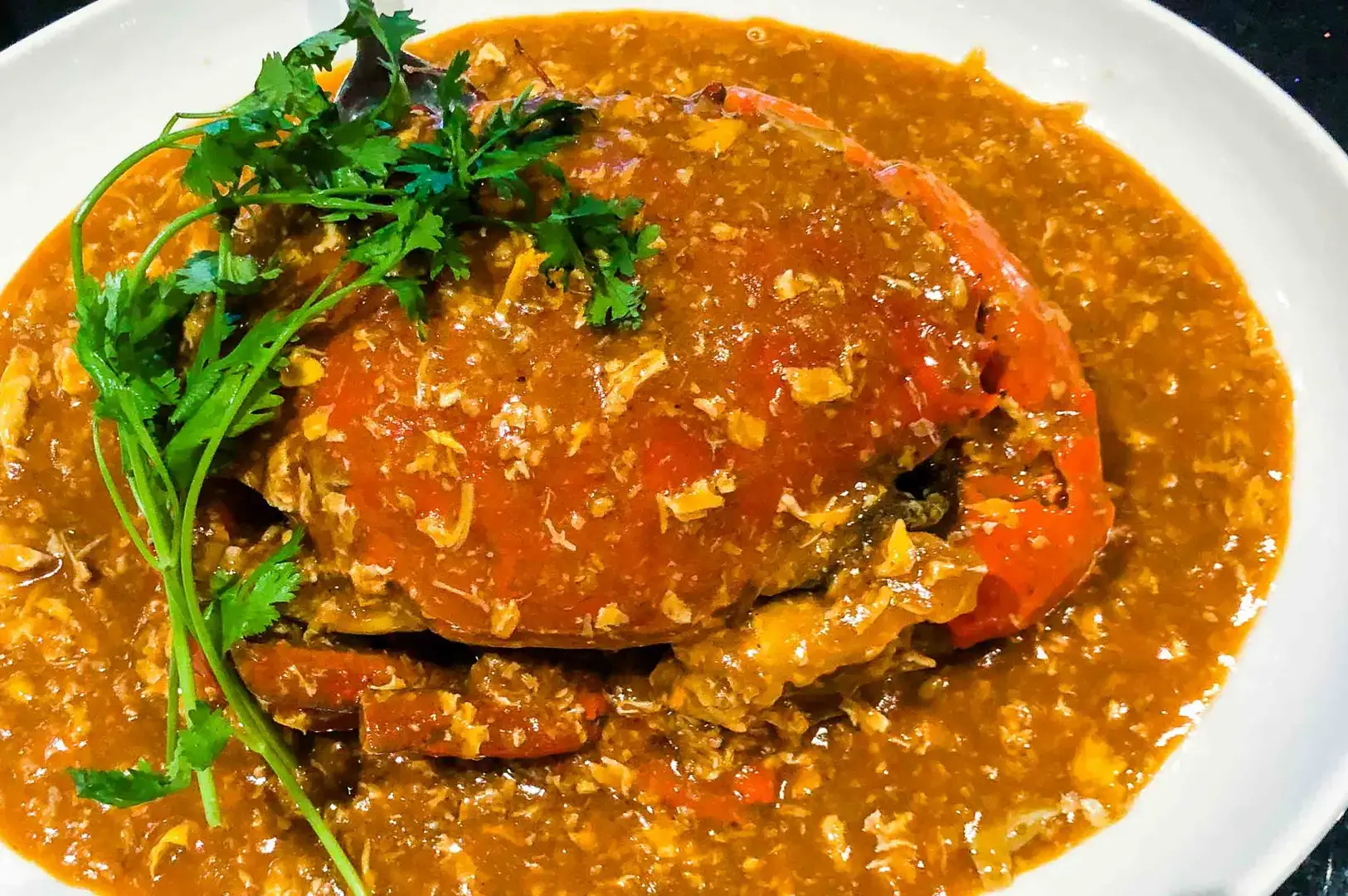
Chilli Crab is the dish to order first. Expect a glossy, sweet-spicy sauce made for mantou, crab shells on the table, and the kind of dinner where everyone slows down because cracking shell takes time. Pricing is usually market price, especially for crab and live seafood.
Worth to Crack: Best for overseas guests, date nights, Marina Bay views, and diners who want crab with a postcard backdrop.
Sounds Fishy: Avoid if you want the cheapest crab or a neighbourhood seafood restaurant feel.
4. Long Beach Seafood (Dempsey)
Nearest MRT: Napier is closest, but taxi or Grab is easier
Price: $$$
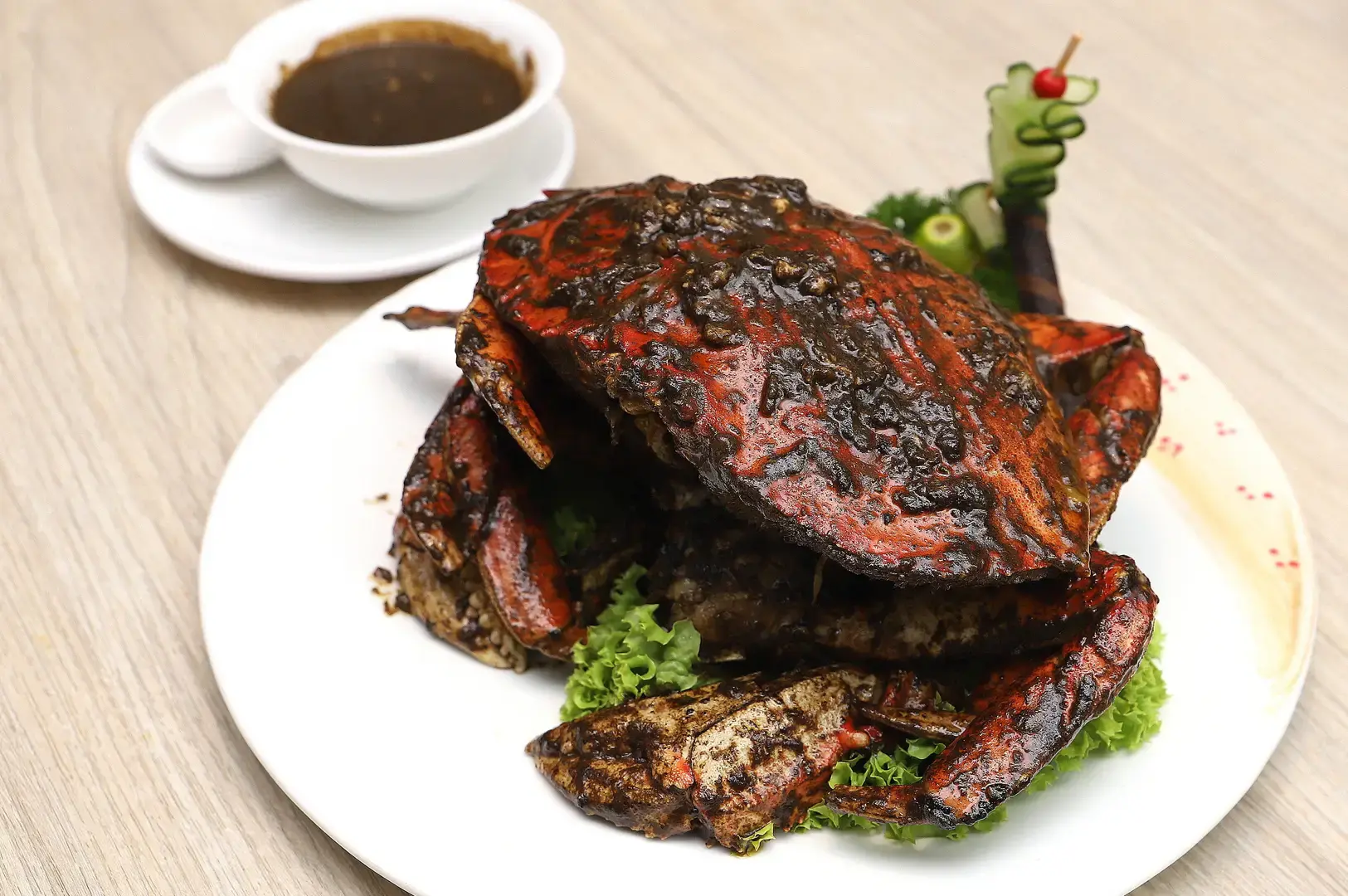
Long Beach Seafood belongs here because of one dish: black pepper crab. The brand calls itself the original creator of black pepper crab and also says it was among the first restaurants in Singapore to bring in premium live seafood.
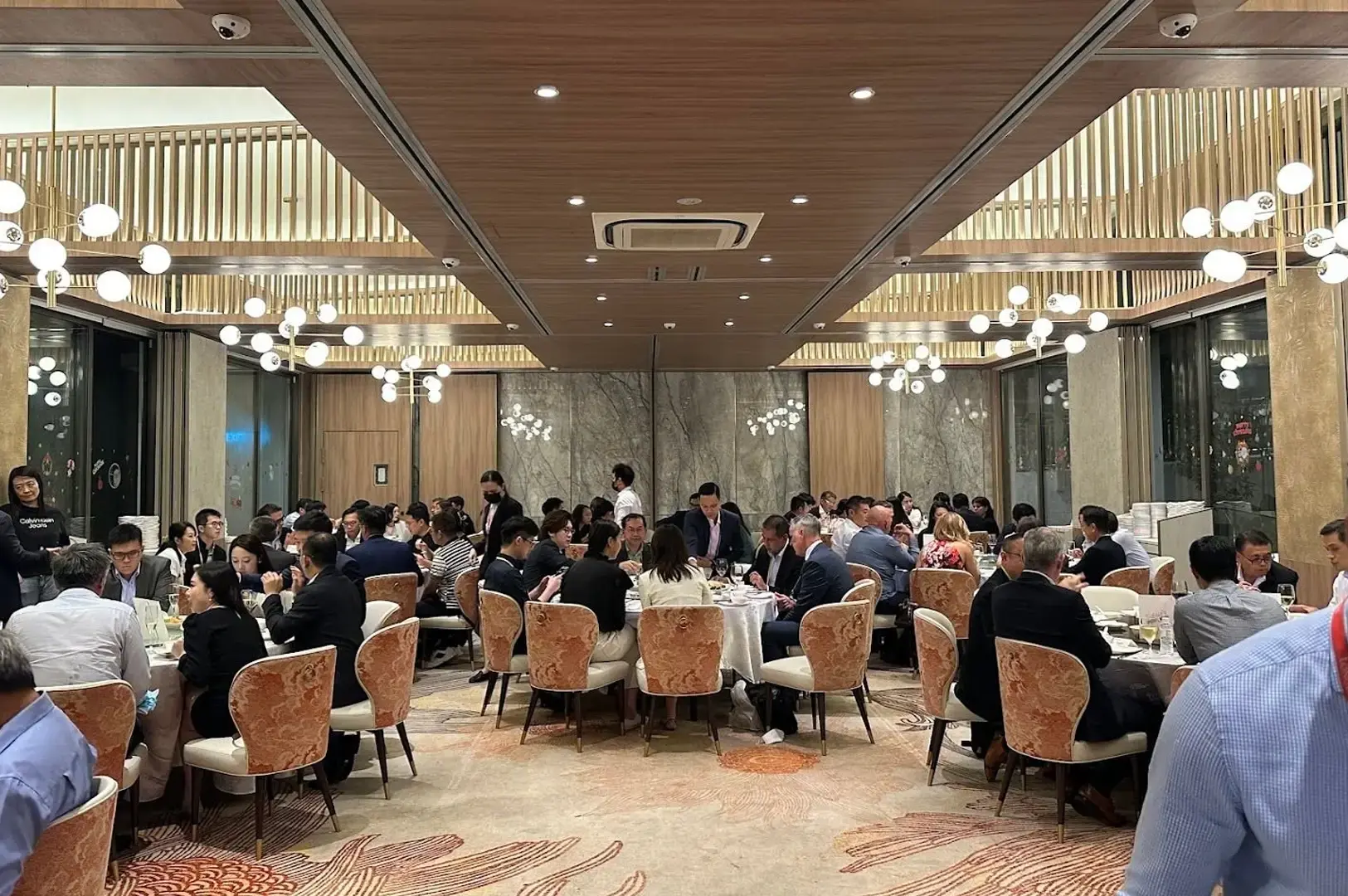
The Dempsey outlet is a proper live seafood restaurant experience. It is less about a quiet two-person dinner and more about big tables, tanks, shellfish, crab, prawns, lobster, and fish arriving in sauces that demand rice or mantou. The room has that serious seafood energy where you watch the tanks first, then decide how brave the table feels.
Supporting dishes lean premium: live abalone, drunken prawns in herbal soup, steamed marble goby, and other live seafood plates. Set menus can climb quickly, with live abalone group menus listed from the high hundreds, so this is not the place to order casually without checking prices. The upside is freshness, especially if your group cares about seafood being selected, prepared, and served with some ceremony.
Signature item
The Original Best Black Pepper Live Dungeness Crab is the one to build the meal around. It is less sweet than chilli crab, with a darker sauce and pepper heat that catches at the back of the throat. Pricing depends on the live crab, so treat it as market price and confirm before it is cooked.
Worth to Crack: Best for black pepper crab lovers, live seafood fans, and groups who want a serious crab table.
Sounds Fishy: Avoid if you dislike market-price seafood, strong pepper heat, or Dempsey’s less MRT-friendly access.
5. Seafood by the River (Boat Quay)
Nearest MRT: Raffles Place, about 4 minutes from Exit G
Price: $$$
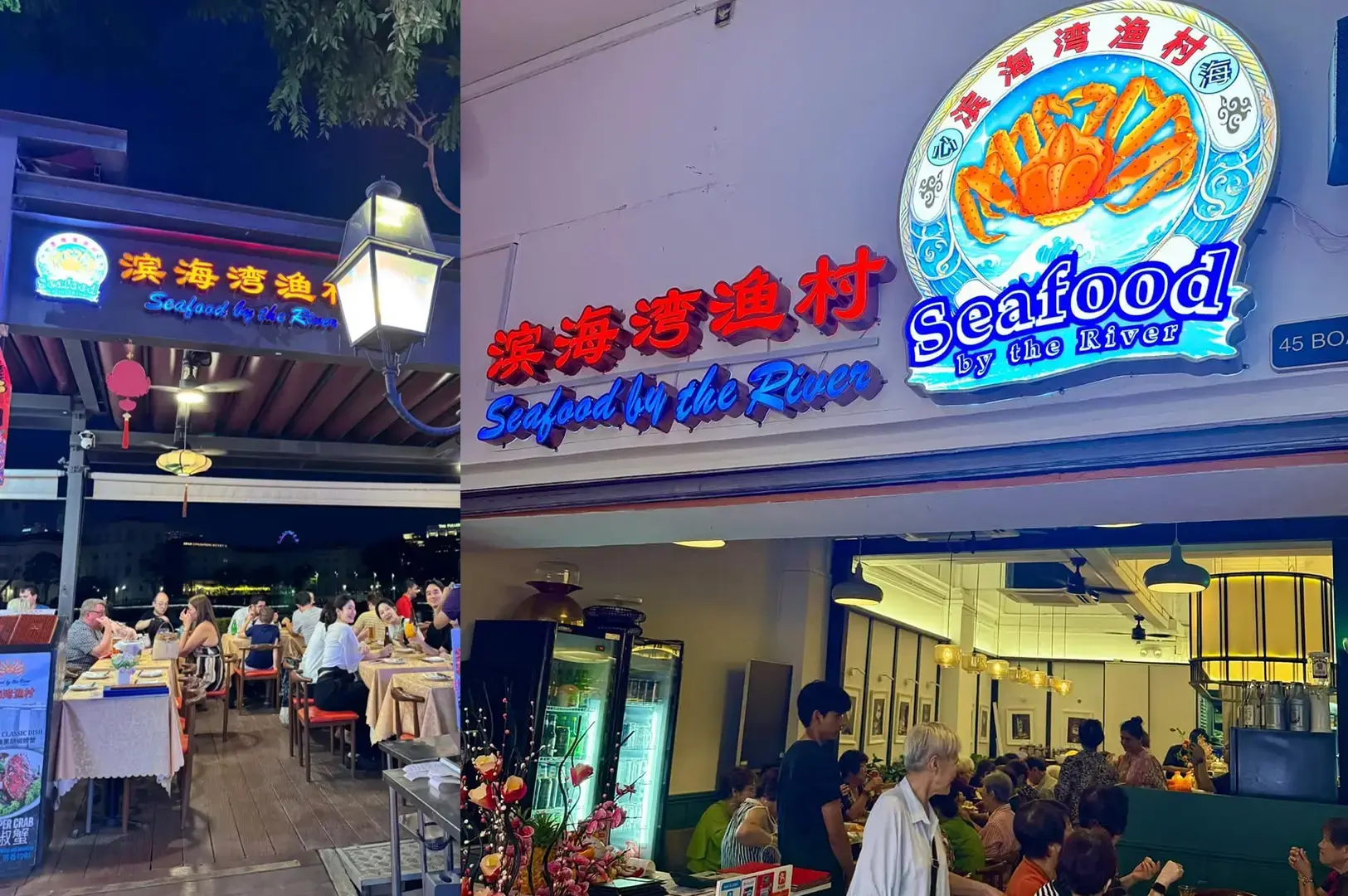
Seafood by the River is the Boat Quay entry, and that matters. The restaurant is at 45 Boat Quay, right along the Singapore River, and its official site positions it around Singapore chili crab, fresh live seafood, and riverside dining.
The caveat is value. Boat Quay restaurants can feel expensive, and customer reviews include both praise for chilli crab, black pepper crab, cereal prawns, and steamed fish, as well as complaints about pricing and bill clarity. That makes it important to ask about crab weight, size, and price before ordering. If you want a wine bar mood with river views and crab on the table, it can work; if you want strict value, tread carefully.
Signature item
The natural order is Singapore chilli crab, with black pepper crab, cereal prawns, bamboo clams, or Hong Kong-style steamed fish as supporting dishes. The chilli crab should be glossy, sweet, spicy, and messy enough to make mantou necessary. Crab and live seafood are generally market price.
Worth to Crack: Best for Boat Quay dinners, visitors, groups who want riverside atmosphere, and diners who care about location as much as crab.
Sounds Fishy: Avoid if you dislike tourist-heavy riverside dining or paying a premium for views.
6. Ocean Curry Fish Head (Telok Ayer)
Nearest MRT: Telok Ayer, short walk
Price: $$
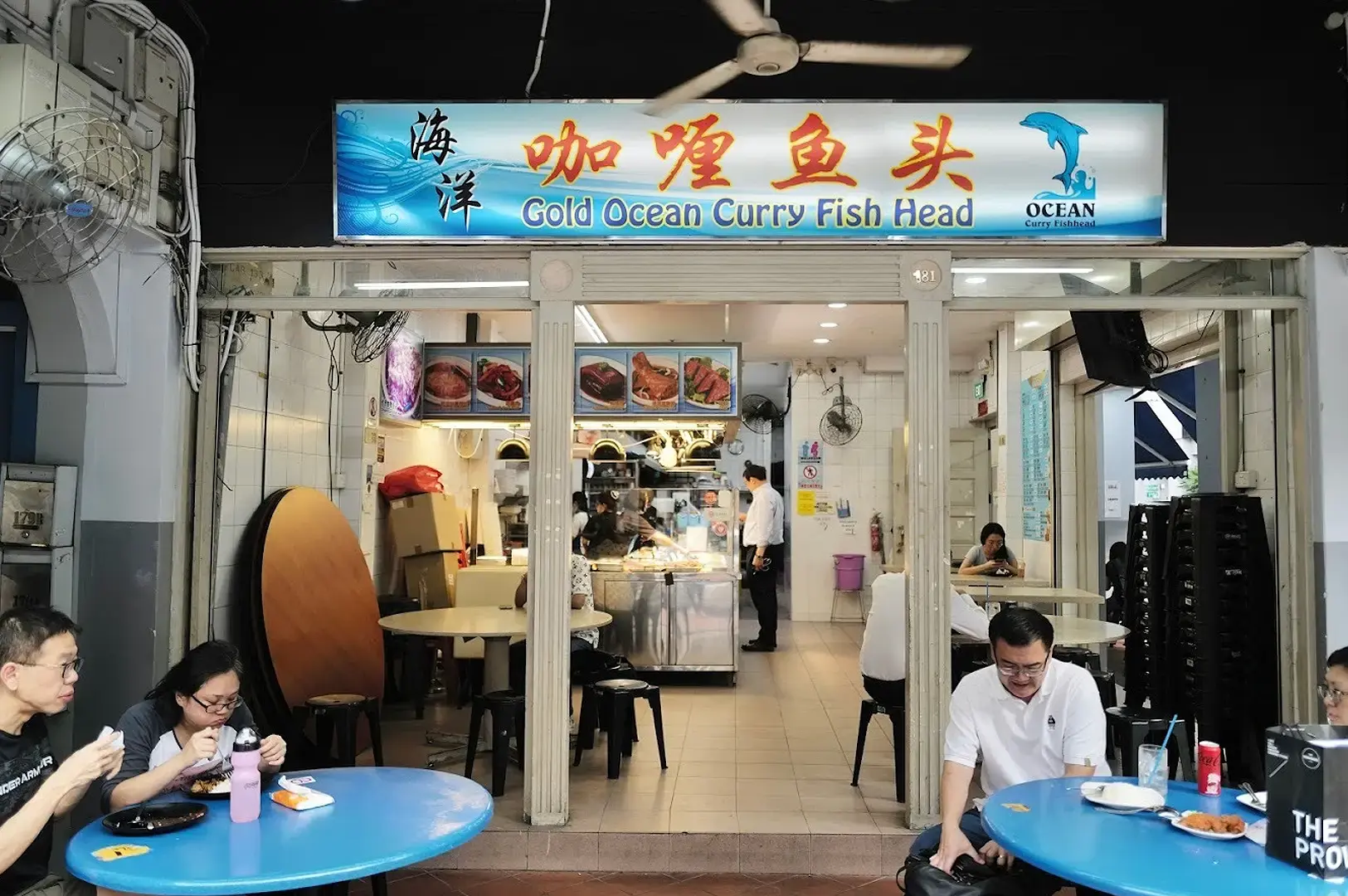
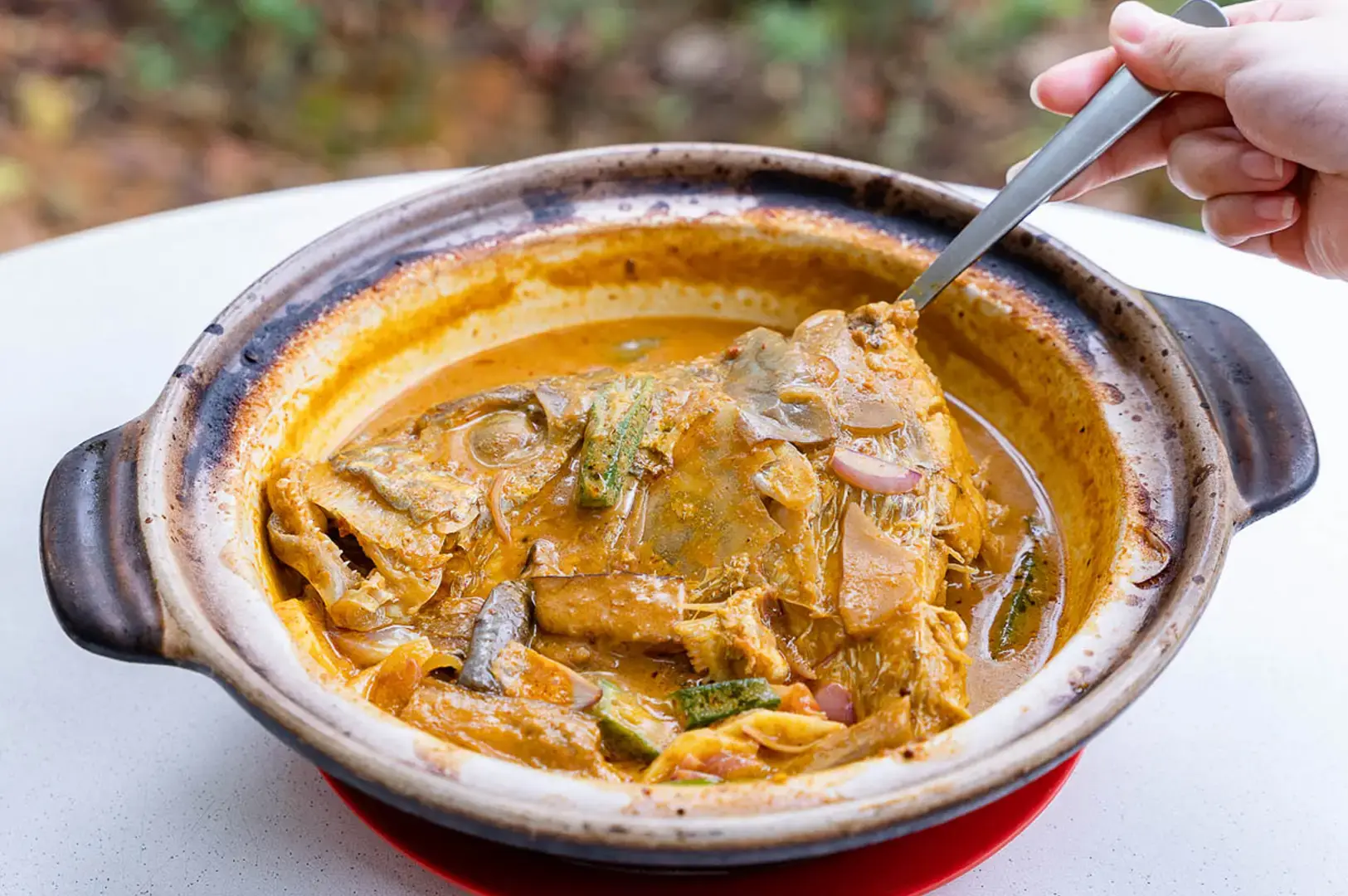
Ocean Curry Fish Head gives the list a necessary break from crab. Not every Singapore seafood ritual involves shells and mantou. Sometimes the table is built around a claypot of curry fish head, the gravy still bubbling, rice waiting to turn red-orange under the ladle.
The menu also includes sambal prawns, Oyster Sotong, Otah, Sweet & Sour Pork, Rendang Mutton, and other cai fan-style or zi char-adjacent sides. The appeal is not décor. It is that hot, rich, spicy gravy over rice, the soft fish, the curry steam, and the way a single claypot can pull a busy lunch table into focus.
If Ocean Curry Fish Head is your CBD lunch pick, this Raffles Place food piece gives another look at how office-hour meals work: https://eatdrinkasia.com/raffles-place-food-cbd-lunch-rush/
Signature item
The Claypot Curry Fish Head is the signature. Expect hot curry, soft fish, vegetables, spice, and a rich gravy that makes plain rice feel essential. Indicative pricing has been reported around S$28 for half and S$42 for whole, but verify current prices before publication.
Worth to Crack: Best for CBD lunches, curry fish head cravings, spice lovers, and groups who want bold flavors beyond crab.
Sounds Fishy: Avoid if you dislike fish head, curry, spice, or crowded weekday lunch places.
7. New Ubin Seafood (CHIJMES)
Nearest MRT: City Hall, about 5 minutes on foot
Price: $$$
New Ubin Seafood at CHIJMES is the most Singaporean wildcard on the list. It is not a pure seafood restaurant in the narrow sense, and that is why it works. The CHIJMES outlet is at 30 Victoria Street, #02-01B/C, and its current pages position it as a place for Truly Singaporean favourites.
The brand carries Pulau Ubin roots, and its current identity is more modern zi char than old-school kelong shack. The table can hold crab, prawns, noodles, beef, fried rice, eggplant, and snacks without feeling confused. It is useful when a group says “seafood” but half the table also wants meat.
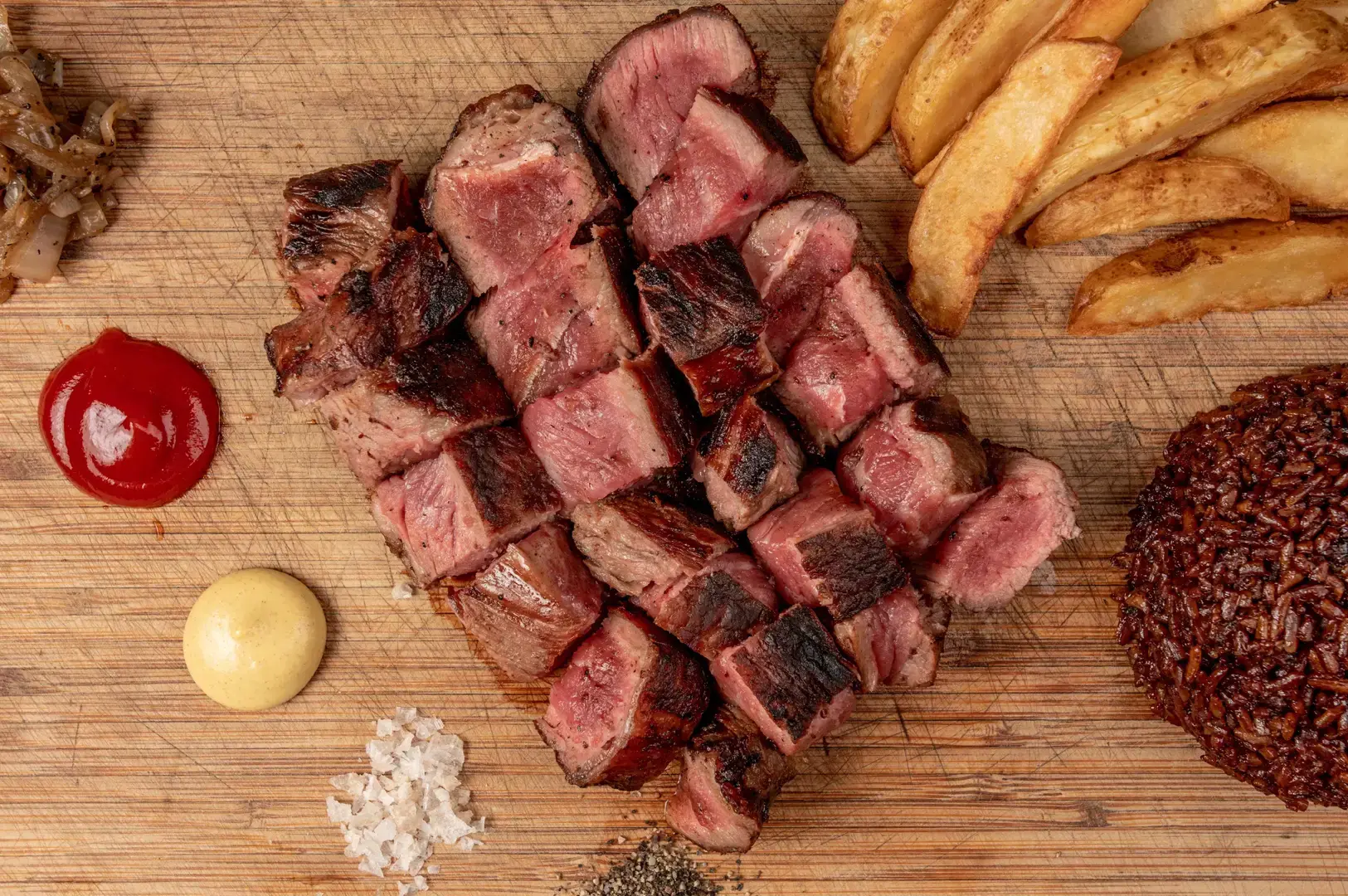
This is where you order for contrast. Boss Bee Hoon, Hokkien Mee Special, har cheong kai, fish maw and crab meat soup, crab dishes, and the famous ribeye all help the table move beyond a single seafood centrepiece. The food tends to carry bold flavors: wok breath, sambal heat, braised richness, and sauces that want to be shared.
Signature item
The signature to mention is USDA Black Angus Ribeye with Heart Attack Fried Rice, even in a seafood list. It is the dish people remember because the beef fat turns the rice smoky, rich, and almost reckless. Pair it with Classic Chilli Crab with deep-fried mantou if the table still wants crab. Crab is usually market price.
Worth to Crack: Best for groups who want seafood and meat, late dinners, bold flavors, and a central CHIJMES meal.
Sounds Fishy: Avoid if you want a seafood-only menu or an old-school coffee-shop seafood setting.
8. Smith Marine Floating Restaurant (Off Changi)
Nearest MRT: None; ferry from Changi Point Ferry Terminal
Price: $$$
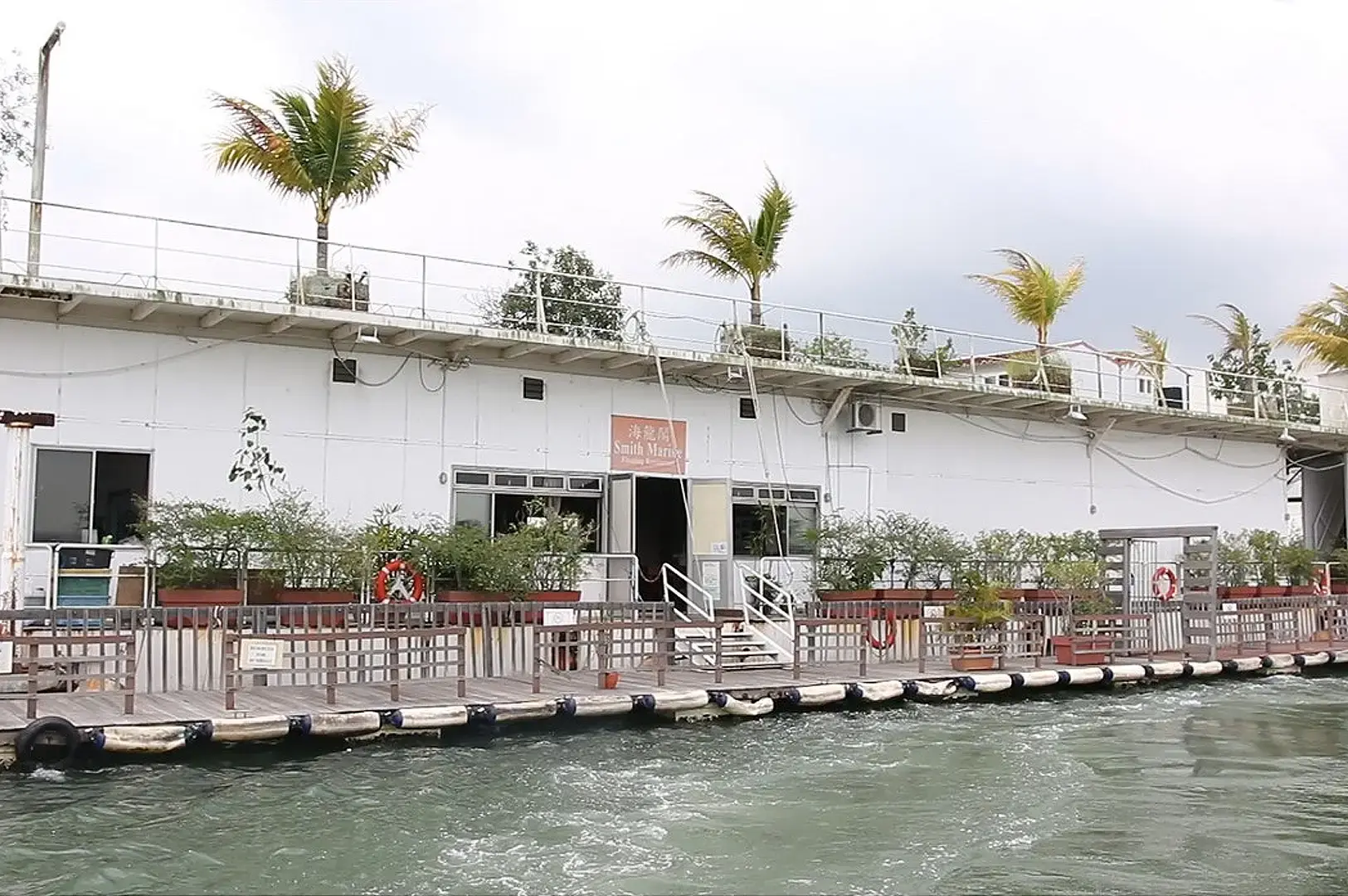
Smith Marine Floating Restaurant is less a quick meal and more a small expedition. The official site says it began as a fish farm in 2006 and became Singapore’s first floating seafood restaurant in 2014. The draw is obvious: sea breeze, kelong-style setting, live catch, and the feeling that the freshest seafood is not coming from a tank in a dining room but from the water around you.
Getting there requires planning. The restaurant helps arrange ferry transfers from Changi Point Ferry Terminal, and the experience is closer to a half-day outing than a normal dinner slot. That alone changes the dining experience. You are not popping in after work; you are leaving the city for an island-edge meal near Pulau Ubin.
Smith Marine also notes its fish-farm origin, which gives it a stronger freshness and sustainability conversation than most city seafood restaurants, though the safest way to frame it is as farm-linked rather than overclaiming.
Signature item
The signature experience is catch-your-own fish, cooked by the kitchen. For fixed examples, public listings have mentioned items such as chilli crab, steamed prawns, steamed lobster, and group set menus, but current pricing and set requirements should be verified before booking. The appeal is not perfection; it is the sea-air novelty of watching lunch become lunch.
Worth to Crack: Best for families, birthdays, children, visitors, and anyone who wants live seafood with sea air rather than city lights.
Sounds Fishy: Avoid if you want MRT convenience, a quick dinner, air-conditioning, or a low-effort seafood meal.
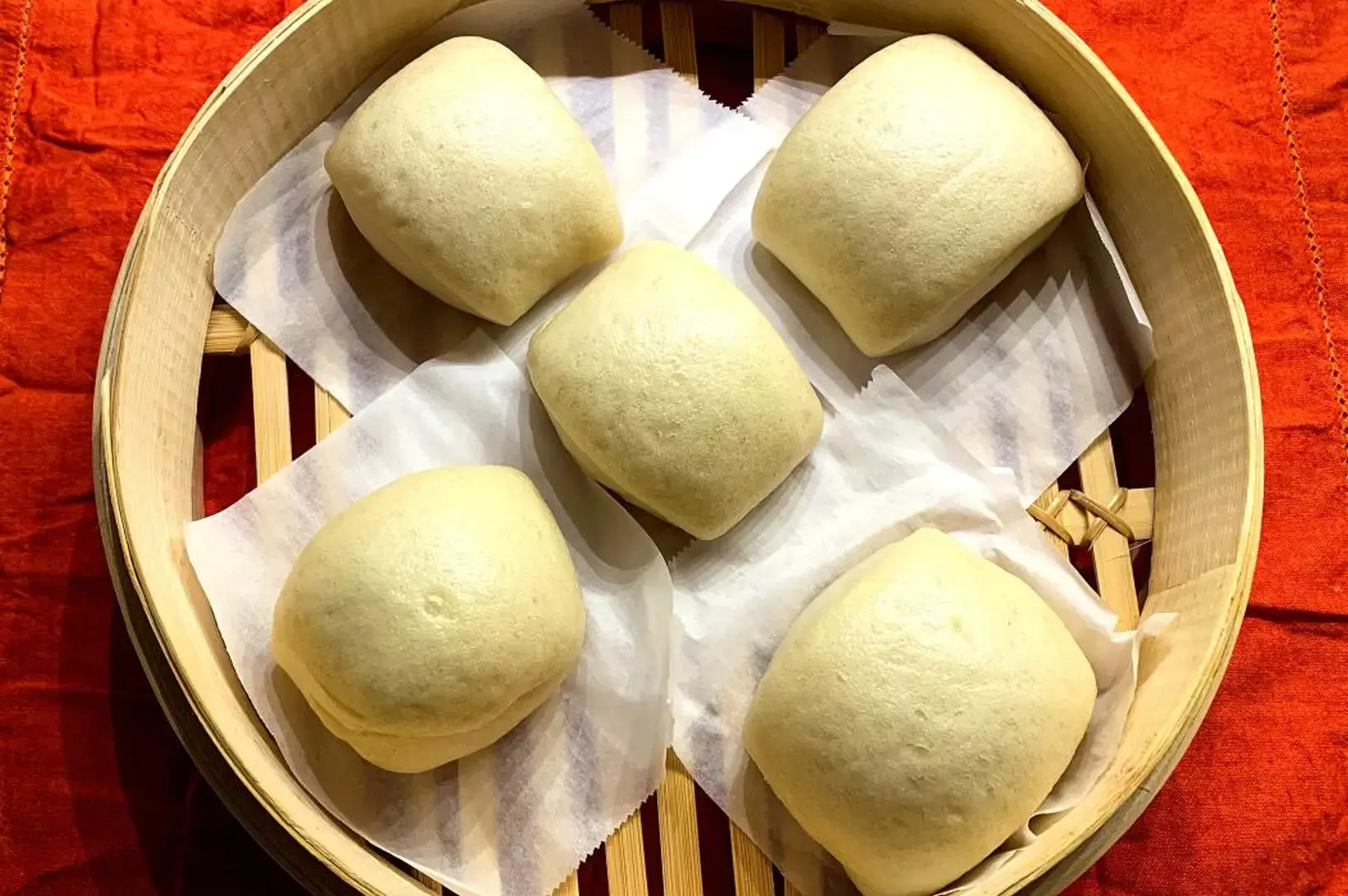
Choosing Your Table Among the Best Seafood Restaurants
None of these is the single best seafood restaurant Singapore has for every occasion, and I do not think there is one. There is the right one for the night: the relatives you are hosting, the friend flying in, the rainy Tuesday that just calls for crab, or the group that wants a full seafood platter energy without ordering an actual platter.
Whichever you pick, order more mantou than you think you need. Confirm the crab weight before it is cooked. Ask about market price. Make reservations when the restaurant allows it.
And do not reach for your camera too fast.
The best part of the meal is usually the pile of shells at the end, and the people you cracked them with.

The Malayan Council, Reviewed: Local Food in Malaysia, Plated Like a Memory
Eat Drink Asia Team | June 11, 2026
Our Eat Drink Asia team spends a lot of time debating what makes a truly unforgettable meal. The team has previously published articles exploring the redefinition of comfort food. That is exactly what led me to The Malayan Council at 71 Bussorah Street. I visited on a Friday around 7:30 pm, just as the weekend…

Sushi in Singapore: Why There Is a Style for Every Budget
Eda Wong | June 11, 2026
Few Japanese dishes have travelled as successfully across Asia as sushi. What began as a culinary tradition deeply rooted in Japan has evolved into something remarkably diverse in Singapore. Today, sushi in Singapore can mean many different things. It can be a quick lunch grabbed from a conveyor belt restaurant, a carefully curated omakase meal…
-
The Quiet Pull of Lahpet in Myanmar’s Tea Leaf Salad
Dio Asahi | June 10, 2026
The afternoon humidity presses against the open-air teahouse in downtown Yangon, where the sharp clatter of a silver spoon against ceramic cuts through the low hum of conversation. A small plate sits in the centre of a low plastic table, holding a dense, dark green cluster that smells faintly of damp earth and sharp lime….
-
Dining at Suntec: The Restaurants That Feel Like Different Cities in One Mall
Eda Wong | June 9, 2026
Over the past six months, I’ve navigated the sprawling, sometimes disorientating corridors of Suntec City more times than I can count. What started as a simple quest to find decent spots for post-meeting lunches quickly turned into a genuine culinary journey. I have tried over a dozen venues within this massive complex, and I’ve found…
-
PappaRich SG and the Comfort of Malaysian Staple Food: A Restaurant Review in Familiar Flavours
Dio Asahi | June 6, 2026
There is a very specific kind of exhaustion that hits you right before a flight or just after you land. You are dragging your suitcase, staring blankly at the departure boards, and suddenly, you realize you are starving. But you don’t want just any food. You want something warm, familiar, and deeply comforting. I felt…
-
Sri Lanka’s Ambul Thiyal and the Sourness of Goraka
Eda Wong | June 5, 2026
In the open-air kitchen of a coastal home in southern Sri Lanka, a low fire crackles under a wide, unglazed clay pot. The air is thick with the scent of roasted black pepper and something deeply, aggressively tart. A wooden spoon scrapes the bottom of the pot, turning cubes of firm yellowfin tuna until they…
-
Traditional Malaysian Foods Aren’t a Museum: They’re a Living Argument at the Table
Eda Wong | June 4, 2026
When I first really started digging into traditional Malaysian food, I made a classic rookie mistake. I was sitting at a crowded kopitiam in Kuala Lumpur, looking at a plate of nasi lemak, and I thought I understood exactly what it was supposed to be. I thought it was a fixed, rigid recipe, a museum…
-
In Gifu, Hoba Miso Warms Slowly Over Magnolia Leaves
Dio Asahi | June 3, 2026
Frost clings to the wooden window frames in the highlands of Gifu. Inside, the air is thick with the scent of woodsmoke and fermented soybeans. On the table, a small ceramic charcoal grill known as a shichirin radiates a gentle, localized heat. Resting directly above the glowing embers is a large, brittle brown leaf holding…
-
The Stir Fried Egg Plant That Taught Me Restraint at Si Chuan Dou Hua Restaurant
Eat Drink Asia Team | June 2, 2026
I’ve always had a love-hate relationship with Sichuan food. Usually, you walk into a spot, order your food, and spend the rest of the night sweating through your shirt, chugging ice water, and wondering why you did this to yourself. But when I visited Si Chuan Dou Hua Restaurant on a Tuesday around 7 pm,…
-
What the Wok Is Really Doing to the Vegetable: The Question Behind Every ‘Brinjal Recipe Chinese Style’
Dio Asahi | May 30, 2026
When I first tried cooking brinjal at home, I was completely convinced that all I needed was a hot pan, some oil, and a good recipe. I chopped the vibrant purple vegetable, threw it into a standard frying pan with a generous pour of oil, and waited for the magic to happen. Instead of the…