When people around the world think of Japanese tea, images of tranquil tea ceremonies in small rooms or frothy bowls of matcha often come to mind. Yet, the reality of tea drinking in Japan is much broader, woven deeply into the culture and daily habits. For the vast majority, sencha is the beloved tea that fuels the day—accompanying meals, welcoming guests, and enhancing the experience of eating sushi or sweet desserts at home and in restaurants.
Sencha is the most common type of Japanese tea, representing about 80% of tea production. Unlike matcha, which is made from finely ground tea leaves traditionally whisked in tea ceremonies, sencha is a loose-leaf green tea steeped in hot water. Its light green liquor captures a grassy aroma and refreshing taste, perfectly balancing bitterness with a hint of natural sweetness.
The world of sencha is vast, from Uji tea fields in Kyoto to bustling vending machines in Tokyo, and it stands apart from black tea and roasted varieties. Let’s step beyond the image of the tea ceremony and discover what makes sencha the most popular type of Japanese tea and an essential piece of Japanese culture.
What is Sencha? A Beloved Japanese Green Tea
Sencha is a Japanese green tea made from sun-grown tea leaves. Unlike gyokuro, which develops under shade for several weeks, sencha is grown in full sunlight. This exposure results in mature leaves with a higher catechin content, providing a slightly more robust and astringent taste. The name sencha literally means “infused tea,” referring to the traditional method of brewing with water rather than consuming ground leaves as one does with matcha.
The Delicate Flavor and Aroma of Sencha
A cup of high-quality sencha brings out a signature grassy, vegetal taste—often described as fresh and vibrant with notes of steamed greens and seaweed. Its flavour profile, however, becomes even more complex as you sip, offering a delicate balance between bitterness and subtle sweetness (amami), all underscored by an umami brothiness that is unique to Japanese green tea.
Sencha’s light body sets it apart from hojicha (roasted green tea), genmaicha (mixed with roasted brown rice), or the strong notes of Japanese black tea. Its well-rounded taste and approachable aroma make sencha not just a drink, but a deeply rooted experience in Japanese food culture.
The Art of Sencha Tea Production in Japan
The journey from tea plant to steaming cup is an intricate process that reflects centuries of tradition and passion for quality Japanese tea.
Hand Picking and Harvest
Sencha production begins with careful hand picking of tea leaves at the onset of spring, especially prized in regions like Kyoto and Shizuoka. The first flush, called shincha, is valued for its delicate flavor and brilliant color.
Steaming: The Distinct Japanese Processing Method
Unlike green teas from China, which are typically pan-fired, Japanese green teas undergo steaming to halt oxidation. Leaves are steamed for up to 90 seconds—shorter for asamushi (light steamed) or longer for fukamushi (deep steamed). This crucial step preserves the verdant color and grassy aroma, distinguishing sencha tea from roasted or oxidized types such as roasted green tea and black tea.
Rolling, Shaping, and Drying
The next step involves rolling the steamed leaves, a specialized method using machinery or careful handwork. Rolling breaks down cell walls, allowing the essence of the leaf to emerge during brewing. The thin needle-like shape is iconic for sencha and allows for an even and full extraction. Leaves are then thoroughly dried, locking in the flavor and ensuring quality—whether destined for sale in local markets, restaurants, or vending machines.
How to Brew Perfect Japanese Green Tea: Sencha
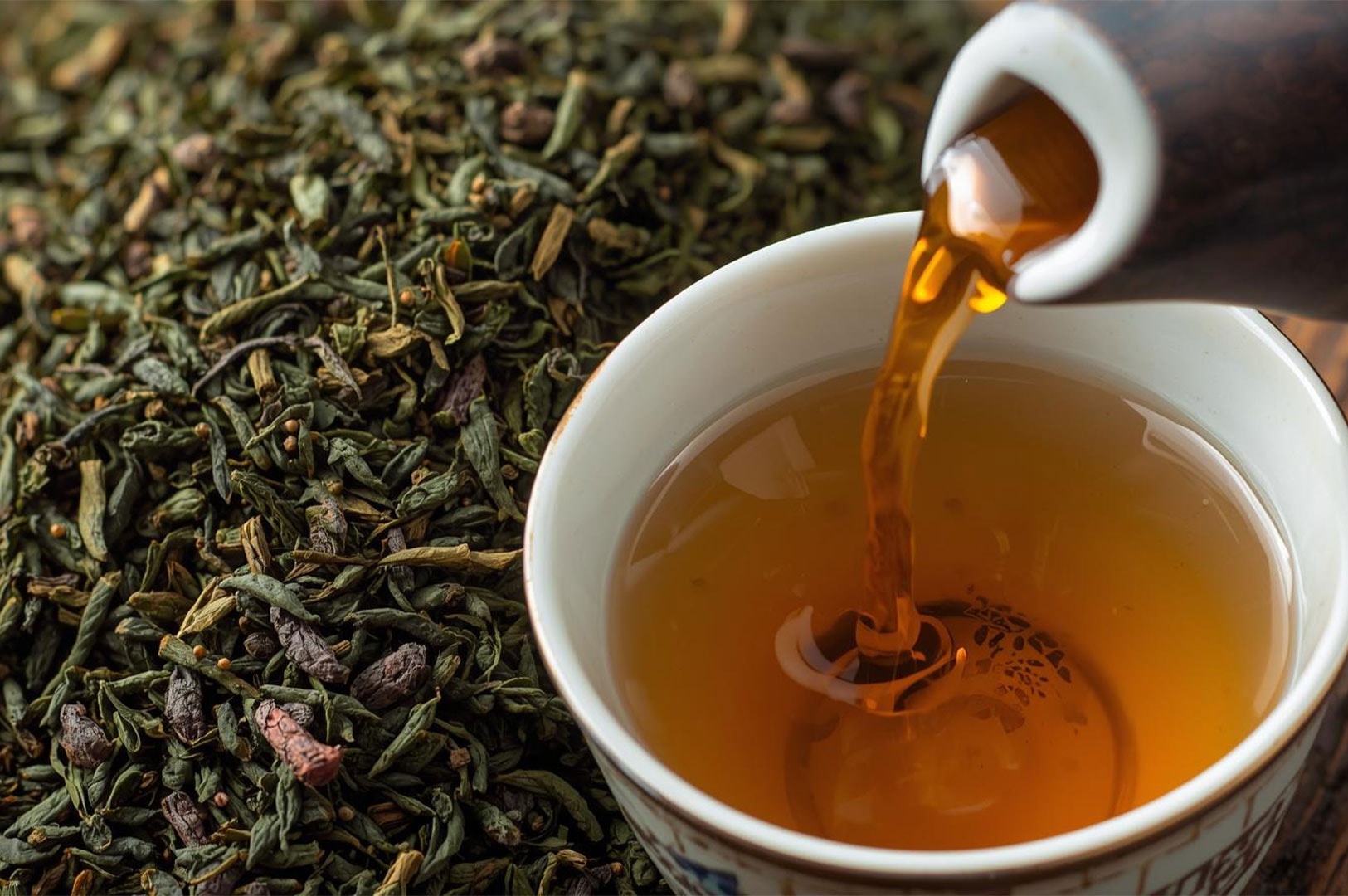
Creating the perfect cup of Japanese green tea is both art and science. Sencha, with its delicate flavor, requires careful attention to water temperature and steeping time.
Brewing Sencha: Step-by-Step Tea Experience
- Water Temperature: Always use hot water below boiling—70°C to 80°C (158°F to 176°F). Boiling water extracts bitter compounds and dulls the delicate flavor.
- Tea-to-Water Ratio: Start with about 1 teaspoon (2–3 grams) of tea leaves for every 120ml (4oz) of water.
- Steeping Time: Let the tea steep for about 60 seconds—longer times extract more bitterness. For a lighter brew, reduce time and use more leaf.
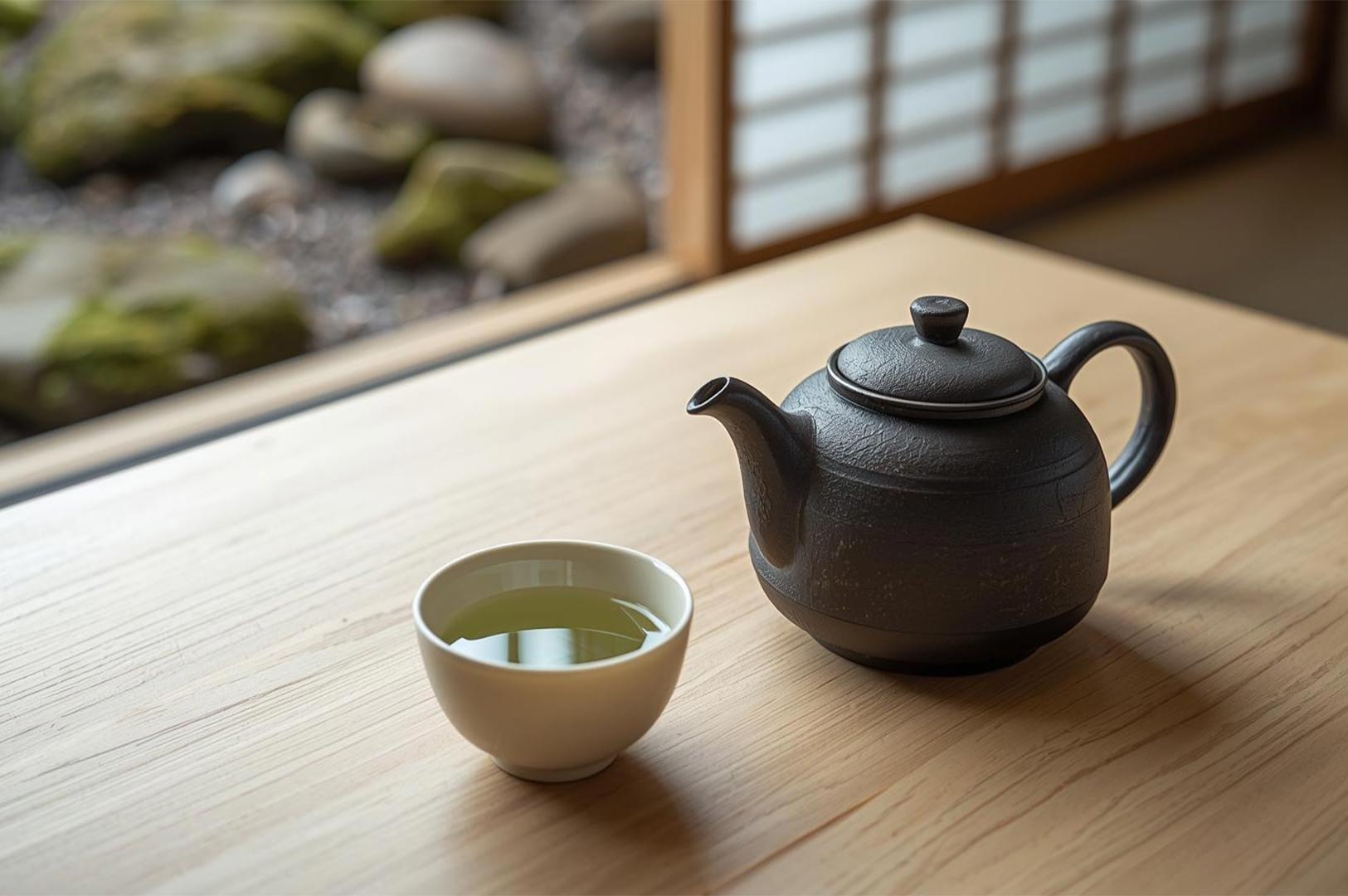
- Brewing Vessels: A kyusu (Japanese teapot) or any small teapot is perfect for maximizing the extraction of aroma and taste.
Pro Tip: High-grade sencha can be steeped multiple times. Each infusion reveals new dimensions—adjust the steeping time and water temperature for each round.
Whether served traditionally with meals, paired with rice and fish, or enjoyed with sweets or sweet desserts, brewing sencha is a beloved ritual in many Japanese homes.
Sencha vs. Other Popular Types of Japanese Tea
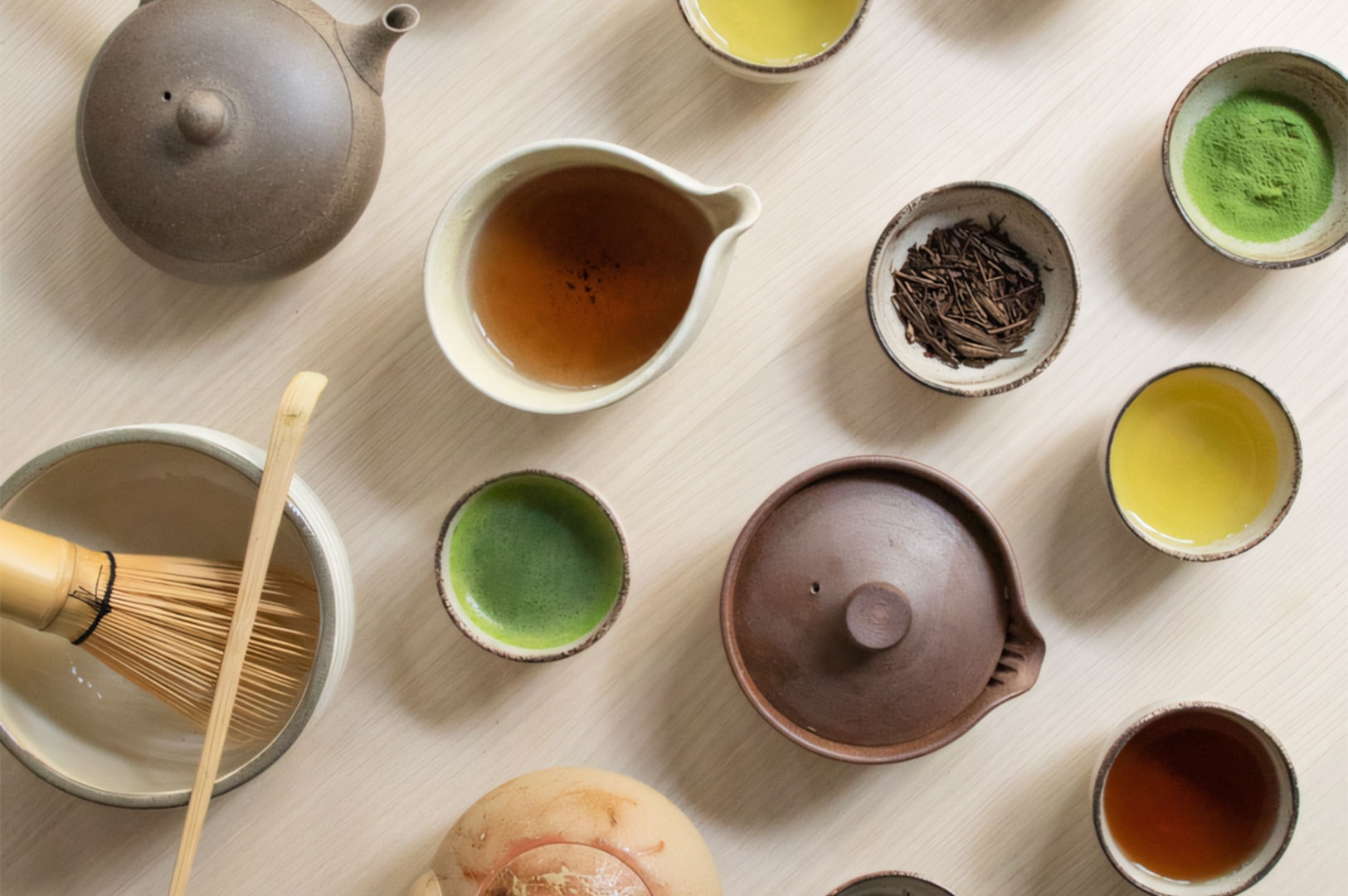
The spectrum of Japanese tea includes several types, each catering to different tastes and occasions.
Sencha vs. Matcha: Powder vs. Leaves
While matcha is a fine powder produced from shaded tea leaves and central to the Japanese tea ceremony, sencha offers a more casual, everyday tea drinking experience. Matcha is rich and creamy, with a robust taste that stands up to sweet desserts and is often used in new products like matcha-flavored foods. Sencha, by contrast, is refreshing and light—perfect for meals or moments of quiet reflection.
For a deep dive into matcha, explore Japanese Green Tea from Japan: The Story of Matcha at Eat Drink Asia.
Genmaicha, Hojicha, and Japanese Black Tea
- Genmaicha: Sencha mixed with roasted brown rice, resulting in a warm, nutty tea with a unique aroma—sometimes known as “popcorn tea.”
- Hojicha: Roasted green tea that develops a reddish brown color, a sweet roasted flavor, and low caffeine—popularly sipped in the evening or summer.
- Japanese Black Tea (Wakoucha): Made using the same tea plant as green teas but processed differently to develop a malty, sweet taste and deep color.
Other Japanese Teas
- Gyokuro: A shade-grown, high-grade green tea with intense umami.
- Barley Tea: A popular beverage in summer, made by roasting barley and steeping it in hot water.
- Bancha: Made from larger, mature leaves picked after the sencha harvest; lower quality but beloved as an everyday table tea.
The Role of Sencha in Japanese Tea Ceremony and Daily Life
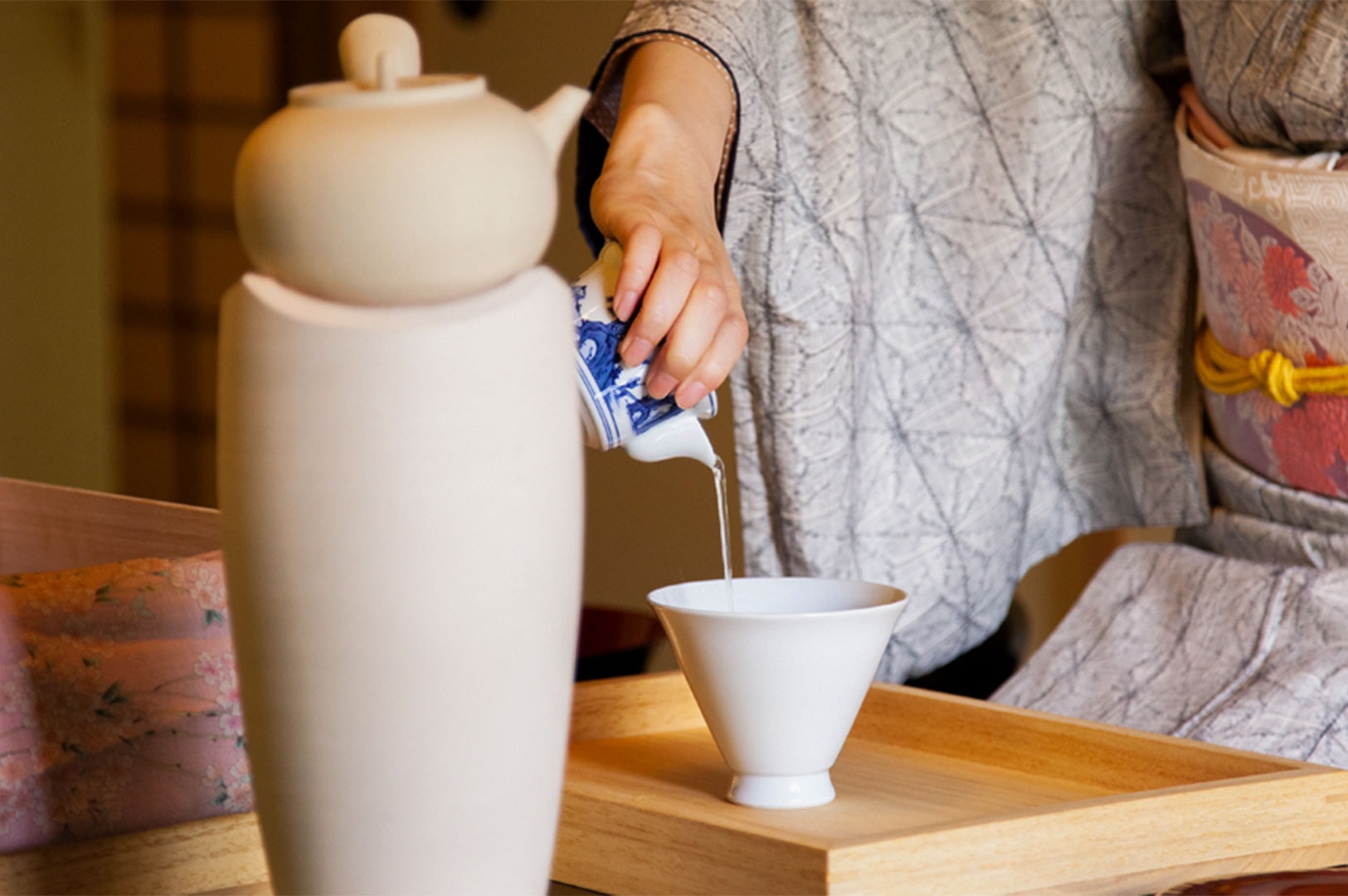
Sencha’s story is as much about culture as it is about taste. While the Japanese tea ceremony (chanoyu) centers on matcha, another ritual, senchado, celebrates the enjoyment of brewed sencha in a more relaxed setting—often among friends or in small rooms designed for thoughtful conversation.
For most, however, sencha remains a symbol of everyday hospitality—a pot is nearly always on hand to serve guests at home, especially with meals of rice, sushi, or sweet desserts. Whether shared as a comfort food or enjoyed solo as a wellness ritual, sencha comfortably bridges tradition and modernity, especially in cities like Tokyo and Kyoto, where new products and old customs intermingle.
Sencha’s Health Benefits and Well-being
Beyond taste, the appeal of sencha lies in its cherished health benefits. Rich in catechins and antioxidants, it’s believed to support metabolism, oral health, and overall well-being. Drinking sencha has long been associated with maintaining balance in life—whether as a mindful pause in the busy market of modern Japan or as an aid to digestion after meals.
Sencha is also lower in caffeine and calories than coffee or soft drinks. The strong yet delicate flavor, the soothing aroma, and its gentle stimulant effect make it a popular beverage for all ages, throughout the changing seasons.
Why Sencha Remains Japan’s Favorite Tea
From the hand picking of the perfect leaf to the unique steaming and rolling process, and from traditional ceremonies to bustling restaurants, sencha endures as Japan’s most beloved tea. It offers a tea experience that is light, versatile, and full of character—one that pairs as happily with humble rice and sweet desserts as with refined Kyoto sweets.
If you’ve only known green tea as a bitter or lower grade commodity, give Japanese sencha a try. Brew it the same way the Japanese have for centuries: with care, patience, and curiosity. You may find that a cup of sencha opens a door to not only the sensory pleasures of taste and aroma but also to a deeper appreciation of Japanese well-being, culture, and everyday life.

Asian Food Comfort Trends: Why Broths and Bowls are Dominating Globally
Eda Wong | March 14, 2026
I still remember the first time I faced a “build-your-own” Mala Xiang Guo counter. I stood there, plastic tongs in hand, completely paralyzed by the mountain of choices. Lotus root? Kelp knots? three different types of tofu skin? My anxiety spiked. I panicked, grabbed way too much luncheon meat, and ended up with a $28…
-
The Fifth Element: A Masterclass on Umami in East Asian Cuisine
Dio Asahi | March 12, 2026
I’ll never forget the first time I made miso soup from scratch. Not the instant kind, but the “proper” way. I boiled water, dissolved miso paste, added tofu, and waited. It tasted flat, salty and cloudy but missing the deep, satisfying flavor I loved in Japanese restaurants. I thought maybe I needed better miso. Years…
-
Why My Quest Ended at Yummy Western (409 AMK)
Dio Asahi | March 10, 2026
There’s a specific magic to a late-night supper hunt in Singapore. It’s the ritual of chasing a craving through the humidity to find that one stall that hits the spot. For me, that meant a pilgrimage to Ang Mo Kio Avenue 10. I arrived at 10 PM on a Friday, just as the ‘supper soul’…
-
A Taste of Time: My Dinner at Guan Hoe Soon
Eda Wong | March 7, 2026
There’s something special about visiting a place that has seen decades of Singapore’s history unfold. Guan Hoe Soon, tucked away on Joo Chiat Road, holds the title of Singapore’s oldest Nyonya restaurant, and you can feel that heritage the moment you step inside. I’d heard about it for years, a place where recipes aren’t just…
-
The 5 Best Halal Restaurant in Singapore for Authentic Nasi Padang
Eda Wong | March 5, 2026
There are few meals as satisfying as Nasi Padang, a colourful feast where you choose from a variety of dishes to create your perfect plate. Over the years, I’ve explored Singapore’s Nasi Padang scene, especially in Kampong Glam, sampling everything from humble hawker stalls to renowned spots. This list highlights the five best halal Nasi…
-
The Global Soup Bowl: How Indonesian Soto Shapes the Future of Asiatic Food Traditions
Dio Asahi | March 3, 2026
I still remember my first “real” bowl of Indonesian soto. Sitting on a low plastic stool in a cramped warung, I ordered Soto Betawi, expecting it to be like the clear Soto Ayam from Singaporean weddings. I was wrong. The rich, milky broth was intense, creamy, and boldly spiced. That first spoonful rewired my idea…
-
Shun: Japan’s Seasonal Treasures – A Deep Dive Into the Ingredients Behind True Omakase
Eat Drink Asia Team | February 28, 2026
In the world of Asian food, few dining experiences capture the soul of traditional Japanese food culture like omakase. At a premier omakase restaurant, diners entrust their meal entirely to the chef, whose artistry is guided not just by mastery, but by shun—the appreciation of seasonal and fresh ingredients at the absolute peak of their…
-
My Trip to Bánh Mì Saigon and How It Compares to Best Food in Singapore
Eda Wong | February 26, 2026
Located in the bustling neighborhood of Ang Mo Kio, Bánh Mì Saigon offers a taste of Vietnam right here in Singapore. From traditional bánh mì sandwiches to hearty pho bowls and refreshing Vietnamese iced coffee, this restaurant has it all. I arrived at Bánh Mì Saigon on a busy Saturday evening and was immediately drawn…
-
Tea Room by Ki-setsu: A Curated Journey Through Chinese Tea in the Heart of Singapore
Dio Asahi | February 25, 2026
Most people arrive at Chinese tea the way they arrive at any beverage: thirsty, curious, maybe looking for something sweet or soothing. But traditional chinese tea isn’t built like a single drink. It’s a network: leaf origin, processing choices, vessel physics, water, pacing, and the quiet social technology of sitting down long enough for a…
-
Tandoori Chicken: The Signature Indian Chicken Dish
Eda Wong | February 24, 2026
Tandoori chicken stands tall among the best Indian chicken recipes. With its vibrant hue and smoky aroma, this iconic Indian chicken dish is celebrated in Indian restaurants worldwide. Emerging from Punjab, it pairs perfectly with fragrant basmati rice or fresh naan and is a favorite for anyone who loves bold flavors. The hallmark of tandoori…