I have eaten ramyeon on a plastic stool in Seoul, close to midnight, with cold air biting at my ankles and the broth doing all the work of keeping me warm.
Seoul Bunsik Funan is not that.
This was a bright Tuesday afternoon, escalators humming behind me, the smell of mall air-con instead of street smoke. And yet, standing at the counter, watching a pot of instant noodles come to a boil under fluorescent light, I felt something familiar surface anyway.
Not the street. But the comfort of it.
First Impressions at Seoul Bunsik Funan
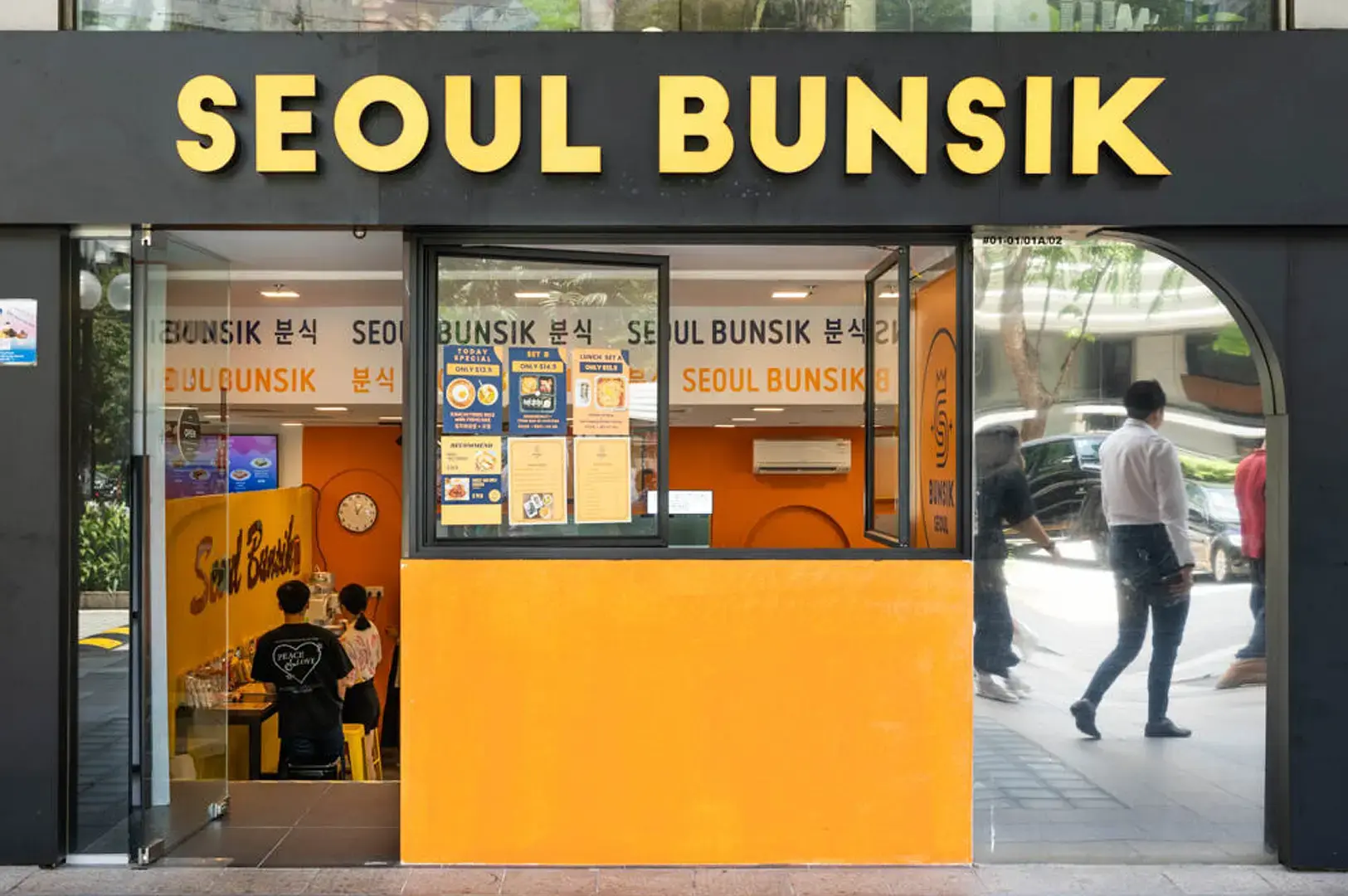
Seoul Bunsik sits at Funan #02-02, a short walk from City Hall MRT. You can pass it before you notice it, because it feels more like a compact counter than a full restaurant. It does not try to stop you with atmosphere. It works because it is quick, bright, and easy to understand.
The space leans into a clean Hallyu mood: Korean music videos on screen, bright lighting, self-service rhythm, and a menu built around ramyeon, kimbap, freshly prepared tteokbokki, fish cake, corndogs, and Korean fried chicken. It feels designed for students, office workers, shoppers, and K-culture fans who want the idea of Korean street food without having to sit on an actual Korean street.
If Seoul Bunsik Funan shows how a compact mall counter can turn into a quick Korean snack stop, Fortune Centre Food Guide for Vegetarian Finds, Quick Lunches, and Hidden Dinner Spots explores another nearby mall where small, practical meals carry the day.
Seating and Mood
The honest downside is the seating. There is not much of it, and what exists sits close together. On a busy day, whether lunch rush or Sunday shopping crowd, you will feel the limits of the space quickly.
I found a small spot near the edge and made peace with it. This is not a place to linger over a slow meal. It is a place to eat quickly and gladly, especially if you already know what you want.
Who the Space Works For
The room works best for:
- Solo diners who want a fast bowl of ramyeon
- Students looking for something casual near City Hall
- Shoppers who want a quick Korean snack
- Friends sharing kimbap, tteokbokki, or chicken
- K-drama snack-scene romantics who enjoy the DIY ramyeon ritual
It works less well for large groups, long conversations, or anyone hoping for the warmth of a full-service Korean restaurant.
The DIY Ramyeon Is the Main Reason to Come
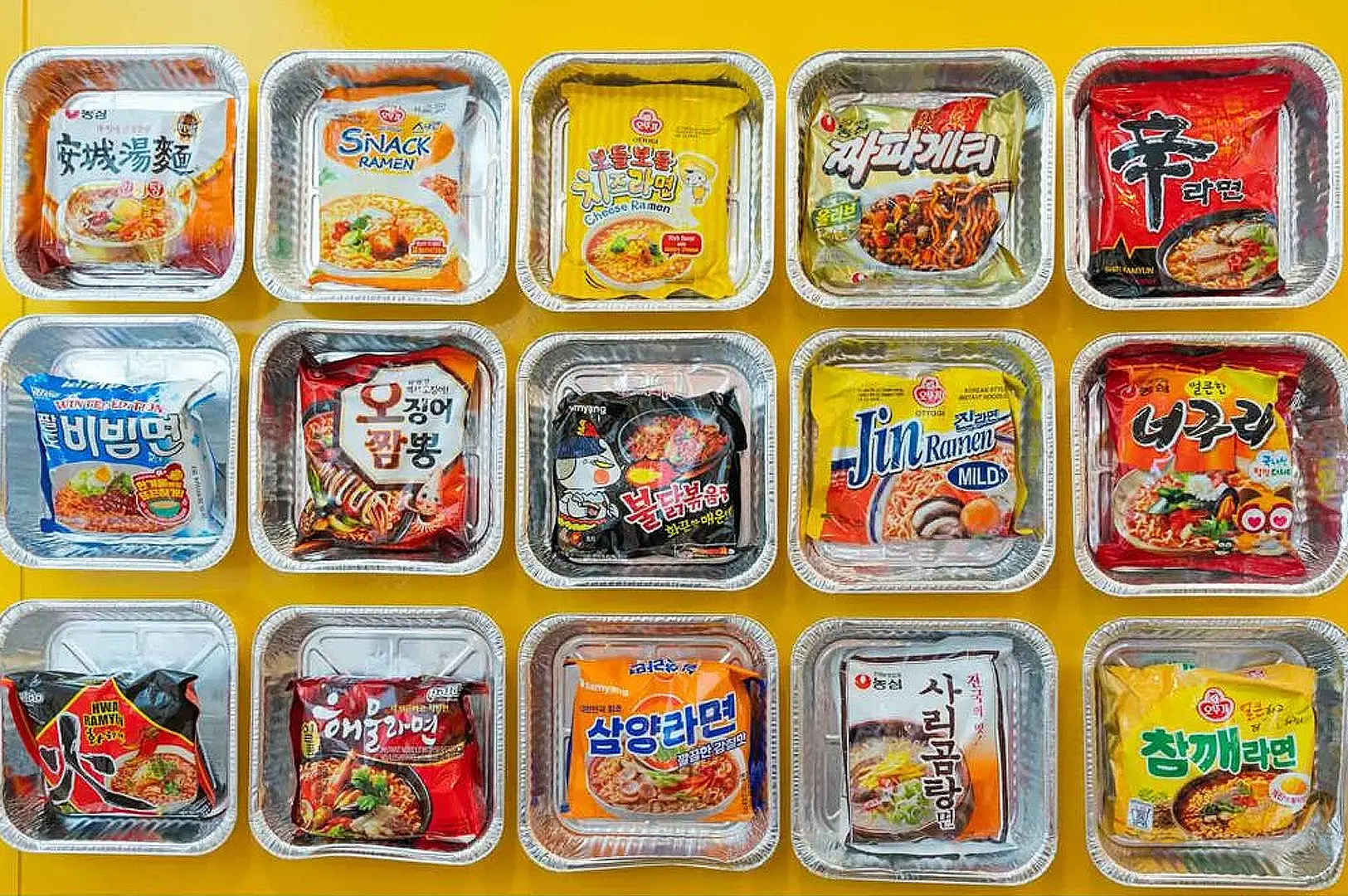
The heart of Seoul Bunsik is the DIY ramyeon station, and honestly, that is the part I came for.
You choose a packet of Korean ramyeon, add toppings if you want, then cook it yourself using the machine. The range depends on what is stocked, but the familiar names are usually there. Noodles start from the lower price range, and toppings such as egg, cheese, luncheon meat, Spam, and kimchi can push the bowl higher.
I went with Shin Ramyun and added egg, cheese, and luncheon meat. It came to around the price of a casual lunch, which is fair if you treat it as food plus experience rather than just a packet of noodles.
The Cooking Ritual
The process is simple. You drop the noodles into the pot or basket, add seasoning, press the button, and wait. The cooker does its work in a few minutes while you stand there watching the broth begin to bubble.
That waiting matters. You are not just handed a bowl. You participate in the small drama of it. The broth darkens, the noodles soften, the cheese starts to sag, and suddenly an ordinary instant noodle packet feels a little more deliberate.
How It Tastes
The finished bowl is not refined, but it is satisfying. The cheese melts into the red broth, going stringy, salty, and rich. The egg softens the heat. The luncheon meat gives that processed comfort that does not apologise for itself.
Could you make something similar at home? Of course. That is the fair criticism of this place.
But Seoul Bunsik understands that the appeal is not only the noodle. It is the activity, the tiny pause in the day, the feeling of making a hot bowl for yourself in the middle of a mall in Singapore.
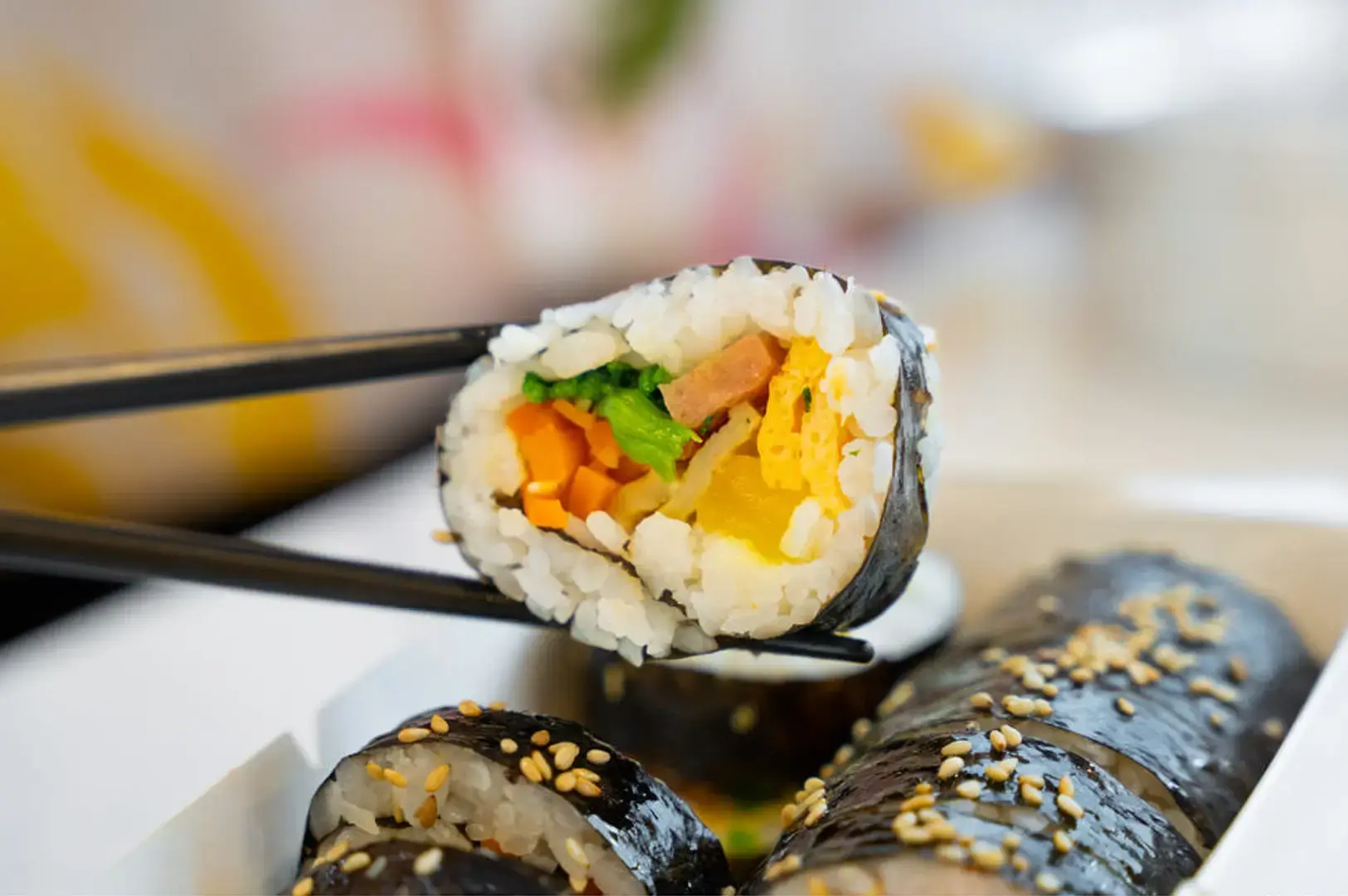
Kimbap Adds the Korean Street Food Shape
I ordered the Spam Cheese Kimbap too, because kimbap is exactly the kind of movement food this format does well.
A good kimbap should feel compact but complete: rice, seaweed, egg, vegetables, pickled crunch, and a savoury centre. It is food designed to be eaten quickly, between errands, classes, or train rides. Seoul Bunsik’s version fits that role.
The Spam and cheese gave the roll enough salt and richness to carry it. It was easy to eat, tidy enough for a mall counter, and filling enough to turn the ramyeon into a proper meal.
For a broader look at why dishes like kimbap, tteokbokki, ramyeon, and corndogs work so well as food in motion, read more about Korean Street Food.
The Lunch Sets Give Better Value
If you are not coming specifically for the DIY ramyeon, the lunch sets may be the smarter way to read the menu.
One of the stronger options is the kind of set that gives you half a kimbap roll, spicy rice cake, fried chicken, and Korean fish cake. That combination gives a fuller picture of what Seoul Bunsik is trying to do: chew, heat, crunch, broth, and snackable comfort on one tray.
The set format helps because no single item has to carry the meal alone. That is closer to the logic of bunsik in Korea, where the pleasure often comes from having several small, affordable foods together rather than one grand main course. It blends traditional flavours with the practical mood of mall dining.
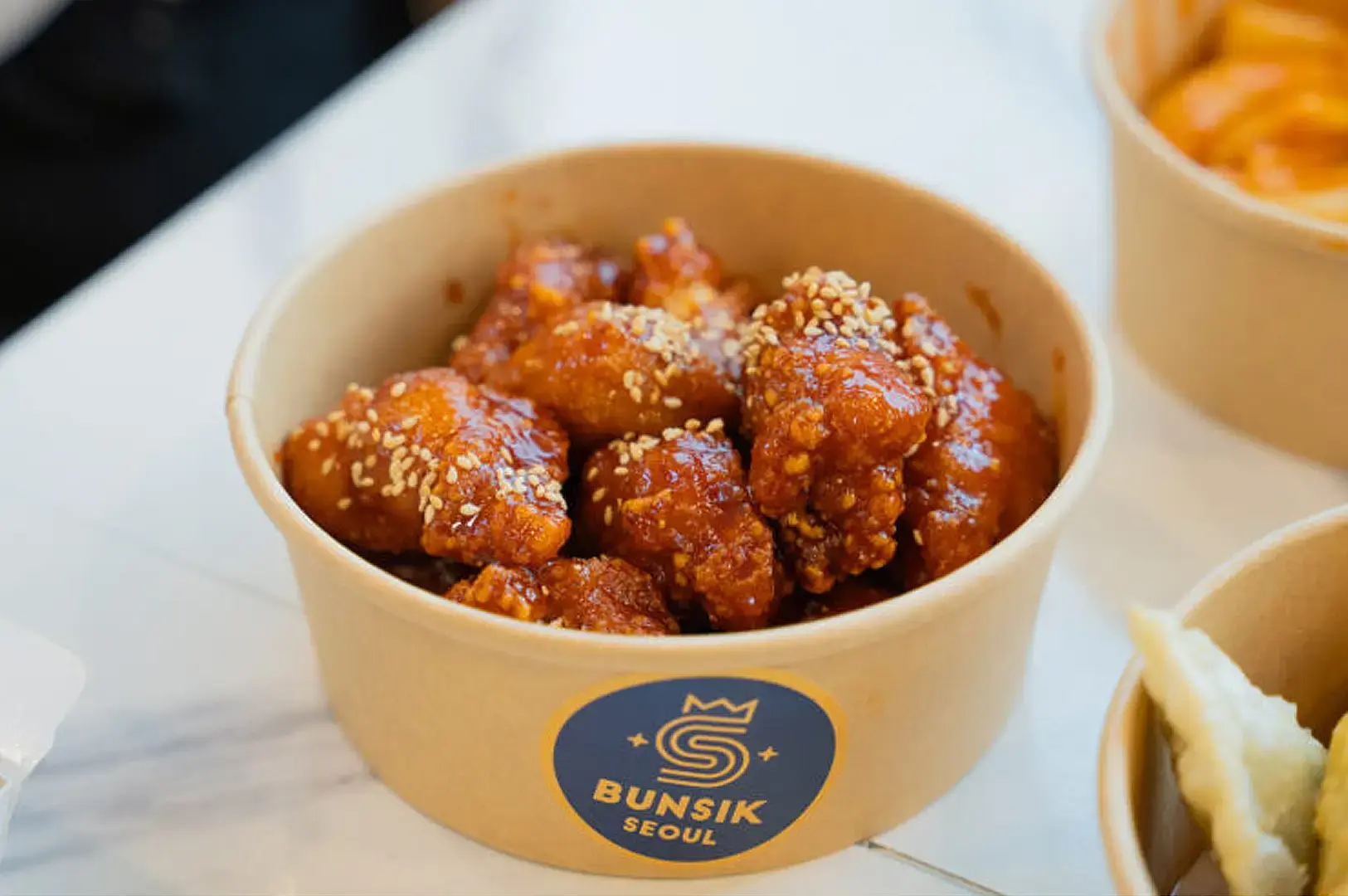
The Fried Chicken Is Good, But the Setting Matters
I tried the Korean Sweet and Spicy Boneless Chicken, and the chicken itself surprised me.
The meat was tender, the sauce sticky and balanced, with that sweet-then-spicy pull that coats your fingers and makes you reach for a tissue you should have taken earlier. The glaze had enough heat to keep it from tasting flat, and the pieces were easy to share.
The only hesitation is the setting. Fried chicken wants a bit of space around it, especially if you are sharing. At Seoul Bunsik Funan, the seats are close, the tables are small, and the whole place moves fast. I would order it with friends, but alone, I would still follow my first instinct: ramyeon, kimbap, maybe tteokbokki, then go.
Ordering and Service
There is not much fuss to the service, and that suits the place.
You order and pay through the self-service system, then wait for your number or cook the ramyeon yourself. No one hovers. No one explains the menu at length. The whole thing runs on a small-counter rhythm: tap, pay, wait, eat, leave.
What to Expect
The experience is functional rather than warm.
That means:
- Ordering is quick once you know what you want
- DIY ramyeon takes a few minutes because you cook it yourself
- Seats can fill fast during peak meal times
- Food is casual, not restaurant-plated
- The space is better for short meals than long conversations
If you expect the warmth of a sit-down Korean restaurant, this is not that. If you expect a fun, quick, mall-friendly Korean snack stop, it does the job.

Practical Details Before You Go: Funan and Far East Plaza
Seoul Bunsik Funan is located at 107 North Bridge Road, Funan #02-02, near City Hall MRT. The brand also has a Far East Plaza outlet at #01-01, and the Funan branch is commonly understood as its second outlet, built for the City Hall crowd rather than the Orchard and East Plaza shopping flow.
Most diners should expect to spend somewhere around S$8 to S$20 per person, depending on whether you keep it simple with ramyeon and toppings or add kimbap, tteokbokki, fish cake, or fried chicken. Sharing fried chicken or ordering a fuller set will push the bill higher.
Quick Guide
- Address: Funan #02-02, 107 North Bridge Road
- Nearest MRT: City Hall
- Best order for first-timers: DIY ramyeon with egg, cheese, and luncheon meat
- Best value direction: A set with kimbap, tteokbokki, fried chicken, and fish cake
- Best for: Solo meals, students, quick lunches, casual snacks
- Less suited for: Big groups, long dinners, quiet meals
- Timing tip: Visit off-peak if you want a seat without hovering
Opening hours are commonly listed around late morning to evening, but check the current Funan or Seoul Bunsik listing before making a special trip, especially if you are planning to go near closing time.
What Seoul Bunsik Gets Right
The best thing about Seoul Bunsik Funan is that it understands its lane.
It does not pretend to be a full Seoul alley experience. It gives you a cleaner, brighter, easier version of Korean street food, where the stories come through in small rituals: tearing open a ramyeon packet, watching cheese sink into broth, carrying a bubbling pot back to a narrow table, and eating while music videos play overhead.
None of this is delicate food. It is not trying to be. It is food for cravings, movement, and quick satisfaction.
Would I Go Back?
I think I would, knowing exactly what to expect.
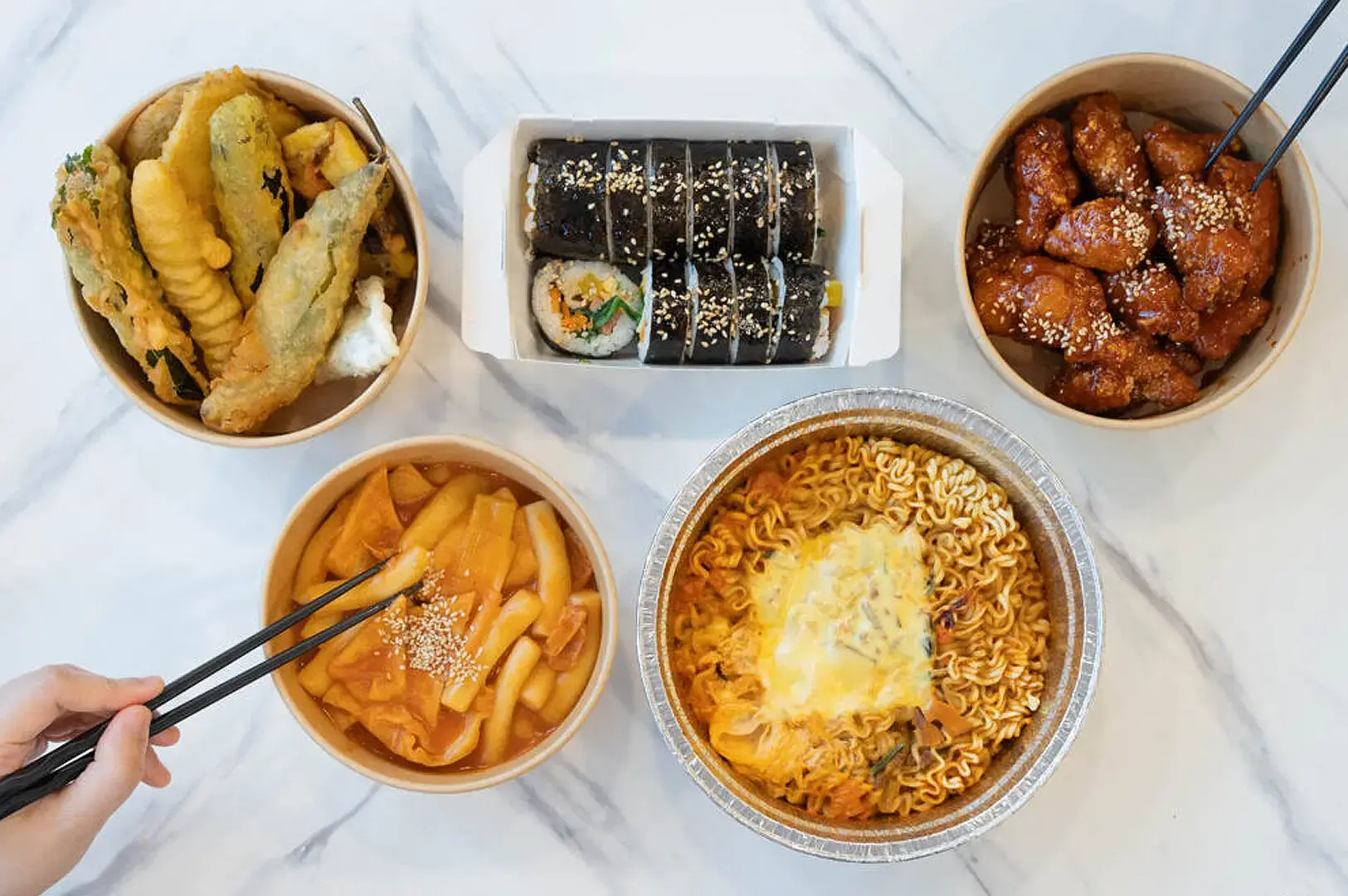
Seoul Bunsik Funan offers the essence of Korean street food: bubbling ramyeon, tight kimbap rolls, chewy rice cake, warm fish cake, and sticky fried chicken, all softened into a bright mall counter near City Hall.
The comfort is real, but so are the limits. It’s ideal for solo diners, students, shoppers, and K-culture fans who enjoy the DIY ramyeon ritual. It’s not suited for groups or those wanting a slow, warm Korean dinner.
On a quiet Tuesday, I carried my bubbling pot to a small seat and ate while music videos played. It didn’t try to be more, and somehow, that was enough.

Mastering the Art of Indian Dishes with Chicken
Eda Wong | February 19, 2026
The story of India’s culinary identity is deeply tied to its poultry dishes. I remember my first attempt at an Indian chicken recipe, failing to brown the onions properly left the dish hollow, missing its soul. The sound of mustard seeds popping in hot oil signals layers of flavor to come. The steam from the…
-
Crunch, Sweet, and Heat: The Irresistible Textures of Southeast Asian Snacks
Dio Asahi | February 17, 2026
In the humid, sticky heat of Southeast Asia, where your shirt clings to your back and the air is thick with the sharp scent of oxidising oil, there’s a particular clink that always gets me. It’s the sound of a metal spatula striking a wok, a rhythmic percussion that’s as familiar to me now as…
-
The Living Pantry: How Geography and Trade Shaped the Food in the Southeast Region
Eat Drink Asia Team | February 14, 2026
To understand the plate is to understand the map. If you were to trace the spice routes of the 15th century or follow the monsoon winds that carried merchant ships across the Indian Ocean, you would find yourself at the epicenter of the world’s most vibrant pantry. The food in the Southeast region of Asia…
-
A Symphony of Senses: Why Southeast Asian Food is the World’s Greatest Culinary Journey
Dio Asahi | February 12, 2026
If you were to stand at a busy intersection in Bangkok, Ho Chi Minh City, or Jakarta and close your eyes, your nose would tell you a story before your eyes ever could. There is a specific, intoxicating perfume that defines Southeast Asian food: the sharp tang of lime juice hitting a hot wok, the…
-
The Alchemy of the Wok: The Story of Singapore-Style Bee Hoon
Eda Wong | February 10, 2026
Across the humid evening air of Singapore, a rhythmic clatter echoes from hawker stalls to high-rise kitchens—the sound of a metal spatula against a seasoned wok. Within that intense heat, rice vermicelli noodles undergoes a profound transformation, absorbing the golden hues of curry powder, the savory depths of soy sauce, and the smoky “breath” of…
-
The Sizzle of the Wok: An Exploration of Fried Bee Hoon Across Southeast Asia
Eat Drink Asia Team | February 7, 2026
Across Southeast Asia, from bustling hawker centers to family kitchens, the sizzle of rice vermicelli noodles hitting a hot wok is a universal comfort. Few dishes capture the spirit of Asian noodle culture as well as fried bee hoon. This stir fry, made with thin rice noodles, delivers a tasty meal any time of the…
-
The Silk of the East: A Deep Dive into Bee Hoon and the Art of Rice Vermicelli
Eda Wong | February 5, 2026
Across the bustling kitchens of Southeast Asia, one humble ingredient has woven itself into the fabric of countless beloved dishes. Bee hoon, the delicate rice vermicelli that transforms from brittle strands into silky noodles, represents centuries of culinary tradition and innovation. Whether you’ve savored Singapore noodles in a hawker center or encountered fried bee hoon…
-
The Eternal Hearth: A Journey Through the Soul of Indian Foods Vegetarian Traditions
Dio Asahi | February 3, 2026
In the vibrant tapestry of global gastronomy, few cultures have elevated the plant-based plate to an art form quite like India. While much of the world has recently turned toward meat alternatives for health or environmental reasons, Indian cuisine has been centered on the vegetable for millennia. This isn’t merely a dietary choice; it is…
-
The Essence of Jeju Citron Tea: A Distinctive Profile of Yuja Tea in Korea
Dio Asahi | January 31, 2026
Imagine sitting in a quiet, sun-drenched teahouse overlooking the dramatic volcanic coastline of Jeju Island. The steam rising from your cup carries an aroma that is at once familiar and yet entirely new—a version of Korean citron tea, or yuja cha, that tastes of sea salt, volcanic soil, and generations of island tradition. As you…
-
Korean Citron Tea: Health Benefits and Wellness Secrets
Eat Drink Asia Team | January 29, 2026
As the seasons change and a chill enters the air, many of us seek out comforting rituals to support our well-being. Imagine wrapping your hands around a steaming cup of Korean citron tea—also known as yuja-cha—its bright, citrus aroma soothing and revitalizing with every sip. More than just a winter treat, Korean citron tea is…