I used to think of authentic Sichuan food as a sheer test of endurance. For a long time, I assumed the goal was simply to survive the fiery onslaught of chillies rather than actually taste anything. But my recent culinary journey at Shu Yan Sichuan Cuisine completely rewired how I understand this region’s flavour map.
I visited the restaurant on a rainy Tuesday around 7pm, seeking a bit of comfort and warmth. Located right inside Chinatown Point, it promised a modern take on classic Sichuan dishes. What I discovered was a celebration of flavours that treated spice as a structural foundation rather than just a dramatic spectacle.
If you’re an urban food enthusiast who loves bold, diverse tastes but dreads the one-dimensional burn of mall-Chinese takeout, you’ll want to pay attention. Here is exactly what happens when you let real wok heat and peppercorns do the talking. For those looking to explore more, the best Chinese restaurants in Singapore offer a diverse range of authentic and elevated dining experiences. Eat Drink Asia is a great resource to discover these top spots.
A Polished Escape from the Chinatown Hustle: Chicken Pao and More
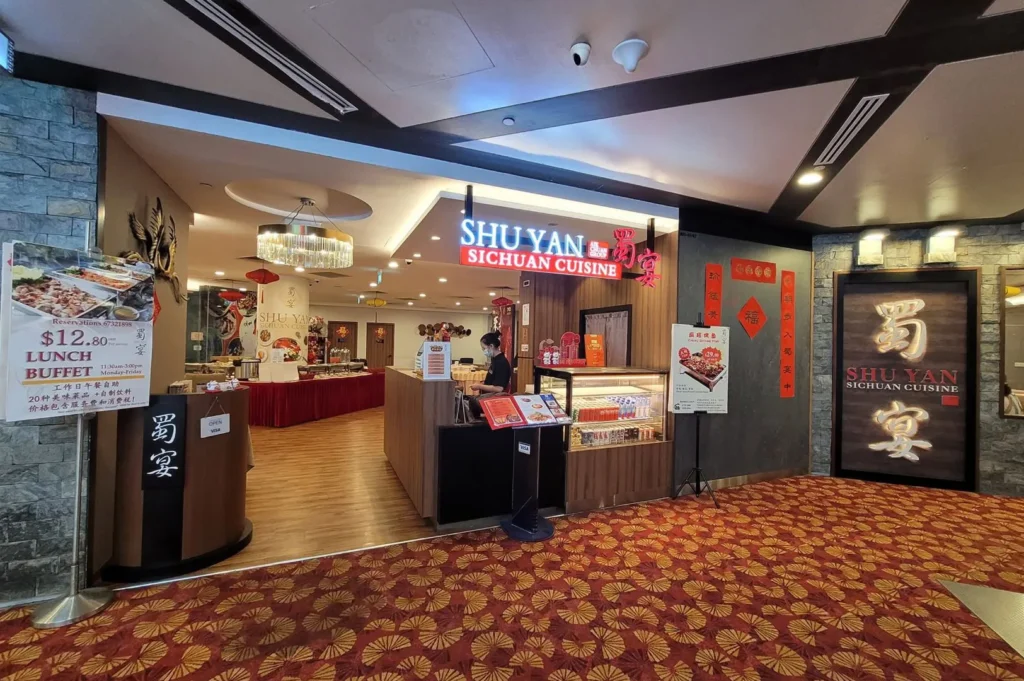
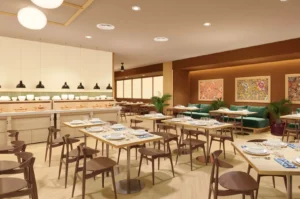
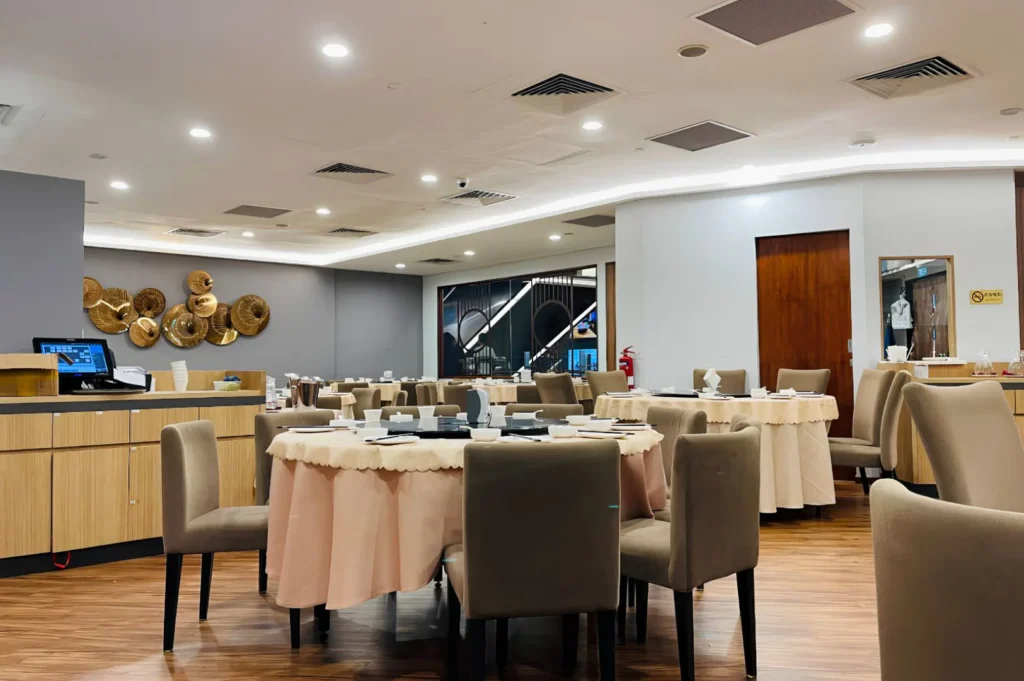
Walking into Shu Yan at 133 New Bridge Road, I noticed an immediate contrast to the usual rustic eateries scattered around Chinatown. The space feels distinctly modern and refined. Warm lighting bounces off dark wood tones, creating an atmosphere that feels closer to an upscale dining room than a casual noodle shop.
The AC was quite strong when I walked in, I definitely needed my jacket while waiting for the food to arrive. The noise level was moderate, filled with the hum of group dinners and clinking chopsticks. It’s a comfortable, polished environment that makes it an easy recommendation for a smart-casual dinner or a family gathering.
However, if you want to actually hear your friends speak, I’d suggest asking for one of the booth tables near the back. The tables closest to the entrance can feel a bit chaotic and noisy, especially as the dinner rush peaks and the queue starts forming outside.
Spice as Structure: The Kung Pao Chicken Experience
We started with the restaurant’s most talked-about dish, the Gong Bao Ji Ding ($22), a classic chicken pao or kung pao chicken. This dish is a shining example of how to cook kung pao chicken with finesse. Unlike the overly sweet, heavily battered versions common in many Chinese restaurants, Shu Yan’s rendition is a masterful balance of textures and flavors.
The diced chicken breast is marinated with a blend of soy sauce, rice wine vinegar, and white pepper, then quickly stir-fried in hot cooking oil and sesame oil over high heat to seal in the juices. The result is tender, juicy cooked chicken cubes with a slight crispiness on the edges. The kung pao sauce here is a delightful harmony of savoury sweet notes, made with dark soy sauce, light soy sauce, hoisin sauce, and a touch of sugar, thickened with corn starch to coat every piece perfectly.
What really elevates this version of kung pao is the aromatic punch from dried chili peppers and sichuan peppercorns, which provide that signature numbing heat without overwhelming the palate. Roasted peanuts add a satisfying crunch, while fresh green onions and vibrant green bell peppers contribute bursts of freshness and a subtle vitamin C boost. The dish carries the smoky breath of the wok and the tang of rice vinegar, a hallmark of authentic Sichuan province cooking.
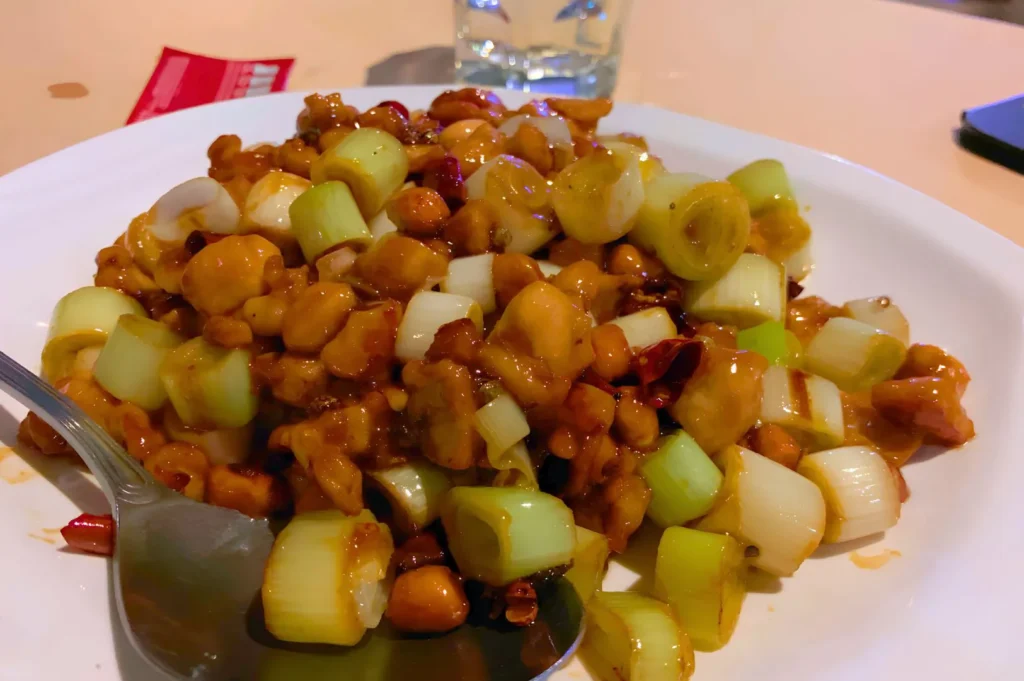
This is a true Chinese recipe that respects tradition but also embraces the delicate balance of flavors that make kung pao chicken beloved worldwide. For those curious about variations, Shu Yan’s take is closer to the original spicy food roots than the sweeter Americanized versions. If you prefer a vegetarian version, many Chinese restaurants offer tofu or mushroom alternatives cooked with a similar kung pao sauce, which can also be made gluten free by substituting tamari for soy sauce.
Deep, Savoury Comfort: Mapo Tofu
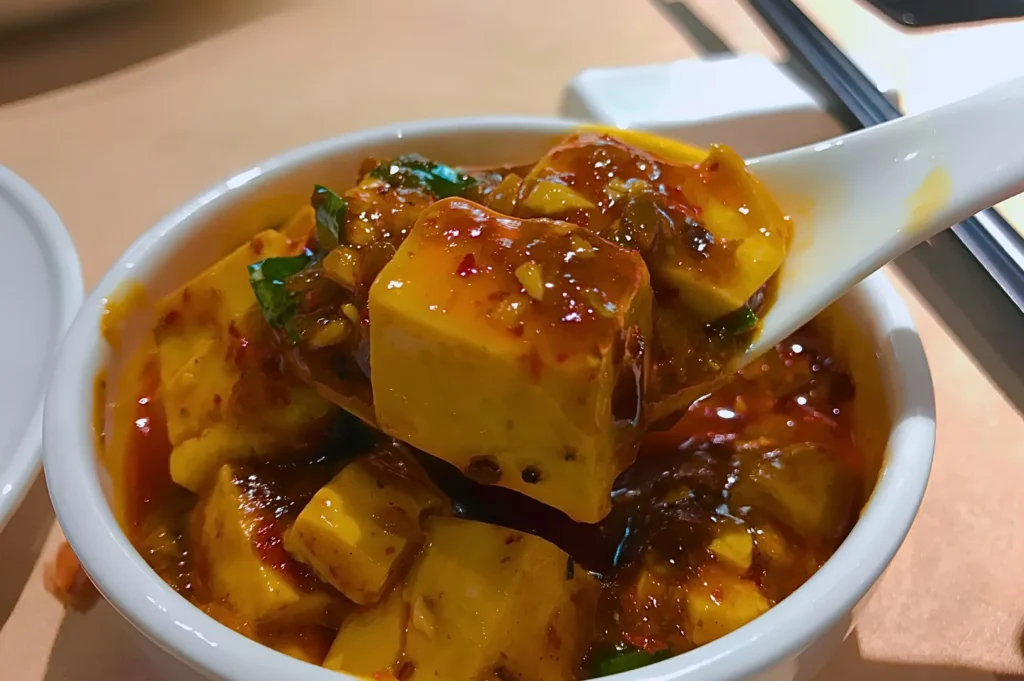
You can’t really judge a Sichuan restaurant without trying their Mapo Tofu ($16). When the bowl arrived, it was visually stunning; a vibrant, fiery red pool of chili oil blanketing perfectly cubed tofu. The smell of toasted sichuan peppercorns hit me immediately, carrying that signature floral, citrusy note.
The texture of the tofu was flawlessly silky. It was soft enough to melt on the tongue but held its shape just enough so it didn’t disintegrate when picked up. The sauce was thick, clingy, and incredibly savoury, coating my bowl of steamed rice beautifully.
I felt the numbing, tingling sensation of the peppercorns layer itself gradually across my palate. Yes, it was quite oily, but that’s honestly expected for authentic Sichuan food. The oil carries the flavour. It did start to feel a bit heavy after a while, so you’ll definitely want to share this rather than tackle it alone.
A Dramatic Centrepiece: Grilled Fish
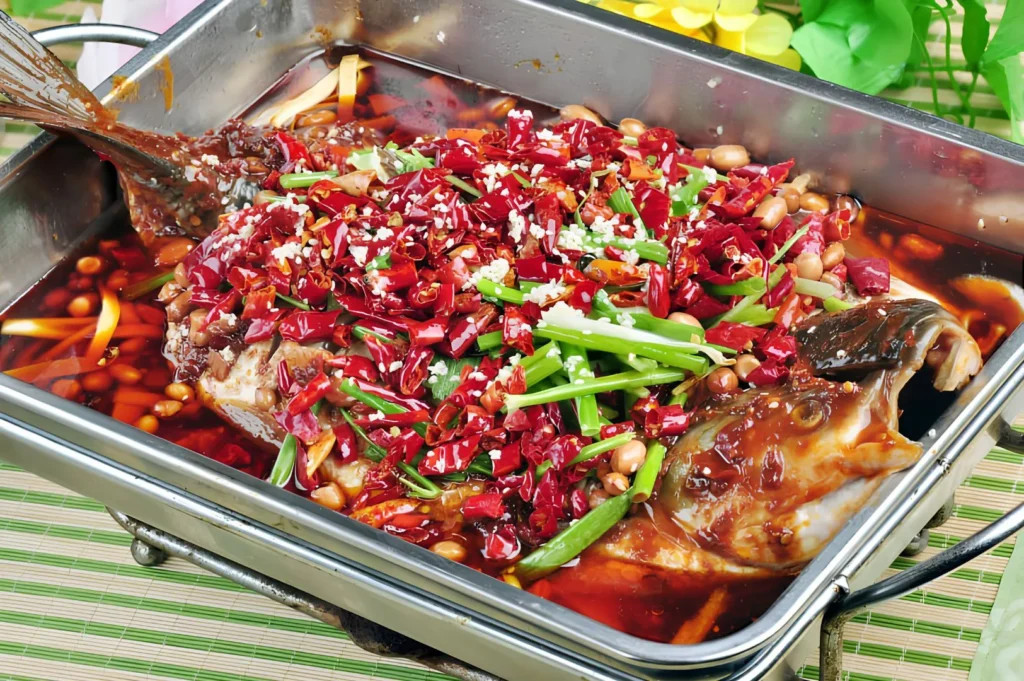
Because we wanted a true feast, we also ordered one of their Chongqing-style Grilled Fish dishes ($48). The presentation alone was theatrical. The massive fish arrived in a rectangular metal pan, simmering aggressively over a portable heat source, surrounded by a mountain of aromatics, dried chili peppers, and fresh herbs.
The broth was deeply addictive. It had a satisfying mala heat that warmed my chest without entirely blowing out my taste buds. The fish itself was flaky and fresh, absorbing the spicy, savoury liquid the longer it sat in the pan.
One thing I noticed, however, was the portion-price balance. While the fish was substantial, some of the accompanying meat dishes we saw on neighbouring tables looked a bit smaller than expected given the premium pricing. Still, the depth of flavour here makes it a genuinely innovative, trend-setting dish worth splurging on for a special occasion.
Warm Hospitality, Even in the Chaos
The service at Shu Yan is generally fantastic, though it certainly feels the strain of a full house. When we first sat down, the staff were incredibly attentive. They took the time to explain the different spice levels and proactively recommended dishes that would balance out our heavy, spicy selections.
I really appreciated that they were willing to adjust the spice intensity for us. It makes the menu highly approachable, whether you’re a hardcore spice lover or a cautious beginner.
That said, the wait was longer than expected. Because we were there right in the middle of the dinner rush, getting a server’s attention for water refills took a bit of effort. The food also arrived at slightly irregular intervals. It’s not a dealbreaker, but it’s something to keep in mind if you’re dining on a tight schedule.
For those exploring other dining options in the area, Suntec dining offers a variety of choices that complement the Chinatown culinary scene.
Practical Tips for Your Visit: How to Cook Kung Pao Chicken at Home
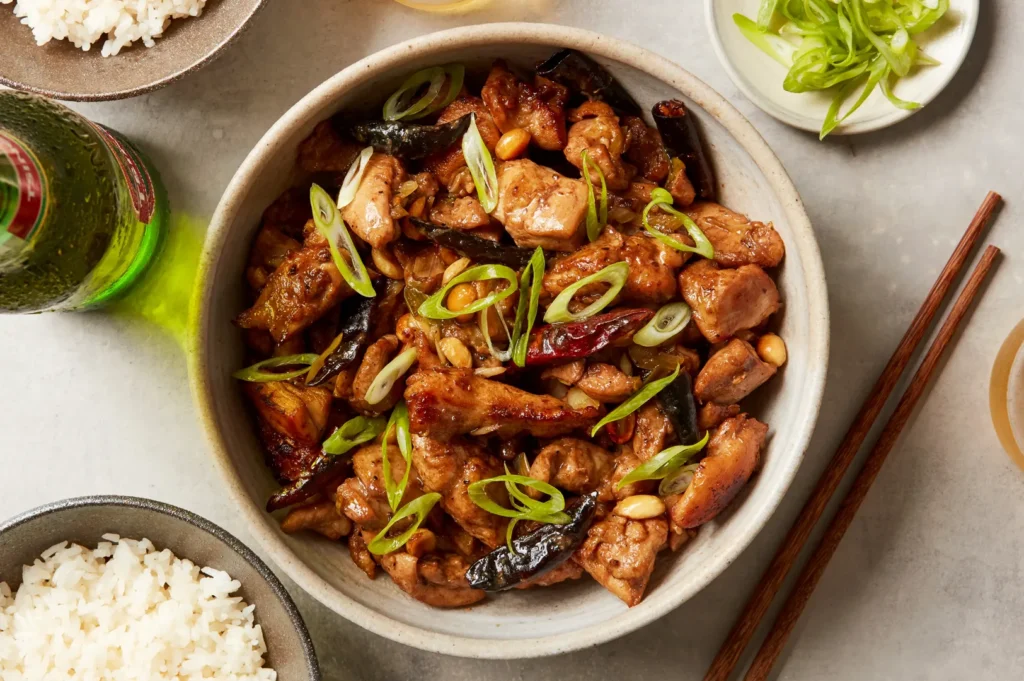
If you’re inspired to cook kung pao chicken yourself after tasting Shu Yan’s version, here are some quick tips:
- Use chicken breast diced into small cubes and marinate with soy sauce, rice wine vinegar, white pepper, and a pinch of sugar to tenderize.
- Prepare your kung pao sauce in a small bowl, combining dark soy sauce, light soy sauce, hoisin sauce, rice vinegar, and a bit of corn starch for thickening.
- Heat your wok or large skillet on high heat with cooking oil and sesame oil for that signature hot oil aroma.
- Add dried red chili peppers, sichuan peppercorns, garlic, and ginger for aromatic depth.
- Stir fry the marinated chicken quickly, then toss in green bell peppers, red bell pepper, and green onions for freshness.
- Add the sauce and toss everything in a quick stir until the sauce thickens and clings to the crispy chicken and vegetables.
- Don’t forget the roasted peanuts for the final crunch.
For a recipe video demonstration, many online resources show how to balance the savoury sweet flavors and achieve that perfect wok hei. You can also explore a gluten free version by swapping traditional soy sauce with tamari and ensuring your hoisin sauce is gluten free.
Spice, Soul, and Satisfaction: Our Shu Yan Verdict
Shu Yan Sichuan Cuisine works because it treats traditional flavours as something flexible yet deeply respected. It strikes a brilliant balance between approachable mall dining and authentic, unapologetic Sichuan heat.
This is the perfect spot for group dinners, spice lovers, and anyone looking for a reliable, flavourful meal in Chinatown. It’s a great introduction for beginners who want to taste the world of Sichuan cuisine without being completely overwhelmed.
However, it’s less suited for solo diners wanting a quiet, minimalist meal, or anyone highly sensitive to oil and spice. If you prefer the light, delicate touch of Cantonese cooking, this might shock your system. But if you’re ready to share an unforgettable, aromatic feast with friends, Shu Yan will give you a dining experience you won’t soon forget.

Shinjuku Restaurant, Where Cuppage Plaza Keeps Japanese Comfort Food Uncomplicated
Dio Asahi | October 27, 2026
I almost walked past Shinjuku Restaurant. That is easy to do in Cuppage Plaza. Step away from the polish of Orchard Road and the building feels older, quieter, and much less interested in catching your attention. Shinjuku sits on the ground floor at 5 Koek Road, behind a frontage that gives little away about the…
-
Prawn Mee in Singapore: Bowls Where the Broth Tastes Like Time
Eda Wong | October 24, 2026
I do not remember the first bowl of prawn mee I ever ate. But I remember the smell: that deep, roasted-shell darkness that fills a coffee shop before you have even sat down. My grandfather used to say you could tell a good prawn noodle stall from the doorway, just by breathing. Over the years,…
-
How to Make Dashimaki Tamago, the Japanese Rolled Omelette That Tastes Like Broth
Eat Drink Asia Team | October 22, 2026
Dashimaki tamago is one of those dishes that looks quieter than it is. At first glance, it is just a rolled egg. Pale, soft, sliced neatly, often served beside steamed rice, miso soup, and grated daikon radish. But once you make it, you realise it is not really about eggs alone. It is about how…
-
The Lunch Hour Slows Down at Gochi-So Shokudo
Dio Asahi | October 21, 2026
By Dio Asahi for Eat Drink Asia. It’s just past noon, and the lifts keep opening. Suits spill out, lanyards swinging, phones already halfway to their ears. But inside Gochi-So Shokudo, tucked into One Raffles Place, something else is happening. People are sitting down. Actually sitting. Chopsticks lifting, shoulders dropping a little, the room warm…
-
Kintamani Singapore Review: Can an All-You-Can-Eat Buffet Still Taste Like Indonesia?
Dio Asahi | October 20, 2026
I walked into Kintamani Singapore with one question in mind. Buffets ask food to wait. Rendang, sambal, grilled meats, and fried seafood all sit under heat while diners circle the spread. That is not necessarily kind to Indonesian dishes built around texture, reduction, chilli, coconut, and freshly cooked aromatics. So I was less interested in…

Pagi Sore Indonesian Restaurant Est 1989 Review: A Second-Generation Kitchen That Still Knows Its Own Voice
Eda Wong | October 17, 2026
The first thing I noticed at Pagi Sore Indonesian Restaurant was the smell. Not the sharp, showy kind. Something slower: coconut milk, lemongrass, chilli, fried egg, and the deep warmth of spice paste drifting out from a wood-heavy dining room while Far East Square kept moving outside. I walked over on a Wednesday evening, just…
-
Best Fish Soup in Singapore: Bowls Where the Broth Is the Whole Point
Eat Drink Asia Team | October 15, 2026
I don’t remember when fish soup became my quiet meal. It just did. On days when I couldn’t decide what I wanted, when the weather turned grey, when I needed something warm that asked nothing of me, I’d end up hunched over a bowl, breathing in the steam before the first spoonful. I’ve eaten a…
-
The Clay Stove Heat Beneath a Lao Grilled River Fish
Eda Wong | October 14, 2026
By Eda Wong for Eat Drink Asia It’s late afternoon, and the river is the colour of weak tea. A woman crouches beside a small clay stove at the edge of the bank, feeding it slivers of charcoal. Smoke lifts, thin and grey, and drifts toward the water. On a bamboo skewer, a whole fish…
-
The National Dish of Indonesia Is Not One Plate: Why a Country of Islands Needs Many Icons
Dio Asahi | October 13, 2026
The first time someone asked me for the national dish of Indonesia, I answered nasi goreng without thinking. It seemed obvious: fried rice darkened with kecap manis, often topped with a fried egg, familiar from warungs and late-night street food stalls. That answer is not wrong. It is simply too small. Indonesian food is regional,…
-
Sapporo in a Bowl: Soup Curry by Ki-setsu Comes to Singapore
Eda Wong | October 12, 2026
Ask most Singaporeans to picture Japanese curry and a familiar image probably comes to mind: a plate of rice beneath thick brown gravy, perhaps with a breaded cutlet sliced neatly across the top. It is rich, sweet-edged, comforting and, by now, almost as recognisable as ramen or donburi. Head to the fourth floor of Fortune…