In the world of Asian food, few dining experiences capture the soul of traditional Japanese food culture like omakase. At a premier omakase restaurant, diners entrust their meal entirely to the chef, whose artistry is guided not just by mastery, but by shun—the appreciation of seasonal and fresh ingredients at the absolute peak of their flavor and quality. Omakase menus ranging from delicate spring seafood to hearty winter dishes embody the Japanese reverence for eating with the four seasons, each course a nod to the fleeting beauty of nature.
Within Japanese cuisine, the concept of shun is fundamental. Throughout Japan, chefs compose their menus to highlight fresh ingredients as they become available, ensuring each meal showcases the unique bounty of each season. This philosophy has shaped Japanese cooking, with regional specialties, classic dishes, and contemporary interpretations all designed to create a good balance of taste, texture, and nutrition in every bite—whether it’s a main dish, a simple bowl of miso soup, or a sweet red bean paste dessert served alongside green tea.
Shun in Traditional Japanese Food — The Essence of Japanese Food Culture
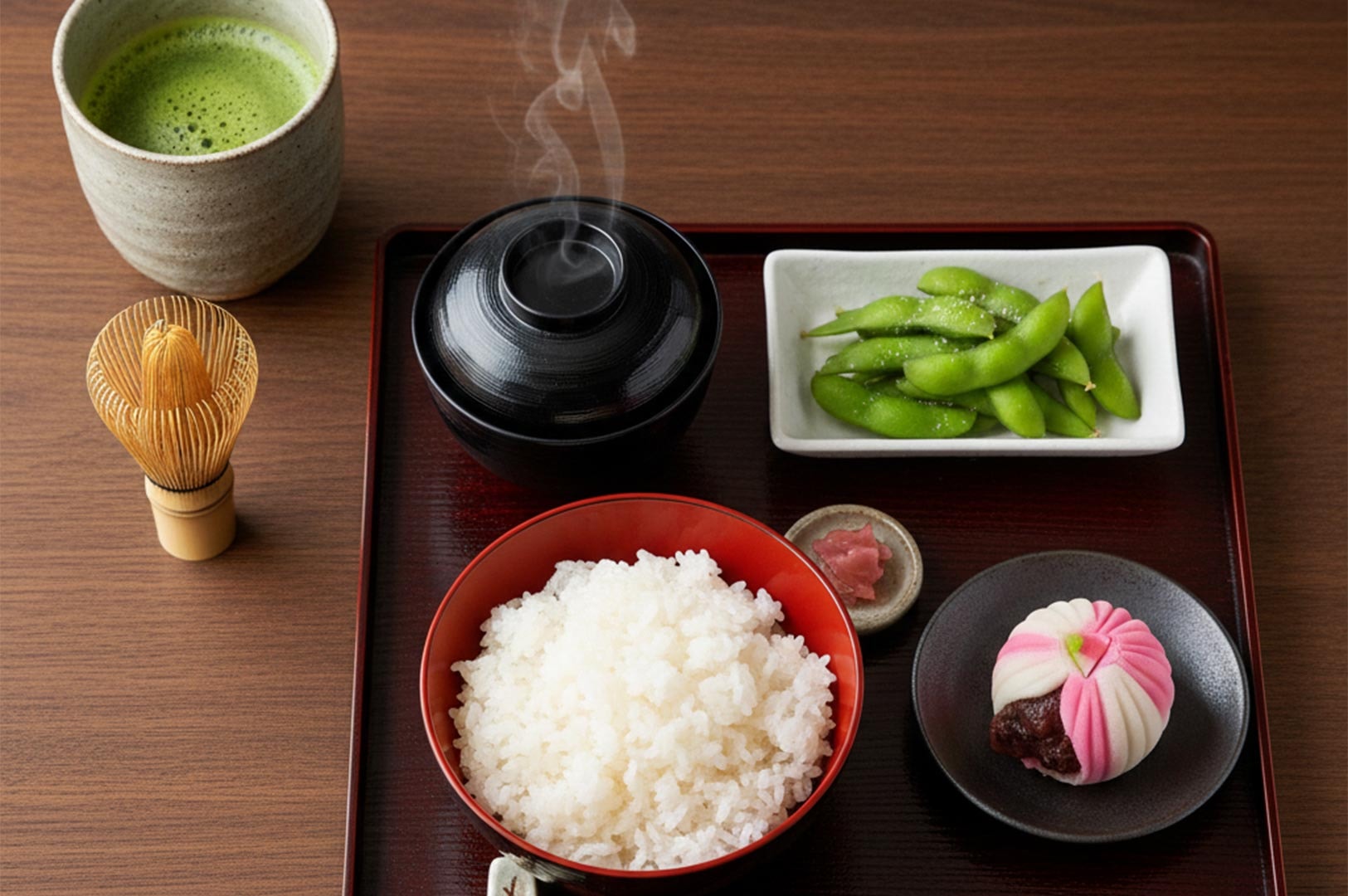
Shun is more than a seasonal calendar—it’s an ideology woven into Japanese food culture and elevated by centuries of Japanese cooking tradition. This principle, respected across Buddhist monks’ temple kitchens, Michelin-starred Japanese restaurants, and family homes alike, celebrates the virtue of using fresh ingredients at the perfect moment. In an authentic Japanese meal, vegetables cooked just after harvest, seafood in peak season, and other ingredients prepared with care capture both nutrition and flavor, whether steamed, deep fried, grilled, or raw.
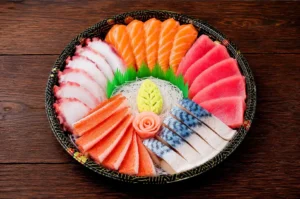
Respecting shun is said to bring vitality and wellness, shaping the typical Japanese diet. It enables chefs to highlight the best of Japan: thin strips of sashimi, crispy tempura, grilled wagyu beef, or a bowl of gently simmered hot pot. Each dish achieves a harmony, often served alongside rice or udon noodles, sashimi with soy sauce and wasabi, or dessert with a touch of red bean paste. It’s this sense of timing and preparation that sets Japanese culinary traditions apart.
How Seasonality Shapes the Omakase Journey
An omakase dinner is more than a list of Japanese dishes; it’s a carefully orchestrated experience that shifts with the four seasons. A chef crafts a menu to awaken and satisfy the palate, with courses moving from light and bright spring flavors to richer, cooked dishes of autumn and winter. The progression might include raw fish, steamed vegetables, fried and grilled meats, and noodle dishes—all forming a balanced arc of flavors.
Flavour, Texture, and Timing
The finest omakase chefs understand that even the smallest details—such as the angle of a knife cut for nigiri, the temperature of sushi rice, or the umami in pickled vegetables—can transform the dining experience. Each plate reflects the chef’s knowledge of how texture and flavor change with the season and the ingredient’s stage of ripeness.
Spring Ingredients — Sayori, Hotaru Ika, Young Sea Bream
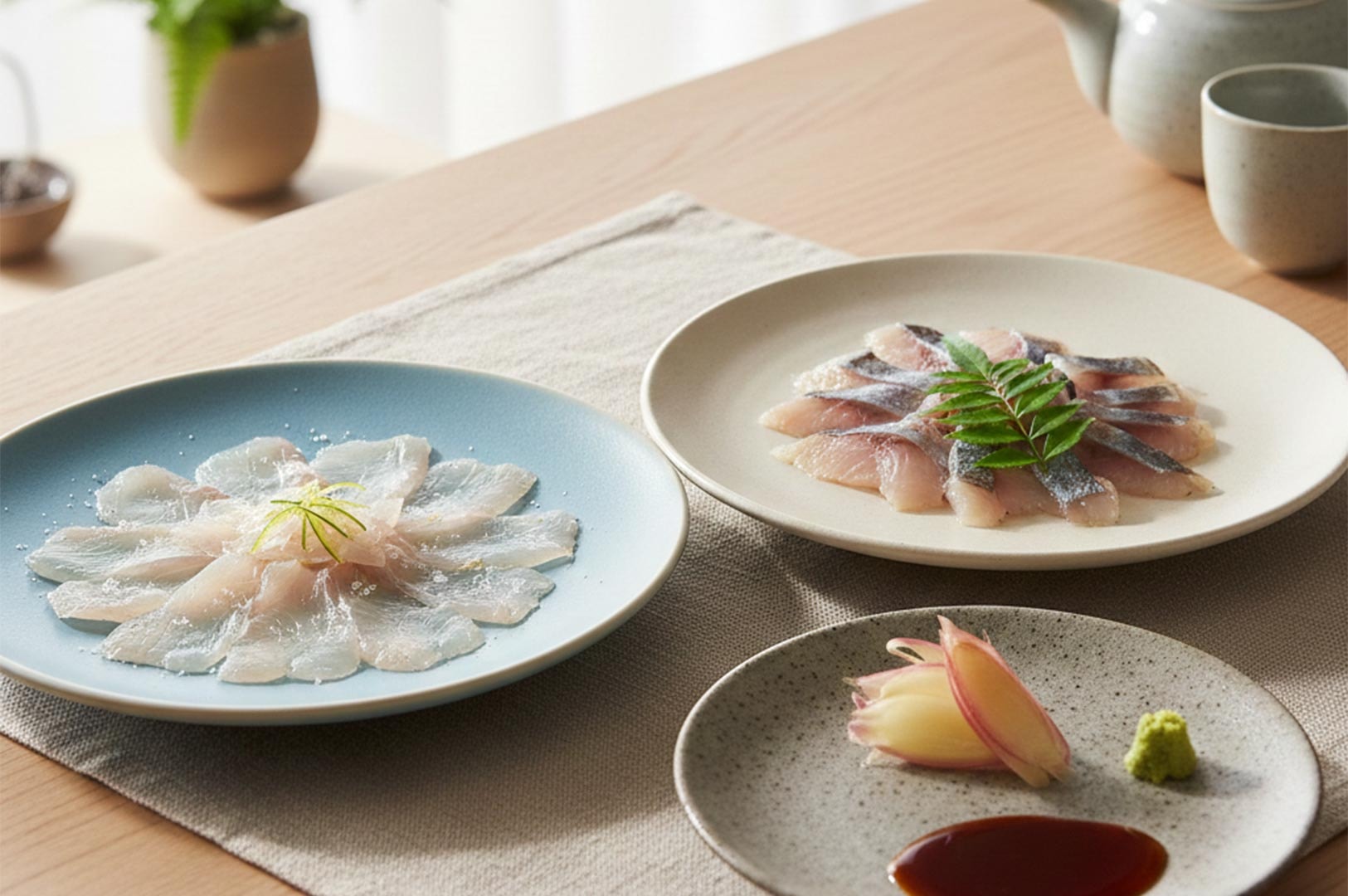
As winter yields to spring in Japan, sayori (Japanese halfbeak), hotaru ika (firefly squid), and young sea bream become the stars of the omakase menu. These are often prepared simply to showcase their sweet, clean flavors. Accompanied by early vegetables and perhaps a traditional one soup rice meal, these spring dishes might be served with udon noodles or as a small plate in a multi-course dinner.
Summer Ingredients — Uni, Isaki, Sweet Shrimp, Scallops
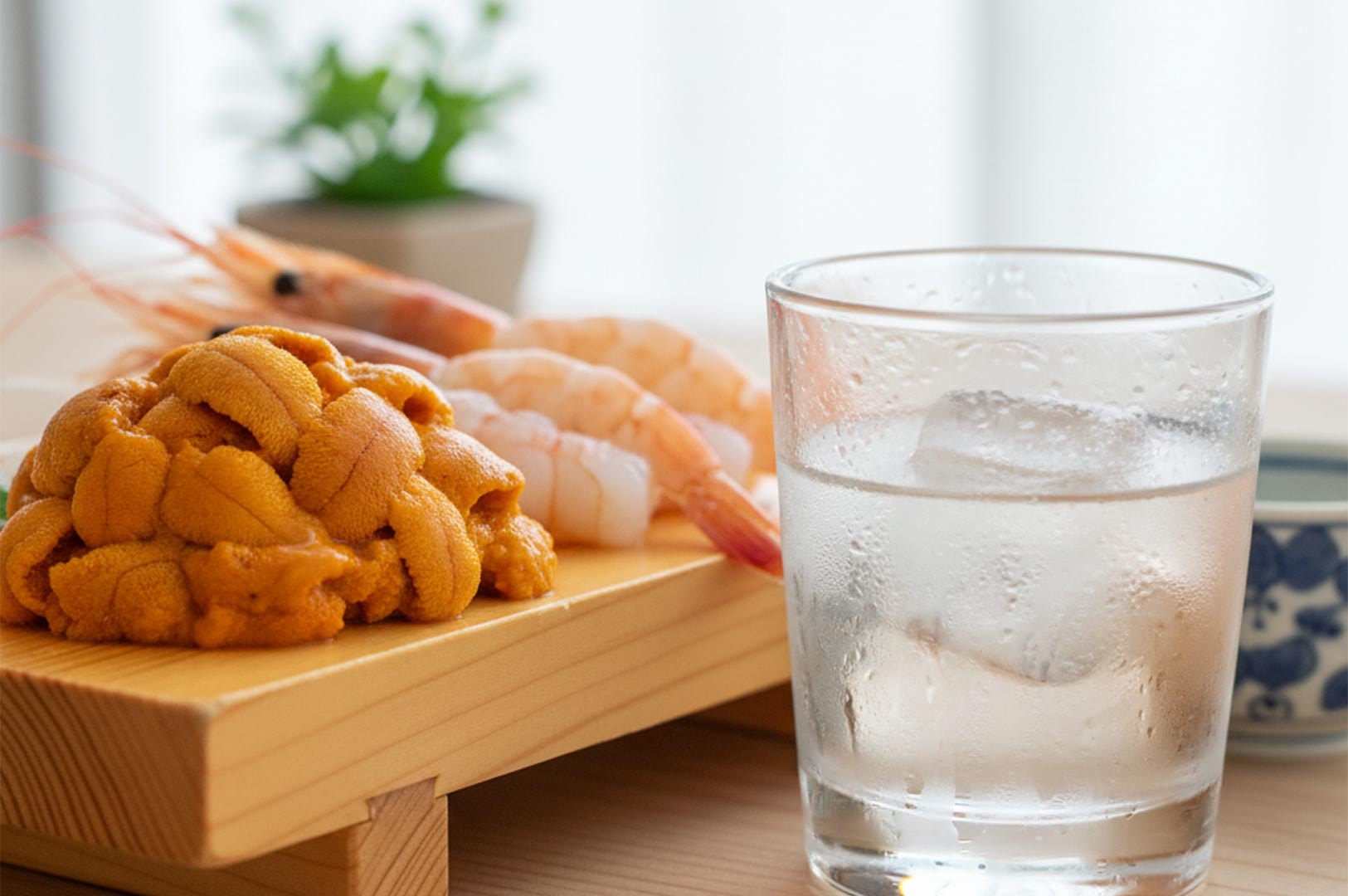
Summertime brings an abundance of seafood, perfect for the Japanese tradition of serving refreshing, cool dishes. Uni (sea urchin) is creamy and sweet, paired with steamed rice or formed into sushi. Isaki and scallops are often enjoyed as sashimi, while sweet shrimp or shima ebi shine in both sushi and deep fried presentations. These ingredients find their way into both special occasion feasts and everyday meals, always reflecting the focus on seasonal and fresh ingredients.
Autumn Ingredients — Sanma, Buri, Ikura, Hokkaido Seafood
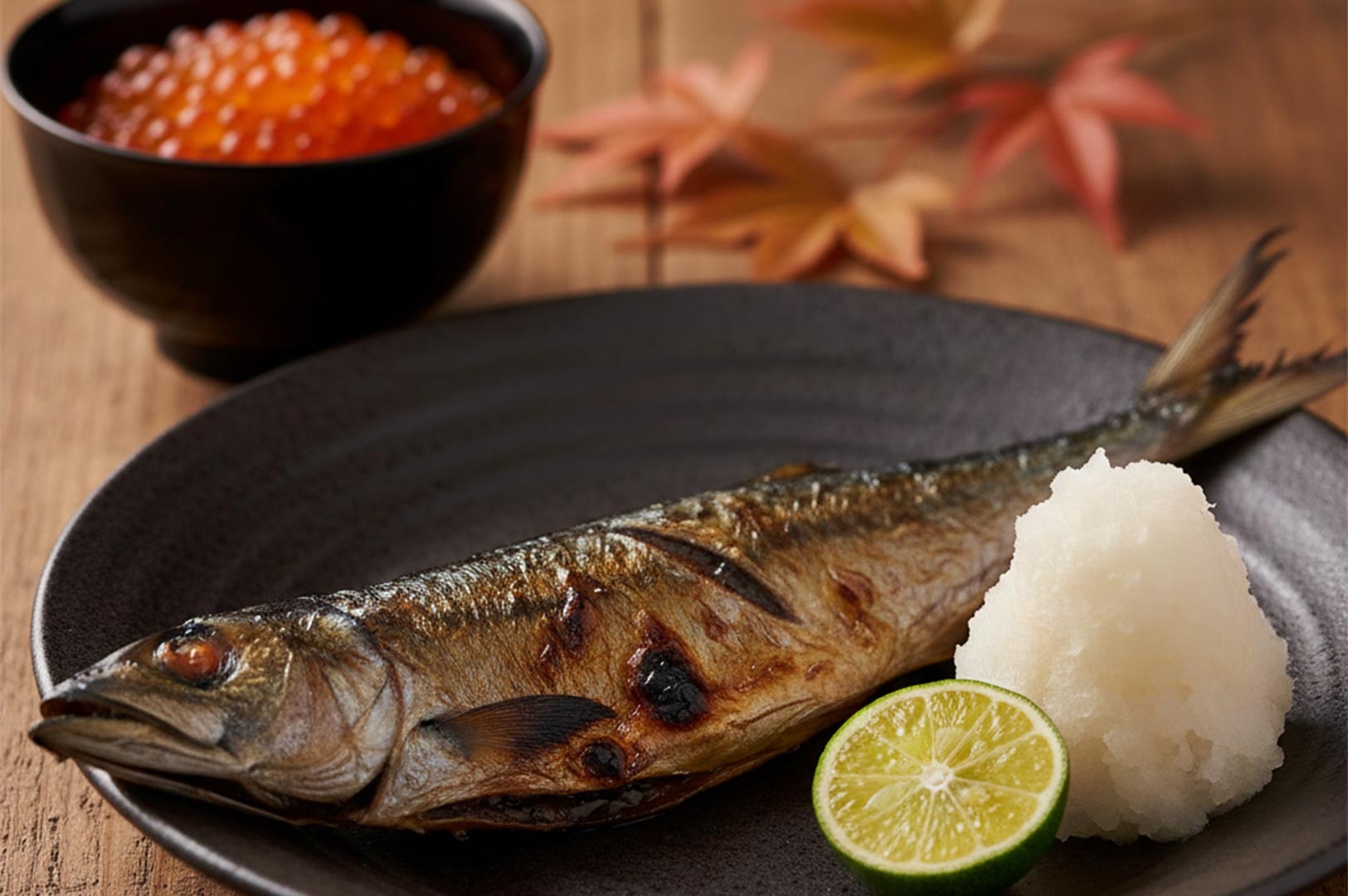
In autumn, rich flavors take center stage. Dishes featuring sanma (Pacific saury) served grilled, buri (yellowtail) sashimi, or marinated ikura (salmon roe) highlight the season. Hokkaido seafood, including robust crab or sea urchin, underscores the luxury of autumnal Japanese food. Chefs may serve these with seasonal vegetables, thin strips of pickled vegetables, or alongside regional rice dishes. The menu’s flow moves toward heartier flavors, perhaps finished with a light dessert like mochi with sweet red bean paste.
Winter Ingredients — Shirako, Ankimo, Fatty Tuna
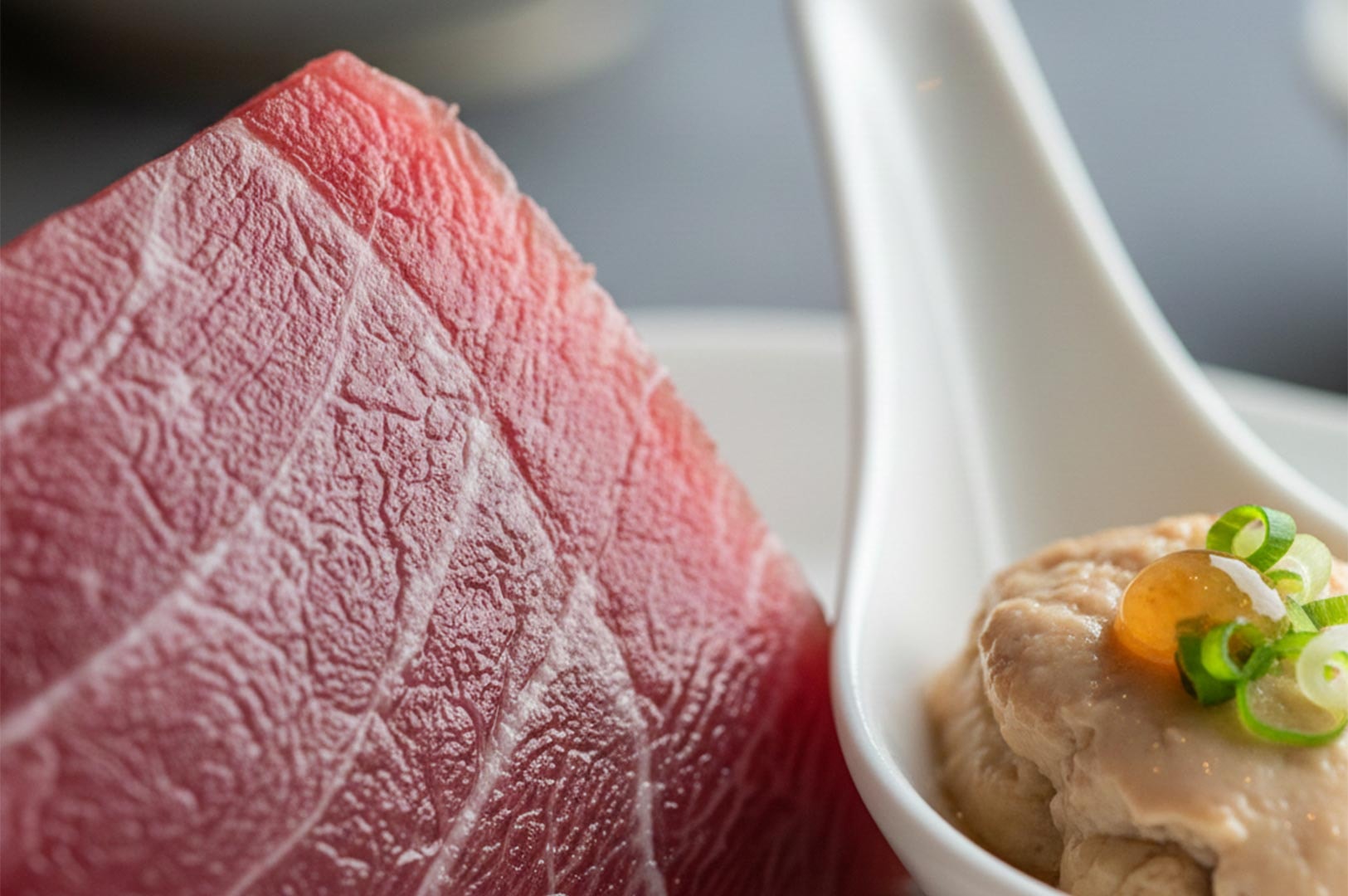
Winter is the time for indulgence, when shirako (milt), ankimo (monkfish liver), and melt-in-your-mouth cuts of fatty tuna are most prized. These are often featured in omakase menus at respected Japanese restaurants, perhaps garnished with seaweed, steamed to perfection, or fried tempura-style. Many omakase restaurants offer private rooms for full reviews of their winter tasting menus, making these meals a highlight of Japanese food culture during the colder months.
The Role of Toyosu Market in Defining What’s Seasonal
In Japan, Toyosu Market is a hub for sourcing the freshest seafood and seasonal ingredients for omakase menus ranging across the spectrum of Japanese cuisine. Each morning, chefs and buyers select the best the sea has to offer, ensuring their restaurants and sushi counters serve truly seasonal, regionally appropriate food. This connection to market freshness also means dishes change throughout the year, and no two meals are ever truly the same.
How Chefs Interpret These Ingredients
Japanese chefs’ skill is evident in how they balance fresh and preserved elements—whether it’s pickled vegetables, deep fried tempura vegetables, or steamed hot pot additions. Attention to detail and knife work is vital for slicing raw fish for nigiri and sashimi, while careful seasoning using soy sauce, sake, and other ingredients maintains the good balance for which Japanese food is famous.
This masterful balance between texture, temperature, and flavor is the core of Japanese culinary artistry. The transformation of a simple ingredient—be it a pristine slice of hirame (flounder) or a pickled daikon—is a quiet revolution driven by technique and tradition. To see this philosophy in action, we invite you to explore The Shiso Smoked Hirame with Warm Saké Cream: Inside Chef Masa’s Quietest Revolutionwhere the delicate interplay of fresh fish, aromatic smoke, and rich saké cream exemplifies this precision and innovation.
Knife Work, Aging, and Temperature
Mastery in Japanese cooking includes expert knife work for crafting delicate nigiri, aging select seafood for extra flavor, and ensuring that dishes are cooked or served at optimal temperatures—hot soup, chilled sashimi, or lightly warmed dishes. Garnishes like grated daikon, seaweed, or even raw egg may complement the main dish, all reflecting the chef’s deep understanding of seasonal changes and ingredient behavior.
Seasonal Omakase in Singapore — A Growing Appreciation
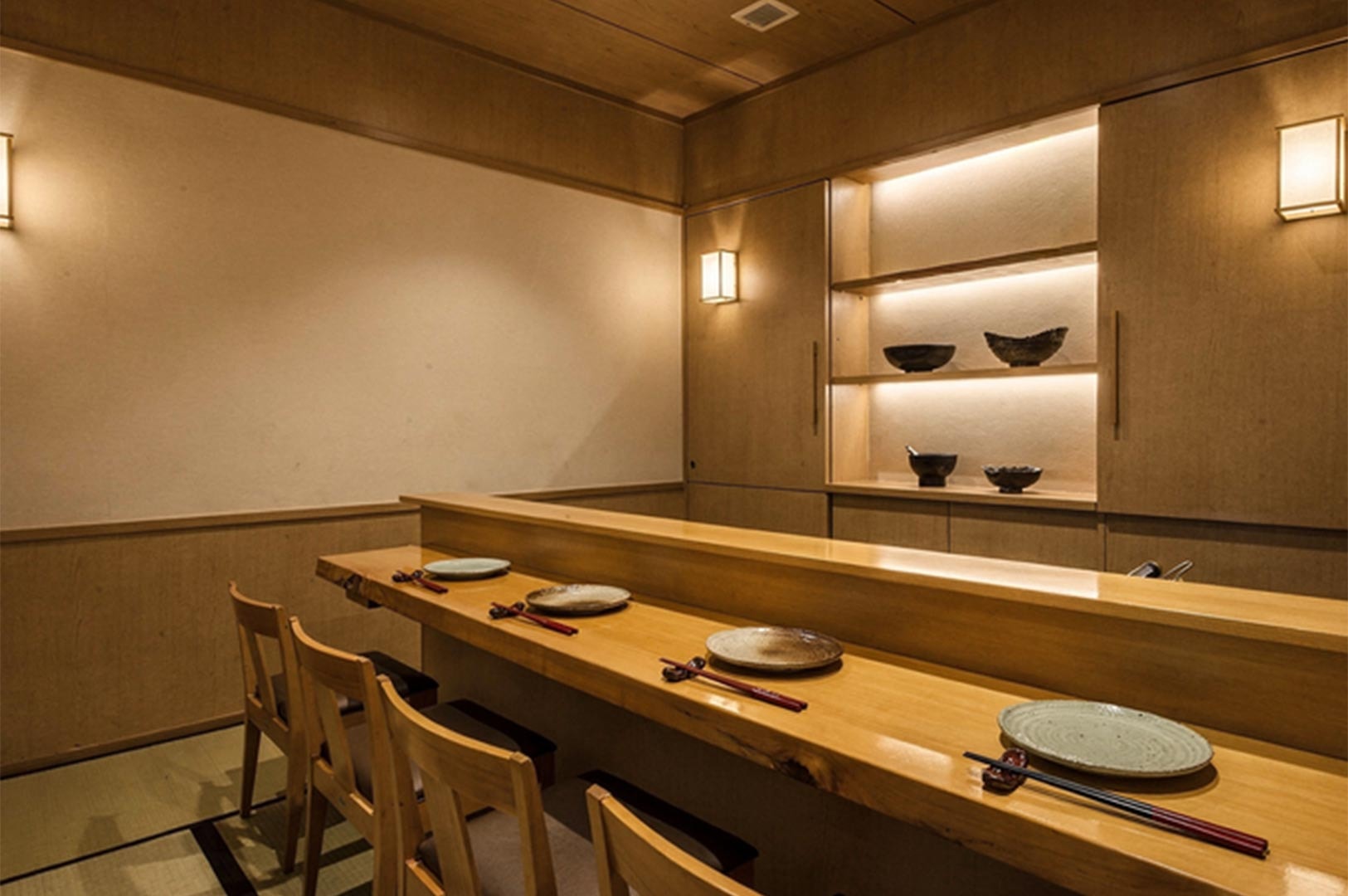
Beyond Japan, omakase has inspired Japanese restaurant concepts around the world. In Singapore, omakase menus ranging from regional specialties to classic Japanese dishes are curated with the same attention to shun and fresh ingredients.
Restaurants like Sushi Masa by Ki-setsu at Cuppage Plaza extend this seasonal philosophy, importing ingredients directly from Japan each morning. Their omakase menu is crafted around what’s freshest, ensuring diners in Singapore can enjoy the true flavors of shun just as they would in a renowned Japanese restaurant in Tokyo.
What Diners Experience When They Taste True Seasonality
Eating a meal based on shun is about experiencing the essence of Japanese food—respect for the seasons, the chef’s intuition, and the interplay of dishes served in harmonious succession. Diners may savor course after course, from raw fish and steamed vegetables to grilled wagyu beef, fried tempura, savoury soups, or desserts of sweet red bean paste. Each bite underscores the traditions that define Japanese cuisine.
Try An Omakase Restaurant — A Journey That Shifts With Each Season
A true omakase dinner, whether enjoyed in Japan or abroad, reflects the full arc of the four seasons. Every dish, every bowl of miso soup, and every slice of nigiri tells a story not just of food, but of culture, history, and the enduring beauty of seasonality. Omakase menus ranging across main dishes, dessert, and everything in between celebrate the past and present of Japanese cooking. Ultimately, the joy of omakase is in letting the chef guide your journey, one seasonal taste at a time.

Al Mubin Restaurant and the Nasi Goreng Sambal Ayam That Has to Carry the Whole Plate
Eda Wong | September 12, 2026
It was close to eleven at night when I finally sat down. The kind of hour when you’re not really hungry so much as unsettled, when you want something warm in front of you more than you want a proper meal. Al Mubin’s food court at Block 407, Ang Mo Kio Avenue 10, was still…
-
Yassin Kampung Admiralty Review: When Sambal Fried Rice Becomes the Whole Point
Eat Drink Asia Team | September 10, 2026
I ordered the sambal fried rice first, before I’d even properly read the menu. That’s usually a mistake at a place like this. Yassin Kampung @ Admiralty is the kind of restaurant that keeps trying to pull your attention elsewhere — toward stingray, toward crab, toward hotplates that arrive still hissing. But I’d come with…
-
The Bamboo Basket Holding Chiang Mai’s Sticky Rice
Dio Asahi | September 9, 2026
By Dio Asahi for Eat Drink Asia. The lid comes off, and the steam rises first. It’s a warm afternoon in Chiang Mai, and on the table sits a small woven bamboo basket, still holding the heat of the pot it came from. Someone’s grandmother lifts the top and sets it aside without looking. Inside,…
-
Sambal Fried Rice Recipe for People Who Know the Chilli Paste Does the Heavy Lifting
Dio Asahi | September 8, 2026
I used to add the rice too early. The oil would be hot, the sambal barely a minute in, and I’d tip in the cold rice because I was hungry and impatient. Every time, the same result: rice stained red but tasting of nothing much. Sharp. Raw. Flat where it should have been deep. It…
-
Hup Lok at Havelock Road: A Teochew Fish Soup Carrying Memory Forward
Eda Wong | September 8, 2026
The bowl arrives before anything else does. Steam lifts off it in slow ribbons, carrying the smell of ginger and something warmer underneath: the round, boozy note of hua tiao wine settling into fish. I lean in before I even pick up my spoon. The broth is pale gold and cloudy, thick enough that it…
-
Fresh Sashimi Singapore: Places for Clean Cuts, Quiet Counters, and Fish That Still Feels Alive
Eda Wong | September 5, 2026
I didn’t grow up eating raw fish. For years, sashimi felt like something you learned to appreciate rather than something you loved. Cold, foreign, a little intimidating. Then one afternoon, at a quiet counter, a chef placed a single slice of chutoro in front of me and said nothing. I ate it. And I understood….
-
Pattaya Garden Restaurant and the Thai Meal That Knows How to Feed a Group
Eat Drink Asia Team | September 3, 2026
The rice came down first. A plain bowl, warm and steaming, set in the middle of the table before anything else. Then the green curry, in a bowl wide enough for four spoons to reach at once. And within a minute the table stopped being a set of individual meals and became one shared thing,…
-
At Keria Japanese Restaurant, the Meal Begins Before the First Bite
Dio Asahi | September 3, 2026
By Dio Asahi for Eat Drink Asia. The lift opens onto a corridor leading to the famed and hidden Cuppage Plaza food, and the building’s age shows in the flickering fluorescent light and the smell of old carpet. Then a sliding door pulls back, and Keria Japanese Restaurant asks you to slow down. Inside, it…
-
The Round Kaya Bun at Chin Mee Chin Confectionery, and the Mornings It Keeps
Eda Wong | September 2, 2026
By Eda Wong for Eat Drink Asia. It’s not quite eight, and the pastel-blue shophouse is already awake. Kopi cups clink against saucers. A ceiling fan turns slow overhead. Someone folds a newspaper at a marble-topped table, and the man behind the counter moves without hurry, sliding buns across in a rhythm he’s clearly done…
-
Nana Original Thai Food and the Thai Meal That Keeps Changing Its Accent
Eda Wong | September 1, 2026
The tom yum arrived first, and the first spoonful hit sour and hot at once, lime and chilli chasing each other down the throat. This classic Thai dish features a spicy sauce and aromatic herbs that awaken the taste buds straight away, setting the stage with its bold flavors. Then the pineapple rice came, sweet…