In the world of Asian food, few dining experiences capture the soul of traditional Japanese food culture like omakase. At a premier omakase restaurant, diners entrust their meal entirely to the chef, whose artistry is guided not just by mastery, but by shun—the appreciation of seasonal and fresh ingredients at the absolute peak of their flavor and quality. Omakase menus ranging from delicate spring seafood to hearty winter dishes embody the Japanese reverence for eating with the four seasons, each course a nod to the fleeting beauty of nature.
Within Japanese cuisine, the concept of shun is fundamental. Throughout Japan, chefs compose their menus to highlight fresh ingredients as they become available, ensuring each meal showcases the unique bounty of each season. This philosophy has shaped Japanese cooking, with regional specialties, classic dishes, and contemporary interpretations all designed to create a good balance of taste, texture, and nutrition in every bite—whether it’s a main dish, a simple bowl of miso soup, or a sweet red bean paste dessert served alongside green tea.
Shun in Traditional Japanese Food — The Essence of Japanese Food Culture
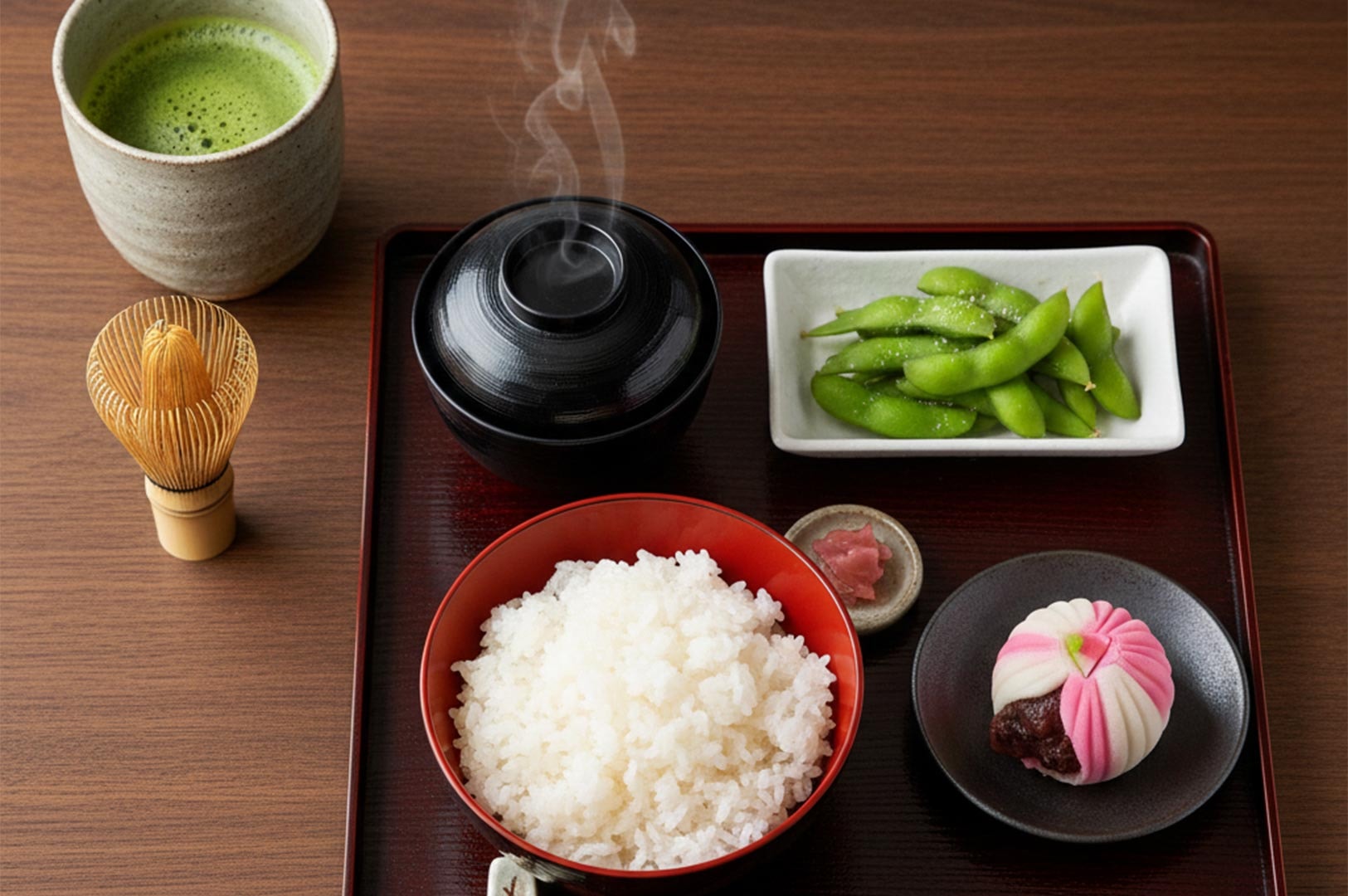
Shun is more than a seasonal calendar—it’s an ideology woven into Japanese food culture and elevated by centuries of Japanese cooking tradition. This principle, respected across Buddhist monks’ temple kitchens, Michelin-starred Japanese restaurants, and family homes alike, celebrates the virtue of using fresh ingredients at the perfect moment. In an authentic Japanese meal, vegetables cooked just after harvest, seafood in peak season, and other ingredients prepared with care capture both nutrition and flavor, whether steamed, deep fried, grilled, or raw.
Respecting shun is said to bring vitality and wellness, shaping the typical Japanese diet. It enables chefs to highlight the best of Japan: thin strips of sashimi, crispy tempura, grilled wagyu beef, or a bowl of gently simmered hot pot. Each dish achieves a harmony, often served alongside rice or udon noodles, sashimi with soy sauce and wasabi, or dessert with a touch of red bean paste. It’s this sense of timing and preparation that sets Japanese culinary traditions apart.
How Seasonality Shapes the Omakase Journey
An omakase dinner is more than a list of Japanese dishes; it’s a carefully orchestrated experience that shifts with the four seasons. A chef crafts a menu to awaken and satisfy the palate, with courses moving from light and bright spring flavors to richer, cooked dishes of autumn and winter. The progression might include raw fish, steamed vegetables, fried and grilled meats, and noodle dishes—all forming a balanced arc of flavors.
Flavour, Texture, and Timing
The finest omakase chefs understand that even the smallest details—such as the angle of a knife cut for nigiri, the temperature of sushi rice, or the umami in pickled vegetables—can transform the dining experience. Each plate reflects the chef’s knowledge of how texture and flavor change with the season and the ingredient’s stage of ripeness.
Spring Ingredients — Sayori, Hotaru Ika, Young Sea Bream
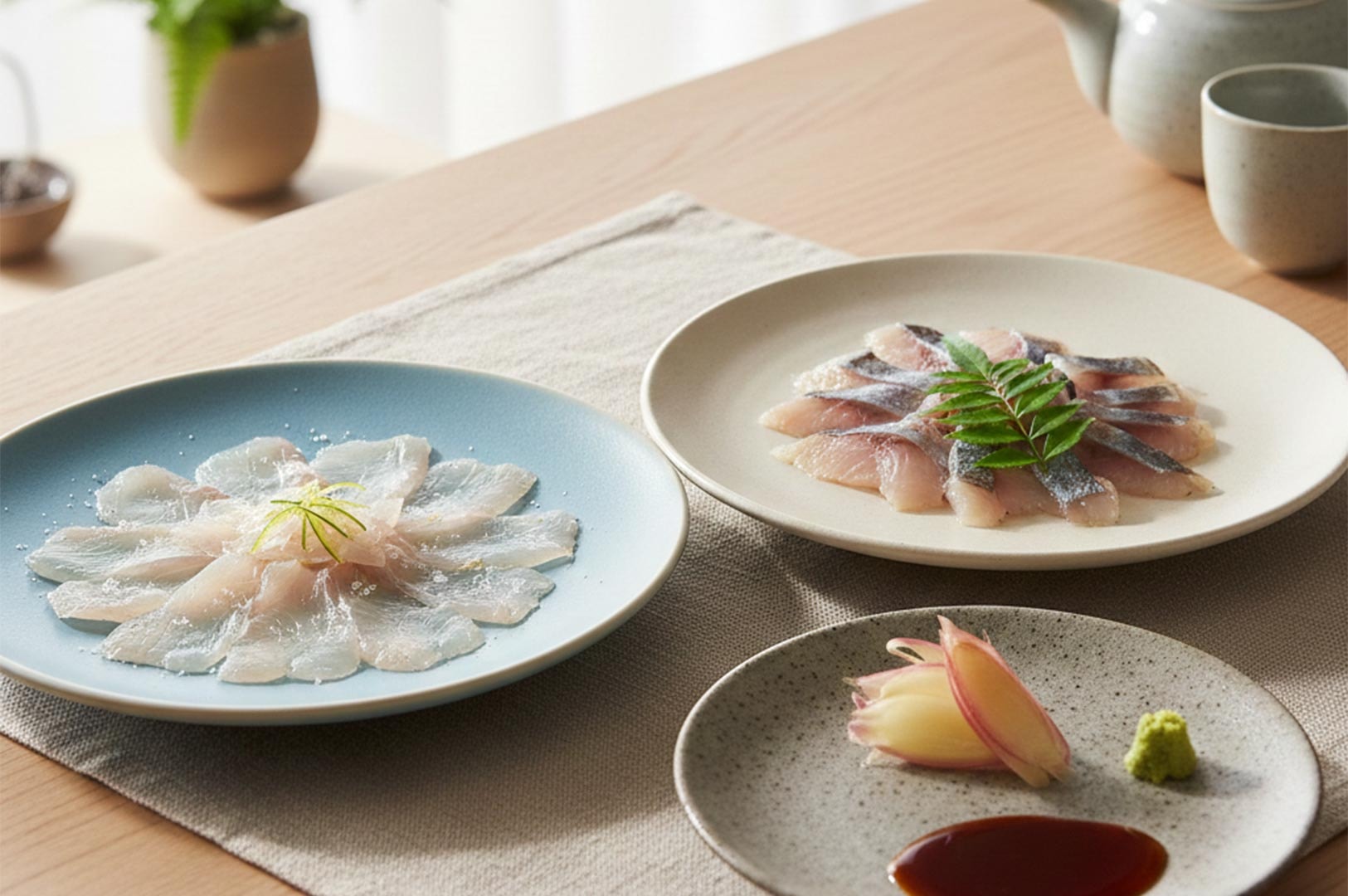
As winter yields to spring in Japan, sayori (Japanese halfbeak), hotaru ika (firefly squid), and young sea bream become the stars of the omakase menu. These are often prepared simply to showcase their sweet, clean flavors. Accompanied by early vegetables and perhaps a traditional one soup rice meal, these spring dishes might be served with udon noodles or as a small plate in a multi-course dinner.
Summer Ingredients — Uni, Isaki, Sweet Shrimp, Scallops
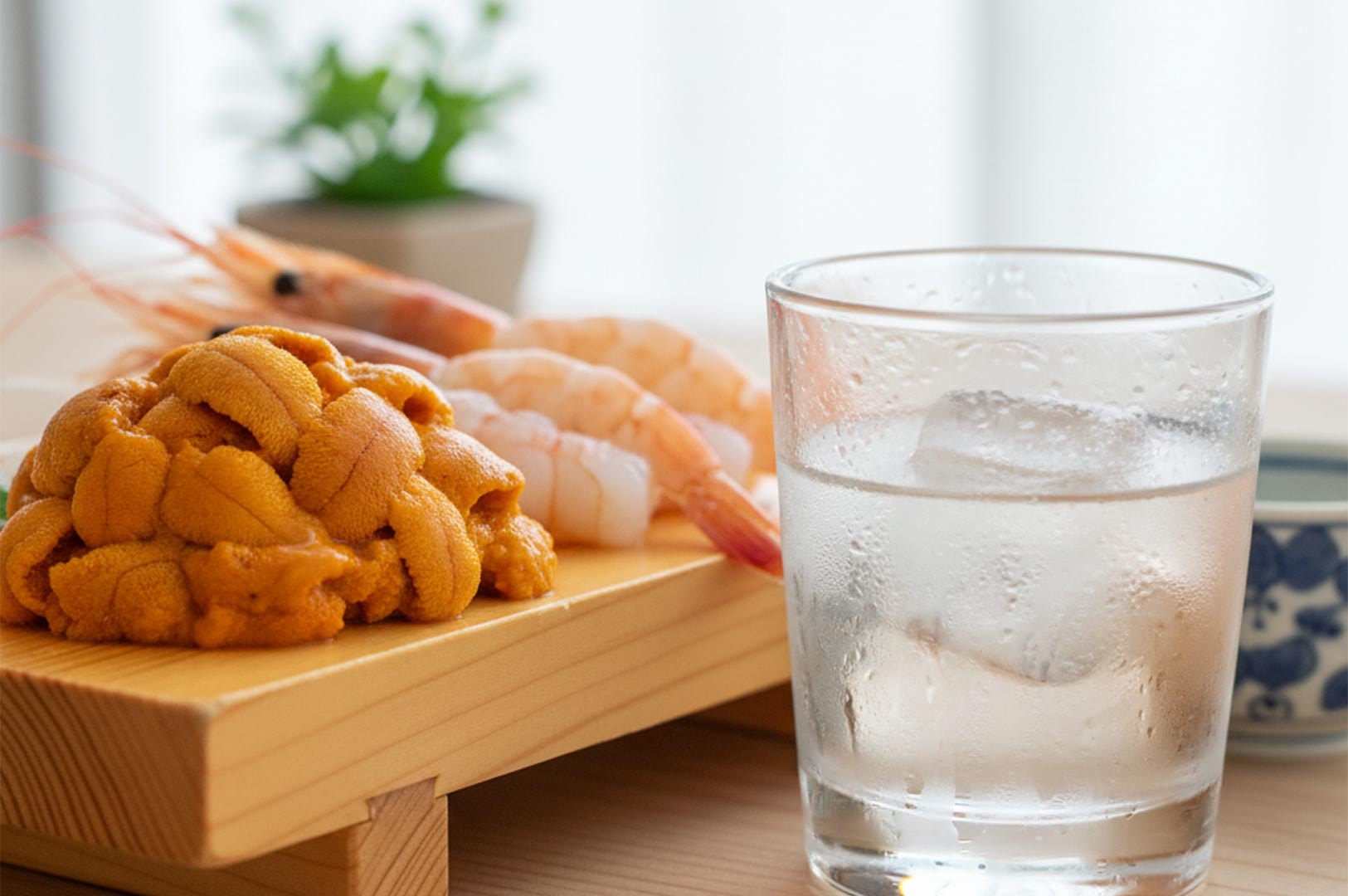
Summertime brings an abundance of seafood, perfect for the Japanese tradition of serving refreshing, cool dishes. Uni (sea urchin) is creamy and sweet, paired with steamed rice or formed into sushi. Isaki and scallops are often enjoyed as sashimi, while sweet shrimp or shima ebi shine in both sushi and deep fried presentations. These ingredients find their way into both special occasion feasts and everyday meals, always reflecting the focus on seasonal and fresh ingredients.
Autumn Ingredients — Sanma, Buri, Ikura, Hokkaido Seafood
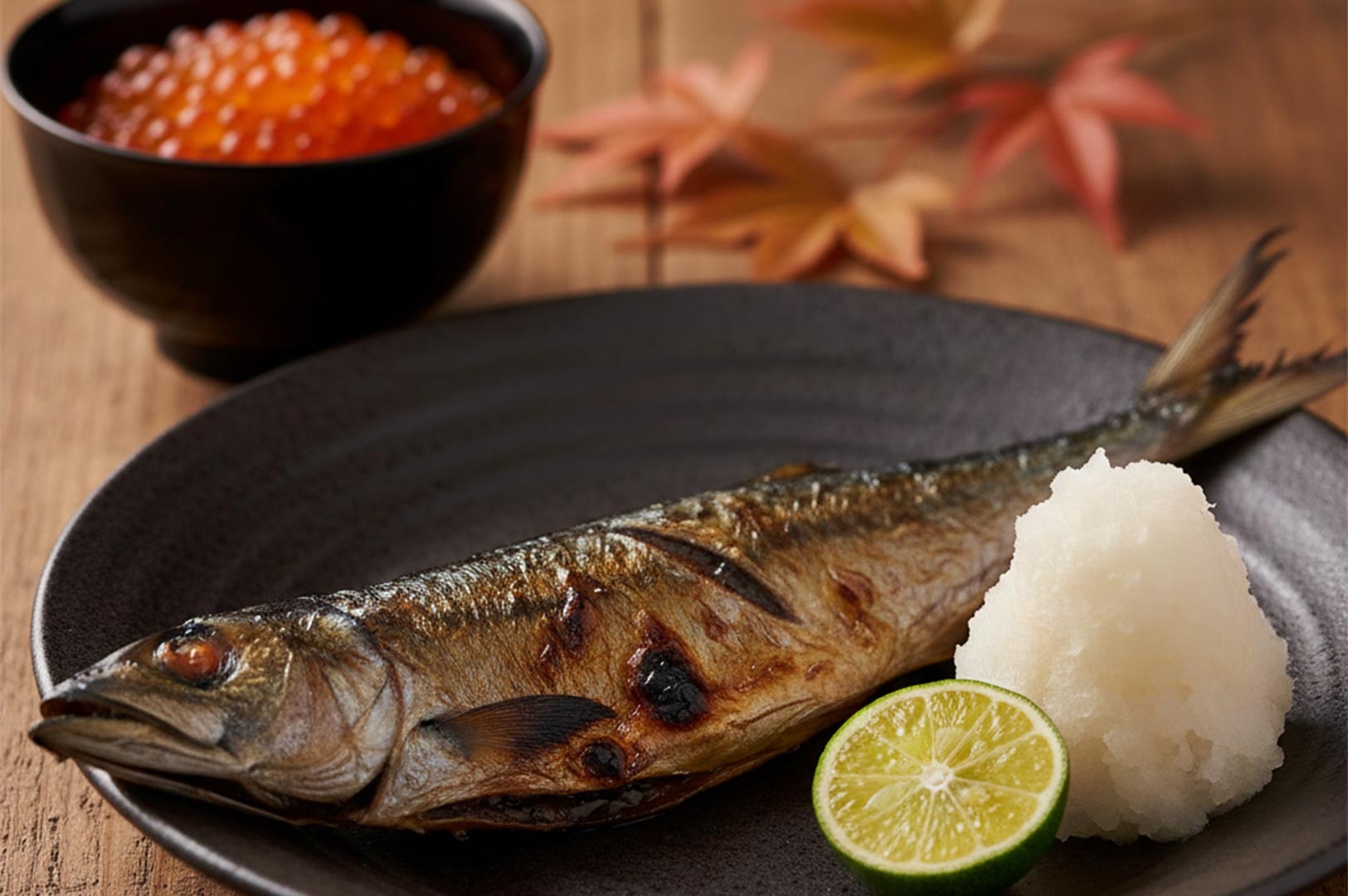
In autumn, rich flavors take center stage. Dishes featuring sanma (Pacific saury) served grilled, buri (yellowtail) sashimi, or marinated ikura (salmon roe) highlight the season. Hokkaido seafood, including robust crab or sea urchin, underscores the luxury of autumnal Japanese food. Chefs may serve these with seasonal vegetables, thin strips of pickled vegetables, or alongside regional rice dishes. The menu’s flow moves toward heartier flavors, perhaps finished with a light dessert like mochi with sweet red bean paste.
Winter Ingredients — Shirako, Ankimo, Fatty Tuna
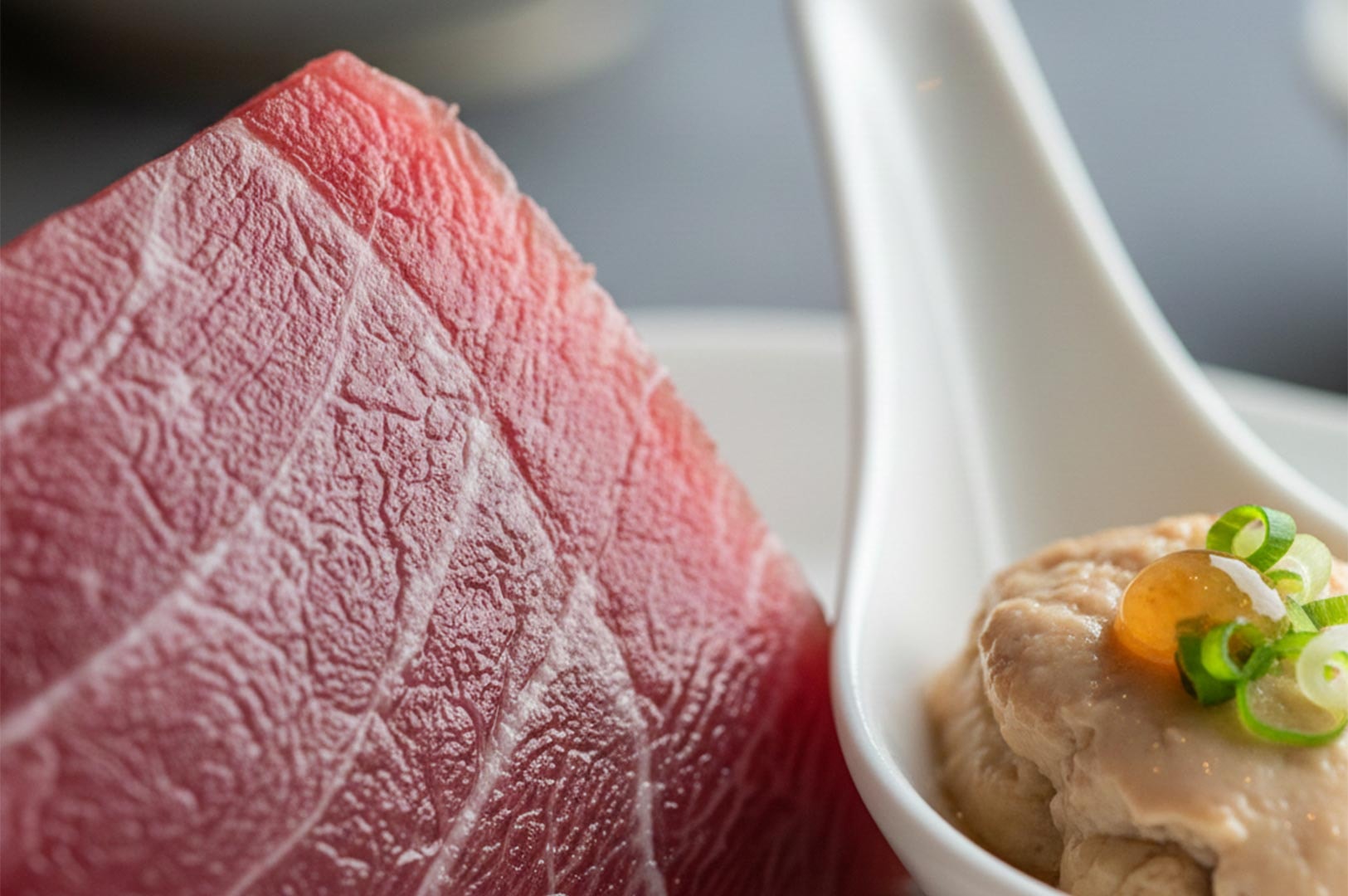
Winter is the time for indulgence, when shirako (milt), ankimo (monkfish liver), and melt-in-your-mouth cuts of fatty tuna are most prized. These are often featured in omakase menus at respected Japanese restaurants, perhaps garnished with seaweed, steamed to perfection, or fried tempura-style. Many omakase restaurants offer private rooms for full reviews of their winter tasting menus, making these meals a highlight of Japanese food culture during the colder months.
The Role of Toyosu Market in Defining What’s Seasonal
In Japan, Toyosu Market is a hub for sourcing the freshest seafood and seasonal ingredients for omakase menus ranging across the spectrum of Japanese cuisine. Each morning, chefs and buyers select the best the sea has to offer, ensuring their restaurants and sushi counters serve truly seasonal, regionally appropriate food. This connection to market freshness also means dishes change throughout the year, and no two meals are ever truly the same.
How Chefs Interpret These Ingredients
Japanese chefs’ skill is evident in how they balance fresh and preserved elements—whether it’s pickled vegetables, deep fried tempura vegetables, or steamed hot pot additions. Attention to detail and knife work is vital for slicing raw fish for nigiri and sashimi, while careful seasoning using soy sauce, sake, and other ingredients maintains the good balance for which Japanese food is famous.
This masterful balance between texture, temperature, and flavor is the core of Japanese culinary artistry. The transformation of a simple ingredient—be it a pristine slice of hirame (flounder) or a pickled daikon—is a quiet revolution driven by technique and tradition. To see this philosophy in action, we invite you to explore The Shiso Smoked Hirame with Warm Saké Cream: Inside Chef Masa’s Quietest Revolutionwhere the delicate interplay of fresh fish, aromatic smoke, and rich saké cream exemplifies this precision and innovation.
Knife Work, Aging, and Temperature
Mastery in Japanese cooking includes expert knife work for crafting delicate nigiri, aging select seafood for extra flavor, and ensuring that dishes are cooked or served at optimal temperatures—hot soup, chilled sashimi, or lightly warmed dishes. Garnishes like grated daikon, seaweed, or even raw egg may complement the main dish, all reflecting the chef’s deep understanding of seasonal changes and ingredient behavior.
Seasonal Omakase in Singapore — A Growing Appreciation
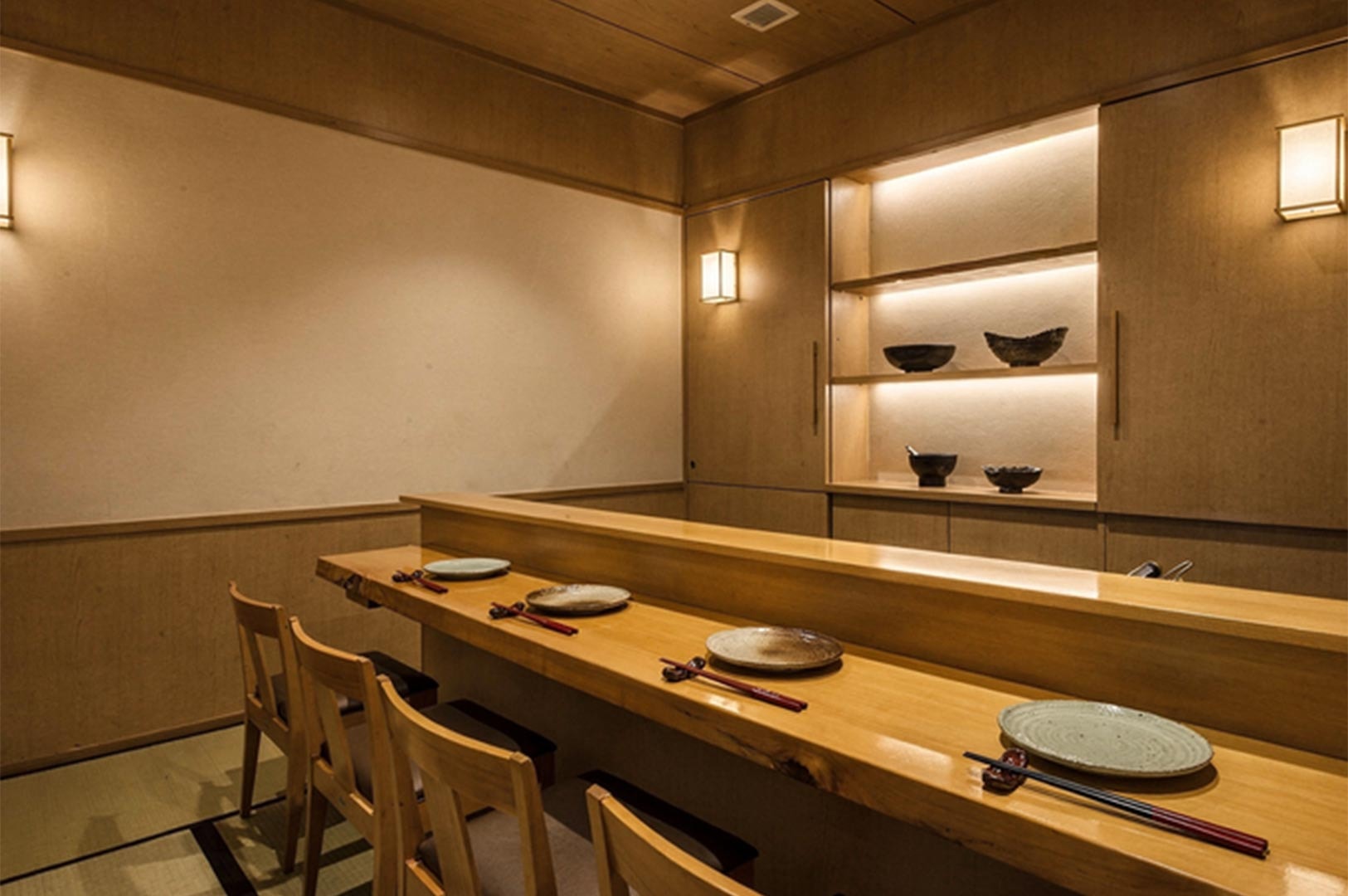
Beyond Japan, omakase has inspired Japanese restaurant concepts around the world. In Singapore, omakase menus ranging from regional specialties to classic Japanese dishes are curated with the same attention to shun and fresh ingredients.
Restaurants like Sushi Masa by Ki-setsu at Cuppage Plaza extend this seasonal philosophy, importing ingredients directly from Japan each morning. Their omakase menu is crafted around what’s freshest, ensuring diners in Singapore can enjoy the true flavors of shun just as they would in a renowned Japanese restaurant in Tokyo.
What Diners Experience When They Taste True Seasonality
Eating a meal based on shun is about experiencing the essence of Japanese food—respect for the seasons, the chef’s intuition, and the interplay of dishes served in harmonious succession. Diners may savor course after course, from raw fish and steamed vegetables to grilled wagyu beef, fried tempura, savoury soups, or desserts of sweet red bean paste. Each bite underscores the traditions that define Japanese cuisine.
Try An Omakase Restaurant — A Journey That Shifts With Each Season
A true omakase dinner, whether enjoyed in Japan or abroad, reflects the full arc of the four seasons. Every dish, every bowl of miso soup, and every slice of nigiri tells a story not just of food, but of culture, history, and the enduring beauty of seasonality. Omakase menus ranging across main dishes, dessert, and everything in between celebrate the past and present of Japanese cooking. Ultimately, the joy of omakase is in letting the chef guide your journey, one seasonal taste at a time.

Orchard Plaza Food: Hidden Japanese Restaurants and Local Eats Near Somerset
Eat Drink Asia Team | July 4, 2026
Orchard Plaza is one of those buildings we kept walking past before we properly understood it. From the street, it looks more like an office block than a dinner plan. But over repeated visits, usually after work or during odd lunch windows, we’ve found that the real charm sits behind lift doors, quiet corridors, and…
-
Salted Egg, Properly Treated: Sauce, Not Shortcut
Eda Wong | July 3, 2026
By Eda Wong for Eat Drink Asia. The wok station is already hot when the cook lowers the flame. In the narrow back of a Singapore zi char kitchen, the air smells of butter, curry leaves, and the faint mineral edge of salted duck egg. A metal spatula presses cooked yolks through oil until they…

Fish Sauce at the Table: The Quiet Work of Fish Sauce
Dio Asahi | July 1, 2026
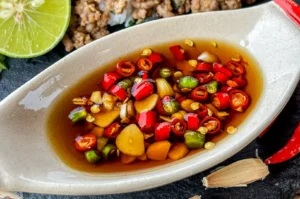
At a narrow lunch table in Bangkok, the bottle arrives before the rice has stopped steaming. It is clear glass, refilled many times, its plastic cap slightly stained from years of fingers and heat. Beside it sits a small bowl of sliced chillies floating in amber liquid, the cut edges pale and sharp. Someone nudges…
-
Eat 3 Bowls Bendemeer Review: A Taiwanese Comfort Food That Delivers
Eda Wong | June 30, 2026
I ordered Eat 3 Bowls @ Bendemeer on a Thursday at about 11:45am, which is my favourite test window for delivery food. It’s close enough to lunch for the kitchen to be in rhythm, but not so late that every rider in the neighbourhood is already fighting the office crowd. By 12:25pm, the bag was…
-
ABC Hokkien Mee After Renovation: What to Expect When the Woks Return
Dio Asahi | June 27, 2026
When I first walked past a hawker centre undergoing major renovations, the absolute silence unsettled me. The usual rhythmic scrape of metal spatulas against cast-iron woks was gone, replaced by the hum of construction. It made me realise just how much our culinary journeys are tied to the physical spaces we eat in. Right now,…
-
Claypot Rice Crusts: Listening for the First Crackle
Eda Wong | June 26, 2026
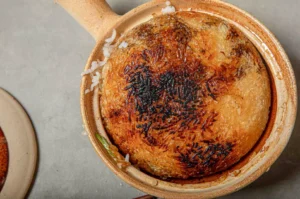
The narrow alleyway in Yau Ma Tei smells of charcoal and dark soy sauce, a thick coastal humidity pressing against the glow of the stoves. An elderly cook stands before a row of blackened sand-clay pots, a long metal tong in his right hand. He does not watch the flames; he listens to them. There…
-
Shiok Hokkien Mee and the Pleasure of a Plate That Clings: Tiong Bahru Hokkien Mee at Midday
Eat Drink Asia Team | June 25, 2026
I have always believed that the true test of a neighbourhood’s food scene happens right in the middle of the day. When the midday hunger hits, you don’t want a tasting menu; you want a fast, flavourful culinary journey that hits the spot. That is exactly what led me, representing the Eat Drink Asia team,…
-
When Curry Learns to Breathe
Dio Asahi | June 24, 2026
The rain taps lightly against the glass of a quiet Japanese diner, turning the pavement outside a slick, silver grey. Inside, the bowl arrives with steam first, then colour: pumpkin orange, aubergine purple, and a dark curve of chicken set against a broth that looks too light to carry so much heat. The spoon touches…
-
Hong Heng Fried Sotong Prawn Mee: Where Squid Turns Chewy, Broth Turns Glossy, and Time Turns Quiet
Eda Wong | June 23, 2026
There is something deeply comforting about a hawker centre right before the lunch rush hits. I visited Tiong Bahru Market on a Tuesday around 10:30 am, hoping to beat the infamous queue at Hong Heng Fried Sotong Prawn Mee. Even at that early hour, a line of six people had already formed, waiting quietly under…
-
Cuppage Plaza Food: Hidden Japanese Restaurants and Dining Gems Near Orchard
Dio Asahi | June 20, 2026
Orchard Road is a brilliant, trend-setting celebration of flavours, but its gleaming mega-malls can sometimes feel a bit predictable. If you are an urban food enthusiast seeking genuine culinary journeys rather than polished franchise menus, the true heart of the district lies slightly hidden. Cuppage Plaza is a fascinating, liminal space that operates almost like…