I’ve always had a love-hate relationship with Sichuan food. Usually, you walk into a spot, order your food, and spend the rest of the night sweating through your shirt, chugging ice water, and wondering why you did this to yourself. But when I visited Si Chuan Dou Hua Restaurant on a Tuesday around 7 pm, I quickly realized I was in for a completely different kind of evening.
Instead of overwhelming heat that obliterates your tastebuds, this place focuses on something much harder to master: control. I stepped out of the elevator and immediately felt like I’d found a hidden sanctuary right in the middle of the CBD. If you’re looking for a refined dining experience that elevates classic Sichuan cuisine without losing its soul, you’re going to want to hear about this one.
At Si Chuan Dou Hua: A Refined Sichuan Dining Experience
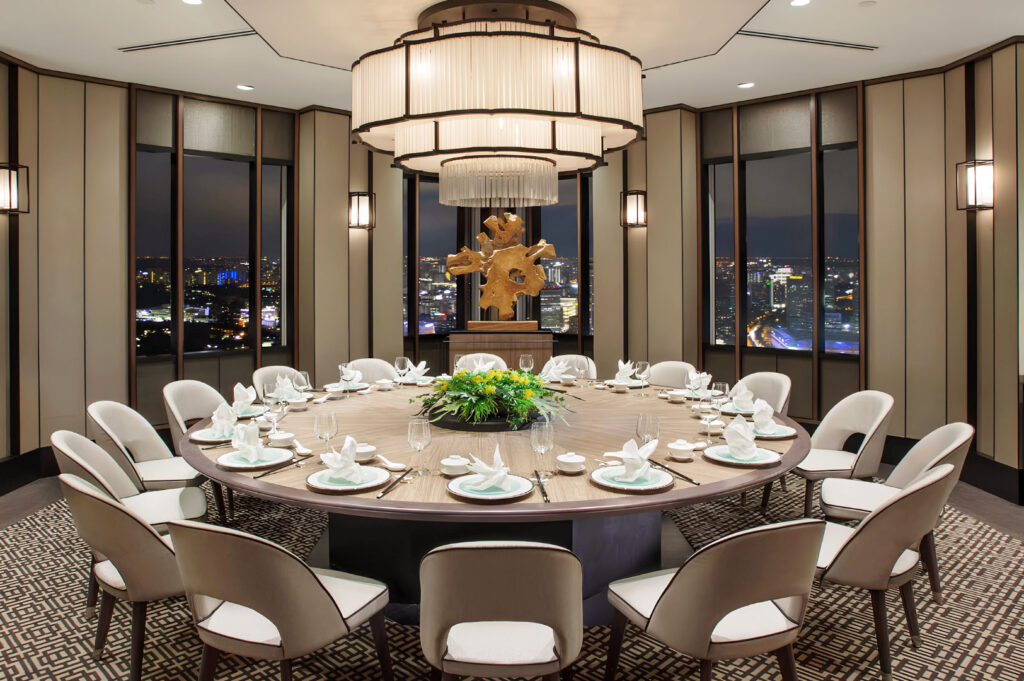
Si Chuan Dou Hua Restaurant, perched on the 60th floor of UOB Plaza, offers a breathtaking panorama of Singapore’s skyline that immediately sets a refined tone. The atmosphere is a masterclass in balance: traditional Chinese elements mingle seamlessly with sleek modern design, creating an intimate yet spacious dining room. Warm, dim lighting invites you to lower your voice and savor the experience, a welcome contrast to the boisterous, casual venues often associated with Sichuan cuisine.
Seated near the window, I was enveloped by the gentle hum of conversation, the subtle fragrance of the restaurant’s signature garlic sauce wafting through the air. The air conditioning was noticeably brisk, bring a jacket if you tend to feel cold. This calm, elegant setting perfectly complements the complex flavors of the dishes served here, reflecting the precision of Chinese cooking elevated to fine dining.
The Food: Mastering Stir Fried Eggplant and Other Sichuan Classics
Yu Xiang Eggplant (鱼香茄子)
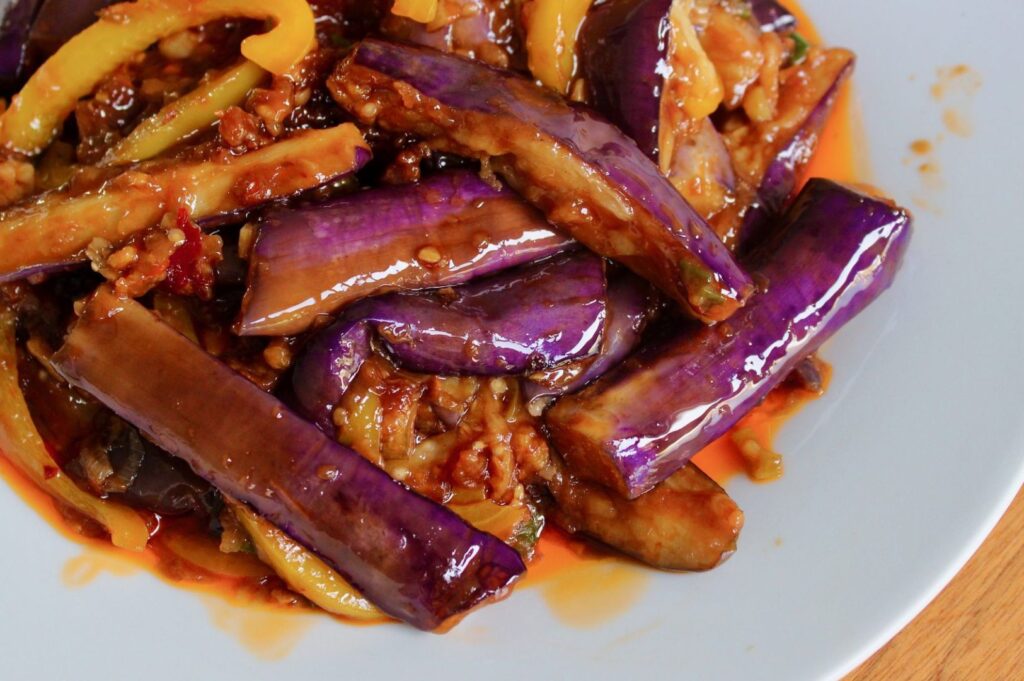
I focused on staples that test any Sichuan kitchen’s mettle, starting with the Yu Xiang Eggplant, a dish that exemplifies the art of stir fry sauce mastery. The Chinese eggplant, known for its slender shape and fewer seeds compared to globe eggplants, was cut into bite size pieces and cooked eggplant emerged tender yet holding its form. Each piece was evenly coated in a glossy, deep reddish-brown garlic sauce enriched with shaoxing rice wine and balanced with light soy sauce and dark soy sauce. The sauce thickens perfectly over medium heat, clinging to the soft eggplant and releasing a fragrant aroma that is both sweet and savory with a subtle kick of red pepper flakes. This is not just any stir fried eggplant; it’s a refined interpretation that showcases why Chinese or Japanese eggplant varieties are prized in authentic Sichuan cuisine.
Mapo Tofu
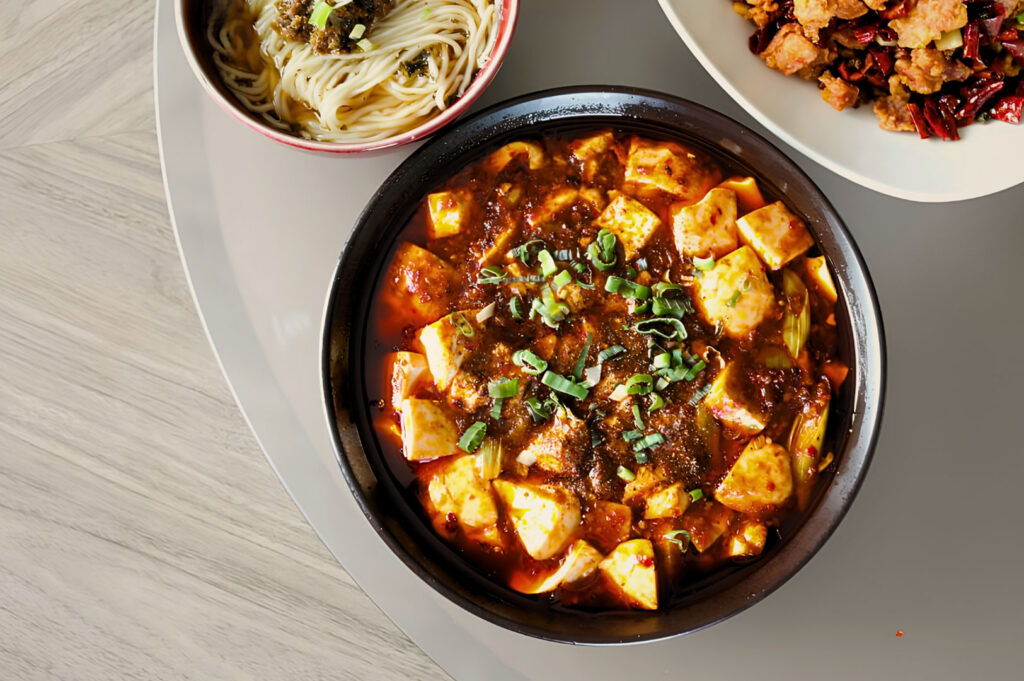
Next, the Mapo Tofu arrived, its silky tofu bathed in a numbing, fragrant sauce that manages to be spicy without overwhelming the palate. The dish carries the rich taste characteristic of Sichuan food, with just the right amount of oil, vegetable oil and avocado oil are often used in stir fry to achieve this effect. The balance here is key: numbing Sichuan peppercorns, a hint of sweetness, and the savory depth of gluten free soy sauce and fermented ingredients.
Dan Dan Noodles
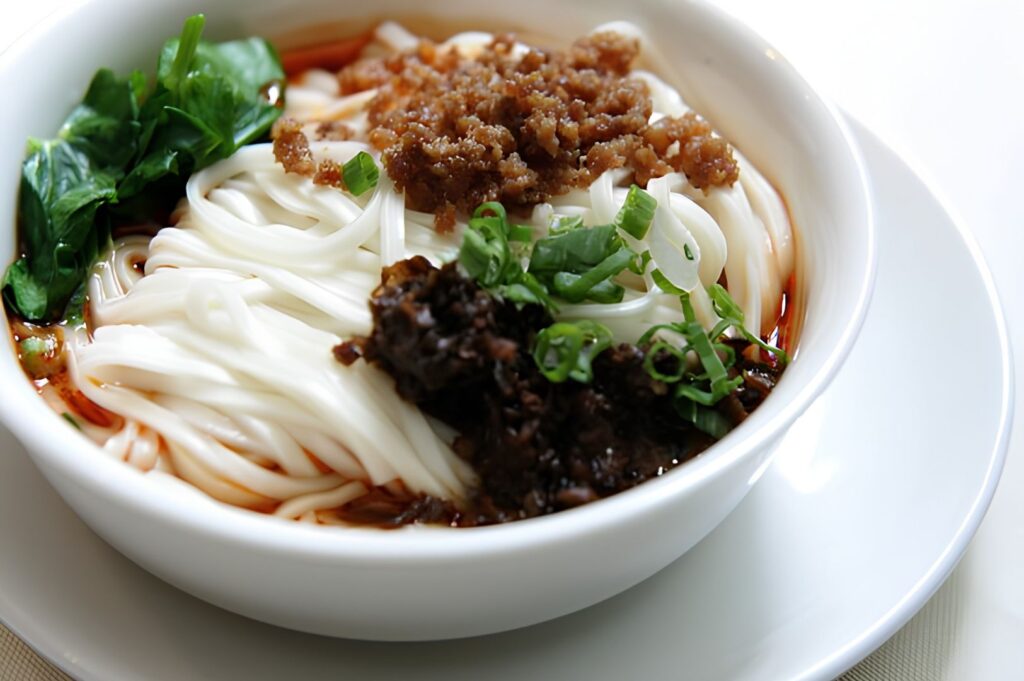
The Dan Dan Noodles rounded out the meal with a thick, nutty sauce that enveloped the chewy noodles, a perfect counterpoint to the other dishes. Served in individual bowls, the noodles were a comforting, savory finale, especially when paired with steamed rice or brown rice to soak up the flavorful sauce.
Service and Cultural Flourish at Chuan Dou Hua Restaurant
Service at Si Chuan Dou Hua is impeccable, reflecting the high standards of this refined Sichuan cuisine destination on Beach Road. The attentive staff are knowledgeable about the menu and provide thoughtful recommendations, especially regarding spice levels for those new to Sichuan food or who prefer milder heat. This personalized guidance ensures diners can fully enjoy the complex flavors without being overwhelmed.
The Tea Master’s Ceremony: A Cultural Highlight
An unforgettable highlight of the experience at Chuan Dou Hua Restaurant is the resident tea master’s artful tea pouring ceremony. Using a traditional long-spout kettle, the tea master performs a graceful ritual infused with martial arts flair. This cultural flourish not only adds an elegant touch but also serves to cleanse the palate between bites of rich, oily dishes such as fish fragrant eggplant and the classic stir fried eggplant with garlic sauce. The fragrant tea perfectly balances the bold flavors, enhancing the overall enjoyment of the meal.
Practical Tips for Visiting Si Chuan Dou Hua on Beach Road
Located at 80 Raffles Place, #60-01 UOB Plaza 1, Si Chuan Dou Hua is conveniently accessible by public transport and car. Here are some practical tips to enhance your dining experience:
- Getting There: The restaurant is just a short walk from Raffles Place MRT station, making it easy to reach via Singapore’s efficient public transit system.
- Parking: For those driving, parking is available in nearby CBD buildings, though availability may vary during peak hours.
- Pricing: Expect a higher-end pricing tier reflecting the refined dining experience, with lunch averaging between $40 and $70, and dinner ranging from $60 to $120 or more.
- Reservations: Due to the restaurant’s popularity, especially on weekends and for larger groups, reservations are essential to secure your preferred time and seating.
- Seating Recommendations: For a quieter and more intimate experience, request the corner table near the window. This spot offers uninterrupted views of the city skyline, adding a scenic backdrop to your meal.
- Dress Code: While not strictly formal, smart casual attire is recommended to match the elegant ambiance of the restaurant.
- Special Occasions: Si Chuan Dou Hua is an excellent choice for business lunches, family celebrations, or special gatherings where you want to impress with sophisticated Sichuan cuisine.
- Peak Hours: Be mindful that peak dining times can result in longer wait times, so plan accordingly or opt for off-peak hours for a more relaxed visit.
Following these tips will help you fully appreciate the refined atmosphere and culinary delights that Si Chuan Dou Hua offers, making your visit both memorable and enjoyable.
Mastering Stir Fried Eggplant with Garlic Sauce at Si Chuan Dou Hua
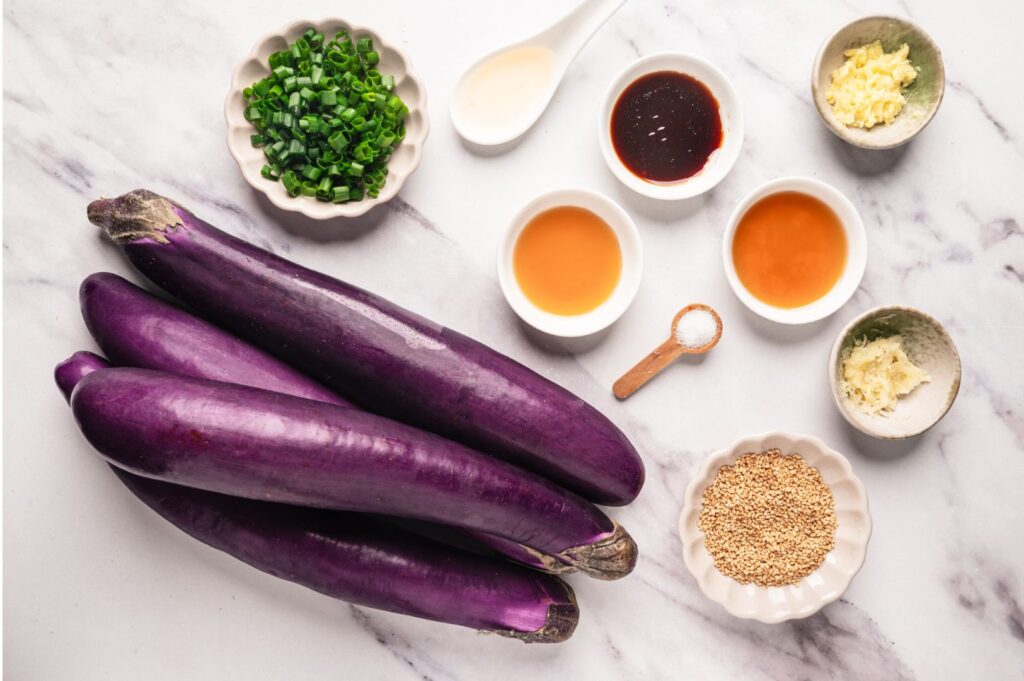
Stir fried eggplant is a beloved dish in Chinese cooking, especially when made with authentic Chinese or Japanese eggplant varieties. At Si Chuan Dou Hua on Beach Road, the preparation of this tricky vegetable showcases expert technique without relying on deep frying. Instead, the eggplant pieces are cooked over medium high heat in a pan with avocado oil and vegetable oil, allowing the soft eggplant to develop a golden brown exterior while remaining tender inside. The stir fry sauce, made from key sauce ingredients like light soy sauce, dark soy sauce, shaoxing rice wine, sugar, and a touch of cornstarch, thickens beautifully to coat each bite size piece evenly.
Si Chuan Dou Hua’s take on fish fragrant eggplant and other Sichuan cuisine classics reflects the refined approach to Chinese food that diners love. Whether you’re a fan of gluten free soy sauce or prefer a more traditional recipe, this restaurant’s stir fry dishes maintain the perfect harmony of salty, sweet, and savory flavors. If you love eggplants, this is a must-try spot to experience how expert technique transforms this tricky vegetable into a delicious, satisfying dish.
Selecting the Best Eggplant Varieties for Chinese Food
It’s clear that the quality and preparation of ingredients, like eggplant, play a crucial role in achieving authentic and delicious Chinese dishes such as stir fried eggplant. To replicate the restaurant’s level of excellence at home, selecting the right eggplant variety is essential.
- Preferred Varieties: Chinese and Japanese eggplants are favored for their slender, elongated shape, thinner skin, and fewer seeds compared to regular globe eggplants. These traits contribute to a sweeter taste and a tender texture that soaks up sauces beautifully.
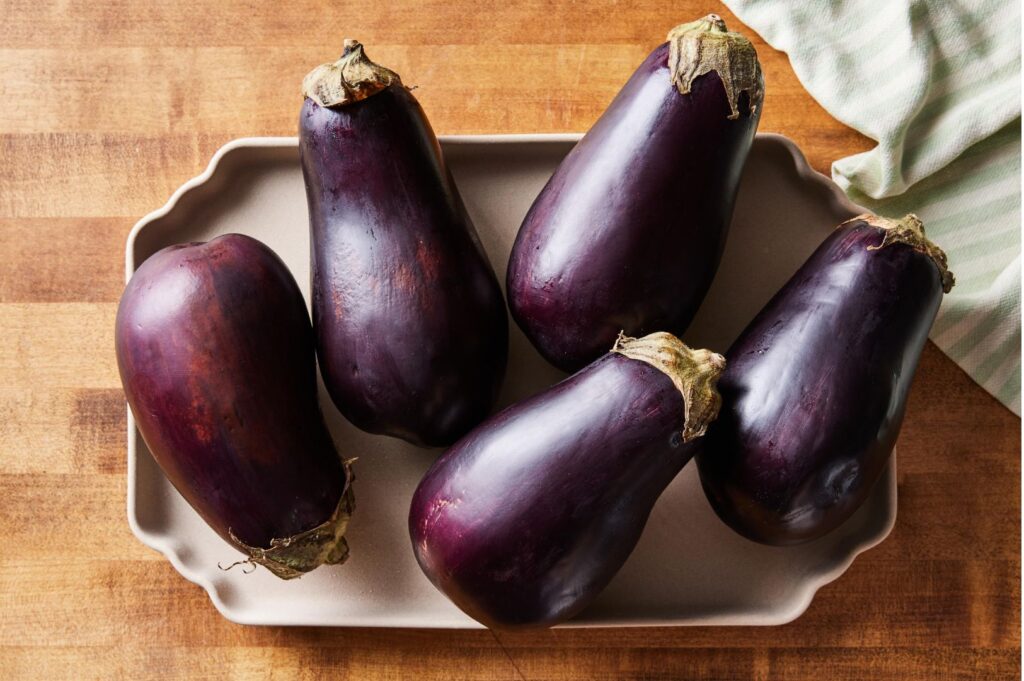
- Freshness Matters: Choose young, fresh eggplants with smooth, glossy skin and no blemishes. Fresh eggplants offer a creamy texture and sweeter flavor once cooked, while older ones tend to be chewier and more bitter.
- Cooking Considerations: These eggplants cook evenly over medium-high heat, developing a golden brown exterior without becoming soggy, perfect for stir fry dishes.
- Using Globe Eggplants: If only regular globe eggplants are available, note their thicker skin and denser flesh may require longer cooking times or salting to remove excess moisture.
- Preparation Tips: Cutting eggplant into uniform pieces and cooking them in a single layer ensures even cooking and a delicious, crispy texture.
By paying attention to these details, you can elevate your homemade stir fried eggplant to a restaurant-quality dish that captures the balance of flavor and texture celebrated in Sichuan cuisine.
Taste, Texture, and Tranquility: Final Reflections
Si Chuan Dou Hua Restaurant totally reshaped how I think about Sichuan food in Singapore. It isn’t about setting your mouth on fire just for the sake of it. Even complex dishes like the Yu Xiang Eggplant show exactly how proper Sichuan cooking balances oil, sauce, and texture. This Asian egg plant recipe exemplifies the perfect harmony of flavors and technique.
It is absolutely best suited for business lunches, family gatherings, or people who want to explore Sichuan cuisine in a comfortable, upscale setting. Repeat customers come back for the reliable consistency in flavor and presentation, and I can completely see why.
However, if you’re looking for very cheap meals, ultra-spicy hardcore heat, or a casual, noisy dining vibe where you can shout over a table of beers, this isn’t the spot for you. The wait can sometimes be longer than expected during peak hours, and the tamed spice levels might disappoint purists. But if you value ambiance, excellent service, and beautifully balanced flavors, this restaurant deserves a spot on your dining rotation. And if you need more, this experience is beautifully complemented by the ritual of Chinese tea, which refreshes the palate and enhances the meal.

The Soy Glaze on Kyoto’s Forgotten Rice Crackers
Dio Asahi | August 5, 2026
By Dio Asahi for Eat Drink Asia. The old man works close to the coals, and the smell reaches me before I see what he’s doing. Soy meeting heat. That dark, caramel-edged smell that tightens something in your chest. His brush moves in short strokes across a rack of rice crackers, back and forth, patient….
-
Vegetarian Laksa Without the Usual Seafood Shadow: Asian Vegetarian Recipes Begin With the Broth
Eat Drink Asia Team | August 4, 2026
The first vegetarian laksa I made tasted like coconut soup with chilli, not laksa. I thought I was doing it right, stirring paste into warm coconut milk with tofu puffs. It looked the part but lacked depth. Seafood usually provides that depth, prawn shells, dried shrimp, fish cake sweetness. I learned that depth can’t be…
-
A Bowl Built by Hand at Hi Noodle, Three Floors Below Somerset
Eda Wong | July 31, 2026
The escalator carries me down to Basement 3, past the lunch noise of 313 Somerset, and the air changes somewhere along the way. Less mall, more kitchen. The smell finds me first — chilli, vinegar, something warm and sharp that cuts through the perfume of the shops above. Hi Noodle sits there, plain and bright….
-
An Asian Vegetarian Meal at Herbivore Japanese Vegetarian Restaurant: When Japanese Comfort Food Learns a New Body
Eda Wong | July 30, 2026
I didn’t grow up eating eel. But I grew up watching my grandmother turn one thing into another — gluten into “duck,” beancurd skin into “fish,” mushrooms into something that tasted of the sea without ever touching it. Buddhist vegetarian cooking does that. It doesn’t pretend so much as it remembers, building familiar shapes out…
-
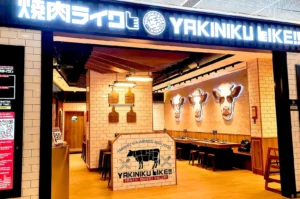
A Table for One, and a Grill That Belongs to You in Yakiniku Like
Dio Asahi | July 29, 2026
The grill glows orange in front of me before the meat arrives. It’s a small thing, set into the counter at my single seat, and it hums faintly under the chatter of the room. No flame. No charcoal. Just a low electric warmth I can feel rising toward my face. A plate comes. Thin slices…
-
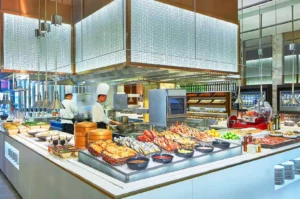
Best Buffet Singapore: Where Hotel Buffets Turn Abundance Into Order
Dio Asahi | July 28, 2026
I used to think buffets were about greed. Pile the plate high, go back for thirds, leave feeling like you got your money’s worth. That was the whole game, or so I believed. After years of exploring this city’s hotel buffets, I learned the good ones focus on order. They transform a wall of food…
-
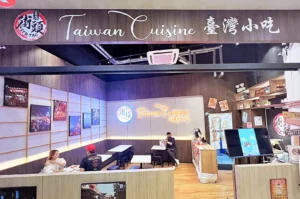
STR TAO Taiwan Cuisine and the Comfort of a Menu That’s Too Big to Be Lazy: Food Places Nearby
Eat Drink Asia Team | July 25, 2026
It was the kind of evening where you don’t want to think too hard about dinner. I’d been walking up East Coast Road, the air still thick from an afternoon shower, when I ducked into a coffeeshop just to sit down. The Bullion Hawker Bar. And tucked among the usual suspects — wanton mee, Hokkien…
-
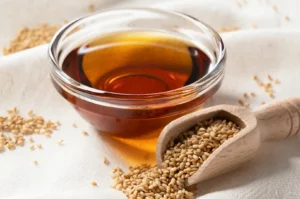
Sesame Oil at the End: Finishing, Not Flavoring
Eda Wong | July 24, 2026
The wok is already off the heat. The greens sit glossy and dark, steam still curling off them. My mother lifts a small bottle, tilts it, and lets a thin line of sesame oil fall across the top. It hisses faintly against the warm leaves, and the smell rises all at once — toasted, nutty,…
-
Long Phung Vietnamese Cuisine, Where the Menu Doesn’t Waste Words: A Good Restaurant Close to Me
Eda Wong | July 23, 2026
I came in from the rain on a Tuesday, somewhere past 8pm, hungry and a little defeated by the day. The fan was clacking. A queue of three or four people stood near the doorway, dripping. Someone shouted an order toward the kitchen in Vietnamese, and a bowl of pho slid onto a nearby table…
-
The First Squeeze of Calamansi in a Noodle Stall Bowl
Dio Asahi | July 22, 2026
The bowl lands in front of me, broth still trembling from the walk across the stall. Steam rises and fogs the edge of my glasses. To the side sits a small dish of calamansi halves, cut and waiting, their skins slick under the fluorescent light. I pick one up. It gives slightly between my fingers,…