Step into a South Asian kitchen, and the senses are instantly enveloped by the inviting aroma of food slowly simmering in a sturdy clay pot or heavy vessel. The allure is undeniable: in this space, slow-cooked curry recipes are a celebration of patient tradition, spices, and the richness of South Asian cuisine. Here, time and heat collaborate to coax the deepest flavors and the softest textures from the most humble of ingredients. A gentle bubbling beneath a tightly fitted lid, the mingling scents of cumin, coriander, and ginger, and the rhythmic clatter of stirring spoons form the backdrop to culinary artistry—a scene repeated for generations across India, Pakistan, Bangladesh, Nepal, and beyond. In this world, slow cooking is a ritual that transforms chicken thighs, lamb, mutton, beef, legumes, and vegetables into soulful spreads for dinner or festive gatherings.
The Science and Magic of Slow Cooking
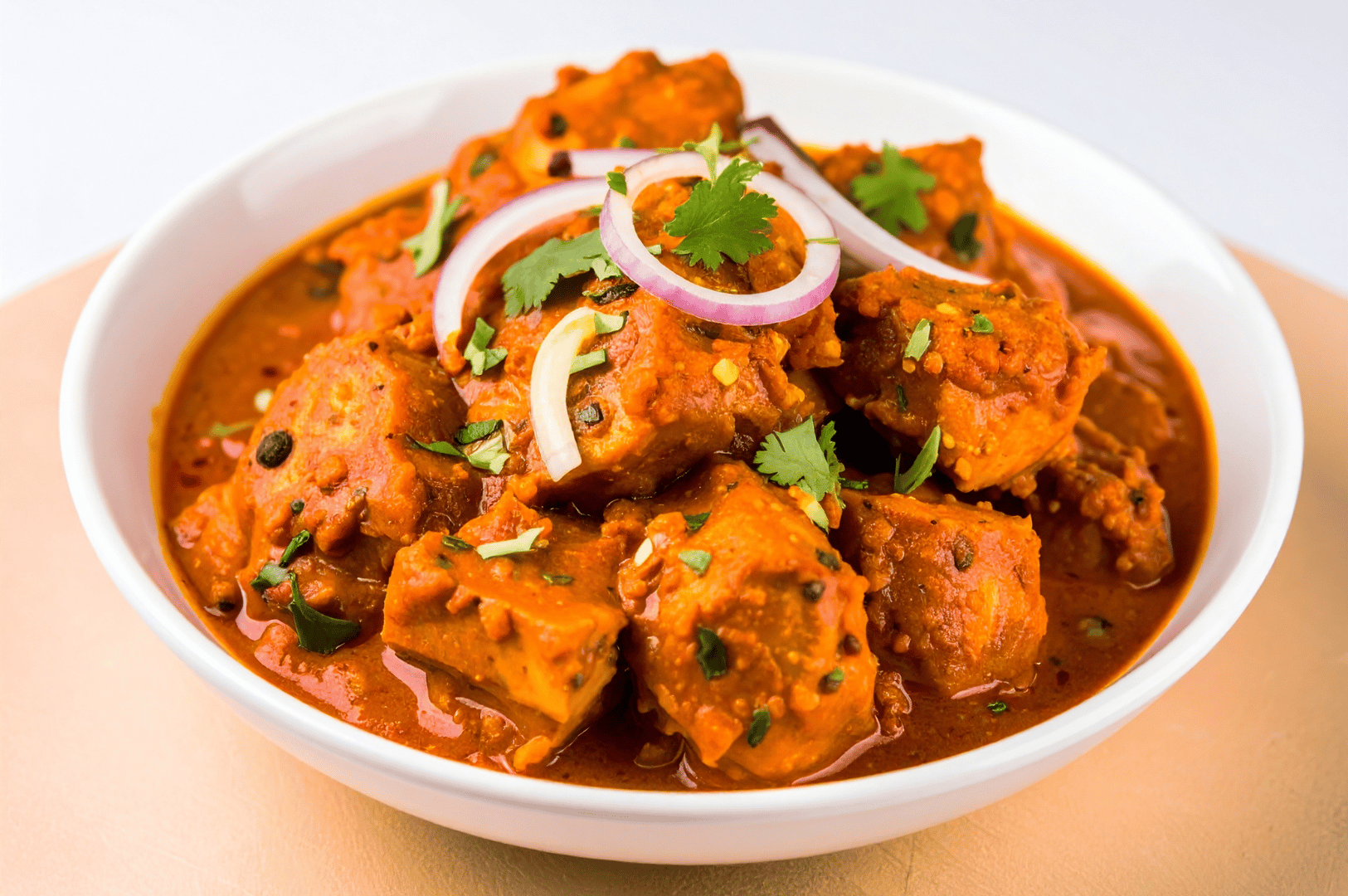
At its core, slow cooking is about relinquishing control to time and heat. The science involved in slow-cooked curry is as intricate as it is fascinating. Unlike quick frying or roasting, which sear flavor on the surface, slow cooking draws out the character from every ingredient.
Molecular Transformations
Proteins in chicken, lamb, or beef—especially tougher cuts like mutton and chicken thighs—are gradually broken down by sustained, gentle heat. The collagen within them melts, rendering the once-tough cuts soft, yielding, and silky. This process gives a curry its creamy, luxurious mouthfeel.
Wheat flour and ground almonds, common thickeners in the region, benefit from this process, their starches slowly swelling and binding the sauce into a cohesive, rich consistency.
Layered Flavours Through Browning and Spices
Traditional slow-cooked curries begin with browning aromatics such as onion, ginger, and garlic in oil or ghee. This stage is crucial: the Maillard reaction develops caramelized notes, while slow frying allows the natural sugars and amino acids to transform and deepen. When black pepper, cardamom, cumin, and coriander seeds are added, the spices bloom, releasing volatile oils that infuse the curry over time.
Slow cookers and clay pots excel at maintaining the low, steady heat required for these complex flavor developments, whether the dish is a fiery beef curry from Bangladesh or a mild, creamy cottage cheese curry from India, packed with cashews and herbs.
The Role of Liquids
Slow cooking relies on carefully measured liquids. Water, yogurt, or creamy coconut milk often form the base. Occasionally, ground almonds or lentils are added for body and taste, joined by root vegetables like potato or cauliflower. The act of slow simmering melds all the ingredients and encourages even starchy beans and rice to absorb the full spectrum of spice-laden broth.
Slow Cooking’s Regional Masterpieces
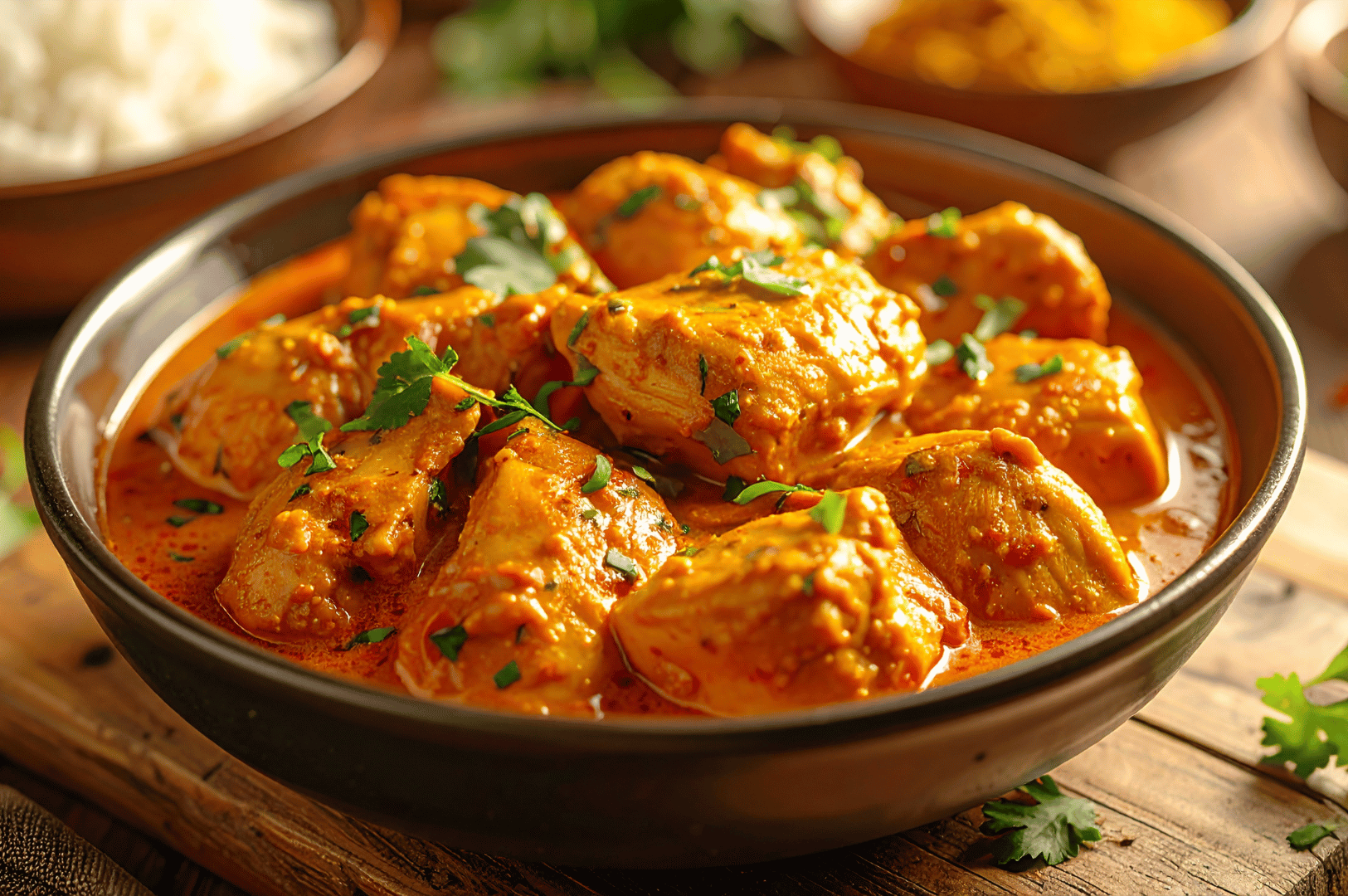
Slow-cooked curry recipes from South Asia are as diverse as the landscapes and cultures they arise from. Each region champions its own classic techniques and serves up dishes that define celebratory dinners and comfort food.
Nihari: Hearty Bread Companionship from Pakistan
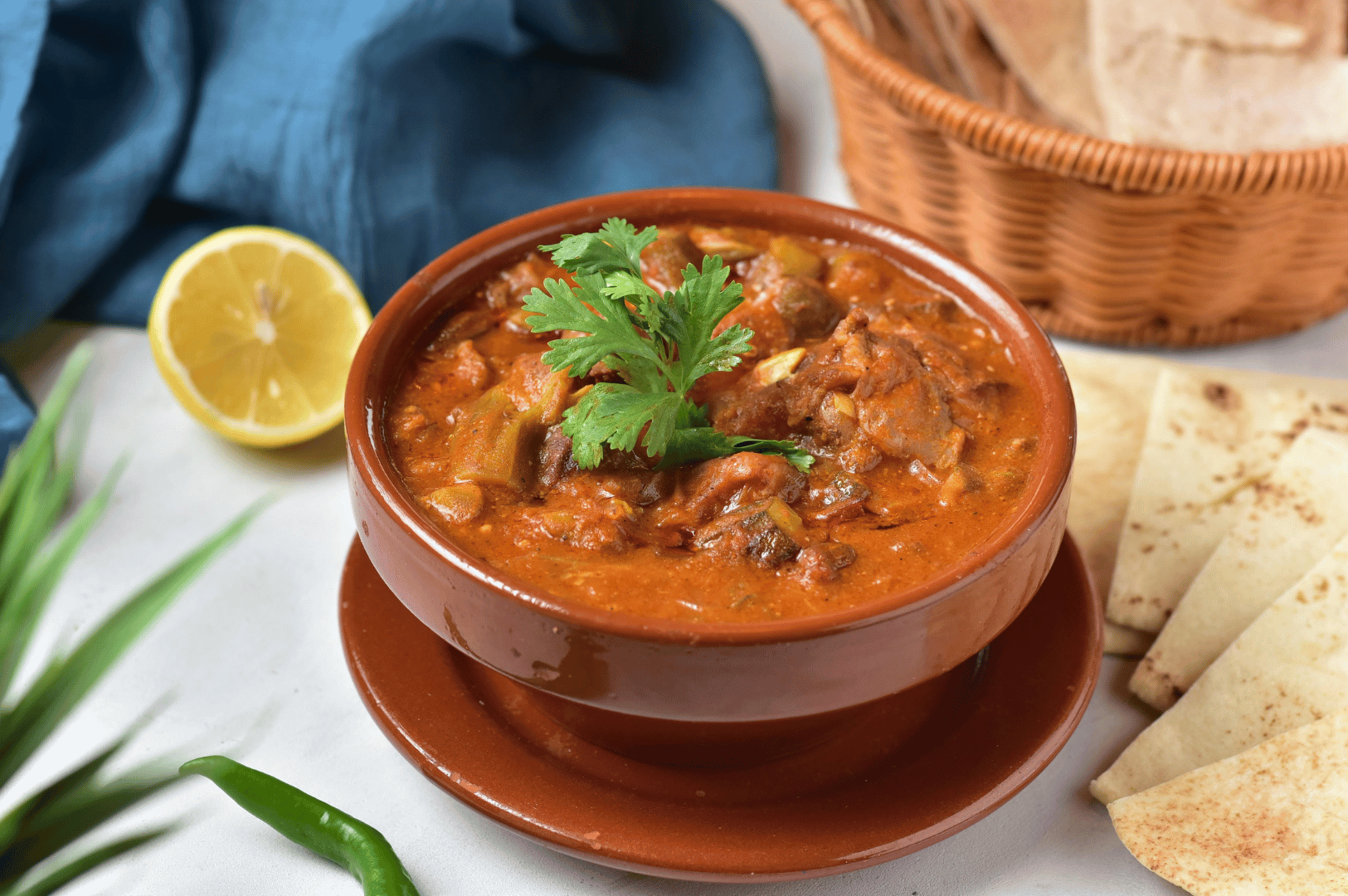
Nihari originated in the royal kitchens of North India and Pakistan, later spreading to Bangladesh and beyond. Made with beef or mutton, gently cooked overnight, the meat becomes fall-apart soft—a result only achieved with long, patient heat. Black pepper, ginger, and cardamom add warmth, while a final flourish of cilantro and mint brings freshness. Served with tender naan or soft wheat flour bread, nihari is a staple at morning feasts.
Bengali Kosha Mangsho: Bhunao’s Triumph
Bengal's famed kosha mangsho is a testament to the bhunao technique, which involves patient frying and stirring of mutton or beef with onions, ginger, and herbs in a clay pot. Tomatoes, a handful of ground almonds, and yogurt join to build body and a beautiful deep-red color. The curry is eaten with rice or fresh cucumber salad and often enjoyed at dinner gatherings spanning generations.
Dum-Aloo: The Flavour-Soaked Potato
Hailing from North India and Nepal, dum aloo features potatoes slow-cooked in a lid-sealed pot. A mixture of spices—black pepper, cumin, coriander, and a dash of sugar—melds into a sauce of yogurt and ghee. Because of the dum cooking method, even vegetables attain a softness and absorb the complex flavors, creating a mild, creamy dish that pairs well with soft naan or rice.
South Indian Mutton Korma: Creamy and Rich
Mutton korma relies on a base of ground almonds, cashews, and yogurt, with lamb or mutton simmered for hours, resulting in a creamy, aromatic curry. Ghee, cardamom, mint, and coriander create signature flavor notes, while onions form the golden backbone of the sauce.
Bangladeshi Bhuna Beef: Spicy, Packed, and Satisfying
Bangladeshi cuisine specializes in the bhuna method: beef, potatoes, and lentils are slow-cooked and stirred regularly in a hot pot, ensuring the masala—cloves, cinnamon, ginger, and herbs—coats every piece. The result is a tasty, spicy dish best enjoyed with rice or wheat flatbreads.
Mastering Essential Cooking Techniques
The secret to every standout curry recipe lies in the mastery of traditional cooking techniques, often spanning many hours and great patience.
Bhunao: Stirring for Depth
The bhunao technique is about patience and constant stirring—onion, ginger, black pepper, and spices are slowly fried in oil until the mix turns golden and the ghee separates. It's a method that sets the base for flavor-packed curries, encouraging all the spices to mingle and melt into a harmonious blend.
Dum Cooking: Sealing in Flavour
Dum cooking involves placing ingredients in a heavy pot, often with a dough-sealed lid, and letting gentle heat do its magic. The slow build of hot, steamy air within allows rice, mutton, or chicken to absorb all aromatics—resulting in soft, succulent, and fragrant food that’s impossible to rush.
Tarka Tempering: The Finishing Touch
At the last moment, prepare tarka by heating oil or ghee until hot, then dropping in cumin, coriander, or mustard seeds, often with sliced garlic, mint, or chili. This sizzling infusion is promptly drizzled over lentils or curries, amplifying aroma and taste with a single, dramatic gesture.
Roasting and Browning
Quick, high-heat browning locks in juices and brings out the sweetness of onions and vegetables like cauliflower. Roasting spices before grinding intensifies their taste and imbues curries with signature notes.
The Cultural Connection
In South Asian culture, the preparation and sharing of slow-cooked curries are sacred rituals that unite families. Weddings, religious festivals, and community feasts revolve around packed tables featuring lamb biryani, creamy chicken korma, spicy potato curry, and tender kebabs. More than just food, these dishes signify life’s milestones, symbolizing abundance and the warmth of hospitality. The labor—kneading dough, marinating meat, layering rice—is a shared experience, as important as the meal itself.
Generations gather to prepare and serve curries brimming with vegetables, cottage cheese, and lentils alongside yogurt dips and cucumber salads. Tea is brewed strong, and conversation flows as easily as ghee over hot, fluffy rice. Whether eaten from serving glasses at a street market in India or spread on a family table in Pakistan, these dishes are living links to tradition.
Modern Adaptations for Home Cooks
Today, the global spread of South Asian cuisine and the popularity of slow cooked curry recipes have inspired many to adapt traditional methods for busier lives.
Slow Cooker and Freezer-Friendly Meals
- With a slow cooker, a cook can prepare a base using the bhunao technique, transfer meat, vegetables, and sauce to the pot, and let gentle heat create magic while life goes on. Curries, rich with ground almonds, potatoes, and spices, freeze well, and the taste deepens over time.
Batch Cooking
- Weekends are perfect for larger preparation. Freeze half for an easy dinner later in the week—these dishes only improve with time as flavors meld and intensify.
Experimenting with Ingredients
- Chicken thighs for softer bites, or lamb for robust flavor; add beans or lentils for protein-packed, healthy dishes. Fresh herbs like cilantro and mint finish each dish with zest and aroma.
The Irreplaceable Taste of Time
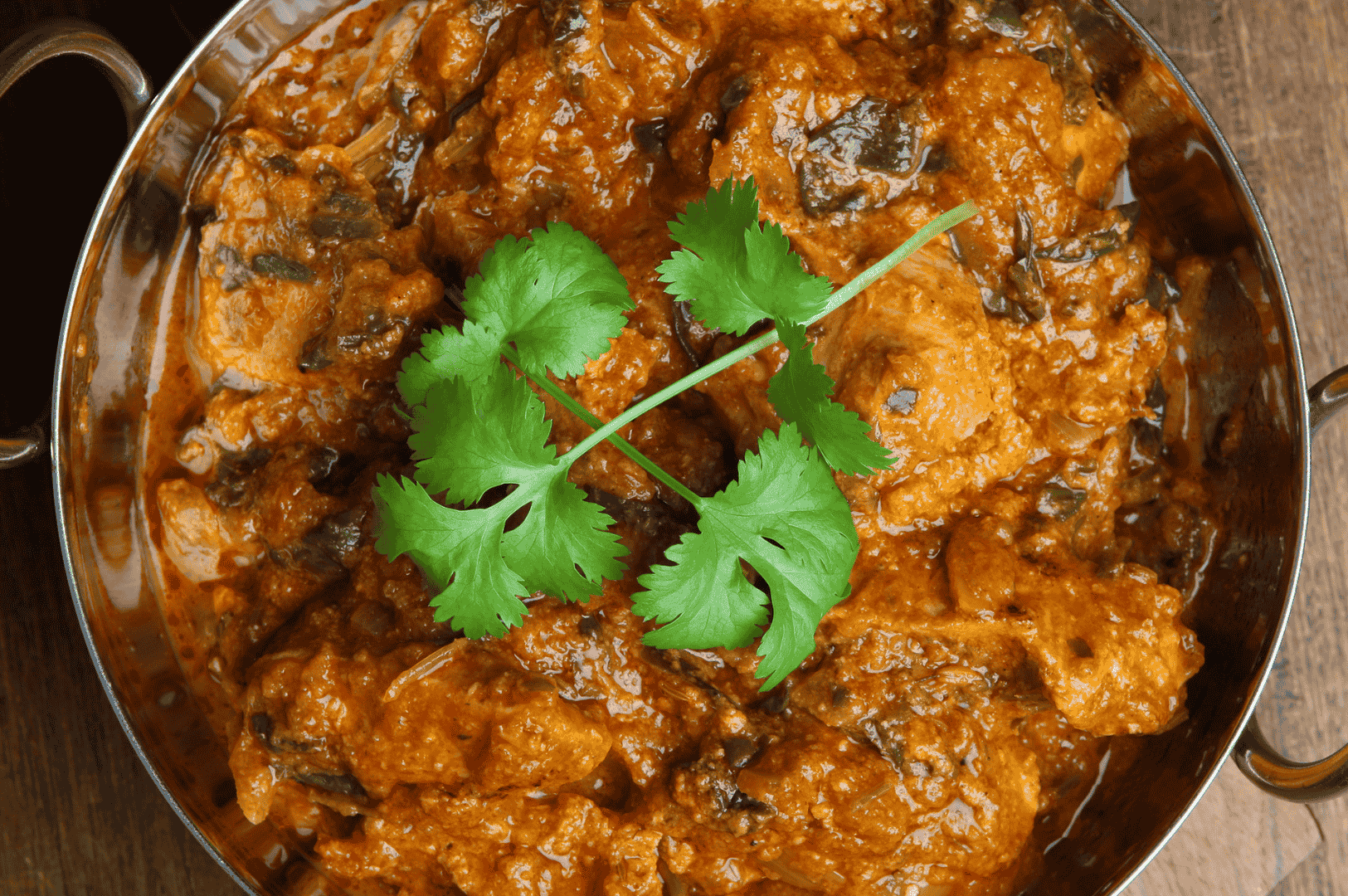
No shortcut delivers the same results. Slow cooked curry recipes develop a creamy texture, soft meat, and a sauce that glistens with ghee. Spices lose their sharpness and settle into a unified tapestry of flavors, while roots, beans, and vegetables absorb every bit of the seasoned sauce. Even the rice on the side is extra tasty when simmered slowly with cardamom and mint.
A curry’s flavour is more than just hot or spicy—it’s a dance of salt, sugar, ghee, and herbs, a balance refined by careful stirring and patient heat. Each dinner prepared in this way is a testament to tradition and the joy of slow living.
Embrace Slow Cooking—For Life
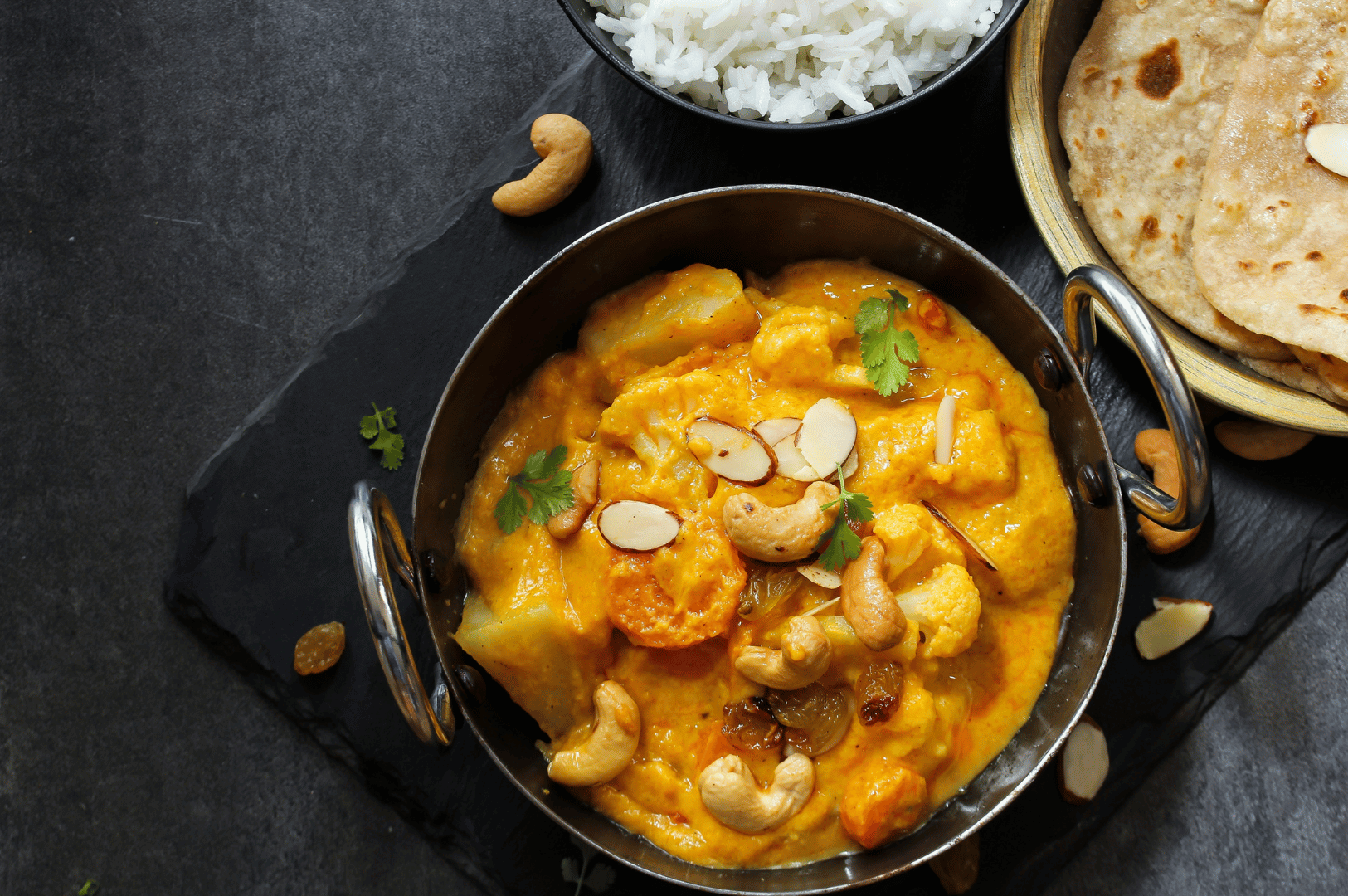
The story of South Asian curries is one of patience, creativity, and deep family connection. Preparing classic dishes like mutton biryani, chicken curry, or a beautiful dish of lamb and lentils is an adventure in taste, guaranteed to bring nostalgia and excitement to any table.
Whether using a slow cooker or clay pot, browning onions or finishing with a scattering of fried mint, slow cooking delivers flavour and texture that are impossible to rush or replicate. So, prepare all the ingredients, savor the process, and serve with pride—the rewards are always delicious, from the first bite to the last.
If you're looking for a perfect dish to slow-cook and immerse yourself in a rich, comforting experience, try the Northern Thailand Khao Soi curry noodle dish. Continue your culinary exploration with Century-Old Dumpling Techniques: Ancient Wisdom in Modern Kitchens.

Cao Lầu Noodles: Hoi An’s Legendary Noodle Dish with Japanese Origins
Dio Asahi | October 11, 2025
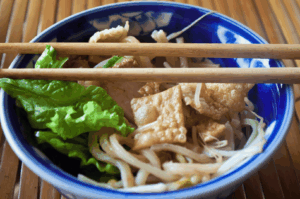
Imagine sitting on a low stool in a bustling alleyway of Hoi An’s ancient town. The warm, fragrant air is thick with the scent of sizzling marinated pork, fresh herbs, and the unmistakable aroma of fish sauce and fried rice crackers. In front of you, a bowl of Cao Lau noodles gleams, their golden brown…
-
Chinese Tea: 5,000-Year Tea Journey from Ancient Medicine to Global Beverage Phenomenon
Eda Wong | October 9, 2025
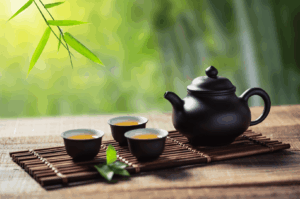
Every cup of tea enjoyed today, whether a brisk English breakfast or a delicate green tea in Tokyo, finds its lineage rooted in the heart of Chinese tea history. For nearly 5,000 years, the humble leaves of the Camellia sinensis tea plant have been cultivated, brewed, and cherished-first as ancient medicine in southern China, and…
-
The Complete Guide to Authentic Cantonese Dim Sum: Beyond Har Gow and Siu Mai
Eat Drink Asia Team | October 7, 2025
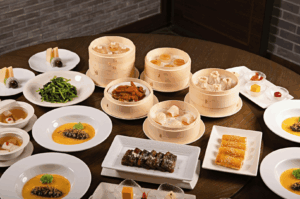
If you think eating dim sum is all about har gow and siu mai, think again. Authentic Cantonese dim sum is a dazzling showcase of Chinese culture, filled with an array of flavors, textures, and traditions that run much deeper than the classics. For both seasoned aficionados and first-time food explorers, venturing beyond the familiar…
-
Traditional Indian Lassi: Cooling Yogurt Drinks for Every Season and Region
Eda Wong | October 4, 2025
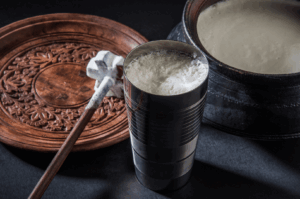
On a sweltering Indian afternoon, there is no greater relief than a tall, chilled glass of traditional Indian lassi. From bustling city streets to quiet village homes, lassi is a beloved staple that offers a moment of pure, cooling bliss. Frothy, creamy, and deeply satisfying, this yogurt drink is more than just a refreshment; it’s…
-
Gujarati Thali Guide: Western India’s Plant-Based Feast
Dio Asahi | October 2, 2025
Imagine a large, gleaming steel plate arriving at your table, a vibrant constellation of small bowls each filled with colourful and fragrant preparations. In the centre, fluffy plain rice sits next to a pile of wafer-thin, ghee-brushed Indian bread. This isn’t just an Indian meal; it’s a traditional Gujarati thali, an immersive culinary journey through…
-
Butterfly Tea: Thailand’s Magical Color-Changing Drink
Eat Drink Asia Team | September 30, 2025
Imagine pouring a cup of butterfly tea-one that radiates the deep blue color of a twilight sky, shimmering with bright blue petals from the famous butterfly pea plant. The real enchantment begins when you stir in a squeeze of lemon juice or lime juice. In an instant, this blue flower tea transforms, shifting from dark…
-
Khao Soi: Northern Thailand’s Iconic Curry Noodle Soup You Need to Try
Eat Drink Asia Team | September 27, 2025
A bowl of khao soi arrives steaming-a masterpiece from the heart of northern Thai cuisine. The golden, aromatic curry broth, rich with coconut milk and layered with homemade curry paste, gently bathes a tangled nest of soft cooked egg noodles. Atop this sits a pile of golden-brown crispy fried noodles, ready to soak up all…