Ask most Singaporeans to picture Japanese curry and a familiar image probably comes to mind: a plate of rice beneath thick brown gravy, perhaps with a breaded cutlet sliced neatly across the top. It is rich, sweet-edged, comforting and, by now, almost as recognisable as ramen or donburi.
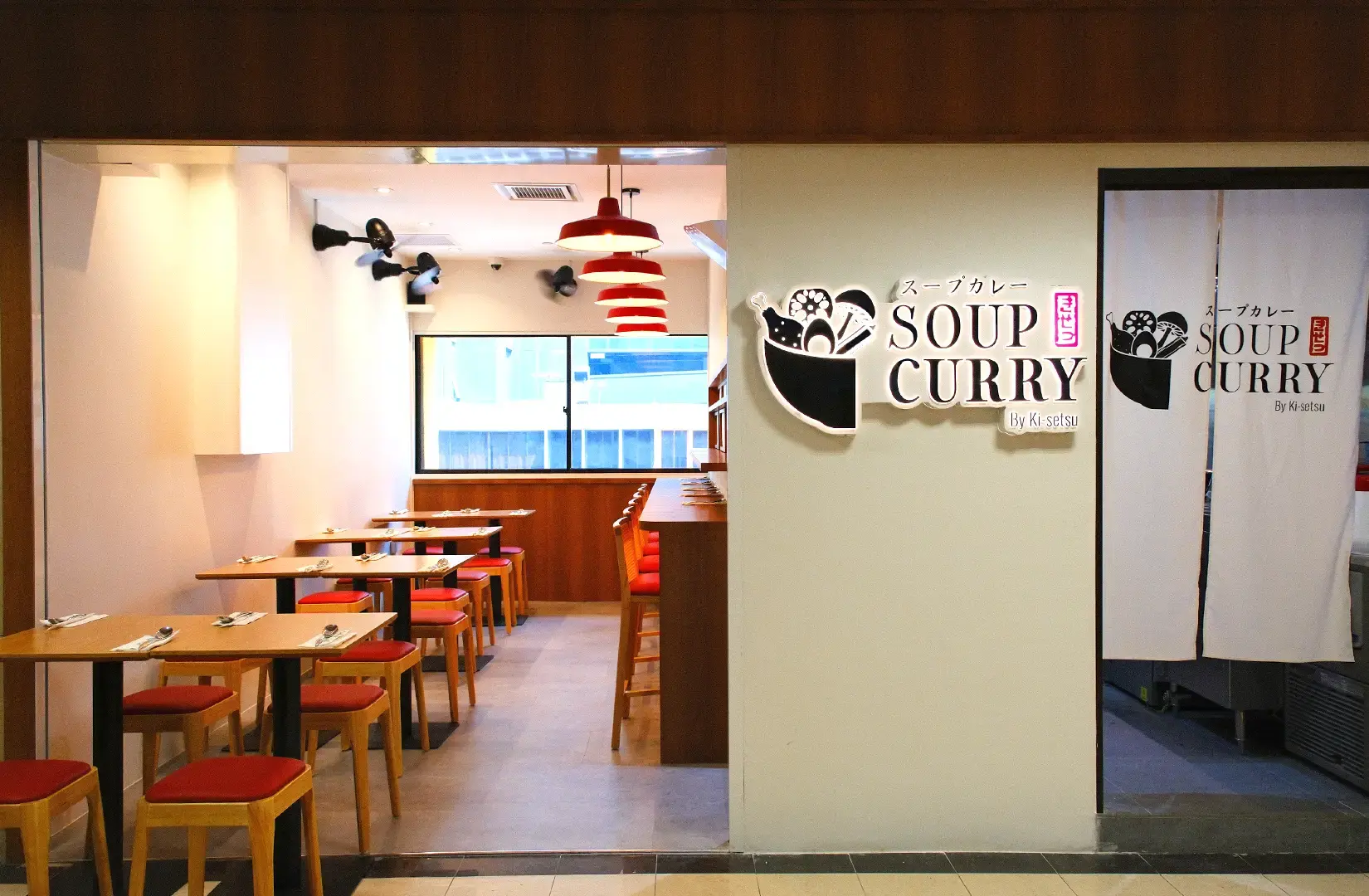
Head to the fourth floor of Fortune Centre, however, and Soup Curry by Ki-setsu asks you to forget that image for a moment.
Here, the curry arrives in a bowl deep enough for a spoon. The Japanese rice sits separately. Vegetables rise from an aromatic broth rather than disappearing beneath gravy, and the first thing you are meant to do is not pour everything together but take a sip.
That first spoonful explains a regional Japanese dish that has remained relatively unfamiliar in Singapore. Hokkaido soup curry comes from Sapporo, where it developed into one of the city’s distinctive soul foods. It shares the spices and warmth we associate with curry, but little of the heavy texture Singapore diners may expect.
Soup Curry by Ki-setsu builds its entire identity around that difference.
Hokkaido Soup Curry Is Not Thin Japanese Curry
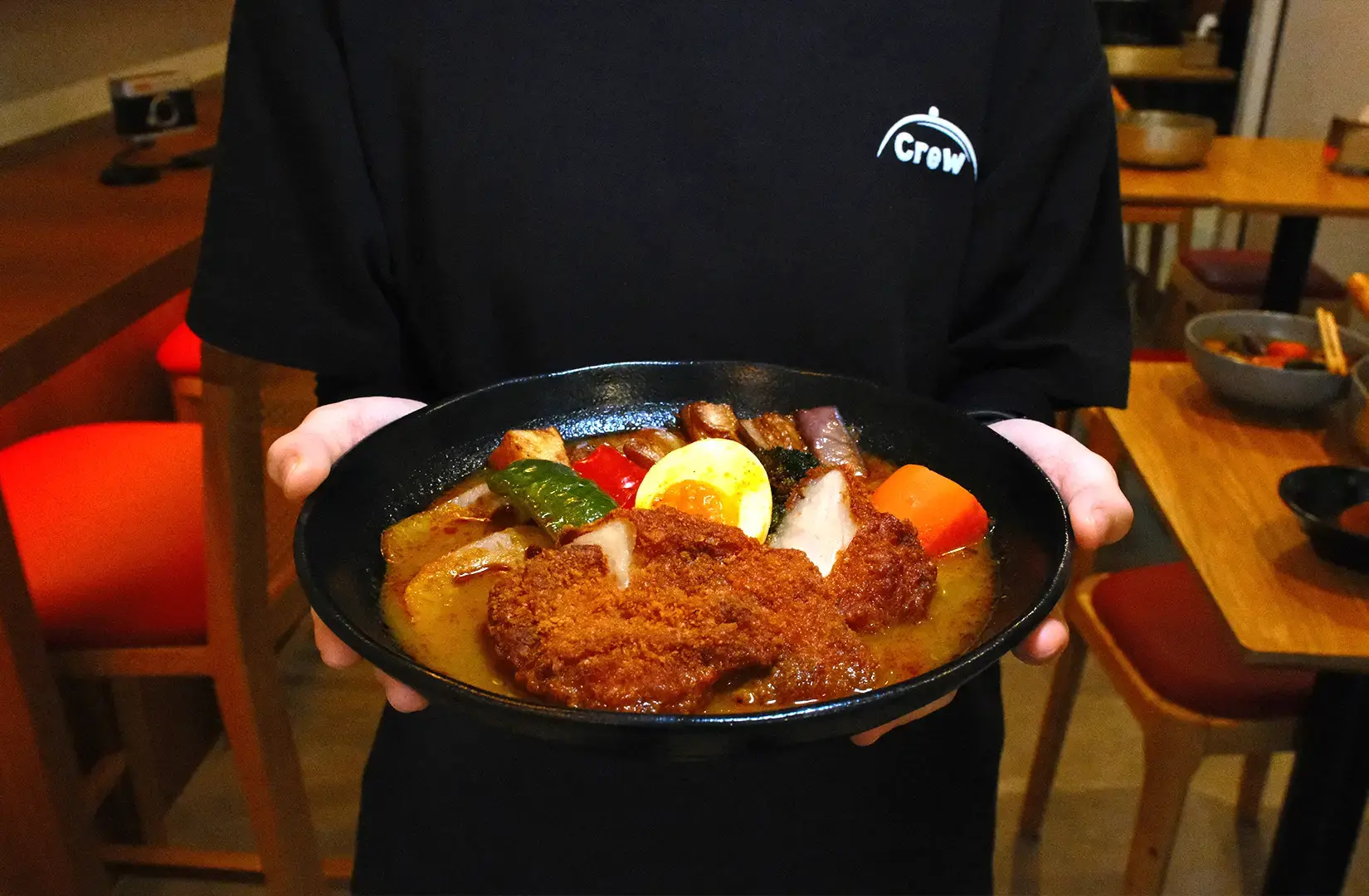
Calling soup curry a watery version of Japanese curry misses the idea entirely. Traditional Hokkaido soup curry is intentionally broth-led. Instead of building the meal around a thick roux that is poured over rice, the soup remains separate and light enough to drink. The bowl is completed with substantial vegetables and meat or other protein, while the rice waits on its own plate.
There are different versions throughout Sapporo and beyond. Diners who have previously encountered Hokkaido specialists or names such as Sama Curry may recognise the general format: broth, spices, vegetables, protein and rice, with control over the spiciness level. Some variations might involve chicken thigh, different vegetable combinations or more aggressive chilli, but the essential appeal is similar. Every component still has room to taste like itself.
At Ki Setsu, the point becomes obvious as soon as the bowl lands on the table. This is a soup first, but one carrying enough curry fragrance, savouriness and substance to make it a complete meal.
Start With the Broth
Resist the instinct to head immediately for the chicken. Start with a spoonful of broth.
Soup Curry by Ki-setsu builds its base from chicken bone broth simmered for more than six hours, with no added MSG. Curry spices and aromatics bring fragrance and warmth, while chilli increases the spiciness according to the level you pick.
The first mouthful is noticeably different from conventional curry rice. There is no dense roux coating the tongue and no thick sauce demanding a large mouthful of rice afterwards. Instead, savouriness arrives first, followed by aromatic spices and then the heat.
That balance matters. A broth this light has fewer places to hide. Make it too weak and the bowl feels diluted; push the spices too far and every other ingredient disappears. Here, the intention is for the soup to remain drinkable while still carrying enough depth to support everything sitting inside it.
It makes soup curry unusually easy to pace. Take a sip, eat some rice, pull away a piece of chicken, then head back to the broth. The rhythm is closer to working through a bowl of soup than attacking a plate of Japanese curry. For a first time diner, that change of pace might be the most interesting thing about it.
The Vegetables Are Part of the Main Event
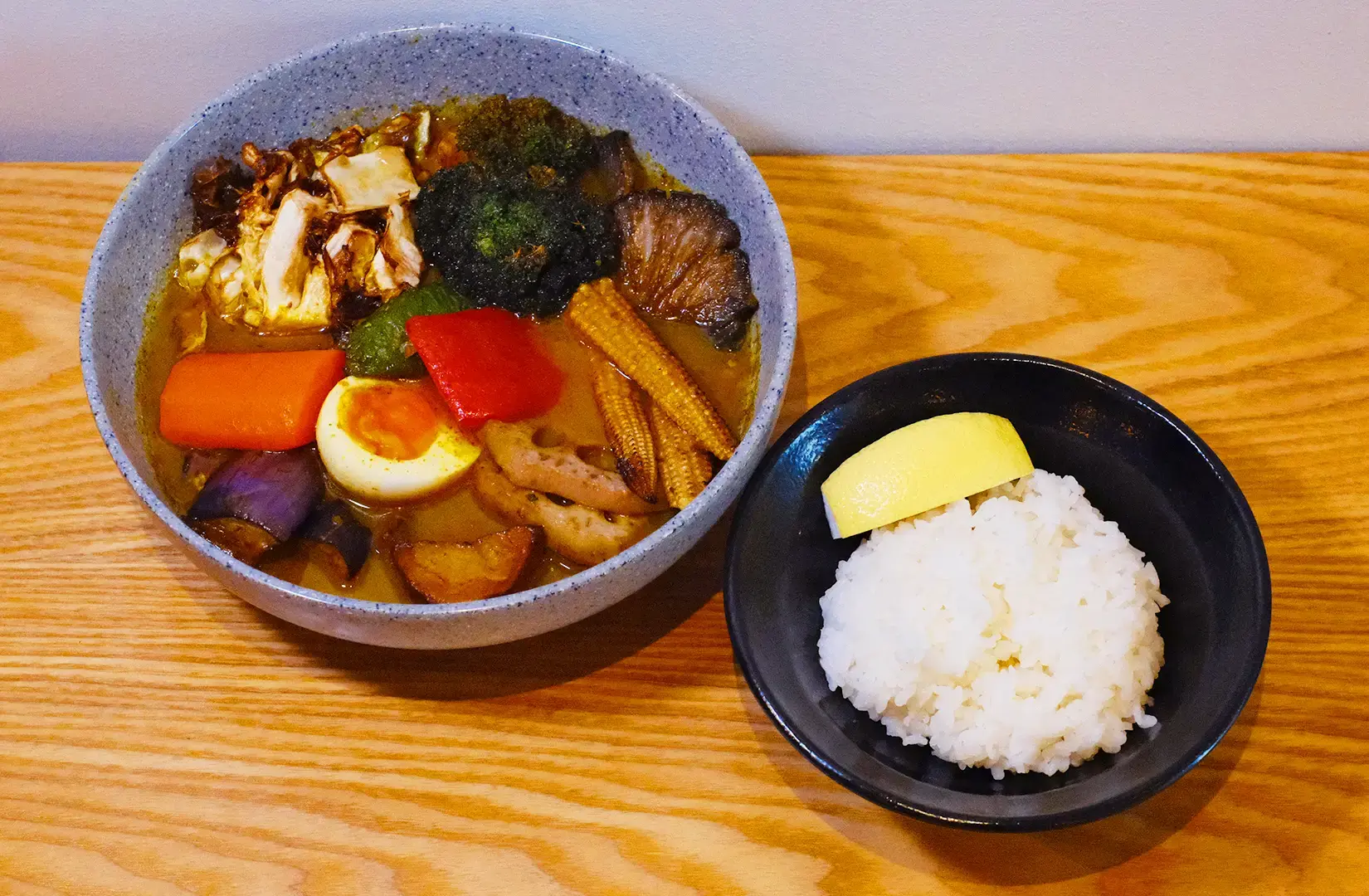
Then there are the vegetables. In plenty of curry dishes, carrot and potato are functional supporting players. In Sapporo-style soup curry, vegetables are much more substantial, both visually and texturally.
Many at Soup Curry by Ki-setsu are prepared through su-age, a Japanese method of flash frying directly in oil without batter. Rather than giving everything the same crisp shell, flash frying concentrates flavour while allowing each vegetable to keep its own character.
Eggplant becomes soft enough to soak up the broth. Broccoli retains more structure. Carrot brings sweetness, while potato gives the bowl some weight. Depending on seasonality and availability, diners may also encounter bell peppers, lotus root, okra, pumpkin and other vegetables.
That changing selection is worth noting. Do not head in expecting an absolute checklist where baby corn, two pieces of broccoli or a specific number of carrot slices are guaranteed every visit. Ki-setsu’s approach allows the vegetable mix to shift according to what is available and worth serving.
The result is more interesting than a cafe-style vegetable garnish placed beside the main event. Here, the vegetables are the event too.
Take a bite of eggplant after it has absorbed some curry and then follow it with something firmer, and you begin to notice how much texture matters to the bowl. Sweet, earthy, soft and lightly caramelised flavours appear at different points rather than merging into one anonymous curry taste.
Chicken Bowl or Vegetable Bowl?
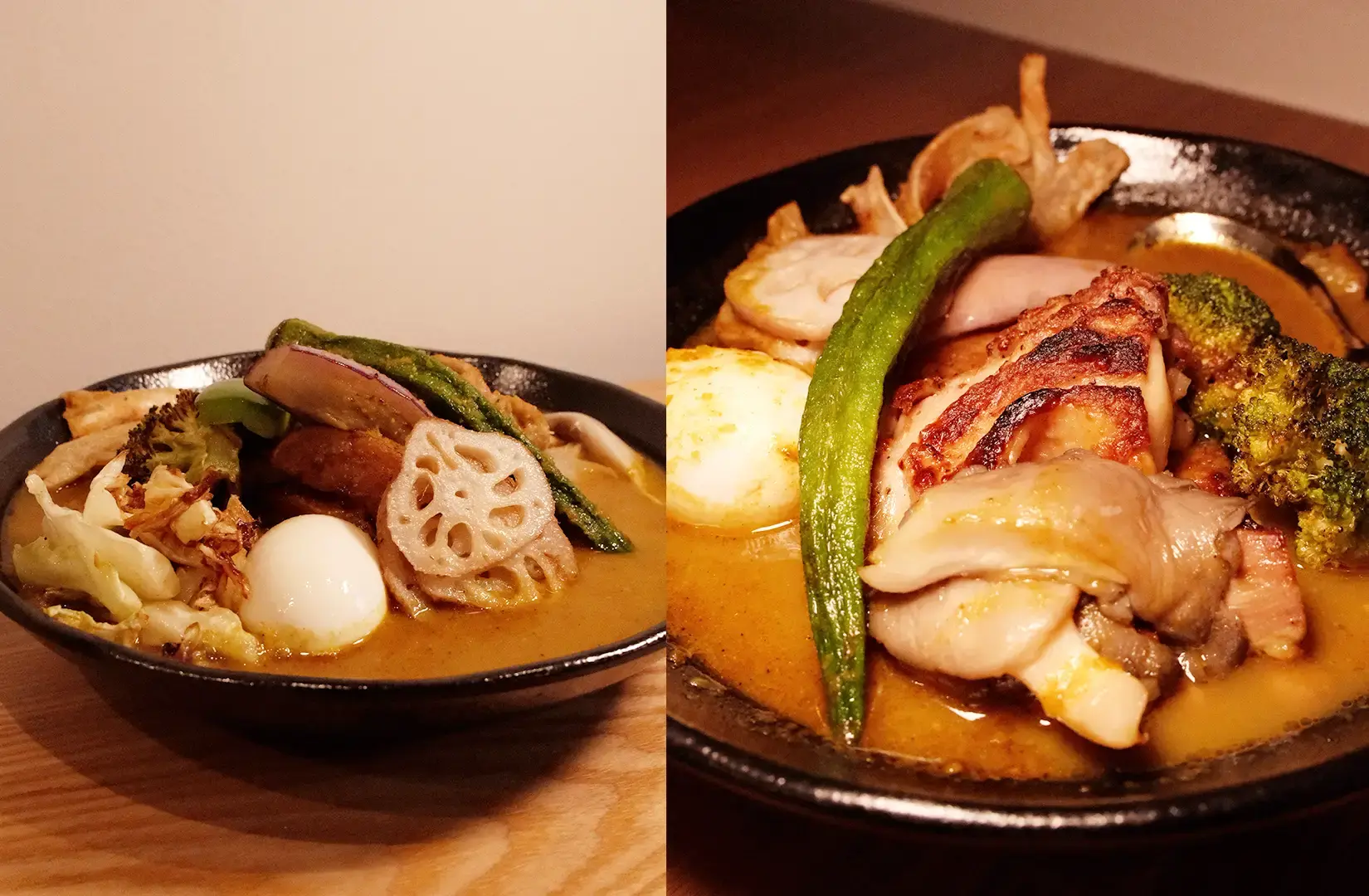
There are two main choices, both priced at $14.80: the Chicken Curry Bowl and Vegetable Curry Bowl. The chicken bowl is the more substantial choice. It comes with a large portion of chicken, half a ramen egg, around six varieties of vegetables, Hokkaido-style curry broth and rice.
The source material for the restaurant describes the chicken as having undergone a long simmer, giving the meat the tenderness you want when it meets a bowl of broth. Rather than needing a knife, the chicken yields easily around the bone. Pull off a piece, let it sit briefly in the curry, and the meat takes on another layer of spice.
Some soup curry versions use chicken thigh, but the pleasure is essentially the same: tender meat against aromatic liquid, followed by rice to reset the palate.
The vegetable bowl takes the opposite approach. Approximately nine varieties of vegetables turn what might sound like the lighter option into a surprisingly satisfying meal. There is also half a ramen egg, broth and rice, so it never feels as though the chicken has simply been removed and nothing put in its place.
For diners who enjoy vegetables as much as meat, this may actually be the more revealing introduction to Hokkaido soup curry. With plenty of individual pieces to work through, every spoon offers a slightly different combination.
And What Do You Do With the Rice?
There is no challenge to solve and no etiquette exam hiding beneath the bowl. The Japanese rice arrives separately because soup curry gives diners choice over how the two should meet.
You can spoon some rice into the soup. You can take a spoonful of rice and dip it into the broth. You can drizzle a little curry over the rice, or simply alternate between the two.
We liked the latter approach because it keeps the contrast intact. A bite of rice softens the spiciness, then another sip of broth restores the aromatics. The separation also prevents the grains from becoming saturated before you are ready for them.
The important thing is that the curry was not meant to behave like gravy. There is no need to have the entire pot poured across your plate. And because rice is free-flow, diners with a larger appetite have room to enjoy the broth properly without rationing every grain.
How Spicy Should You Go?
Your preferred spiciness level changes the experience more than you might expect. At the gentler end, the chicken stock, vegetable sweetness and curry fragrance are easier to pick apart. Increase the spiciness and chilli becomes more assertive, giving the broth a stronger warmth that builds through the meal.
Going as spicy as possible simply for the challenge rather misses the point. The best level is the one that lets you notice both the spices and the stock underneath them.
That distinction is important because the broth is not designed merely to deliver heat. Soup curry should remain something you want another spoon of, then another, rather than becoming an endurance test halfway through the bowl.
Soup Curry Is Only Half the Story
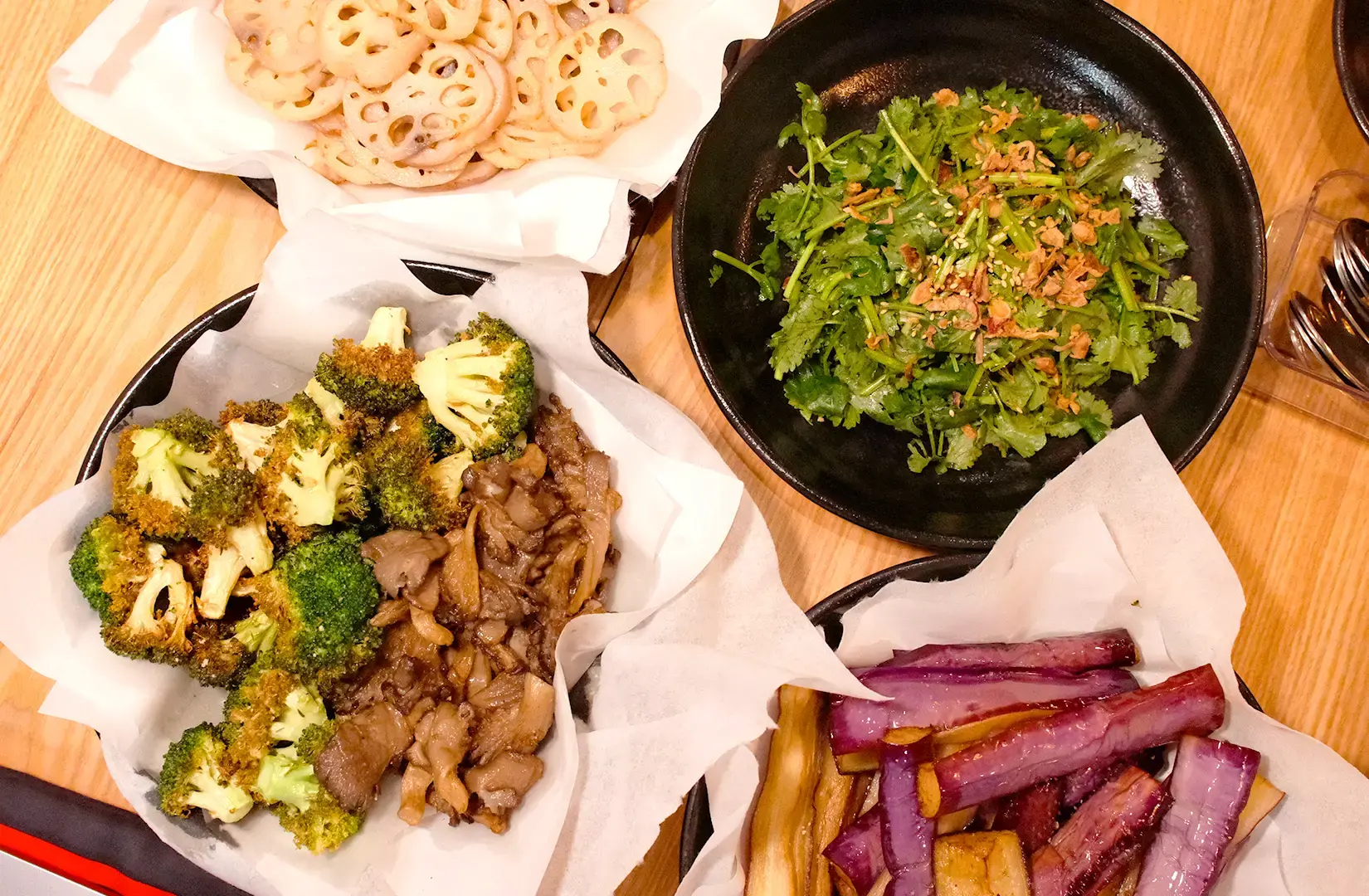
Despite the name, Soup Curry by Ki-setsu does not stop at one type of meal. The menu expands into an izakaya-style format in the evening, giving diners a reason to sit longer over small dishes and a drink. That makes the restaurant feel different after lunch hours, when the curry bowls naturally command most of the attention.
Among the sides worth considering is the Kani Cream Croquette. Break through the crisp exterior and the centre turns rich and soft, with warm kani cream flowing inside. Give it a moment before the first bite; fillings like this hold heat remarkably well.
Fukushima Mehikari offers something different again. The greeneye fish is served whole and deep-fried, creating a delicate fried exterior around a moist centre.
For contrast, the Coriander Salad uses a tangy yuzu dressing to cut through richer dishes, while the Crisp Fries are an unexpectedly tempting side. You can pick salt or Curry Spice; the latter makes more thematic sense and turns a familiar plate of fries into something very easy to keep reaching for.
There is also a broader point here. Ki Setsu comes from the group behind Sushi Masa by Ki-setsu, but this restaurant is not trying to recreate an omakase experience. The mood is casual and the food is built around comfort rather than ceremony.
Sapporo, by Way of Fortune Centre
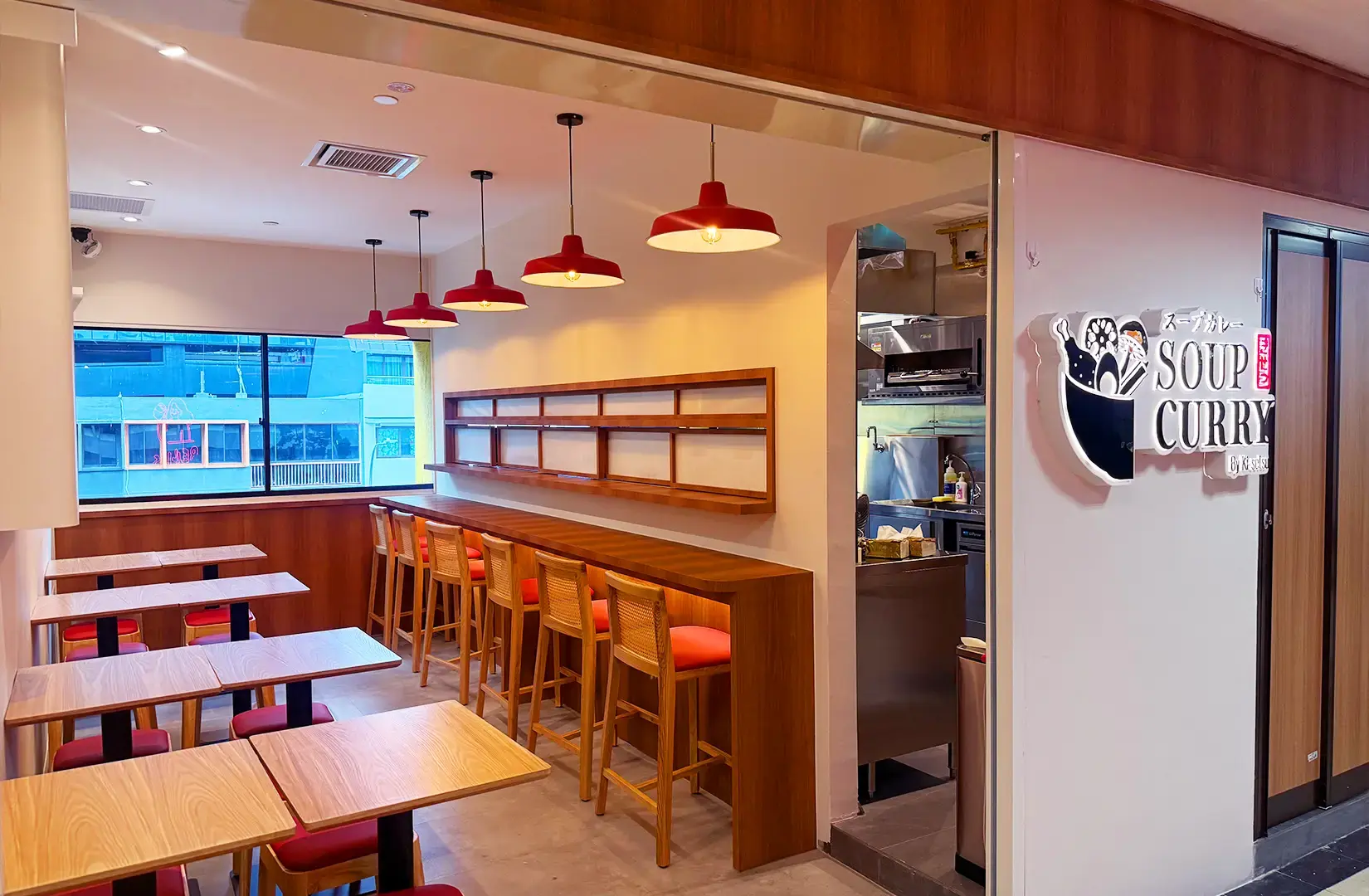
Soup Curry by Ki-setsu officially launched at Fortune Centre last October 8, 2026, giving this regional Hokkaido dish a dedicated home in Singapore.
That location feels oddly appropriate. Fortune Centre has long rewarded diners willing to head upstairs and look beyond the obvious. Soup curry requires something similar: a willingness to reconsider what you think you already know.
The current opening hours are Monday to Saturday, 11:30am to 1:30pm for lunch and 6pm to 9pm for dinner, with the restaurant closed on Sunday. It is walk-in only according to the restaurant’s current site.
What makes the visit worth making, though, is not novelty for novelty’s sake.
Hokkaido soup curry takes familiar things and rearranges their relationship. Nothing needs to disappear beneath sauce. The broccoli can still taste like broccoli. The eggplant gets to become soft and absorbent. The chicken keeps its identity, and the broth remains something you want to drink from beginning to end.
For Singaporeans accustomed to the comforting thickness of standard Japanese curry, the first bowl may require a small adjustment of expectations.
Then you take another sip. And suddenly Sapporo’s idea of curry makes a great deal of sense.

Bubble Tea Origins: How Taiwan Created a Global Beverage Phenomenon
Dio Asahi | November 6, 2025
From Taipei to New York, a single drink has captured the world’s taste buds: bubble tea. This beverage, known as pearl milk tea or boba tea, and also known as boba in many regions, is celebrated for its delightful combination of sweet, creamy tea and signature chewy tapioca pearls. What began as a novel creation…
-
A Food Lover’s Guide to the Taiwanese Oyster Omelet
Eat Drink Asia Team | November 4, 2025
As twilight descends upon Taipei City, a vibrant energy pulses through its streets. This is the hour of the night markets, bustling hubs of community, commerce, and some of the world’s most incredible street food. Amidst the steam from soup dumplings and the sizzle of Taiwanese fried chicken, one iconic dish reigns supreme: the Taiwanese…
-
Jamu: Indonesian Herbal Medicine for Modern Well-Being
Dio Asahi | November 1, 2025
Across the Indonesian archipelago, a vibrant tradition of herbal healing has flourished for centuries. This is jamu, a cornerstone of Indonesian cultural heritage and a sophisticated system of traditional herbal medicine. Far more than just a refreshing drink, jamu represents a philosophy of balance, a deep connection to nature, and a form of indigenous medicine…
-
Padang Beef Rendang: The Complex Process Behind Indonesia’s Most Famous Dish
Eda Wong | October 30, 2025
This post may contain affiliate links. For full transparency, this article may contain affiliate links. To call Padang beef rendang simply a dish is to miss the soul of Indonesian cuisine. This legendary slow-cooked dry curry, a centerpiece of both festive tables and humble meals, has earned its fame as one of the world’s most…
-
Teh Tarik Malaysia: The Art and Science Behind Iconic Pulled Tea
Eat Drink Asia Team | October 28, 2025
In Malaysia, ordering a cup of teh tarik is about so much more than just enjoying a hot drink. Teh tarik, literally translated as “pulled tea,” is Malaysia’s national beverage, famous for its sweet, creamy taste, frothy top, and the spectacular pulling technique seen in bustling mamak stalls and coffee shops across the country. A…
-
The Legendary Penang Char Kway Teow: A Culinary Journey
Dio Asahi | October 25, 2025
The air in Penang is thick with anticipation, carrying the sounds and smells of Malaysian street food being crafted with expert care. Your attention is captured by one of the many street vendors, a master standing before a seasoned wok glowing over an intense fire. The rhythmic clanging of metal on metal is the soundtrack…
-
Traditional Korean Sikhye: Sweet Rice Punch Through the Seasons
Eda Wong | October 23, 2025
In the vibrant world of Korean food, beyond the fiery spice of gochujang and the savoury comfort of bulgogi, lies a gentler, more subtle delight. Meet traditional Korean sikhye (식혜), a beloved Korean sweet rice punch that holds a special place in the nation’s heart. With its cloudy, amber hue and delicate sweetness, this drink…
-
Authentic Jeonju Bibimbap: Why Korea’s Culinary Capital Makes It Best
Eat Drink Asia Team | October 21, 2025
Picture this: A steaming Korean rice bowl is placed before you in Jeonju, South Korea. Vibrant arcs of seasoned bean sprouts, glossy strips of Korean beef, a golden runny yolk resting atop perfectly cooked mixed rice, and a dollop of rich red bibimbap sauce invite you to mix it all together. As you stir, the…
-
Communal Dining Traditions in Asia: Shared Meals, Lasting Bonds, and Cultural Heritage
Dio Asahi | October 18, 2025
Imagine a dining table crowded with large platters of steaming food, the smell of spices in the air, small bowls arranged neatly around the shared table, and laughter echoing across the room. Across Asia, dining tables play a central role in communal dining traditions, serving as the focal point for etiquette, social interaction, and the…
-
Century-Old Dumpling Techniques: Ancient Wisdom in Modern Kitchens
Eda Wong | October 16, 2025
Her hands move in a blur, a dance of muscle memory refined over sixty years. In a small, steam-filled kitchen in Shanghai, an elderly woman transforms a humble circle of dumpling dough into a perfect, 20-pleat xiao long bao. Each pinch and fold is a syllable in a story passed down through generations-prime examples of…