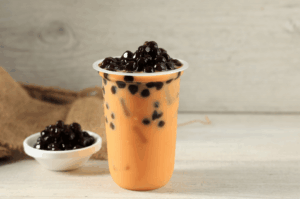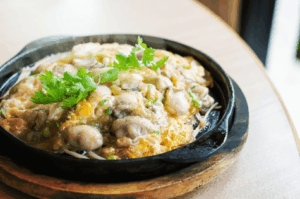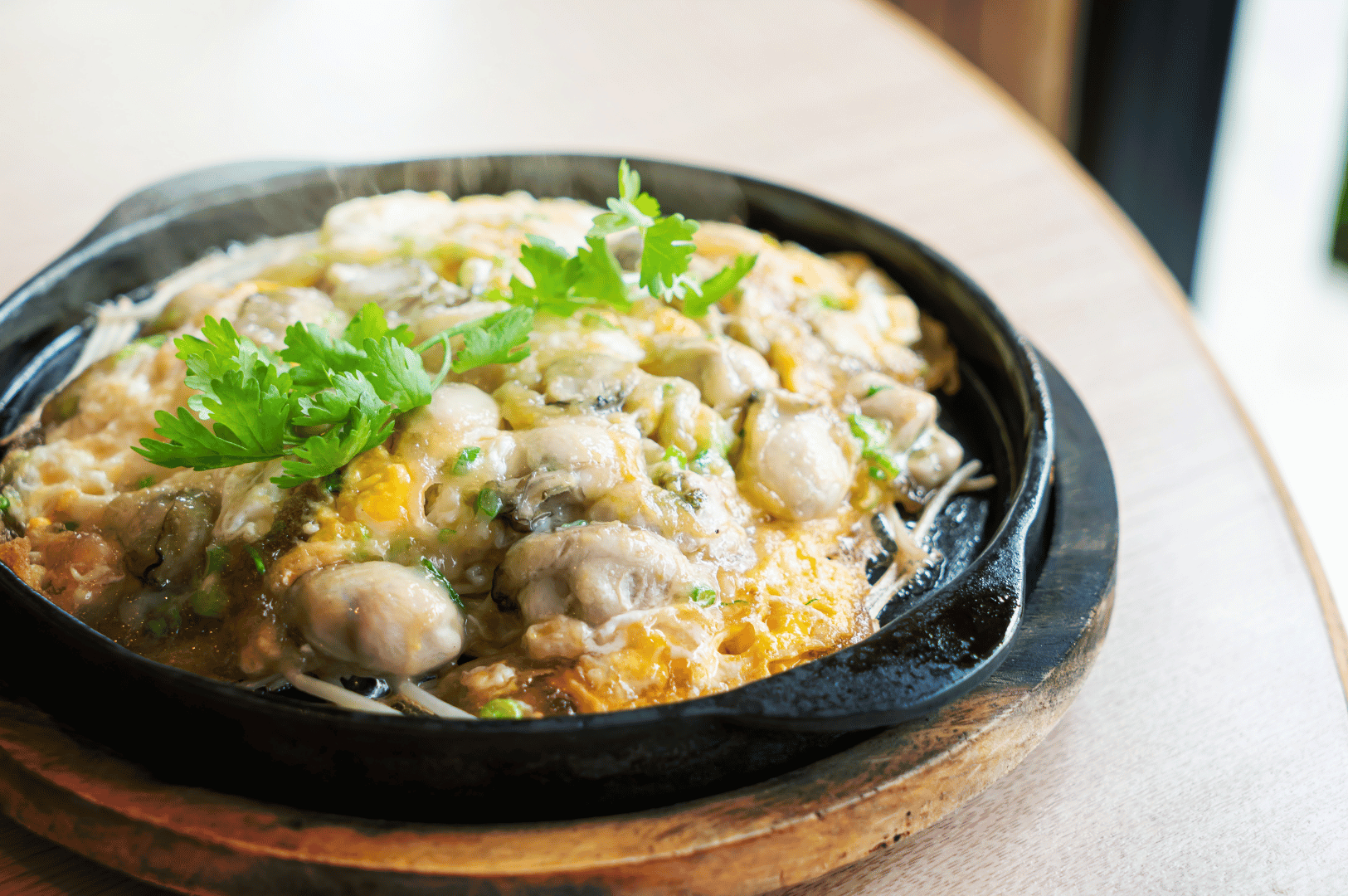
As twilight descends upon Taipei City, a vibrant energy pulses through its streets. This is the hour of the night markets, bustling hubs of community, commerce, and some of the world's most incredible street food. Amidst the steam from soup dumplings and the sizzle of Taiwanese fried chicken, one iconic dish reigns supreme: the Taiwanese oyster omelet, or Oh-ah-jian (蚵仔煎). Alongside giants like beef noodle soup and bubble tea, this essential Taiwanese food is a must-try for any food lover exploring the island. Among the many night markets, Nanjichang Night Market stands out as a distinctive, lesser-known spot celebrated for its unique Taiwanese street food offerings. Let's delve into what makes this beloved dish one of the best food choices in Taiwan.
A Dish Born from Scarcity: The History of the Oyster Omelet
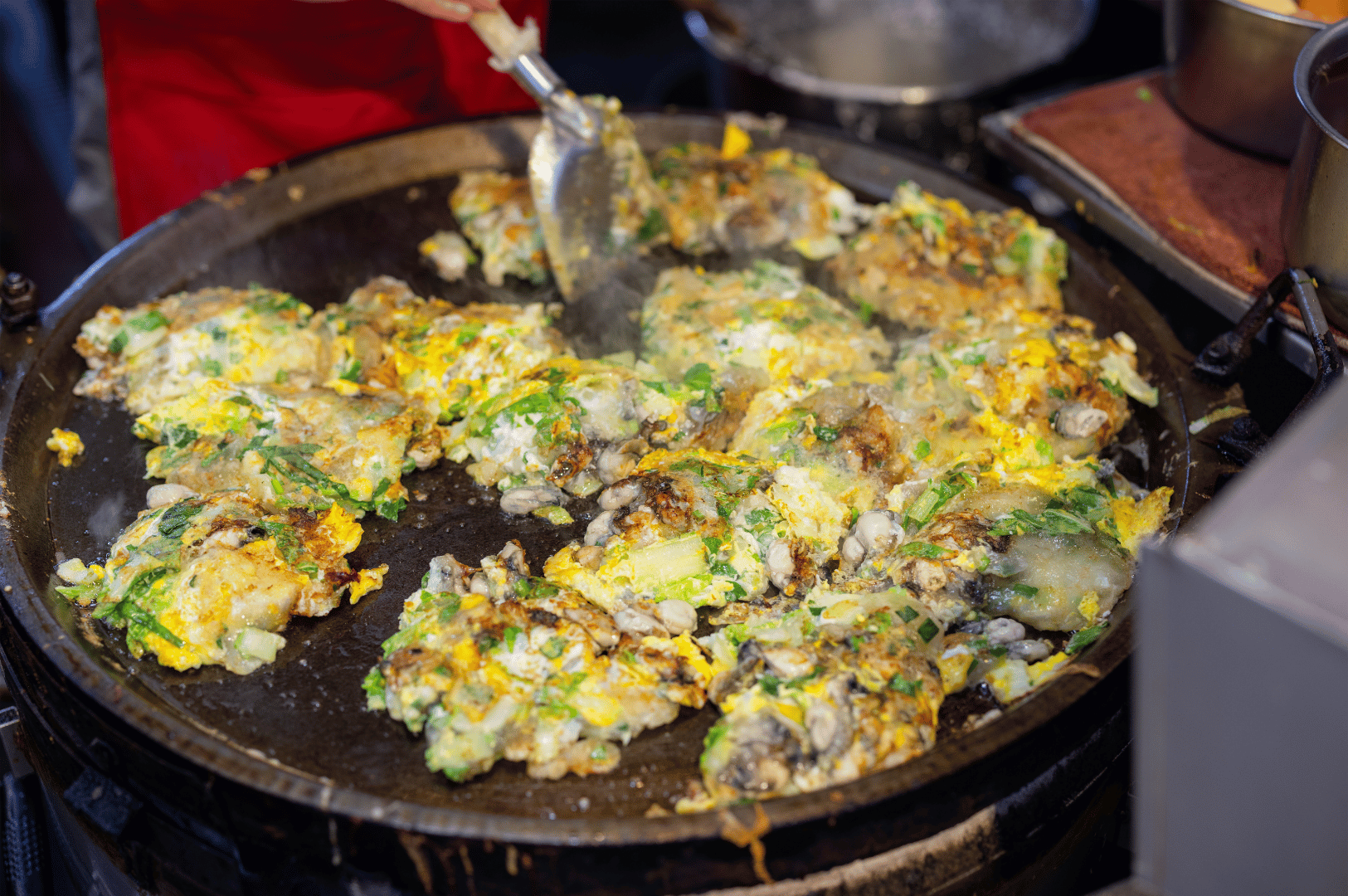
The story of the Taiwanese oyster omelet is a tale of resilience, often traced back to the 17th century in the coastal city of Tainan. During a food shortage caused by the Dutch siege led by Koxinga, locals turned to abundant sweet potatoes and small oysters from the coastline, creating a starchy batter pan-fried into a hearty pancake. This resourceful dish not only provided sustenance but evolved over centuries from a humble meal of necessity into the celebrated street food it is today, showcasing Taiwanese ingenuity.
How to Enjoy Your Oyster Omelet Like a Pro
Ordering and eating Oh-ah-jian is a straightforward and rewarding experience.
- Ordering: Approach the stall and say, "Oh-ah-jian, yí fèn" (蚵仔煎, 一份), or simply point. Many stalls are on the ground floor of food courts or line the main market streets.
- Dine-in or Takeaway: If you want to eat at their small seating area, say "nèi yòng." For takeaway, say "wài dài." Eating it fresh off the pan is highly recommended.
- The Sauce: The savory sauce is essential. If you want it spicy, look for chili sauce on the table or ask the vendor.
- The Technique: Use your chopsticks to get a bit of everything in one bite—the crispy edge, the chewy center, an oyster, and a good coating of sauce. It will make more sense once you taste it all together.
Where to Eat: My Top 4 Essential Taipei Food Nodes Featuring Taiwanese Oyster Omelet and More
1. Din Tai Fung (Xinyi/Taipei 101) – Home of Soup Dumplings and Beef Noodle Soup
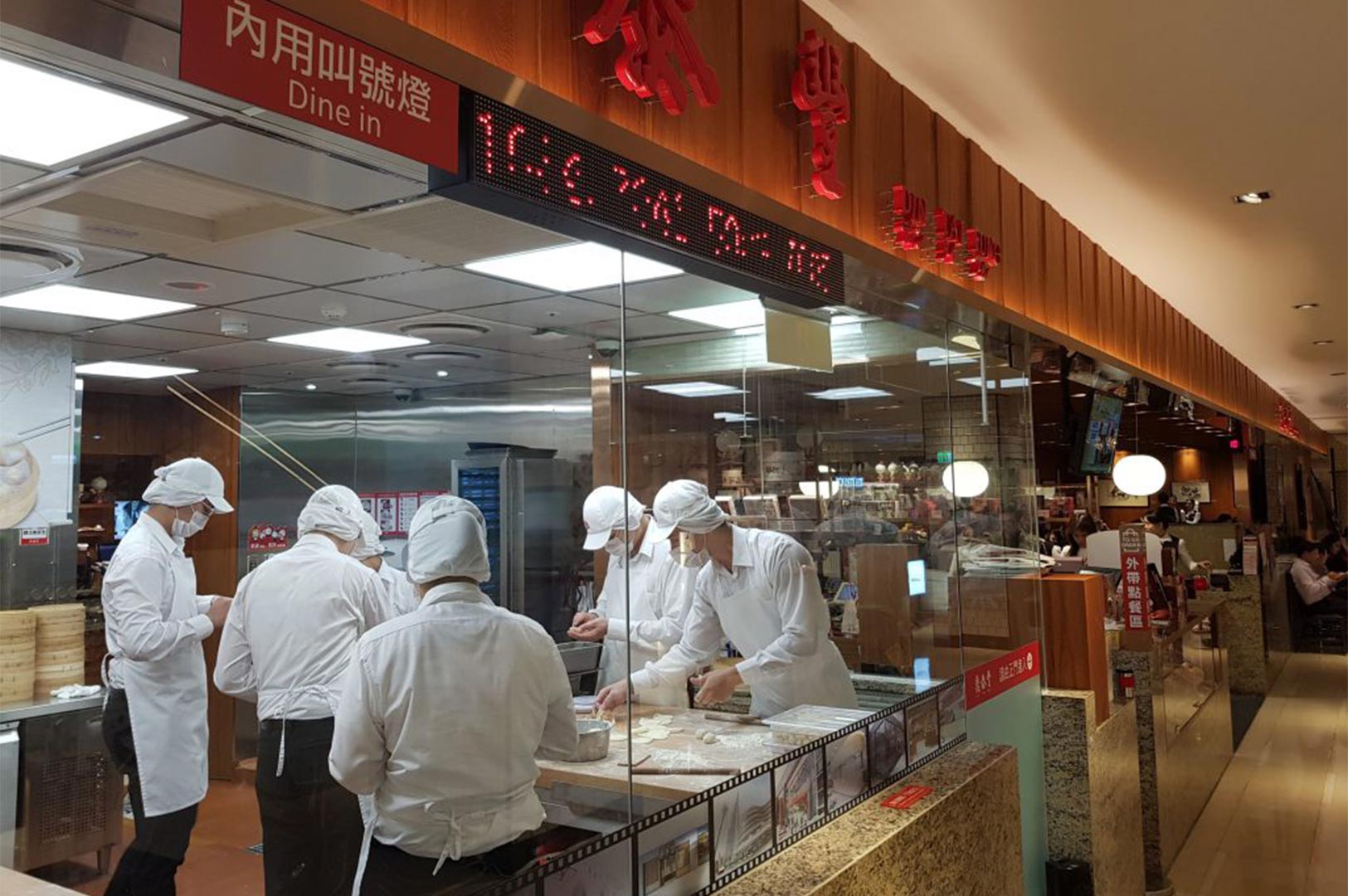
Nearest MRT: Taipei 101 (2 min walk) | Price: $$
You haven’t seen culinary "precision" until you’ve watched the open kitchen here. Din Tai Fung is less of a restaurant and more a high-end watch factory where every Xiao Long Bao (soup dumplings) is a consistent 21 grams with exactly 18 pleats. While the service is world-class, the Pork Fried Rice and beef noodle soup are underrated heroes that keep me coming back. Be ready for the "DTF ritual"—a 60 to 120-minute wait is standard.
- Best for: First-timers prioritizing hygiene and service.
- Avoid if: You’re on a tight schedule or crave "gritty" street soul.
- Insider tip: If the savory line is too long, order the Chocolate Xiao Long Bao for a molten lava cake experience inside a dumpling.
2. Fuhong Beef Noodles (Ximending) – Classic Beef Noodles and Thick Soup

Nearest MRT: Beimen (6 min walk) | Price: $
Fuhong Beef Noodles is the "24/7 Soul Station." It’s a no-frills, loud establishment that feels like a deep, beefy hug with its thick soup and perfectly cooked beef noodles for about NT$100. The seating—cramped plastic stools and communal tables—is purely "authentic." It’s the raw, honest antithesis to the polished halls of Din Tai Fung.
- Best for: Budget travelers and 3 AM cravings.
- Avoid if: You need air-conditioning and white tablecloths.
- Insider tip: Halfway through, mix in a spoonful of orange beef tallow and spicy butter to completely transform the flavor profile.
3. Yuan Huan Pien Oyster Egg Omelette (Ningxia Night Market) – A Favorite Night Market Experience
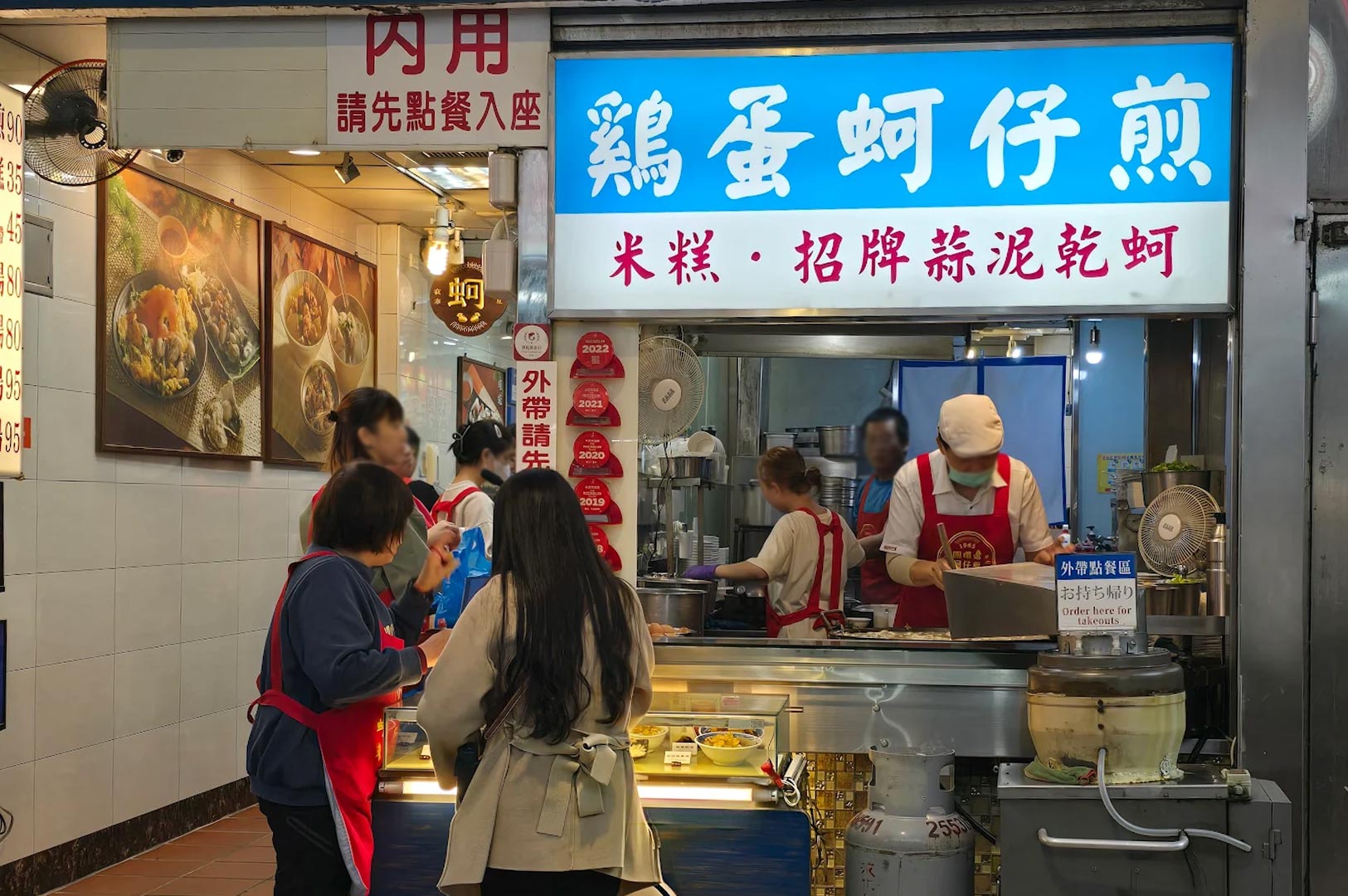
Nearest MRT: Zhongshan (10 min walk) | Price: $
Yuan Huan Pien is where 1965 heritage meets a sushi-style conveyor belt. This Michelin-recommended spot uses incredibly fresh Tainan oysters to create the iconic taiwanese oyster omelet, served with a signature sweet-hot tangy sauce that isn't too aggressive. The line moves with terrifying efficiency; you’ll share a table with strangers, but that’s the heart of this popular night market.
- Best for: Foodies wanting guaranteed high-quality heritage taste.
- Avoid if: You have a shellfish allergy or hate sharing elbow space.
- Insider tip: The Spare Rib Radish Soup is a light, peppery palate cleanser that cuts through the starchy omelet richness.
4. Lai Ji Oyster Omelet (Nanjichang Night Market) – Local’s Choice with Crispy Edges
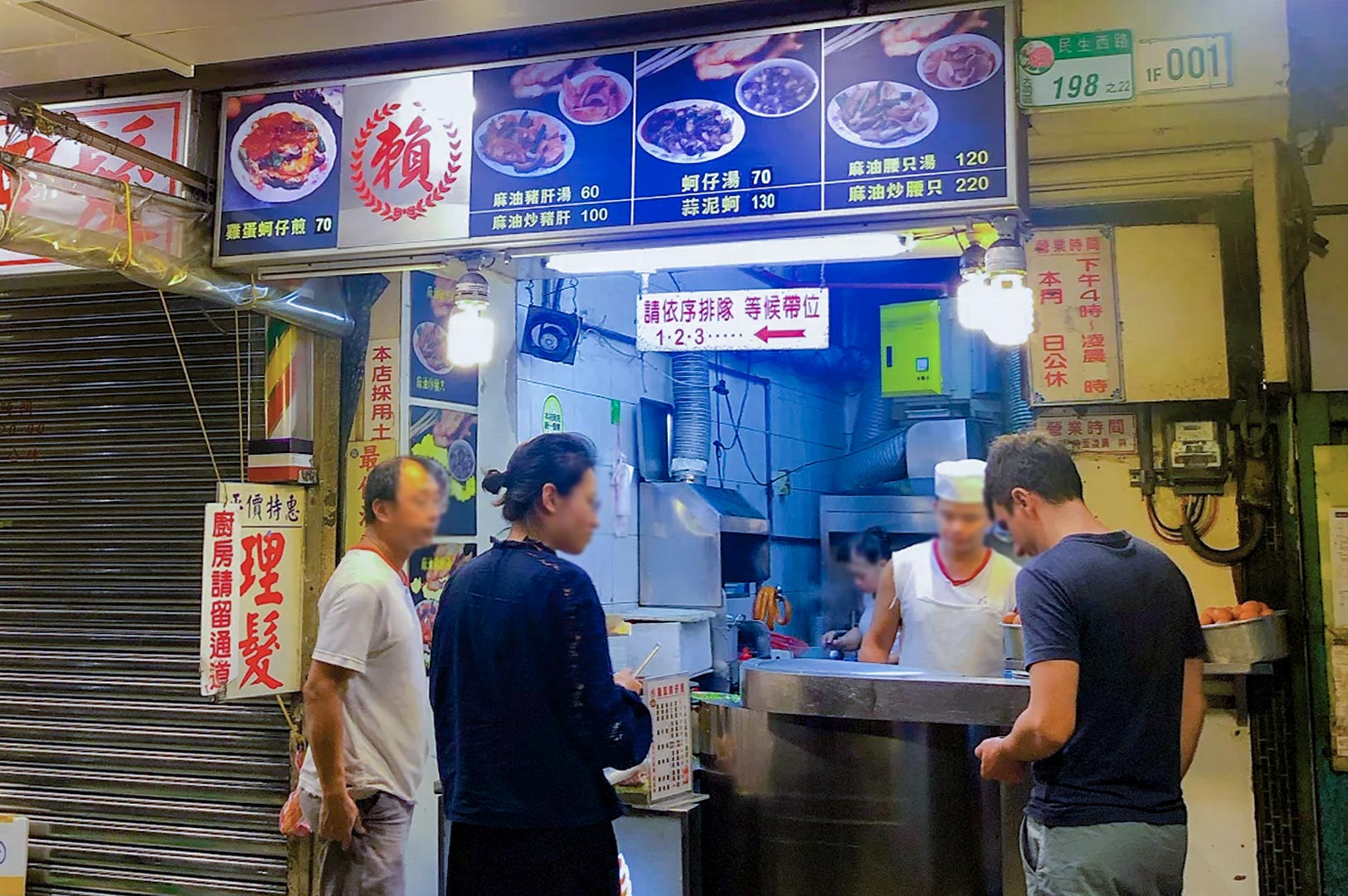
Nearest MRT: Zhongshan (10 min walk) | Price: $
Lai Ji is the "Local’s Choice" at the nanjichang night market. Unlike its softer competitors, the batter here is fried until the perimeter has a crispy, lace-like edge reminiscent of deep fried dishes. The atmosphere is more relaxed than the Michelin spots, though the tiny dining area can get sweltering during Taipei’s humid nights.
- Best for: Travelers wanting to eat exactly where the locals go.
- Avoid if: You are sensitive to night market heat and noise.
- Insider tip: Ask for "Double Egg" (Lǐng-gè dàn) for an extra NT$15 to get a thicker, more savory texture.
Bring a Taste of Taiwan Home: A Simple Recipe
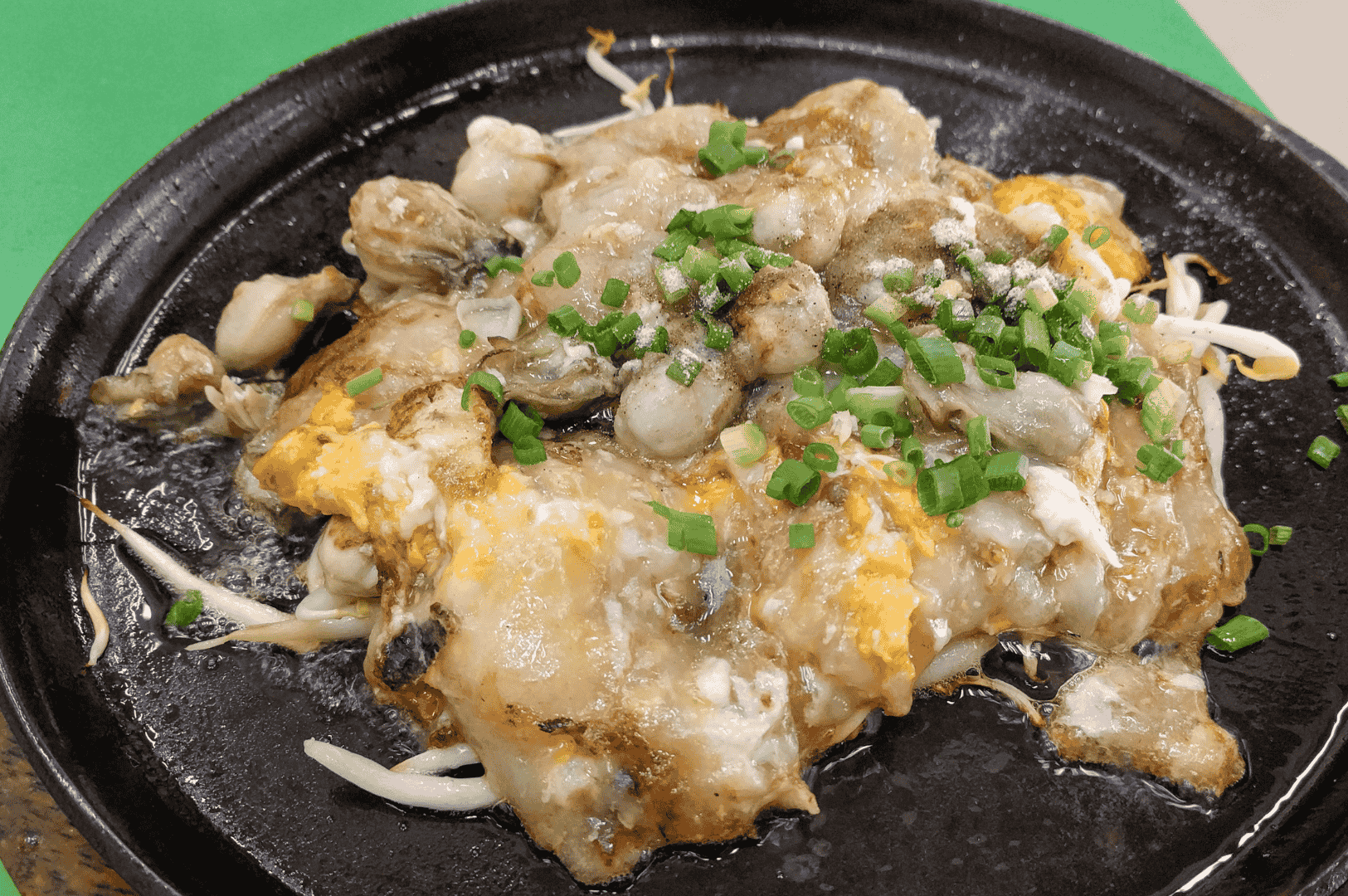
Can't wait for your next trip? Here is a simplified recipe you can try at home.
Ingredients:
- 1 cup sweet potato starch
- 1.5 cups water
- 1/2 cup fresh small oysters, cleaned
- 2 large eggs
- 1 cup chopped bok choy or spinach
- Salt and white pepper
- Vegetable oil for the pan
- For the Sauce: 3 tbsp ketchup, 1 tbsp soy sauce (or sweet soy sauce), 1 tbsp sugar, 1/2 tsp cornstarch, 1/4 cup water
Instructions:
- Prepare the sauce: In a small saucepan, combine all sauce ingredients. Heat on low, stirring until it thickens. Set it aside.
- Make the batter: Whisk the sweet potato starch and water until smooth. Season with a pinch of salt and white pepper.
- Cook: Heat oil in a non-stick skillet. Pour in half the batter. As it turns translucent, scatter half the oysters and greens on top.
- Pour one lightly beaten egg over the mixture.
- Cook for 2-3 minutes, then fold or flip the omelet. Cook until the egg is set and the edges are crispy.
- Slide onto a plate and cover with the savory sauce. Repeat for the second omelet.
Health and Nutrition
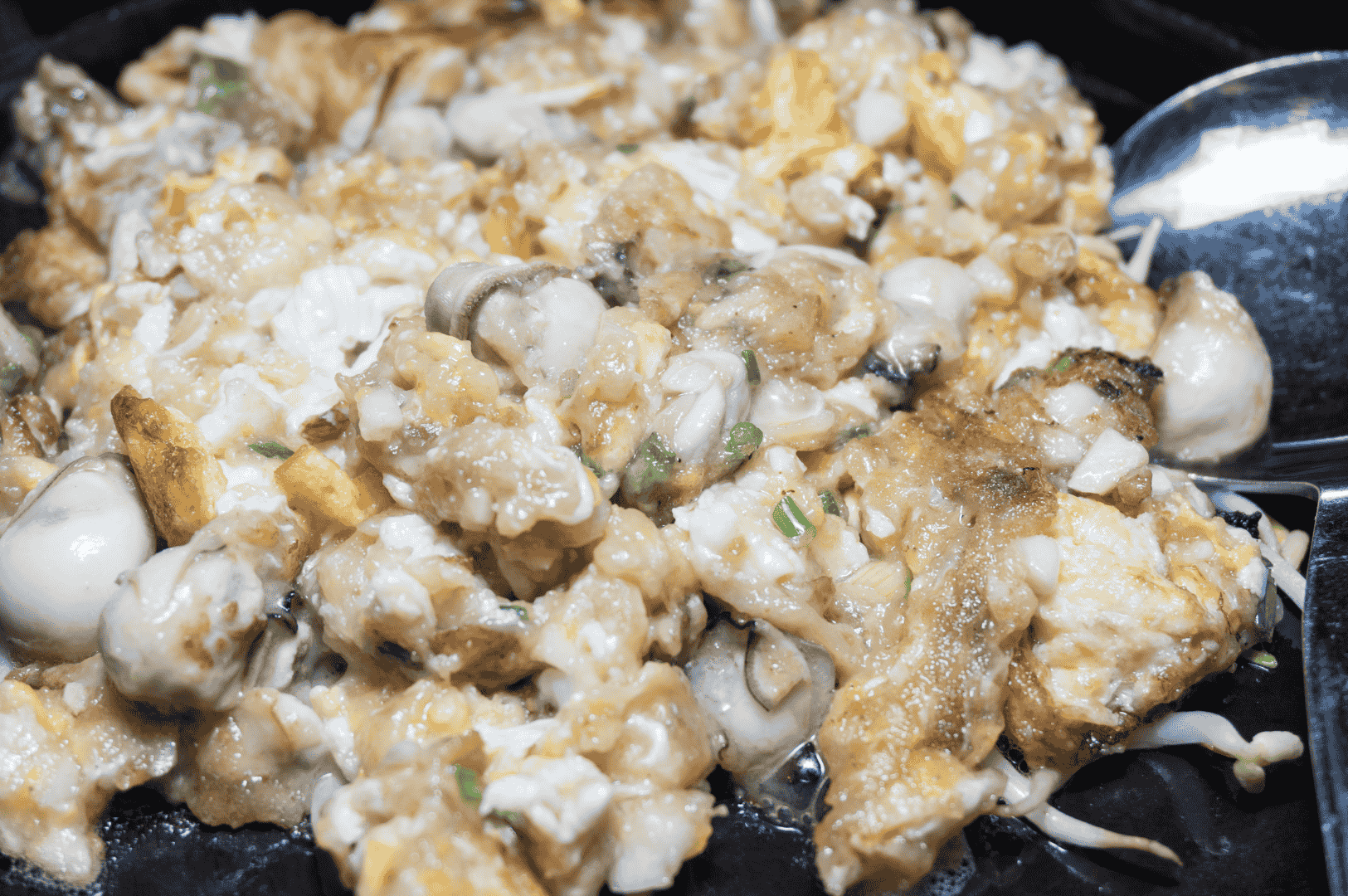
The oyster omelet is a treat. It’s a fantastic source of joy and a core part of the cultural experience. Nutritionally, oysters offer zinc and iron, and the egg provides protein. However, it is high in carbohydrates and oil. The sauce also contains sugar and sodium. It’s best enjoyed as part of a balanced night market feast, perhaps followed by some sweet soup or fresh fruit.
The Heart of Taiwanese Street Food
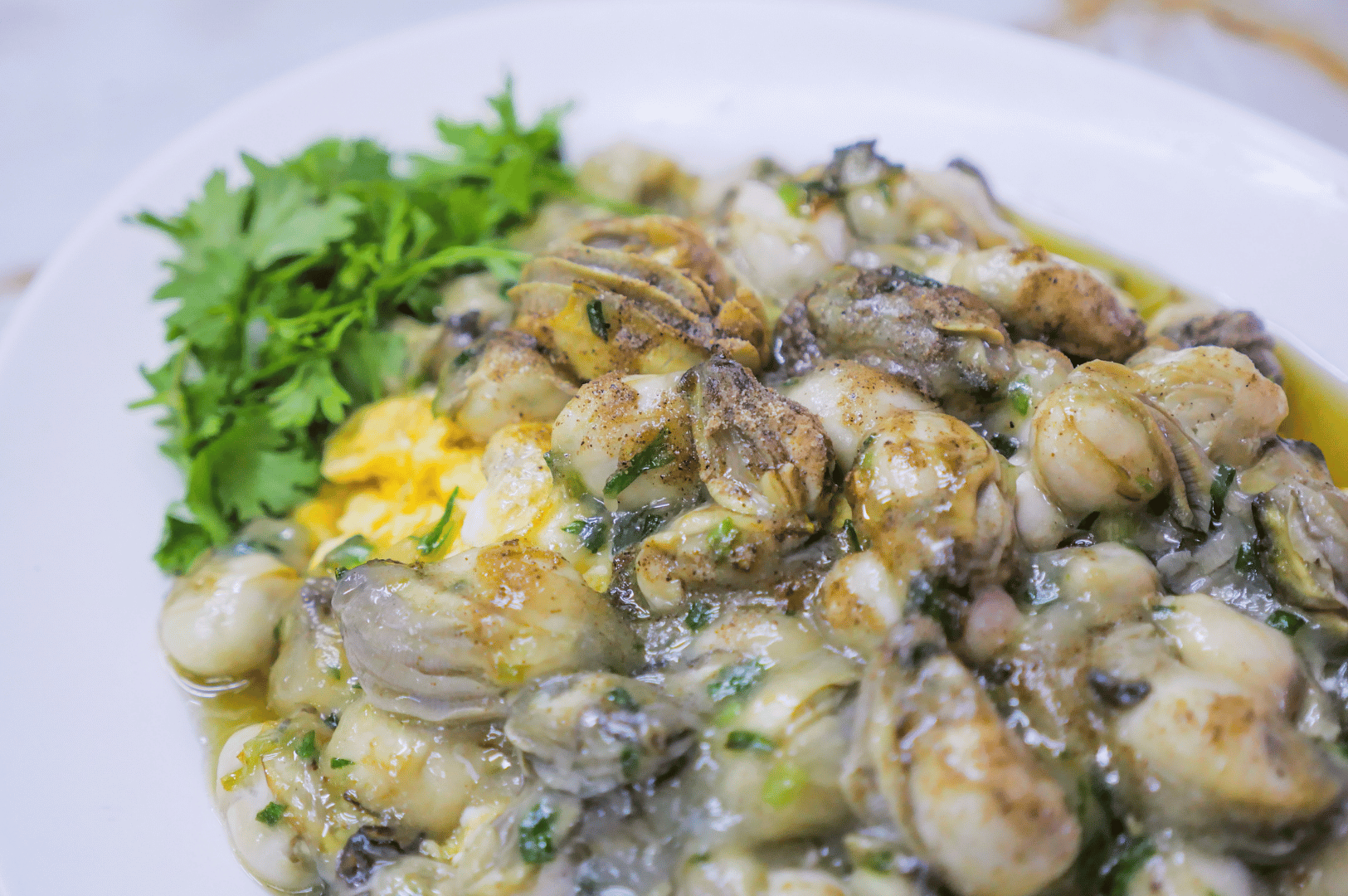
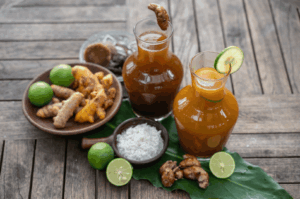
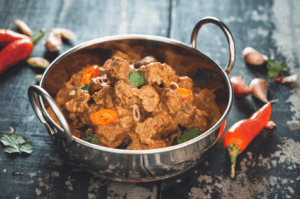
The Taiwanese oyster omelet is a perfect microcosm of Taiwanese cuisine: historical, resourceful, and unapologetically delicious. It’s a dish that brings together contrasting textures and flavors in perfect harmony. From the lively atmosphere of Ningxia Night Market to the sprawling labyrinth of Shilin Night Market, the sizzle of the Oh-ah-jian griddle is a call to all food lovers. It’s a taste of tradition, a sensory adventure, and a true icon of street food excellence. If you’re inspired by rich culinary heritage, explore the Indonesian herbal wellness tradition of jamu or dive into the complex process behind Padang’s famous beef rendang—each offering a unique taste of Southeast Asia’s cultural depth.
Frequently Asked Questions (FAQ)
Q: Is the Taiwanese oyster omelet spicy?
A: The standard savory sauce is not spicy; it's a balance of sweet and tangy. Most street carts will have chili sauce available for you to add to your liking.
Q: I'm allergic to shellfish. Can I still try it?
A: You must avoid the traditional oyster omelet. Due to the high risk of cross-contamination on the shared pan, even an egg-only version is not recommended for those with severe allergies.

The Art of Asian Tea Ceremony Traditions: Ancient Rituals and Cultural Values Across Asia
Dio Asahi | November 15, 2025
A cup of tea, in many parts of Asia, represents far more than a beverage-it is a conduit to ancestral tradition, intellectual pursuit, and the cultivation of mindfulness. Asian tea ceremony traditions turn the act of drinking tea into a sophisticated art form, layered with symbolism, philosophy, and socio-cultural values. Each gesture, from scooping powdered…

The Art of Slow-Cooked Curry Recipes: Time’s Magic in South Asian Cuisine
Eda Wong | November 13, 2025
Step into a South Asian kitchen, and the senses are instantly enveloped by the inviting aroma of food slowly simmering in a sturdy clay pot or heavy vessel. The allure is undeniable: in this space, slow-cooked curry recipes are a celebration of patient tradition, spices, and the richness of South Asian cuisine. Here, time and…
-
Bandung Drink Recipe: A Singaporean Rose Syrup Drink Tradition
Eat Drink Asia Team | November 11, 2025
Step into any night market or hawker centre in Singapore, and you’ll spot a vibrant, glowing glass filled with a cold, beautiful drink-Bandung. Known for its iconic blush-pink hue and refreshing taste, this rose syrup drink is an integral part of Singapore’s beverages scene and a cherished tradition in Southeast Asian gatherings. More than just…
-
The Ultimate Hainanese Chicken Rice Recipe: A Deep Dive
Eda Wong | November 8, 2025
To wander through Singapore’s bustling hawker centres on a humid evening is to experience a symphony of sights, sounds, and smells. Among the many other dishes sizzling away, one plate stands out for its elegant simplicity: Hainanese Chicken Rice. It arrives without fanfare-gleaming slices of poached chicken over fragrant rice, flanked by a trio of…
-
Bubble Tea Origins: How Taiwan Created a Global Beverage Phenomenon
Dio Asahi | November 6, 2025
From Taipei to New York, a single drink has captured the world’s taste buds: bubble tea. This beverage, known as pearl milk tea or boba tea, and also known as boba in many regions, is celebrated for its delightful combination of sweet, creamy tea and signature chewy tapioca pearls. What began as a novel creation…
-
A Food Lover’s Guide to the Taiwanese Oyster Omelet
Eat Drink Asia Team | November 4, 2025
As twilight descends upon Taipei City, a vibrant energy pulses through its streets. This is the hour of the night markets, bustling hubs of community, commerce, and some of the world’s most incredible street food. Amidst the steam from soup dumplings and the sizzle of Taiwanese fried chicken, one iconic dish reigns supreme: the Taiwanese…
-
Jamu: Indonesian Herbal Medicine for Modern Well-Being
Dio Asahi | November 1, 2025
Across the Indonesian archipelago, a vibrant tradition of herbal healing has flourished for centuries. This is jamu, a cornerstone of Indonesian cultural heritage and a sophisticated system of traditional herbal medicine. Far more than just a refreshing drink, jamu represents a philosophy of balance, a deep connection to nature, and a form of indigenous medicine…
-
Padang Beef Rendang: The Complex Process Behind Indonesia’s Most Famous Dish
Eda Wong | October 30, 2025
This post may contain affiliate links. For full transparency, this article may contain affiliate links. To call Padang beef rendang simply a dish is to miss the soul of Indonesian cuisine. This legendary slow-cooked dry curry, a centerpiece of both festive tables and humble meals, has earned its fame as one of the world’s most…
-
Teh Tarik Malaysia: The Art and Science Behind Iconic Pulled Tea
Eat Drink Asia Team | October 28, 2025
In Malaysia, ordering a cup of teh tarik is about so much more than just enjoying a hot drink. Teh tarik, literally translated as “pulled tea,” is Malaysia’s national beverage, famous for its sweet, creamy taste, frothy top, and the spectacular pulling technique seen in bustling mamak stalls and coffee shops across the country. A…
-
The Legendary Penang Char Kway Teow: A Culinary Journey
Dio Asahi | October 25, 2025
The air in Penang is thick with anticipation, carrying the sounds and smells of Malaysian street food being crafted with expert care. Your attention is captured by one of the many street vendors, a master standing before a seasoned wok glowing over an intense fire. The rhythmic clanging of metal on metal is the soundtrack…