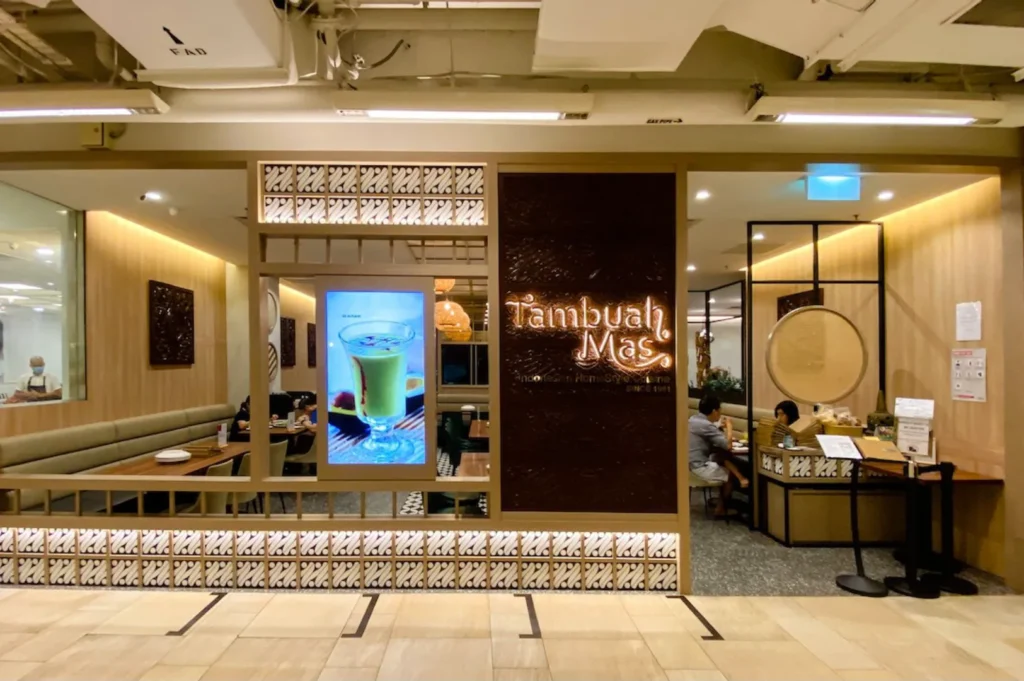
I ordered from Tambuah Mas on a rainy Sunday at around 6:15pm, mostly because I wasn’t in the mood to dress up and head into town, but I still wanted a proper meal. Not a sad one-bowl lunch. A real spread.
That’s the thing about Tambuah Mas. It’s been around since 1981, serving Indonesian home-style cooking from Padang, Sulawesi, and Java. So when I thought about ordering it for delivery, I wasn’t expecting a trendy bento box. I was hoping for something that tasted like a family table.
By the time the bag arrived, my kitchen smelled of coconut gravy, fried spice, and dark sweet sauce. And honestly? That first whiff told me I’d made the right call.
This review leans into the delivery experience, because that’s how I think most people will meet Tambuah Mas these days. So let me walk you through what travelled well, what softened on the way, and how I’d order it next time.
A Restaurant That Wasn’t Built for Trends: Tambuah Mas at Paragon
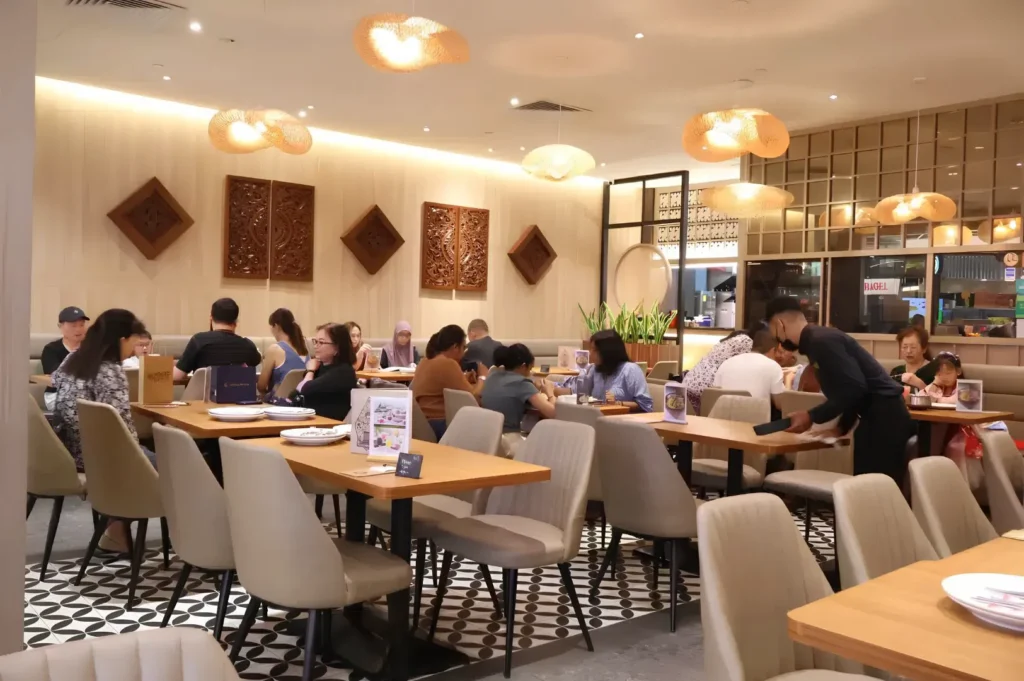
Tambuah Mas sits at 290 Orchard Road, #B1-44, Paragon, Singapore 238859, about a 7-minute walk from Orchard MRT Exit 1. For dine-in, it feels like one of those old-school food outlets regulars return to because the food tastes steady, familiar, and rooted.
What makes it work as a unique food delivery Singapore option is that the restaurant was never designed around trends. It is not chasing the mood of cafes, the gloss of a bakery, or the prettiness of pastries and cookies. Its strength is family-style Indonesian cooking led by Indonesian chefs preserving recipes from Padang, Sulawesi, and Java.
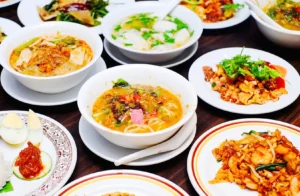
That identity matters for delivery. The menu leans into saucy, spiced, rice-friendly meals that travel better than fragile plated dishes. When everything arrived at my door, it felt like a small feast, ready for the table.
Why Tambuah Mas Works for Delivery
- Gravy-based dishes hold heat and moisture.
- Rice anchors the meal and gives every sauce a purpose.
- Set meals are designed for sharing, not lonely single-box eating.
The Anchor Dish: Tahu Telor, Tambuah Mas’s Signature Hit
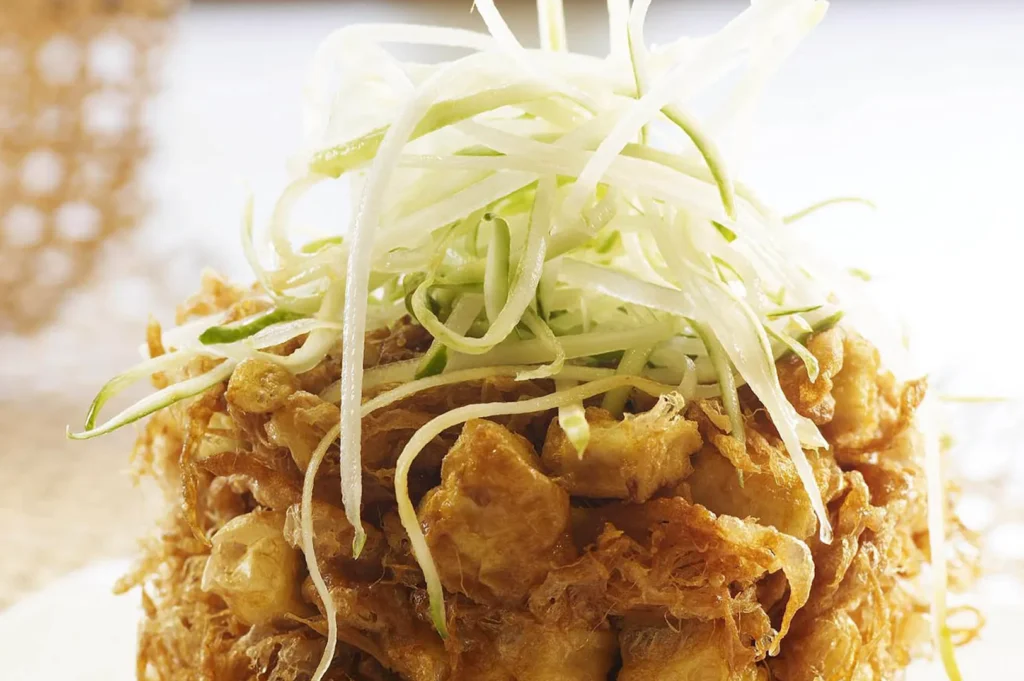
I built my order around Tahu Telor, the signature dish many people associate with Tambuah Mas. It also explains why Nasi Padang and Indonesian family-style dining work well for groups.
Tahu Telor is made with deep-fried tofu cubes in a delicate egg batter, served with a dark, sweet, slightly briny sauce. At the restaurant, the outer layer has a fragile crackle: crisp at the edges, warm and eggy within. It is the sort of dish you want to watch land and eat immediately.
Through island wide delivery, though, this is the most texture-sensitive item. By the time it reached me, the crisp edges had softened into a tender tofu omelette cake. Not bad, just different.
What saved it was the sauce. It still had that nostalgic sweet-savoury pull, with a peanut-leaning richness that coated the tofu beautifully. Open this one first, pour the sauce only when ready, and avoid letting it steam while you arrange the rest of the meal.
The Safe Star: Rendang Lembu for Delivery Comfort
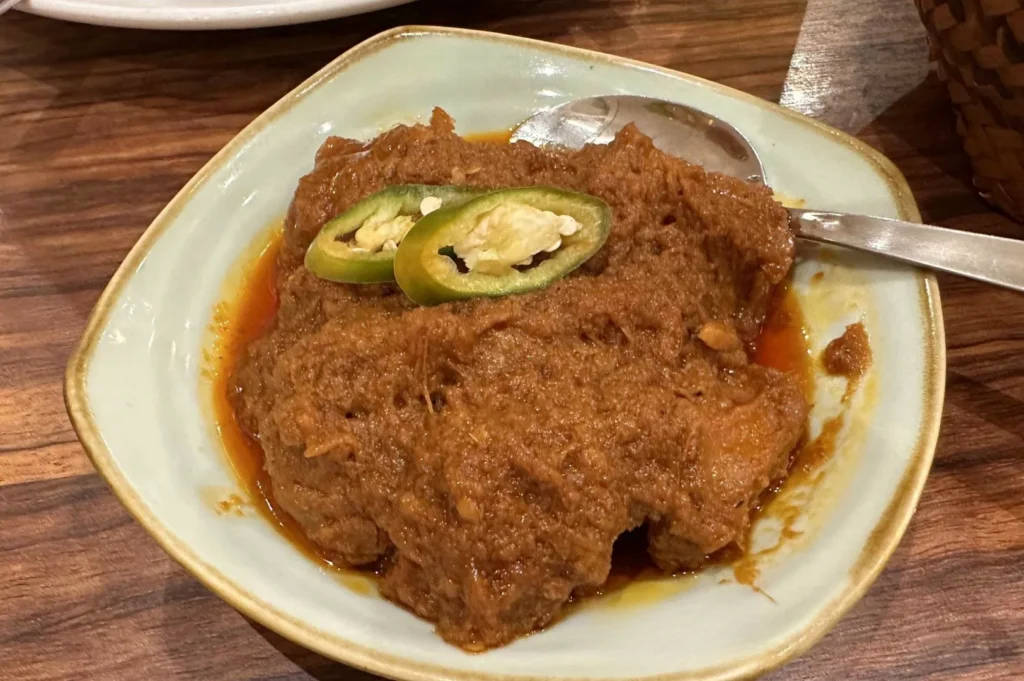
If Tahu Telor is the personality, Rendang Lembu is the dish I would trust most for delivery.
The beef is slow-cooked in coconut milk and a traditional spice blend until the sauce thickens and clings to the meat. This is exactly the kind of food that can deliver well because it is built around heat, time, and density.
The beef arrived tender, almost pulling apart under a fork. The sauce was rich, warm, and layered, with coconut softening the spice into something cosy rather than aggressive. Spooned over rice, it became the clear hit of the meal.
This is where Tambuah Mas proves its delivery strength. The fresh ingredients and spice paste still came through, and the freshness did not feel compromised. For a first order, this is the safest pick. Start here, then build the rest of your spread around it.
The Familiar Favourite: Ayam Goreng Istimewa
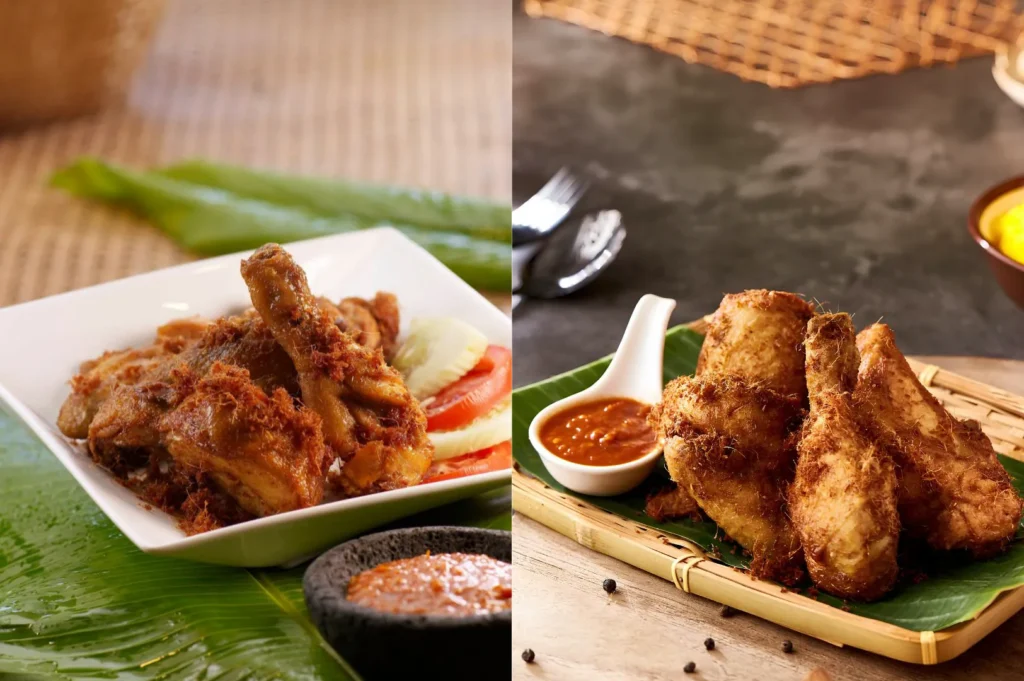
Ayam Goreng Istimewa is another popular order, and I understand why. The chicken is coated in a crispy golden spice blend that clings to the skin in savoury crumbs. Even after delivery, the flavour was excellent: salty, aromatic, and addictive.
But texture depends on time and distance. Like Tahu Telor, fried chicken does not always love a sealed container. Mine arrived still warm, with juicy meat, but the skin had softened a bit.
Best Way to Enjoy It
- Eat it first if crunch matters.
- Keep the lid open briefly to release steam.
- Pair it with rice and vegetables so the meal does not feel too heavy.
If your craving is for spice, crunch, and comfort, this still earns its place in the order. Just do not let it sit while you answer a message, open wine, or fuss over the spread.
The Quiet Heroes: Sayur Lodeh, Kangkong Belacan, and Rice
Here is the thing I learned quickly: do not skip the vegetables. With fried dishes, beef, and gravy, vegetables matter.
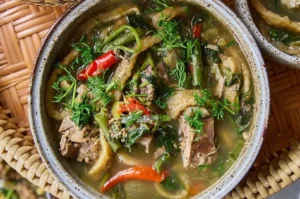
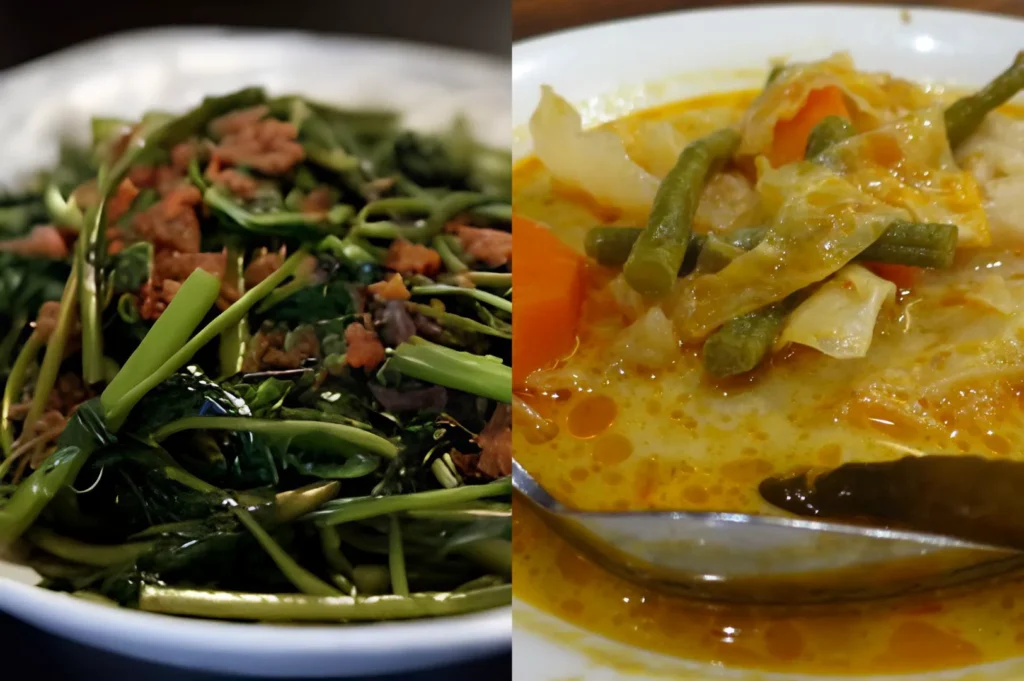
Sayur Lodeh, a gentle mix of cabbage, long bean, and beancurd in spicy coconut milk, travelled beautifully because it is already saucy. The gravy stayed warm and comforting, giving the fried items something soft to lean against.
Kangkong Belacan is the stronger choice if you want punch. The sambal-laced water spinach brings heat, salt, and savoury shrimp depth that wakes up the rice.
And yes, order Nasi Puteh. Tambuah Mas is a gravy-and-spice place, so white rice is not optional. Every spoonful of rendang, lodeh, or sambal makes more sense against warm rice.
For seafood lovers, prawn options can also work, though check current prices on the ordering page before deciding. Seafood usually sits in a higher category than vegetables or chicken, especially on a food delivery platform.
Dessert, Portions, and Set Meals Worth Planning Around
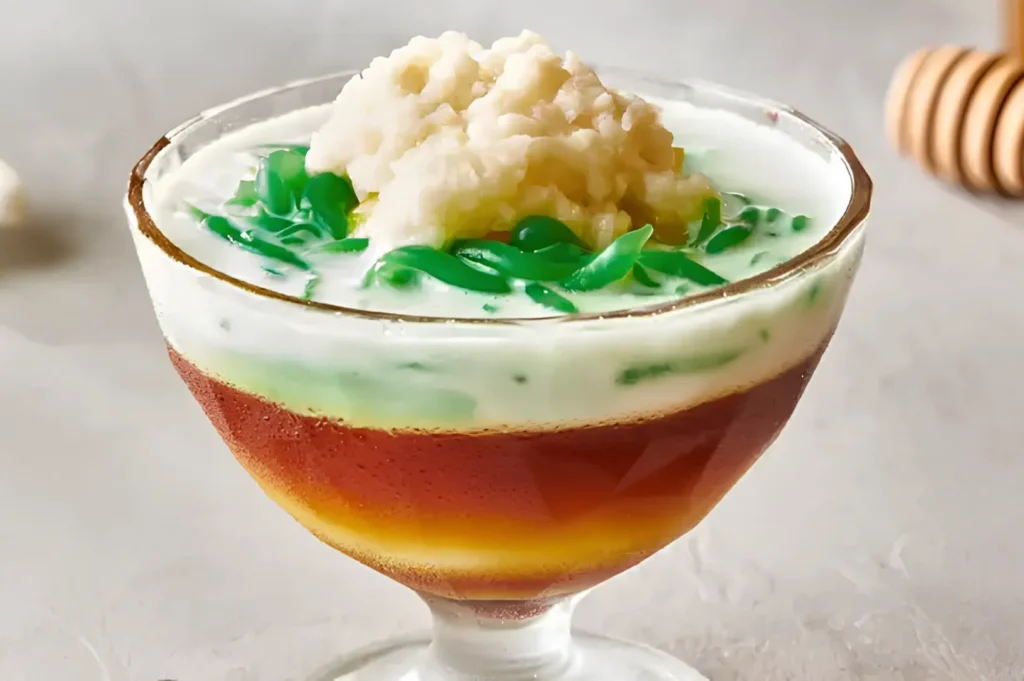
For dessert, Es Cendol is the natural ending. Cold coconut milk, palm sugar, and green jelly noodles bring cooling sweetness after the spice. It is simple, refreshing, and easy to enjoy.
Portions need the right mindset. Tambuah Mas is not where two dishes magically feed a crowd. Some vegetable portions can feel limited if stretched across too many people. The trick is to order like a family meal: rice plus three to five dishes, or go straight for the set options.
What to Order for a Balanced Spread
- Signature dish: Tahu Telor
- Slow-cooked dish: Rendang Lembu
- Fried item: Ayam Goreng Istimewa
- Vegetable side: Sayur Lodeh or Kangkong Belacan
- Rice and dessert: Nasi Puteh and Es Cendol
The Signature Set for 4–5 guests includes Tahu Telor, Ayam Goreng Istimewa, Nila Goreng, Rendang Lembu, Udang Petai Belado, Sayur Lodeh, rice, and desserts. There is also a larger set for 8–10 guests. The max value appears when you treat it as a planned gathering rather than an impulse lunch or solo order.
Expect around S$25–S$45 per person once you include rice, selections, and service or platform fees. Exact prices shift, so always use the official ordering page or delivery app before checkout.
Tambuah Mas stands out alongside other halal restaurant in Singapore, offering authentic Indonesian flavors that bring family-style dining right to your door.
Ordering Experience: What to Know Before You Order
Tambuah Mas offers official online ordering and appears on food delivery platform options such as Oddle, with à la carte and set meals available. The Paragon outlet operates daily, giving you flexibility for lunch or dinner.
Still, this is not the meal I would order at the last second. Larger spreads take preparation, especially with fried items, fish, rendang, rice, and sides. I placed mine with buffer time and received everything comfortably within the window.
For group orders, plan ahead. Add a contact number, check the delivery address, and give yourself room in case the kitchen is busy. Tambuah Mas is best when the food arrives hot, the table is cleared, and everyone is ready to eat.
That is the quiet beauty of this restaurant. In a world of fast individual delivery meals, Tambuah Mas still feels designed for gathering: warm rice, rich gravies, family recipes, and a feast that begins the moment you open the containers, much like the cozy appeal of Taiwanese comfort food that delivers a similarly heartwarming delivery experience.
Order It Like a Family Feast
Tambuah Mas delivery works best when you stop thinking of it as takeaway and start thinking of it as a shared Indonesian home-style spread.
The clear winners for travel are Rendang Lembu, rice, and the coconut or sambal-based vegetables. They arrive exactly as they should: warm, rich, and comforting. The Tahu Telor and Ayam Goreng Istimewa bring all the personality, but they need to be eaten quickly for the best texture.
So who’s it for? Families, small groups, office sharing meals, and anyone craving Indonesian comfort food that feels like a table rather than a single box. It’s less suited to solo diners hunting for a cheap one-bowl lunch.
My ideal order, if you want the full experience? Tahu Telor + Rendang Lembu + Ayam Goreng Istimewa + Sayur Lodeh or Kangkong Belacan + Nasi Puteh + Es Cendol.
I’d happily order it again on another lazy, rainy evening. There’s something genuinely lovely about a 40-year-old recipe arriving at your door, still tasting like someone cooked it with care. That’s the old-school comfort, and it survives the journey better than you’d expect.

In Luang Prabang, Or Lam Carries the Taste of Sakhan
Eda Wong | June 12, 2026
The damp morning mist still clings to the teakwood houses of Luang Prabang as an elderly cook tends to a glowing charcoal brazier. Sparks jump lightly into the cool air, illuminating the blackened belly of an aluminium pot. Inside, a thick, dark liquid bubbles rhythmically, releasing an incredibly aromatic cloud of charred lemongrass, sweet Thai…

The Malayan Council, Reviewed: Local Food in Malaysia, Plated Like a Memory
Eat Drink Asia Team | June 11, 2026
Our Eat Drink Asia team spends a lot of time debating what makes a truly unforgettable meal. The team has previously published articles exploring the redefinition of comfort food. That is exactly what led me to The Malayan Council at 71 Bussorah Street. I visited on a Friday around 7:30 pm, just as the weekend…
-
Sushi in Singapore: Why There Is a Style for Every Budget
Eda Wong | June 11, 2026
Few Japanese dishes have travelled as successfully across Asia as sushi. What began as a culinary tradition deeply rooted in Japan has evolved into something remarkably diverse in Singapore. Today, sushi in Singapore can mean many different things. It can be a quick lunch grabbed from a conveyor belt restaurant, a carefully curated omakase meal…
-
The Quiet Pull of Lahpet in Myanmar’s Tea Leaf Salad
Dio Asahi | June 10, 2026
The afternoon humidity presses against the open-air teahouse in downtown Yangon, where the sharp clatter of a silver spoon against ceramic cuts through the low hum of conversation. A small plate sits in the centre of a low plastic table, holding a dense, dark green cluster that smells faintly of damp earth and sharp lime….
-
Dining at Suntec: The Restaurants That Feel Like Different Cities in One Mall
Eda Wong | June 9, 2026
Over the past six months, I’ve navigated the sprawling, sometimes disorientating corridors of Suntec City more times than I can count. What started as a simple quest to find decent spots for post-meeting lunches quickly turned into a genuine culinary journey. I have tried over a dozen venues within this massive complex, and I’ve found…
-
PappaRich SG and the Comfort of Malaysian Staple Food: A Restaurant Review in Familiar Flavours
Dio Asahi | June 6, 2026
There is a very specific kind of exhaustion that hits you right before a flight or just after you land. You are dragging your suitcase, staring blankly at the departure boards, and suddenly, you realize you are starving. But you don’t want just any food. You want something warm, familiar, and deeply comforting. I felt…
-
Sri Lanka’s Ambul Thiyal and the Sourness of Goraka
Eda Wong | June 5, 2026
In the open-air kitchen of a coastal home in southern Sri Lanka, a low fire crackles under a wide, unglazed clay pot. The air is thick with the scent of roasted black pepper and something deeply, aggressively tart. A wooden spoon scrapes the bottom of the pot, turning cubes of firm yellowfin tuna until they…
-
Traditional Malaysian Foods Aren’t a Museum: They’re a Living Argument at the Table
Eda Wong | June 4, 2026
When I first really started digging into traditional Malaysian food, I made a classic rookie mistake. I was sitting at a crowded kopitiam in Kuala Lumpur, looking at a plate of nasi lemak, and I thought I understood exactly what it was supposed to be. I thought it was a fixed, rigid recipe, a museum…
-
In Gifu, Hoba Miso Warms Slowly Over Magnolia Leaves
Dio Asahi | June 3, 2026
Frost clings to the wooden window frames in the highlands of Gifu. Inside, the air is thick with the scent of woodsmoke and fermented soybeans. On the table, a small ceramic charcoal grill known as a shichirin radiates a gentle, localized heat. Resting directly above the glowing embers is a large, brittle brown leaf holding…
-
The Stir Fried Egg Plant That Taught Me Restraint at Si Chuan Dou Hua Restaurant
Eat Drink Asia Team | June 2, 2026
I’ve always had a love-hate relationship with Sichuan food. Usually, you walk into a spot, order your food, and spend the rest of the night sweating through your shirt, chugging ice water, and wondering why you did this to yourself. But when I visited Si Chuan Dou Hua Restaurant on a Tuesday around 7 pm,…