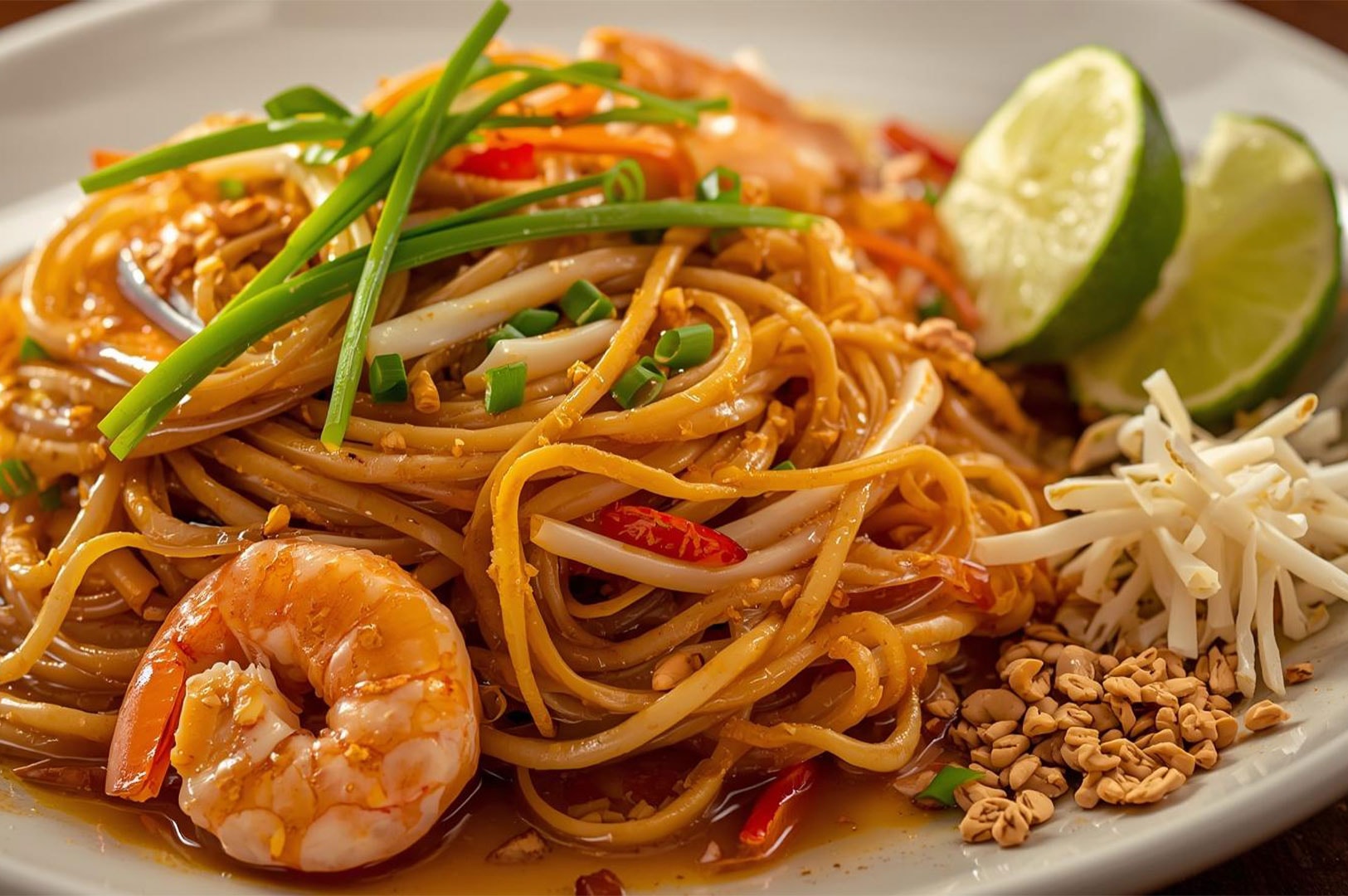
Few dishes capture the essence of Thailand food culture like authentic Pad Thai. This beloved stir fried noodle dish is more than a meal-it’s a symbol of Thai identity, a perfect balance of sweet, savoury, and sour flavors, and a window into the soul of Thai cuisine.
Whether you want to eat Pad Thai from bustling street vendors, master an authentic Pad Thai recipe at home, or understand what makes this Thai noodle stir fry so extraordinary, this guide covers everything from history to cooking techniques.
What is Pad Thai? Thailand Food Pad Thai’s Beloved National Dish
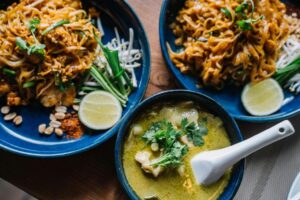
Pad Thai is Thailand’s most recognizable stir fried noodle dish, featuring thin, flat rice noodles known as Pad Thai noodles or Sen Lek. These noodles are soaked in hot water until tender but firm, then stir fried quickly with a sweet savoury sour sauce made from tamarind paste, palm sugar, and fish sauce.
Traditional Pad Thai includes scrambled egg, dried shrimp for umami, fresh bean sprouts, garlic chives (also called Chinese chives), and crushed peanuts for crunch. Lime wedges and fresh lime juice are served on the side for a bright, acidic finish.
Authentic Pad Thai avoids shortcuts like ketchup or rice vinegar substitutes, relying instead on tamarind pulp for the sour component and palm sugar for sweetness, balancing the sauce ingredients perfectly.
The History and Origins of Pad Thai
Pad Thai emerged in the late 1930s and 1940s as a government-promoted national dish during rice shortages. Prime Minister Plaek Phibunsongkhram encouraged noodle consumption through campaigns, recipe cards, and cooking contests, making Pad Thai a symbol of Thai pride.
Though influenced by Chinese stir-fried noodle dishes introduced centuries earlier, Pad Thai’s distinctive sweet savoury sour sauce and ingredient choices make it uniquely Thai.
Cultural Significance of Pad Thai in Thai Society
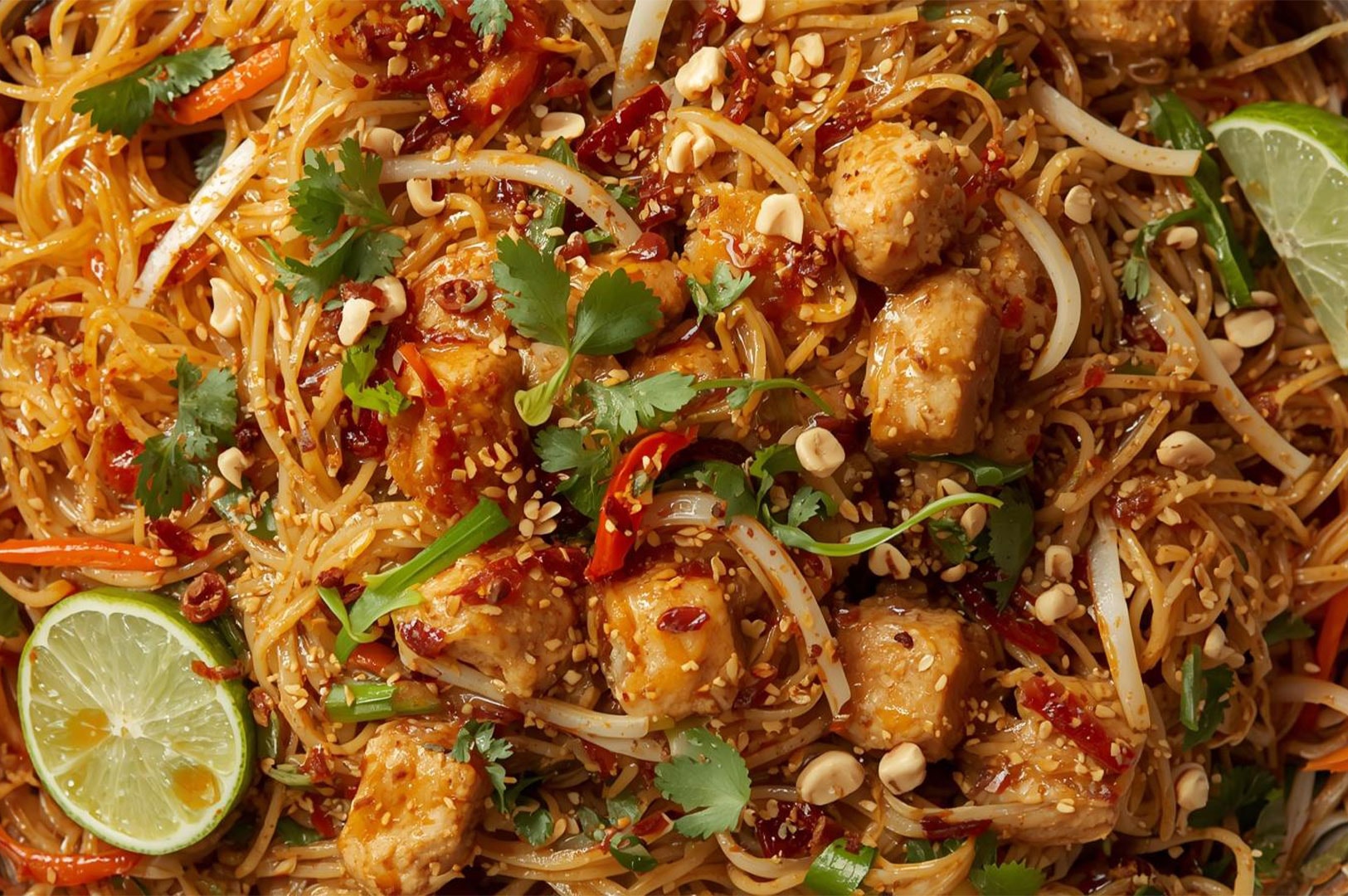
Pad Thai embodies the Thai values of balance and harmony, integrating sweet, sour, salty, and umami flavors alongside varied textures from silky noodles to crunchy peanuts and fresh vegetables.
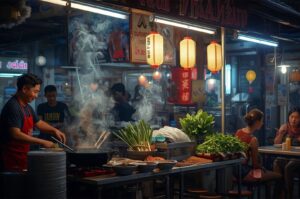
Street vendors preserving authentic Pad Thai techniques are cultural icons, and the dish plays a role in Thai hospitality, often prepared to show care and respect.
The communal eating experience-with chili flakes, sugar, lime wedges, and fresh herbs to customize each bite-reflects Thai social values of sharing and balance.
Regional Variations of Pad Thai Across Thailand
While Bangkok-style Pad Thai is the classic authentic Pad Thai recipe, regional versions incorporate local ingredients and preferences.
- Northern Thailand may add pickled mustard greens or adjust spice levels.
- Southern Thailand features seafood like fresh crab or prawns and subtle coconut notes.
- The northeast (Isaan) uses bold herbs and spices for a more intense flavor.
Different rice noodles, such as Sen Chan, provide varied textures, and cooking methods range from charcoal-fired woks to gas stoves.
Essential Ingredients for Authentic Pad Thai: Rice Noodles and Sauce Ingredients
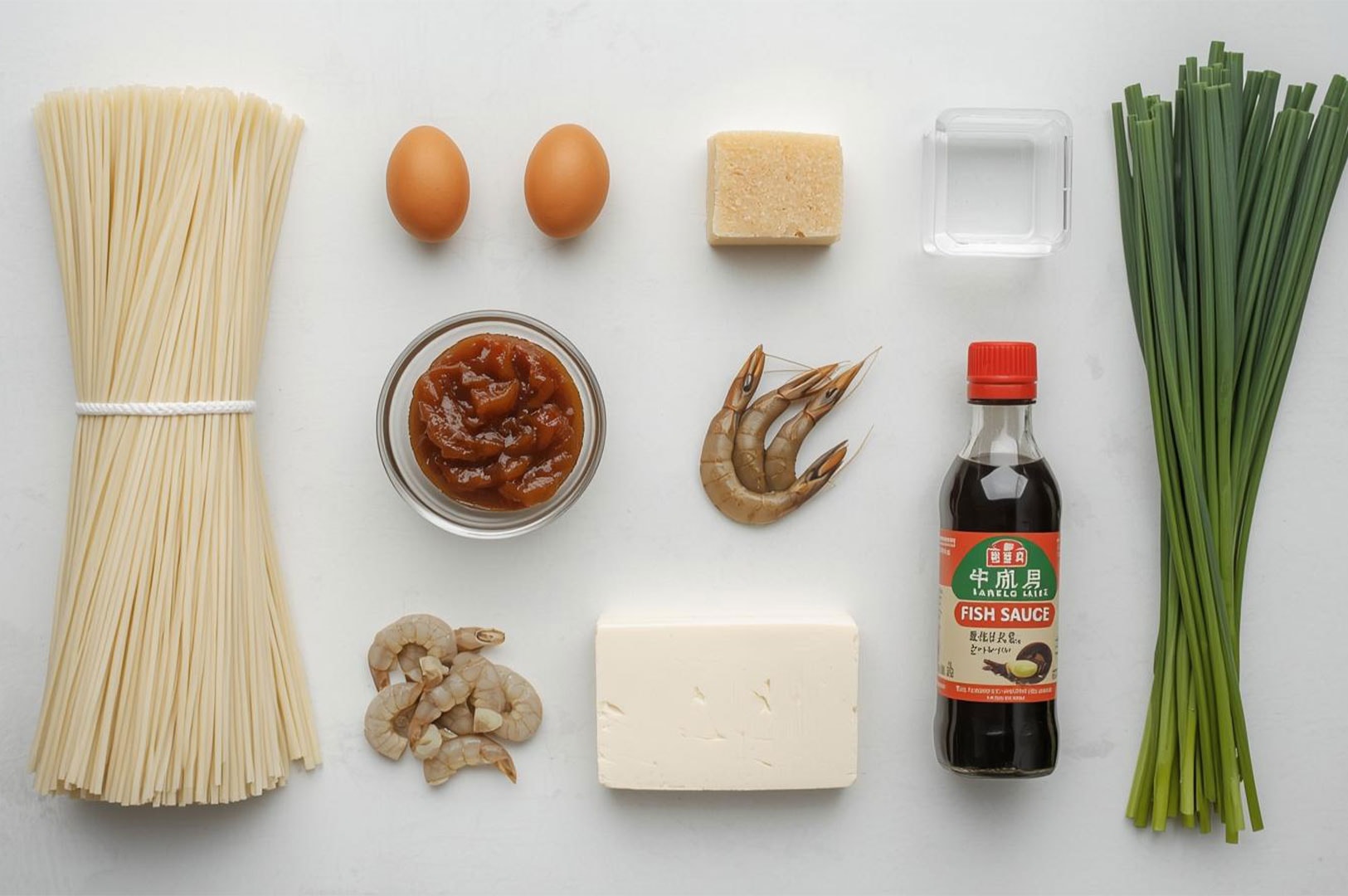
Pad Thai Noodles and Sauce Ingredients
Use flat rice noodles (rice stick) about ¼ inch wide, soaked in hot water until pliable but firm. The Pad Thai sauce combines tamarind paste or tamarind concentrate (tamarind pulp is best), palm sugar, fish sauce, and light soy sauce to achieve the signature sweet savoury sour sauce.
Avoid substitutes like ketchup or excessive brown sugar, which make the dish overly sweet or artificial.
Proteins, Vegetables, and Garnishes
Traditional proteins include shrimp, chicken, pork, or extra firm tofu for vegetarian Pad Thai. Dried shrimp add umami depth, while scrambled eggs provide structure.
Fresh vegetables like mung bean sprouts, bell pepper, garlic cloves, chopped shallots, and garlic chives add crunch and flavor. Crushed roasted peanuts and lime wedges finish the dish.
How to Make Pad Thai: Authentic Cooking Techniques
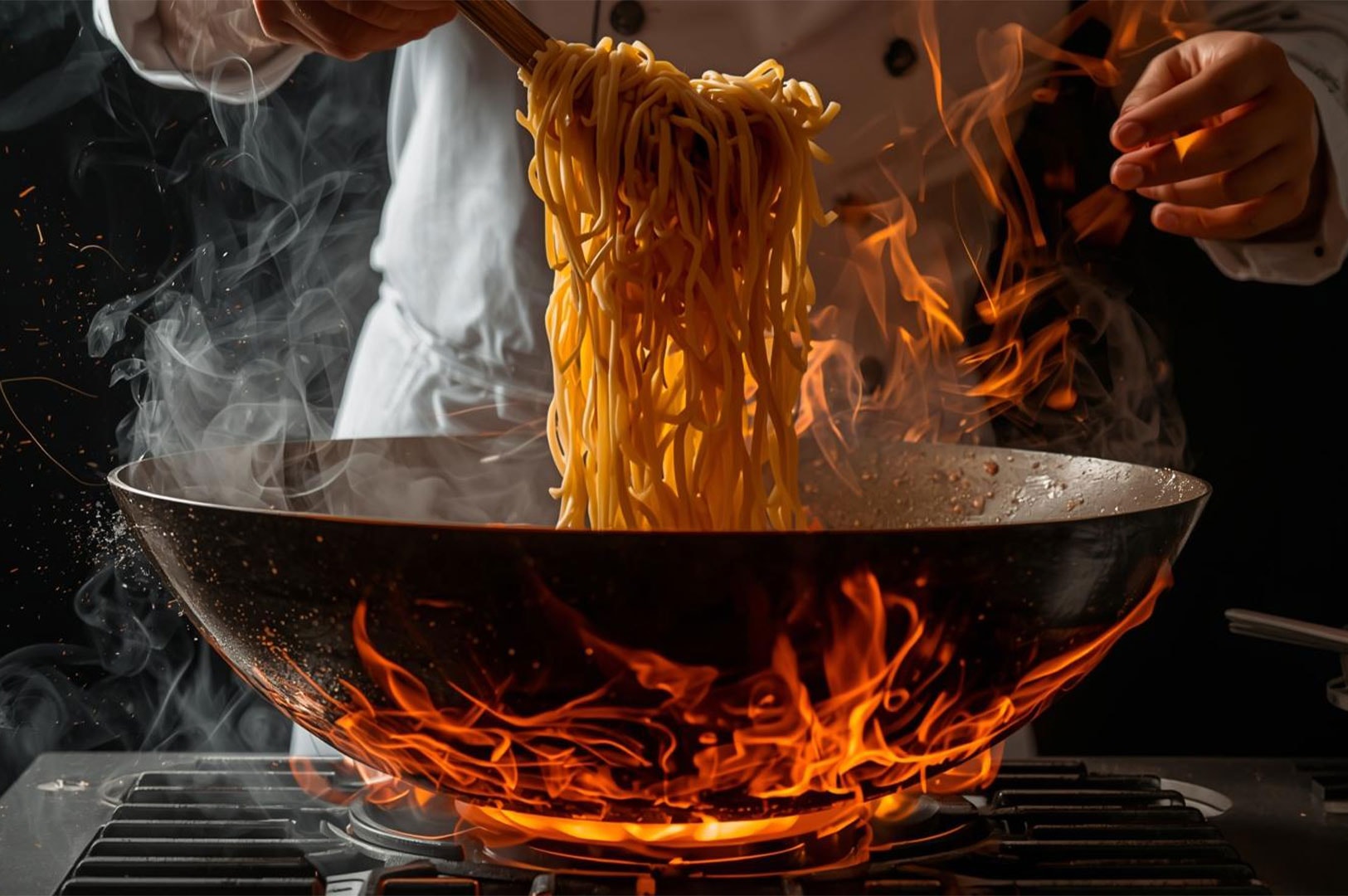
Success in making Pad Thai depends on high heat (medium high heat or higher) and precise timing.
- Heat your wok or skillet until very hot.
- Stir fry chopped garlic cloves and shallots first.
- Add cooked protein and stir fried veggies.
- Add noodles and pour in prepared Pad Thai sauce from a small bowl.
- Toss quickly to coat noodles evenly.
- Add beaten eggs, scrambling gently to create ribbons.
- Finally, add mung bean sprouts and garlic chives, cooking briefly to maintain crunch.
Avoid over-soaking noodles or crowding the pan, which leads to mushy texture. Use cold water to rinse noodles after soaking to stop cooking.
The entire cooking process should be quick-just a few minutes-to preserve texture and flavor.
Common Mistakes to Avoid When You Make Pad Thai
- Over-soaking Pad Thai noodles, causing them to break.
- Cooking at too low heat, resulting in soggy noodles.
- Using incorrect sauce proportions, making Pad Thai overly sweet or salty.
- Adding ketchup instead of tamarind paste, losing authenticity.
- Cooking too large a batch at once, reducing heat and texture quality.
- Overcooking fresh vegetables like bean sprouts and garlic chives.
The Art of Flavor Balance in Pad Thai: Palm Sugar, Dried Shrimp, and More
Pad Thai exemplifies Thai cuisine’s balance of sweet, sour, salty, and umami.
- Palm sugar provides a rich, caramel-like sweetness.
- Tamarind pulp delivers complex sourness, complemented by fresh lime juice.
- Fish sauce and dried shrimp add salty umami depth.
- The slight caramelization from stir frying adds savory complexity.
Texture and temperature contrasts-from silky noodles to crunchy peanuts and fresh herbs-keep each bite exciting and balanced.
Where to Find the Best Pad Thai in Bangkok and Beyond: A Great Recipe to Follow
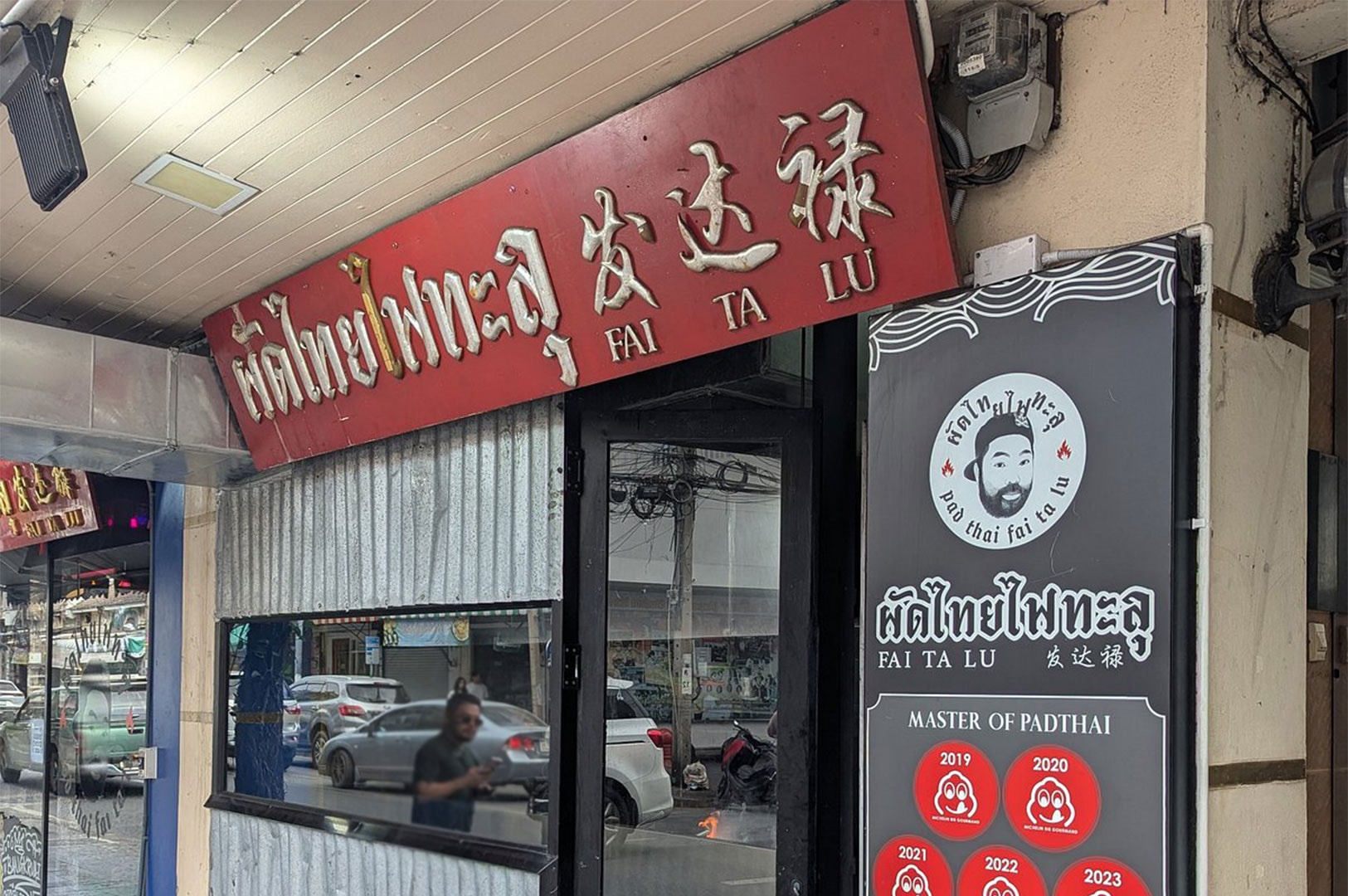
Bangkok’s street food scene offers some of the best Pad Thai, with legendary vendors like Thip Samai and Pad Thai Fai Ta Lu serving authentic versions cooked over charcoal.
Look for Pad Thai with separate, glossy noodles, warm amber-brown sauce color (no artificial red from ketchup), and vibrant garnishes like lime wedges, fresh bean sprouts, and crushed peanuts.
Mastering Pad Thai at Home: The Authentic Pad Thai Recipe
To make Pad Thai at home:
- Use a wok or large skillet, heating it to medium high heat.
- Soak flat rice noodles in hot water until just pliable, then rinse in cold water.
- Prepare the Pad Thai sauce by mixing tamarind paste, palm sugar, fish sauce, soy sauce, and optionally tamarind concentrate in a small bowl.
- Have all ingredients prepped and ready to add noodles, protein, veggies, and sauce quickly.
- Stir fry ingredients in the proper order, adding beaten eggs near the end.
- Serve immediately with lime wedges, crushed peanuts, chili flakes, and fresh herbs.
Store leftovers in an airtight container in the refrigerator and consume within a couple of days for best nutrition serving size and flavor.
Dietary Adaptations for Vegetarian Pad Thai and More
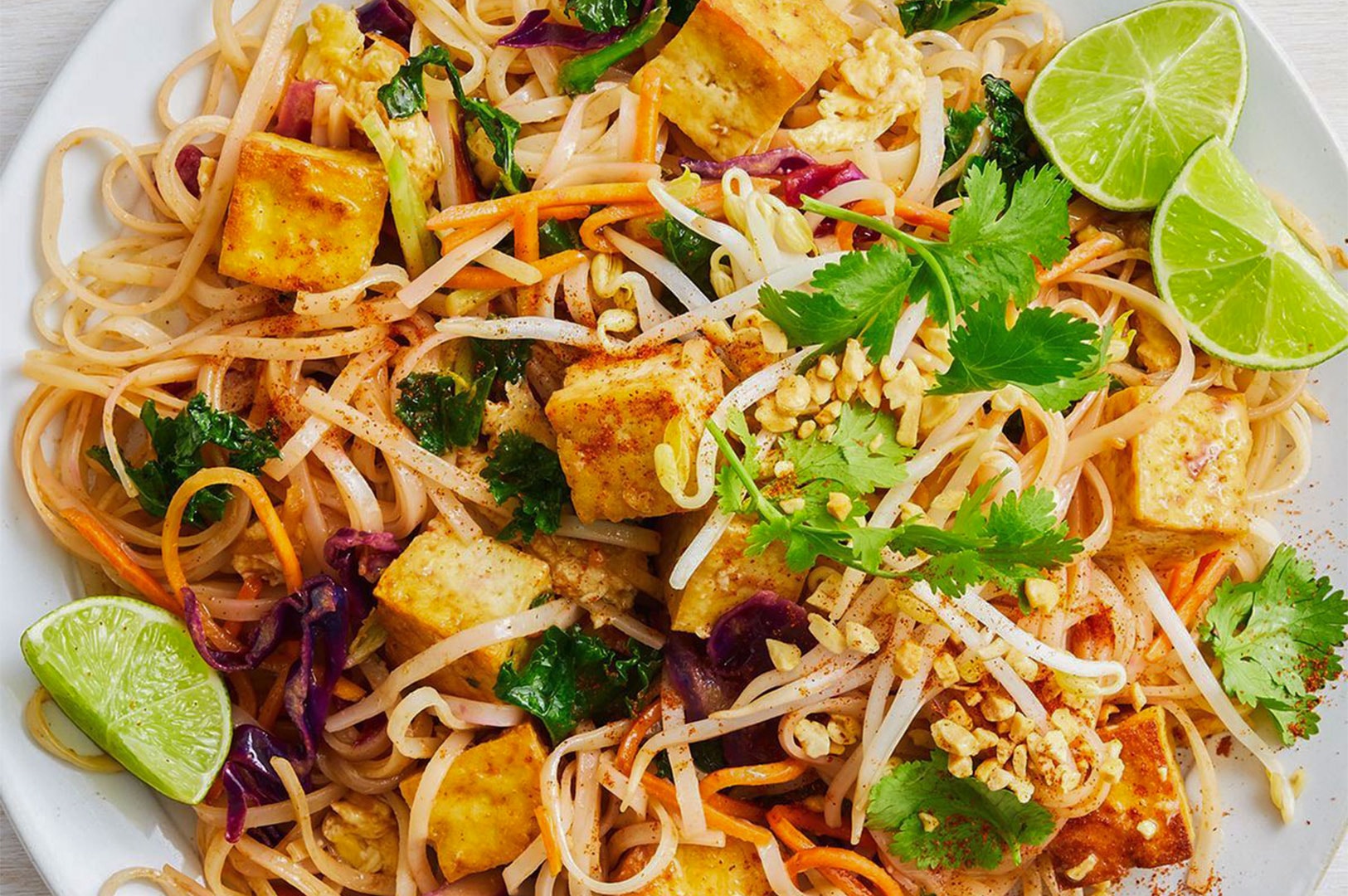
Vegetarian Pad Thai substitutes extra firm tofu for meat and uses vegetarian fish sauce alternatives or extra soy sauce. Vegan versions omit eggs or substitute with plant-based alternatives.
Pad Thai is naturally gluten free when using pure rice noodles and gluten-free soy sauce.
How Pad Thai Became a Global Culinary Phenomenon
Pad Thai’s rise from a government-promoted dish to a global favorite showcases the power of Thai cuisine as cultural diplomacy. The “Global Thai” initiative helped spread authentic Pad Thai and Thai restaurants worldwide, adapting to local tastes while preserving core flavors.
Social media, food tourism, and cooking shows have further popularized Pad Thai, inspiring home cooks globally to make this best Pad Thai recipe with 5 stars.
Pad Thai as a Window into Thai Culture and Philosophy
Pad Thai reflects Buddhist principles of balance and moderation, mirroring Thai cultural values of harmony in life and social cohesion.
Its creation during nation-building illustrates Thailand’s ability to adapt foreign influences into something uniquely Thai, embracing globalization while preserving identity.
Enjoying Pad Thai-often shared with friends and family and customized with fresh vegetables, chili flakes, and lime juice-exemplifies Thai social values of community and respect.
Whether you’re visiting Thailand to eat Pad Thai at a street vendor or making an authentic Pad Thai recipe in your own kitchen, this iconic stir fried noodle dish connects you to the rich history, culture, and philosophy of Thai cuisine and the Thai people.
Whether you’re visiting Thailand to eat Pad Thai at a street vendor or making an authentic Pad Thai recipe in your own kitchen, this iconic stir fried noodle dish connects you to the rich history, culture, and philosophy of Thai cuisine and the Thai people.

Thai Green Milk Tea: The Complete Guide to Thailand’s Refreshing Emerald Delight
Eda Wong | December 13, 2025
Picture a tall glass filled with crushed ice, its emerald-green contents swirled with ribbons of creamy white milk—this is thai green milk tea, one of Southeast Asia’s most visually striking and refreshing drinks. Known locally as cha khiao nom yen, this popular drink has captured hearts across Asia and beyond with its distinctive pale green…

Best Thai Singapore: Discover the Art of Authentic Pad Thai
Dio Asahi | December 11, 2025
In Singapore, a city that celebrates a universe of flavors, the magnetic pull of Thai cuisine is undeniable. From bustling food courts to elegant dining rooms, the kingdom’s culinary ambassadors have firmly planted their flag. When considering the best Thai food, it’s impossible to overlook how integral Pad Thai is to the local Thai food…
-
Thai Cuisine in Singapore: Finding the Best Authentic Flavors
Eat Drink Asia Team | December 9, 2025
The unmistakable aroma of lemongrass, galangal, and fiery spices mingles with the bustling night air in Singapore, setting the stage for a dining experience that wakes the soul and tantalizes the senses. Thai cuisine in Singapore has become an essential part of the city’s culinary landscape, offering a complete blend of vibrant flavor, tangy notes,…
-
The Ultimate Guide to Thai Food: Flavors, Traditions, and Culinary Adventures
Dio Asahi | December 6, 2025
Thai cuisine is one of the world’s most beloved and complex culinary traditions, captivating food enthusiasts globally with its masterful balance of flavors and vibrant presentations. From bustling Bangkok street stalls to high-end international restaurants, Thai food has become a global phenomenon that evolves while maintaining its authentic roots. What sets Thai cuisine apart from…
-
How to Drink Sake: Your Guide to Enjoying Japanese Sake Wine
Eda Wong | December 5, 2025
As Japan’s national beverage, this traditional sake is present at celebrations, quiet dinners, and spiritual offerings, weaving itself into the very fabric of daily life and reflecting Japan’s deep-rooted cultural heritage. Yet, for many outside of Japan, it remains a delightful mystery. You might find yourself wondering, how do you drink sake properly to unlock…
-
The Quiet Pursuit of Perfection: Where to Find the Freshest Sashimi in Singapore
Eat Drink Asia Team | December 3, 2025
In Singapore, a city that moves at a dizzying pace, there is a quiet but growing reverence for pursuits that demand patience. Nowhere is this more apparent than in the city’s evolving appreciation for authentic Japanese cuisine. The once-niche world of omakase has entered the mainstream lexicon, and with it, a more discerning palate for…

Understanding Sake Alcohol Content: A Complete Guide to ABV and Flavor
Eda Wong | December 2, 2025
When exploring Japanese sake, many wonder about its grades and complex flavors. Sake’s unique profile offers remarkable versatility, enjoyed in various serving styles and paired with diverse dishes. One fundamental aspect is sake alcohol content. Is sake stronger than wine? How does its alcohol by volume (ABV) compare to beer? The answer is nuanced. Understanding…
-
Japanese Sake: The Complete Guide to Japan’s Traditional Rice Wine
Dio Asahi | November 29, 2025
Japanese Sake: The Complete Guide to Japan’s Traditional Rice Wine While sake has been Japan’s national beverage for over a millennium, its popularity across Asia is at an all-time high. Rooted in Japan’s traditional brewing methods and centuries-old origins. It symbolizes Japan’s cultural heritage and craftsmanship. Understanding this complex brewed alcoholic beverage opens doors to…

Best Japanese Foods in Japan: The Must-Try Dishes
Eda Wong | November 27, 2025
Why Japanese Food Is Worth the Trip Japan’s culinary world extends far beyond well-known sushi and ramen, revealing a rich variety of regional specialties cherished by locals. While many travelers stick to popular Japanese foods in tourist areas, authentic flavors are best discovered in neighborhood markets, family-run eateries, and seasonal menus reflecting centuries of Japanese…
-
Japanese Food in Japan: The Ultimate Guide to Authentic Culinary Experiences
Eat Drink Asia Team | November 25, 2025
Experiencing Japanese food in Japan is fundamentally different from eating Japanese cuisine anywhere else. While sushi restaurants and ramen shops have spread globally, the authentic flavors, techniques, and cultural context of Japanese food can only be fully appreciated in its homeland. From meticulously selecting ingredients at peak freshness to centuries-old traditions shaping every meal, eating…