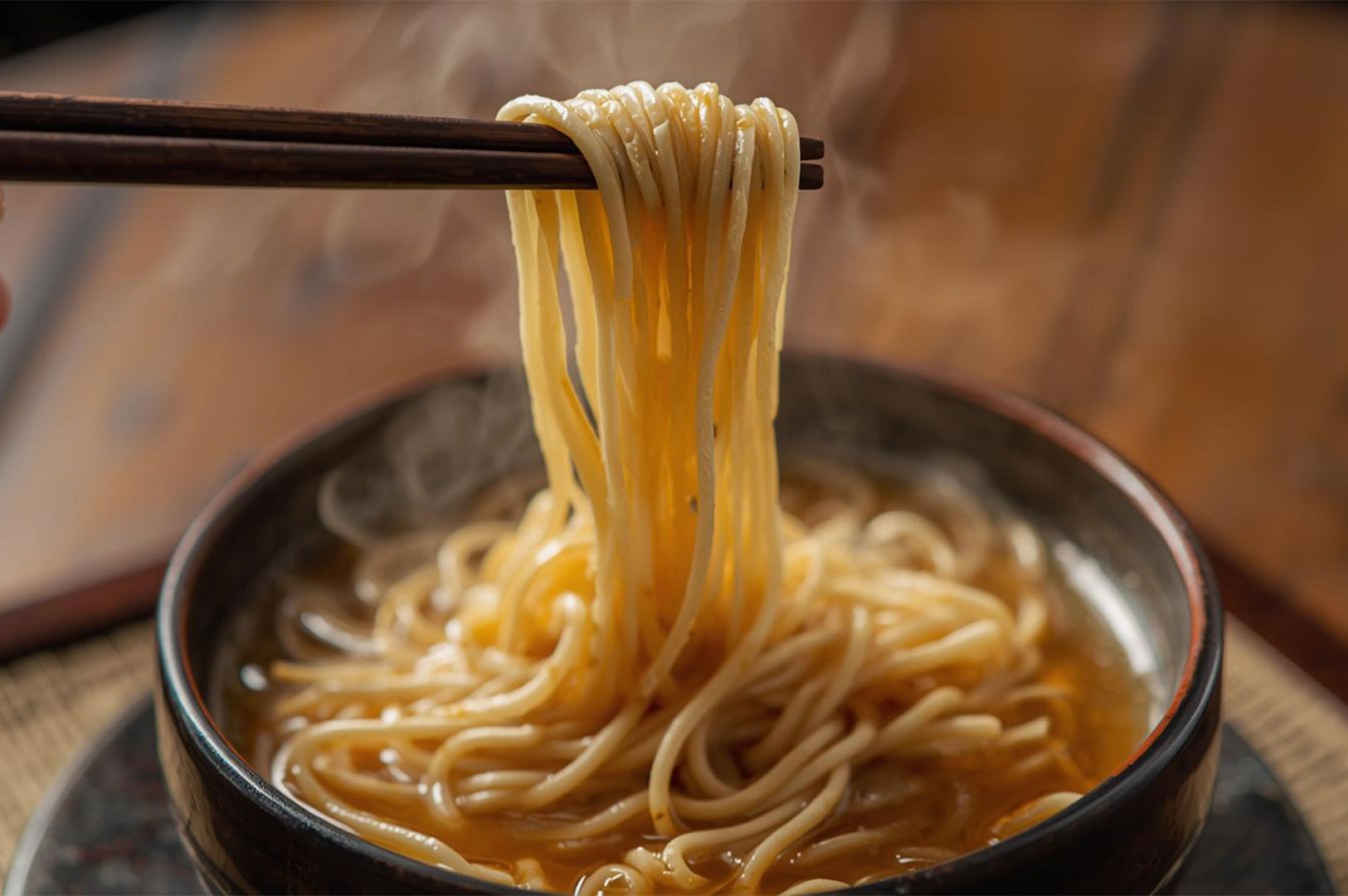
In Korea, a bowl of noodles is far more than a simple dish; it is a cultural anchor that has weathered centuries of change. For generations, the length of the strand has symbolized a long and prosperous life, making Korean noodles a staple at birthdays, weddings, and the milestone 60th birthday celebration known as hwangap. This focus on longevity is matched only by an obsession with texture. Whether a dish is served hot or cold, the hallmark of a great Korean meal is chewy, bouncy noodles that provide a satisfying resistance with every bite.
This culinary journey involves a sophisticated understanding of starches and their behavior under heat. From earthy buckwheat noodles in the northern mountains to translucent Korean glass noodles made from sweet potato starch, each variety complements a specific broth or sauce. In traditional Korean cooking, precision is key—knowing when boiling water renders noodles tender yet firm ensures a delicious result.
Historically, noodles were a luxury in Korea. Today, Korean restaurants worldwide showcase how humble noodles embody a nation’s history. For those looking to explore these culinary landmarks in person, Eat Drink Asia provides curated guides to the most authentic noodle houses across the continent, helping travelers find the perfect bowl that honors these centuries-old traditions.
The Rustic Charm of Kalguksu and Korean Knife Cut Noodles
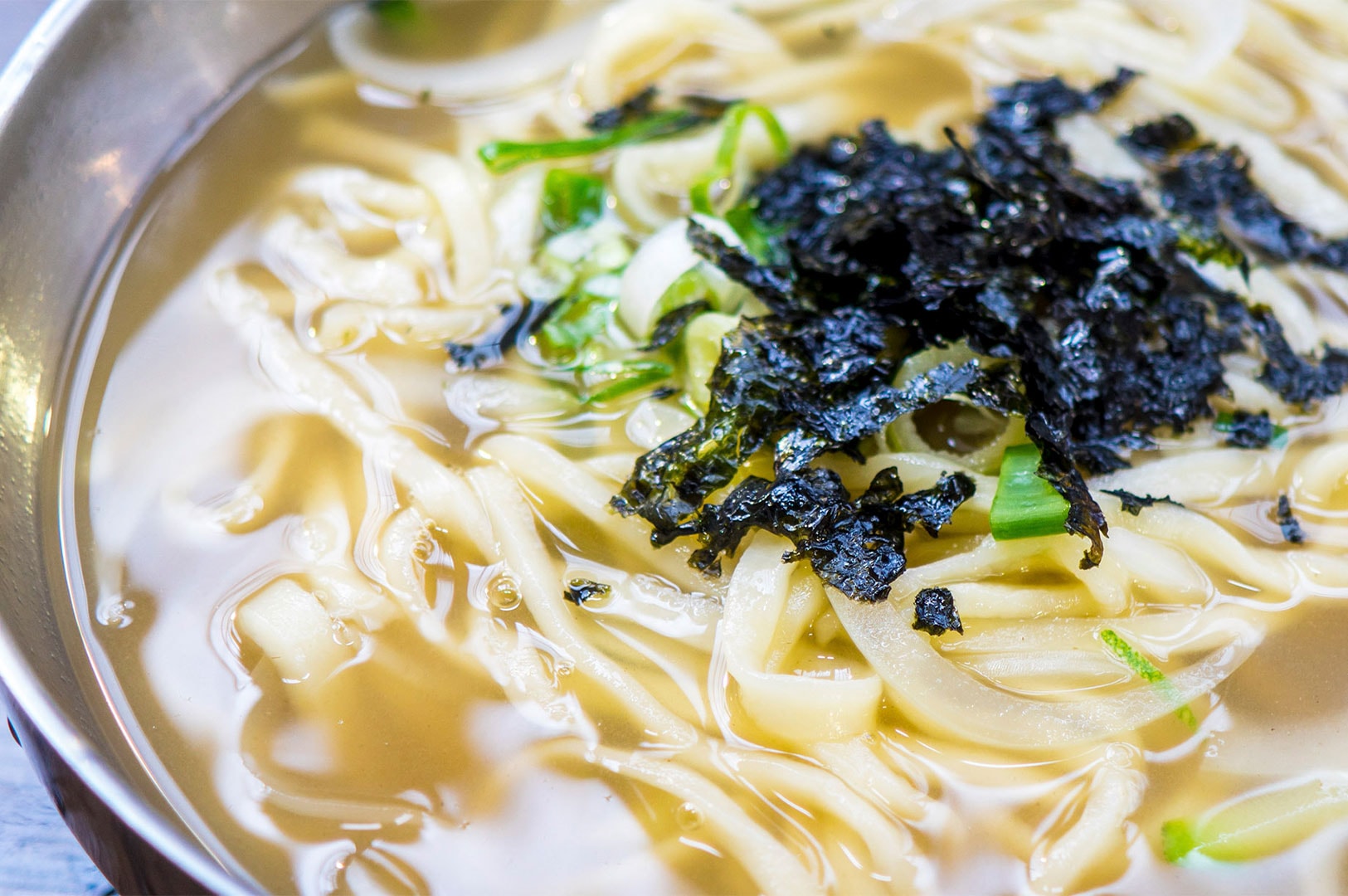
The rustic side of this cuisine is best captured by kalguksu, or Korean knife cut noodles. This is a noodle dish that celebrates the imperfect beauty of home cooking. Unlike extruded noodles, which are pushed through a machine, Korean knife cut noodles are the result of manual labor. To prepare it, wheat dough is rolled out into a large, flat sheet and sliced by hand with a heavy kitchen knife. This results in knife cut noodles with irregular edges that excel at soaking up flavor.
Typically, these are simmered in a savory noodle soup base. Depending on the province in Korea, the broth might be made from chicken, beef, or seafood. In coastal areas, a handful of Manila clams or dried anchovies provides a briny depth. As the Korean knife cut noodles simmer, the surface starch thickens the soup, creating a creamy and comforting meal. It is almost always garnished with fresh green onions, a bit of toasted sesame seeds, and a side of sharp, fermented kimchi to cut through the richness.
From Winter Traditions to Refreshing Mul Naengmyeon and Cold Noodles
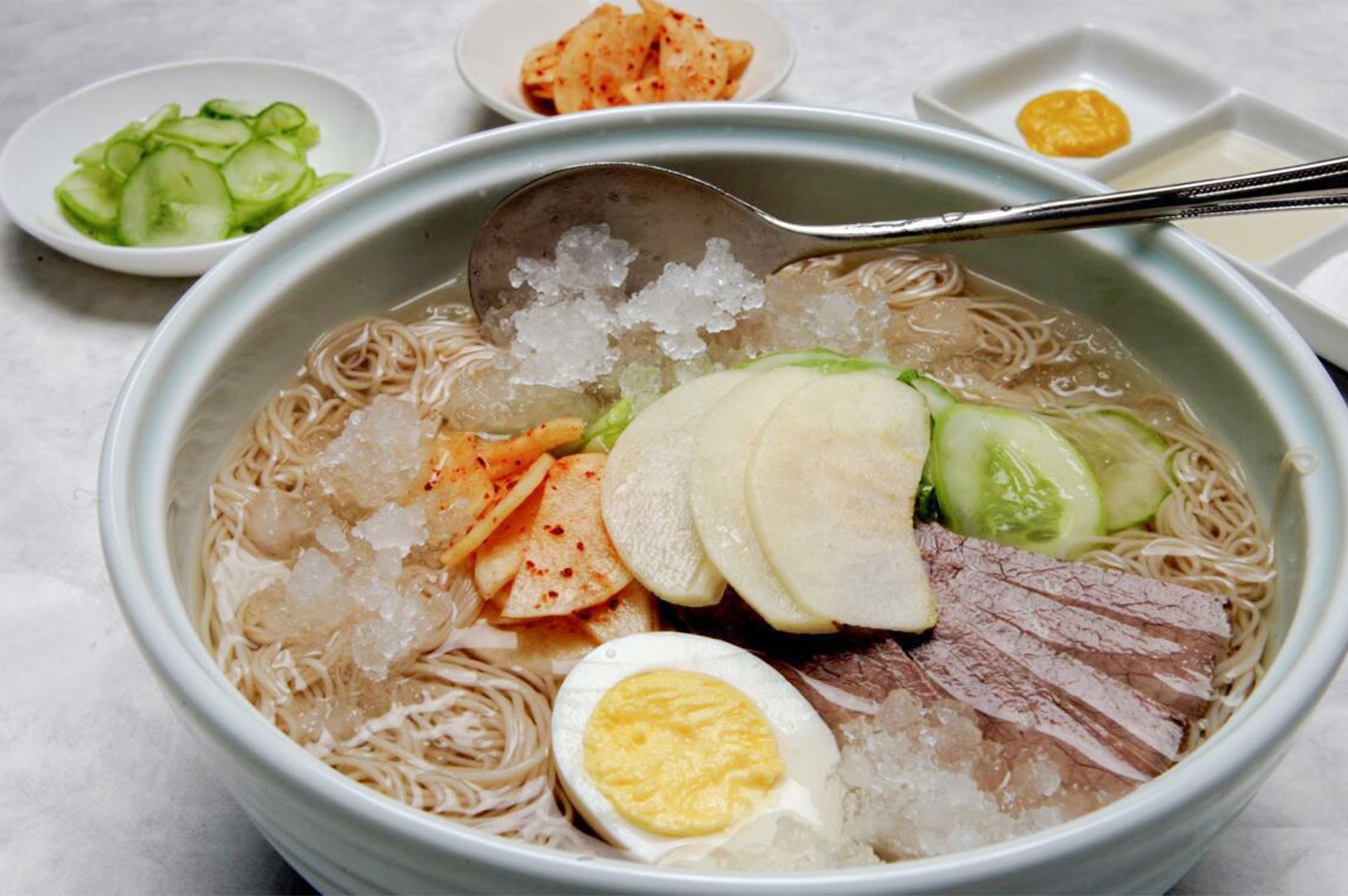
As the seasons change and the Korea humidity rises, the kitchen shifts toward the refreshing relief of cold noodles. The most iconic version, mul naengmyeon, is a masterclass in temperature management. It features thin strands—often a blend of soba noodles and potato starch—submerged in an icy cold broth. This broth is frequently kept in a slushy state, with shards of ice floating among the noodles.
The flavor of mul naengmyeon is a delicate dance between the tang of fermented radish water and the depth of chilled beef stock. Topped with a slice of beef, half an egg, and a splash of mustard oil, it is the ultimate summer refresher.
For those who prefer a noodle salad style without the liquid, bibim noodles provide a spicy alternative. Here, the mixed noodles are coated in a pungent, sweet red pepper sauce that delivers a lingering heat, often balanced by the crunch of fresh vegetables like cucumber and Korean pear.
The Art of Japchae and Savory Korean Glass Noodles
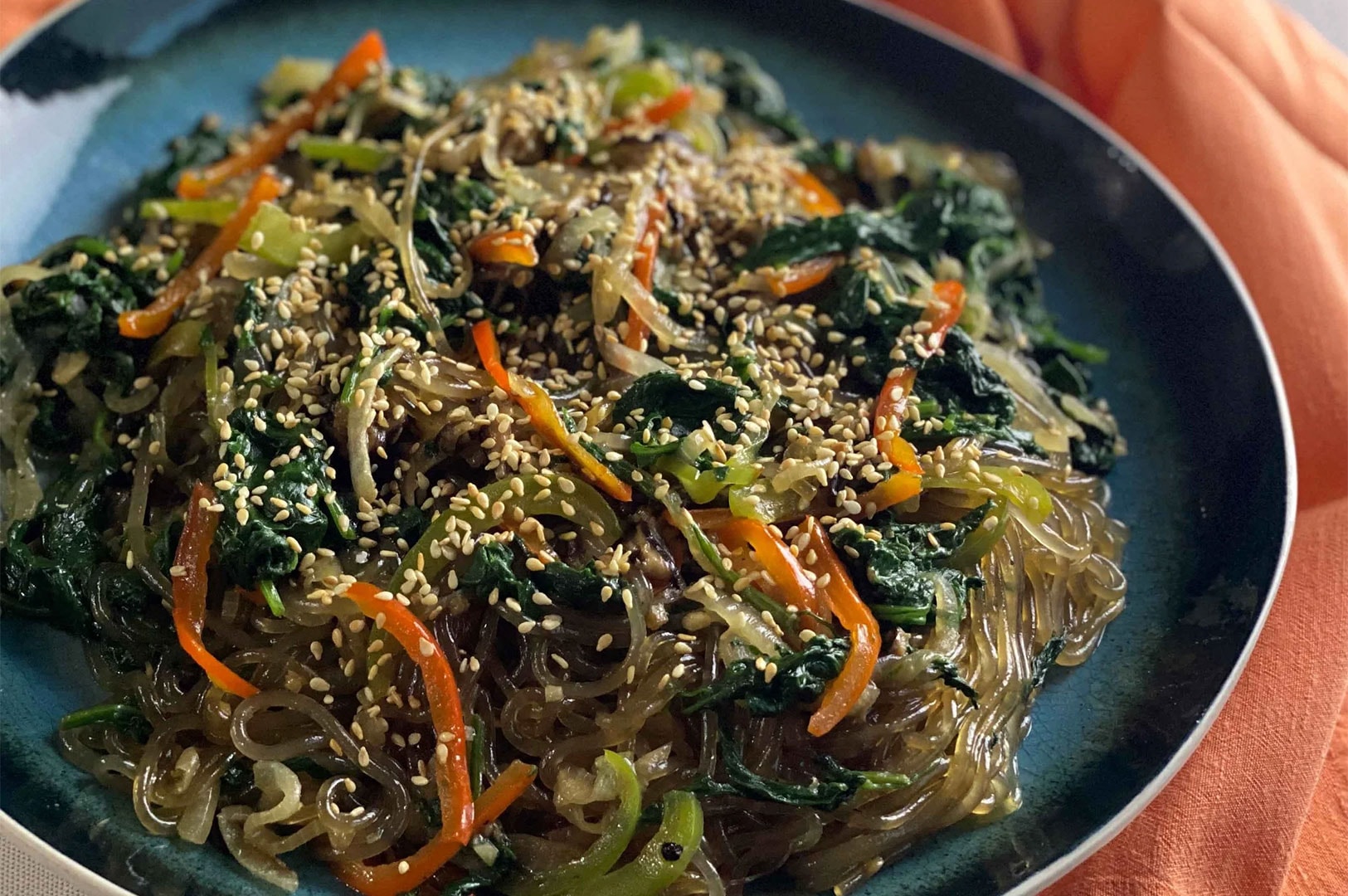
Another essential pillar of the Korean pantry is the use of glass noodles. These sweet potato noodles are the star of japchae, a delicious and colorful stir-fry that appears at almost every major celebration. Unlike wheat-based varieties, these Korean glass noodles have a uniquely chewy texture and a translucent appearance that gives them their name.
The recipe for a perfect japchae is labor-intensive. Each element—the mushrooms, carrots, onions, and spinach—is sautéed separately using less oil to maintain their individual colors and crispness. These are then tossed with the boiled glass noodles and all the sauce, which is a fragrant blend of soy sauce, sugar, and toasted sesame oil. This ensures that the protein, whether it be meat or seafood, is perfectly seasoned and the noodles remain glossy and tender.
Beyond the capital of Korea, regional specialties offer even more variety. In the Gangwon Province, where the soil is ideal for buckwheat, soba noodles take on a coarser, more rustic form in a dish called makguksu. Unlike the refined naengmyeon of the city, this noodle dish is often served with a mound of spicy seasoning and fresh mountain vegetables. It represents the connection between the land and the bowl, utilizing foraged greens and local grains to create a meal that is both healthy and filling.
The Global Phenomenon of Ramyeon and Korean Instant Noodles
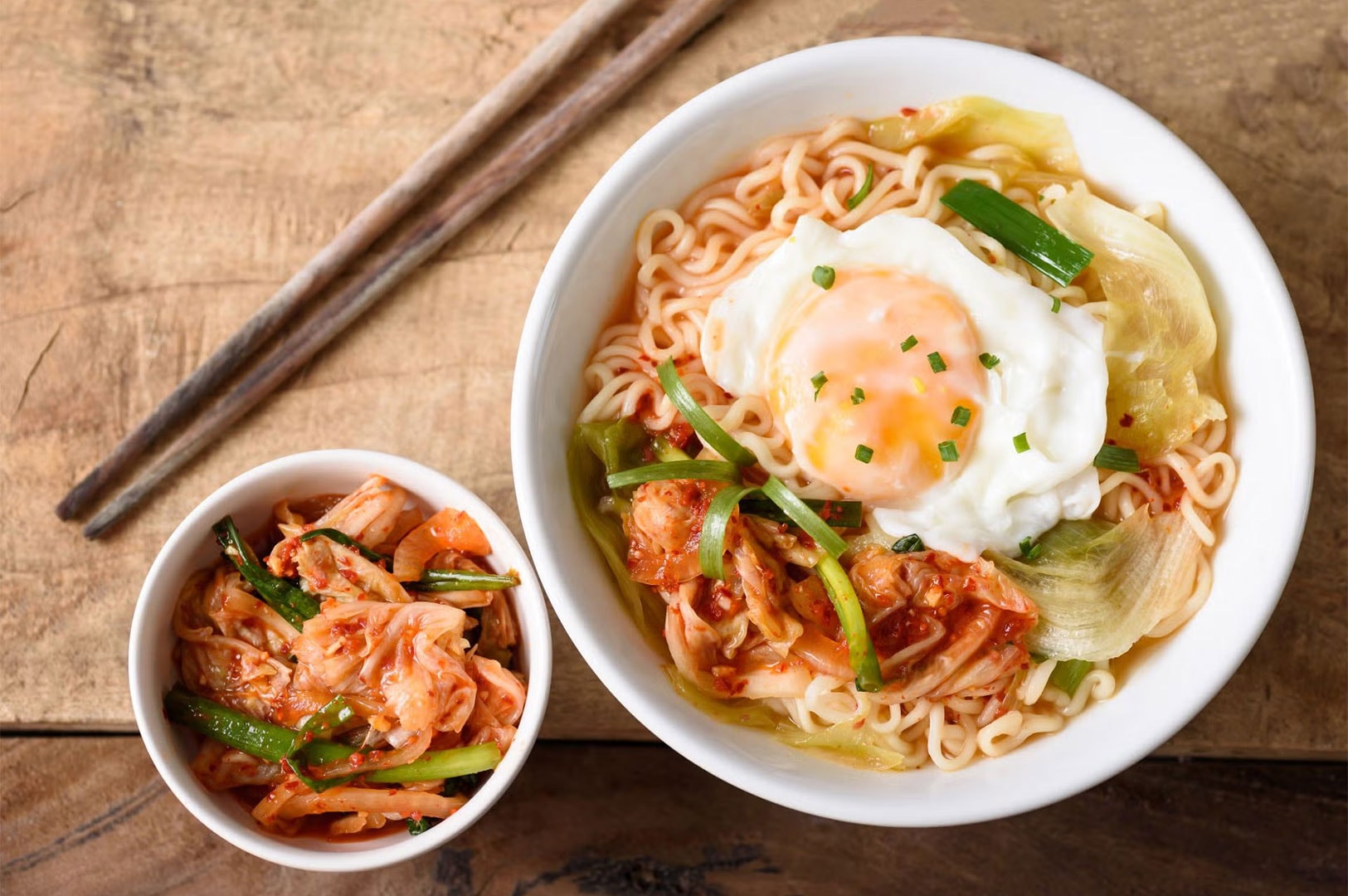
In the modern era, Korean instant noodles have become a global phenomenon, known for their bold, spicy broth and chewy texture. Loved for their flavor and versatility, these ramyeon are often customized with additions like mozzarella cheese, rice cakes (tteok), or thinly sliced beef to elevate a quick snack into a gourmet dish.
The key to perfect ramyeon lies in cooking time—removing the noodles while slightly underdone preserves their signature bouncy texture, with the spicy broth finishing the cooking. Whether enjoyed at a convenience store or home, Korean instant noodles embody the fast-paced, innovative spirit of modern Korea.
Professional Techniques for a Hearty Noodle Soup
If you want to recreate these Korean classics, you must master the fundamental cooking steps. Success begins with the water. When boiling any noodle dish, you must use a large volume of water to ensure the strands have room to move. This prevents the starch from making the noodles gummy.
For cold noodles like mul naengmyeon or soba noodles, the most critical step is the rinse. Immediately after the noodles are finished boiling, they must be plunged into an ice-water bath. You literally “wash” the noodles under the cold water, rubbing them together to remove the surface starch. This is what creates the legendary chewy texture and the “snap” that Korean diners look for. Without this step, the noodles will become soft and clump together, ruining the experience.
When dealing with Korean glass noodles, soaking is often as important as boiling. Letting the sweet potato noodles sit in warm water before they hit the pan allows them to hydrate evenly, ensuring they stay tender even after being stir-fried with vegetables and meat. And remember, the sauce should always be added while the noodles are still warm, as this allows the porous surface to absorb the flavor of the soy, garlic, and sesame.
Pairing and the Ritual of the Meal
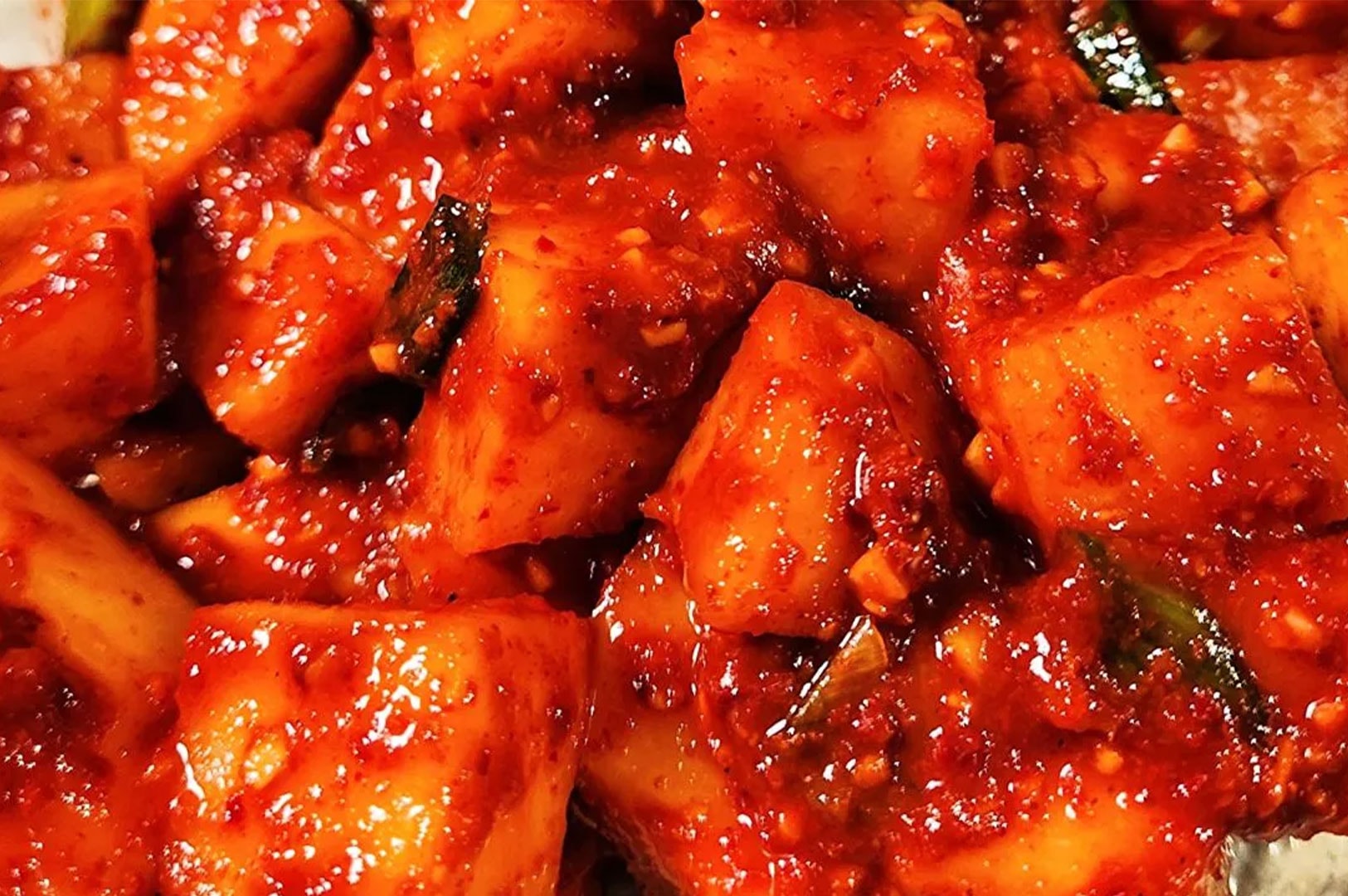
To truly enjoy noodles in the Korean tradition, one must consider the harmony of the entire table. A noodle dish is rarely eaten in isolation; it is a collaborative effort between the main bowl and a parade of fermented condiments.
- Banchan: A hot noodle soup might be paired with a crisp radish kimchi (kkakdugi), while a spicy noodle salad is often balanced by mild, seasoned bean sprouts.
- Protein and Rice: It is not uncommon to see a small side of rice served with ramyeon, intended to be mixed into the leftover spicy broth at the end of the meal.
- Beverages: To mellow the heat of a spicy dish, a glass of cold rice wine (makgeolli) or a chilled green tea is ideal. The light astringency of a high-quality green tea cleanses the palate, making every bite of the savory noodles feel like the first.
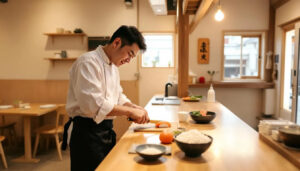
In Korean restaurants, the experience is as much about the environment as the food. The sounds of slurping are actually a compliment to the chef, indicating that the noodles are being enjoyed while they are at their peak temperature and texture. Whether you are sitting on a floor cushion in a traditional house or standing at a neon-lit stall, the ritual of the noodle remains a constant throughout Korea.
The Science of the Chew: Why Korean Noodles are Unique
To achieve the perfect chewy and bouncy noodles consistency, Korean manufacturers and chefs often play with the protein content of the flour. For Korean knife cut noodles, a higher gluten content allows the dough to be stretched and sliced without breaking, maintaining its structural integrity in a hot soup.
In contrast, the sweet potato noodles used in japchae rely on the specific starch molecules of the sweet potato. When boiled, these starches gelatinize to create a translucent, tender strand that is incredibly efficient at absorbing all the sauce. This scientific approach to texture is what separates Korean food from other Asian noodle cultures. The “bite” is everything; if a noodle is too soft, it loses its soul. This is why the boiling process is monitored with such intensity, often involving adding cold water back into the pot to “shock” the wheat noodles into a firmer state.
Regional Variations: A Map of Flavors
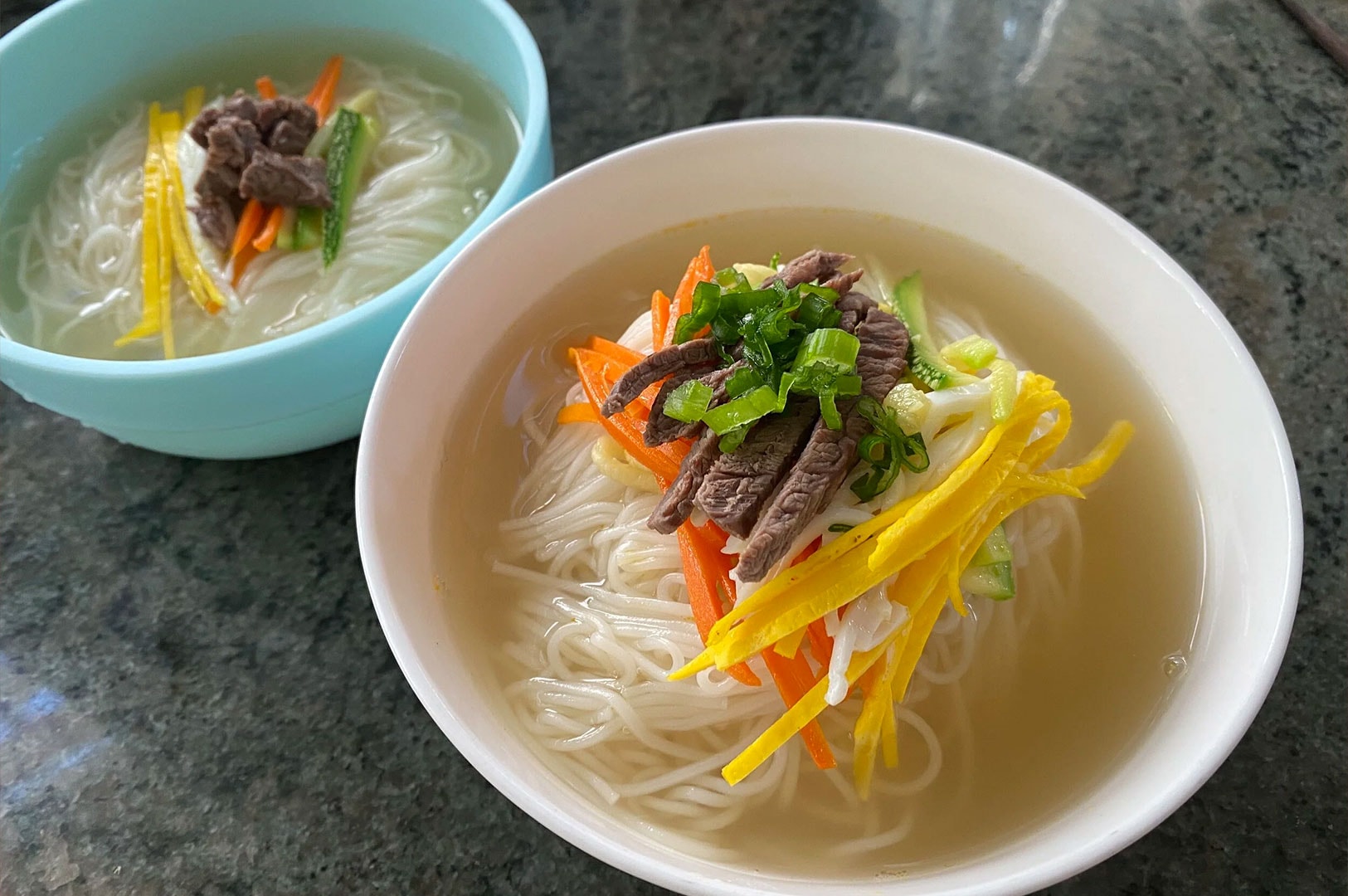
Every corner of Korea offers a different take on the noodle dish. In the southern port city of Busan, the sea influences every bowl. You might find a seafood kalguksu brimming with local shellfish and garnished with roasted seaweed. In the agricultural heartlands, janchi guksu (banquet noodles) remains the king of celebrations. These thin wheat noodles in a light anchovy broth are the ultimate symbol of hospitality.
Even the humble noodle salad varies by region. In some parts of Korea, it is served with a fermented stingray garnish, adding a chewy, pungent layer to the spicy noodles. In others, the focus is on the garden, with an abundance of mushrooms, fresh green onions, and foraged greens making the dish a nutritional powerhouse. For the home cook, exploring these regional recipes is a way to travel through Korea without leaving the kitchen.
A Heritage in Every Strand
Whether you are seeking the handmade touch of Korean knife cut noodles or the quick satisfaction of Korean instant noodles, the world of Korean noodles offers an endless variety of delicious possibilities. It is a cuisine that manages to be both ancient and cutting-edge, respecting the slow-cooked broth of the past while embracing the ramen innovations of the future.
By mastering the boiling process, understanding the unique properties of sweet potato noodles, and choosing the right key ingredients, you can recreate these authentic Asian tastes. It is a way to honor a heritage that finds beauty in the humble vegetables, the strength of the grain, and the simple joy found in every long, chewy strand. Every bowl is an invitation to experience the heart of Korea, one delicious bite at a time.

The Emerald Journey: Exploring Asia’s Green Milk Tea Culture
Eat Drink Asia Team | December 16, 2025
A vibrant, emerald-hued wave is sweeping across Asia, delighting taste buds and defining modern café culture. From street-side stalls in Bangkok to chic tea houses in Taipei, green milk tea—sometimes simply called green tea with milk—has blossomed from a simple concept into a beloved, refreshing drink with countless regional interpretations and profound cultural significance. Whether…
-
Thai Green Milk Tea: The Complete Guide to Thailand’s Refreshing Emerald Delight
Eda Wong | December 13, 2025
Picture a tall glass filled with crushed ice, its emerald-green contents swirled with ribbons of creamy white milk—this is thai green milk tea, one of Southeast Asia’s most visually striking and refreshing drinks. Known locally as cha khiao nom yen, this popular drink has captured hearts across Asia and beyond with its distinctive pale green…

Best Thai Singapore: Discover the Art of Authentic Pad Thai
Dio Asahi | December 11, 2025
In Singapore, a city that celebrates a universe of flavors, the magnetic pull of Thai cuisine is undeniable. From bustling food courts to elegant dining rooms, the kingdom’s culinary ambassadors have firmly planted their flag. When considering the best Thai food, it’s impossible to overlook how integral Pad Thai is to the local Thai food…
-
Thai Cuisine in Singapore: Finding the Best Authentic Flavors
Eat Drink Asia Team | December 9, 2025
The unmistakable aroma of lemongrass, galangal, and fiery spices mingles with the bustling night air in Singapore, setting the stage for a dining experience that wakes the soul and tantalizes the senses. Thai cuisine in Singapore has become an essential part of the city’s culinary landscape, offering a complete blend of vibrant flavor, tangy notes,…
-
The Ultimate Guide to Thai Food: Flavors, Traditions, and Culinary Adventures
Dio Asahi | December 6, 2025
Thai cuisine is one of the world’s most beloved and complex culinary traditions, captivating food enthusiasts globally with its masterful balance of flavors and vibrant presentations. From bustling Bangkok street stalls to high-end international restaurants, Thai food has become a global phenomenon that evolves while maintaining its authentic roots. What sets Thai cuisine apart from…
-
How to Drink Sake: Your Guide to Enjoying Japanese Sake Wine
Eda Wong | December 5, 2025
As Japan’s national beverage, this traditional sake is present at celebrations, quiet dinners, and spiritual offerings, weaving itself into the very fabric of daily life and reflecting Japan’s deep-rooted cultural heritage. Yet, for many outside of Japan, it remains a delightful mystery. You might find yourself wondering, how do you drink sake properly to unlock…
-
The Quiet Pursuit of Perfection: Where to Find the Freshest Sashimi in Singapore
Eat Drink Asia Team | December 3, 2025
In Singapore, a city that moves at a dizzying pace, there is a quiet but growing reverence for pursuits that demand patience. Nowhere is this more apparent than in the city’s evolving appreciation for authentic Japanese cuisine. The once-niche world of omakase has entered the mainstream lexicon, and with it, a more discerning palate for…

Understanding Sake Alcohol Content: A Complete Guide to ABV and Flavor
Eda Wong | December 2, 2025
When exploring Japanese sake, many wonder about its grades and complex flavors. Sake’s unique profile offers remarkable versatility, enjoyed in various serving styles and paired with diverse dishes. One fundamental aspect is sake alcohol content. Is sake stronger than wine? How does its alcohol by volume (ABV) compare to beer? The answer is nuanced. Understanding…
-
Japanese Sake: The Complete Guide to Japan’s Traditional Rice Wine
Dio Asahi | November 29, 2025
Japanese Sake: The Complete Guide to Japan’s Traditional Rice Wine While sake has been Japan’s national beverage for over a millennium, its popularity across Asia is at an all-time high. Rooted in Japan’s traditional brewing methods and centuries-old origins. It symbolizes Japan’s cultural heritage and craftsmanship. Understanding this complex brewed alcoholic beverage opens doors to…

Best Japanese Foods in Japan: The Must-Try Dishes
Eda Wong | November 27, 2025
Why Japanese Food Is Worth the Trip Japan’s culinary world extends far beyond well-known sushi and ramen, revealing a rich variety of regional specialties cherished by locals. While many travelers stick to popular Japanese foods in tourist areas, authentic flavors are best discovered in neighborhood markets, family-run eateries, and seasonal menus reflecting centuries of Japanese…