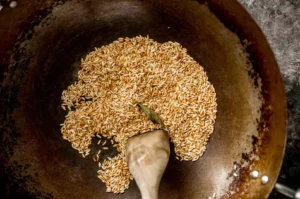
A wok sits over a low flame, and a handful of raw sticky rice slides across its dry surface. No oil, no water—nothing but heat and patience. The grains pale, then blush amber, then deepen toward the color of weak tea. Someone shakes the pan in a slow, even rhythm, listening as much as watching. The kitchen fills with a smell that is part popcorn, part roasted nut, part something older and harder to name. When the rice is ready, it goes into a stone mortar, still warm, and a pestle begins to turn it into coarse, fragrant dust.
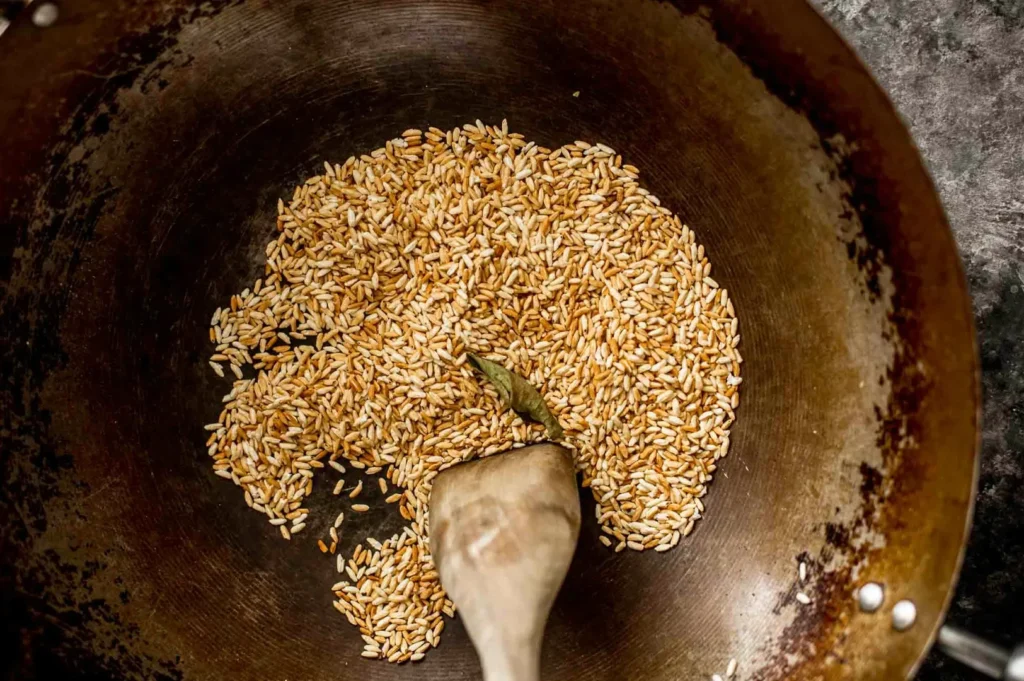
This dust is khâo khua (roughly khao koo-ah): toasted rice powder. In thailand food, it’s the kind of near-invisible seasoning that quietly decides whether a dish feels merely dressed or fully composed. The process is exactly what it sounds like: uncooked glutinous rice, dry-toasted until it browns and smells nutty, then ground while still warm so it keeps its aroma. The result is not flour. It is deliberately coarse, somewhere between fine sand and cracked pepper, with enough grit to register on the tongue.
In a dish like larb, the minced meat salad of the north and northeast, this powder does quiet structural work. It absorbs the loose liquid pooling at the bottom of the bowl, gives the lime and fish sauce something to cling to, and adds a toasted backbone beneath the bright, sour, chili-sharp surface. Without it, larb tastes thinner, wetter, less anchored.
You notice khâo khua most when it is missing. At a shared table, where bowls of larb sit beside sticky rice pressed into balls by hand, the powder is the reason a pinch of salad holds together on your fingers. It explains why the dish feels dry in the deliberate sense—not parched, but composed, each bite clinging rather than running. Cooks make it in small batches because it goes stale, losing the very nuttiness that justified the toasting. A jar kept too long turns flat and dull. So the grinding becomes part of the cooking rhythm itself, done close to the meal, often by whoever is already standing at the mortar pounding chilies.
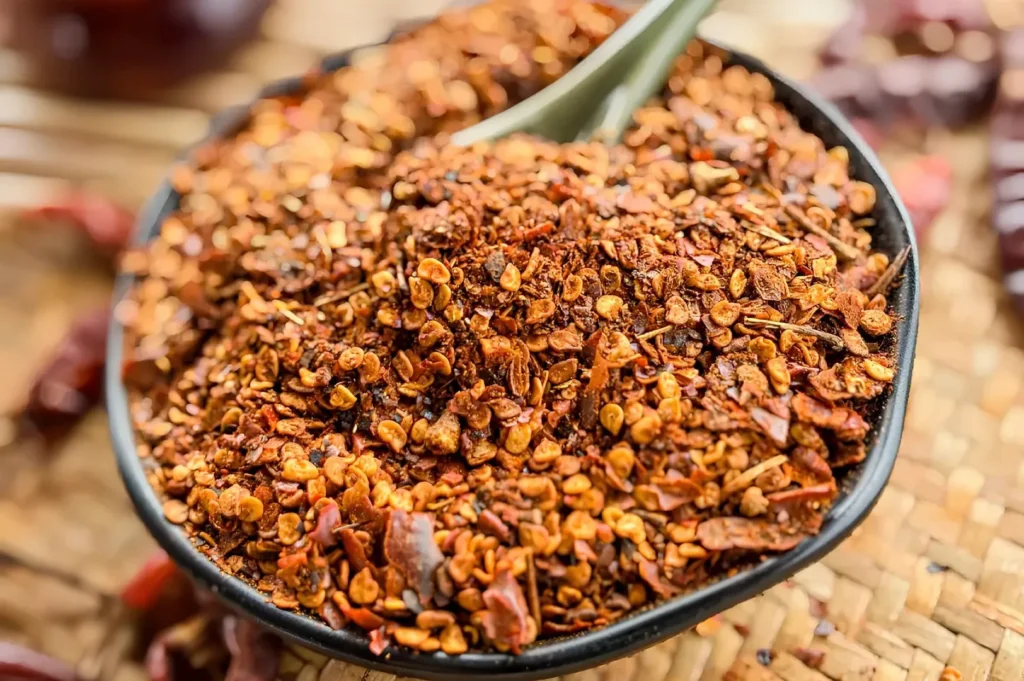
What feels worth noticing now is how easily this step disappears. Pre-ground rice powder sits on shelves, convenient and consistent, and it works well enough that many never toast their own. But fresh khâo khua carries a depth the packaged kind cannot hold, a warmth that fades within days of grinding. The tension is small but real: a few minutes of attention against a shortcut that costs almost nothing. The powder is nearly invisible in the bowl, yet it decides whether larb sings or merely sits.
I keep returning to that contradiction. The most essential element in the dish is the one you can barely see: a scatter of toasted dust that asks for patience and gives back texture, aroma, and the simple logic of dryness.

Banana Leaf Steam: Why Some Rice Smells Like Home
Eda Wong | July 10, 2026
Steam rises from the pot, and a woman lifts a banana leaf over the open flame, turning it once, twice, until its stiff green softens and the surface goes glossy and pliant. She wipes it down with a damp cloth, then spoons hot rice into its center while the grains still steam. The leaf releases…
-
Tambuah Mas Paragon, Delivered: Unique Food Delivery Singapore With Old-School Comfort
Eda Wong | July 9, 2026
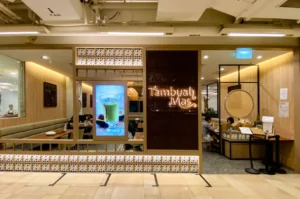
I ordered from Tambuah Mas on a rainy Sunday at around 6:15pm, mostly because I wasn’t in the mood to dress up and head into town, but I still wanted a proper meal. Not a sad one-bowl lunch. A real spread. That’s the thing about Tambuah Mas. It’s been around since 1981, serving Indonesian home-style…
-
Toasted Rice Powder: The Dust That Makes Larb Sing
Dio Asahi | July 8, 2026
A wok sits over a low flame, and a handful of raw sticky rice slides across its dry surface. No oil, no water—nothing but heat and patience. The grains pale, then blush amber, then deepen toward the color of weak tea. Someone shakes the pan in a slow, even rhythm, listening as much as watching….
-
Ordering Lunch From Co Hai Banh Mi, and Finding Out the Definition of Good Food Delivery
Dio Asahi | July 7, 2026
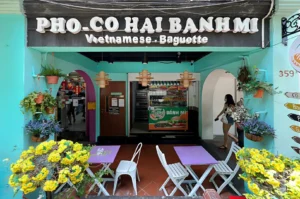
I ordered lunch from Co Hai Banh Mi & Phở Vietnamese Restaurant on a Thursday at 12:08pm, which is probably the worst and most honest time to test delivery food. It was raining lightly, the kind of Singapore lunch rain that makes every rider slower and every office worker hungrier. I had been thinking about…

Orchard Plaza Food: Hidden Japanese Restaurants and Local Eats Near Somerset
Eat Drink Asia Team | July 4, 2026
Orchard Plaza is one of those buildings we kept walking past before we properly understood it. From the street, it looks more like an office block than a dinner plan. But over repeated visits, usually after work or during odd lunch windows, we’ve found that the real charm sits behind lift doors, quiet corridors, and…
-
Salted Egg, Properly Treated: Sauce, Not Shortcut
Eda Wong | July 3, 2026
By Eda Wong for Eat Drink Asia. The wok station is already hot when the cook lowers the flame. In the narrow back of a Singapore zi char kitchen, the air smells of butter, curry leaves, and the faint mineral edge of salted duck egg. A metal spatula presses cooked yolks through oil until they…
-
Fish Sauce at the Table: The Quiet Work of Fish Sauce
Dio Asahi | July 1, 2026
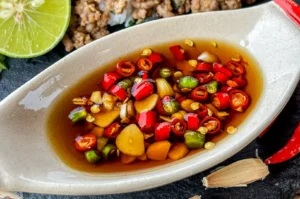
At a narrow lunch table in Bangkok, the bottle arrives before the rice has stopped steaming. It is clear glass, refilled many times, its plastic cap slightly stained from years of fingers and heat. Beside it sits a small bowl of sliced chillies floating in amber liquid, the cut edges pale and sharp. Someone nudges…
-
Eat 3 Bowls Bendemeer Review: A Taiwanese Comfort Food That Delivers
Eda Wong | June 30, 2026
I ordered Eat 3 Bowls @ Bendemeer on a Thursday at about 11:45am, which is my favourite test window for delivery food. It’s close enough to lunch for the kitchen to be in rhythm, but not so late that every rider in the neighbourhood is already fighting the office crowd. By 12:25pm, the bag was…
-
ABC Hokkien Mee After Renovation: What to Expect When the Woks Return
Dio Asahi | June 27, 2026
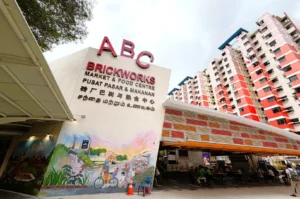
When I first walked past a hawker centre undergoing major renovations, the absolute silence unsettled me. The usual rhythmic scrape of metal spatulas against cast-iron woks was gone, replaced by the hum of construction. It made me realise just how much our culinary journeys are tied to the physical spaces we eat in. Right now,…
-
Claypot Rice Crusts: Listening for the First Crackle
Eda Wong | June 26, 2026
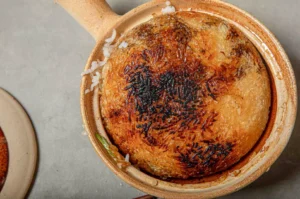
The narrow alleyway in Yau Ma Tei smells of charcoal and dark soy sauce, a thick coastal humidity pressing against the glow of the stoves. An elderly cook stands before a row of blackened sand-clay pots, a long metal tong in his right hand. He does not watch the flames; he listens to them. There…