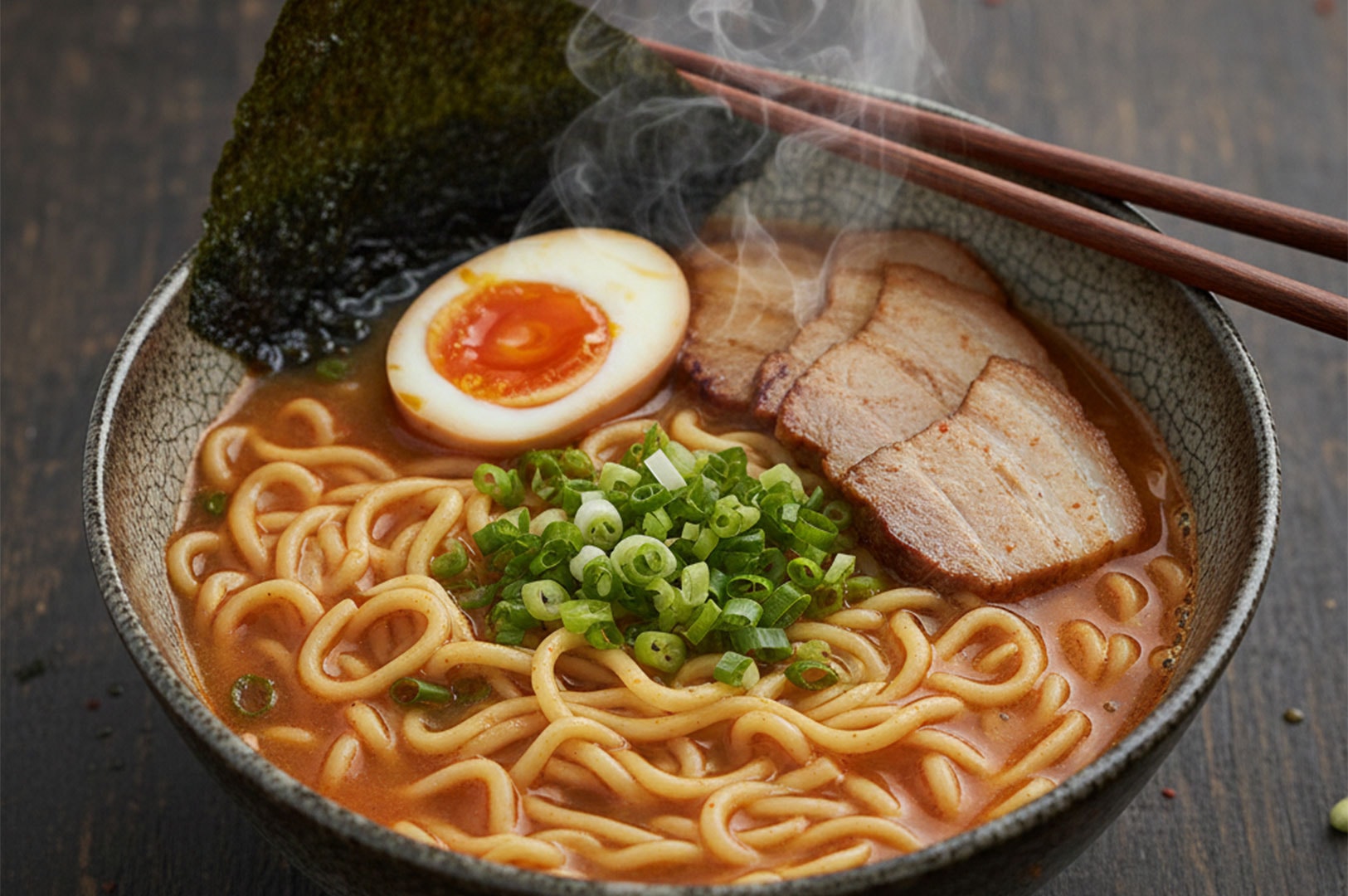
In the bustling culinary landscape of South Korea, few comfort foods can match the satisfaction of a steaming bowl of ramyeon. While outside of Korea, “ramyeon” often brings to mind Korean instant noodles or instant ramen, true ramyeon Korean style refers to the artful, freshly prepared noodle soup enjoyed in homes and at local restaurants across the country. This is the traditional Korean ramyeon—a dish built on deep, robust broths, chewy wheat noodles, and a variety of delicious toppings that showcase the heart of Korean cuisine.
Before we dive into the world of traditional ramyeon, it’s important to distinguish it from instant noodles or instant ramyeon found in convenient ramyeon packets. Forget the dried vegetables or fried, curly noodles you find in a supermarket. We are exploring the authentic, restaurant-style ramyeon noodles that reflect true Korean food tradition—dishes that, much like Japanese ramen or Chinese noodles, are made to be savored, not rushed.
History & Cultural Context of Korean Ramyeon
The story of ramyeon in Korea is one of culinary creativity and adaptation, with roots tracing back to Chinese noodle traditions. As Chinese noodles made their way to Korea, they evolved into local styles, leading to noodle dishes that reflected Korean tastes—bolder flavours, generous use of chili, and an emphasis on communal dining. Unlike Japanese ramen or famous ramen noodles like tonkotsu ramen and shio ramen, Korean ramyeon built its own path, embracing the heat of gochugaru and the taste of the land and sea.
Over the years, ramyeon became central in Korean households and a staple at many small noodle shops and ramen shop establishments. Most Koreans grew up eating some form of ramyeon, whether a restaurant-prepared bowl with freshly made noodles or a simple dish crafted at home. Beyond being a meal, it’s about sharing—a warm bowl in the middle of a bustling city, late-night eats with friends, or a family gathering celebrating Korean culture.
As one of Korea’s most beloved and popular foods, ramyeon embodies both the accessibility of classic comfort food and the depth of traditional cuisine. To appreciate the full breadth of Korean noodles, including iconic dishes with black bean sauce or other regional specialties, you can explore our The Heart of the Korean Noodles: History and Texture.
What Makes Traditional Ramyeon So Special?
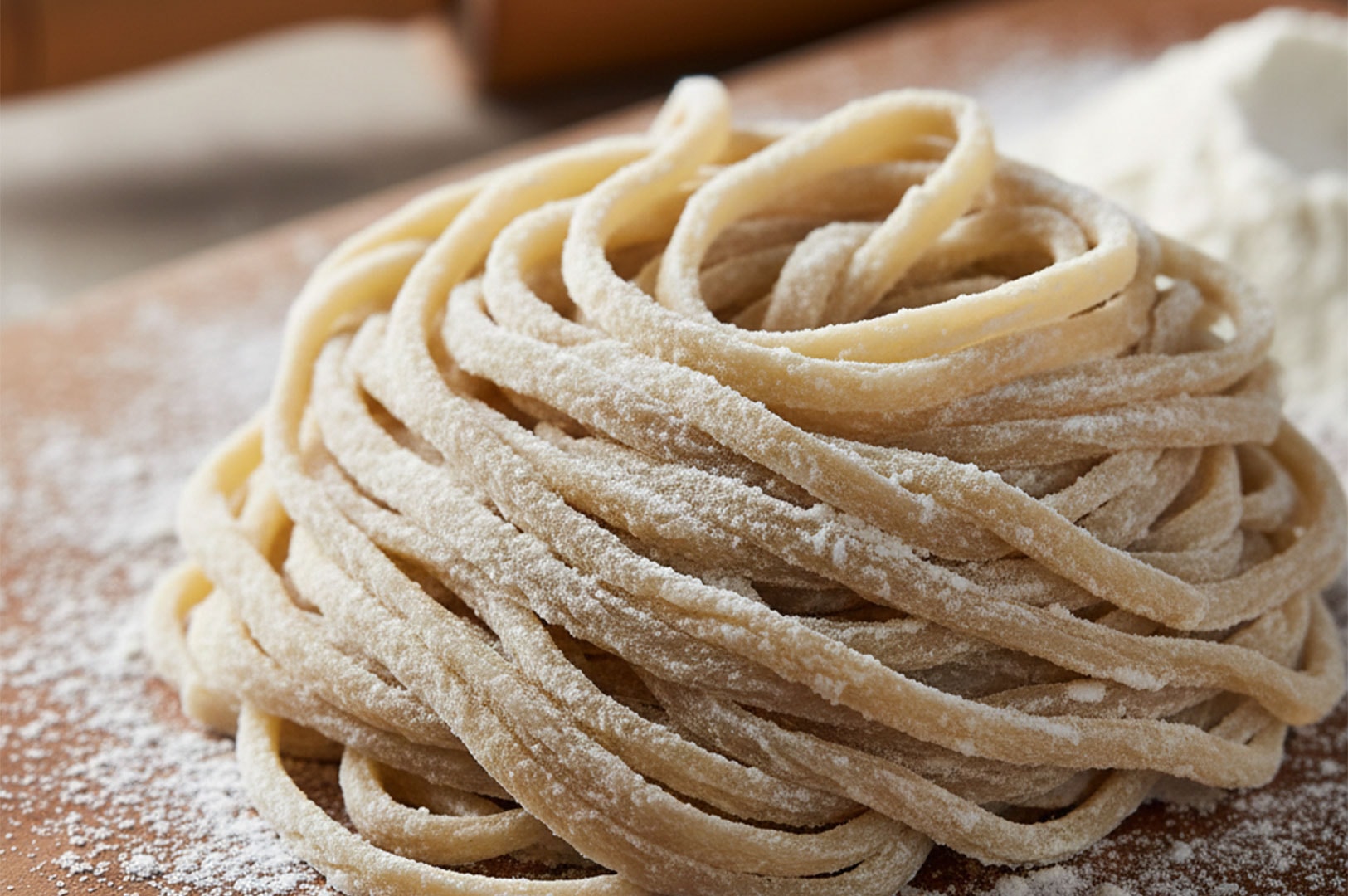
Authentic ramyeon stands out for its attention to quality and detail:
- The noodles: Traditional ramyeon noodles are made from wheat flour, producing a bit chewy, satisfying texture distinctly different from the instant version. Fresh ramen, not dried, absorbs the rich broth and maintains good bite until the last mouthful.
- The broth: The broth is the essence of the dish, prepared from chicken bones, beef bones, anchovies, or seafood, often simmered for hours. Ramen shops across Korea pride themselves on broths ranging from chicken-based broth with light clarity to spicy seafood stocks or deep beef flavors. Sometimes, soybean paste, soy sauce, or even a touch of fish sauce is added for complexity.
- The toppings: A steaming bowl arrives crowned with an array of various toppings: thinly sliced pork, shrimp, fresh vegetables, sliced green onions, dried seaweed, soft or hard boiled egg, perhaps even American cheese for a rich finish—each enhancing the taste and texture.
Unlike instant ramen or instant Korean ramyeon, every element of traditional ramyeon is cooked to order, highlighting the importance of the process in Korean cooking.
Exploring Regional Variations of Korean Ramen Style
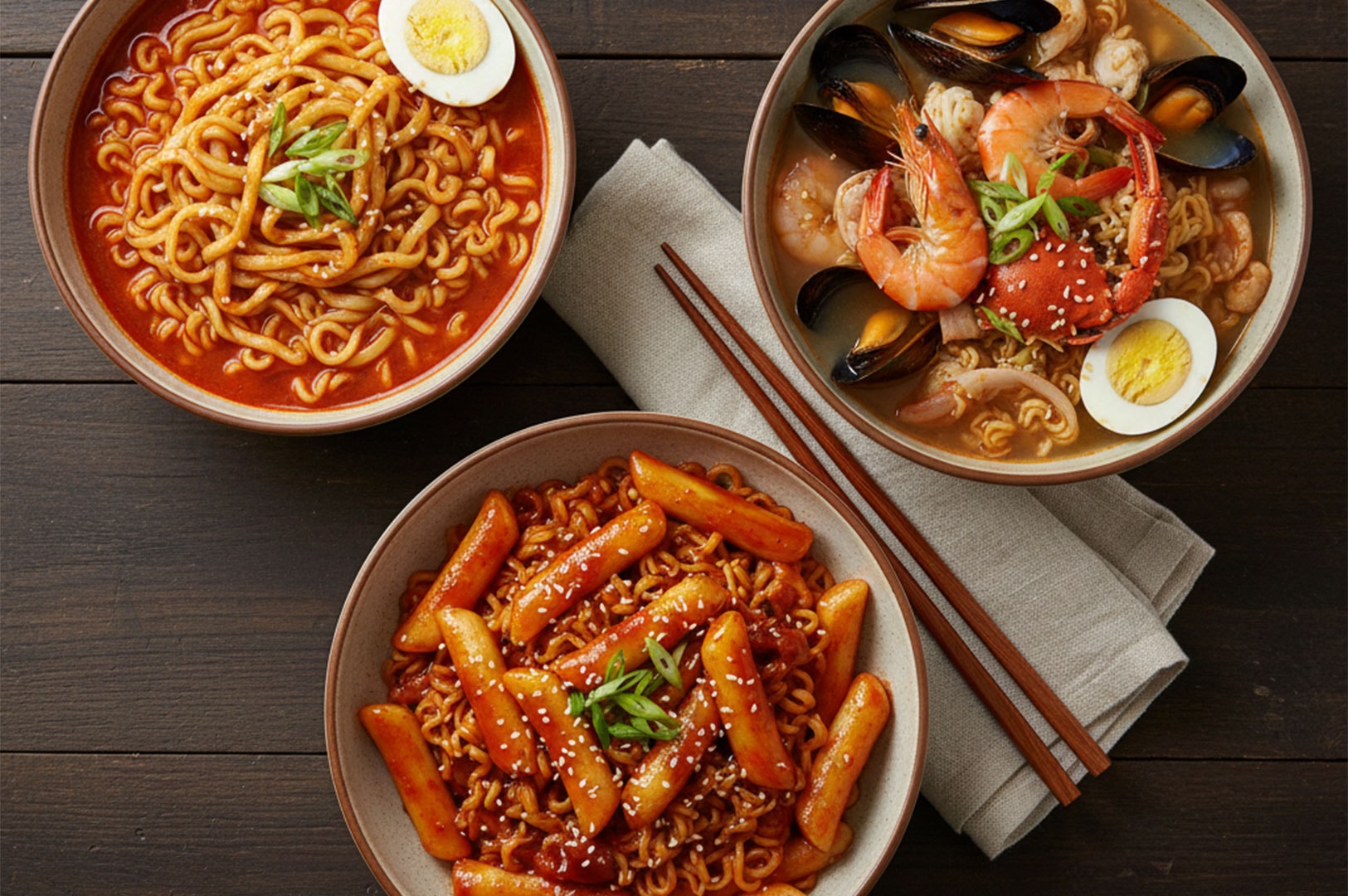
Much like Japanese ramen has shio, miso, or tonkotsu styles, Korean noodles express regional creativity in endless ways:
- Spicy ramyeon: Popular throughout Korea, these use a fiery soup base, filled with chili, garlic, and gochujang, delivering a bold, invigorating heat.
- Seafood ramyeon: Along the coast, steaming bowls arrive with fresh shellfish, crab claws, and shrimp, giving the broth briny depth. Haemul ramyeon is particularly beloved.
- Fusion styles: Some regions add rice cakes, creating tteokbokki ramyeon (also called rabokki), or blend black bean (jajang) sauce for a noodle dish reminiscent of Chinese origin. Both are popular at local eateries and street stalls.
- Broth variations: Certain areas favor a chicken-based broth, while others embrace beef, pork bones, or even fish stock for a lighter or richer taste profile.
Popular Traditional Ramyeon Dishes
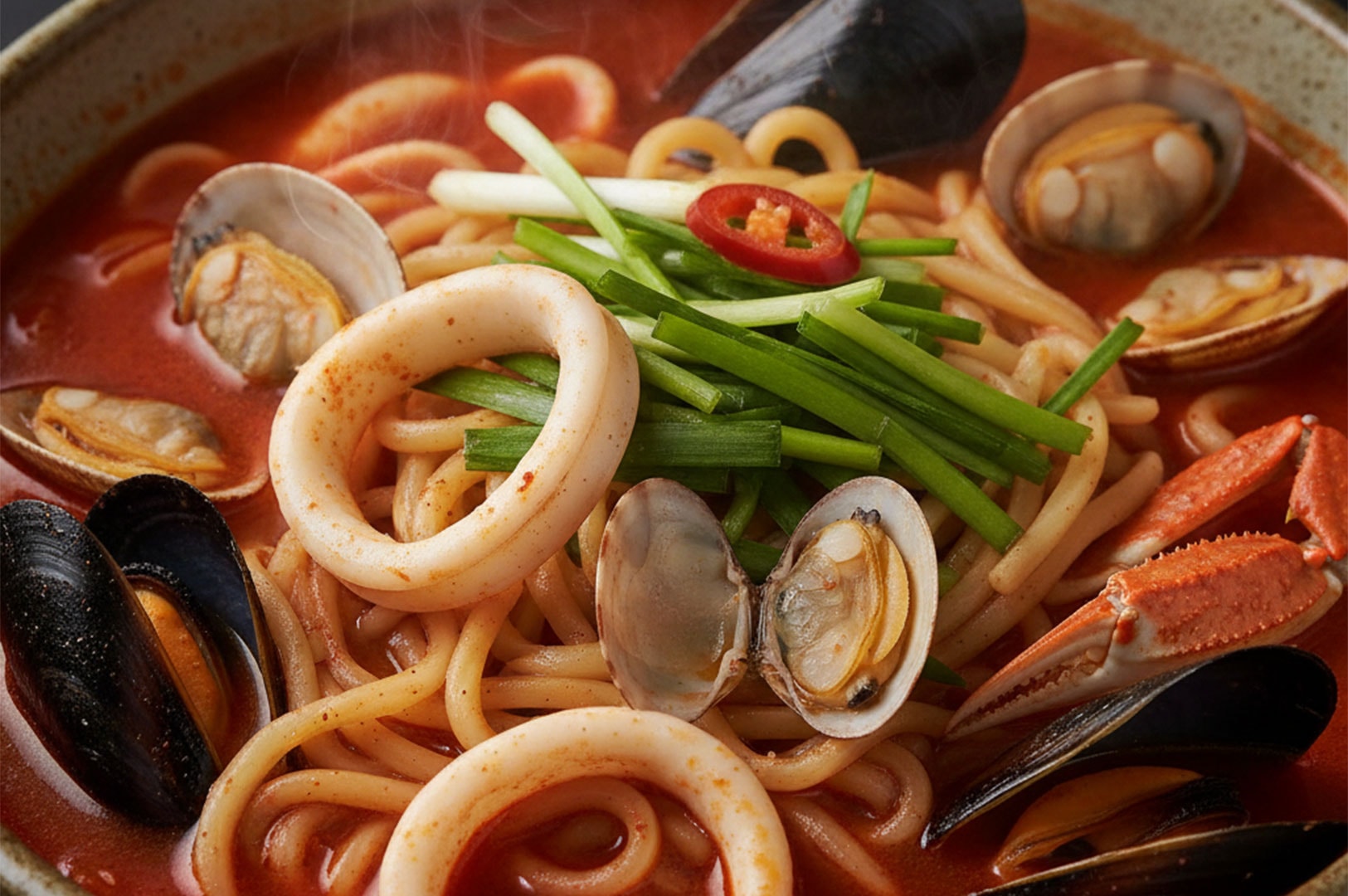
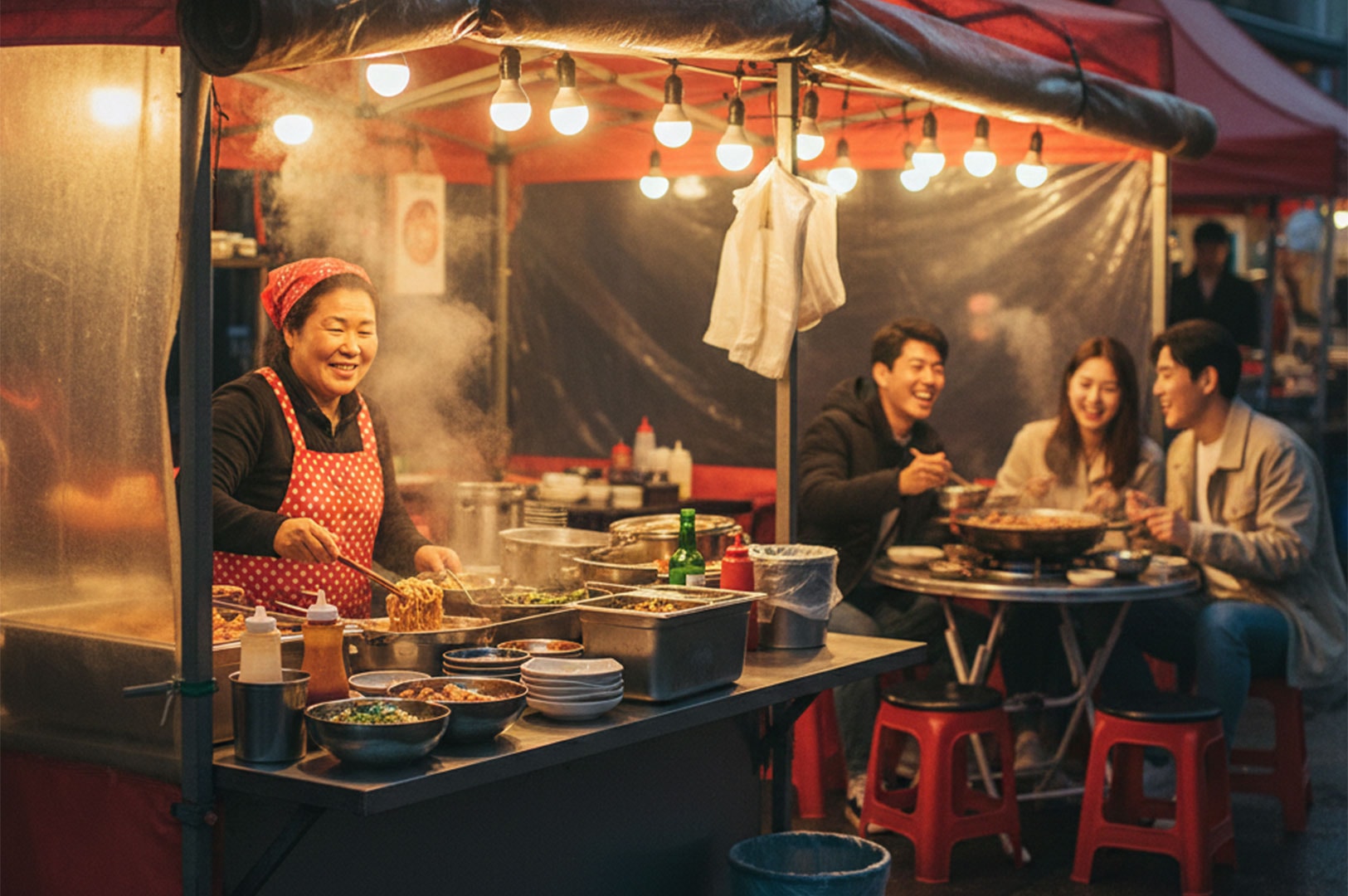
Step into a Korean ramen shop or street-side pojangmacha and you’ll find vibrant expressions of traditional ramyeon:
- Jjamppong: An oceanic storm in a bowl, with curly noodles, mussels, squid, shrimp, and vegetables in a spicy, red broth. It highlights Korea’s love of seafood and boldness in flavor.
- Haemul ramyeon: Seafood-centric, usually with a clearer soup base and mixed seafood toppings, a comfort food staple for those seeking the taste of the sea.
- Tteokbokki ramyeon (rabokki): This fusion brings together chewy rice cakes and ramen noodles in a spicy, sweet gochujang sauce. A favorite of K-pop fans and late-night snackers alike.
- Specialty bowls: You may find rich soy sauce ramyeon, bowls with a cracked raw egg stirred in for silkiness, or topped with kimchi, cheese, sesame seeds, or a fried egg.
Koreans are passionate about customizing their bowl, adding a slice of cheese or ingredient from home to make each meal their own.
How is Traditional Ramyeon Made?
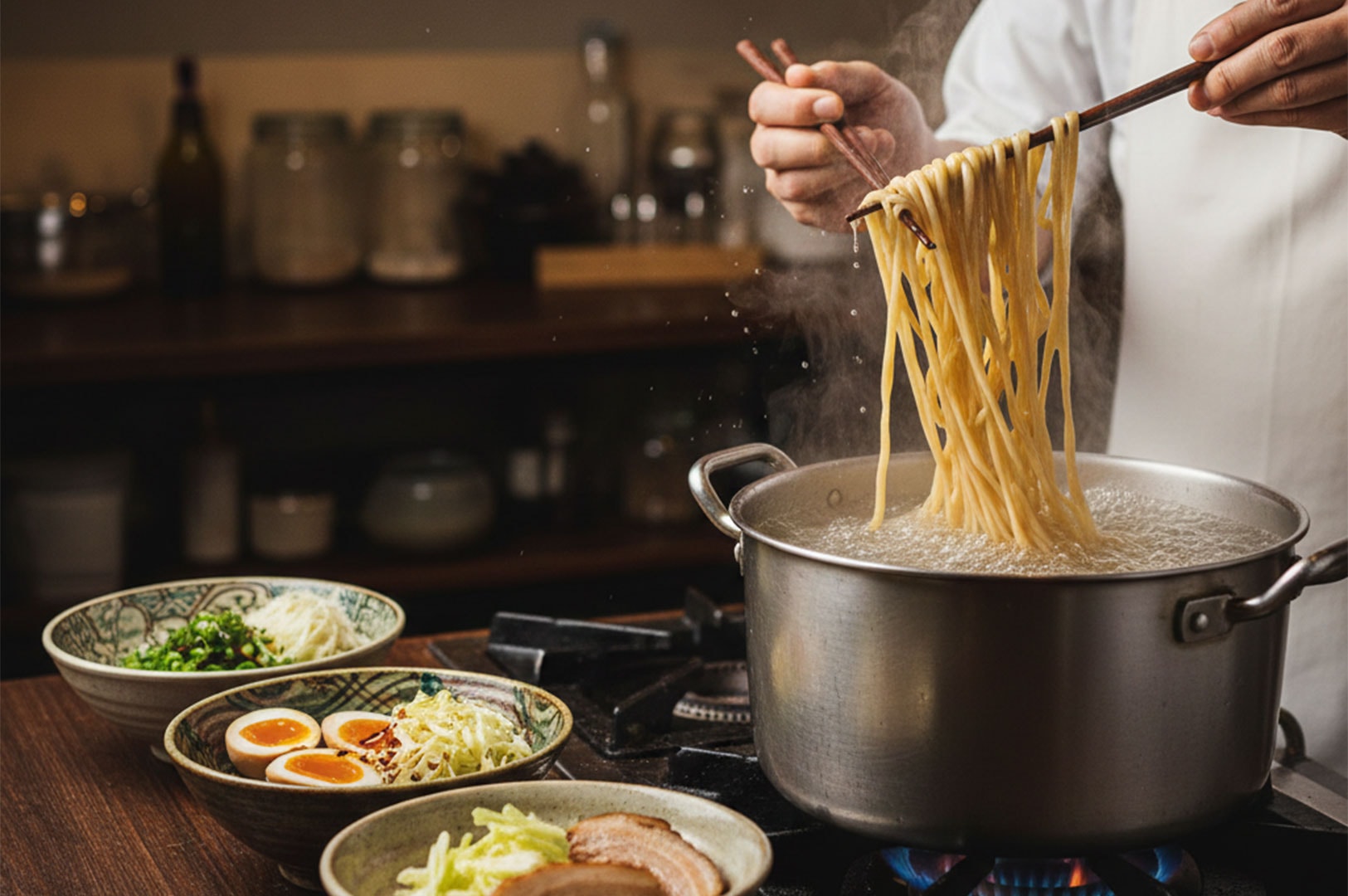
The authentic process is what sets traditional Korean ramyeon apart:
- Broth preparation: Broth is made by simmering ingredients like pork bones, chicken bones, anchovy, seaweed, fish sauce, and vegetables for hours, extracting bold flavours and umami. Some recipes may opt for a miso ramen-like base, or blend ingredients for layered flavors.
- Noodle cooking: Wheat noodles or fresh ramen are cooked separately in boiling water, then shocked in cold water for better texture—a hallmark of ramen noodles everywhere.
- Assembly: Noodles are portioned into deep bowls, broth is poured over, and various toppings (cooked meats, green onions, hard boiled egg, dried seaweed, fresh vegetables) are artfully arranged.
- Finishing touches: A swirl of chili oil, sprinkle of sesame seeds, or sometimes an egg directly beaten in, ensures each bowl is unique.
- Presentation: The meal is served piping hot, ready to lift with chopsticks and enjoyed as a simple dish that brings together years of culinary tradition.
Where to Experience Authentic Ramyeon
Most Koreans agree that to eat ramyeon at its best, one must visit a dedicated noodle house, order from a traditional ramen shop, or embrace the atmosphere of a street food pojangmacha. It’s here you’ll find those steaming bowls, full of character unique to each chef. Though instant ramyeon and branded products like Shin Ramyun and Jin Ramen are household names, they draw inspiration from these restaurant classics, capturing—however simply—a shadow of the original’s depth.
Cook Ramyeon and Discover a New Comfort Food
For Koreans, the difference between instant and traditional ramyeon is more than technique; it’s a matter of culture and pride. The freshly cooked noodles, hand-prepared toppings, and slow-simmered broth reflect values of patience and care, making ramyeon a dish both humble and significant in Korean ramen and Korean cuisine. Whether you prefer yours spicy, loaded with seafood, or finished with a fried egg, there’s nothing quite like slurping down that first bite from a steaming bowl.
At Eat Drink Asia, we celebrate these noodle dishes and invite you to seek out the rich, comforting layers of the real ramyeon Korean—a true icon of Korea’s culinary landscape.

The Coconut Spoon That Shapes Nyonya Kueh Salat
Eda Wong | August 21, 2026
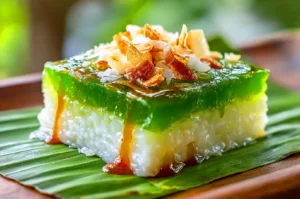
By Eda Wong for Eat Drink Asia. Steam curls up from a tray in the back of the kitchen, and the whole room smells green. Pandan, crushed and knotted, pushed through wet cloth until the leaves give up their colour. An auntie leans over the tray with a spoon carved from coconut shell, dark and…
-
Chicken Nasi Goreng Recipe: What Leftover Rice Becomes After the Wok Gets Serious
Dio Asahi | August 20, 2026
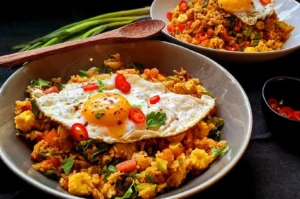
There’s a container of rice at the back of my fridge most weeks. Cold, a little hard, forgotten from a dinner two nights ago. Some people see that and think of waste. I see the start of something better. Because leftover rice doesn’t want to be reheated. It wants to be fried. And when it…
-
The First Ladle of Miso Soup in a Tokyo Breakfast Shop
Dio Asahi | August 19, 2026
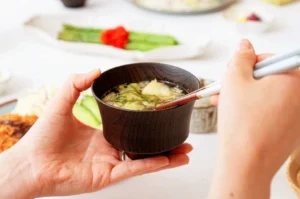
By Dio Asahi for Eat Drink Asia. The shop is barely wider than a hallway. Seven stools, a counter worn smooth, and behind it a woman ladling soup into small ceramic bowls before anyone has ordered it. Steam lifts off the surface and fogs the window against the cold morning. The bowl reaches me warm…
-
Chirashi Don Best Picks When Bowls Between the Sushi Counter and Lunch Are the Current Mood
Eat Drink Asia Team | August 18, 2026
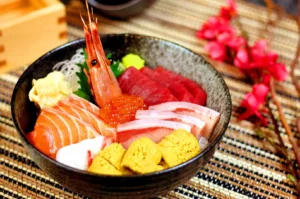
There’s a specific kind of hunger that a chirashi don answers. It’s not the hunger for a full sushi omakase, with its slow ceremony and its quiet counter watching. And it’s not the hunger for something thrown together and forgotten by three o’clock. It sits somewhere in between — fish and rice in one bowl,…
-
Kopi Through the Cloth: Why the Strain Matters
Eda Wong | August 17, 2026
By Eda Wong for Eat Drink Asia. It is not yet seven, and the uncle at Heap Seng Leong has the pot going. He works the sock strainer over the tin cup with both hands, dipping and lifting, dipping and lifting, coaxing the coffee through the worn cloth. Steam rises between his fingers. The smell…
-
SBCD Korean Tofu House and the Comfort Logic of Bubbling Soondubu
Eda Wong | August 15, 2026
It was raining the afternoon I went. Not the polite kind, the sort that drums against the glass of Guoco Tower and makes you glad you’re already underground. I hadn’t planned on soondubu. I’d planned on something quick, something I could eat between the errands piling up in my head. But the rain does something…
-
The Knife Work at Hanashizuku Japanese Cuisine, Three Floors Above the Noise
Eda Wong | August 14, 2026
By Eda Wong for Eat Drink Asia. The lift doors open on a floor of Cuppage Plaza that has seen better decades. Peeling signage. A corridor that smells faintly of old carpet and cigarette smoke drifting from somewhere. Then a door slides shut behind me, and the noise falls away. Inside Hanashizuku Japanese Cuisine, the…
-
Todamgol Restaurant and the Comfort Logic Behind Famous Korean Foods
Dio Asahi | August 13, 2026
It was close to nine on a Friday when I finally found the door. Tanjong Pagar was doing its usual thing, full tables spilling onto five-foot ways, soju bottles catching the light, someone laughing too loudly two doors down. I almost walked past Todamgol. Then the smell reached me. Fermented, smoky, a little sharp. The…
-
The Same Grill, Three Decades On, at Kazu Sumiyaki Restaurant
Dio Asahi | August 12, 2026
By Dio Asahi for Eat Drink Asia. The lift opens on the fourth floor of Cuppage Plaza and the smoke finds me before the door does. Charcoal, dark and earthy, threaded through with something richer — fat meeting fire. I follow it down a narrow corridor, past shuttered shops and flickering signage, until I reach…
-
Popular Korean Cuisine Has a Memory: Why Famous Korean Food Feels So Complete
Eat Drink Asia Team | August 11, 2026
The first time I ordered kimchi jjigae in Singapore, I made a small mistake. It came bubbling in a stone pot, and I ate it like soup, spoonful after spoonful, straight down, until my mouth was on fire and the bowl was half gone. The auntie across the counter watched me for a moment, then…