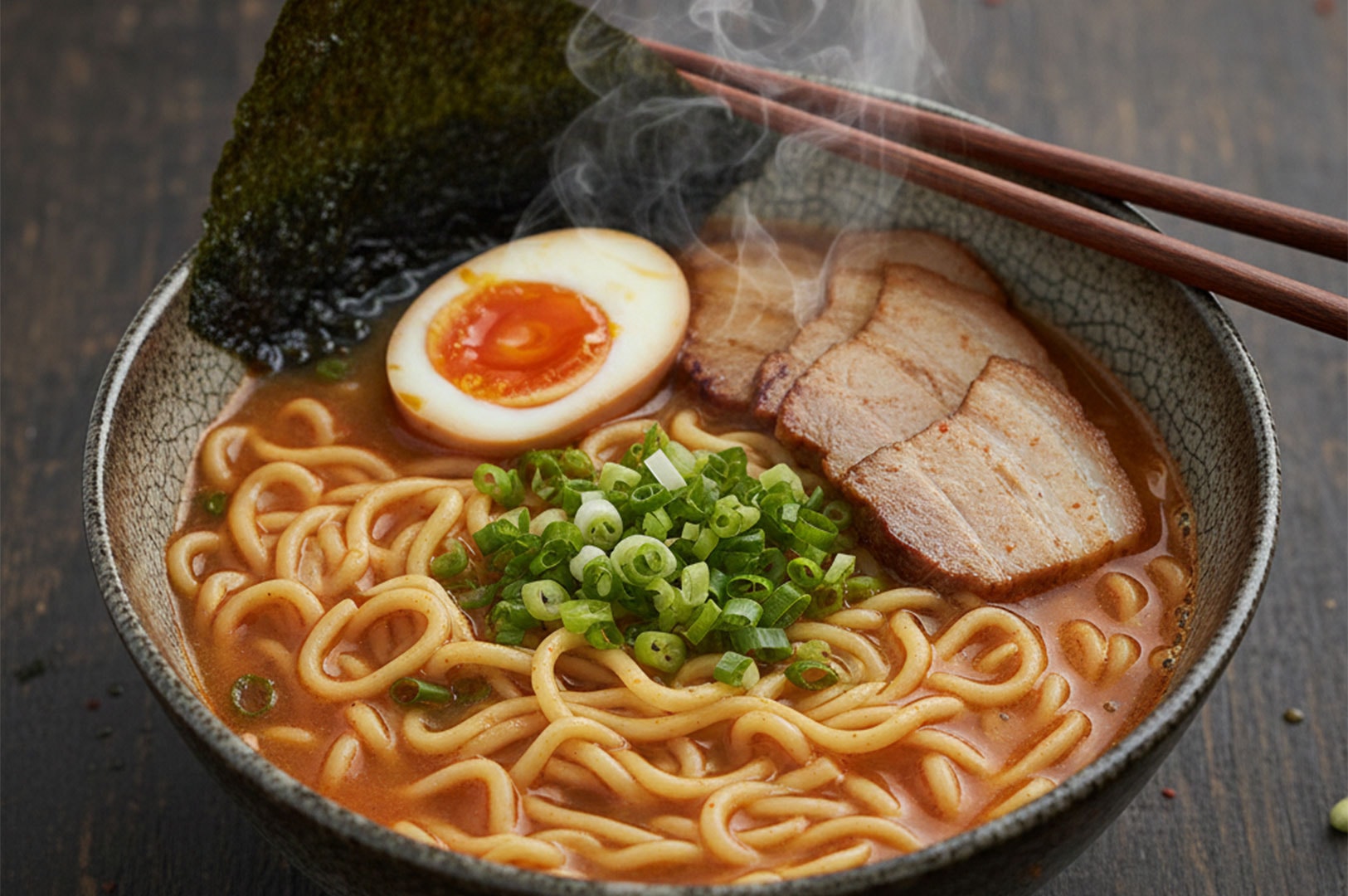
In the bustling culinary landscape of South Korea, few comfort foods can match the satisfaction of a steaming bowl of ramyeon. While outside of Korea, “ramyeon” often brings to mind Korean instant noodles or instant ramen, true ramyeon Korean style refers to the artful, freshly prepared noodle soup enjoyed in homes and at local restaurants across the country. This is the traditional Korean ramyeon—a dish built on deep, robust broths, chewy wheat noodles, and a variety of delicious toppings that showcase the heart of Korean cuisine.
Before we dive into the world of traditional ramyeon, it’s important to distinguish it from instant noodles or instant ramyeon found in convenient ramyeon packets. Forget the dried vegetables or fried, curly noodles you find in a supermarket. We are exploring the authentic, restaurant-style ramyeon noodles that reflect true Korean food tradition—dishes that, much like Japanese ramen or Chinese noodles, are made to be savored, not rushed.
History & Cultural Context of Korean Ramyeon
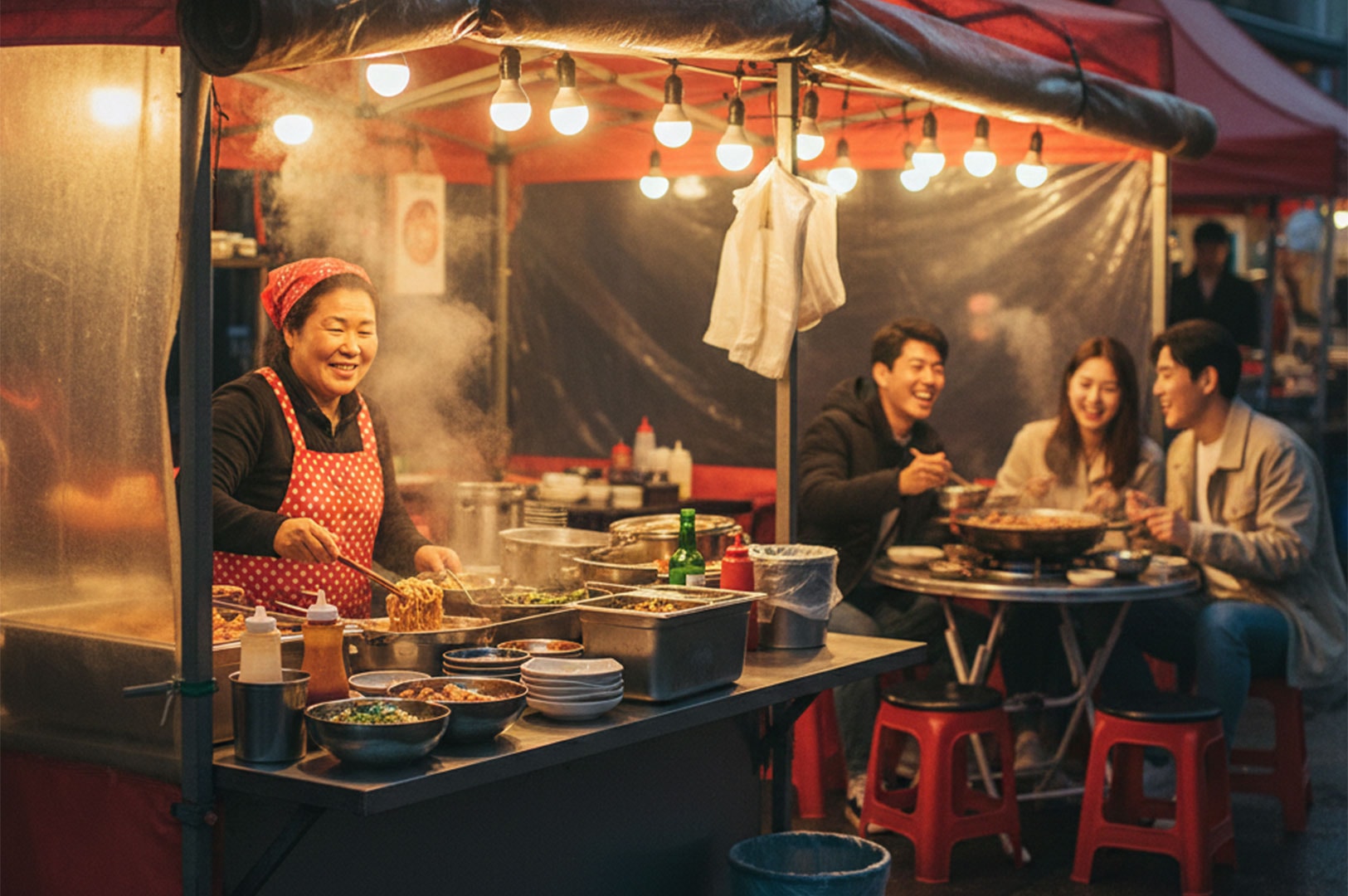
The story of ramyeon in Korea is one of culinary creativity and adaptation, with roots tracing back to Chinese noodle traditions. As Chinese noodles made their way to Korea, they evolved into local styles, leading to noodle dishes that reflected Korean tastes—bolder flavours, generous use of chili, and an emphasis on communal dining. Unlike Japanese ramen or famous ramen noodles like tonkotsu ramen and shio ramen, Korean ramyeon built its own path, embracing the heat of gochugaru and the taste of the land and sea.
Over the years, ramyeon became central in Korean households and a staple at many small noodle shops and ramen shop establishments. Most Koreans grew up eating some form of ramyeon, whether a restaurant-prepared bowl with freshly made noodles or a simple dish crafted at home. Beyond being a meal, it’s about sharing—a warm bowl in the middle of a bustling city, late-night eats with friends, or a family gathering celebrating Korean culture.
As one of Korea’s most beloved and popular foods, ramyeon embodies both the accessibility of classic comfort food and the depth of traditional cuisine. To appreciate the full breadth of Korean noodles, including iconic dishes with black bean sauce or other regional specialties, you can explore our The Heart of the Korean Noodles: History and Texture.
What Makes Traditional Ramyeon So Special?
Authentic ramyeon stands out for its attention to quality and detail:
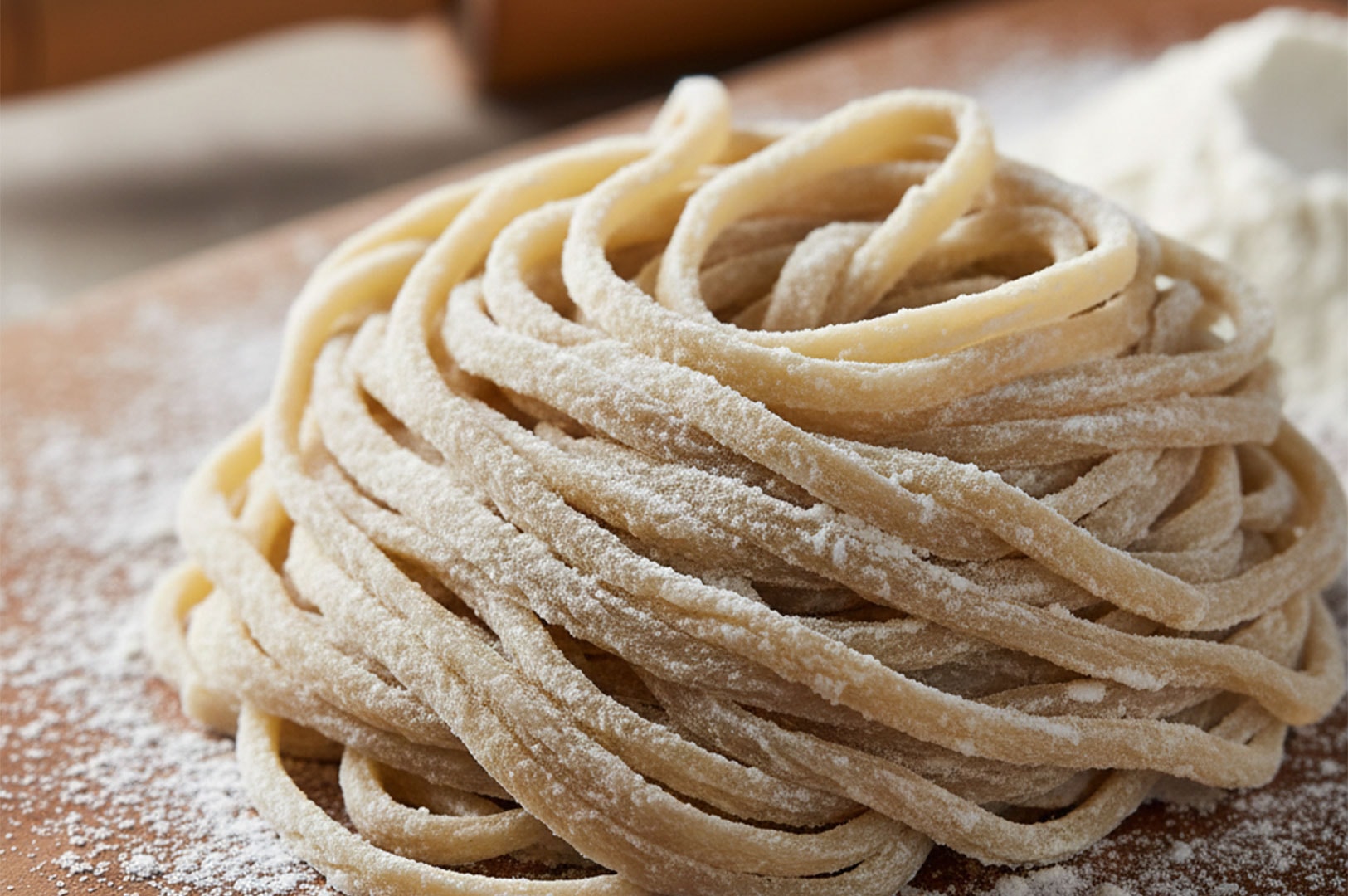
- The noodles: Traditional ramyeon noodles are made from wheat flour, producing a bit chewy, satisfying texture distinctly different from the instant version. Fresh ramen, not dried, absorbs the rich broth and maintains good bite until the last mouthful.
- The broth: The broth is the essence of the dish, prepared from chicken bones, beef bones, anchovies, or seafood, often simmered for hours. Ramen shops across Korea pride themselves on broths ranging from chicken-based broth with light clarity to spicy seafood stocks or deep beef flavors. Sometimes, soybean paste, soy sauce, or even a touch of fish sauce is added for complexity.
- The toppings: A steaming bowl arrives crowned with an array of various toppings: thinly sliced pork, shrimp, fresh vegetables, sliced green onions, dried seaweed, soft or hard boiled egg, perhaps even American cheese for a rich finish—each enhancing the taste and texture.
Unlike instant ramen or instant Korean ramyeon, every element of traditional ramyeon is cooked to order, highlighting the importance of the process in Korean cooking.
Exploring Regional Variations of Korean Ramen Style
Much like Japanese ramen has shio, miso, or tonkotsu styles, Korean noodles express regional creativity in endless ways:
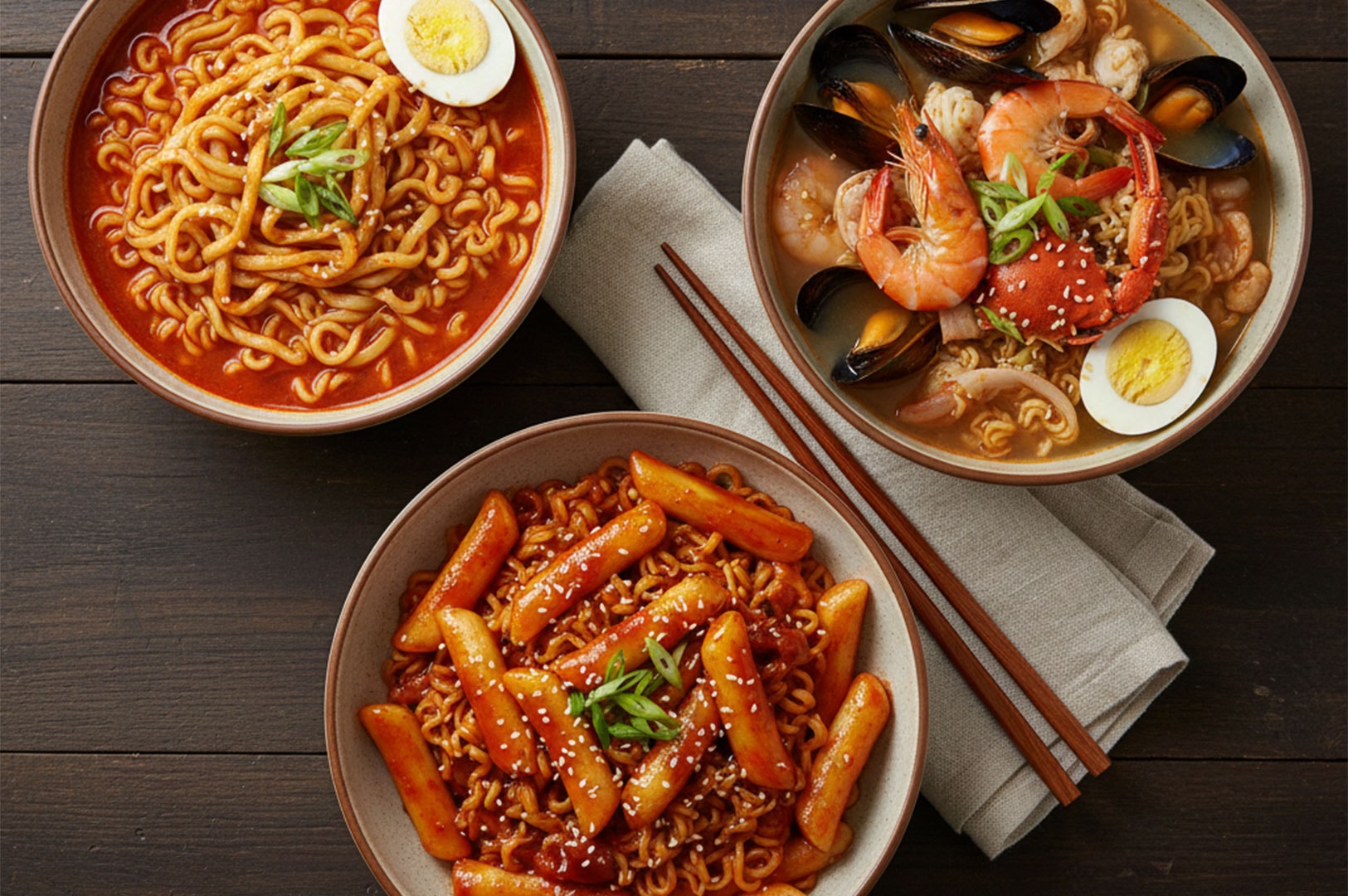
- Spicy ramyeon: Popular throughout Korea, these use a fiery soup base, filled with chili, garlic, and gochujang, delivering a bold, invigorating heat.
- Seafood ramyeon: Along the coast, steaming bowls arrive with fresh shellfish, crab claws, and shrimp, giving the broth briny depth. Haemul ramyeon is particularly beloved.
- Fusion styles: Some regions add rice cakes, creating tteokbokki ramyeon (also called rabokki), or blend black bean (jajang) sauce for a noodle dish reminiscent of Chinese origin. Both are popular at local eateries and street stalls.
- Broth variations: Certain areas favor a chicken-based broth, while others embrace beef, pork bones, or even fish stock for a lighter or richer taste profile.
Popular Traditional Ramyeon Dishes
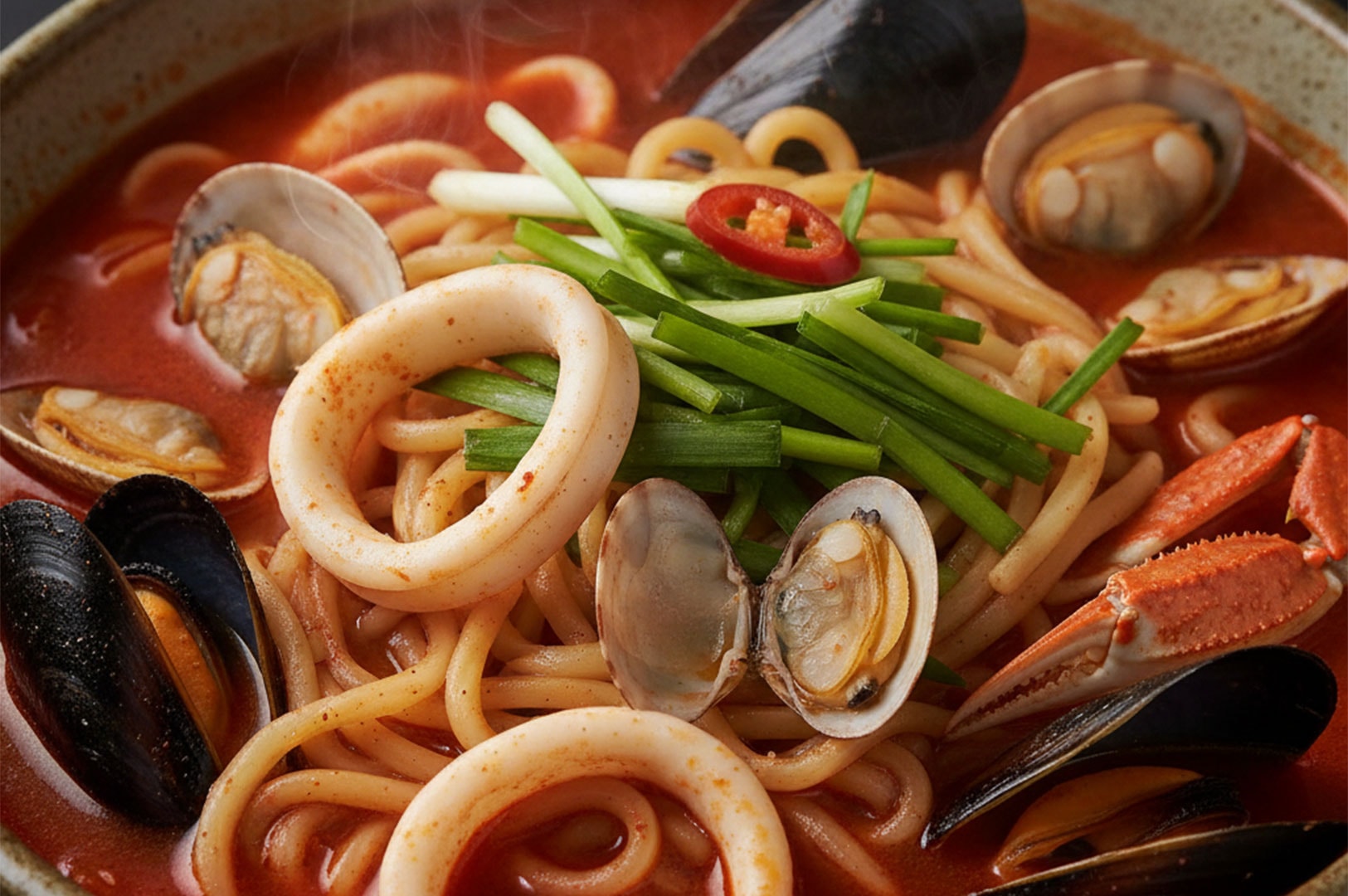
Step into a Korean ramen shop or street-side pojangmacha and you’ll find vibrant expressions of traditional ramyeon:
- Jjamppong: An oceanic storm in a bowl, with curly noodles, mussels, squid, shrimp, and vegetables in a spicy, red broth. It highlights Korea’s love of seafood and boldness in flavor.
- Haemul ramyeon: Seafood-centric, usually with a clearer soup base and mixed seafood toppings, a comfort food staple for those seeking the taste of the sea.
- Tteokbokki ramyeon (rabokki): This fusion brings together chewy rice cakes and ramen noodles in a spicy, sweet gochujang sauce. A favorite of K-pop fans and late-night snackers alike.
- Specialty bowls: You may find rich soy sauce ramyeon, bowls with a cracked raw egg stirred in for silkiness, or topped with kimchi, cheese, sesame seeds, or a fried egg.
Koreans are passionate about customizing their bowl, adding a slice of cheese or ingredient from home to make each meal their own.
How is Traditional Ramyeon Made?
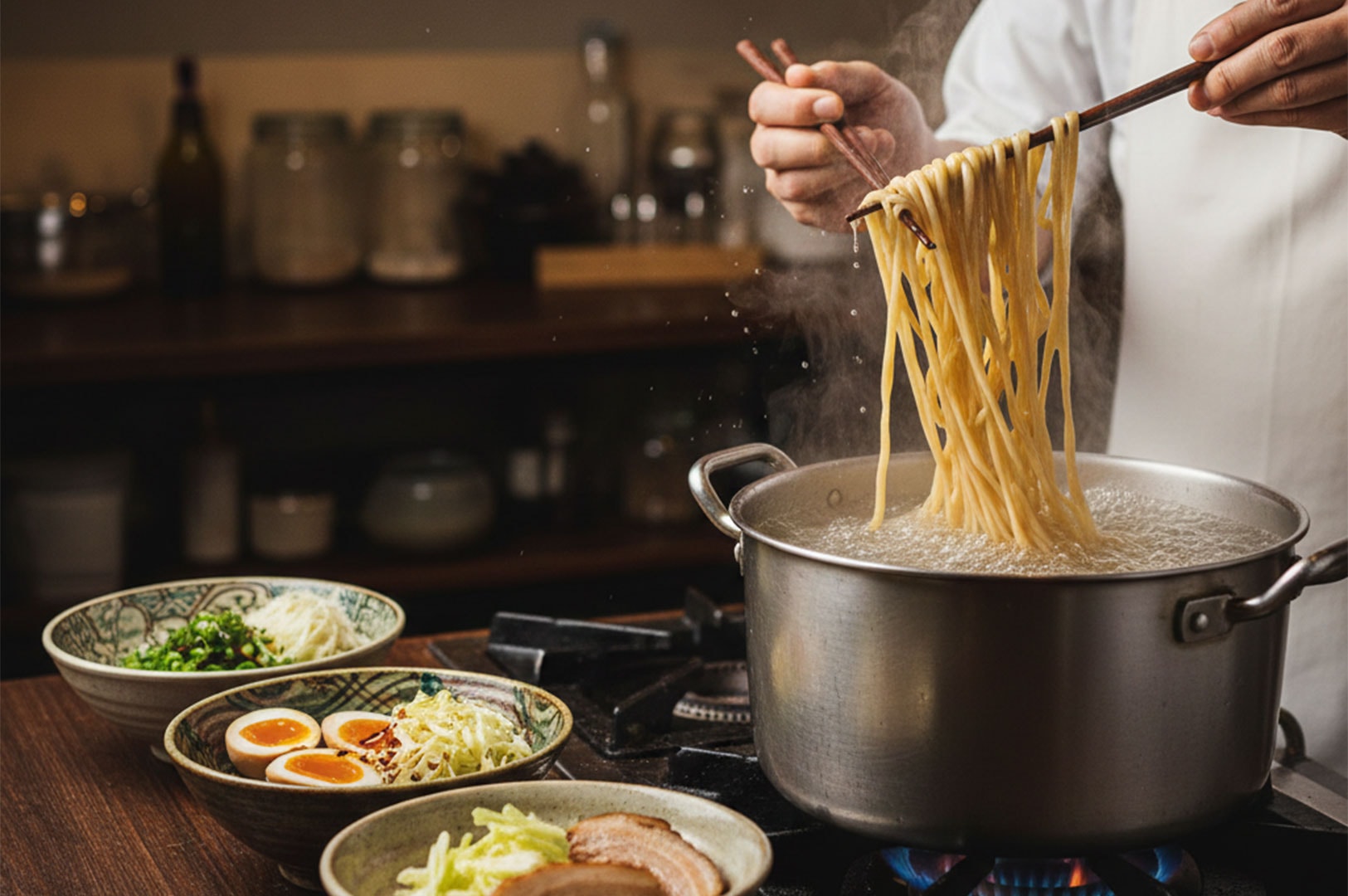
The authentic process is what sets traditional Korean ramyeon apart:
- Broth preparation: Broth is made by simmering ingredients like pork bones, chicken bones, anchovy, seaweed, fish sauce, and vegetables for hours, extracting bold flavours and umami. Some recipes may opt for a miso ramen-like base, or blend ingredients for layered flavors.
- Noodle cooking: Wheat noodles or fresh ramen are cooked separately in boiling water, then shocked in cold water for better texture—a hallmark of ramen noodles everywhere.
- Assembly: Noodles are portioned into deep bowls, broth is poured over, and various toppings (cooked meats, green onions, hard boiled egg, dried seaweed, fresh vegetables) are artfully arranged.
- Finishing touches: A swirl of chili oil, sprinkle of sesame seeds, or sometimes an egg directly beaten in, ensures each bowl is unique.
- Presentation: The meal is served piping hot, ready to lift with chopsticks and enjoyed as a simple dish that brings together years of culinary tradition.
Where to Experience Authentic Ramyeon
Most Koreans agree that to eat ramyeon at its best, one must visit a dedicated noodle house, order from a traditional ramen shop, or embrace the atmosphere of a street food pojangmacha. It’s here you’ll find those steaming bowls, full of character unique to each chef. Though instant ramyeon and branded products like Shin Ramyun and Jin Ramen are household names, they draw inspiration from these restaurant classics, capturing—however simply—a shadow of the original’s depth.
Cook Ramyeon and Discover a New Comfort Food
For Koreans, the difference between instant and traditional ramyeon is more than technique; it’s a matter of culture and pride. The freshly cooked noodles, hand-prepared toppings, and slow-simmered broth reflect values of patience and care, making ramyeon a dish both humble and significant in Korean ramen and Korean cuisine. Whether you prefer yours spicy, loaded with seafood, or finished with a fried egg, there’s nothing quite like slurping down that first bite from a steaming bowl.
At Eat Drink Asia, we celebrate these noodle dishes and invite you to seek out the rich, comforting layers of the real ramyeon Korean—a true icon of Korea’s culinary landscape.

Pattaya Garden Restaurant and the Thai Meal That Knows How to Feed a Group
Eat Drink Asia Team | September 3, 2026
The rice came down first. A plain bowl, warm and steaming, set in the middle of the table before anything else. Then the green curry, in a bowl wide enough for four spoons to reach at once. And within a minute the table stopped being a set of individual meals and became one shared thing,…
-
At Keria Japanese Restaurant, the Meal Begins Before the First Bite
Dio Asahi | September 3, 2026
By Dio Asahi for Eat Drink Asia. The lift opens onto a corridor leading to the famed and hidden Cuppage Plaza food, and the building’s age shows in the flickering fluorescent light and the smell of old carpet. Then a sliding door pulls back, and Keria Japanese Restaurant asks you to slow down. Inside, it…
-
The Round Kaya Bun at Chin Mee Chin Confectionery, and the Mornings It Keeps
Eda Wong | September 2, 2026
By Eda Wong for Eat Drink Asia. It’s not quite eight, and the pastel-blue shophouse is already awake. Kopi cups clink against saucers. A ceiling fan turns slow overhead. Someone folds a newspaper at a marble-topped table, and the man behind the counter moves without hurry, sliding buns across in a rhythm he’s clearly done…
-
Nana Original Thai Food and the Thai Meal That Keeps Changing Its Accent
Eda Wong | September 1, 2026
The tom yum arrived first, and the first spoonful hit sour and hot at once, lime and chilli chasing each other down the throat. This classic Thai dish features a spicy sauce and aromatic herbs that awaken the taste buds straight away, setting the stage with its bold flavors. Then the pineapple rice came, sweet…
-
Pad Thai Recipe for People Who Know the Noodles Can’t Be an Afterthought
Dio Asahi | August 29, 2026
The first time I made Pad Thai, I ruined it before the wok was even hot. I’d left the noodles soaking while I answered a phone call. Ten minutes turned into forty. By the time I drained them, they were already soft, already surrendered. Everything I did in the pan after that was damage control….
-
Best Japanese Restaurant Singapore: Places That Nail the “First Bite”
Eat Drink Asia Team | August 27, 2026
I built this list around a very specific feeling: that first bite where the room goes quiet for a second. I’ve tried enough Japanese restaurants in Singapore over the years to know that “best” does not always mean the most expensive, the rarest, or the hardest to book. Sometimes it is the warmth of the…
-
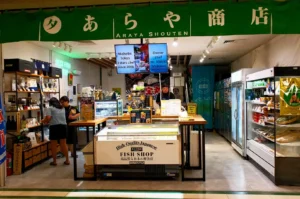
Not Just Seafood: How Araya Shouten Keeps Japanese Fishing Culture Alive in Singapore
Eat Drink Asia Team | August 26, 2026
Japanese cuisine has long been admired for its attention to seasonality, precision, and respect for ingredients. However, behind every piece of sashimi or carefully prepared seafood dish lies a story that begins far away from the dining table, often with fishermen, coastal communities, and generations of knowledge passed down through time. At Araya Shouten, seafood…
-
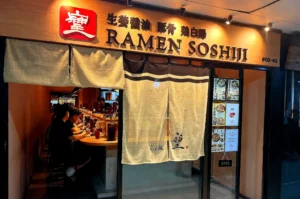
The Ginger Shoyu Ramen at Ramen Soshiji, Where Orchard Goes Quiet
Dio Asahi | August 26, 2026
By Dio Asahi for Eat Drink Asia. The lift opens on the third floor of Orchard Plaza, and for a second I don’t know which way to turn. The corridor is dim and still, the kind of quiet that feels almost accidental in this part of town. A few doors down, an unmarked entrance. Inside,…
-
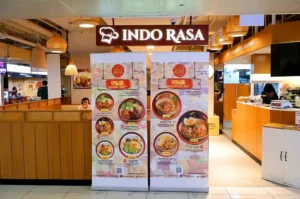
Indo Rasa Singapore and the Nasi Goreng That Measures a Kitchen’s Confidence
Eat Drink Asia Team | August 25, 2026
There’s a dish I order when I want to know a kitchen quickly. Not the specialty. Not the thing the menu is proud of. I order the fried rice. Because nasi goreng has nowhere to hide. It’s rice, chilli, chicken, egg, a few crackers, some cucumber. Everyone thinks they can make it. Most people can….
-
Bebek Goreng Pak Ndut and the Fried Duck That Makes Nasi Goreng Feel Too Polite
Eda Wong | August 22, 2026
The duck arrived and made a sound before I’d even touched it. Not the plate, the skin. When my fork pressed against it, there was a small, dry crackle, the kind you feel in your fingers before you hear it. That’s when I understood I wasn’t eating a soft meal. This was something with edges….