I’ll never forget the first time I made miso soup from scratch. Not the instant kind, but the “proper” way. I boiled water, dissolved miso paste, added tofu, and waited. It tasted flat, salty and cloudy but missing the deep, satisfying flavor I loved in Japanese restaurants. I thought maybe I needed better miso.
Years later, I realized it wasn’t the ingredient but the missing building block of flavor: umami. Once I mastered umami, my soups gained depth, fried rice tasted complete without drowning in soy sauce, and braises became richer.
In Singapore, umami is everywhere, in bak kut teh, the ikan bilis in nasi lemak, and fermented bean pastes in sauces. Many love it but don’t know how to control it. This guide is the masterclass I wish I’d had, a journey to understanding umami and intentionally building it in your kitchen.
Understanding Umami: The Fifth Taste in Asian Cuisine
Umami is the fifth basic taste, alongside sweet, sour, salty, and bitter. The Japanese word means “pleasant savory taste” and scientifically refers to glutamate, an amino acid signaling protein richness.
Unlike saltiness, which is sharp and one-dimensional, umami is round and mouth-filling, lingering pleasantly. It’s the difference between salted water and rich chicken broth, the broth tastes more “complete.” That’s umami.
Is umami just MSG? No, but related. MSG (monosodium glutamate) is the purest form of glutamate, an umami powerhouse. But umami naturally occurs in many foods common in Asian cuisine and street food across Southeast Asia:
- Vegetables: Ripe tomatoes, dried shiitake mushrooms, corn, curry leaves, and fresh herbs.
- Seafood: Kombu (kelp), bonito flakes, dried anchovies, shrimp paste, fish sauce.
- Fermented Products: Soy sauce, miso paste, fermented bean pastes.
- Meats: Grilled meats, slow-cooked beef, poached chicken, and cured pork.
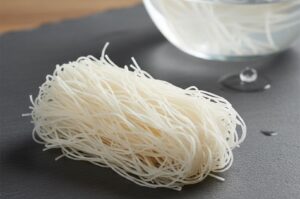
Top chefs know umami multiplies through synergy. Combining glutamate-rich foods with nucleotide-rich ones (like inosinate in bonito flakes or guanylate in mushrooms) amplifies flavor beyond addition. This synergy unlocks deliciousness in dishes from coconut based curry to thick rice noodles and fried rice.
Building Umami: A Three-Layer Framework Rooted in Culinary Traditions
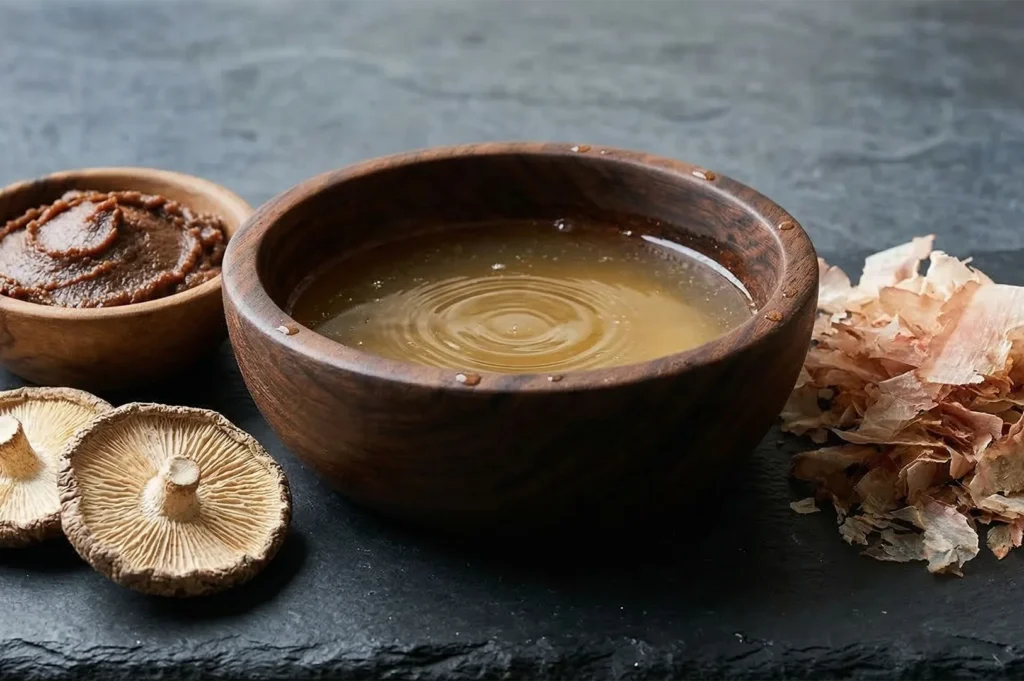
Thinking of umami in layers transformed my cooking. Here’s a framework to build flavor in soups, stir-fries, and traditional feasts using fresh ingredients and recipes from Asian cuisines.
Layer A: The Base (Glutamate)
This foundation provides the primary umami wave.
- Use: Kombu, soy sauce, miso paste, fermented bean pastes, ripe tomatoes, curry leaves.
- Application: Start your dish with this layer. For soup or thick rice noodles, it’s the first step. For stir-fries, it’s the sauce base.
Layer B: The Booster (Nucleotides)
This amplifier creates magical synergy.
- Use: Bonito flakes, dried anchovies, dried shiitake mushrooms, meat, and fish.
- Application: Add during cooking to meld with the base, infusing rich umami depth.
Layer C: The Finish (Aged & Fermented Complexity)
This final flourish adds aroma and complex aged umami.
- Use: A drizzle of high-quality soy sauce, fresh miso dissolved at the end, a pinch of MSG, or bonito flakes.
- Application: Add at the end, often with heat off, to preserve delicate aromas.
Example: My flat miso soup lacked layers. The Umami Builder way:
- Strain and dissolve miso paste off heat (Layer C). The result: deep, savory, satisfying soup.
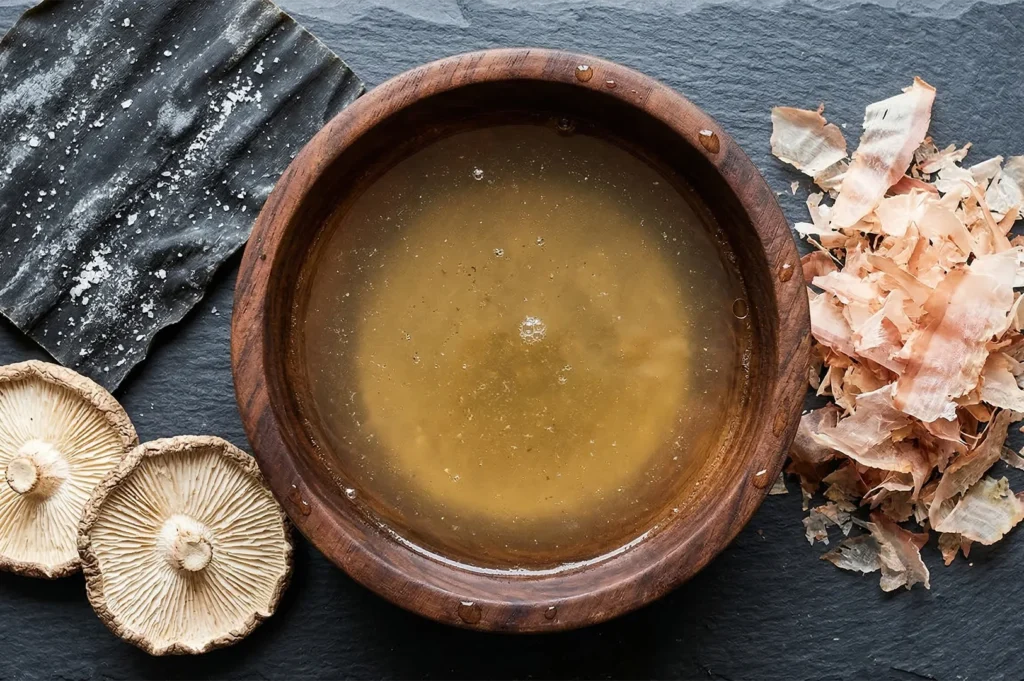
- Make a dashi base by gently heating kombu (Layer A).
- Add bonito flakes for umami boost (Layer B).
Asian Street Food: Bold Flavors and Umami Layers
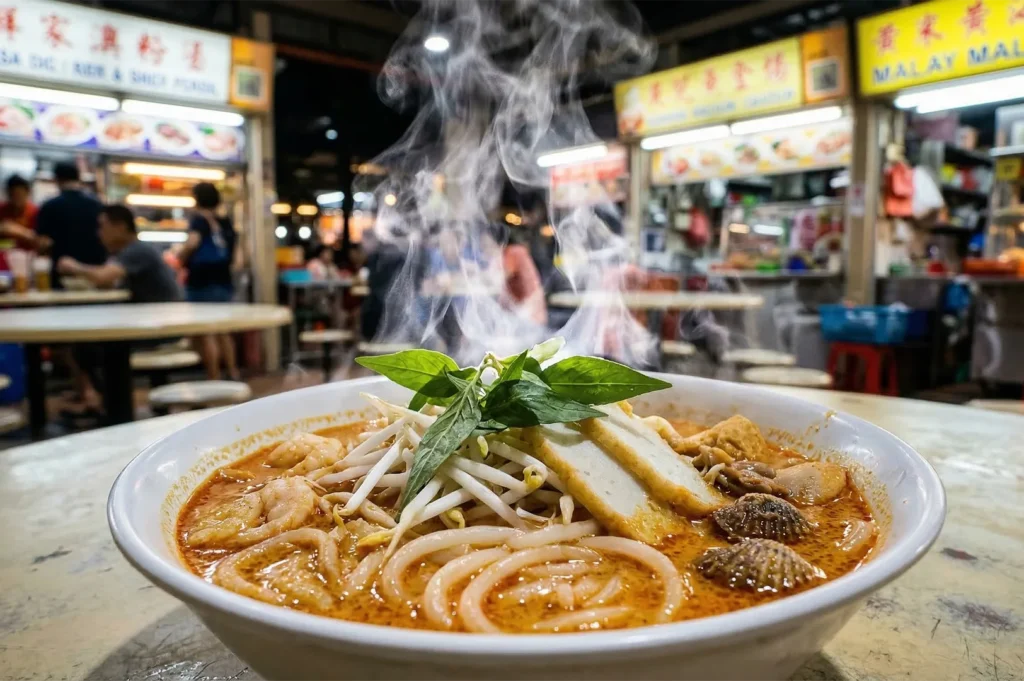
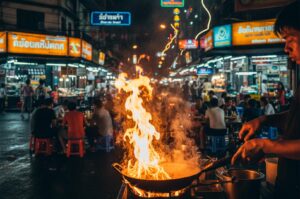
Street food across Asia offers a vibrant showcase of umami and culinary diversity. Southeast Asia’s bustling hawker centers serve dishes rich in umami, from spicy som tum (green papaya salad) to savory satay skewers.
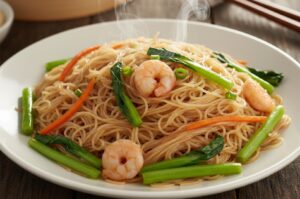
Shrimp paste and fish sauce are staples, providing fermented umami depth in dishes like laksa’s coconut based curry or char kway teow’s glossy noodles. Bean sprouts and fresh herbs add crunch and brightness, balancing the savory layers.
Fried rice, a beloved street food, gains complexity when layered with ingredients like dried shiitake, soy sauce, and a fair amount of black pepper. The interplay of sweet, sour, spicy, and salty flavors creates a tasty, satisfying meal.
Southeast Asia’s Culinary Diversity: A Symphony of Traditions
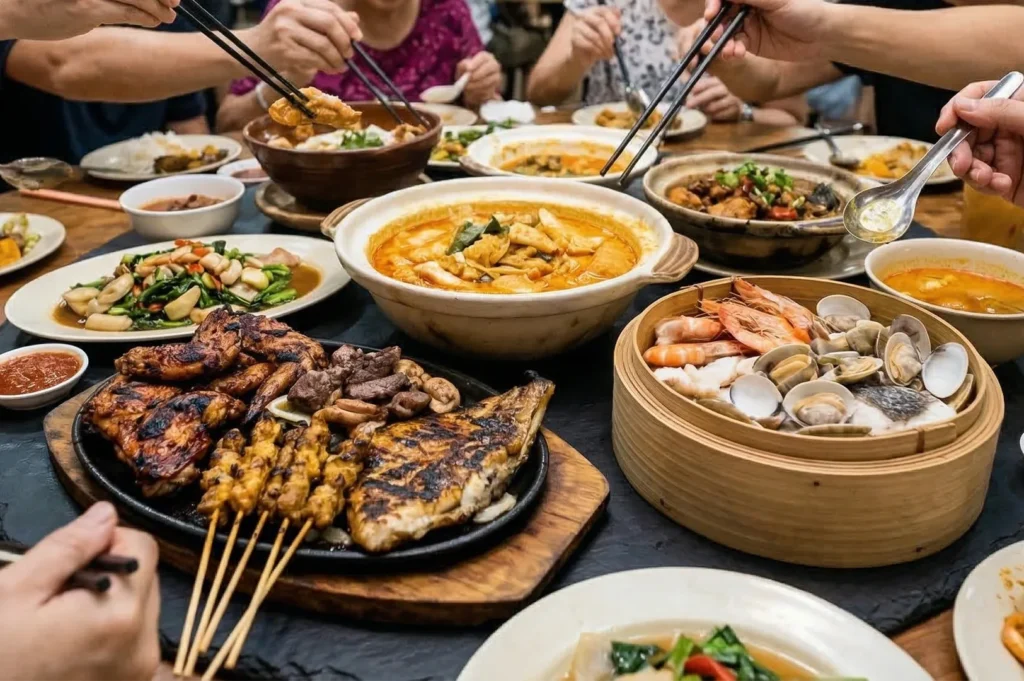
Southeast Asia’s food culture is a beautiful, messy melting pot. It’s where the bold spices of the Indian subcontinent and the refined techniques of China collide with ancient indigenous traditions.
By embracing these rich and diverse flavors of Asiatic Food, you get to witness how centuries-old culinary heritage blends seamlessly with innovative modern techniques to create truly unforgettable dishes. This evolution is best experienced not in a vacuum, but at the table.
When you sit down for a traditional feast, it isn’t just a meal, it’s a communal ritual. Dishes are served family-style, creating a table crowded with:
- Sizzling Grilled Meats: Charred over open flames for that signature smoky finish.
- Steamed Seafood: Often seasoned simply to let the ocean-fresh sweetness shine.
- Rich Coconut Milk Curries: Velvety, “lemak” bases that carry a complex punch of heat.
The Flavor Blueprint: Warmth and Aroma
If you’ve ever stood in a humid morning market in the region, you know the scent, the sharp citrus of lemongrass mixed with the earthy warmth of turmeric.
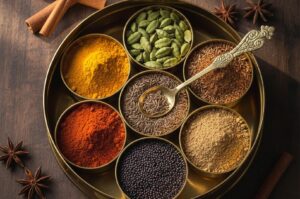
In South Asian-influenced cooking, clarified butter (ghee) and turmeric provide a golden, buttery depth. This is often sharpened by the inclusion of:
- Curry Leaves: Providing a nutty, herbal aroma.
- Black Pepper: Delivering a slow, creeping heat rather than a sharp sting.
Balanced Icons: From Pho to Nasi Lemak
The true magic of the region lies in balance. You see this in a steaming bowl of Vietnamese Pho, where the light, star anise-scented broth is anchored by fresh herbs. You feel it in Malaysia’s Nasi Lemak, where the rich coconut rice is cut by the sharp, acidic heat of a spicy sambal.
Real Person Proof: I used to think the condiments on the side were optional. I was wrong. In this part of the world, the lime wedge, the chili paste, and the mountain of fresh herbs are the “source code” that lets you customize the perfect bite.
The Refreshing Finish
To cool the palate after a spicy journey, desserts focus on texture and temperature. Grass jelly desserts are a heartland staple, their slight herbal bitterness providing a refreshing contrast when swirled into coconut milk and paired with the honey-sweetness of tropical fruits.
The Role of Umami in East Asian Culinary Traditions
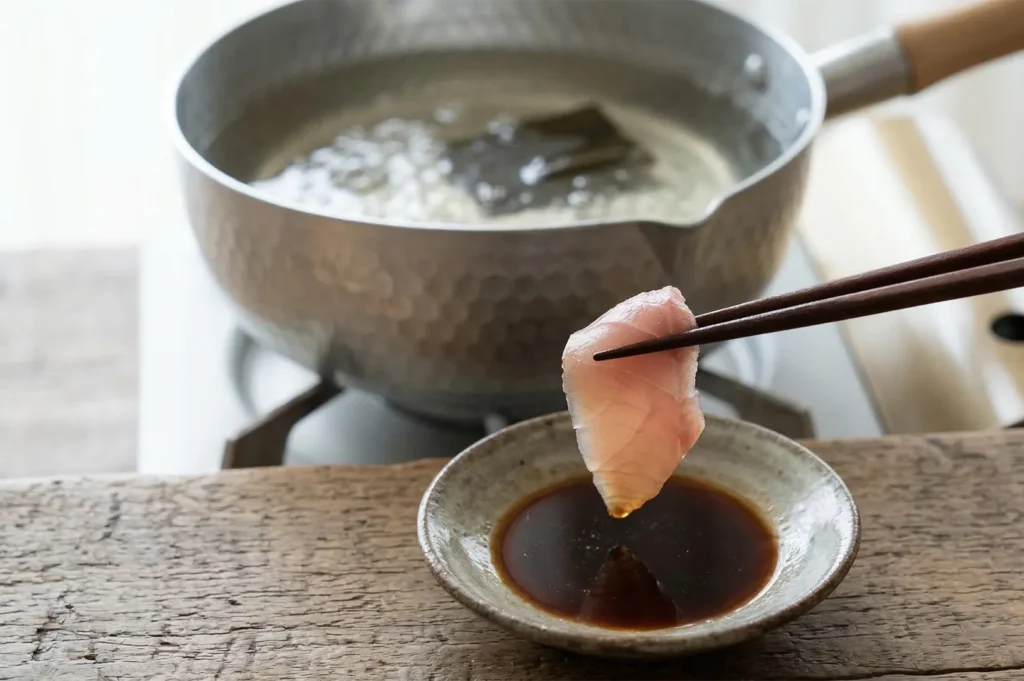
In East Asian cuisines, umami is foundational. Japanese sushi restaurants use ichiban dashi, a broth combining kombu and bonito, to build subtle yet profound flavor bases for sushi and sashimi.
Chinese cooking incorporates fermented bean pastes, soy sauce, and dried seafood to create rich broths and sauces. Thick rice noodles and steamed dishes showcase umami through layering ingredients and toppings.
Japanese culinary traditions emphasize seasonality and balance, using fresh seafood flown daily from Japan, as seen in fine dining omakase experiences in Singapore.
Cooking Tips to Harness Umami in Your Kitchen
- Avoid boiling kombu; gentle heat preserves umami without bitterness.
- Add miso paste at the end with heat off to maintain aroma and beneficial bacteria.
- Use a fair amount of black pepper to enhance savory depth without overpowering.
- Combine glutamate-rich and nucleotide-rich ingredients for maximum umami synergy.
- Incorporate fermented condiments like shrimp paste and fish sauce for complexity.
- Balance rich flavors with fresh vegetables, herbs, and a touch of acidity or sweetness.
Elevate Your Cooking with Umami Mastery
Understanding umami unlocks a new dimension in Asian cuisine and beyond. It transforms simple ingredients into layered, delicious dishes full of depth and satisfaction.
Whether crafting a traditional feast, street food-inspired meal, or everyday soup, applying the three-layer umami framework will elevate your cooking and delight your taste buds.
Embrace the culinary diversity of Asia, experiment with fresh ingredients and condiments, and savor the rich flavors that umami brings to your table. Your journey into umami mastery starts now.
For other best guides and insights into Asian cuisine and street food, visit eatdrinkasia.com

Mastering the Art of Indian Dishes with Chicken
Eda Wong | February 19, 2026
The story of India’s culinary identity is deeply tied to its poultry dishes. I remember my first attempt at an Indian chicken recipe, failing to brown the onions properly left the dish hollow, missing its soul. The sound of mustard seeds popping in hot oil signals layers of flavor to come. The steam from the…
-
Crunch, Sweet, and Heat: The Irresistible Textures of Southeast Asian Snacks
Dio Asahi | February 17, 2026
In the humid, sticky heat of Southeast Asia, where your shirt clings to your back and the air is thick with the sharp scent of oxidising oil, there’s a particular clink that always gets me. It’s the sound of a metal spatula striking a wok, a rhythmic percussion that’s as familiar to me now as…
-
The Living Pantry: How Geography and Trade Shaped the Food in the Southeast Region
Eat Drink Asia Team | February 14, 2026
To understand the plate is to understand the map. If you were to trace the spice routes of the 15th century or follow the monsoon winds that carried merchant ships across the Indian Ocean, you would find yourself at the epicenter of the world’s most vibrant pantry. The food in the Southeast region of Asia…
-
A Symphony of Senses: Why Southeast Asian Food is the World’s Greatest Culinary Journey
Dio Asahi | February 12, 2026
If you were to stand at a busy intersection in Bangkok, Ho Chi Minh City, or Jakarta and close your eyes, your nose would tell you a story before your eyes ever could. There is a specific, intoxicating perfume that defines Southeast Asian food: the sharp tang of lime juice hitting a hot wok, the…
-
The Alchemy of the Wok: The Story of Singapore-Style Bee Hoon
Eda Wong | February 10, 2026
Across the humid evening air of Singapore, a rhythmic clatter echoes from hawker stalls to high-rise kitchens—the sound of a metal spatula against a seasoned wok. Within that intense heat, rice vermicelli noodles undergoes a profound transformation, absorbing the golden hues of curry powder, the savory depths of soy sauce, and the smoky “breath” of…
-
The Sizzle of the Wok: An Exploration of Fried Bee Hoon Across Southeast Asia
Eat Drink Asia Team | February 7, 2026
Across Southeast Asia, from bustling hawker centers to family kitchens, the sizzle of rice vermicelli noodles hitting a hot wok is a universal comfort. Few dishes capture the spirit of Asian noodle culture as well as fried bee hoon. This stir fry, made with thin rice noodles, delivers a tasty meal any time of the…
-
The Silk of the East: A Deep Dive into Bee Hoon and the Art of Rice Vermicelli
Eda Wong | February 5, 2026
Across the bustling kitchens of Southeast Asia, one humble ingredient has woven itself into the fabric of countless beloved dishes. Bee hoon, the delicate rice vermicelli that transforms from brittle strands into silky noodles, represents centuries of culinary tradition and innovation. Whether you’ve savored Singapore noodles in a hawker center or encountered fried bee hoon…
-
The Eternal Hearth: A Journey Through the Soul of Indian Foods Vegetarian Traditions
Dio Asahi | February 3, 2026
In the vibrant tapestry of global gastronomy, few cultures have elevated the plant-based plate to an art form quite like India. While much of the world has recently turned toward meat alternatives for health or environmental reasons, Indian cuisine has been centered on the vegetable for millennia. This isn’t merely a dietary choice; it is…
-
The Essence of Jeju Citron Tea: A Distinctive Profile of Yuja Tea in Korea
Dio Asahi | January 31, 2026
Imagine sitting in a quiet, sun-drenched teahouse overlooking the dramatic volcanic coastline of Jeju Island. The steam rising from your cup carries an aroma that is at once familiar and yet entirely new—a version of Korean citron tea, or yuja cha, that tastes of sea salt, volcanic soil, and generations of island tradition. As you…
-
Korean Citron Tea: Health Benefits and Wellness Secrets
Eat Drink Asia Team | January 29, 2026
As the seasons change and a chill enters the air, many of us seek out comforting rituals to support our well-being. Imagine wrapping your hands around a steaming cup of Korean citron tea—also known as yuja-cha—its bright, citrus aroma soothing and revitalizing with every sip. More than just a winter treat, Korean citron tea is…