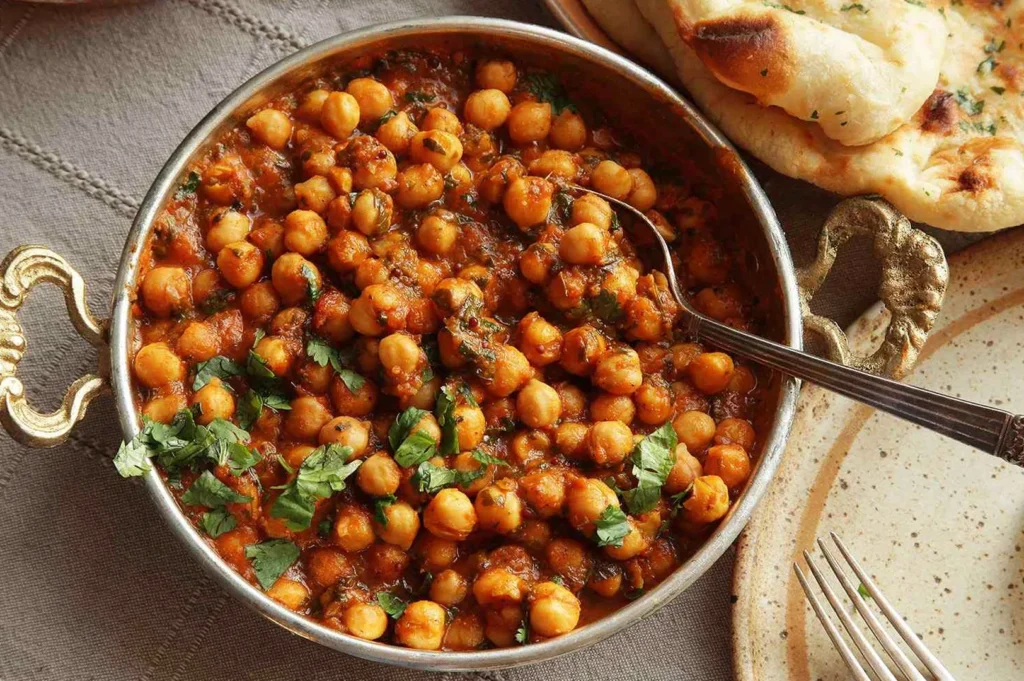
The first time I made chana masala, I started with dried chickpeas at 7:30 on a weeknight, soaking and boiling like the recipe said. By the time the curry was actually done, it was nearly ten and I’d already eaten half a loaf of bread out of sheer hunger. That night taught me something I now treat as a rule: weeknight cooking lives or dies on the smart shortcuts you choose, not on how “authentic” you’re trying to be.
Since then, I’ve worked out a version that gets a genuinely good chana masala and warm roti on the table in 35 to 45 minutes. In this guide, I’ll walk you through exactly how I do it, the mistakes I’ve made along the way, and the cues that tell you when each step is right. This recipe is a perfect example of quick and satisfying food for dinner Indian style.
What Chana Masala Actually Is
Chana masala is a North Indian chickpea curry made with chickpeas simmered in a spiced onion-tomato gravy. It is one of those quick vegetarian dinner recipes Indian households return to because it is filling, affordable, and deeply aromatic without needing a long cooking window.
At its best, chana masala tastes earthy from cumin seeds, warm from garam masala, sharp from green chili, and bright from lemon juice. Some versions lean darker and more intense, like Punjabi chole. Others are lighter and saucier. This chana masala recipe is built for weeknights, using canned chickpeas instead of dried chickpeas, while still giving you the rich, tangy flavors people expect from authentic chana masala.
Ingredients for Chana Masala Recipe
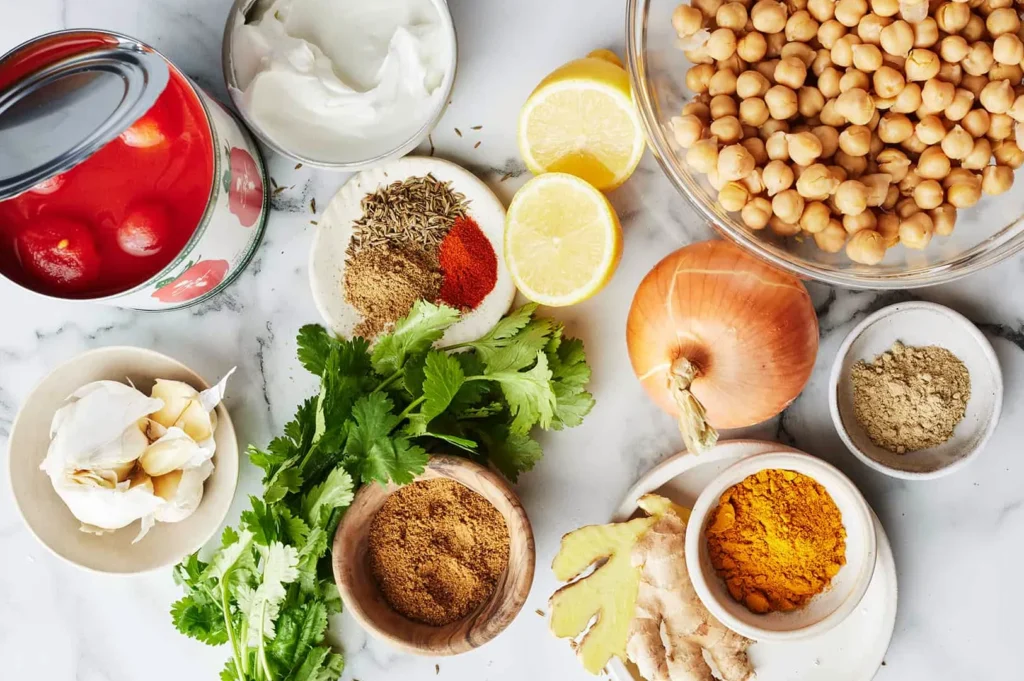
For 3–4 servings, you’ll need:
- 2 cans canned chickpeas, drained and rinsed
- 2 tablespoons oil or ghee
- 1 bay leaf
- 1 teaspoon cumin seeds
- 1 yellow onion, finely chopped
- 1 tablespoon ginger garlic paste
- 1 green chili, chopped, or green chilis to taste
- 2 fresh tomatoes, chopped, or ½ cup tomato puree
- 1 tablespoon tomato paste, optional, for deeper color
- 1 teaspoon coriander powder or ground coriander
- ½ teaspoon cumin powder
- ½ teaspoon turmeric
- ½–1 teaspoon red chili powder or chili powder
- 1–2 teaspoons chana masala powder or chole masala
- ½ teaspoon garam masala
- Salt and black pepper, to taste
- 1 tablespoon lemon juice
- Fresh coriander leaves, chopped
Optional but useful: dried mango powder, kasoori methi, crushed garlic cloves, or a small pinch of baking soda if you are cooking dried chickpeas from scratch. Do not use baking powder here. If using dried chickpeas, soak overnight, then pressure cook until tender before starting the masala.
Before You Make Chana Masala
I learned this the hard way after burning spices while searching for turmeric. Before you turn on the stove, measure your spice powders into one bowl. Keep your chickpeas drained, onion chopped, tomatoes ready, and coriander washed.
Use a large pot or wide pan. Chana masala needs space for the onion and tomato base to reduce properly. If the pan is too small, the masala steams instead of frying, and you lose that deep, roasted aroma.
The goal is not just to cook chickpeas. It is to build a base that smells warm, nutty, and slightly smoky before the chickpeas go in.
Step 1: Build the Onion Base with Whole Spices
Place your pot over medium heat or medium flame. Add oil or ghee, then drop in the bay leaf and cumin seeds. Let them sizzle until fragrant.
Add the finely chopped onion and cook until the edges turn golden. Do not rush this step. The onion is where the rich flavor begins. When it softens and darkens slightly, add ginger garlic paste and green chili. Stir until the raw garlic smell disappears.
The kitchen should smell warm and savory now, not sharp.
Step 2: Bloom the Spice Powders
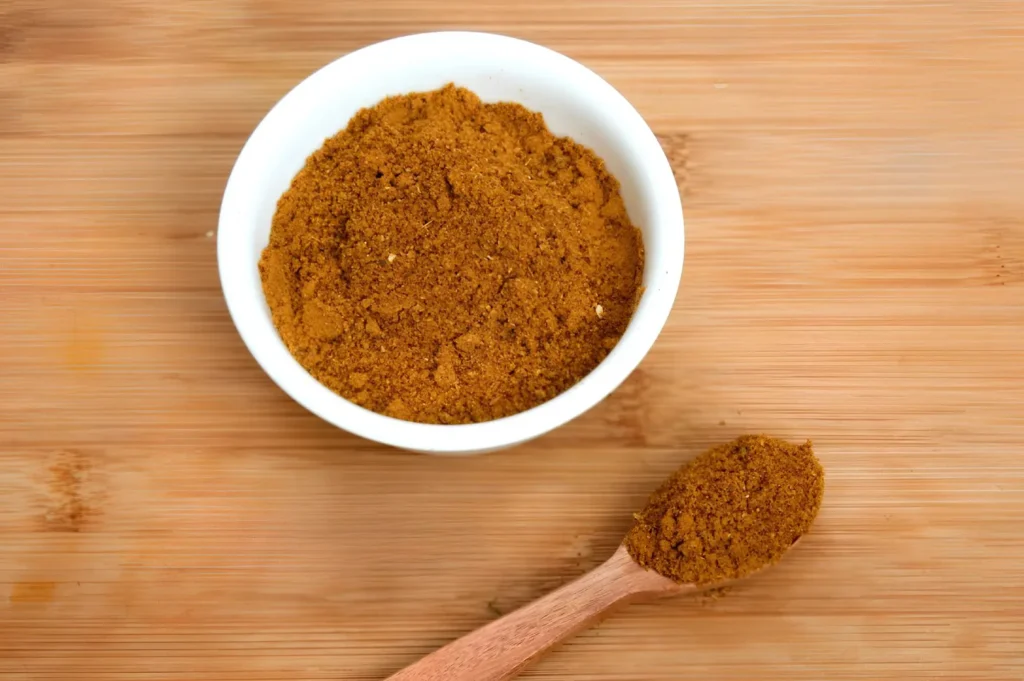
Add coriander powder, cumin powder, turmeric, red chili powder, chili powder, and chana masala powder. Stir for 30–45 seconds.
This is a small step, but it changes everything. The spices should move from dusty to fragrant. If they stick, splash in a spoonful of water. If you have a spice grinder, you can grind toasted whole spices for more intensity, but store-bought powder works well for weeknights.
Add chopped tomatoes, tomato puree, or tomato paste. Cook until the mixture thickens, darkens, and looks glossy. The raw tomato smell should fade.
Step 3: Add Chickpeas and Simmer
Add the canned chickpeas with ½ cup water. Stir well, then simmer for 12–15 minutes. Mash a few cooked chickpeas against the side of the pot. This thickens the gravy naturally and helps it reach your desired consistency.
If you are using cooked chana from dried chickpeas, add them the same way, but simmer a little longer. The chickpeas should be tender, but not falling apart completely.
Finish with garam masala, crushed kasoori methi, lemon juice, and coriander leaves. Taste and adjust salt. If the curry feels flat, add more lemon. If it feels thin, simmer uncovered. If it tastes harsh, the spices needed more cooking time.
Step 4: Serve Chana Masala with Roti or Rice
To serve chana masala, spoon it into bowls while hot. The gravy should cling to the chickpeas, thick but not pasty.
Warm roti or chapati makes the best pairing because it tears softly and scoops the sauce. Rice works too, especially if you want a gluten free meal. I remember one tired weeknight when I used frozen chapati and still felt like I had made something whole, warm, and generous.
This is also why some people compare chana masala with butter chicken. Both rely on a sauce that begs to be scooped. But chana masala is lighter, vegetarian, and built around chickpeas instead of cream and meat.
Quality Check: What the Best Chana Masala Looks Like
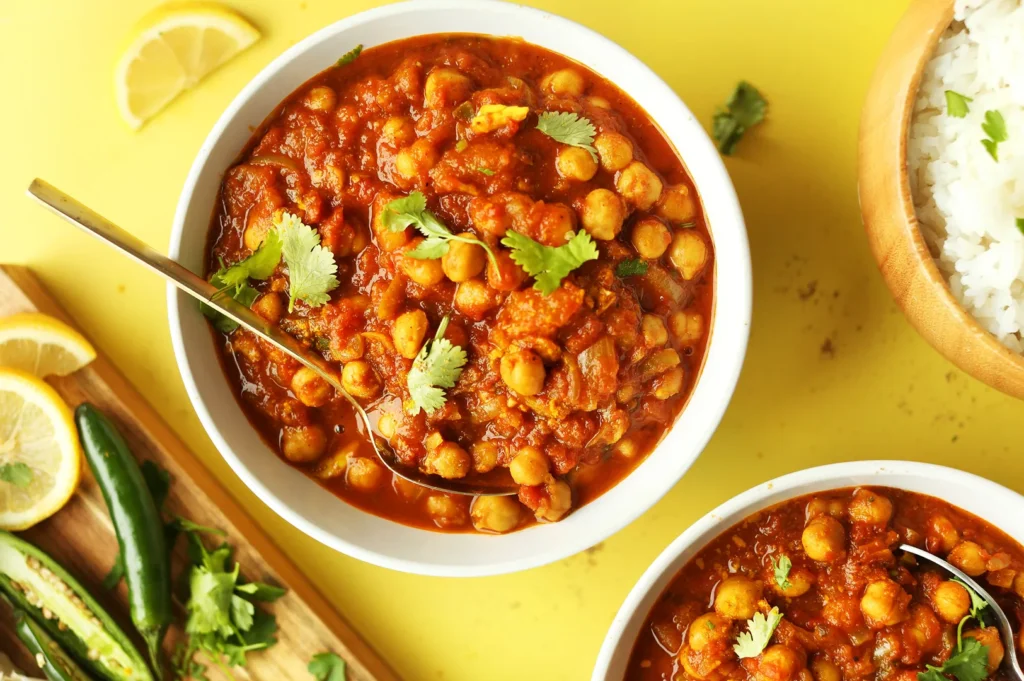
A best chana masala candidate should have:
- Thick gravy clinging to the chickpeas
- No raw spice smell
- Tender chickpeas with some bite
- Warm aroma from garam masala
- Bright finish from lemon juice
- Fresh lift from coriander leaves
If you tried this recipe and it tasted absolutely delicious, leave yourself a note for next time. If not, review recipe cues: more salt for depth, more lemon for lift, more simmering for body.
Singapore Cost and Weeknight Notes
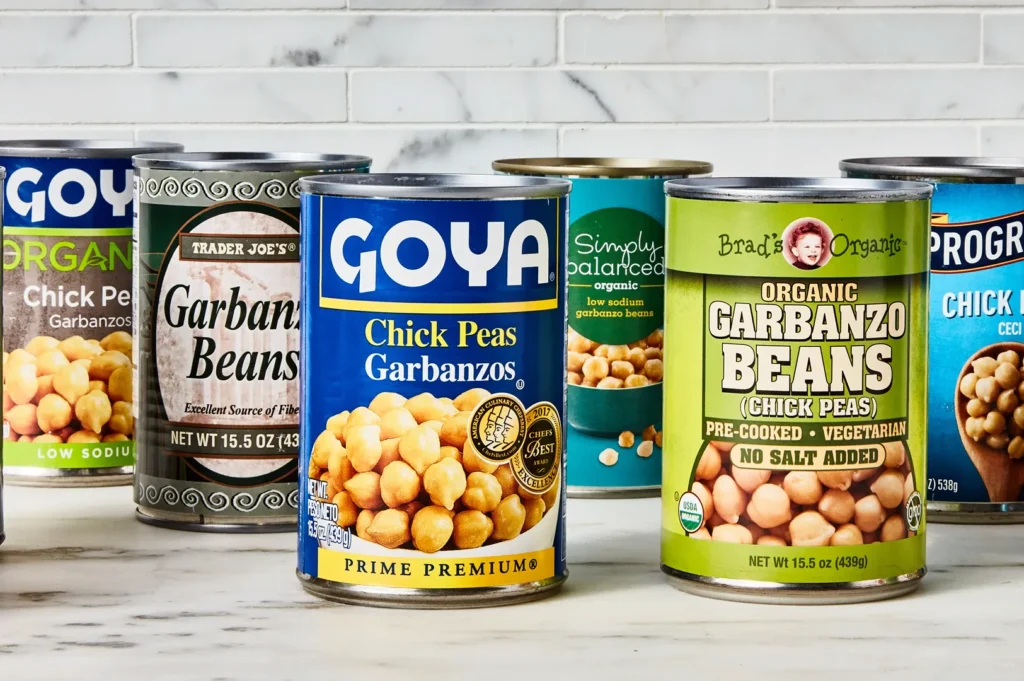
In Singapore, canned chickpeas are easy to find at FairPrice, Cold Storage, Sheng Siong, RedMart, and Lazada. For 3–4 servings, expect roughly S$10–S$25 depending on your pantry.
This great recipe becomes cheaper if you already keep cumin, coriander, turmeric, garam masala, and chana masala powder at home. It is also a wonderful recipe for building basic Indian cooking confidence because it teaches onion browning, spice blooming, simmering, and seasoning correction.
Nutrition will depend on oil or ghee. More ghee increases saturated fat, while moderate oil keeps monounsaturated fat and polyunsaturated fat more balanced. Either way, this is one of those delicious recipes the whole family can return to often.
For those exploring culinary delights beyond Indian cuisine, Eat Drink Asia offers excellent guides to the best omakase Singapore has to offer, blending tradition with exceptional dining experiences.
The Heart of a Quick, Cozy Indian Dinner
What this dish really taught me is that weeknight cooking isn’t about perfection, it’s about getting it done well. Canned chickpeas, a properly cooked masala base, and warm roti give you a satisfying vegetarian dinner with no meat, no rice, and no two-hour simmer.
My advice: the first time, use frozen roti and put all your focus on the curry base. Once blooming spices and reducing the masala feel natural, try homemade roti. Take it one step at a time, and this’ll become one of your easiest weeknight wins.

Al Mubin Restaurant and the Nasi Goreng Sambal Ayam That Has to Carry the Whole Plate
Eda Wong | September 12, 2026
It was close to eleven at night when I finally sat down. The kind of hour when you’re not really hungry so much as unsettled, when you want something warm in front of you more than you want a proper meal. Al Mubin’s food court at Block 407, Ang Mo Kio Avenue 10, was still…
-
Yassin Kampung Admiralty Review: When Sambal Fried Rice Becomes the Whole Point
Eat Drink Asia Team | September 10, 2026
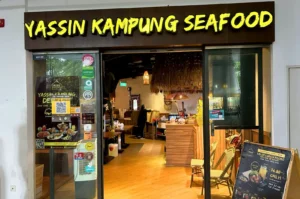
I ordered the sambal fried rice first, before I’d even properly read the menu. That’s usually a mistake at a place like this. Yassin Kampung @ Admiralty is the kind of restaurant that keeps trying to pull your attention elsewhere — toward stingray, toward crab, toward hotplates that arrive still hissing. But I’d come with…
-
The Bamboo Basket Holding Chiang Mai’s Sticky Rice
Dio Asahi | September 9, 2026
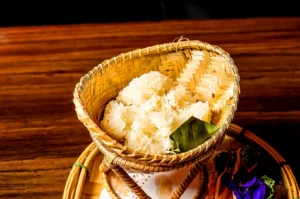
By Dio Asahi for Eat Drink Asia. The lid comes off, and the steam rises first. It’s a warm afternoon in Chiang Mai, and on the table sits a small woven bamboo basket, still holding the heat of the pot it came from. Someone’s grandmother lifts the top and sets it aside without looking. Inside,…
-
Sambal Fried Rice Recipe for People Who Know the Chilli Paste Does the Heavy Lifting
Dio Asahi | September 8, 2026
I used to add the rice too early. The oil would be hot, the sambal barely a minute in, and I’d tip in the cold rice because I was hungry and impatient. Every time, the same result: rice stained red but tasting of nothing much. Sharp. Raw. Flat where it should have been deep. It…
-
Hup Lok at Havelock Road: A Teochew Fish Soup Carrying Memory Forward
Eda Wong | September 8, 2026
The bowl arrives before anything else does. Steam lifts off it in slow ribbons, carrying the smell of ginger and something warmer underneath: the round, boozy note of hua tiao wine settling into fish. I lean in before I even pick up my spoon. The broth is pale gold and cloudy, thick enough that it…
-
Fresh Sashimi Singapore: Places for Clean Cuts, Quiet Counters, and Fish That Still Feels Alive
Eda Wong | September 5, 2026
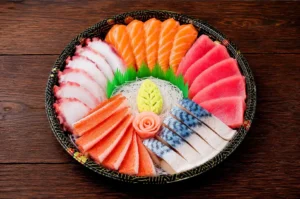
I didn’t grow up eating raw fish. For years, sashimi felt like something you learned to appreciate rather than something you loved. Cold, foreign, a little intimidating. Then one afternoon, at a quiet counter, a chef placed a single slice of chutoro in front of me and said nothing. I ate it. And I understood….
-
Pattaya Garden Restaurant and the Thai Meal That Knows How to Feed a Group
Eat Drink Asia Team | September 3, 2026
The rice came down first. A plain bowl, warm and steaming, set in the middle of the table before anything else. Then the green curry, in a bowl wide enough for four spoons to reach at once. And within a minute the table stopped being a set of individual meals and became one shared thing,…
-
At Keria Japanese Restaurant, the Meal Begins Before the First Bite
Dio Asahi | September 3, 2026
By Dio Asahi for Eat Drink Asia. The lift opens onto a corridor leading to the famed and hidden Cuppage Plaza food, and the building’s age shows in the flickering fluorescent light and the smell of old carpet. Then a sliding door pulls back, and Keria Japanese Restaurant asks you to slow down. Inside, it…
-
The Round Kaya Bun at Chin Mee Chin Confectionery, and the Mornings It Keeps
Eda Wong | September 2, 2026
By Eda Wong for Eat Drink Asia. It’s not quite eight, and the pastel-blue shophouse is already awake. Kopi cups clink against saucers. A ceiling fan turns slow overhead. Someone folds a newspaper at a marble-topped table, and the man behind the counter moves without hurry, sliding buns across in a rhythm he’s clearly done…
-
Nana Original Thai Food and the Thai Meal That Keeps Changing Its Accent
Eda Wong | September 1, 2026
The tom yum arrived first, and the first spoonful hit sour and hot at once, lime and chilli chasing each other down the throat. This classic Thai dish features a spicy sauce and aromatic herbs that awaken the taste buds straight away, setting the stage with its bold flavors. Then the pineapple rice came, sweet…