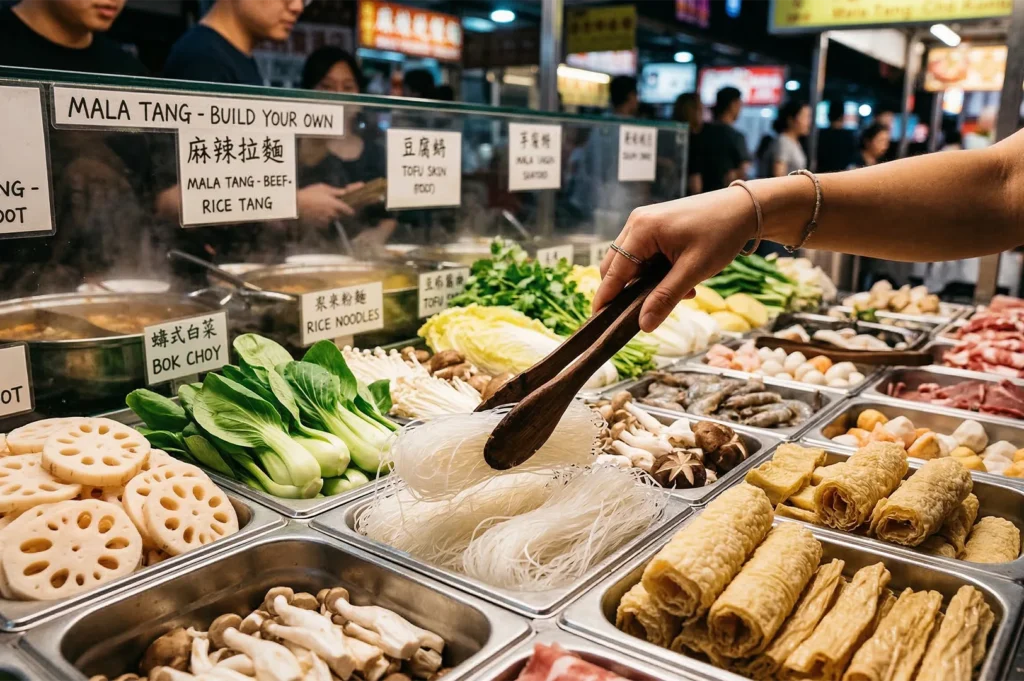
I still remember the first time I faced a “build-your-own” Mala Xiang Guo counter. I stood there, plastic tongs in hand, completely paralyzed by the mountain of choices. Lotus root? Kelp knots? three different types of tofu skin? My anxiety spiked. I panicked, grabbed way too much luncheon meat, and ended up with a $28 bowl that was so spicy I couldn’t feel my face for an hour.
That experience taught me two things. First, ordering a bowl in Singapore is an art form. Second, despite the sweat and the confusion, I went back the very next week.
There is something primal about a bowl of broth. Whether it’s the peppery kick of Bak Kut Teh on a rainy Tuesday or the rich, creamy comfort of a Tonkotsu ramen after a long week, “bowl culture” has taken over the world. But why now? Why are we, in tropical Singapore where it’s 32°C daily, obsessed with steaming hot soup?
I’ve spent years slurping my way through hawker centres and ramen bars to figure this out. This guide is my attempt to map the landscape of broths and bowls, so you can navigate it with confidence, and avoid my $28 mala mistake.
Why The World Is Obsessed With “Bowl Culture” in Asian Food
In today’s fast-paced world, Asian food bowls offer comfort and efficiency—carbs, protein, and vegetables all in one. Singapore’s hawker culture, rooted in street food snacks and bowls, perfectly embodies this trend. A hearty bowl of Ban Mian or fish soup delivers delicious food and value, making it a go-to meal for locals and travelers alike. This obsession with the perfect bowl is a cross-border phenomenon, much like how Indonesian Soto shapes the future of Asiatic food traditions by blending aromatic herbs with soulful, restorative broths.
The “Choose Your Bowl” Decision Tree for Asian Recipes
Not all bowls are equal; knowing what to eat when is key.
1. Identify Your Comfort Mood
- Light and Fresh: Opt for Pho, Teochew clear fish soup, or Shio ramen with rice noodles and pickled cabbage. These use aromatics like coriander and ginger for a clean taste.
- Warm Hug: Choose Teochew Bak Kut Teh or Pig’s Organ Soup with succulent meat, featuring white pepper for soothing heat.
- Indulgent: Go for Tonkotsu Ramen or Katong Laksa, rich with coconut milk and chili oil, offering bold flavors and creamy texture.
- Thrill-Seeker: Mala Tang or Mala Xiang Guo provide a spicy, numbing experience thanks to Sichuan peppercorns.
2. Customize Your Bowl
- Spice Level: Start lower than you think; chili oil and flakes can be added but not removed.
- Noodle Texture: For ramen, ask for “hard” or “katamen” soft egg noodles to avoid mushiness.
- Balance: Pair rich broths with acidic sides like pickled ginger or cold cucumber to cut through fat.
Pro Tip: For Mala bowls, combine 1 carb, 1 protein, 2 vegetables, and 1 tofu/egg to keep costs reasonable.
Budgeting Your Bowl: What to Expect in Southeast Asia’s Asian Cuisine
- Budget (S$3–S$6): Hawker heartland with dishes like fried rice, prawn noodles, ban mian, and curry mee.
- Mid-Range (S$10–S$18): Mala Tang, casual seafood restaurants, and specialty noodle soups.
- Treat (S$18–S$30+): Premium ramen spots offering broths simmered for several hours.
- Group Comfort (S$30+): Communal hotpots and steamboats featuring grilled meat and seafood.
Common Mistakes in Cooking Asian Food
- Delivery Ramen Pitfall: Noodles absorb broth and become soggy. Keep noodles separate and reheat broth before combining.
- Oil Slick Trap: Beware bowls with thick, stale oil lacking aroma; authentic Mala bowls have fragrant spices and visible chili husks.
- Chope Culture: Reserve your seat before ordering in busy hawker centres to avoid dining discomfort.
Etiquette: To Slurp or Not to Slurp?
- Ramen: Slurping is encouraged to cool noodles and show appreciation.
- Local Soups: Eat quietly; slurping is less common.
- Sharing: Ramen is solo; hotpots and Mala Xiang Guo are communal.
Bowl Hack: Order a noodle refill (“Kaedama”) after finishing your first serving but while broth remains.
Singapore: The Perfect Bowl City for Asian Food Lovers
In Singapore, the “Bowl” is the ultimate vessel for soul-searching. Our humid climate and fast-paced lifestyle make the one-dish meal a necessity. Here, Asian food isn’t just a category; it’s a daily ritual where we seek:
- Peppery Comfort: Teochew Bak Kut Teh with crispy You Tiao for dipping.
- Spicy-Coconut Warmth: Katong Laksa, rich with coconut milk, chili oil, and kaffir lime leaves.
- The Foundation: Every bowl relies on high-quality rice noodles or soft egg noodles to absorb the bold flavors of the broth.
The Best Street Food: Dim Sum as the “Side-Dish”
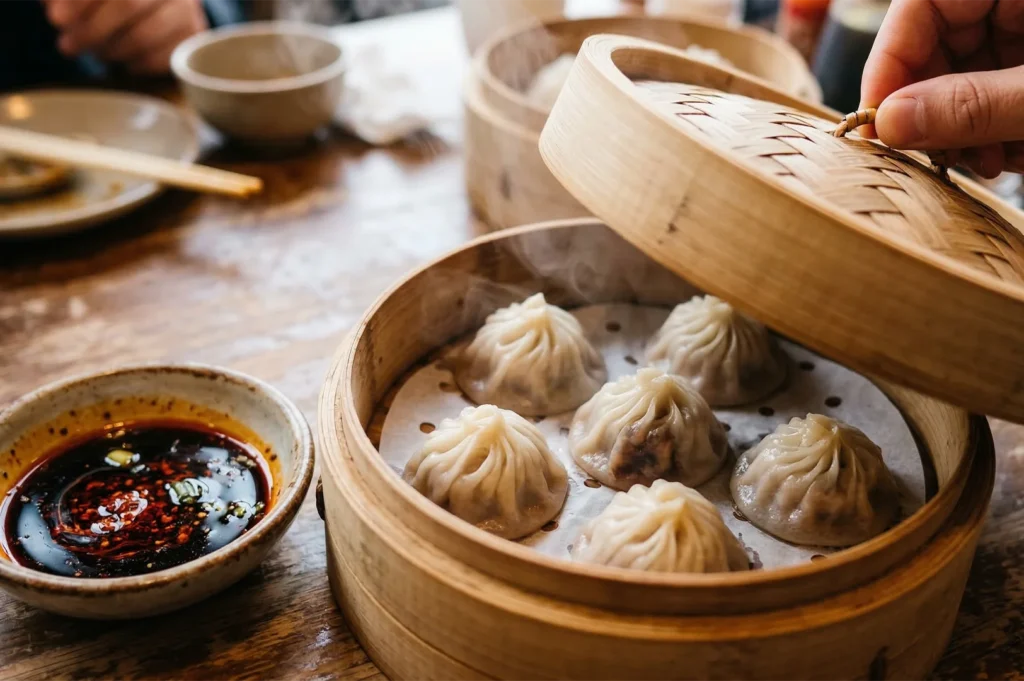
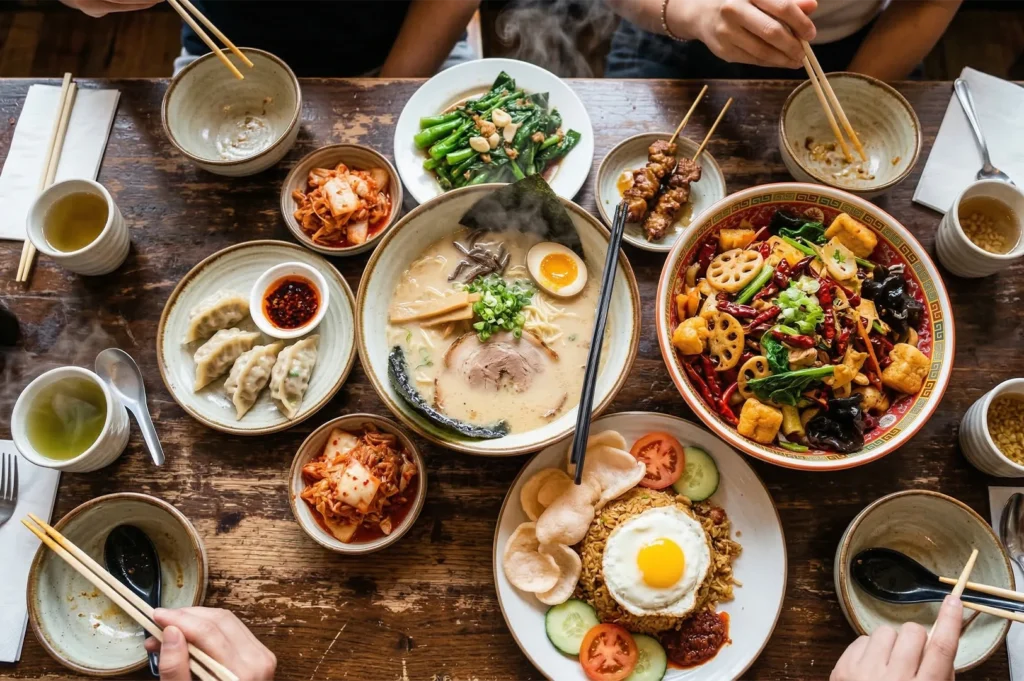
You might wonder how dim sum fits into a world of broths. In the tradition of yum cha, these bite-sized street food snacks provide the texture that a liquid broth lacks.
- The Steamed Contrast: Steamed dumplings filled with pork belly or seafood offer a delicate, “clean” break between sips of heavy noodle soup.
- The Flavor Bridge: Dipping a dumpling into soy sauce and sesame oil resets the palate, making the next spoonful of broth taste even more vibrant.
Curry Mee and Khao Soi: When Broth Becomes the Main Event
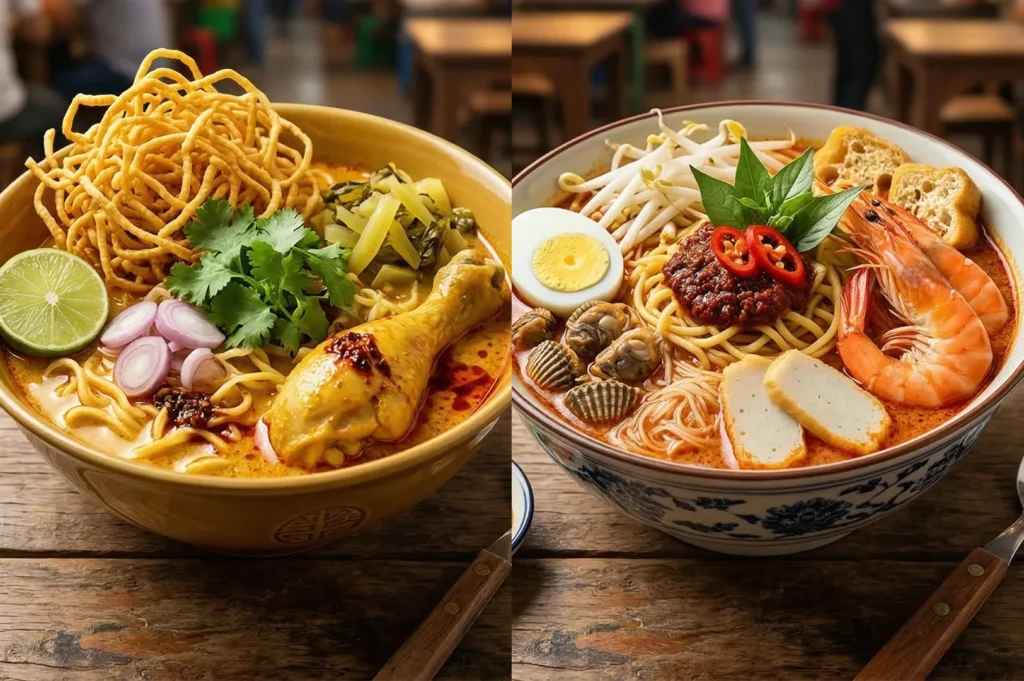
If you want to see the “Bowl Trend” reach its peak, look at Malaysian food and Northern Thailand. These aren’t just soups; they are complete culinary traditions in a single serving.
- Khao Soi: A golden masterpiece from Northern Thailand that uses soft egg noodles in a coconut milk base, proving that Asian recipes can be both creamy and crunchy.
- Curry Mee: This Malaysian food icon uses shrimp paste, bean sprouts, and pickled cabbage to turn simple rice noodles into an authentic heritage experience.
- The Slow Simmer: In both cases, the chicken or beef is cooked for several hours to ensure the meat is succulent and falling off the bone.
Fried Rice and Nasi Campur: The Dry Anchors of Asian Cuisine
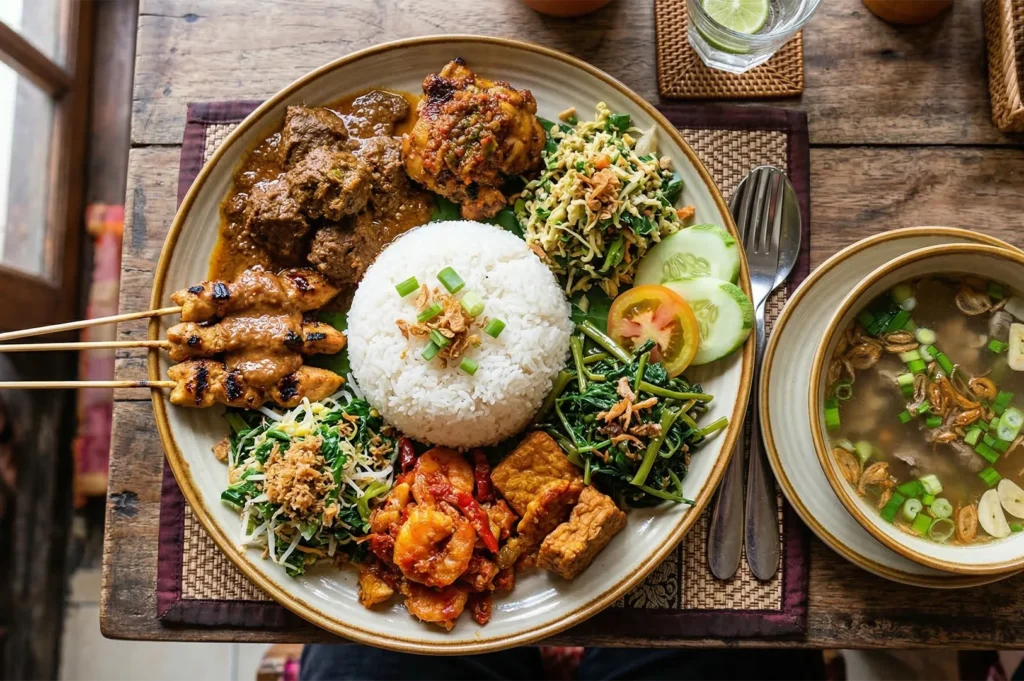
Every great broth needs a dry counterpart. Fried rice and Nasi Campur act as the “stabilizers” in Asian cuisine, offering a different kind of delicious food that highlights the stir frying technique.
- Nasi Goreng: This Indonesian staple uses shrimp paste, garlic, and spring onions to create a smoky, robust profile that pairs perfectly with a light side dish of clear soup.
- Nasi Campur: The ultimate “mixed rice” meal allows you to curate your own plate with beef rendang, grilled meat, and vegetables, often served alongside a small bowl of savory broth to keep the meal balanced.
Chilli Crab and Beef Rendang: The “Bowl-Adjacent” Icons
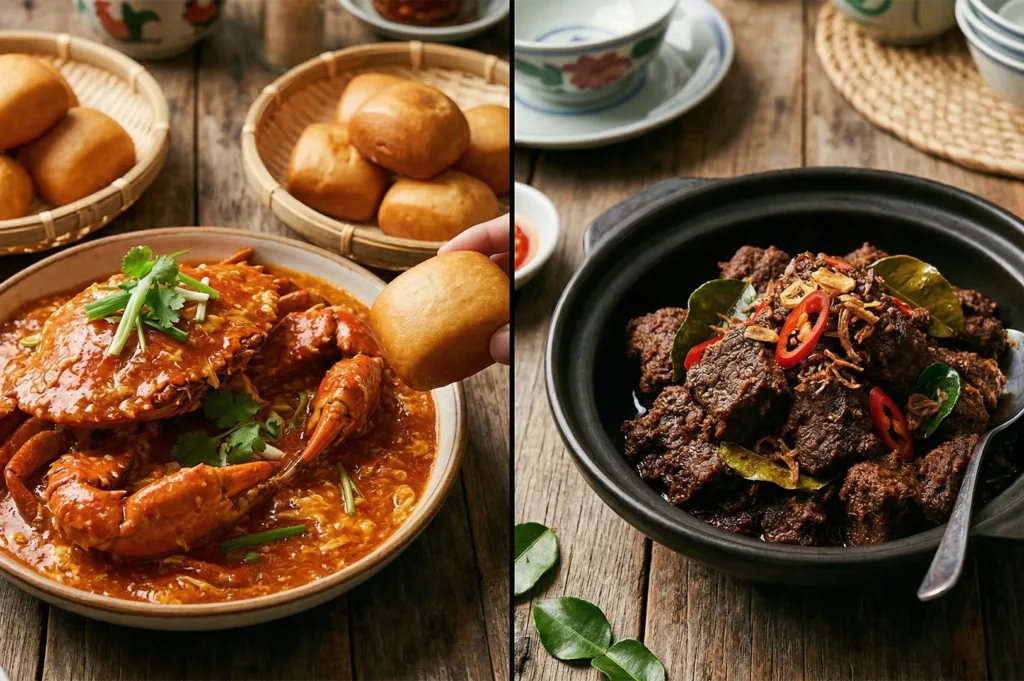
While chilli crab and beef rendang aren’t served in a traditional “noodle bowl,” they are the soulful heavyweights of Southeast Asia that use the same “slow-cooked” logic.
- The Liquid Gold: The sauce of a chilli crab is essentially a thick, savory broth meant to be “bowled up” with fried mantou.
- The Reduction: Beef rendang is what happens when you take the elements of a noodle soup, coconut milk, meat, and spices, and simmer them until the liquid is gone, leaving only the bold flavors behind.
The Lingering Taste: An Asian Food Guide
When you’re planning your next trip, don’t just look for a place to eat, look for a place to belong. To find the true soul of the region, I recommend following this path:
Dive into the Street Food Scene: Follow the smoke to find the best pork satay dripping in rich satay sauce. Pair it with fried rice and a basket of steamed dumplings filled with succulent meat. These street food snacks are the heartbeat of daily life.
Save Room for Special Occasions: Some memories deserve a white tablecloth. Indulge in popular dishes like crackling suckling pig from a tandoor oven or glazed peking duck at top seafood restaurants.
Chase the Regional Specialties: To savor the bold flavors of South Asia, Southeast Asia, and the Middle East, seek out pungent fermented shrimp paste, toasted garlic, and hand-crafted chili oil that layer the flavors.
At Eat Drink Asia, we believe that Asian food offers a diverse and exciting culinary adventure that stays with you long after the meal is over. Whether you are leaning over a steaming noodle soup at a roadside stall or celebrating at a refined table, the journey is always worth the taste.

The Verdant Cup: A Celebration of Green Tea in Japan
Eda Wong | January 10, 2026
In Japan, green tea is much more than a beverage. It marks a moment of pause, hospitality, and tradition. The story of green tea in Japan weaves through centuries of culture, artistry, and daily life—bridging ancient rituals like the Japanese tea ceremony to everyday meals enjoyed at home. The origins and beginning of Japanese tea…
-
Japanese Green Tea from Japan: The Story of Matcha
Dio Asahi | January 8, 2026
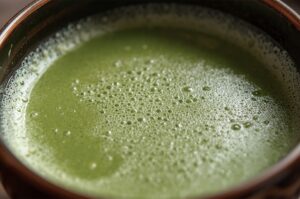
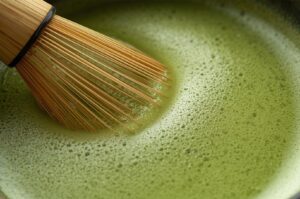
On a misty April morning in Kyoto, I knelt on tatami in a small tea room outside Uji, Japan. The host, dressed in kimono, moved with quiet skill as she scooped matcha powder into a ceramic bowl. The air was filled with the aroma of aged wood mixed with the grassy scent of high quality…
-
Takoyaki: The Sizzling Heart of Japan Food Culture
Dio Asahi | January 3, 2026
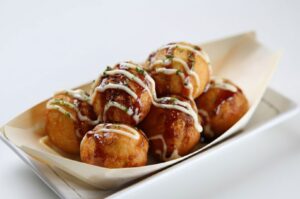
What is Takoyaki and Why Does it Matter in Japanese Food Culture? In the bright heart of Osaka, the sizzle of takoyaki batter signals one of Japan food culture’s most beloved street foods. Lines form at street stalls drawn by the delicious food aromas of sweet-savory sauce and bonito flakes dancing on golden spheres. Takoyaki,…
-
Everything You Need for a Flawless Bubble Tea Cake
Eda Wong | January 1, 2026
The global bubble tea phenomenon has evolved beyond drinks into the world of baking, creating one of the most exciting dessert trends of recent years. Bubble tea cake combines the beloved flavors of milk tea with the satisfying chew of boba pearls, all wrapped up in an adorable bubble tea cake that’s perfect for any…
-
Pad Thai Dish: Everything You Need to Know About the Rice Noodles That Make It Authentic
Eat Drink Asia Team | December 30, 2025
Pad Thai is more than just a staple of Thai Food; it’s a Global Phenomenon. From bustling street carts in Bangkok to high-end Thai Restaurants in New York, this iconic Pad Thai Dish has captured the hearts and palates of food lovers everywhere. The best Pad Thai rivals what you would find in a typical…
-
Thailand Food Pad Thai: Thailand’s Iconic Stir-Fried Noodle Dish
Eda Wong | December 27, 2025
Few dishes capture the essence of Thailand food culture like authentic Pad Thai. This beloved stir fried noodle dish is more than a meal-it’s a symbol of Thai identity, a perfect balance of sweet, savoury, and sour flavors, and a window into the soul of Thai cuisine. Whether you want to eat Pad Thai from…
-
Why Fish Curry is a Special Indian Cuisine
Dio Asahi | December 25, 2025
Along India’s vast and vibrant coastline, stretching over 7,500 kilometers, the sea offers its generous bounty to a cuisine renowned for its regional variations. Nowhere is the diversity of the Indian subcontinent more deliciously expressed than in a humble bowl of fish curry. Through this article, we’ll journey across India’s coasts and kitchens, exploring the…
-
Tikka Masala: The Story Behind One of the Most Iconic Dishes in India’s Food Cuisine
Eat Drink Asia Team | December 23, 2025
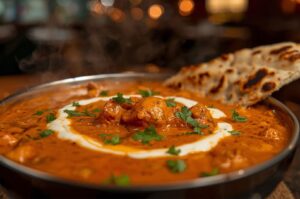
Ask anyone to name a famous Indian dish, and chances are “Tikka Masala” will be one of the first things they say. This creamy, vibrant, and aromatic curry has become a global symbol for the food cuisine in India, celebrated from street food stalls in Delhi to upscale Indian restaurants around the world. Its rich…
-
Cuisines in India: A Journey Through the Diverse Regional Food Traditions of the Subcontinent
Dio Asahi | December 20, 2025
Indian cuisine is celebrated for its spectacular diversity, bursting with flavors, regional traditions, and culinary innovations. From the spice-laden gravies of Northern Indian cuisine and tandoor-fresh breads, to coconut-laced Southern Indian cuisine, fragrant rice dishes in the East, and the robust, spicy curries and street food of the West, the foods of India reflect not…
-
Green Tea with Milk: A Tale of Two Teas from Taiwan and Thailand
Eda Wong | December 18, 2025
The simple combination of green tea with milk has sparked a culinary phenomenon across Asia, creating a diverse family of beverages that are both comforting and refreshing. While many countries have embraced this pairing, two nations stand out for their iconic and wildly different interpretations: Taiwan and Thailand. Each has cultivated a unique culture around…