The grill glows orange in front of me before the meat arrives. It’s a small thing, set into the counter at my single seat, and it hums faintly under the chatter of the room. No flame. No charcoal. Just a low electric warmth I can feel rising toward my face.
A plate comes. Thin slices of beef, laid out like pages — tongue, skirt steak, short plate — each one marbled with fine threads of fat. I pick up a slice with the tongs and lay it on the grill. It takes a second. Then the sizzle starts, quiet at first, building as the fat begins to render. The smell reaches me a beat later — that deep, toasted beef aroma that always seems to arrive before the taste does.
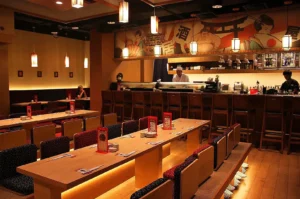
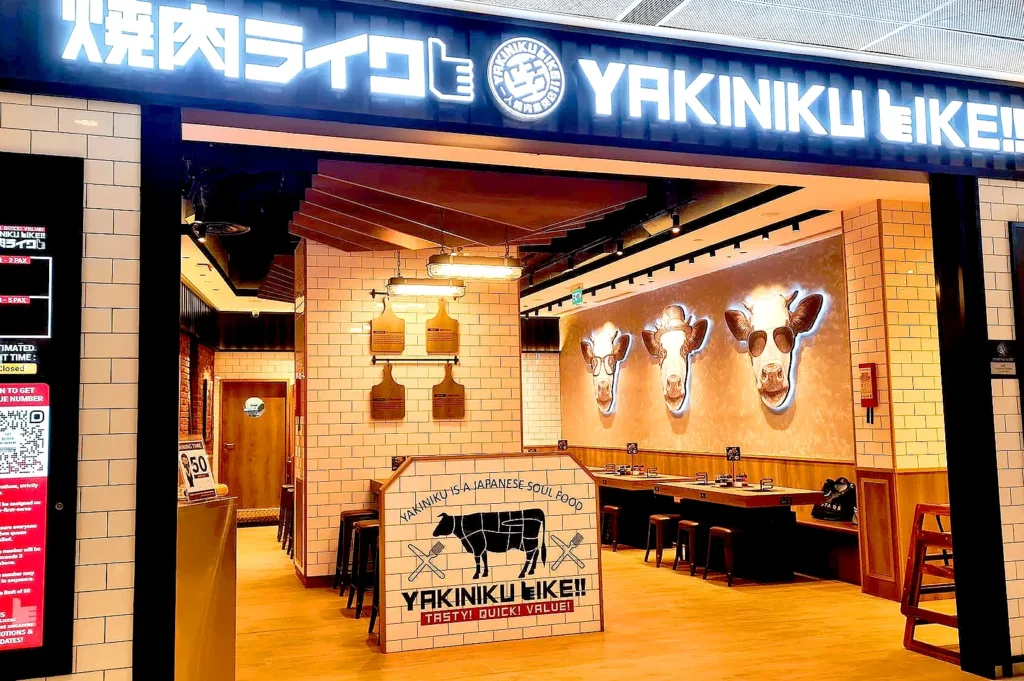
This is Yakiniku Like, tucked into the busy stretch near Somerset MRT Station, where Orchard Road moves fast and nobody lingers long. The counter is built for people like me, eating alone. One seat, one grill, one plate. You cook your own meat at your own pace, and nobody hurries you, though the room is moving quickly all around.
The grill is the thing I keep thinking about. Yakiniku has always been a shared act — a charcoal pit in the middle of a table, smoke curling up into everyone’s clothes, friends reaching over each other to turn the meat. It’s one of those rituals that makes Japanese food feel communal before you’ve even taken a bite. The smoke was part of it. You carried it home in your hair. Here, the electric grill takes that away. It’s smokeless, clean, efficient. I’ll step back onto Orchard Road in a few minutes and smell of nothing at all.
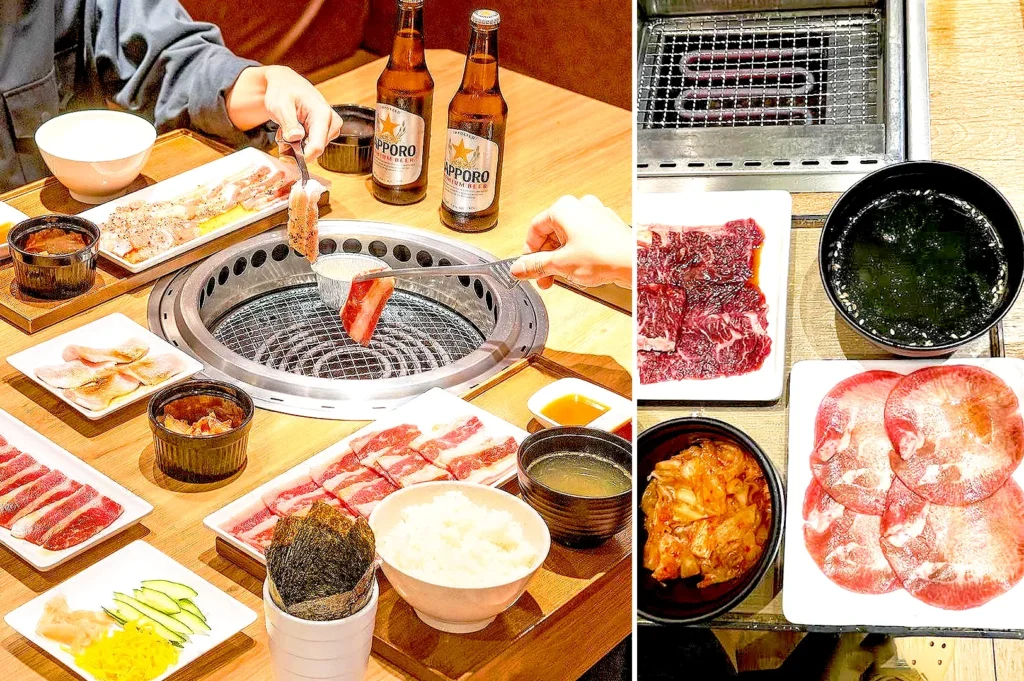
There’s something quietly strange about that. The whole ritual of yakiniku was built around company, around the slow shared work of grilling and talking. Now it’s been folded down into a single seat, a single grill, a meal you can finish in twenty minutes between errands. The intimacy hasn’t vanished. It’s just turned inward. Instead of cooking for the table, I’m cooking only for myself, paying attention to one slice at a time, deciding when it’s done by the colour of the edge.
I lift the skirt steak off the moment it curls. It’s still soft in the middle, the fat gone glassy. I dip it, eat it, reach for the next. There’s a rhythm to it that I didn’t expect to find alone — a small, contained focus, the kind you don’t usually get in a place this close to a mall.
Maybe that’s the trade. We’ve given up the smoke and the crowd for speed and a clean shirt. Something is lost in that. But something is also offered back: a quiet half-hour, a grill that asks nothing of you except attention, a meal that belongs entirely to you.
I finish the last slice and watch the grill dim. The room keeps moving. I sit a moment longer than I need to, in no hurry to rejoin it.

The Alchemy of the Wok: The Story of Singapore-Style Bee Hoon
Eda Wong | February 10, 2026
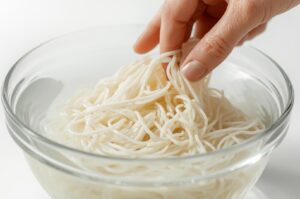
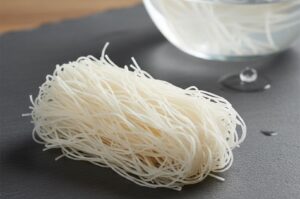
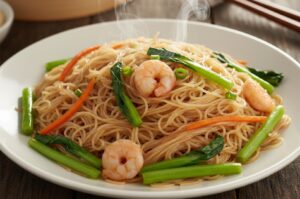
Across the humid evening air of Singapore, a rhythmic clatter echoes from hawker stalls to high-rise kitchens—the sound of a metal spatula against a seasoned wok. Within that intense heat, rice vermicelli noodles undergoes a profound transformation, absorbing the golden hues of curry powder, the savory depths of soy sauce, and the smoky “breath” of…
-
The Sizzle of the Wok: An Exploration of Fried Bee Hoon Across Southeast Asia
Eat Drink Asia Team | February 7, 2026
Across Southeast Asia, from bustling hawker centers to family kitchens, the sizzle of rice vermicelli noodles hitting a hot wok is a universal comfort. Few dishes capture the spirit of Asian noodle culture as well as fried bee hoon. This stir fry, made with thin rice noodles, delivers a tasty meal any time of the…
-
The Silk of the East: A Deep Dive into Bee Hoon and the Art of Rice Vermicelli
Eda Wong | February 5, 2026
Across the bustling kitchens of Southeast Asia, one humble ingredient has woven itself into the fabric of countless beloved dishes. Bee hoon, the delicate rice vermicelli that transforms from brittle strands into silky noodles, represents centuries of culinary tradition and innovation. Whether you’ve savored Singapore noodles in a hawker center or encountered fried bee hoon…
-
The Eternal Hearth: A Journey Through the Soul of Indian Foods Vegetarian Traditions
Dio Asahi | February 3, 2026
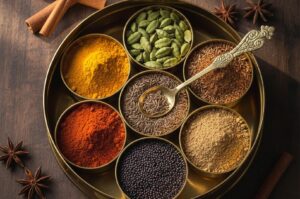
In the vibrant tapestry of global gastronomy, few cultures have elevated the plant-based plate to an art form quite like India. While much of the world has recently turned toward meat alternatives for health or environmental reasons, Indian cuisine has been centered on the vegetable for millennia. This isn’t merely a dietary choice; it is…
-
The Essence of Jeju Citron Tea: A Distinctive Profile of Yuja Tea in Korea
Dio Asahi | January 31, 2026
Imagine sitting in a quiet, sun-drenched teahouse overlooking the dramatic volcanic coastline of Jeju Island. The steam rising from your cup carries an aroma that is at once familiar and yet entirely new—a version of Korean citron tea, or yuja cha, that tastes of sea salt, volcanic soil, and generations of island tradition. As you…
-
Korean Citron Tea: Health Benefits and Wellness Secrets
Eat Drink Asia Team | January 29, 2026
As the seasons change and a chill enters the air, many of us seek out comforting rituals to support our well-being. Imagine wrapping your hands around a steaming cup of Korean citron tea—also known as yuja-cha—its bright, citrus aroma soothing and revitalizing with every sip. More than just a winter treat, Korean citron tea is…
-
When the Izakaya Becomes the Plan: Izakaya Singapore Top Picks for After-Work Reset
Dio Asahi | January 28, 2026
January 28, 2026 | Dio Asahi Last updated: September 14, 2026 As you step behind the humble noren curtain, you’re greeted by glowing lanterns, sizzling charcoal-grilled skewers, and warm welcomes. This is izakaya, Japan’s casual pub, a vibrant part of Singapore’s dining scene. More than just yakitori and sake, izakayas offer a lively setting for social…
-
Yuja Tea: Korea’s Traditional Citron Tea
Dio Asahi | January 27, 2026
The golden, aromatic steam rising from a cup of yuja tea carries centuries of Korean tradition and wellness wisdom. This caffeine-free citrus beverage has warmed Korean hearts through countless winters, offering both comfort and powerful health benefits in every sip. Made from the Korean citron known as yuja fruit, this simple Korean tea represents one…
-
The Global Phenomenon of Korean Instant Noodle: A Cultural and Culinary Journey
Eda Wong | January 24, 2026
In the high-octane streets of South Korea, where the “pali-pali” (hurry-hurry) culture defines the pace of life, one dish stands as the ultimate equalizer of speed and satisfaction: Korean ramyeon. While the world often uses the terms ramen and ramyeon interchangeably, the Korean version is a distinct entity. It is not merely a quick snack…
-
Traditional Ramyeon: The Soulful Heart of Korean Noodle Culture
Eat Drink Asia Team | January 20, 2026
In the bustling culinary landscape of South Korea, few comfort foods can match the satisfaction of a steaming bowl of ramyeon. While outside of Korea, “ramyeon” often brings to mind Korean instant noodles or instant ramen, true ramyeon Korean style refers to the artful, freshly prepared noodle soup enjoyed in homes and at local restaurants…