I ordered the sambal fried rice first, before I’d even properly read the menu.
That’s usually a mistake at a place like this. Yassin Kampung @ Admiralty is the kind of restaurant that keeps trying to pull your attention elsewhere — toward stingray, toward crab, toward hotplates that arrive still hissing. But I’d come with one question, and I didn’t want to lose it in the noise.
Can a big-menu kitchen still make one honest plate of fried rice? Or does the sambal just get stirred in at the end, a shortcut wearing the name of something better?
A Room Built for Families at Yassin Kampung
I visited on a weekday, a little after 7pm, when the dinner crowd was starting to fill in but had not yet peaked.
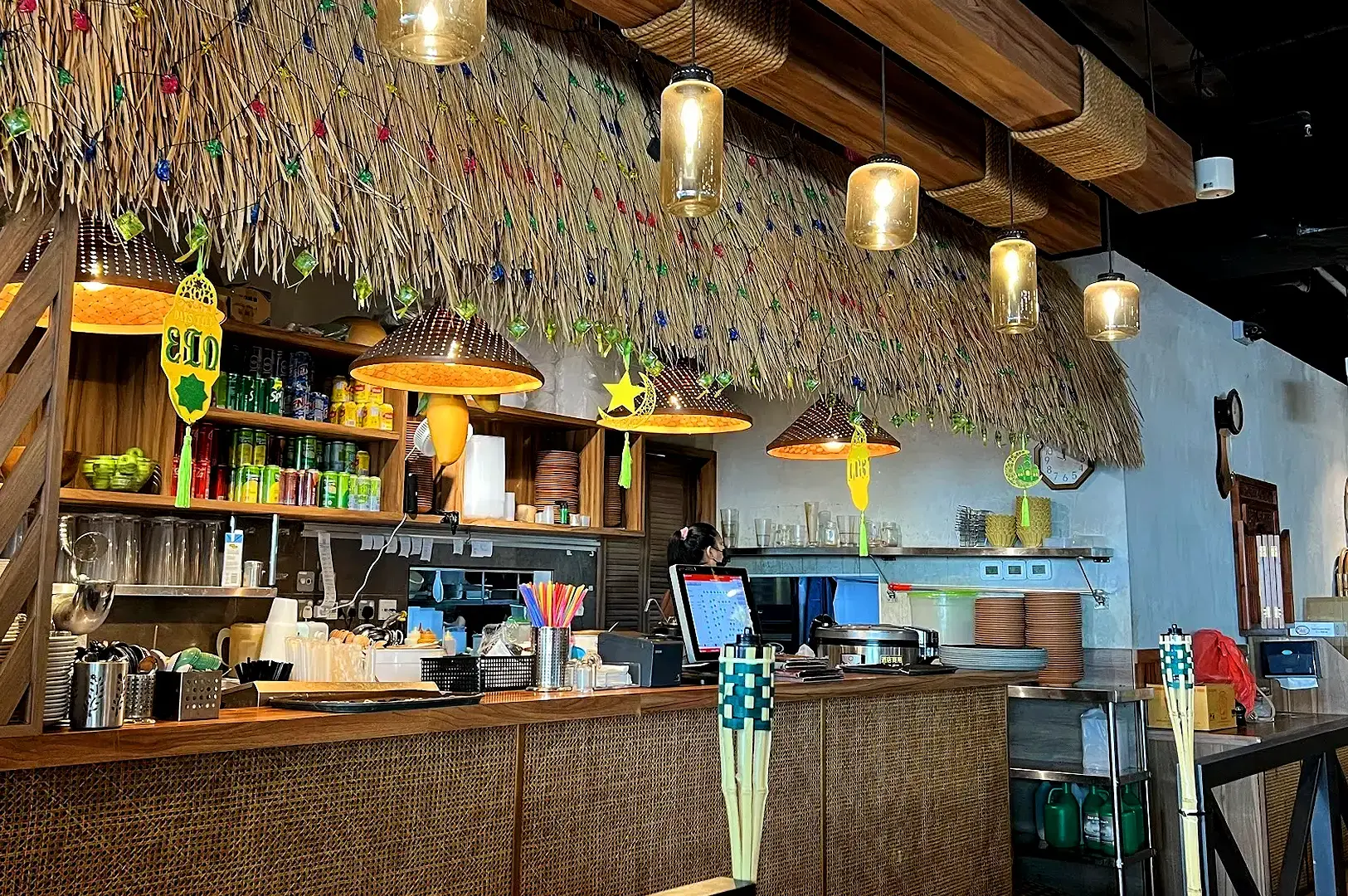
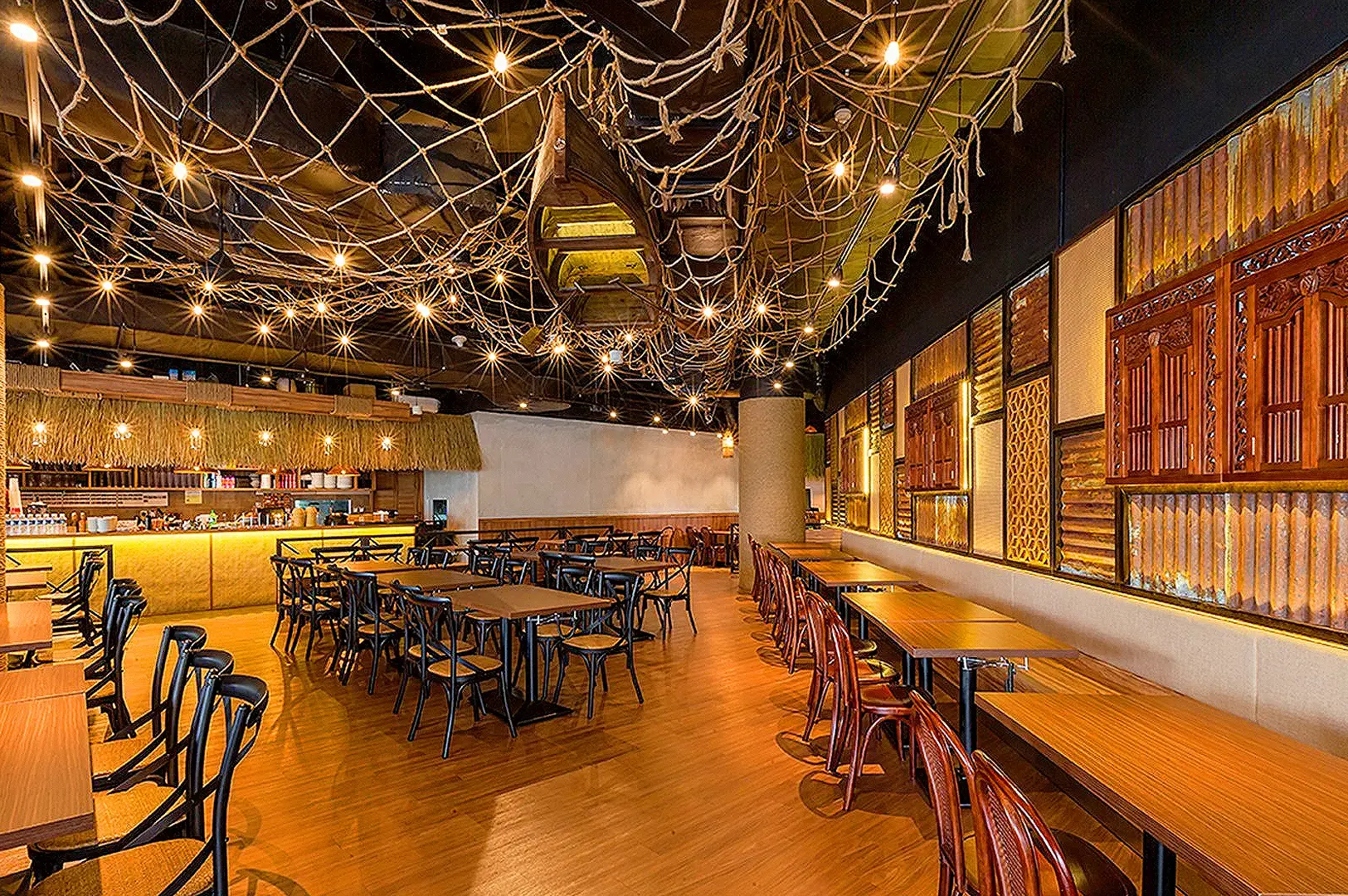
The muslim owned Yassin Kampung restaurant sits on the ground floor of Kampung Admiralty, that community complex right by Admiralty MRT in Singapore. You do not come here for atmosphere in the styled sense. It is clean, brightly lit, functional: tables close together, families settling in, a couple of prams parked beside chairs, the low churn of a restaurant that feeds a neighbourhood rather than an occasion.
Yassin Kampung’s Muslim-owned, family-friendly setting also fits into the wider search for a halal restaurant in Singapore where spice, rice, and shared dishes do the heavy lifting.
Honest Ambience
That is not a complaint. There is an honesty to a room like this. Nobody is performing. The staff moved quickly, a little rushed, but a young man still took the time to point me toward a table near the wall when I asked for something quieter.
The Enormous Menu
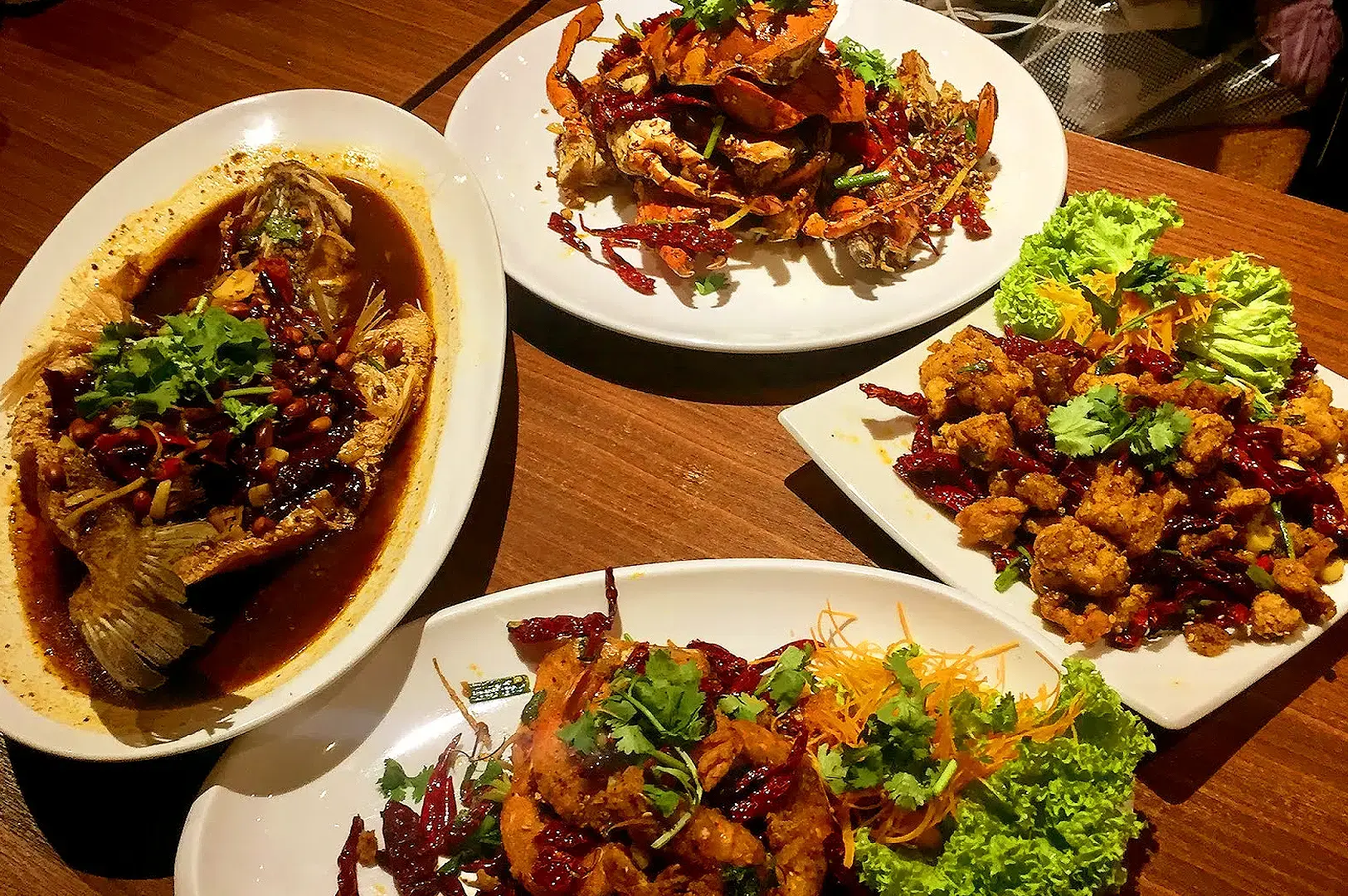
The menu is enormous, and it gives you the clearest read on what Yassin Kampung is trying to be. This is not a narrow specialty kitchen. It is a big family restaurant built around choice, sharing, and speed.
You will see:
- Fried rice and noodles
- Sambal seafood and hotplate dishes
- Whole fish and chilli crab
- Tom yum, ayam penyet, and kangkong belacan
- Salted egg dishes
- Larger plates that work for families and groups
It reads less like a single-cuisine showcase and more like a restaurant trying to be all things to a family that can never agree on one asian cuisine. I will be honest: if you are not decisive, the menu can feel overwhelming. I watched the table beside me flip back and forth for a good ten minutes.
The Dish That Started It All
The Kampung Sambal Fried Rice came out before my other orders, steam still rising off it.
The first thing I checked was the rice. I always do. I dragged my fork through and the grains moved apart, separate, each one carrying a rust-red stain rather than clumping into a wet mass. Good sign. That told me the sambal had at least met some heat before the rice arrived.
I brought a forkful up to my nose. There it was: that faint smoky edge, the one you only get when a wok gets properly hot. Not overwhelming, but present. The sambal had been cooked, not just spooned in. You could taste it coating the grains rather than sitting on top of them.
If you want to understand why the rice had to meet the chilli paste before anything else, the same logic sits at the heart of this sambal fried rice recipe from Eat Drink Asia.
The Heat Level
On the central question, it lands on the right side. This is closer to a true wok dish than a shortcut. The chilli paste, oil, heat, and rice had genuinely become one thing.
And yet, the heat pulls its punches. The sambal is savoury, fragrant, a little sweet at the edges, but it has clearly been softened for the family crowd. That makes sense in a muslim owned neighbourhood restaurant where children, parents, and grandparents may all be sharing from the same table.
I do not begrudge that choice. But I found myself wishing the chilli had been allowed to speak a little louder. As it stands, the sambal fried rice is good. With more heat, it could have been the reason you come back.
The Plate That Kept Its Distance
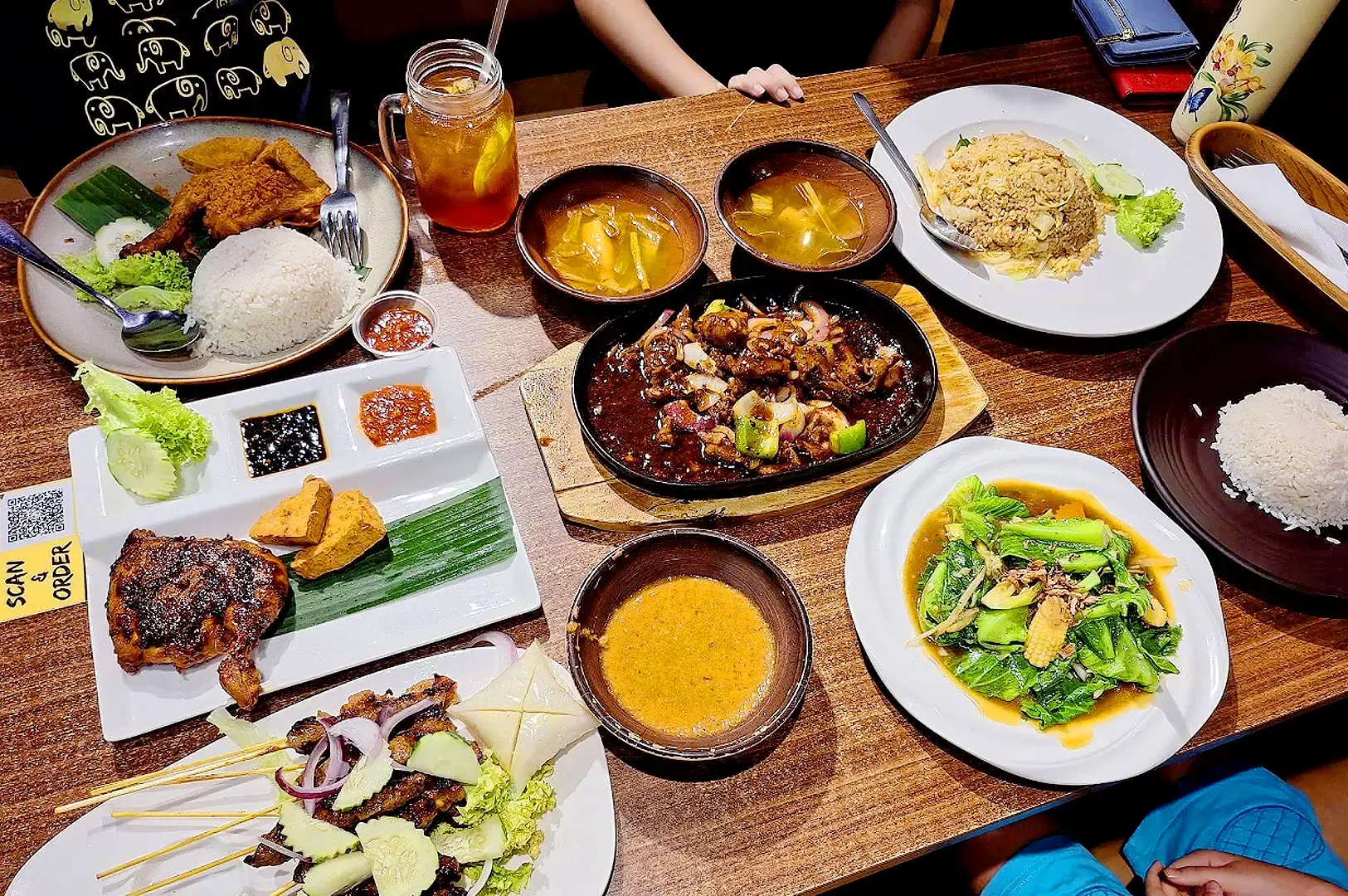
To test the contrast, I ordered the Signature Ayam Penyet with Rice.
Where the fried rice folds the chilli through everything, ayam penyet keeps it separate. Fried chicken on one side, rice on the other, a mound of sambal sitting apart, waiting for you to decide how brave you feel.
The chicken was smashed flat and crisp at the edges, the way it should be. And here, interestingly, the sambal had teeth. Sharper, rougher, more alive than the version worked into the rice. Dabbing the chicken through it, I got the heat I had wanted from the fried rice.
Chicken and Sambal
It made me think the kitchen knows how to make a fierce sambal. It just chooses restraint when the chilli has to sit inside a whole plate of rice meant for sharing.
The rice underneath was fine but unremarkable, plain steamed, there to carry the chicken and the chilli rather than to shine on its own.
That contrast mattered. The ayam penyet showed me that the kitchen can push harder when the dish asks for it.
Where the Kitchen Shows Its Real Voice
The last thing I ordered was the BBQ Sambal Stingray, and this is where Yassin Kampung stops hedging.
It arrived on a hot plate, sizzling audibly, the sambal charred dark at the edges where it had caught the heat. The smell hit before the plate landed: smoky, pungent, with the shrimp-paste depth of a proper belacan sambal.
This is the kitchen’s real dialect. Sambal is not a garnish here. It is the language the whole menu speaks.
Bold Flavours
The stingray flesh pulled apart in soft ribbons under the sambal’s weight, and the chilli had all the force it had been holding back elsewhere. A squeeze of lime cut through the richness and kept it moving.
Eating it, I understood the sambal fried rice differently. The kitchen is not timid. It can bring the heat when it wants to. It simply calibrates: full force on the shared seafood, gentler on the everyday rice plate that a child might end up eating half of.
That calibration is useful to understand before you order. If you want the chilli at its loudest, go for the sambal seafood. If you want the wok’s control, start with the fried rice.
What You Should Know
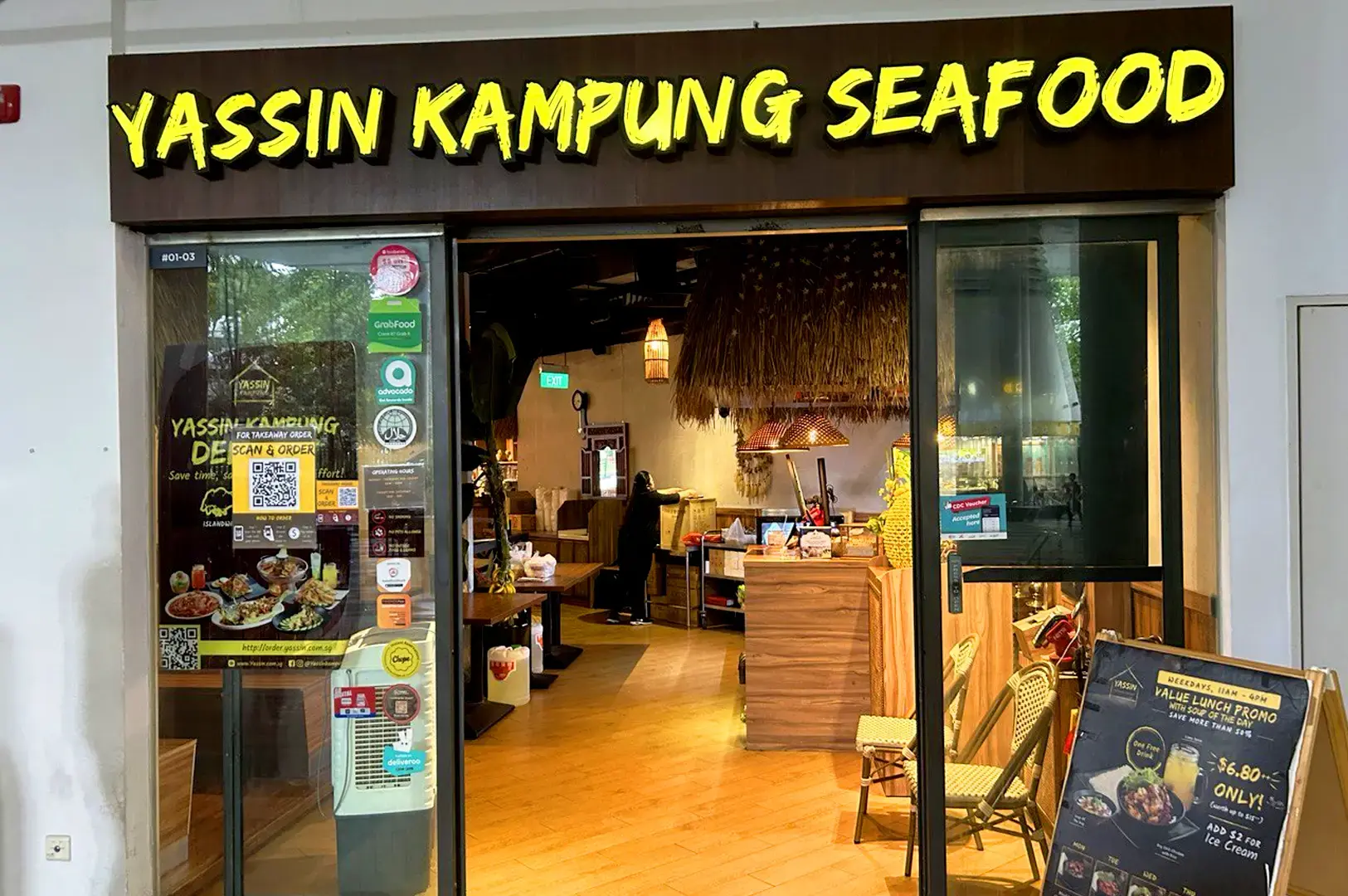
Yassin Kampung @ Admiralty sits at 676 Woodlands Drive 71, #01-03, inside the Kampung Admiralty complex. Admiralty MRT is a short walk, which makes it easy to reach without thinking about parking.
It is open daily, so it works for lunch, dinner, or a late meal if you are in the north of Singapore and want something casual. Reservations are available through Chope, and for a group, I would book rather than risk a long wait during peak time.
Expect somewhere around S$10 to S$30 a person. A single fried rice keeps you at the lower end. Once you start ordering stingray, crab, and hotplates for a table, the bill climbs.
Quick Practical Notes
- Best time to visit: Off-peak weekday meals
- Best for: Families, groups, and casual neighbourhood dinners
- Main risk: Uneven pacing when the room is full
- Order first: Kampung Sambal Fried Rice if you want the wok test
- Order for sharing: BBQ Sambal Stingray if you want the kitchen’s bigger voice
Advice for Diners: Come off-peak if you can. Avoid the weekend dinner crush. A restaurant this size, serving this many families in a day, does its best work when the kitchen is not drowning.
A Muslim Owned Yassin Kampung Seafood Kitchen With More Than One Address
Yassin Kampung @ Admiralty is part of the wider Yassin Kampung Seafood name, which has been established in Singapore as a casual, family-friendly seafood and zi char brand. The Admiralty outlet is the one reviewed here, but the group’s footprint also appears in other neighbourhood listings, including 326 Anchorvale Road #01-01 in Sengkang.
That wider identity explains the scale of the Admiralty menu. This is not a one-dish concept built around a single viral plate. It is a neighbourhood seafood operation with the kind of broad menu meant to serve different appetites in one room.
What the Wider Menu Handles
At Admiralty, the kitchen is not only sending out fried rice. It is also handling:
- Seafood soups with prawns, fish, and sotong
- Sambal stingray
- Crab and prawn dishes
- Hotplates and noodles
- Chicken dishes like ayam penyet
- Vegetable plates for sharing
When the sambal fried rice is good, it feels more impressive because it has been served from a kitchen juggling much louder dishes at the same time. The rice is not the flashiest order on the table, but it becomes a useful test of whether the wok is paying attention that day.
The better way to read Yassin Kampung, then, is not as a quiet specialty restaurant. It is a family-friendly seafood kitchen where sambal has to work across many forms: folded into rice, spooned beside ayam penyet, charred over stingray, or stirred through seafood dishes.
That is why the fried rice matters. In a place built for families, groups, and late meals, a simple plate of rice still tells you whether the kitchen is awake.
The Last Forkful
So — does the sambal fried rice become the whole point?
Not quite. The BBQ Sambal Stingray is the dish that shows you who this kitchen really is, all heat and char and confidence. The fried rice, gentler, holds back.
But here’s what stayed with me. That plate of fried rice, red-stained and faintly smoky, still tasted like someone had cooked the sambal properly before the rice ever hit the wok. In a menu this sprawling, that’s not nothing. It would have been easy to cut the corner. They didn’t.
I finished it, sambal still faint on the back of my tongue, and thought: give it more chilli, and this ordinary plate could hold its own against everything louder around it.
Some kitchens hide behind a specialty. This one just needs to trust its own heat a little more.

A Comprehensive Resource for Oriental Foods Recipes for the Modern Home Cook
Eda Wong | April 10, 2026
For years, I thought cooking Asian food at home required something mystical. My stir-fries were soggy, lacking that smoky breath of the wok. My fried rice was inconsistent, sometimes clumpy, other times dry. My sauces tasted flat, missing the balance of savory, sweet, and tangy flavors I craved. I assumed restaurants had secrets I’d never…
-
Pour Decisions: The Best Bars in Singapore for Craft Beers and More
Dio Asahi | April 9, 2026
Walking through the humid streets of Singapore at dusk, you can feel the city transforming. The tropical heat fades into neon lights, and the clinking of glasses begins to echo from narrow shophouses and towering skyscrapers. Singapore boasts a dynamic bar scene that rivals any global metropolis. From opulent destinations like to the laid back charm,…
-
The 8 Best Chinese Restaurants in Singapore: From Dim Sum to Peking Duck
Dio Asahi | April 7, 2026
Singapore’s best chinese restaurants in singapore function less like isolated dining rooms and more like a networked system of technique. Across these chinese restaurants, you see branches of chinese cuisine expressed through roast mastery, controlled fermentation, seafood purity, and banquet choreography. This is not simply a guide to chinese food. It’s a mapped culinary journey…
-
The Neighbourhood Restaurant Test: How to Spot Truly Authentic Cuisine Restaurants in Your Area
Eda Wong | March 31, 2026
A friend texted me last week: “I’m outside this new Vietnamese place. How do I know if it’s legit before I waste my money?” It’s a question I get often. We’ve all been there, drawn in by a cool sign, only to get a plate of sad, sweet, tourist-grade pad thai that tastes like ketchup….
-
Cuisine in the World Meets Singapore: Inside Nakhon Kitchen’s Cross-Cultural Magic
Dio Asahi | March 26, 2026
There’s a rite of passage for any food lover living in the East of Singapore, and it involves a queue. Specifically, the perpetually long, snaking queue outside Nakhon Kitchen in Bedok. I’d heard the legends for years: authentic Thai food, rock-bottom prices, and a wait time that tests your commitment. So, on a Tuesday evening…
-
The Spice Route Secrets: A Deep Dive into Malay Ethnic Food
Eda Wong | March 24, 2026
My first time ordering Nasi Padang in Geylang Serai was overwhelming, I randomly picked dishes and was shocked by a $20 bill due to premium beef rendang and squid. That taught me to always ask seafood prices and that Malay food is a complex, modular cuisine. Malay food is everywhere in Singapore, in hawker centres,…
-
The Shokunin Spirit: How Japan’s Craftsman Philosophy Lives Inside Singapore’s Most Disciplined Omakase Counter
Dio Asahi | March 21, 2026
The fire is not roaring; it is breathing. In a small, darkened workshop in Sakai, a swordsmith watches the colour of the steel with eyes that have tracked the same transformation for forty years. He does not look at a clock. He listens to the hum of the charcoal. He waits for the metal to…
-
The Evolution of the Plate: How History Transformed Iconic Malaysian Dishes
Eda Wong | March 19, 2026
I used to think I understood Malaysian food. As a Singaporean, it’s practically in my DNA, right? Nasi lemak for breakfast, a cheeky roti canai for supper – I thought I had it all figured out. Then I spent a week eating my way through Penang and Kuala Lumpur, and I realised I knew absolutely…
-
The Soul of the Table: An Educational Guide to the Role of Food in Malaysian Culture
Eat Drink Asia Team | March 17, 2026
We still remember our first collective Rumah Terbuka (Open House) experience in Kuala Lumpur.Standing at the doorway of a home during Hari Raya, we were utterly paralyzed by the sheer volume of people and the aroma of Malaysian cooking. There were aunties ladling beef rendang and tables groaning under the weight of colourful kuih. “Do…
-
Asian Food Comfort Trends: Why Broths and Bowls are Dominating Globally
Eda Wong | March 14, 2026
I still remember the first time I faced a “build-your-own” Mala Xiang Guo counter. I stood there, plastic tongs in hand, completely paralyzed by the mountain of choices. Lotus root? Kelp knots? three different types of tofu skin? My anxiety spiked. I panicked, grabbed way too much luncheon meat, and ended up with a $28…