I ordered the sambal fried rice first, before I’d even properly read the menu.
That’s usually a mistake at a place like this. Yassin Kampung @ Admiralty is the kind of restaurant that keeps trying to pull your attention elsewhere — toward stingray, toward crab, toward hotplates that arrive still hissing. But I’d come with one question, and I didn’t want to lose it in the noise.
Can a big-menu kitchen still make one honest plate of fried rice? Or does the sambal just get stirred in at the end, a shortcut wearing the name of something better?
A Room Built for Families at Yassin Kampung
I visited on a weekday, a little after 7pm, when the dinner crowd was starting to fill in but had not yet peaked.
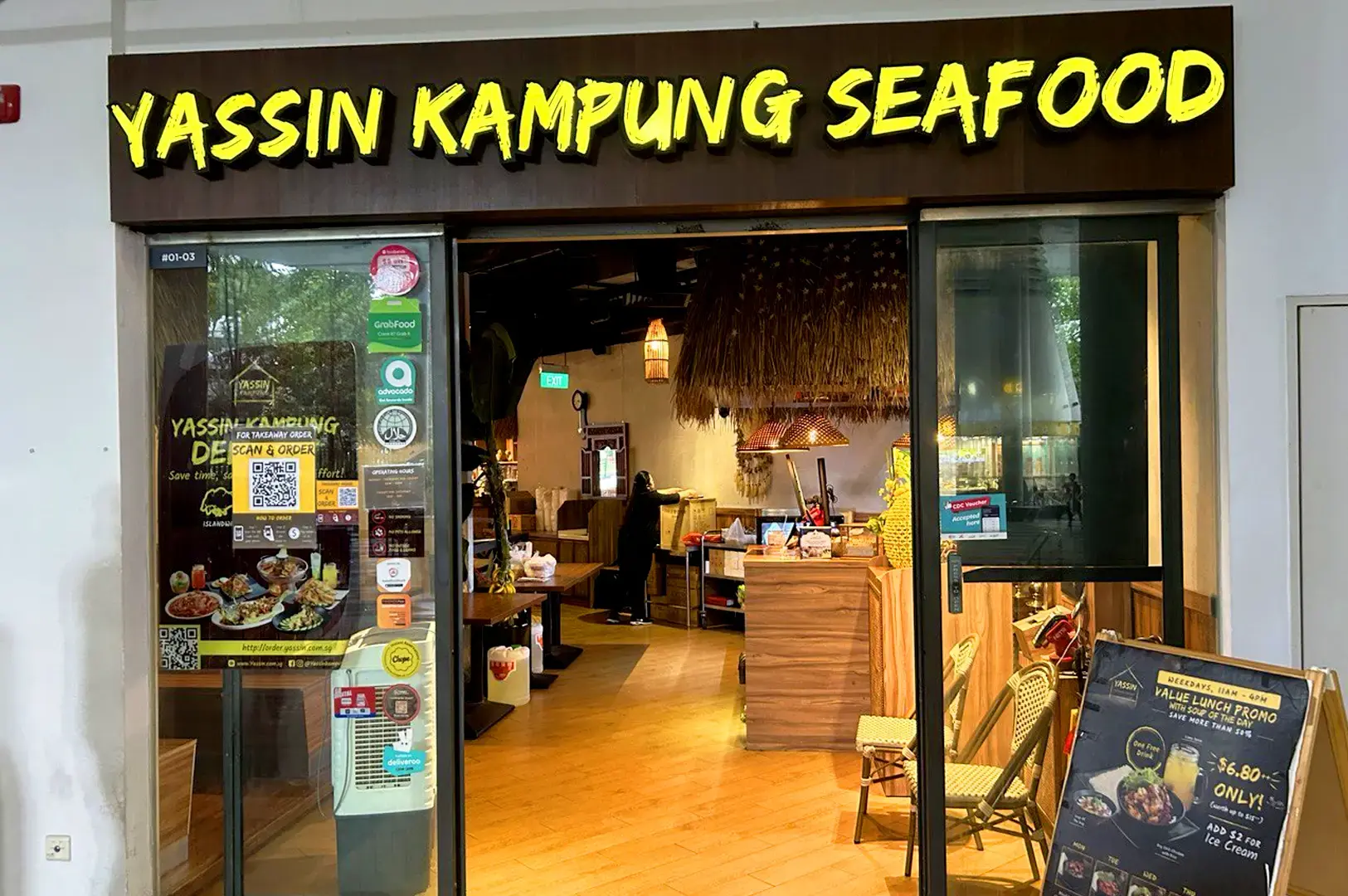
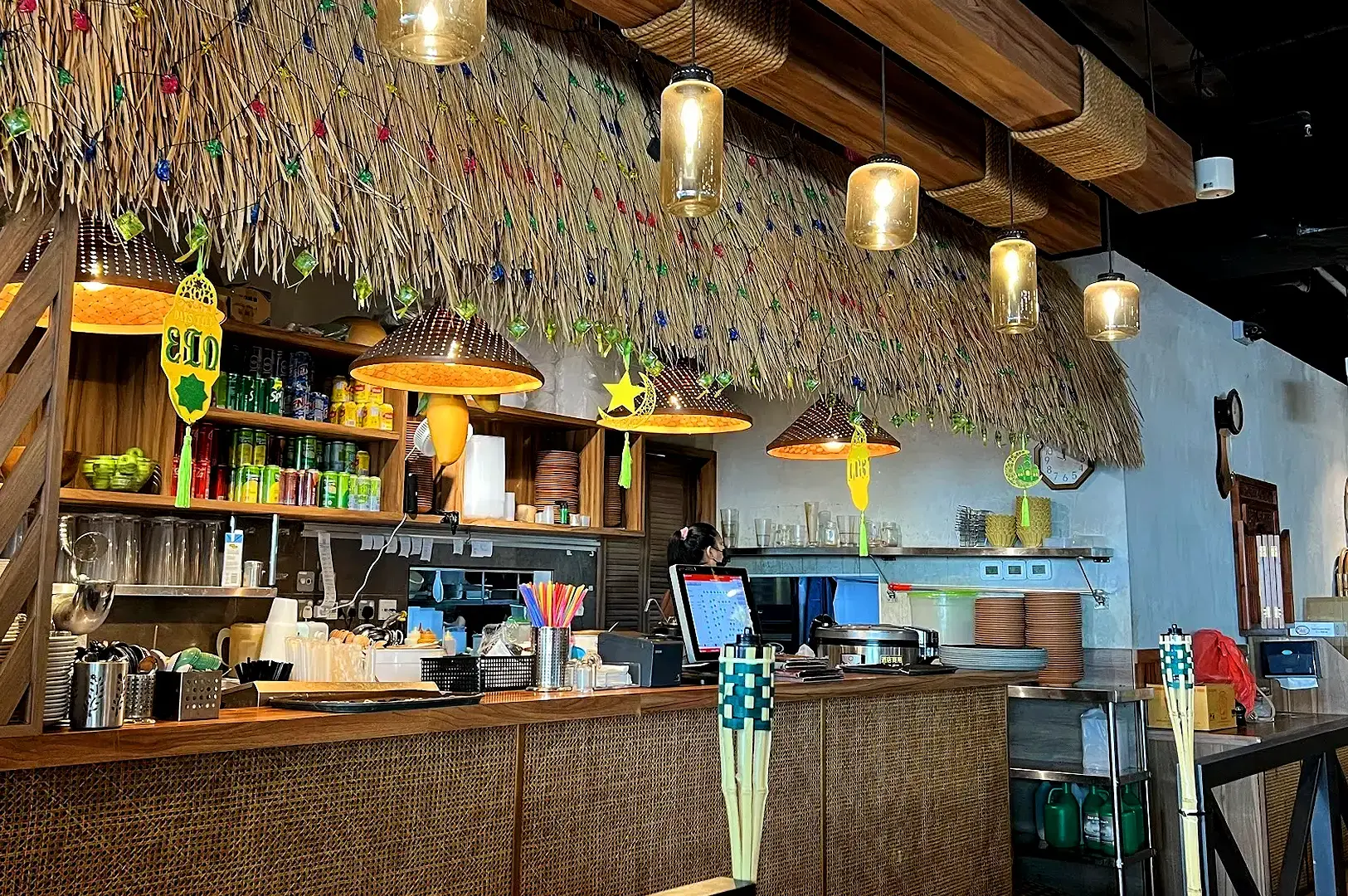
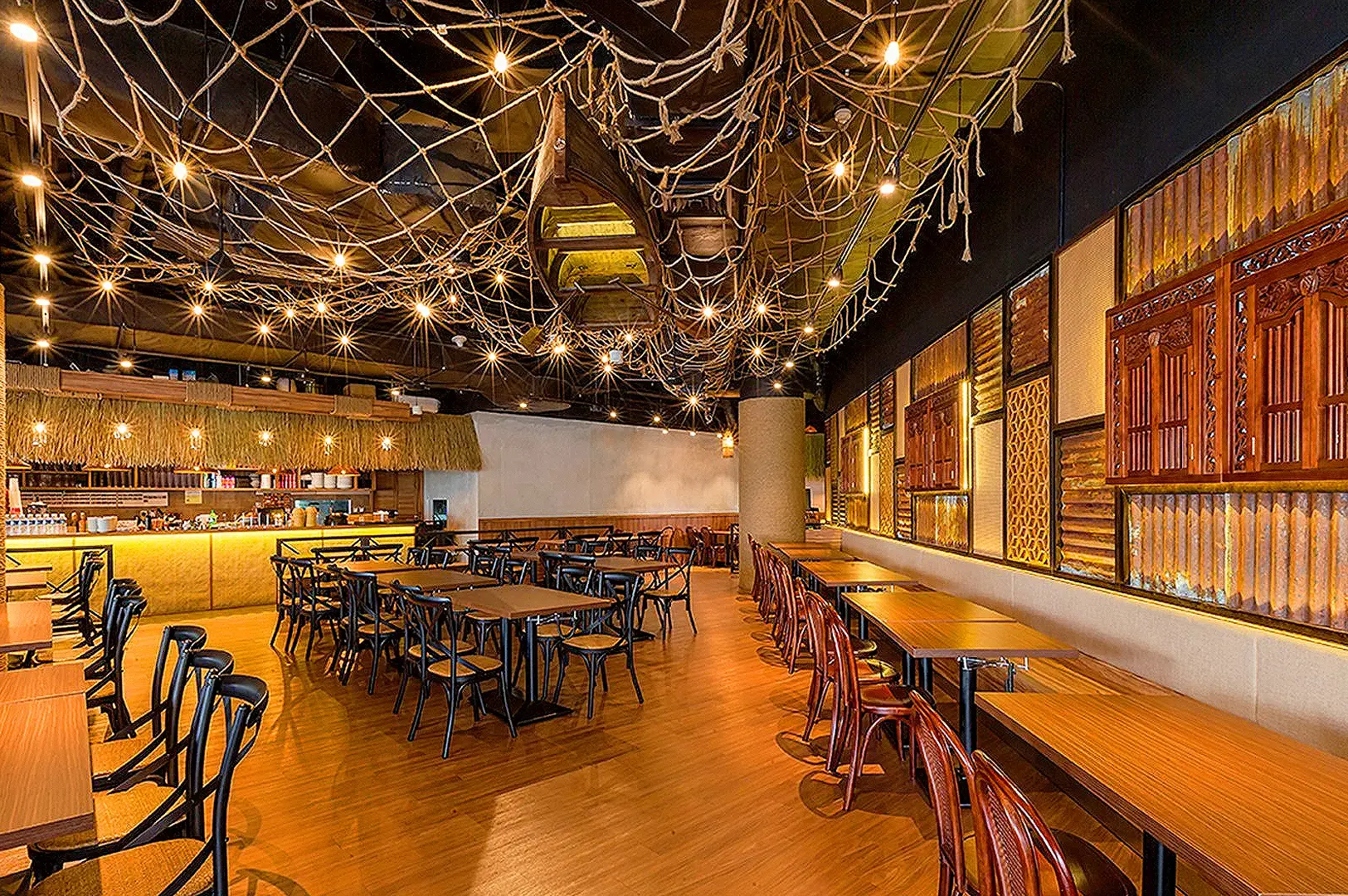
The muslim owned Yassin Kampung restaurant sits on the ground floor of Kampung Admiralty, that community complex right by Admiralty MRT in Singapore. You do not come here for atmosphere in the styled sense. It is clean, brightly lit, functional: tables close together, families settling in, a couple of prams parked beside chairs, the low churn of a restaurant that feeds a neighbourhood rather than an occasion.
Yassin Kampung’s Muslim-owned, family-friendly setting also fits into the wider search for a halal restaurant in Singapore where spice, rice, and shared dishes do the heavy lifting.
Honest Ambience
That is not a complaint. There is an honesty to a room like this. Nobody is performing. The staff moved quickly, a little rushed, but a young man still took the time to point me toward a table near the wall when I asked for something quieter.
The Enormous Menu
The menu is enormous, and it gives you the clearest read on what Yassin Kampung is trying to be. This is not a narrow specialty kitchen. It is a big family restaurant built around choice, sharing, and speed.
You will see:
- Fried rice and noodles
- Sambal seafood and hotplate dishes
- Whole fish and chilli crab
- Tom yum, ayam penyet, and kangkong belacan
- Salted egg dishes
- Larger plates that work for families and groups
It reads less like a single-cuisine showcase and more like a restaurant trying to be all things to a family that can never agree on one asian cuisine. I will be honest: if you are not decisive, the menu can feel overwhelming. I watched the table beside me flip back and forth for a good ten minutes.
The Dish That Started It All
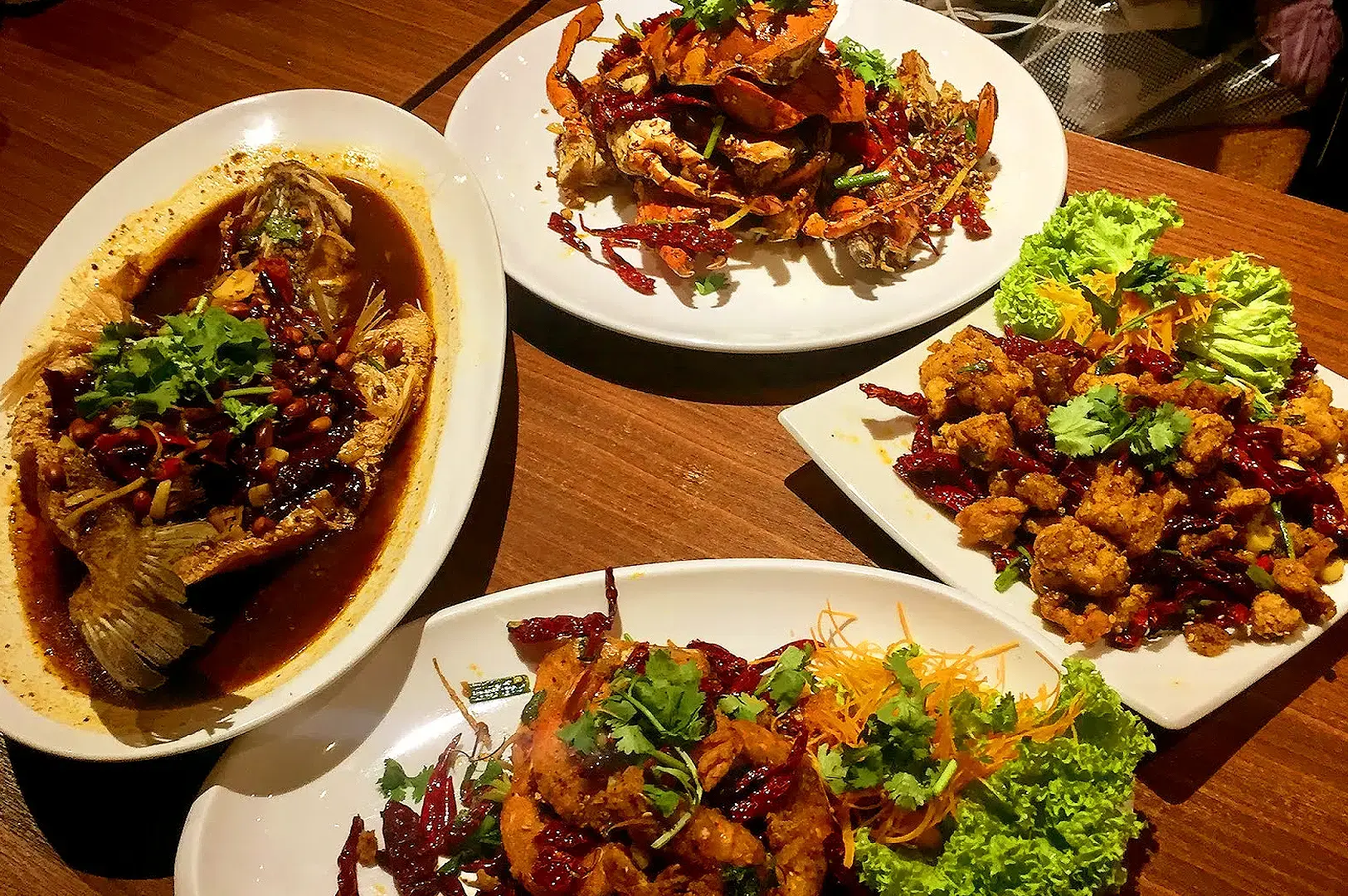
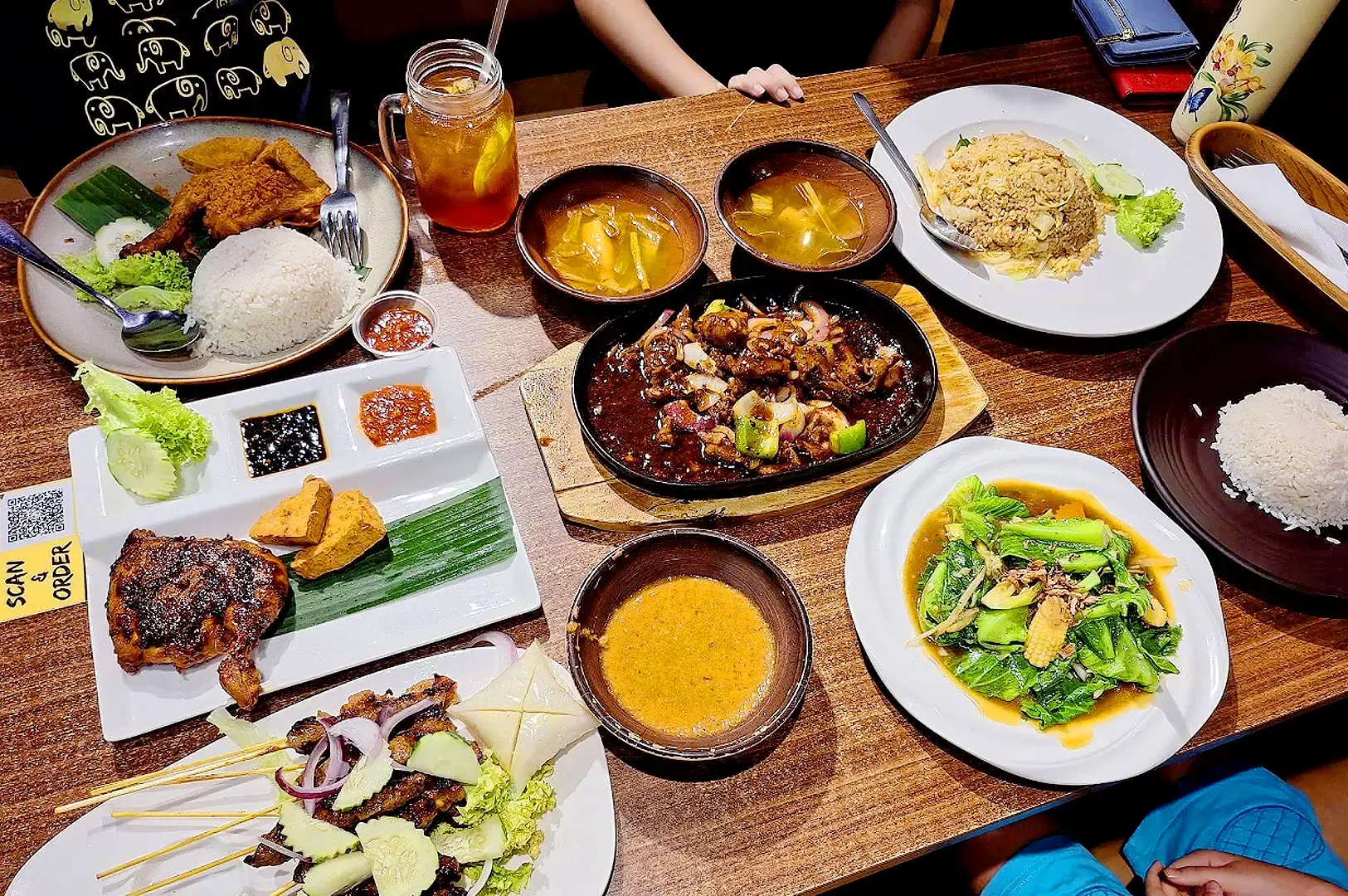
The Kampung Sambal Fried Rice came out before my other orders, steam still rising off it.
The first thing I checked was the rice. I always do. I dragged my fork through and the grains moved apart, separate, each one carrying a rust-red stain rather than clumping into a wet mass. Good sign. That told me the sambal had at least met some heat before the rice arrived.
I brought a forkful up to my nose. There it was: that faint smoky edge, the one you only get when a wok gets properly hot. Not overwhelming, but present. The sambal had been cooked, not just spooned in. You could taste it coating the grains rather than sitting on top of them.
If you want to understand why the rice had to meet the chilli paste before anything else, the same logic sits at the heart of this sambal fried rice recipe from Eat Drink Asia.
The Heat Level
On the central question, it lands on the right side. This is closer to a true wok dish than a shortcut. The chilli paste, oil, heat, and rice had genuinely become one thing.
And yet, the heat pulls its punches. The sambal is savoury, fragrant, a little sweet at the edges, but it has clearly been softened for the family crowd. That makes sense in a muslim owned neighbourhood restaurant where children, parents, and grandparents may all be sharing from the same table.
I do not begrudge that choice. But I found myself wishing the chilli had been allowed to speak a little louder. As it stands, the sambal fried rice is good. With more heat, it could have been the reason you come back.
The Plate That Kept Its Distance
To test the contrast, I ordered the Signature Ayam Penyet with Rice.
Where the fried rice folds the chilli through everything, ayam penyet keeps it separate. Fried chicken on one side, rice on the other, a mound of sambal sitting apart, waiting for you to decide how brave you feel.
The chicken was smashed flat and crisp at the edges, the way it should be. And here, interestingly, the sambal had teeth. Sharper, rougher, more alive than the version worked into the rice. Dabbing the chicken through it, I got the heat I had wanted from the fried rice.
Chicken and Sambal
It made me think the kitchen knows how to make a fierce sambal. It just chooses restraint when the chilli has to sit inside a whole plate of rice meant for sharing.
The rice underneath was fine but unremarkable, plain steamed, there to carry the chicken and the chilli rather than to shine on its own.
That contrast mattered. The ayam penyet showed me that the kitchen can push harder when the dish asks for it.
Where the Kitchen Shows Its Real Voice
The last thing I ordered was the BBQ Sambal Stingray, and this is where Yassin Kampung stops hedging.
It arrived on a hot plate, sizzling audibly, the sambal charred dark at the edges where it had caught the heat. The smell hit before the plate landed: smoky, pungent, with the shrimp-paste depth of a proper belacan sambal.
This is the kitchen’s real dialect. Sambal is not a garnish here. It is the language the whole menu speaks.
Bold Flavours
The stingray flesh pulled apart in soft ribbons under the sambal’s weight, and the chilli had all the force it had been holding back elsewhere. A squeeze of lime cut through the richness and kept it moving.
Eating it, I understood the sambal fried rice differently. The kitchen is not timid. It can bring the heat when it wants to. It simply calibrates: full force on the shared seafood, gentler on the everyday rice plate that a child might end up eating half of.
That calibration is useful to understand before you order. If you want the chilli at its loudest, go for the sambal seafood. If you want the wok’s control, start with the fried rice.
What You Should Know
Yassin Kampung @ Admiralty sits at 676 Woodlands Drive 71, #01-03, inside the Kampung Admiralty complex. Admiralty MRT is a short walk, which makes it easy to reach without thinking about parking.
It is open daily, so it works for lunch, dinner, or a late meal if you are in the north of Singapore and want something casual. Reservations are available through Chope, and for a group, I would book rather than risk a long wait during peak time.
Expect somewhere around S$10 to S$30 a person. A single fried rice keeps you at the lower end. Once you start ordering stingray, crab, and hotplates for a table, the bill climbs.
Quick Practical Notes
- Best time to visit: Off-peak weekday meals
- Best for: Families, groups, and casual neighbourhood dinners
- Main risk: Uneven pacing when the room is full
- Order first: Kampung Sambal Fried Rice if you want the wok test
- Order for sharing: BBQ Sambal Stingray if you want the kitchen’s bigger voice
Advice for Diners: Come off-peak if you can. Avoid the weekend dinner crush. A restaurant this size, serving this many families in a day, does its best work when the kitchen is not drowning.
A Muslim Owned Yassin Kampung Seafood Kitchen With More Than One Address
Yassin Kampung @ Admiralty is part of the wider Yassin Kampung Seafood name, which has been established in Singapore as a casual, family-friendly seafood and zi char brand. The Admiralty outlet is the one reviewed here, but the group’s footprint also appears in other neighbourhood listings, including 326 Anchorvale Road #01-01 in Sengkang.
That wider identity explains the scale of the Admiralty menu. This is not a one-dish concept built around a single viral plate. It is a neighbourhood seafood operation with the kind of broad menu meant to serve different appetites in one room.
What the Wider Menu Handles
At Admiralty, the kitchen is not only sending out fried rice. It is also handling:
- Seafood soups with prawns, fish, and sotong
- Sambal stingray
- Crab and prawn dishes
- Hotplates and noodles
- Chicken dishes like ayam penyet
- Vegetable plates for sharing
When the sambal fried rice is good, it feels more impressive because it has been served from a kitchen juggling much louder dishes at the same time. The rice is not the flashiest order on the table, but it becomes a useful test of whether the wok is paying attention that day.
The better way to read Yassin Kampung, then, is not as a quiet specialty restaurant. It is a family-friendly seafood kitchen where sambal has to work across many forms: folded into rice, spooned beside ayam penyet, charred over stingray, or stirred through seafood dishes.
That is why the fried rice matters. In a place built for families, groups, and late meals, a simple plate of rice still tells you whether the kitchen is awake.
The Last Forkful
So — does the sambal fried rice become the whole point?
Not quite. The BBQ Sambal Stingray is the dish that shows you who this kitchen really is, all heat and char and confidence. The fried rice, gentler, holds back.
But here’s what stayed with me. That plate of fried rice, red-stained and faintly smoky, still tasted like someone had cooked the sambal properly before the rice ever hit the wok. In a menu this sprawling, that’s not nothing. It would have been easy to cut the corner. They didn’t.
I finished it, sambal still faint on the back of my tongue, and thought: give it more chilli, and this ordinary plate could hold its own against everything louder around it.
Some kitchens hide behind a specialty. This one just needs to trust its own heat a little more.

Japanese Green Tea from Japan: The Story of Matcha
Dio Asahi | January 8, 2026
On a misty April morning in Kyoto, I knelt on tatami in a small tea room outside Uji, Japan. The host, dressed in kimono, moved with quiet skill as she scooped matcha powder into a ceramic bowl. The air was filled with the aroma of aged wood mixed with the grassy scent of high quality…
-
Takoyaki: The Sizzling Heart of Japan Food Culture
Dio Asahi | January 3, 2026
What is Takoyaki and Why Does it Matter in Japanese Food Culture? In the bright heart of Osaka, the sizzle of takoyaki batter signals one of Japan food culture’s most beloved street foods. Lines form at street stalls drawn by the delicious food aromas of sweet-savory sauce and bonito flakes dancing on golden spheres. Takoyaki,…
-
Everything You Need for a Flawless Bubble Tea Cake
Eda Wong | January 1, 2026
The global bubble tea phenomenon has evolved beyond drinks into the world of baking, creating one of the most exciting dessert trends of recent years. Bubble tea cake combines the beloved flavors of milk tea with the satisfying chew of boba pearls, all wrapped up in an adorable bubble tea cake that’s perfect for any…
-
Pad Thai Dish: Everything You Need to Know About the Rice Noodles That Make It Authentic
Eat Drink Asia Team | December 30, 2025
Pad Thai is more than just a staple of Thai Food; it’s a Global Phenomenon. From bustling street carts in Bangkok to high-end Thai Restaurants in New York, this iconic Pad Thai Dish has captured the hearts and palates of food lovers everywhere. The best Pad Thai rivals what you would find in a typical…
-
Thailand Food Pad Thai: Thailand’s Iconic Stir-Fried Noodle Dish
Eda Wong | December 27, 2025
Few dishes capture the essence of Thailand food culture like authentic Pad Thai. This beloved stir fried noodle dish is more than a meal-it’s a symbol of Thai identity, a perfect balance of sweet, savoury, and sour flavors, and a window into the soul of Thai cuisine. Whether you want to eat Pad Thai from…
-
Why Fish Curry is a Special Indian Cuisine
Dio Asahi | December 25, 2025
Along India’s vast and vibrant coastline, stretching over 7,500 kilometers, the sea offers its generous bounty to a cuisine renowned for its regional variations. Nowhere is the diversity of the Indian subcontinent more deliciously expressed than in a humble bowl of fish curry. Through this article, we’ll journey across India’s coasts and kitchens, exploring the…
-
Tikka Masala: The Story Behind One of the Most Iconic Dishes in India’s Food Cuisine
Eat Drink Asia Team | December 23, 2025
Ask anyone to name a famous Indian dish, and chances are “Tikka Masala” will be one of the first things they say. This creamy, vibrant, and aromatic curry has become a global symbol for the food cuisine in India, celebrated from street food stalls in Delhi to upscale Indian restaurants around the world. Its rich…
-
Cuisines in India: A Journey Through the Diverse Regional Food Traditions of the Subcontinent
Dio Asahi | December 20, 2025
Indian cuisine is celebrated for its spectacular diversity, bursting with flavors, regional traditions, and culinary innovations. From the spice-laden gravies of Northern Indian cuisine and tandoor-fresh breads, to coconut-laced Southern Indian cuisine, fragrant rice dishes in the East, and the robust, spicy curries and street food of the West, the foods of India reflect not…
-
Green Tea with Milk: A Tale of Two Teas from Taiwan and Thailand
Eda Wong | December 18, 2025
The simple combination of green tea with milk has sparked a culinary phenomenon across Asia, creating a diverse family of beverages that are both comforting and refreshing. While many countries have embraced this pairing, two nations stand out for their iconic and wildly different interpretations: Taiwan and Thailand. Each has cultivated a unique culture around…
-
The Emerald Journey: Exploring Asia’s Green Milk Tea Culture
Eat Drink Asia Team | December 16, 2025
A vibrant, emerald-hued wave is sweeping across Asia, delighting taste buds and defining modern café culture. From street-side stalls in Bangkok to chic tea houses in Taipei, green milk tea—sometimes simply called green tea with milk—has blossomed from a simple concept into a beloved, refreshing drink with countless regional interpretations and profound cultural significance. Whether…