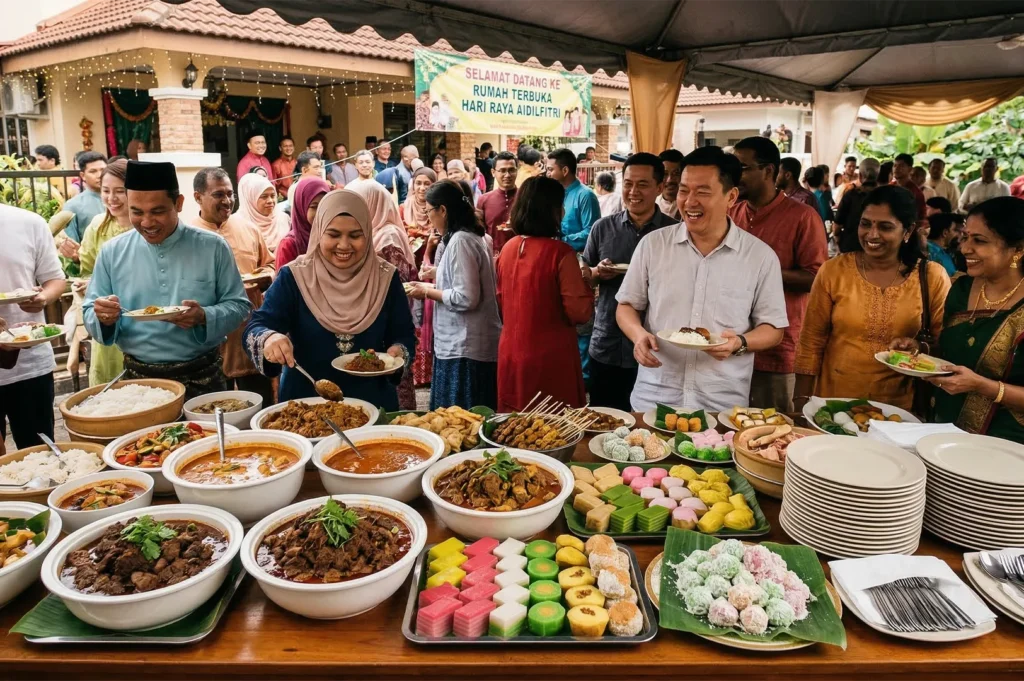
We still remember our first collective Rumah Terbuka (Open House) experience in Kuala Lumpur.Standing at the doorway of a home during Hari Raya, we were utterly paralyzed by the sheer volume of people and the aroma of Malaysian cooking. There were aunties ladling beef rendang and tables groaning under the weight of colourful kuih.
“Do we wait to be seated?” we whispered. Our host simply laughed, handed us plates, and said, “Just eat. If you’re not eating, people will think you’re sad.”
That moment redefined Malaysian food for us. We realized that malaysian cuisine isn’t just sustenance; it is the social glue and the primary language of hospitality. While we in Singapore share a similar history, the rhythms, etiquette, and “Mamak” spirit across the causeway have their own unique heartbeat. This guide is our attempt to decode that soul.
Decoding the Malaysian Flavors
What makes a dish “Malaysian”? We view this cuisine as a shared canvas defined by migration and trade. It’s why you’ll find malaysian chinese cuisine using Malay shrimp paste (belacan), or Indian curries enriched with local coconut milk.
A useful way to think about it is that Malaysian cuisine is a shared canvas. It’s defined by migration, trade ports, and centuries of neighbors peeking into each other’s pots. It’s why you’ll find Chinese stir-fries that use Malay sambal belacan, or Indian curries that have adopted local coconut milk.
Is it the same as Singaporean food?
I’ve found this to be a dangerous question to ask at a dinner party! While we share staples like nasi lemak, laksa, and roti canai (which we call prata), the styles vary wildly.
- Spice & Sweetness: In my experience, Malaysian Malay food often leans slightly sweeter and richer in herbs compared to the sharper, sometimes spicier profiles in Singapore.
- Regionality: “Laksa” in Singapore usually means the coconut-rich Katong style. In Malaysia, it could mean the sour, fish-based Asam Laksa of Penang, the herbal Laksam of Kelantan, or the creamy Laksa Sarawak.
The Essential Role of Coconut Milk
In Malaysian culture, coconut milk (and the richer coconut cream) is the lifeblood of the kitchen.
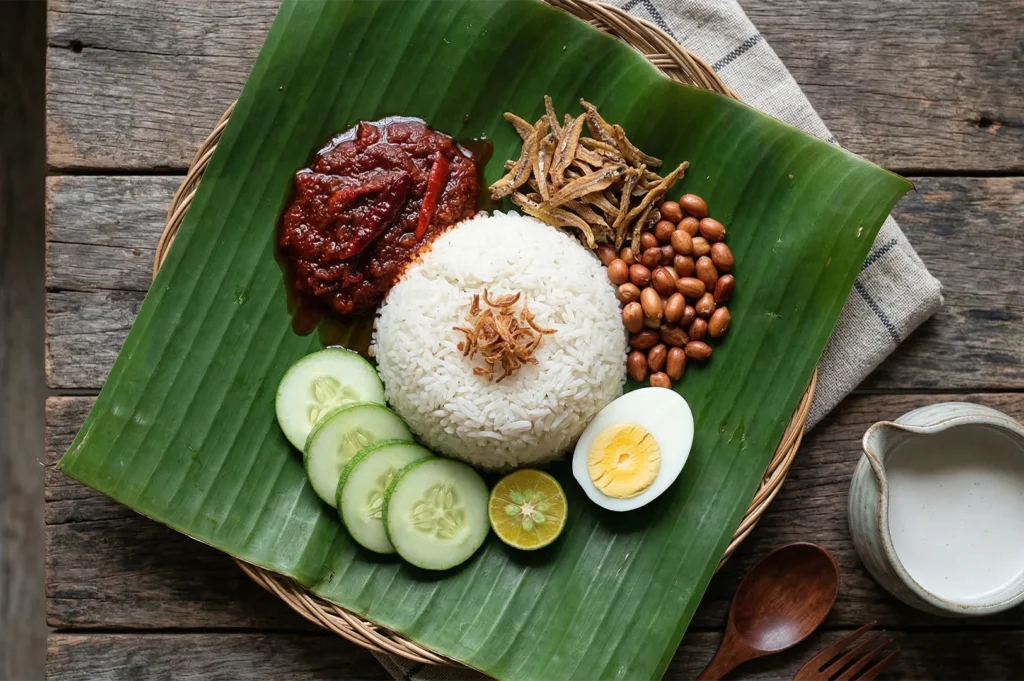
- Nasi Lemak: As the national dish, it features rice cooked in coconut milk, often referred to as rice steamed with pandan leaves. It is a hearty meal typically served with ikan bilis (fried anchovies), roasted peanuts, a hard boiled egg, and spicy sambal.
- Curry Laksa: This noodle soup is a masterclass in malaysian flavors, where thick rice noodles or egg noodles are submerged in a spicy, coconut-based broth.
How to Eat Like a Local: A Step-by-Step Approach
If you want to move beyond just ordering “one plate of fried rice” and truly experience the culture, you need to change how you approach the table. Here is the framework I use to get the most out of a Malaysian meal, right here in Singapore.
Step 1: Pick Your Cultural Lens
Don’t try to do everything at once. Decide what kind of “energy” you want for your meal.
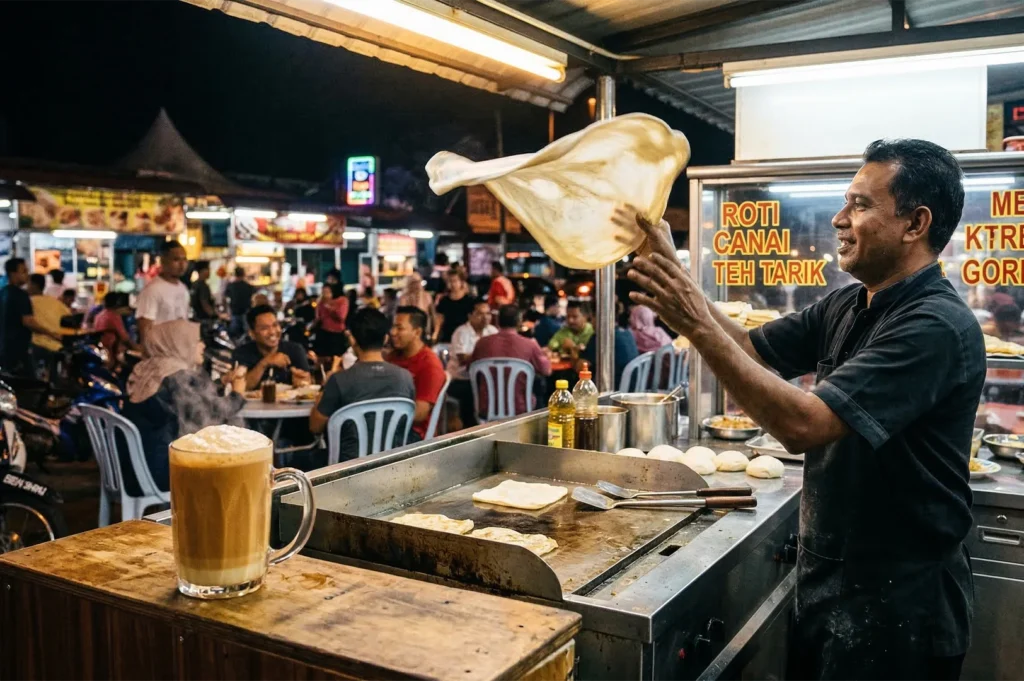
- The “Mamak” Lens (Community): This is about lingering. It’s late-night Teh Tarik and Roti Canai. It’s loud, it’s messy, and it’s where people go to lepak (hang out/chill).
- The “Open House” Lens (Hospitality): This is festive and generous. It’s about abundance and sharing.
- The “Kopitiam” Lens (Everyday): This is functional but social. Quick, hot meals fueled by strong coffee (kopi peng).
Step 2: Build Your Table Structure
A classic Malaysian shared meal follows a specific logic. If I’m ordering for a group at a place like Hjh Maimunah (Geylang Serai) or a generic Zi Char spot, I follow this rule of thumb to ensure balance:
- The Canvas: Rice (white, nasi minyak, or biryani).
- The Hero: One heavy protein (e.g., Beef Rendang, Curry Fish Head).
- The Green: One vegetable dish (e.g., Kangkong Belacan, Sayur Lodeh).
- The Crunch/Zing: A pickle (Acar), crunchy crackers (Keropok), or a sharp Sambal.
- The Finish: A hot drink or a sweet Kuih.
Step 3: The Etiquette Unlock
The biggest hurdle for many first-timers is the “hand” situation.
- The Rule: If you are eating Nasi Lemak wrapped in banana leaf or a full Banana Leaf Rice meal, try eating with your right hand. It’s not a gimmick; it changes the texture of the food. You can mix the curry into the rice more thoroughly than a spoon ever could.
- The Technique: Use your fingertips to gather a small bite, bring it to your mouth, and use your thumb to push the food in. Don’t let food touch your palm (that’s messy).
Eat Drink Asia, believes that food is more than nourishment, it’s a cultural journey that connects people and tells stories of heritage, community, and identity.
A Guide to Noodle Dishes and Stir Fried Favorites
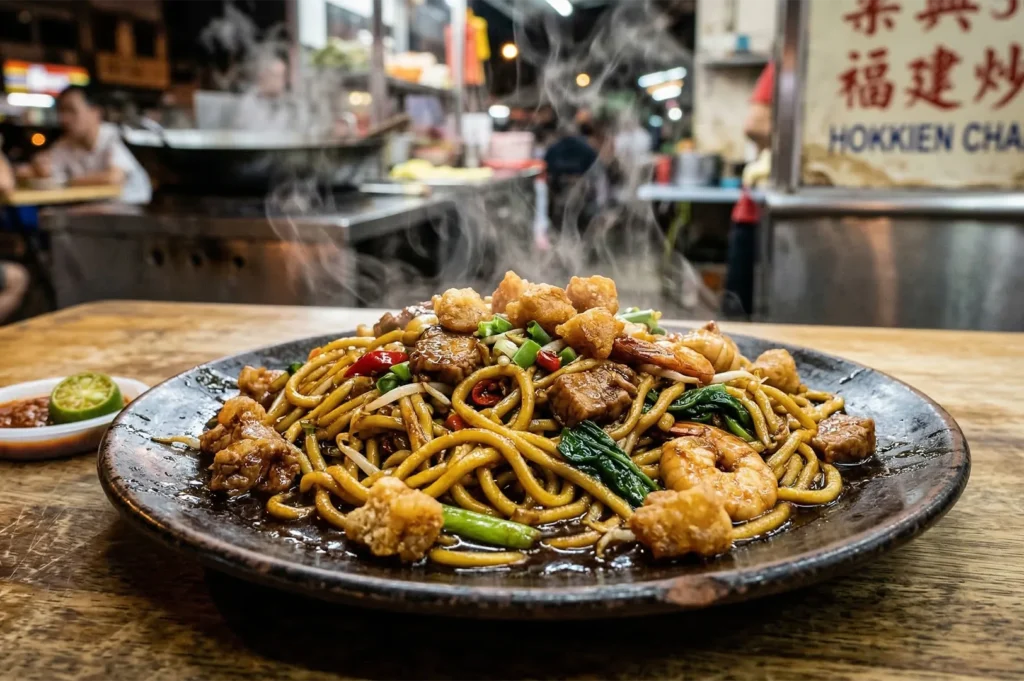
The diversity of peninsular malaysia is best seen through its noodle dishes. Each region offers a different “software” for their noodles.
The Dark Magic of Hokkien Mee
In Kuala Lumpur, hokkien mee (specifically hokkien char mee) is a favourite malaysian dish. It features thick yellow noodles braised in a luscious thick dark soy sauce and light soy sauce blend. To be a truly tasty dish, it must include crispy fried pork lard and be stir fried over high heat to achieve a smoky aroma.
Flat Rice Noodles and Curry Mee
- Char Kway Teow: These flat rice noodles are seared with chinese sausage, prawns, and bean sprouts.
- Curry Mee: A staple noodle soup, curry mee consists of noodles in a coconut curry broth, topped with fried tofu, fish cake, and sometimes blood cockles.
Protein Staples: From Grilled Fish to Fish Head Curry
The cooking process in Malaysia often involves charcoal and clay pots to deepen the delicious malaysian foods we love.
Grilled Fish and Seafood
In coastal areas and east malaysia, grilled fish (Ikan Bakar) is a primary food served. The local fish is marinated in herbs and spices, wrapped in banana leaves, and charred to perfection. We always recommend pairing it with vegetable pickles or an onion dip made with tamarind juice.
The Indian Muslim Eatery Experience: Fish Head Curry
The fish head curry is a legendary traditional malaysian dish. Found in almost every indian muslim eatery, this dish uses a tangy tamarind juice base softened by coconut milk. It is usually a communal affair, where the food in malaysian tradition is shared among friends.
Mastering the Banana Leaf and Roti Canai
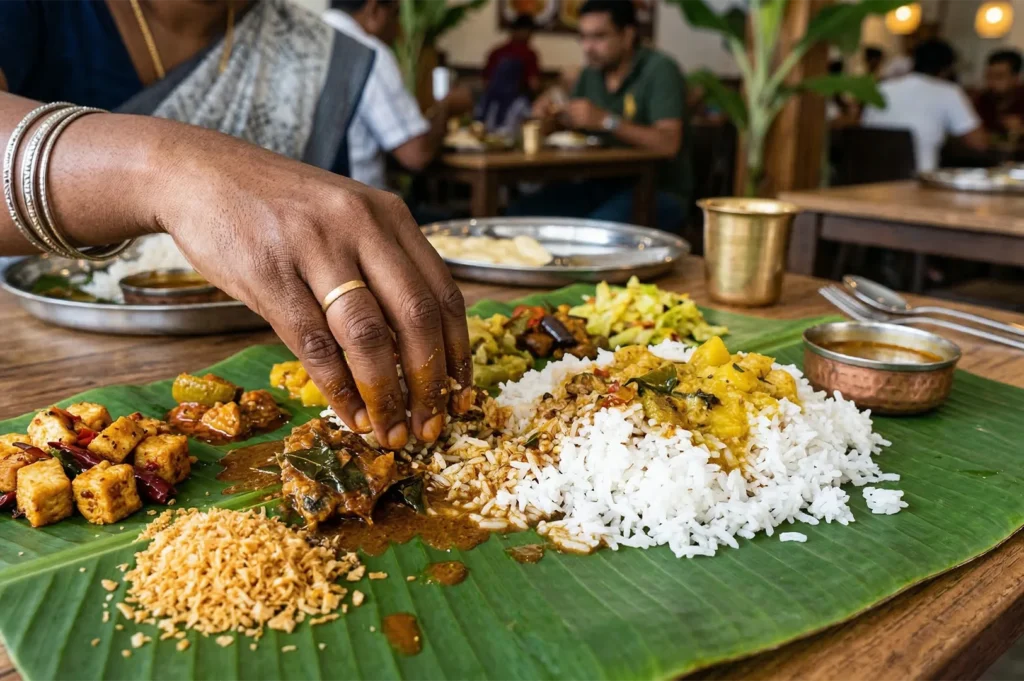
To truly understand malaysian food culture, we have to talk about the “vessel.”
- Roti Canai: This flaky flatbread is a breakfast icon. While often savory, we occasionally enjoy it with condensed milk or sweet corn for a sweet twist.
- Banana Leaf Rice: This is more than a meal; it’s an event. Steamed rice or white rice is ladled onto a banana leaf, followed by an array of curry sauces, fried tofu, and fried shaved coconut (kerisik).
The Evolution of Rice: Nasi Lemak to Nasi Kandar
While nasi lemak is the celebrity, mixed rice culture is what fuels the nation.
- Nasi Kandar: Hailing from the north, this involves steamed rice drowned in a variety of curry sauces.
- Hainanese Chicken Rice: A staple of malaysian chinese cuisine, where the rice cooked in chicken fat and garlic is just as important as the poached poultry itself.
Kuala Lumpur: The Hub of Fried Rice and Wonton Noodles
In the capital, the malaysian food culture is a 24-hour symphony. Here, nasi goreng (fried rice) and wonton noodles are the late-night heroes. We see influences from southern thailand creeping into the spicy fried rice recipes, often garnished with fried shallots and fish balls.
Regional Variations and Forgotten Flavors
As we look toward the future, we see how Indonesian Soto shapes the future of Asiatic food traditions by influencing the clear, spiced broths found in southern Malaysia. Across the country, we find:
- Satay: Skewers served with a thick peanut gravy.
- East Malaysian Staples: Where ingredients are often eaten raw or preserved, showcasing a different side of the food cultures in the region.
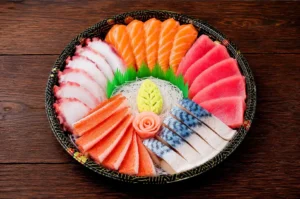
Just as Malaysia’s food scene embraces rich traditions, Japan offers its own vibrant culinary culture through Japanese gastropubs that blend casual dining with exquisite flavors. Places where you may visit when you had your full and would want to change the scenery.
The Final Serving: Exploring Malaysia Through Food
Exploring food in malaysian culture is a journey into the heart of a nation. Whether we are indulging in a hearty meal of nasi lemak or sharing a banana leaf feast, we are participating in a centuries-old conversation.
At Eat Drink Asia, we believe that when someone asks, “Sudah makan?” (Have you eaten?), they are offering more than food, they are offering a place at the table. So, the next time you see that layer of oil splitting in your curry, don’t shy away. That is where the flavor lives, and that is where the soul of Malaysia resides.

Tong Ah Eating House Review: A Chinatown Breakfast That Still Begins with Kaya Toast
Eda Wong | September 19, 2026
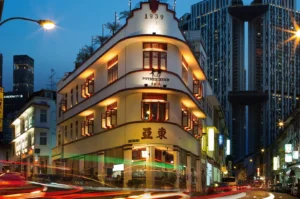
I almost walked past it. I’d been looking for the old triangular building, the red-and-white one you see in every photo of Keong Saik, the one that made Tong Ah feel like a landmark before you’d even ordered anything. But that’s not where it lives anymore. It’s a few doors down now, at 35 Keong…
-
Breakfast at Chinatown Singapore: How Migration Built the City’s Morning Table
Eat Drink Asia Team | September 17, 2026
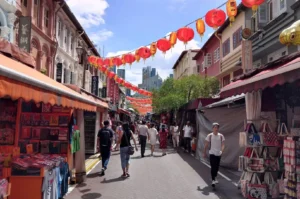
The first time I ate breakfast in Chinatown, I got it wrong. I arrived at eleven, hungry and hopeful, and found the kopi stalls already turning toward lunch. The porridge uncle was packing up. The toast man had switched to slicing char siew. I ate a rushed plate of noodles standing near a pillar, sweating,…
-
The Bitter Leaf Folded Into a Burmese Home Kitchen
Eda Wong | September 16, 2026
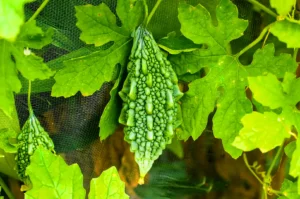
The oil is already hot when she reaches for the leaves. It’s late morning in a kitchen off a quiet lane, and a woman I’ve been watching stands over a blackened wok, tearing bitter gourd leaves by hand into a small heap. The garlic hits the oil first, sharp and loud. Then the leaves go…
-
Best Sushi Singapore: From Premium Japanese Restaurants to Exclusive Deals from Affordable Sushi Trains
Dio Asahi | September 15, 2026
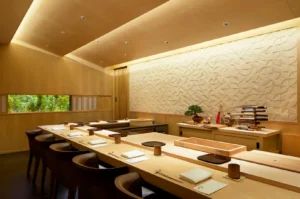
I’ve been eating sushi in this city for years now, from S$1.50 plates rolling past on a belt to omakase counters where the bill made me sit up straight. Somewhere along the way I stopped chasing “the best” and started noticing something else — that good sushi answers a mood, not a ranking. Some nights…
-
Al Mubin Restaurant and the Nasi Goreng Sambal Ayam That Has to Carry the Whole Plate
Eda Wong | September 12, 2026
It was close to eleven at night when I finally sat down. The kind of hour when you’re not really hungry so much as unsettled, when you want something warm in front of you more than you want a proper meal. Al Mubin’s food court at Block 407, Ang Mo Kio Avenue 10, was still…
-
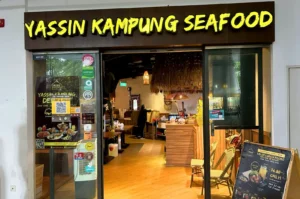
Yassin Kampung Admiralty Review: When Sambal Fried Rice Becomes the Whole Point
Eat Drink Asia Team | September 10, 2026
I ordered the sambal fried rice first, before I’d even properly read the menu. That’s usually a mistake at a place like this. Yassin Kampung @ Admiralty is the kind of restaurant that keeps trying to pull your attention elsewhere — toward stingray, toward crab, toward hotplates that arrive still hissing. But I’d come with…
-
The Bamboo Basket Holding Chiang Mai’s Sticky Rice
Dio Asahi | September 9, 2026
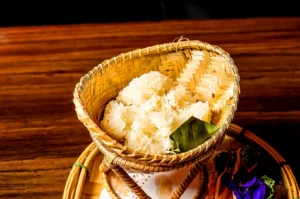
By Dio Asahi for Eat Drink Asia. The lid comes off, and the steam rises first. It’s a warm afternoon in Chiang Mai, and on the table sits a small woven bamboo basket, still holding the heat of the pot it came from. Someone’s grandmother lifts the top and sets it aside without looking. Inside,…
-
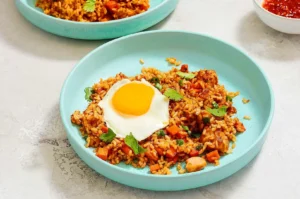
Sambal Fried Rice Recipe for People Who Know the Chilli Paste Does the Heavy Lifting
Dio Asahi | September 8, 2026
I used to add the rice too early. The oil would be hot, the sambal barely a minute in, and I’d tip in the cold rice because I was hungry and impatient. Every time, the same result: rice stained red but tasting of nothing much. Sharp. Raw. Flat where it should have been deep. It…
-
Hup Lok at Havelock Road: A Teochew Fish Soup Carrying Memory Forward
Eda Wong | September 8, 2026
The bowl arrives before anything else does. Steam lifts off it in slow ribbons, carrying the smell of ginger and something warmer underneath: the round, boozy note of hua tiao wine settling into fish. I lean in before I even pick up my spoon. The broth is pale gold and cloudy, thick enough that it…
-
Fresh Sashimi Singapore: Places for Clean Cuts, Quiet Counters, and Fish That Still Feels Alive
Eda Wong | September 5, 2026
I didn’t grow up eating raw fish. For years, sashimi felt like something you learned to appreciate rather than something you loved. Cold, foreign, a little intimidating. Then one afternoon, at a quiet counter, a chef placed a single slice of chutoro in front of me and said nothing. I ate it. And I understood….