I vividly remember standing over my stove a few years ago, staring into a wok full of what can only be described as a greasy, grey disaster. When I first tried this dish at home, I assumed that tossing chopped eggplant into a hot pan with a generous glug of cooking oil would naturally yield that beautiful, melt-in-the-mouth texture I always admired at my favourite local zi char stalls. Instead, the vegetable acted like an aggressive sponge. It absorbed every drop of oil immediately, burned on the outside, and collapsed into a heavy, unappetising mush.
I felt incredibly defeated. If you have ever tried cooking this at home and ended up with a soggy, oily puddle, you know exactly how frustrating it is. You just want that restaurant-style silky texture, but the vegetable seems determined to fight you at every turn.
In my experience, learning to cook this ingredient properly is a profound culinary journey. Over time, I’ve found that the secret to the perfect Asian eggplant dish is not about boiling it to death or drowning it in fat. It is about understanding the velvet logic. It requires a delicate, preservation-focused balance of oil, water, and starch. When you get this right, you transform a humble, inexpensive vegetable into a genuine celebration of flavours. Here is how you can achieve that flawless, silky texture in your own kitchen.
Understanding the Silk in Chinese Eggplant: A Classic Eggplant Recipe Asian Lovers Crave
To truly appreciate the allure of this eggplant dish, we must start with the star ingredient: the Chinese eggplant. Unlike the larger, round globe eggplants common in Western kitchens, Chinese or Japanese eggplant varieties are long, slender, and boast a thinner skin with fewer seeds. Their flesh is naturally sweeter and primed to transform into a soft eggplant with a silky texture that feels like velvet on the tongue.
What Makes This Eggplant Stir Fry Special?
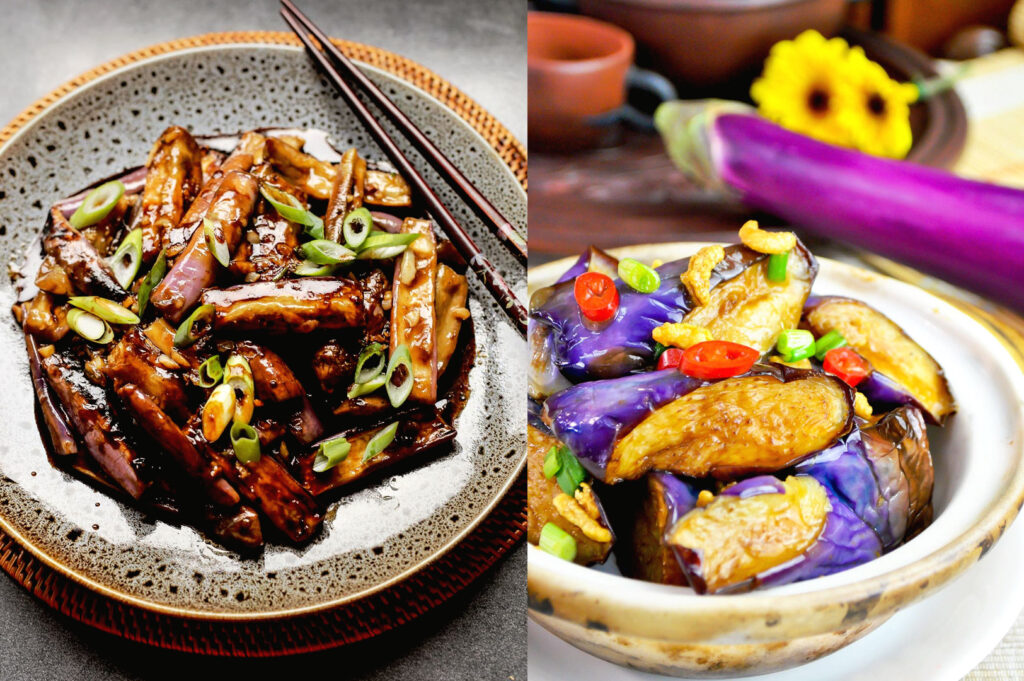
The silkiness in this classic Chinese eggplant with garlic sauce is not just softness. It’s a delicate balance where the skin remains vibrantly purple and intact, while the interior melts into a creamy, luscious core. This texture is achieved through precise cooking techniques common in Chinese cooking, avoiding the mushy collapse that so often ruins home-cooked eggplant recipes Asian enthusiasts attempt.
The Flavor Foundation
The magic comes from a fragrant garlic sauce made with a combination of light soy sauce, dark soy sauce, oyster sauce, and a splash of rice vinegar. These sauce ingredients mingle with fresh ginger, minced garlic, and a hint of chili oil to create a rich, umami-packed coating. The stir fry sauce thickens just enough to evenly coat the eggplant pieces without drowning them, ensuring every bite bursts with balanced flavor.
Chinese Eggplant with Garlic Sauce Recipe
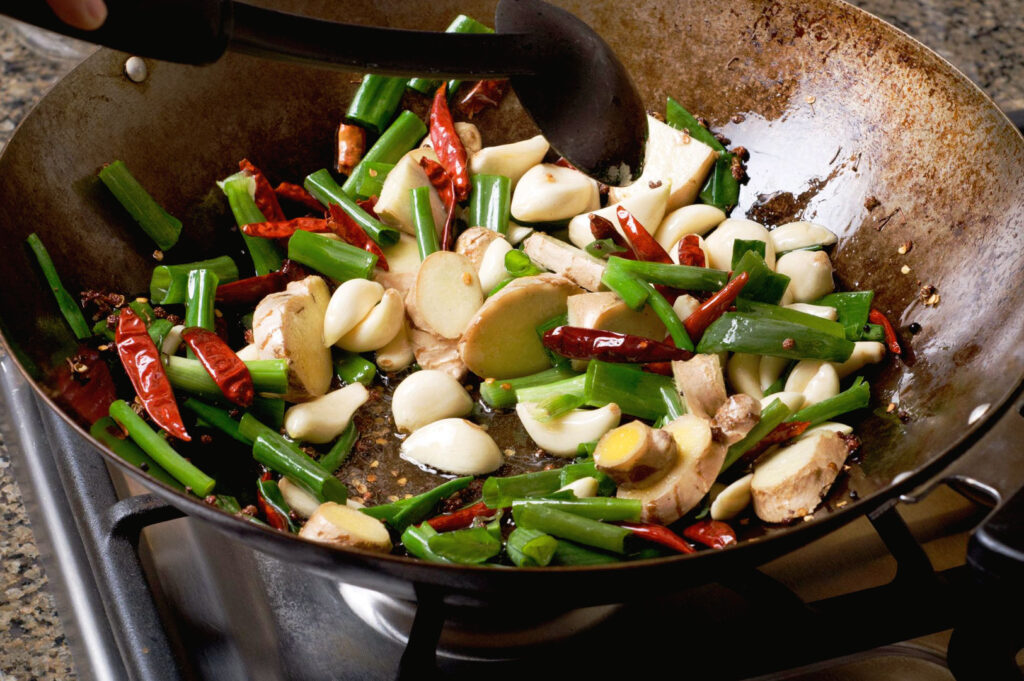
Ingredients:
- 2 medium Chinese eggplants (long and slender), cut into bite-sized pieces
- 2 tablespoons vegetable oil or peanut oil (can substitute with canola oil or avocado oil)
- 4 cloves garlic, finely chopped
- 1 tablespoon fresh ginger, finely chopped
- 2 tablespoons light soy sauce
- 1 tablespoon dark soy sauce
- 1 tablespoon oyster sauce
- 1 teaspoon Shaoxing rice wine
- 1 teaspoon rice vinegar
- 1 teaspoon sugar
- 1 teaspoon cornstarch mixed with 2 tablespoons water (for thickening)
- 1/4 teaspoon red pepper flakes (optional for heat)
- 2 scallions, chopped (separate white and green parts)
- Salt, to taste
Instructions:
- Prepare the Eggplant: Cut the Chinese eggplants into bite-sized pieces. Pat dry with a paper towel to remove excess moisture.
- Pan-fry the Eggplant: Heat vegetable oil in a large nonstick skillet or frying pan over medium-high heat. Add the eggplant pieces in a single layer and pan-fry until golden brown and tender, about 6-8 minutes. Avoid overcrowding the pan; cook in batches if necessary. Drain the cooked eggplant on paper towels to remove excess oil.
- Make the Garlic Sauce: In a small bowl, combine light soy sauce, dark soy sauce, oyster sauce, Shaoxing rice wine, rice vinegar, sugar, and cornstarch slurry. Stir well to dissolve the sugar and cornstarch.
- Sauté Aromatics: In the same pan, add a little more oil if needed. Sauté the finely chopped garlic, ginger, and the white parts of the scallions over medium heat until fragrant, about 1 minute. Add red pepper flakes if using.
- Combine and Coat: Return the fried eggplant to the pan. Pour the prepared sauce over the eggplant and toss gently to coat. Cook for 2-3 minutes, stirring occasionally, until the sauce thickens and clings to the eggplant pieces.
- Finish and Serve: Sprinkle the green parts of the scallions over the dish. Adjust salt to taste. Serve immediately with steamed rice or noodles.
Storage Tips
Store leftovers in an airtight container in the refrigerator for up to 3 days. Reheat gently to maintain the eggplant’s silky texture.
Enjoy this classic Chinese eggplant recipe that balances a crispy texture with a rich, flavorful garlic sauce, perfect for any Asian-inspired meal.
Perfecting the Craft: Cooking Eggplant
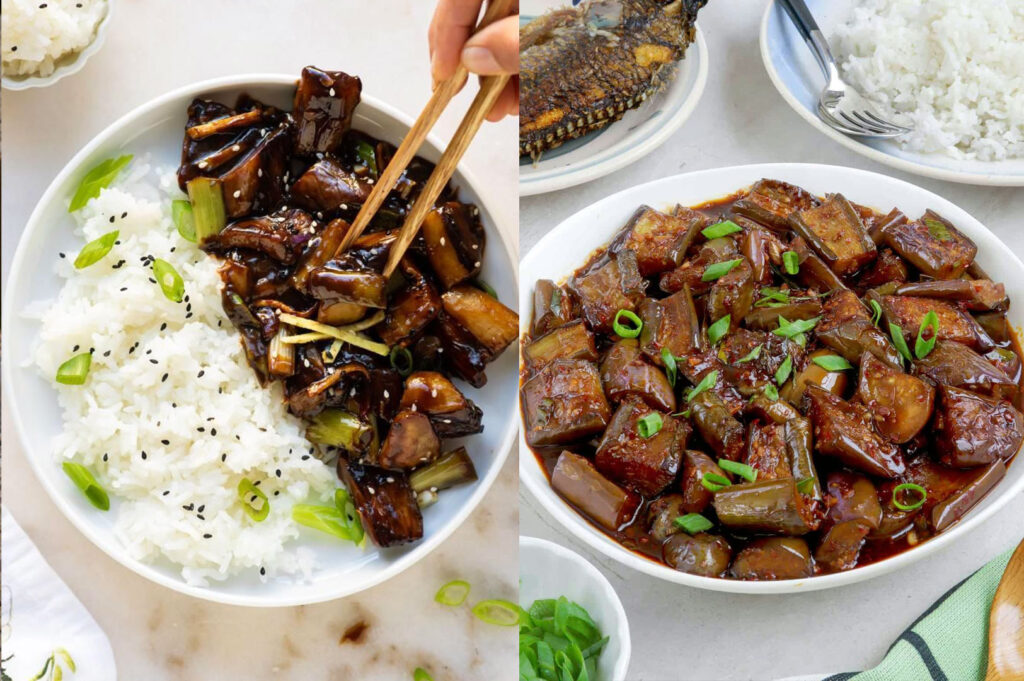
Chinese eggplant is a tricky vegetable to cook because it absorbs cooking oil readily, which can easily lead to an overly greasy dish if not managed properly. To help you achieve the perfect dish, keep these key points in mind:
- Heat the oil properly: Use medium heat to ensure the oil is hot before adding the eggplant. This allows the pieces to sear quickly, forming a slight crust that prevents excessive oil absorption.
- Avoid overcrowding the pan: Crowding lowers the pan temperature, causing the eggplant to steam rather than fry. This results in soggy, oil-saturated pieces.
- Prepare the sauce in advance: Mix all sauce ingredients in a small bowl before cooking. This ensures a smooth, swift finish during stir-frying, allowing the sauce to thicken evenly and coat the eggplant perfectly without overcooking.
- Use gluten-free alternatives if needed: Substitute regular soy sauce and oyster sauce with gluten-free soy sauce and gluten-free oyster sauce to accommodate dietary restrictions without compromising flavor.
By paying attention to these details, proper oil temperature, pan space, sauce preparation, and ingredient substitutions, you can avoid the common pitfalls that often plague home cooks and achieve a restaurant-quality Chinese eggplant dish that is silky, flavorful, and perfectly balanced.
The Sensory Experience
Imagine the aroma of fresh ginger and garlic sizzling in hot oil, the gentle sizzle of eggplant slices frying to a golden brown, and the final drizzle of chili oil adding a subtle heat that lingers on the palate. This eggplant stir fry is more than a dish cuisine; it’s a fragrant eggplant celebration that pairs beautifully with steamed rice or brown rice, making it a satisfying side dish cuisine or a main course.
The Versatility of Eggplant Recipes Asian Cooks Love
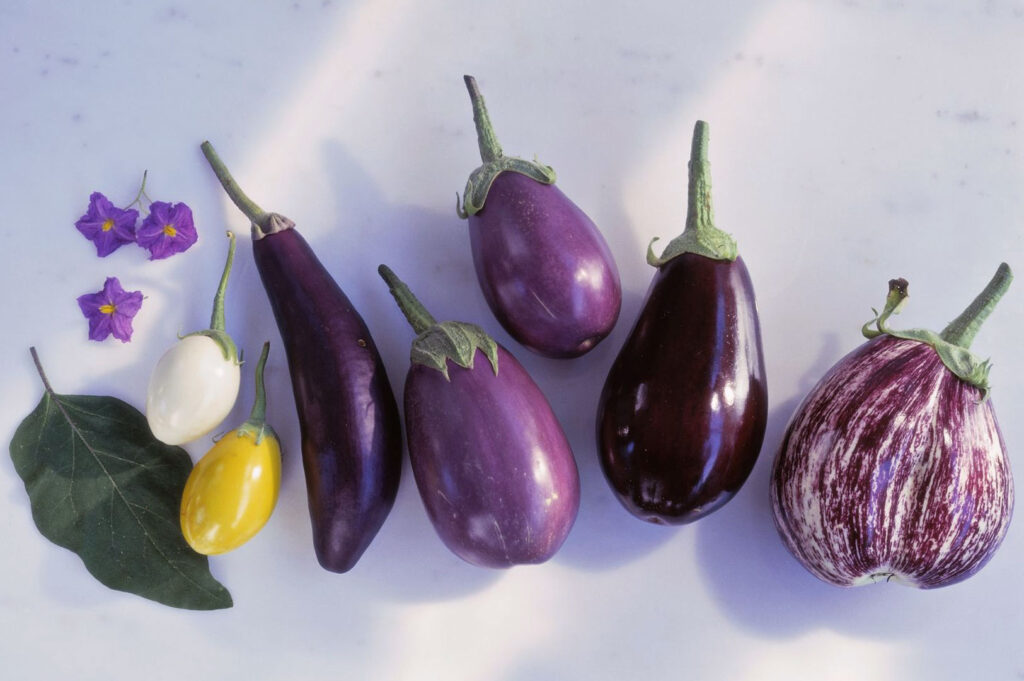
While this Chinese eggplant with garlic sauce recipe is a classic, variations abound. Some prefer the fiery notes of fish fragrant eggplant, which incorporates pickled chilli and fermented paste for a spicy, tangy kick. Others might add ground pork or minced pork to enrich the sauce for a heartier meal. You can also experiment with regular eggplant or globe eggplants, though these require longer cooking times and may not achieve the same silky texture.
Final Thoughts on the Velvet Logic
Mastering this eggplant recipe means embracing the velvet logic of cooking eggplant with care—balancing oil, heat, and sauce ingredients to create a dish that is soft, richly flavored, and visually stunning. Whether you cook Chinese eggplant or Japanese eggplant, the key is to fry eggplant pieces just until lightly browned and soft, then coat them with a garlic sauce that thickens gently, ensuring every bite is a harmonious blend of texture and taste.
Such authentic Asian recipes and culinary insights are the foundation of Eat Drink Asia. If you’re looking to explore other recipes, consider eggplant parm for a different cultural twist or try eggplant stir fry variations that incorporate sesame seeds and a drizzle of sesame oil. Whichever path you take, learning to cook Chinese eggplant unlocks a world of rich taste and culinary tradition.
For those exploring vibrant dining options, Somerset Food offers an exciting array of Asian-inspired dishes that beautifully complement the flavors found in classic eggplant recipes.

Best Fish Soup in Singapore: Bowls Where the Broth Is the Whole Point
Eat Drink Asia Team | October 15, 2026
I don’t remember when fish soup became my quiet meal. It just did. On days when I couldn’t decide what I wanted, when the weather turned grey, when I needed something warm that asked nothing of me, I’d end up hunched over a bowl, breathing in the steam before the first spoonful. I’ve eaten a…
-
The Clay Stove Heat Beneath a Lao Grilled River Fish
Eda Wong | October 14, 2026
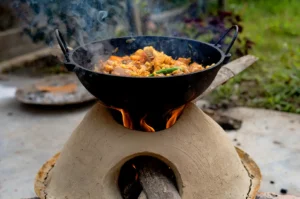
By Eda Wong for Eat Drink Asia It’s late afternoon, and the river is the colour of weak tea. A woman crouches beside a small clay stove at the edge of the bank, feeding it slivers of charcoal. Smoke lifts, thin and grey, and drifts toward the water. On a bamboo skewer, a whole fish…
-
The National Dish of Indonesia Is Not One Plate: Why a Country of Islands Needs Many Icons
Dio Asahi | October 13, 2026
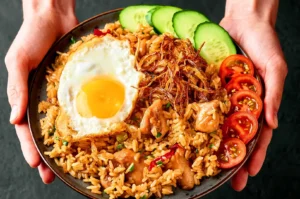
The first time someone asked me for the national dish of Indonesia, I answered nasi goreng without thinking. It seemed obvious: fried rice darkened with kecap manis, often topped with a fried egg, familiar from warungs and late-night street food stalls. That answer is not wrong. It is simply too small. Indonesian food is regional,…

Sapporo in a Bowl: Soup Curry by Ki-setsu Comes to Singapore
Eda Wong | October 12, 2026
Ask most Singaporeans to picture Japanese curry and a familiar image probably comes to mind: a plate of rice beneath thick brown gravy, perhaps with a breaded cutlet sliced neatly across the top. It is rich, sweet-edged, comforting and, by now, almost as recognisable as ramen or donburi. Head to the fourth floor of Fortune…
-
Meokja by Jungga Review: The Halal Korean Snack Table That Knows What It’s Doing
Eda Wong | October 10, 2026
I had not planned to eat at Meokja by Jungga. I was walking down North Bridge Road on a Tuesday, somewhere around the awkward hour between lunch and dinner, when I caught the smell of something frying and the low clatter of a kitchen working hard. I looked up, saw the sign, and my feet…
-
Seoul Bunsik Funan Review: The Comfort of Korean Street Food Without the Street
Eat Drink Asia Team | October 8, 2026
I have eaten ramyeon on a plastic stool in Seoul, close to midnight, with cold air biting at my ankles and the broth doing all the work of keeping me warm. Seoul Bunsik Funan is not that. This was a bright Tuesday afternoon, escalators humming behind me, the smell of mall air-con instead of street…
-
The Last Turn of Tamagoyaki in a Tsukiji Pan
Dio Asahi | October 7, 2026
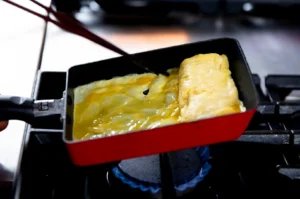
By Dio Asahi for Eat Drink Asia. It’s mid-morning, and the cook doesn’t look up. He stands over a rectangular pan, copper worn to a dull gold at the edges, and pours a thin skin of beaten egg across its surface. It hisses. Steam rises, warm and faintly sweet, and he tilts the pan just…
-
Seafood Restaurants in Singapore That Turn Crab Night Into a Full Table Ritual
Dio Asahi | October 6, 2026
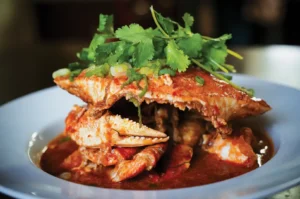
It always starts the same way for me. Someone lifts the lid off a plate of chilli crab, and the whole table leans in. Fingers reach before spoons do. Somebody tears the first piece of fried mantou, drags it through that sticky, sweet-savoury sauce, and the rest of us stop talking for a second. That…
-
Korean Street Food Is Built for Movement, Heat, and One-Handed Eating
Eda Wong | October 3, 2026
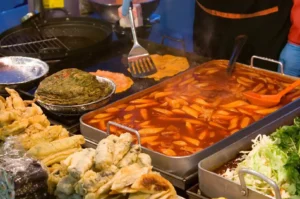
The first time I ate tteokbokki in Seoul, I burned my tongue standing up. It was late, the air was sharp with cold, and I had stopped at a small street food stall near a subway exit because the steam pulled me in. The woman handed me a paper cup of rice cakes in red…
-
Mrs Pho and the Bowl That Makes Somerset Feel Like a Vietnamese Family Table
Eat Drink Asia Team | October 1, 2026
I wasn’t hungry when I walked into 313@somerset. I’d come for something else entirely; an errand, a shop I needed, the usual Orchard rush of people moving faster than the escalators. But somewhere on the first floor, past the noise, I caught the smell of star anise and beef bone, and my feet slowed down…