I’ve been eating sushi in this city for years now, from S$1.50 plates rolling past on a belt to omakase counters where the bill made me sit up straight. Somewhere along the way I stopped chasing “the best” and started noticing something else — that good sushi answers a mood, not a ranking.
Some nights you want ceremony. Some lunches you just want salmon and a quiet corner. And some days you’re broke and hungry and a moving conveyor belt is exactly the friend you need. If you want the chef-led side of sushi in more detail, the best omakase Singapore has for storytelling courses and seasonal bites explains why pace, trust, and sequence matter as much as the fish itself.
So this isn’t a leaderboard. It’s places I’ve eaten at, sorted by the kind of day you’re having. Here’s what I’ve learned.
| Category | Restaurant | Highlights |
|---|---|---|
| Premium Sushi for Special Occasions | Sushi Sato | Intimate omakase experience, premium seasonal seafood, precise Japanese technique |
| Ganko Sushi | Premium Japanese meal, approachable omakase, seasonal seafood, polished dining | |
| Fresh Sushi and Sashimi Picks | Tomi Sushi | Fresh seafood, Niigata roots, traditional Japanese dining, sashimi and sushi lunch sets |
| Sen-ryo | Fresh sushi and sashimi, broad menu, aburi engawa specialty, polished dining room | |
| Affordable Sushi for Everyday Cravings | Genki Sushi | Variety of sushi and Japanese dishes, electronic ordering, fast service |
| Sushi Express | Low-price sushi, conveyor belt, straightforward Japanese flavors |
Premium Japanese Food for Special Occasions
1. Sushi Sato (Dempsey): Omakase and Premium Sashimi
Nearest MRT: None convenient — go by car or taxi, about 5 minutes from Orchard
Price: $$$$
Signature: The omakase set menu — the chef-led progression is the reason to come.
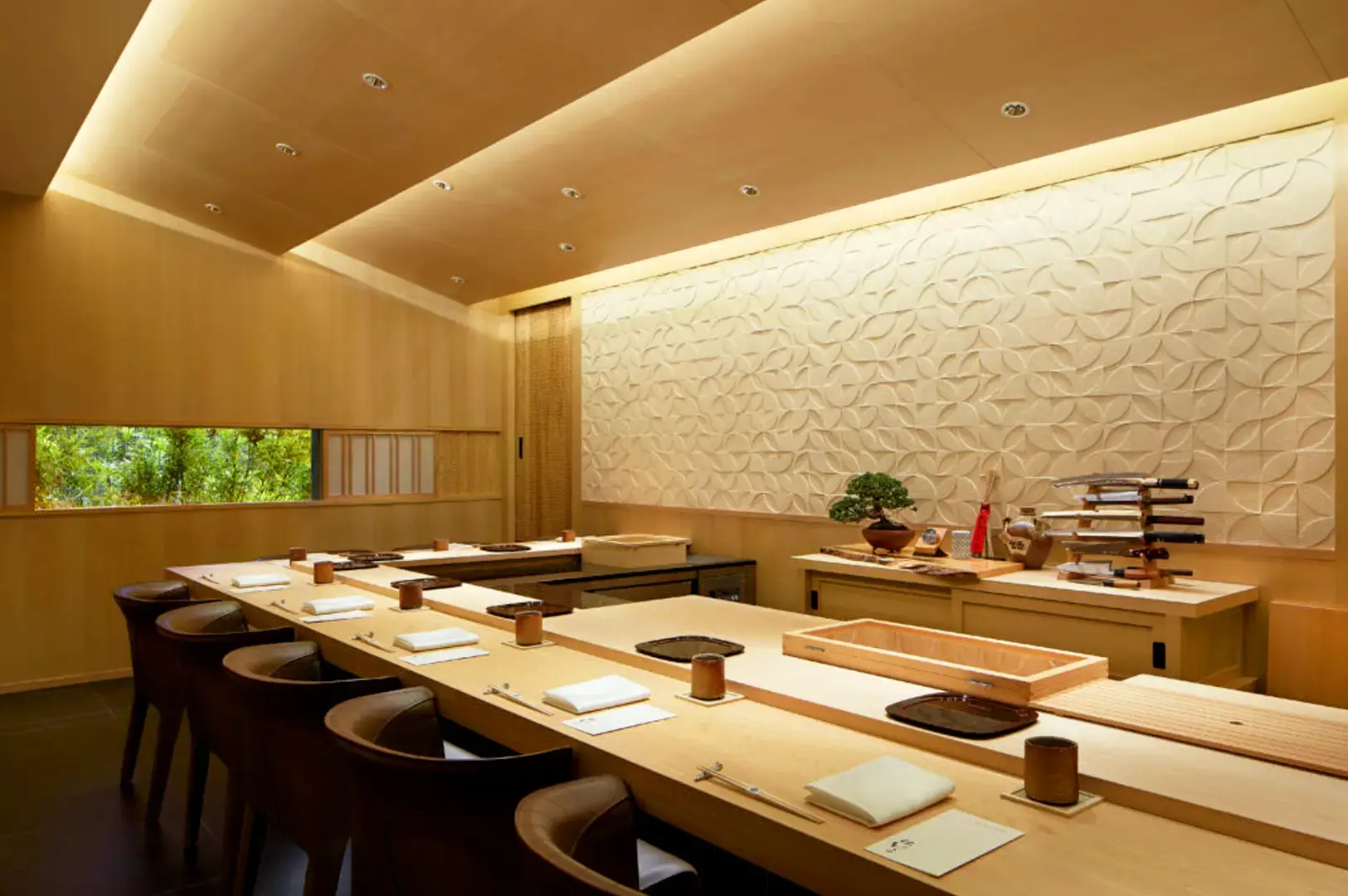
This is the one I save for meals that matter. Sushi Sato sits quietly at 6B Dempsey Road, offering the kind of intimate experience people picture when searching for the best sushi Singapore has for a special occasion. It is an omakase-focused sushi restaurant, so the pleasure comes from sitting at the sushi bar, trusting the chef, and letting the meal unfold course by course.
The experience revolves around premium ingredients, seasonal fresh seafood, and precise Japanese technique. Depending on the menu and season, the progression can move from premium sashimi and cooked Japanese dishes into carefully formed nigiri sushi, richer seafood courses, soup, and dessert. The contrast is what stays with me: cool raw fish, gently warm vinegared rice, freshly grated wasabi, and the occasional richer bite that makes you slow down.
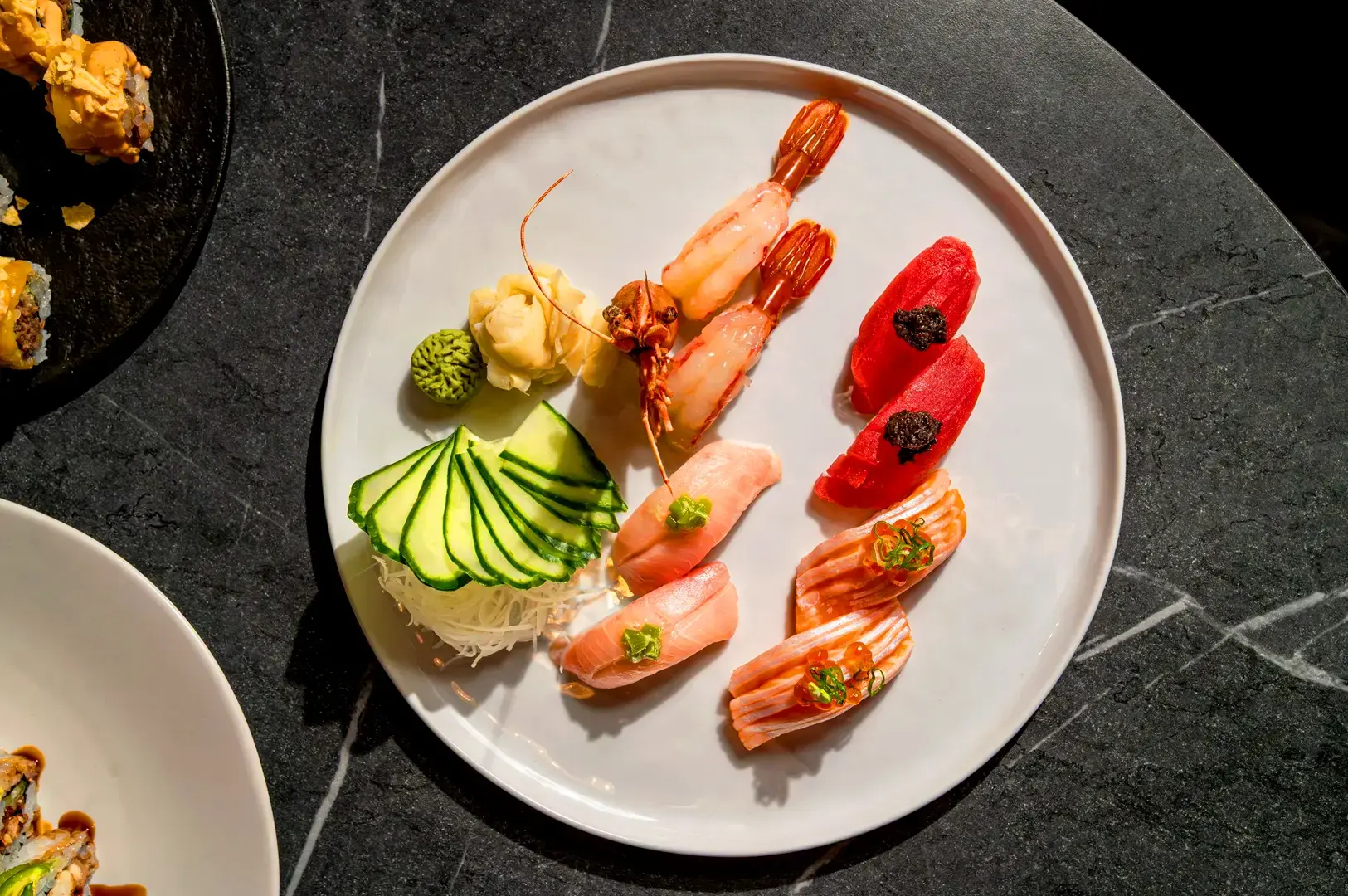
What stayed with me most wasn’t any single piece of sushi. It was the pace. The chef works deliberately, forming the nigiri before sliding it across the counter at exactly the moment it should be eaten. For diners comparing Singapore’s best Japanese restaurants, this is less about quantity than the relationship between excellent fish, rice, temperature, and timing.
Best for: Anniversaries, milestone birthdays, and serious omakase dinners.
Avoid if: You want a spontaneous walk-in, bargain lunch sets, or a sprawling à la carte menu.
Insider tip: Book the counter. Watching each piece being assembled from fresh ingredients adds considerably more to the meal than sitting away from the chef.
2. Ganko Sushi (Dhoby Ghaut): Premium Ganko Sushi Without the Omakase Intimidation
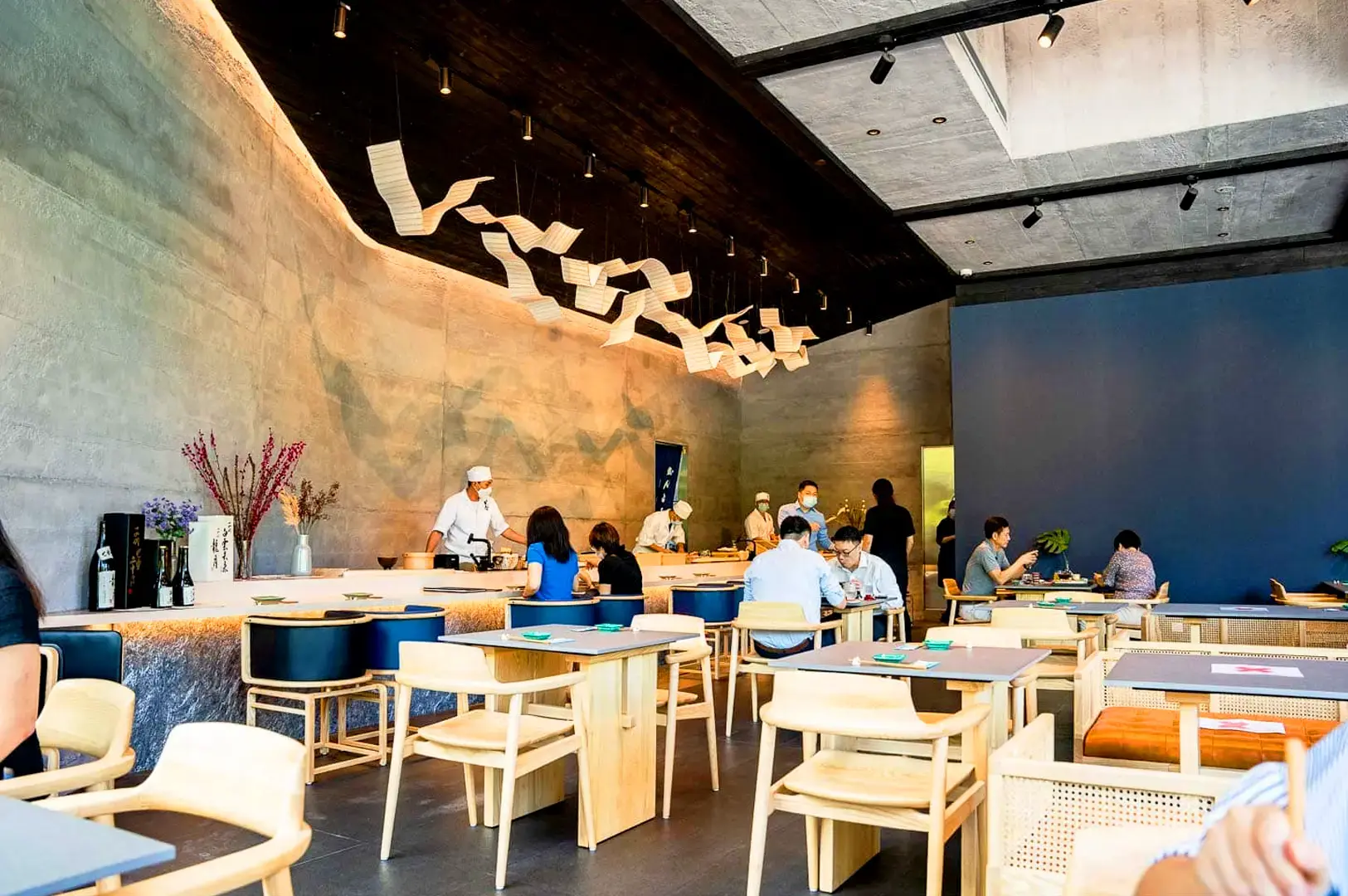
Nearest MRT: Dhoby Ghaut, 3–5 minutes on foot
Price: $$$
Signature: The omakase set menu.
Ganko Sushi is the premium Japanese meal that doesn’t ask you to hold your breath. Part of an established Japanese restaurant group, its Singapore outlet at 9 Penang Road offers polished Japanese dining without pushing completely into ultra-luxury territory.
The omakase sets are a natural place to start, moving through sashimi, tempura, cooked dishes, and sushi while allowing seasonal seafood to do most of the talking. Expect glossy slices of fresh sashimi, delicately torched aburi sushi, and carefully formed nigiri alongside richer courses. I’ve had a chef here crack jokes between courses, which loosened the whole table. The meal ended, unexpectedly, with a European pear and berry dessert I still remember.
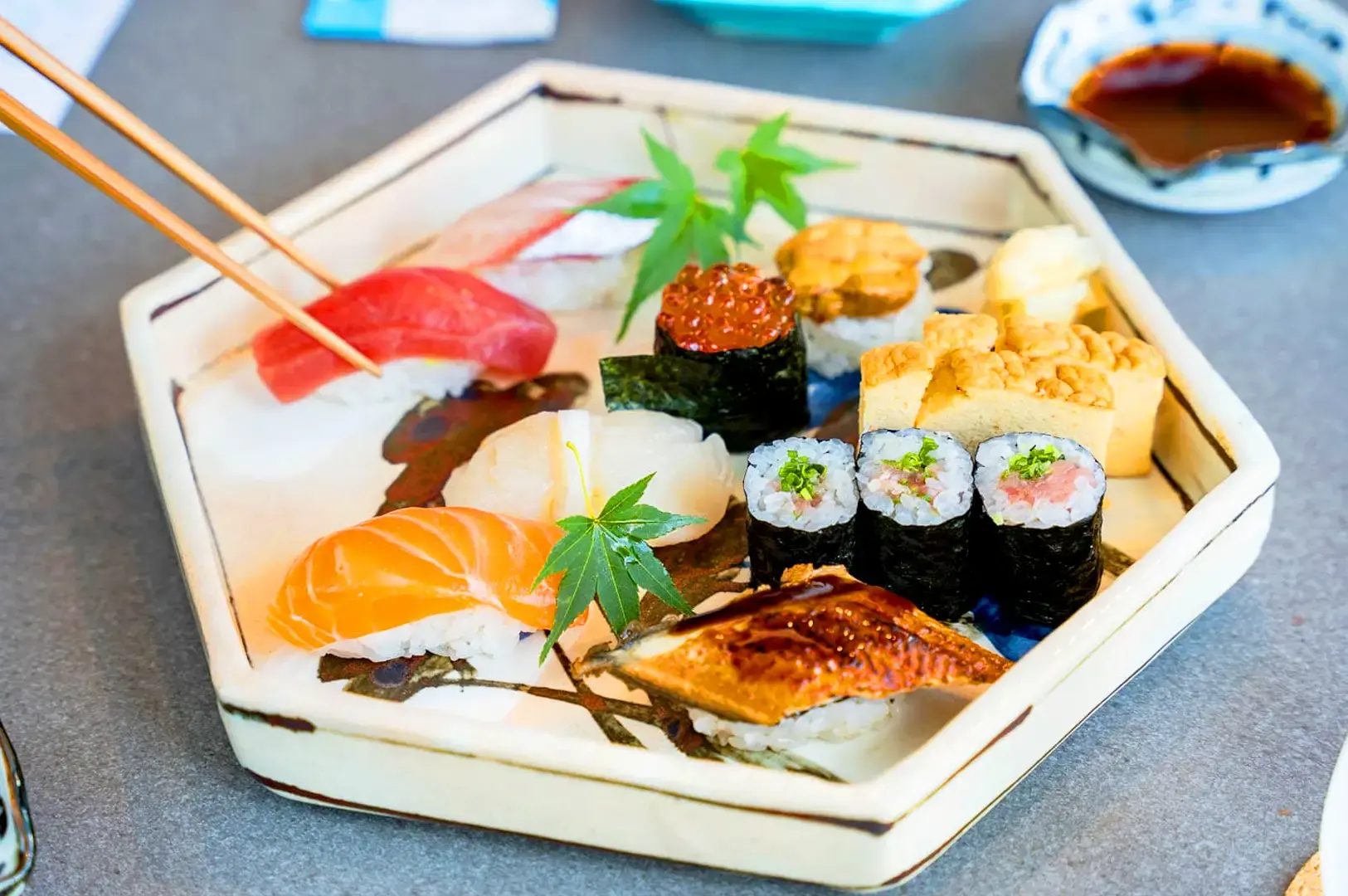
That balance is why Ganko works. You can indulge in high quality seafood and polished Japanese food without the solemn atmosphere of some chef-led counters. It sits comfortably between everyday Japanese restaurants and Singapore’s most expensive omakase experiences.
Best for: A premium lunch or dinner that still feels approachable.
Avoid if: Your craving is for low prices or a conveyor-belt meal.
Insider tip: If an omakase option fits your budget, use it to sample several styles in one sitting rather than building a meal piece by piece.
Fresh Sushi and Fresh Sashimi Picks
3. Tomi Sushi (Millenia Walk): Fresh Seafood and Niigata Roots
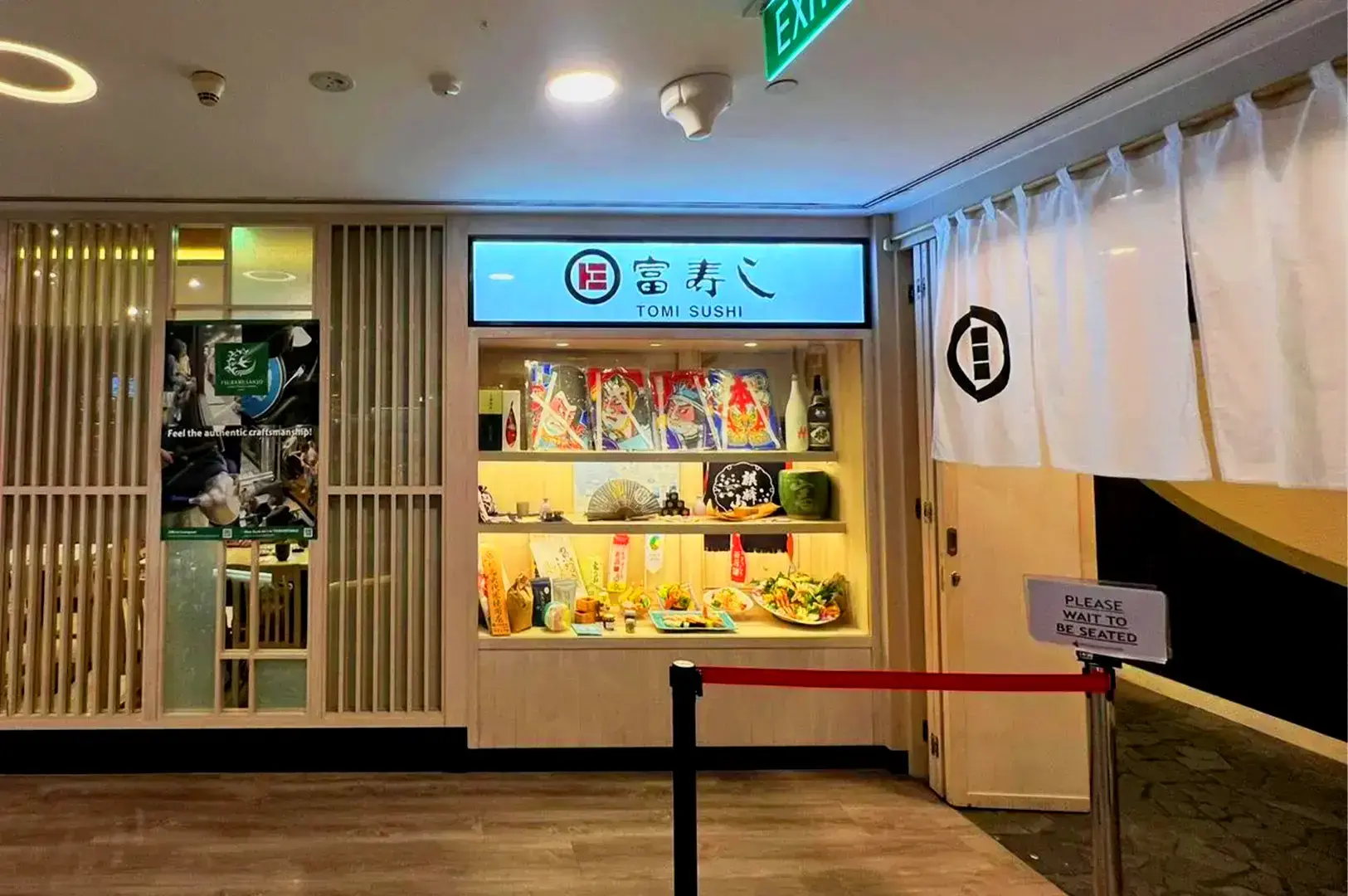
Nearest MRT: Promenade, 3–5 minutes on foot
Price: $$
Signature: A sashimi or sushi lunch set; aburi sushi is another worthwhile option.
Tomi Sushi is where I go when I care most about the fish itself. The Millenia Walk outlet draws heavily on the restaurant’s Niigata identity, giving the meal a more traditional Japanese character than places built around elaborate sushi rolls or fusion toppings.
I’ll be honest — experiences can vary. On an ordinary weekday, the restaurant may feel almost too straightforward. But when the seafood is particularly good, the appeal becomes obvious: chilled fresh sashimi, clean-tasting tuna and salmon, carefully prepared sushi, and rice with enough character to support the fish instead of disappearing beneath it. The texture can feel almost crystalline at first before softening across the tongue.
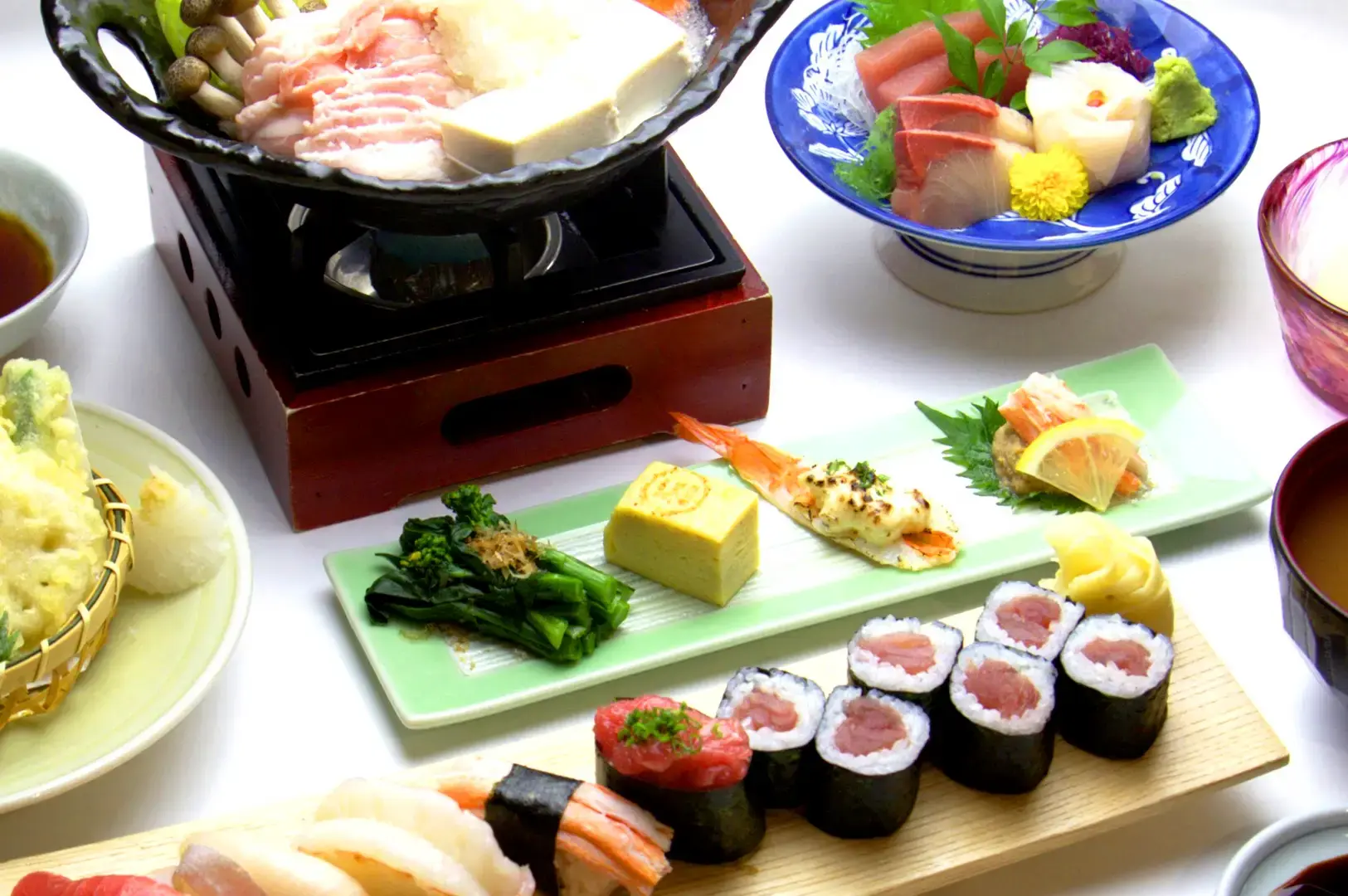
The quieter room is another advantage. This isn’t a restaurant that needs neon, loud music, or Singapore’s vibrant izakaya culture to create interest. It works for lunch, conversation, and diners who simply want good Japanese food. Sets also make Tomi more approachable than a full omakase, particularly when you’re looking for quality without committing to a long meal.
Best for: Fresh sashimi, traditional Japanese dining, and business lunches.
Avoid if: You want extravagant maki, ramen, or a flashy modern interior.
Insider tip: Take a counter seat when available. Watching the sushi preparation makes the simplicity of the food more interesting.
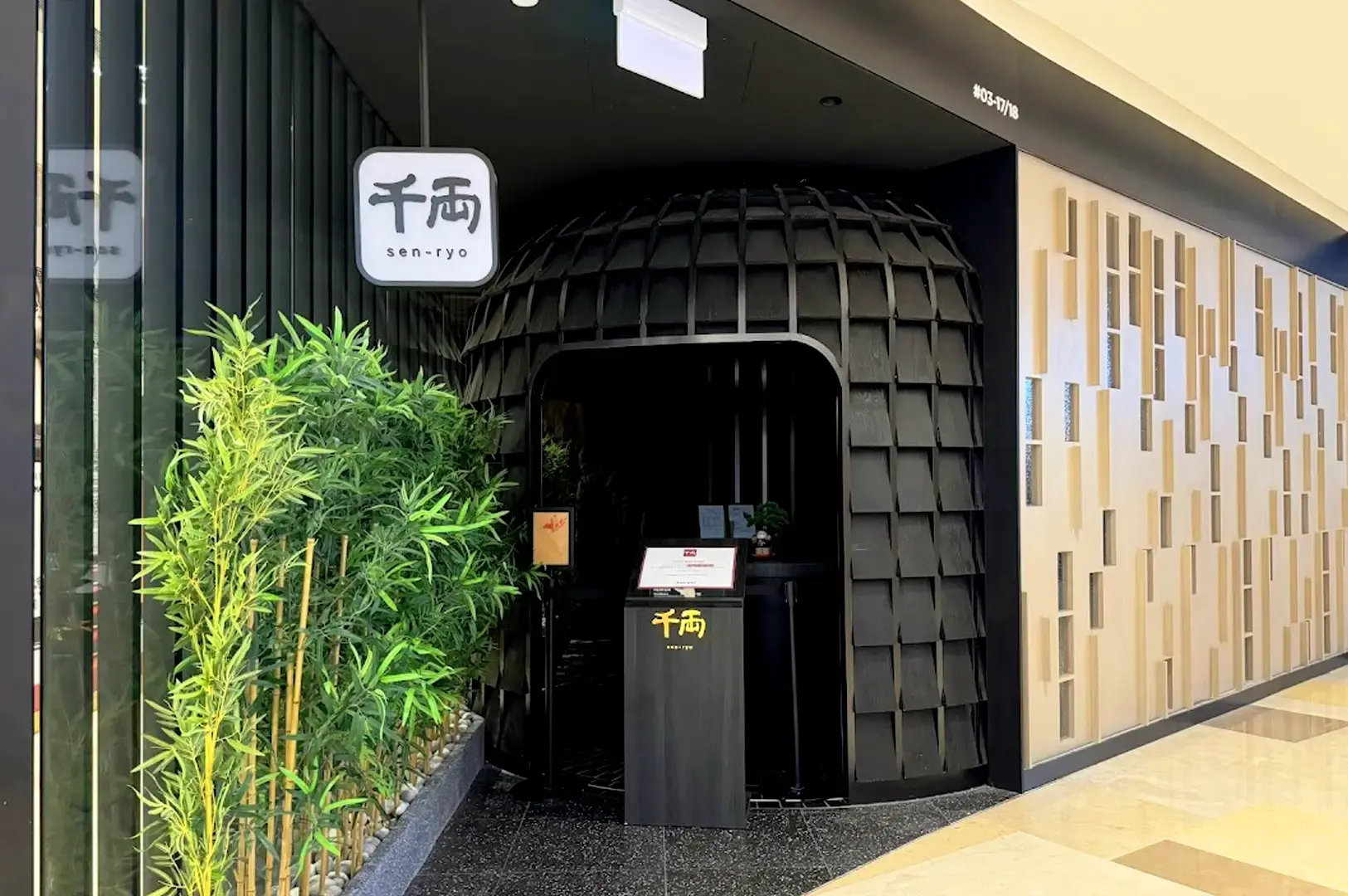
4. Sen-ryo (Orchard): Fresh Sushi Without Full Omakase Prices
Nearest MRT: Orchard, directly connected, 1–3 minutes
Price: $$
Signature: Aburi Engawa.
Sen-ryo is my Orchard default — the fresh sushi and sashimi option when I’m already at ION and don’t want to overthink dinner. Its polished dining room and broad menu place it a step above basic chain sushi without requiring the commitment or price of an omakase counter.
The dish I keep coming back to is the Aburi Engawa. Torching gives the fish a faint smoky fragrance while the flesh remains tender and buttery against the vinegared rice. That meeting of heat, fat, and acidity is why well-made aburi sushi can be so satisfying. The wider menu gives groups room to explore sashimi, nigiri, maki, sushi rolls, cooked seafood, tempura, and other Japanese dishes rather than forcing everyone into the same set.
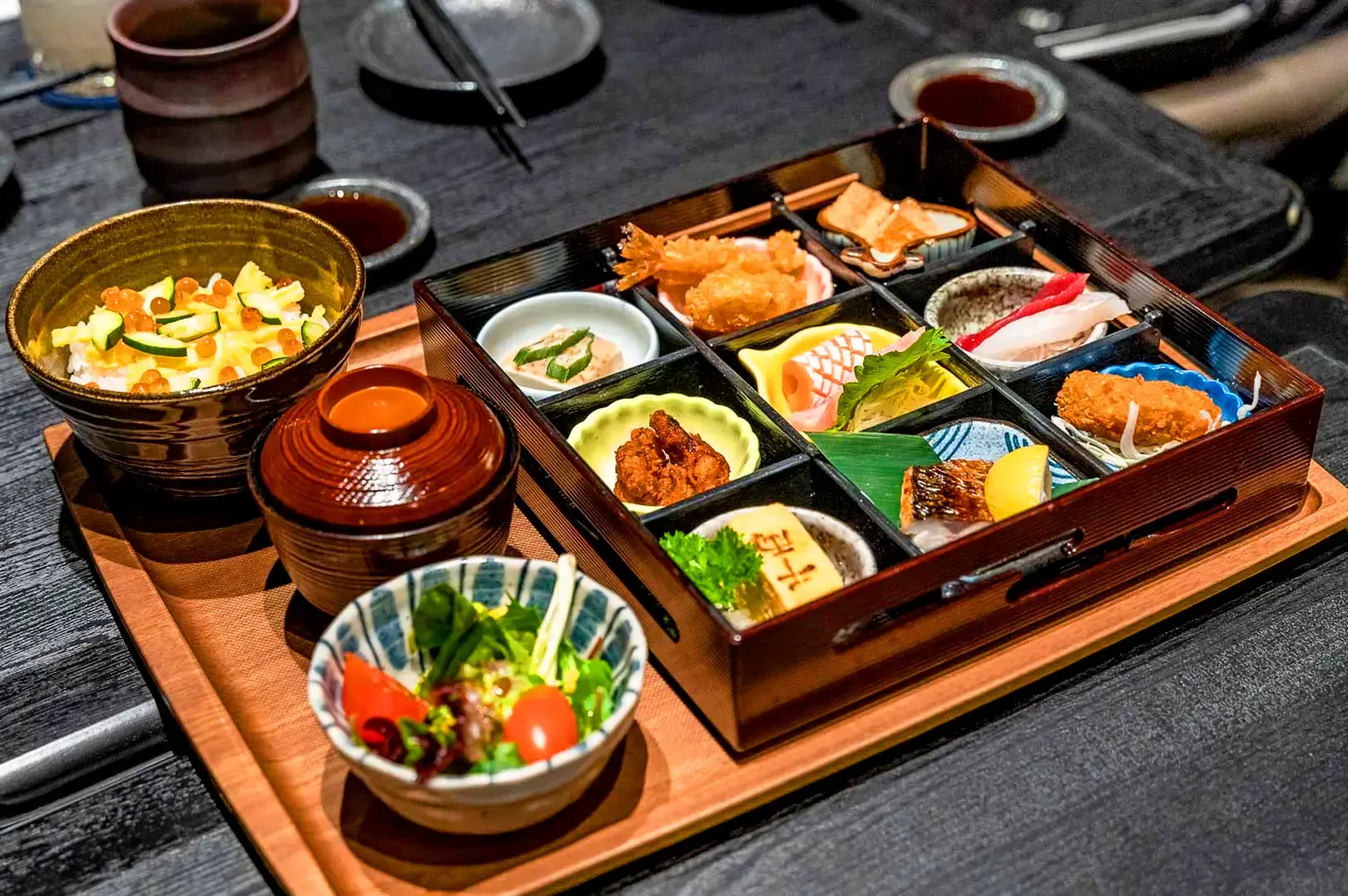
I’ve also appreciated the smaller details: requests handled without fuss and miso soup arriving as a warm, savoury counterpoint to the colder fish. I still favour dining in rather than sushi delivery here; torched sushi inevitably loses some of its aroma and texture after sitting inside a box.
Best for: Orchard shoppers, dates, and families wanting quality sushi without full omakase pricing.
Avoid if: You’re chasing the absolute cheapest plates or a hushed chef-only counter.
Insider tip: Eat the aburi immediately. The contrast between warm fish and seasoned rice is part of what makes it work.
Affordable Sushi for Everyday Cravings
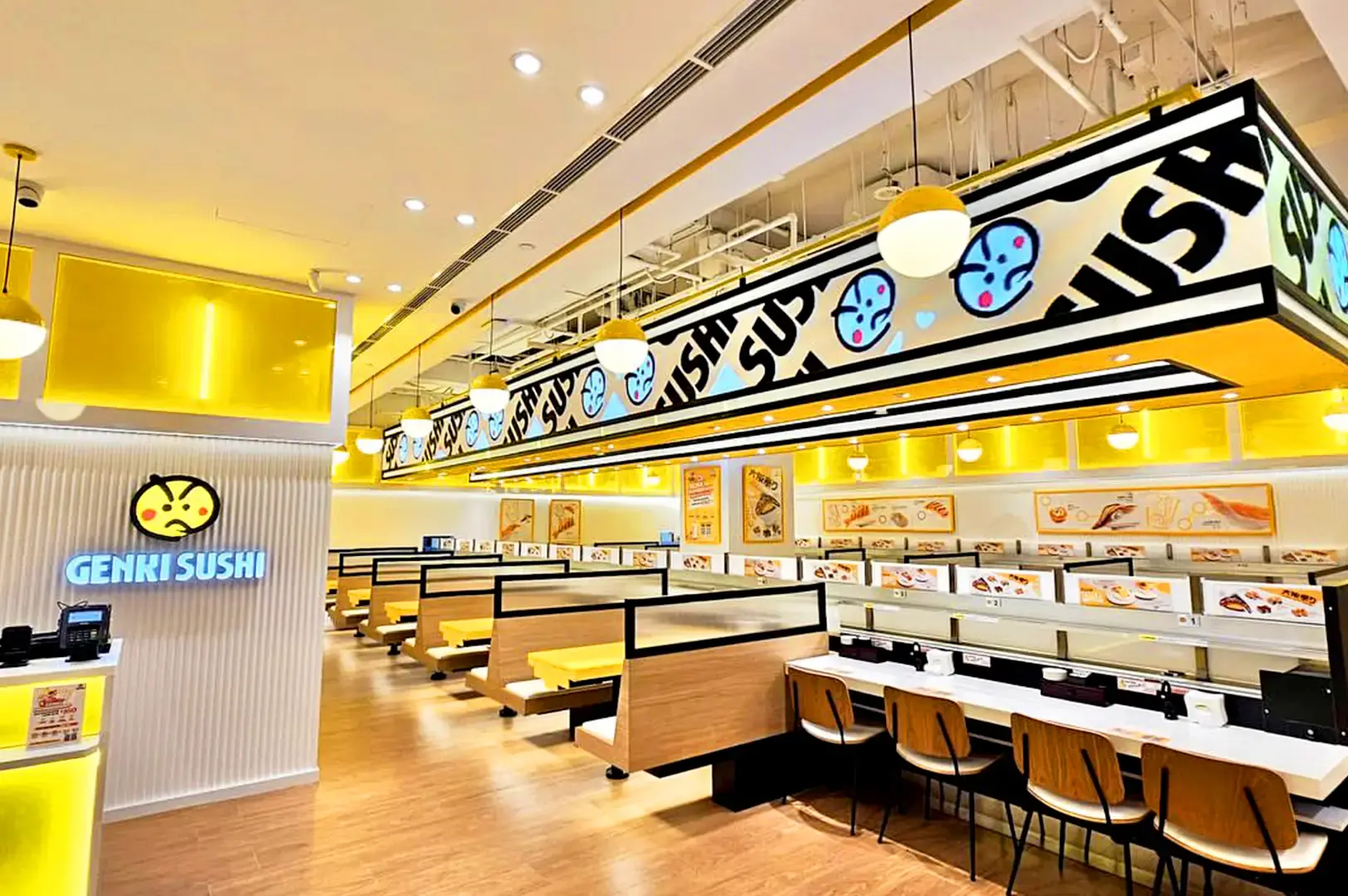
5. Genki Sushi (Somerset): Affordable Sushi, Rolls and Japanese Food
Nearest MRT: Somerset, directly connected, 1–2 minutes
Price: $–$$
Signature: Salmon selections and the more premium nigiri range.
Genki Sushi is where I land when I want variety, speed, and no ceremony. The 313@Somerset outlet makes affordable sushi almost frictionless: order electronically, wait for the little delivery track, and start eating within minutes.
The menu is broad enough for mixed cravings — tuna sushi, hotate, salmon, mini rice bowls, hand rolls, sushi rolls, plus karaage, gyoza, udon, and other hot food. My advice is not to judge Genki entirely by its cheapest plates. Spending slightly more on thicker cuts or premium selections noticeably improves the meal.
Quality can wobble between busy periods and multiple locations, but that’s part of judging a high-volume chain fairly. This isn’t trying to compete with Sushi Sato’s omakase or Tomi Sushi’s quieter traditional dining. It’s dependable everyday sushi for when you want to eat quickly, share several dishes, and leave without turning dinner into an event.
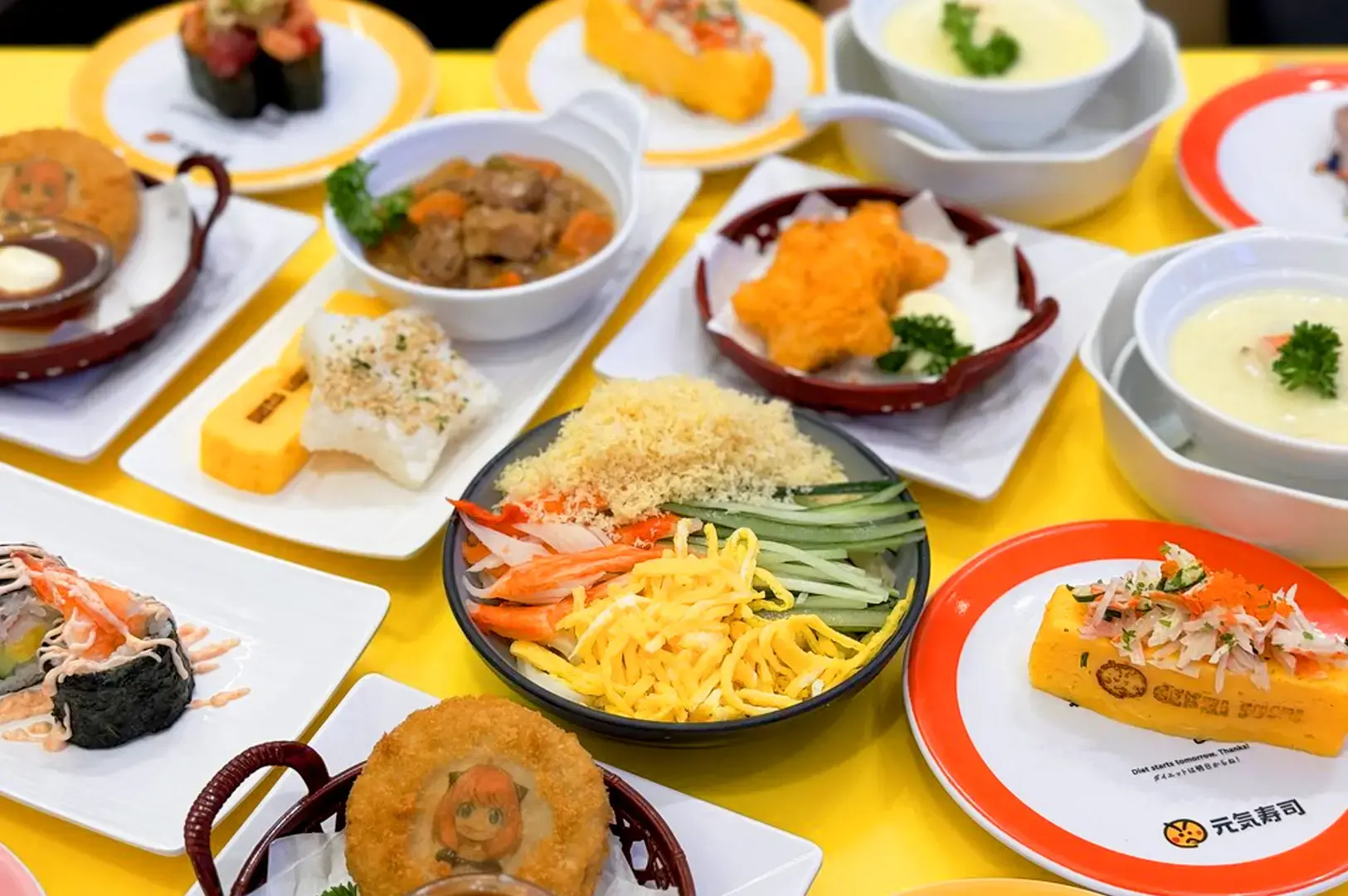
Genki’s 313@Somerset outlet also fits naturally into a wider 313 Somerset dining crawl, especially when you want quick Japanese food without turning lunch into a full sit-down occasion.
Best for: Families, students, solo meals, and midweek sushi cravings.
Avoid if: You specifically want premium sashimi or chef-led nigiri.
Insider tip: Go off-peak. A calmer kitchen generally makes for a better meal than fighting the lunch or dinner rush.
6. Sushi Express (Bukit Batok): Low-Price Sushi for Everyday Cravings
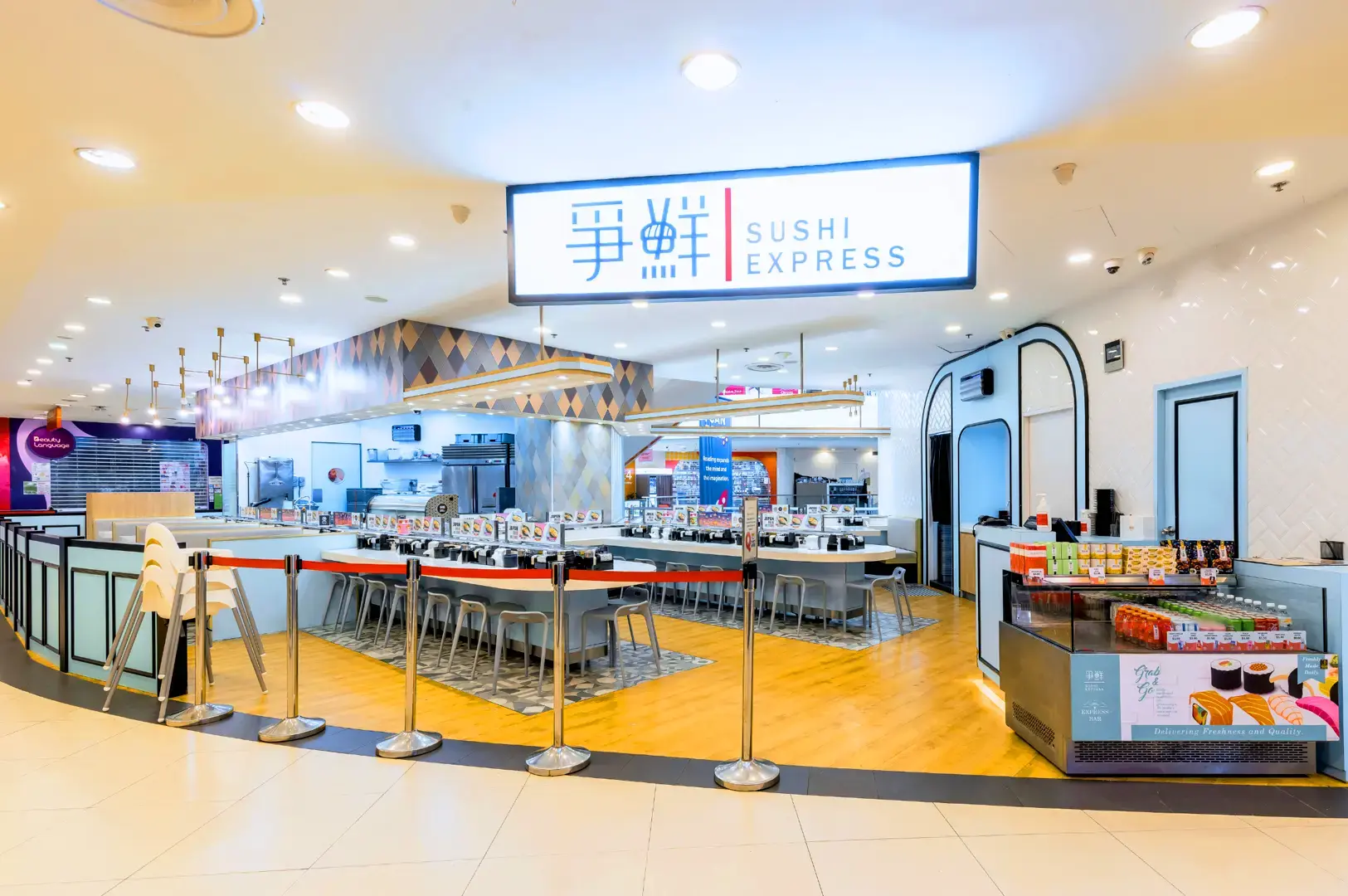
Nearest MRT: Bukit Batok, 1–3 minutes to West Mall
Price: $
Signature: Pick the salmon or whichever sushi looks freshest on the belt.
Every honest best sushi list needs a plate of truth, and this is it. Sushi Express is about low prices, speed, and choice rather than ceremony. At West Mall, the conveyor belt turns sushi into an easy everyday meal: sit down, watch the plates pass, take what looks freshest, and keep an eye on the stack beside you.
I have a soft spot for this place, and I won’t dress it up. It is budget sushi. But that is exactly why it belongs here. A plate of salmon, a little tuna, perhaps some rolls or another passing dish can turn a broke Tuesday into something more cheerful. There’s no need to discuss provenance, caviar, rare swordfish, or whether the rice has been seasoned to an omakase chef’s exact preference.
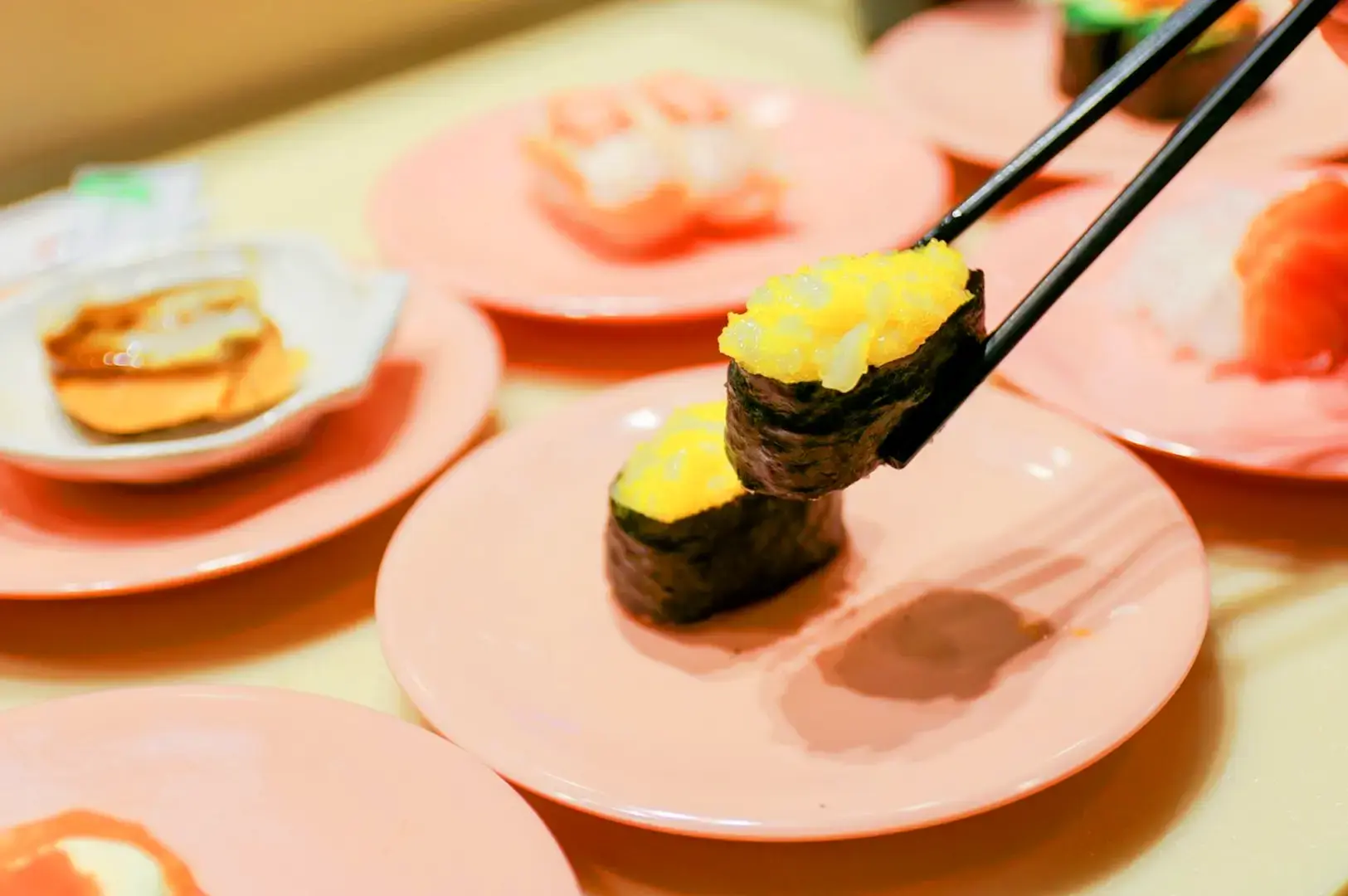
Don’t come expecting the same premium seafood as Singapore’s high-end sushi bars. Come for an accessible meal, straightforward Japanese flavours, and the small pleasure of choosing your next plate as it slides past.
Best for: Students, quick solo meals, young families, and budget sushi cravings.
Avoid if: You want premium sashimi, luxury ingredients, or a special-occasion dinner.
Insider tip: Sit closer to where new plates enter the belt. You’re more likely to catch the sushi soon after it leaves the kitchen.
What to Order Beyond a Standard Sushi Platter
A good sushi meal also doesn’t have to stop at a sushi platter. Depending on the Japanese restaurant, look beyond salmon and tuna for seasonal nigiri, hand rolls, aburi preparations and cooked signature dishes. When available, sides such as soft shell crab, tempura or even yakitori can add hot, crisp and smoky contrasts between colder pieces of sashimi.
And provenance deserves a little perspective. Tokyo’s Toyosu Market is an important sourcing point for premium seafood, and restaurants understandably highlight fish arriving from Toyosu Market. But a famous market name alone doesn’t make great sushi. Once the fish reaches Singapore, temperature, knife work, rice seasoning and the chef’s timing still determine whether that expensive seafood becomes a memorable piece of nigiri.
That is ultimately more useful than chasing a particular address at Shaw Centre, Tanjong Pagar, Orchard or another dining district. Singapore has enough Japanese restaurants that the better question is what kind of sushi experience you want—and whether the restaurant handles the fundamentals well enough to justify the price.
The Whole Spread
The more sushi I eat in Singapore, the less interested I am in finding one definitive “best.” Good sushi depends on what you want from the meal — pristine fish and carefully seasoned rice, a long chef-led experience, or simply something fresh and satisfying when the craving hits.
What matters is knowing what each kind of sushi experience does well. Sometimes I want to sit at the counter and notice every detail: the temperature of the rice, the clean sweetness of the seafood, the brush of sauce across a piece of nigiri. Other days, I just want salmon, a few rolls, and dinner without much thought.
That range is what makes eating sushi in Singapore interesting. Match the experience to your appetite, budget, and occasion, and you don’t necessarily need the fanciest seat in the room to walk away happy.

Korean Halal Food Singapore: What Actually Changes in Kimchi Stew, Fried Chicken, and the Grill
Eda Wong | October 31, 2026
Korean food can look simple from the table. A red bowl of kimchi stew. A tray of glossy fried chicken. Beef hissing on a grill. Banchan arriving in small dishes before anyone has even opened the menu. It feels familiar now, especially in Singapore, where Korean food has moved from novelty to everyday craving. But…

Sandaime Bunji Review: Beef Tongue, Oden, and the Quiet Comfort of Millenia Walk
Eat Drink Asia Team | October 29, 2026
It was raining when I got to Millenia Walk. The warm, sideways kind that follows you under every shelter. I came for the beef tongue. That is what many diners associate with Sandaime Bunji, the Japanese izakaya at 9 Raffles Boulevard, #01-14/15 Millenia Walk. But by the time I shook out my umbrella at the…
-
Shinjuku Restaurant, Where Cuppage Plaza Keeps Japanese Comfort Food Uncomplicated
Dio Asahi | October 27, 2026
I almost walked past Shinjuku Restaurant. That is easy to do in Cuppage Plaza. Step away from the polish of Orchard Road and the building feels older, quieter, and much less interested in catching your attention. Shinjuku sits on the ground floor at 5 Koek Road, behind a frontage that gives little away about the…
-
Prawn Mee in Singapore: Bowls Where the Broth Tastes Like Time
Eda Wong | October 24, 2026
I do not remember the first bowl of prawn mee I ever ate. But I remember the smell: that deep, roasted-shell darkness that fills a coffee shop before you have even sat down. My grandfather used to say you could tell a good prawn noodle stall from the doorway, just by breathing. Over the years,…
-
How to Make Dashimaki Tamago, the Japanese Rolled Omelette That Tastes Like Broth
Eat Drink Asia Team | October 22, 2026
Dashimaki tamago is one of those dishes that looks quieter than it is. At first glance, it is just a rolled egg. Pale, soft, sliced neatly, often served beside steamed rice, miso soup, and grated daikon radish. But once you make it, you realise it is not really about eggs alone. It is about how…
-
The Lunch Hour Slows Down at Gochi-So Shokudo
Dio Asahi | October 21, 2026
By Dio Asahi for Eat Drink Asia. It’s just past noon, and the lifts keep opening. Suits spill out, lanyards swinging, phones already halfway to their ears. But inside Gochi-So Shokudo, tucked into One Raffles Place, something else is happening. People are sitting down. Actually sitting. Chopsticks lifting, shoulders dropping a little, the room warm…
-
Kintamani Singapore Review: Can an All-You-Can-Eat Buffet Still Taste Like Indonesia?
Dio Asahi | October 20, 2026
I walked into Kintamani Singapore with one question in mind. Buffets ask food to wait. Rendang, sambal, grilled meats, and fried seafood all sit under heat while diners circle the spread. That is not necessarily kind to Indonesian dishes built around texture, reduction, chilli, coconut, and freshly cooked aromatics. So I was less interested in…
-
Pagi Sore Indonesian Restaurant Est 1989 Review: A Second-Generation Kitchen That Still Knows Its Own Voice
Eda Wong | October 17, 2026
The first thing I noticed at Pagi Sore Indonesian Restaurant was the smell. Not the sharp, showy kind. Something slower: coconut milk, lemongrass, chilli, fried egg, and the deep warmth of spice paste drifting out from a wood-heavy dining room while Far East Square kept moving outside. I walked over on a Wednesday evening, just…
-
Best Fish Soup in Singapore: Bowls Where the Broth Is the Whole Point
Eat Drink Asia Team | October 15, 2026
I don’t remember when fish soup became my quiet meal. It just did. On days when I couldn’t decide what I wanted, when the weather turned grey, when I needed something warm that asked nothing of me, I’d end up hunched over a bowl, breathing in the steam before the first spoonful. I’ve eaten a…
-
The Clay Stove Heat Beneath a Lao Grilled River Fish
Eda Wong | October 14, 2026
By Eda Wong for Eat Drink Asia It’s late afternoon, and the river is the colour of weak tea. A woman crouches beside a small clay stove at the edge of the bank, feeding it slivers of charcoal. Smoke lifts, thin and grey, and drifts toward the water. On a bamboo skewer, a whole fish…