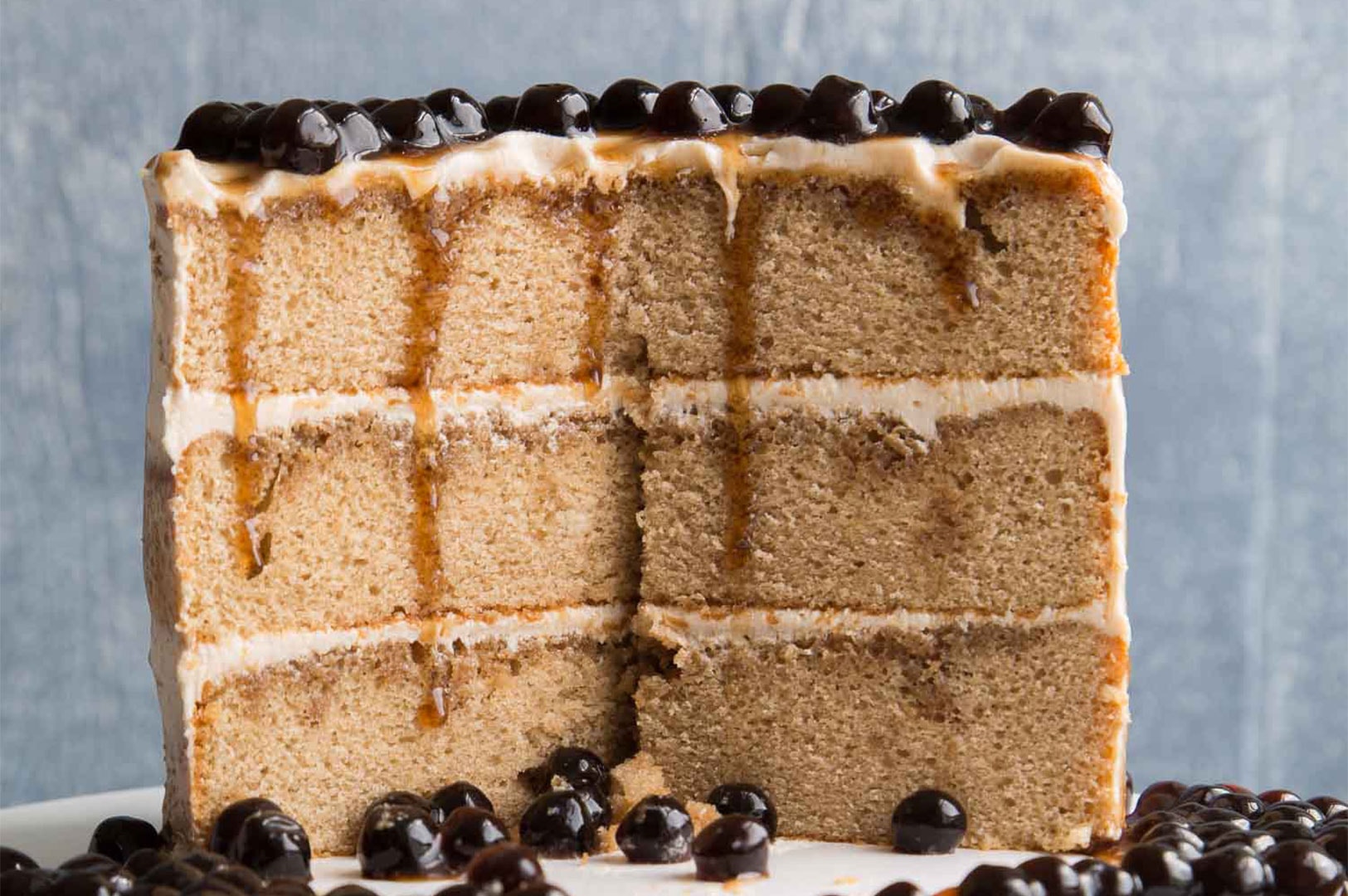
The global bubble tea phenomenon has evolved beyond drinks into the world of baking, creating one of the most exciting dessert trends of recent years. Bubble tea cake combines the beloved flavors of milk tea with the satisfying chew of boba pearls, all wrapped up in an adorable bubble tea cake that’s perfect for any birthday cake celebration.
Craving more tasty ideas? Head to eatdrinkasia.com for endless Asian food inspiration and start cooking something amazing!
This comprehensive guide will walk you through everything you need to know about creating your own pearl milk tea masterpiece, from selecting the right tea varieties to mastering the art of boba preparation. For an even deeper dive into flavor inspiration, you can explore Thai Green Milk Tea: The Complete Guide to Thailand’s Refreshing Emerald Delight. Whether you’re planning a special celebration or want to bring the bubble tea experience to your dessert table, this tea cake will deliver both visual impact and unforgettable flavor.
What is Bubble Tea Cake
Bubble tea cake is a dessert that combines classic bubble tea flavors in a cake form, blending the aromatic essence of milk tea with the distinctive texture of chewy tapioca pearls. This innovative dessert captures the complete bubble tea experience in a shareable format that’s become incredibly popular among both bubble tea enthusiasts and cake lovers.
The key elements that define an authentic bubble tea cake include tea-infused cake layers that deliver robust tea flavor, milk tea-flavored frosting that mirrors the creamy sweetness of the original drink, and chewy tapioca pearls that provide the signature textural contrast bubble tea is famous for. These components work together to create a dessert that tastes remarkably similar to drinking actual bubble tea.
The rise in popularity since 2020 coincided with the global pandemic when home baking trends surged, and people sought creative ways to recreate their favorite treats. Social media platforms became flooded with bubble tea cake creations, with bakers sharing their unique takes on this fusion dessert. The appeal extends beyond just bubble tea enthusiasts – the cake attracts anyone interested in unique flavor combinations and Instagram-worthy desserts.
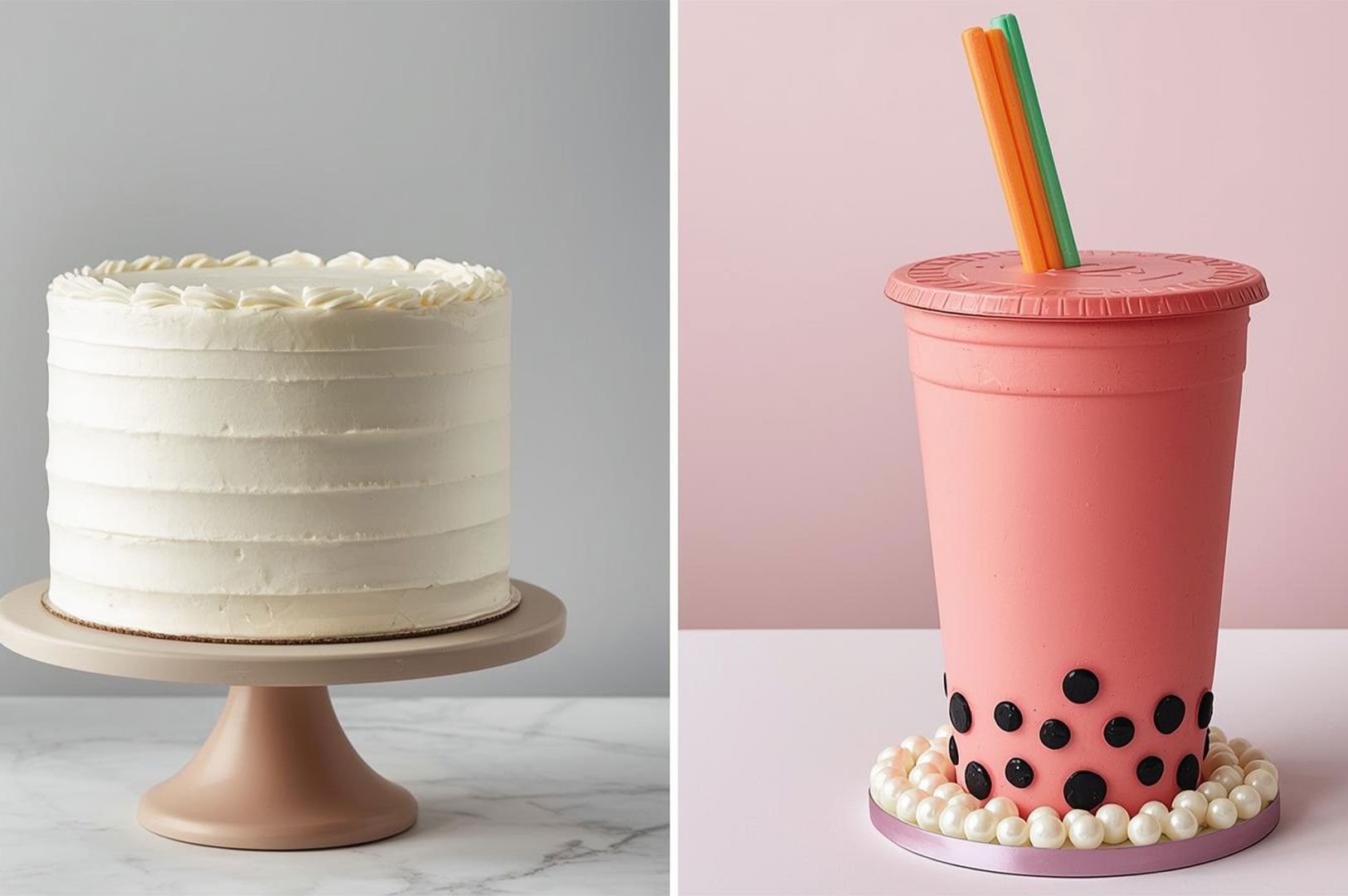
When comparing different styles, you’ll find traditional layered cakes that focus on flavor authenticity versus novelty designs that look like actual bubble tea cups. The traditional approach emphasizes the eating experience and flavor balance, while novelty designs prioritize visual impact and social media appeal. Both styles have their place, depending on your goals and skill level.
Essential Components of Bubble Tea Cake
Creating an authentic bubble tea cake requires careful attention to three main components, each playing a crucial role in delivering the complete experience. Understanding these elements will help you make informed decisions about flavors, textures, and assembly techniques.
Tea-infused cake base options provide the foundation for your flavor profile. Black tea varieties like Assam or Ceylon create robust, malty flavors that closely mirror traditional bubble tea. Earl Grey introduces citrusy bergamot notes for a more sophisticated twist, while jasmine or oolong varieties offer lighter, more delicate profiles that appeal to those preferring subtle tea flavors.
The milk tea-flavored frosting serves as both flavor carrier and visual element. Buttercream preparations offer stability and rich mouthfeel, making them ideal for detailed decorating work. Whipped cream preparations provide a lighter texture and closer resemblance to actual milk tea, though they require more careful handling and storage considerations.
Boba pearls represent the signature element that transforms regular cake into bubble tea cake. Brown sugar boba delivers the classic flavor most people associate with bubble tea, while black sugar versions provide deeper molasses notes. Honey-infused tapioca pearls offer a more natural sweetener profile and slightly different chew characteristics.
Optional elements can elevate your cake from good to exceptional. Tea simple syrups help intensify flavor penetration throughout the cake layer, while fruit additions like strawberry or mango create popular bubble tea flavor variations. Decorative fondant pearls allow for artistic presentation without the moisture concerns of real boba.
Choosing the Right Tea for Your Cake
Selecting the appropriate tea variety forms the foundation of successful bubble tea cake flavor development. Each tea type brings distinct characteristics that will influence both taste and aroma profiles throughout your finished dessert.
Black tea varieties dominate traditional bubble tea preparations, making them excellent starting points for cake adaptations. Assam tea provides robust, malty flavors with enough strength to survive the baking process and complement sweet frosting elements. Ceylon black tea offers brighter, more citrusy notes that work particularly well with lighter cake textures. Taiwanese Red Jade brings unique cinnamon and mint undertones that create sophisticated flavor complexity.
Earl Grey represents a popular upgrade from standard black tea, introducing bergamot oil’s distinctive citrus character. This variety works exceptionally well in chiffon cakes where the lighter texture allows the bergamot notes to shine without being overwhelmed by dense cake structure.
Green tea options like jasmine provide delicate, floral profiles perfect for those preferring subtler tea flavors. Jasmine tea’s natural sweetness reduces the need for additional sugar in both cake batter and frosting preparations. Matcha offers concentrated green tea flavor with natural color enhancement, though it requires careful balancing to prevent bitterness.
Oolong tea delivers complex, slightly sweet profiles that bridge the gap between black and green tea characteristics. These varieties often provide natural caramel notes that complement brown sugar boba particularly well, creating harmonious flavor combinations throughout the finished dessert.
Types of Bubble Tea Cake Styles
Understanding different bubble tea cake styles helps you choose the approach that best matches your skill level and desired presentation. Each style offers unique advantages and challenges that affect both preparation time and final results.
Classic layered bubble tea cake with traditional buttercream frosting represents the most straightforward approach to this dessert. This style uses standard layer cake techniques with tea-infused cake batter and milk tea buttercream between layers. The focus remains on flavor authenticity rather than visual novelty, making it perfect for celebrations where taste takes priority over presentation complexity.
Chiffon-style bubble tea cake delivers a light, airy texture that more closely mimics the drinking experience of actual bubble tea. The chiffon technique creates a tender crumb structure that absorbs flavor syrups effectively while maintaining structural integrity. This approach requires more technical skill but produces superior texture results.
Hidden bubble tea surprise cakes incorporate actual tea drinks inside hollow cake centers, creating dramatic reveals when sliced. These designs require specialized techniques for creating stable cavities and waterproof barriers to prevent soggy cake textures. The surprise element makes them excellent conversation pieces for special occasions.
Novelty bubble tea cup-shaped cakes prioritize visual impact through fondant decorations and creative shaping techniques. These designs require advanced decorating skills and specialized equipment, but create stunning presentations perfect for social media sharing and themed celebrations.
How to Make Tea-Infused Cake Layers
Creating properly flavored tea-infused cake layers requires understanding both steeping techniques and cake chemistry to achieve optimal results without compromising texture or structure.
Steeping methods significantly impact final flavor intensity and clarity. Hot milk infusion involves heating milk to just below boiling, then steeping tea bags or loose tea leaves for extended periods. This technique extracts maximum flavor while maintaining smooth liquid consistency. Concentration reduction techniques involve brewing strong tea separately, then reducing volume through gentle heating to concentrate flavors before incorporating into the cake batter.
Proper tea-to-liquid ratios ensure sufficient flavor penetration without introducing bitterness or astringency. For standard layer cakes, use approximately 6 tea bags per ¾ cup milk or 15 grams loose tea per 130 grams milk. These ratios provide intense flavor that remains detectable after baking and mixing with other cake flour and batter ingredients.
The reserve creaming method produces a dense, moist texture ideal for absorbing flavor syrups and maintaining structural integrity under heavy frosting applications. Begin by creaming butter and powdered sugar until fluffy, then alternate adding cake flour mixture and tea-infused liquid. This technique prevents overmixing while ensuring even flavor distribution.
The chiffon cake technique creates lighter, fluffier results through separated egg preparation and careful folding methods. Whip egg whites to stiff peaks form separately, then gently fold into the tea-infused batter using an offset spatula. This approach requires more precision but delivers superior texture for elegant presentations.
Cooling and straining processes remove unwanted tea particles that could create bitter spots or uneven textures. Always strain tea-infused liquids through fine mesh before incorporating into batter. Allow cakes to cool completely on parchment paper before removing from pans to prevent structural damage.
Preparing Perfect Boba Pearls for Cake Topping
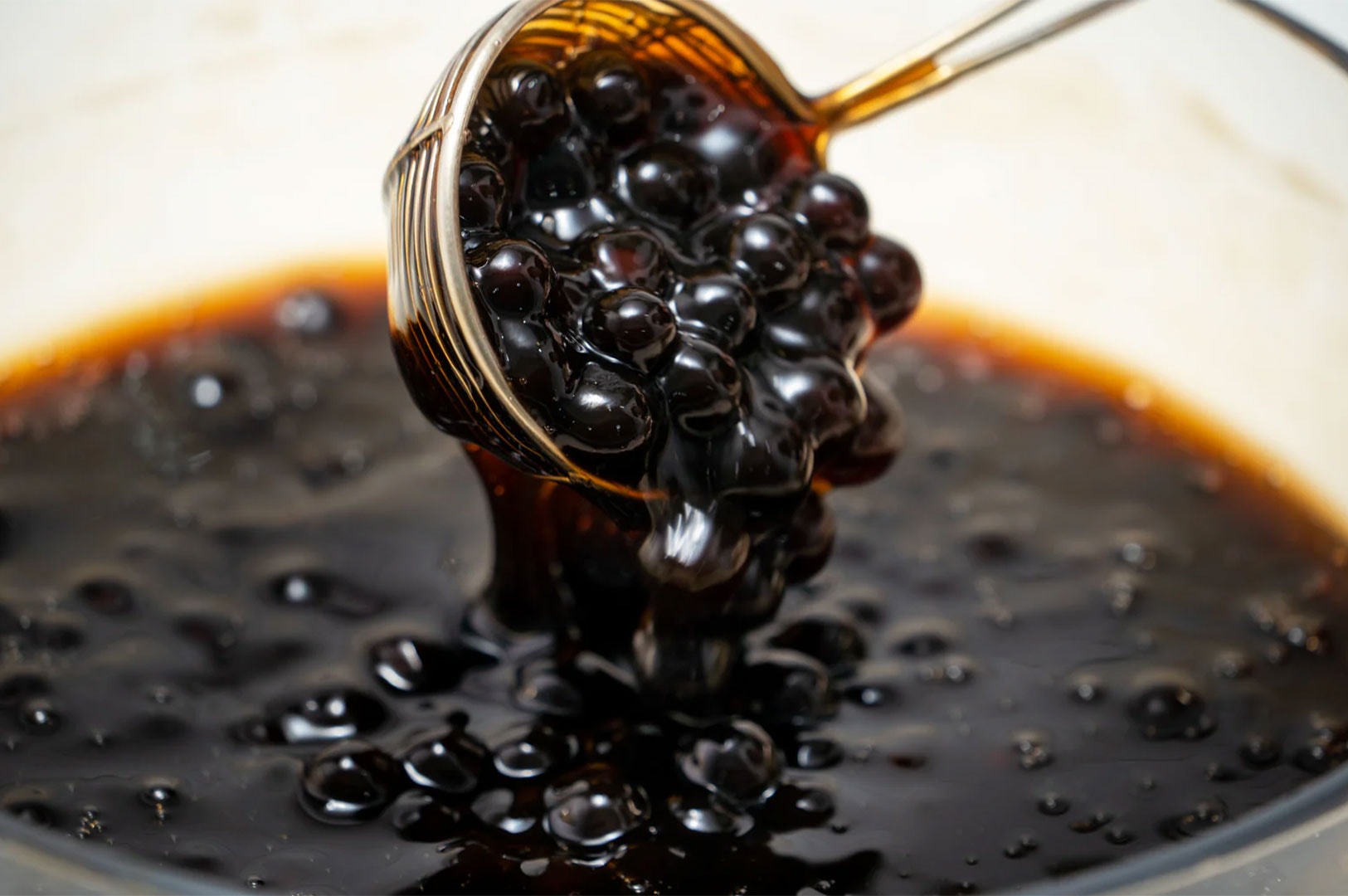
Achieving ideal boba texture for cake applications requires understanding cooking timing, flavoring techniques, and temperature management to maintain the signature chew without compromising frosting stability.
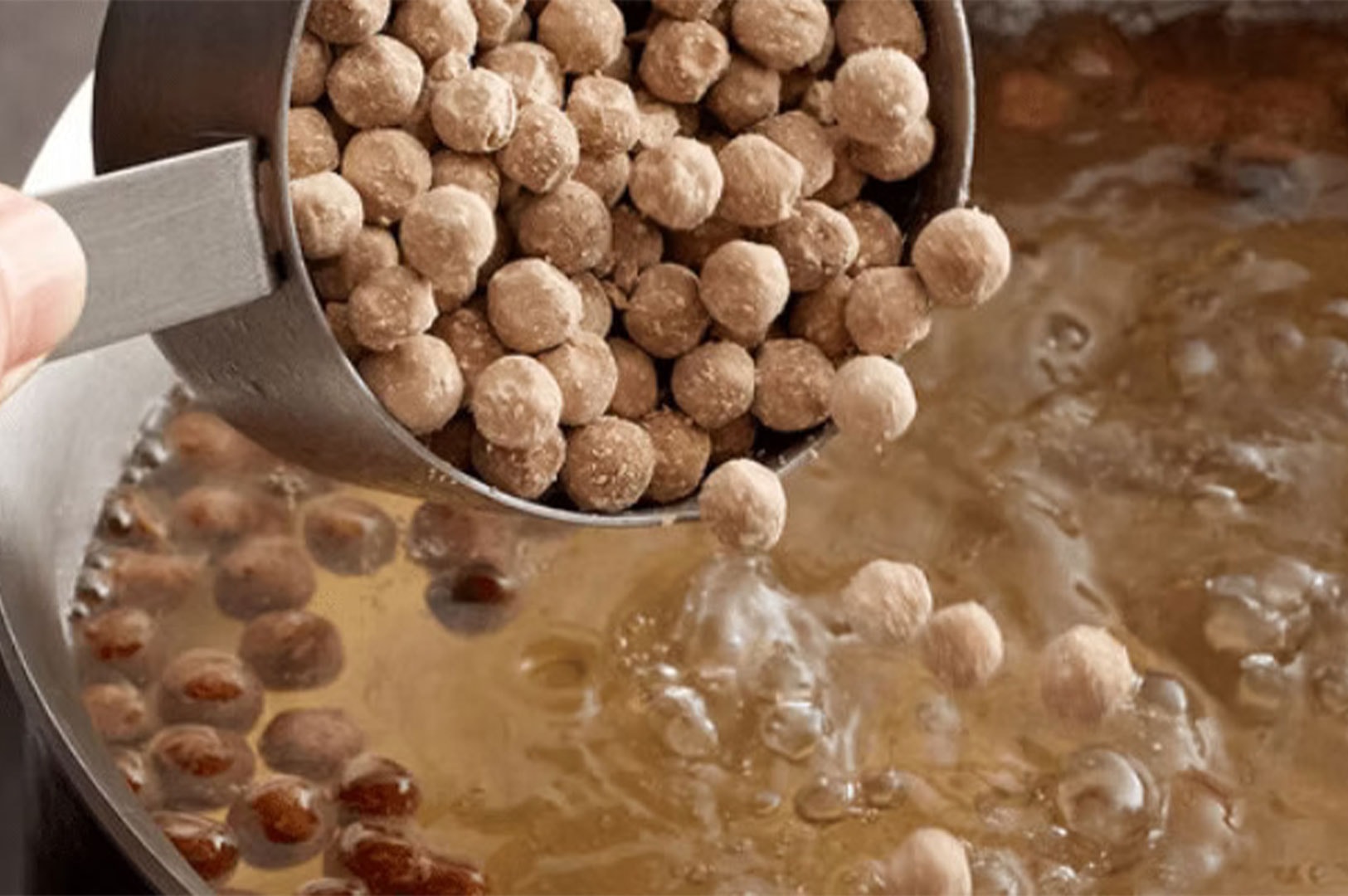
Cooking dried tapioca pearls properly ensures optimal texture that enhances rather than detracts from the overall eating experience. Bring a large pot of water to a rolling boil on medium heat, then add pearls in a single layer to prevent sticking. Cook for 15-20 minutes until pearls become translucent with slight firmness in the center. Overcooked pearls become mushy while undercooked ones remain hard and unpleasant.
Brown sugar syrup preparation creates an authentic bubble tea flavor that complements rather than overwhelms cake elements. Combine equal parts brown sugar and water in a medium saucepan, heating on medium speed until sugar dissolves completely. Simmer until the mixture reaches a light syrup consistency that coats the spoon without becoming thick or sticky. This syrup should taste rich but not overpowering.
Alternative sweetening methods offer different flavor profiles for varied preferences. Honey creates more complex sweetness with floral undertones, while maple syrup adds subtle caramel notes. Black sugar produces deeper molasses flavors that work particularly well with stronger tea varieties like Assam or Earl Grey.
Serving temperature considerations affect both boba texture and frosting stability. Warm boba provides ideal chew characteristics but can melt buttercream frosting on contact. Room temperature pearls maintain good texture while preventing frosting damage. Never refrigerate assembled cakes with boba, as cold temperatures make pearls hard and unpleasant.
Storage tips help maintain chewiness without hardening issues that plague many boba preparations. Store cooked pearls in their cooking syrup at room temperature for up to 4 hours. For longer storage, refrigerate in air tight container but allow to return to room temperature before serving. Never freeze cooked boba, as this destroys texture completely.
Making Milk Tea Flavored Frosting
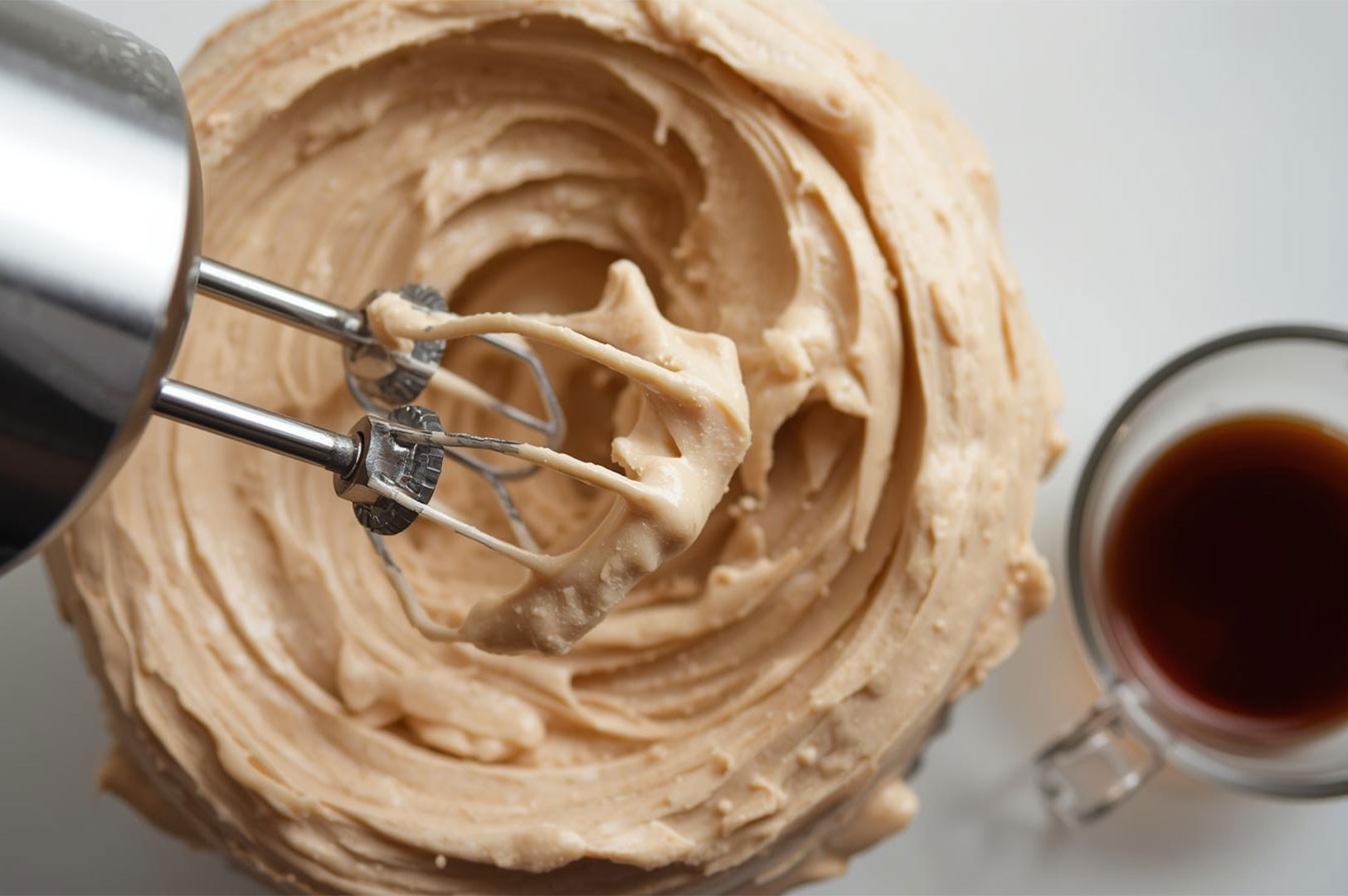
Creating authentic milk tea-flavored frosting requires balancing tea concentration with sweetness while maintaining proper consistency for both spreading and piping applications.
American buttercream with tea concentrate integration provides reliable results with excellent stability characteristics. Begin by preparing concentrated tea using double-strength brewing ratios, then cooling completely before incorporating it into the buttercream base. Cream butter until fluffy, gradually add powdered sugar and tea concentrate alternately, beating on medium speed until smooth and pipeable consistency develops.
Stabilized whipped cream with gelatin offers a lighter texture that more closely resembles actual milk tea while providing better hold than standard whipped cream preparations. Bloom gelatin powder in cold liquid, then heat gently to dissolve completely. Cool slightly before whipping into heavy cream and tea concentrate mixture. This technique creates stable frosting that maintains peaks without weeping or deflating.
Cream cheese frosting variations introduce tangy complexity that complements sweet tea flavors while providing a rich mouthfeel. Combine softened cream cheese with butter, beat until smooth, then gradually incorporate powdered sugar and tea concentrate. The cream cheese adds stability and depth that works particularly well with Earl Grey or oolong tea varieties.
Balancing sweetness with tea’s natural astringency requires careful tasting and adjustment throughout the preparation process. Start with less sweetener than standard frosting recipes, adding gradually while tasting frequently. The tea’s tannins can make frosting taste less sweet than expected, so slightly over-sweetening often produces a better final balance.
Color enhancement techniques create an appealing milk tea appearance without artificial additives. Natural caramel color develops from proper tea steeping, while a small amount of brown food coloring can intensify the characteristic light brown hue. Avoid excessive coloring that creates unnatural appearance or muddy tones.
Assembly Techniques and Pro Tips
Proper assembly techniques ensure your bubble tea cake maintains structural integrity while delivering optimal flavor distribution and visual appeal throughout every slice.
Layer soaking with tea simple syrup enhances flavor penetration while adding moisture that keeps cake layers tender. Prepare simple syrup by combining equal parts water and sugar, heating until dissolved, then adding concentrated tea mixture. Apply syrup evenly using pastry brush, allowing each cake layer to absorb liquid before adding frosting. This technique intensifies tea flavor throughout the entire slice.
Proper frosting application creates smooth, professional finish that showcases your milk tea frosting while providing stable base for boba decoration. Begin with crumb coat – thin layer of frosting that seals loose crumbs and creates smooth surface. Refrigerate briefly to set, then apply final frosting layer using offset spatula for even thickness. Work quickly but deliberately to maintain smooth texture.
Timing boba addition prevents melting buttercream while ensuring optimal pearl texture at serving time. Add boba pearls immediately before serving for best results, or within 30 minutes if presentation timing requires advance preparation. Gently press warm boba into frosting surface rather than mixing through, which maintains distinct textures.
Creating hidden bubble tea compartments requires careful hollowing and sealing techniques that prevent structural collapse. Use serrated knife to cut cylindrical cavity in cake center, leaving 1-inch walls on all sides. Line cavity with plastic wrap, fill with prepared bubble tea mixture, then seal with cake layer secured using frosting. This technique creates dramatic surprise element when cake is sliced.
Decorative techniques using fondant pearls allow artistic presentation without moisture concerns of real boba. Create fondant pearls by rolling small portions of brown-tinted fondant into spheres, allowing to dry completely before application. These decorative elements provide visual impact while avoiding textural complications during storage and serving.
Creative Variations and Flavor Combinations
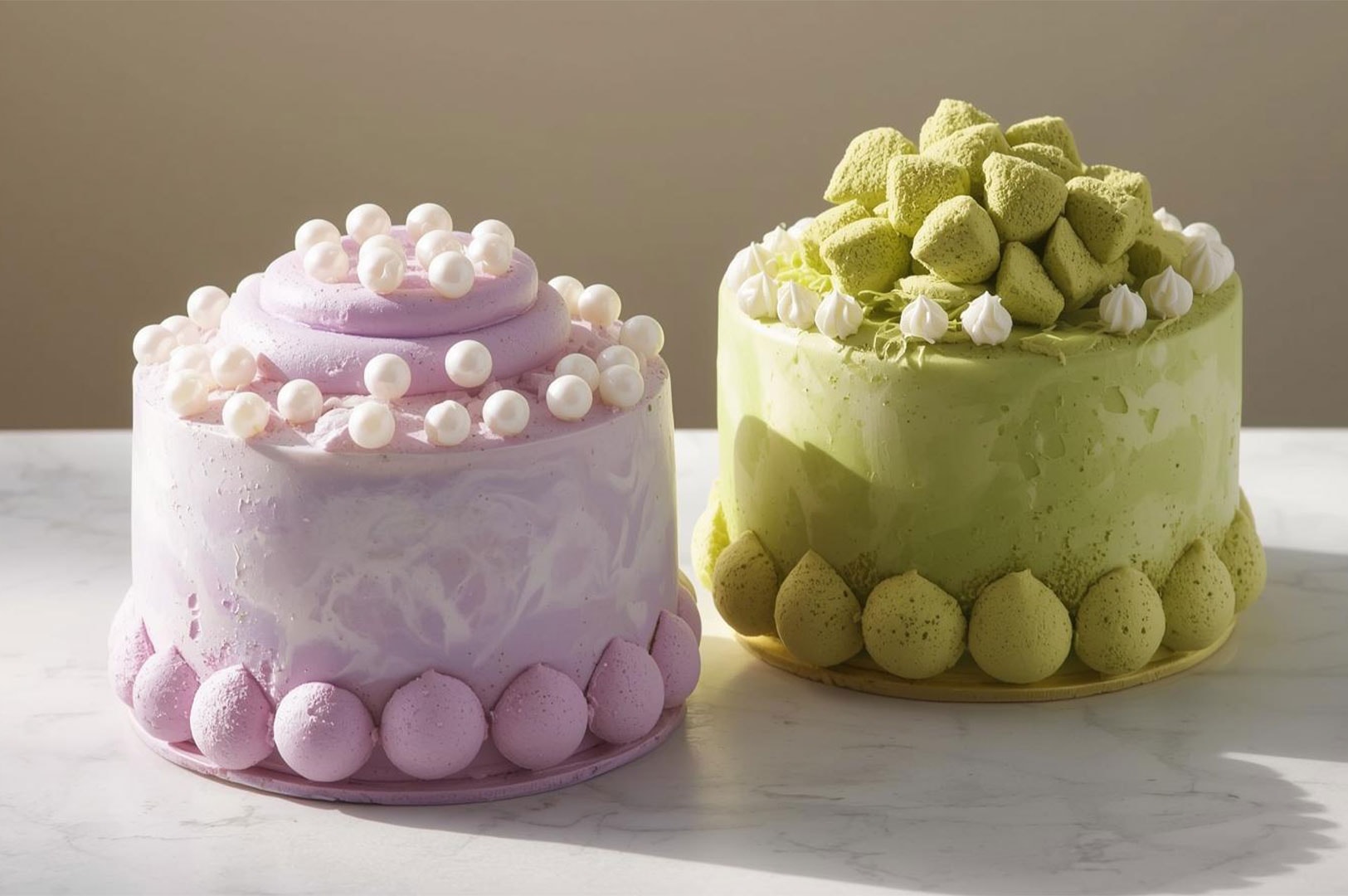
Expanding beyond traditional milk tea opens exciting possibilities for unique flavor combinations that showcase creativity while maintaining authentic bubble tea characteristics.
Taro bubble tea cake incorporates purple sweet potato infusion for a distinctive color and nutty-sweet flavor profile. Steam and puree fresh taro root, then incorporate it into both the cake batter and frosting for consistent flavor throughout. The natural purple color creates a striking visual appeal while delivering an authentic Asian dessert experience that bubble tea enthusiasts recognize immediately.
Matcha bubble tea cake combines white chocolate ganache with concentrated matcha powder for sophisticated green tea flavor. Balance matcha’s natural bitterness with sweet white chocolate while maintaining vibrant green color. This variation appeals to green tea lovers and creates beautiful color contrast when paired with traditional brown sugar boba pearls.
Thai tea bubble tea cake features condensed milk frosting that mirrors authentic Thai tea preparation methods. Use a strongly brewed Thai tea blend with characteristic orange color, incorporating sweetened condensed milk into both cake and frosting components. The result delivers rich, creamy flavor with distinctive color that stands out among traditional brown tea varieties.
Fruit-flavored variations like strawberry, mango, or lychee bubble tea cakes introduce fresh, bright flavors that reflect popular bubble tea shop offerings. Incorporate fresh fruit purees into frosting while maintaining proper consistency, and consider using fruit-flavored boba pearls that complement rather than compete with tea elements. These variations work particularly well for summer celebrations or tropical-themed events.
Seasonal adaptations allow you to celebrate different times of year while maintaining bubble tea authenticity. Winter spice teas like chai or cinnamon-infused varieties create warming desserts perfect for cold-weather celebrations. Summer fruit teas using peach, lemon, or berry varieties provide refreshing alternatives that capture seasonal produce at peak flavor.
Troubleshooting Common Issues
Understanding common problems and their solutions helps ensure successful results while building confidence for future baking projects.
Preventing tea bitterness requires careful attention to steeping time and temperature control. Never allow tea to steep in boiling liquid, which extracts excessive tannins that create harsh, astringent flavors. Use water heated to 185-195°F for black teas and 160-175°F for green varieties. Remove tea bags or strain loose leaves promptly when desired strength is reached, typically 5-7 minutes for cake applications.
Avoiding soggy cake layers from excessive liquid infusion requires balancing flavor intensity with structural integrity. Always cool tea infusions completely before incorporating into batter to prevent heat from affecting egg proteins or melting butter components. If cake layers appear too moist after baking, reduce liquid amounts by 10-15% in future batches while increasing tea concentration to maintain flavor.
Maintaining boba texture without hardening during refrigeration requires careful temperature management and timing strategies. Never refrigerate assembled cakes with boba pearls attached, as cold temperatures transform chewy texture into hard, unpleasant beads. Store boba separately in air tight container at room temperature, adding just before serving for optimal results.
Fixing curdled or separated tea-infused frostings involves temperature and acid balance adjustments. Curdling typically occurs when incorporating hot tea mixture into cold butter base, or when tea’s natural acids interact poorly with dairy components. Always cool tea completely and add gradually while beating continuously. If separation occurs, try warming mixture gently while beating until smooth consistency returns.
Balancing flavors when tea taste becomes overpowering requires systematic adjustment of sweetness and dairy components. Add powdered sugar gradually to counteract excessive astringency, or incorporate additional butter or cream to mellow strong tea flavors. Taste frequently during preparation to catch imbalances before they become difficult to correct.
Serving and Storage Guidelines
Proper serving and storage techniques ensure optimal flavor and texture while maximizing shelf life and food safety considerations.
Optimal serving temperature enhances both flavor release and textural contrast between soft cake and chewy boba elements. Serve bubble tea cake at room temperature, approximately 68-72°F, which allows tea flavors to develop fully while maintaining proper frosting consistency. Cold cake mutes tea flavors and creates hard boba texture, while warm temperatures cause frosting stability issues.
Refrigeration considerations require removing boba before storage to prevent textural deterioration. Wrap unfrosted cake layers individually in plastic wrap, then store in refrigerator for up to 3 days or freezer for up to 1 month. Frosted cakes without boba can refrigerate for up to 2 days in air tight container, though buttercream may require brief room temperature warming before serving.
Shelf life expectations vary significantly between different cake components and storage methods. Fresh boba pearls maintain optimal texture for only 4-6 hours at room temperature, making them unsuitable for advanced preparation. Cake layers properly wrapped can be stored well for several days, while frosting components remain stable for up to 1 week when refrigerated separately.
Presentation ideas enhance the bubble tea experience through thoughtful styling and garnish selections. Bubble tea cup styling involves serving individual portions in clear glasses with wide straws for an authentic drink experience. Garnish suggestions include additional boba pearls, tea leaves, or edible flowers that complement chosen tea varieties while adding visual interest.
Portion sizing recommendations account for the rich, tea-flavored nature of this dessert. Standard slice portions should be slightly smaller than typical birthday cake servings due to intense flavors and dense frosting. Plan for 12-16 servings from a standard 9-inch layer cake, adjusting based on occasion formality and guest preferences for rich desserts.
This comprehensive guide provides everything needed to create a professional-quality bubble tea cake that rivals any specialty bakery offering. From selecting appropriate tea varieties to mastering assembly techniques, each step builds toward creating a dessert that truly captures the beloved bubble tea experience in cake form. Whether preparing for special celebrations or simply exploring creative baking challenges, these techniques ensure delicious results that impress both bubble tea enthusiasts and traditional cake lovers alike.
The key to success lies in balancing authentic flavors with proper baking techniques, never compromising either element for convenience. Take time to properly infuse tea flavors, prepare fresh boba pearls, and assemble components at optimal temperatures. With practice and attention to detail, your bubble tea cake will become a signature dessert that guests request repeatedly, bringing the joy of this trendy Asian beverage into your baking repertoire. For more delicious recipes and Asian food inspiration, visit us at eatdrinkasia.com and start your culinary adventure today!

The Last Turn of Tamagoyaki in a Tsukiji Pan
Dio Asahi | October 7, 2026
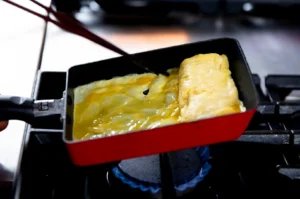
By Dio Asahi for Eat Drink Asia. It’s mid-morning, and the cook doesn’t look up. He stands over a rectangular pan, copper worn to a dull gold at the edges, and pours a thin skin of beaten egg across its surface. It hisses. Steam rises, warm and faintly sweet, and he tilts the pan just…
-
Seafood Restaurants in Singapore That Turn Crab Night Into a Full Table Ritual
Dio Asahi | October 6, 2026
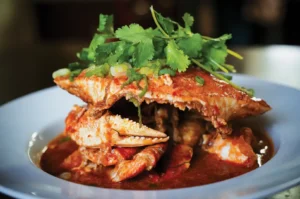
It always starts the same way for me. Someone lifts the lid off a plate of chilli crab, and the whole table leans in. Fingers reach before spoons do. Somebody tears the first piece of fried mantou, drags it through that sticky, sweet-savoury sauce, and the rest of us stop talking for a second. That…
-
Korean Street Food Is Built for Movement, Heat, and One-Handed Eating
Eda Wong | October 3, 2026
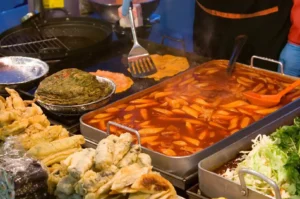
The first time I ate tteokbokki in Seoul, I burned my tongue standing up. It was late, the air was sharp with cold, and I had stopped at a small street food stall near a subway exit because the steam pulled me in. The woman handed me a paper cup of rice cakes in red…
-
Mrs Pho and the Bowl That Makes Somerset Feel Like a Vietnamese Family Table
Eat Drink Asia Team | October 1, 2026
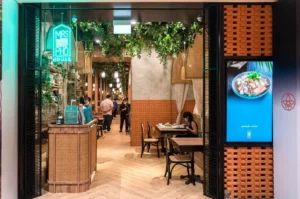
I wasn’t hungry when I walked into 313@somerset. I’d come for something else entirely; an errand, a shop I needed, the usual Orchard rush of people moving faster than the escalators. But somewhere on the first floor, past the noise, I caught the smell of star anise and beef bone, and my feet slowed down…
-
The Carving Knife at Colony, and the Way We Mark What Matters
Eda Wong | September 30, 2026
By Eda Wong for Eat Drink Asia. It’s late morning, and the light is doing most of the work. It pours through the high windows of Colony, at The Ritz-Carlton, Millenia Singapore, spilling across white tablecloths and the vintage prints on the walls. Marina Bay hums somewhere outside, but in here the room feels a…
-
Co Chung Vietnamese Restaurant and the Gỏi Cuốn That Makes Fresh Herbs Do the Work
Dio Asahi | September 29, 2026
I found it by accident, the way you find most things in a mall basement. I’d come down to Plaza Singapura’s B2 for something else entirely, drifting past the usual food-court noise, when I caught the smell of star anise and beef bone coming from a corner. I followed it. And there it was —…
-
Vietnamese Spring Roll: The Recipe That Only Works When the Herbs Stay Awake
Eda Wong | September 26, 2026
Fresh Vietnamese spring rolls, or gỏi cuốn, look delicate, but the recipe is really about control: barely softened rice paper, dry herbs, restrained noodles, clean protein, and a dipping sauce sharp enough to wake the whole thing up. This is not the fried version, chả giò or nem rán. This is the cool, translucent, herb-heavy…
-
Best Steakhouse Singapore: From Fire-Kissed Icons to Old-School Beef Plates
Eat Drink Asia Team | September 24, 2026
I didn’t set out to write about steak. It started with a bad day and a craving for something that pushed back when I bit into it. One dinner turned into a habit, and over a couple of years I found myself at counters, coffeeshops, and dining rooms all over this island, chasing the same…
-
The Ice Counter at Carousel, and the Table Everyone Can Reach
Dio Asahi | September 23, 2026
By Dio Asahi for Eat Drink Asia. It’s a Saturday evening, and someone across the room is carrying a birthday cake. The candles are lit, the walk is careful, and a whole table turns to watch. Plates clink. A child laughs somewhere. The room at Carousel, inside Royal Plaza on Scotts, isn’t quiet — it…
-
Tiong Shian Porridge Centre Review: The Soft Counterweight to Chinatown’s Crisp Toast
Dio Asahi | September 22, 2026
I’d spent the morning with kaya toast. Crisp bread, cold butter, the clean snap of it between my teeth. Good, all of it. But by the time I’d walked a few streets over to New Bridge Road, my mouth wanted the opposite. Something warm. Something that gave way instead of shattering. That’s how I ended…