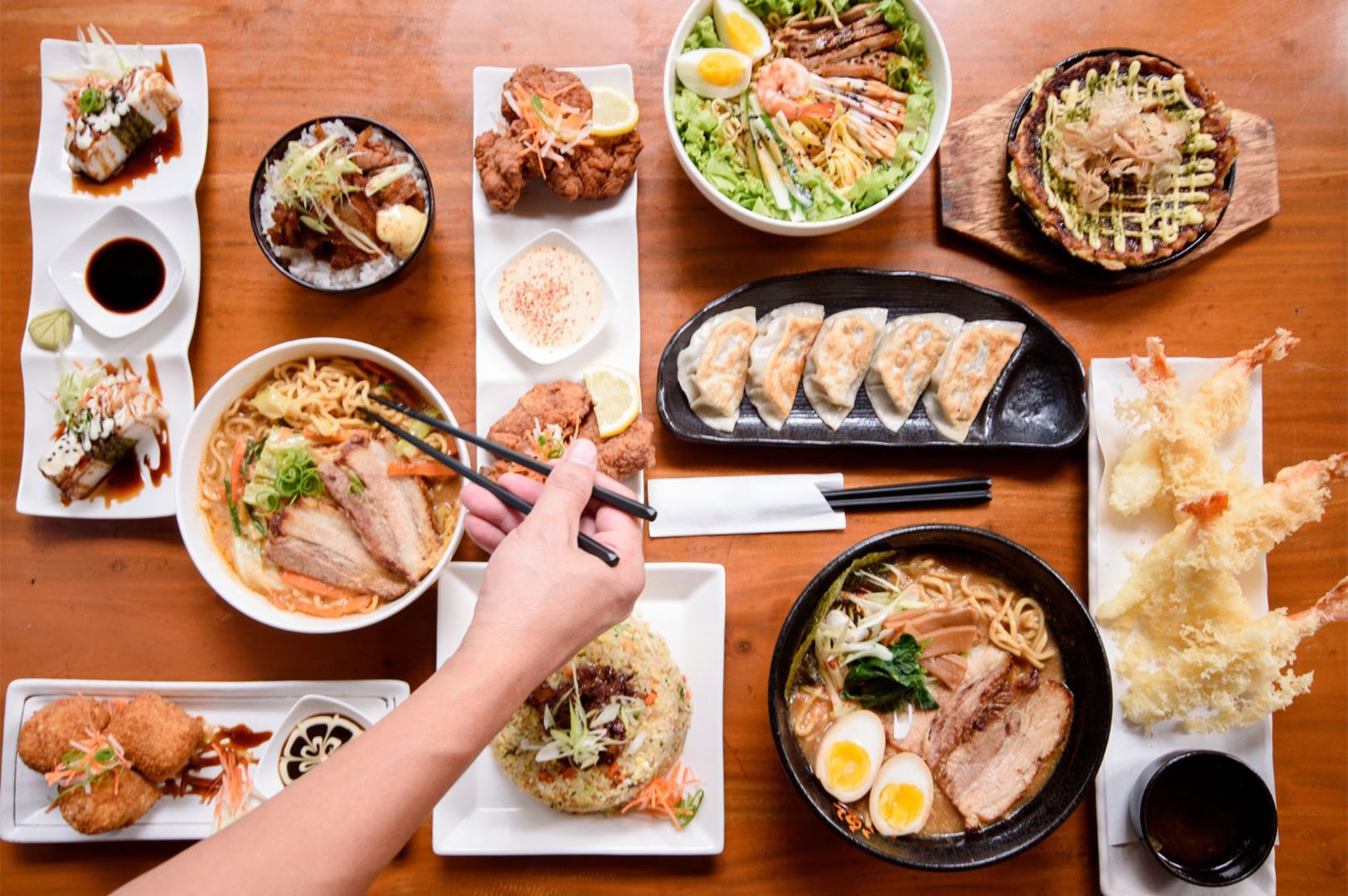
When it comes to Japan and food, the two are intertwined in ways that captivate taste buds and awaken the senses. Japanese cuisine stands as one of the world’s most revered traditions—more than nourishing meals, it is an art reflecting centuries of philosophy and a window into Japanese culture itself. Every bowl of miso soup, every delicate slice of raw fish, and every sweet red bean paste treat is steeped in history, ritual, and reverence for natural flavors. To appreciate food and Japan is to embark on a food adventure where each dish tells a story of the land, the seasons, and the people.
Japan food culture is one of deep respect and harmony. The Japanese people take pride in their cuisine, whether savoring the subtle sweetness of kaiseki cuisine or enjoying street food at bustling train stations. From the craftsmanship in creating savory broth for ramen shops to hand-shaping rice balls for a picnic under cherry blossoms, traditional Japanese food traditions are carefully preserved and celebrated. Throughout this exploration, we’ll see how foundational elements like soy sauce, miso, and bonito flakes blend with seasonal ingredients and local specialties, offering an unforgettable food experience for anyone visiting Japan.
The Rhythm of the Seasons: Embracing Shun
Central to Japanese food is shun (旬), the celebration of seasonality. Many Japanese dishes are built around ingredients at their peak freshness, making each typical meal a snapshot of nature’s best. Shun doesn’t just affect fine dining—seasonal street food and even quick meals from convenience stores mirror this focus.
A Menu Written by Nature: Seasonal Ingredients
In Japan, food menus reflect the vibrant progression of the year: delicate bamboo shoots and green onion in spring, deep fried summer tempura, kabocha squash in autumn, and simmering hot soup with root vegetables in winter.
Japanese cooking celebrates subtle flavor changes, often with small portions that let each element shine. Chefs in traditional Japanese restaurants design their offerings to showcase the bounty of each season, a practice born from Buddhist monks’ reverence for nature and the Japanese love of honoring change.
Umami and the Heart of Japanese Flavour
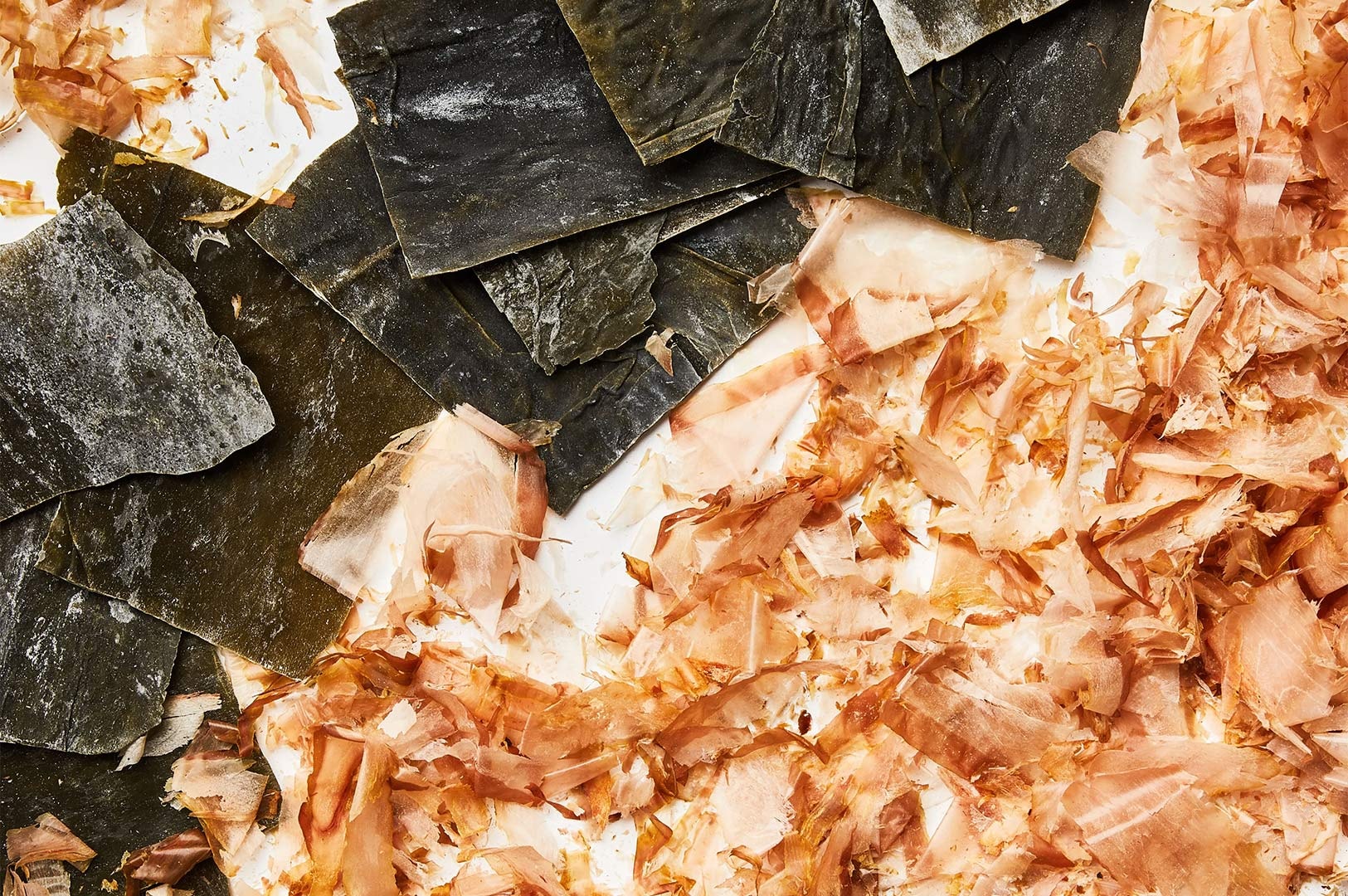
The concept of umami—the “pleasant savory taste”—is at the core of many Japanese dishes. Recognized alongside sweet, sour, salty, and bitter, umami comes alive thanks to ingredients like soy sauce, soup stock, miso paste, aged fish cakes, and rice wine.
The Science and Soul of Savouriness
Foods such as dashi (made from bonito flakes and kombu) form the foundation of classic Japanese cooking. That savory broth forms the base of miso soup, shabu shabu hot pot, and many Japanese comfort foods. Miso’s subtle earthy tang and the savory punch of soy sauce add complexity to rice bowls, curry rice, and hot pot staples.
Even with such deep flavors, Japanese cuisine values balance and clarity. Many Japanese dishes accentuate the umami experience with natural seasoning—green tea, pickled vegetables, or a sprinkle of spring onion. Whether savoring raw egg atop hot rice or tasting the depth of a boiling broth in shabu shabu, that sense of umami pulls together the senses and brings out the best in seasonal ingredients.
Washoku: Harmony in Every Japanese Cuisine Meal
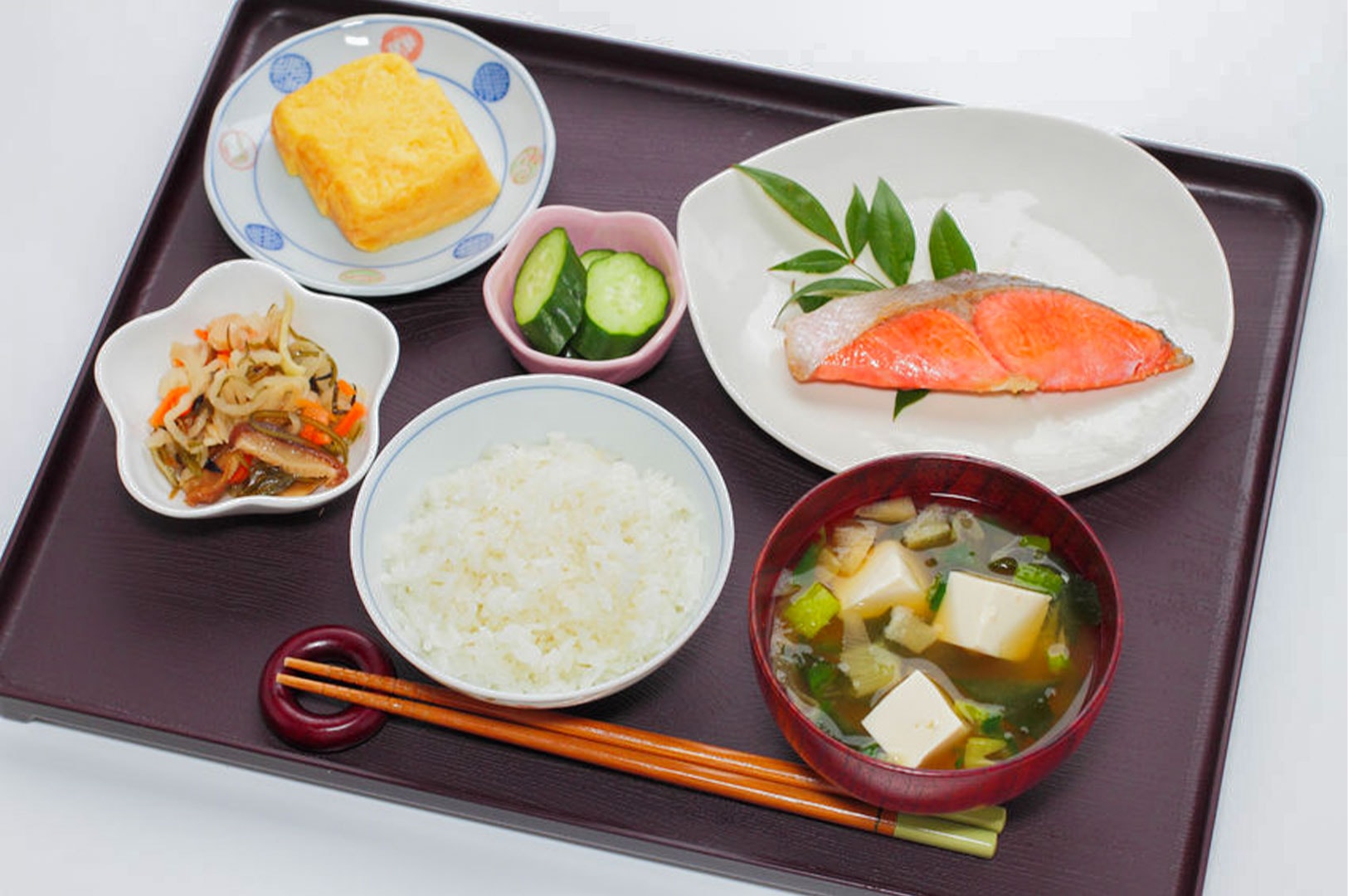
Recognized by UNESCO as an Intangible Cultural Heritage, washoku refers to traditional Japanese food practices rooted in harmony. It’s a comprehensive approach where each meal—including soup, a rice bowl, and small dishes—combines different flavors, colors, and textures, embodying balance and thoughtful presentation.
This approach not only nourishes but delights. Washoku’s embrace of variety means that meals include a blend of vegetarian cuisine, seafood, and sometimes wagyu beef or Kobe beef, alongside rice and simmered vegetables. Whether in bustling ramen shops or a tranquil fine dining setting, the same philosophy applies: respect the ingredients, eat mindfully, and enjoy the sensory moments. Cooking classes across Japan proudly teach the washoku method, celebrating a tradition that echoes through both casual and formal food experiences.
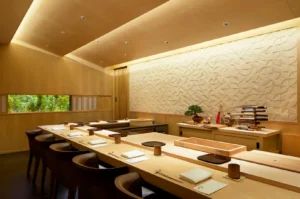
A perfect example of this dedication to craftsmanship and mindful eating is found in the omakase dining experience, where chefs showcase their skill and respect for seasonal ingredients through meticulously prepared courses. Omakase, often highlighted in various articles about Japanese cuisine, embodies the shokunin spirit—an artisan’s commitment to perfection and tradition—making it a revered practice that complements the principles of washoku.
Regional Diversity: A Tapestry of Flavors
One reason so many visitors embark on a food tour across Japan is the sheer diversity of local specialties from Hokkaido to Okinawa. Each region boasts popular Japanese dishes unique to its climate, history, and people.
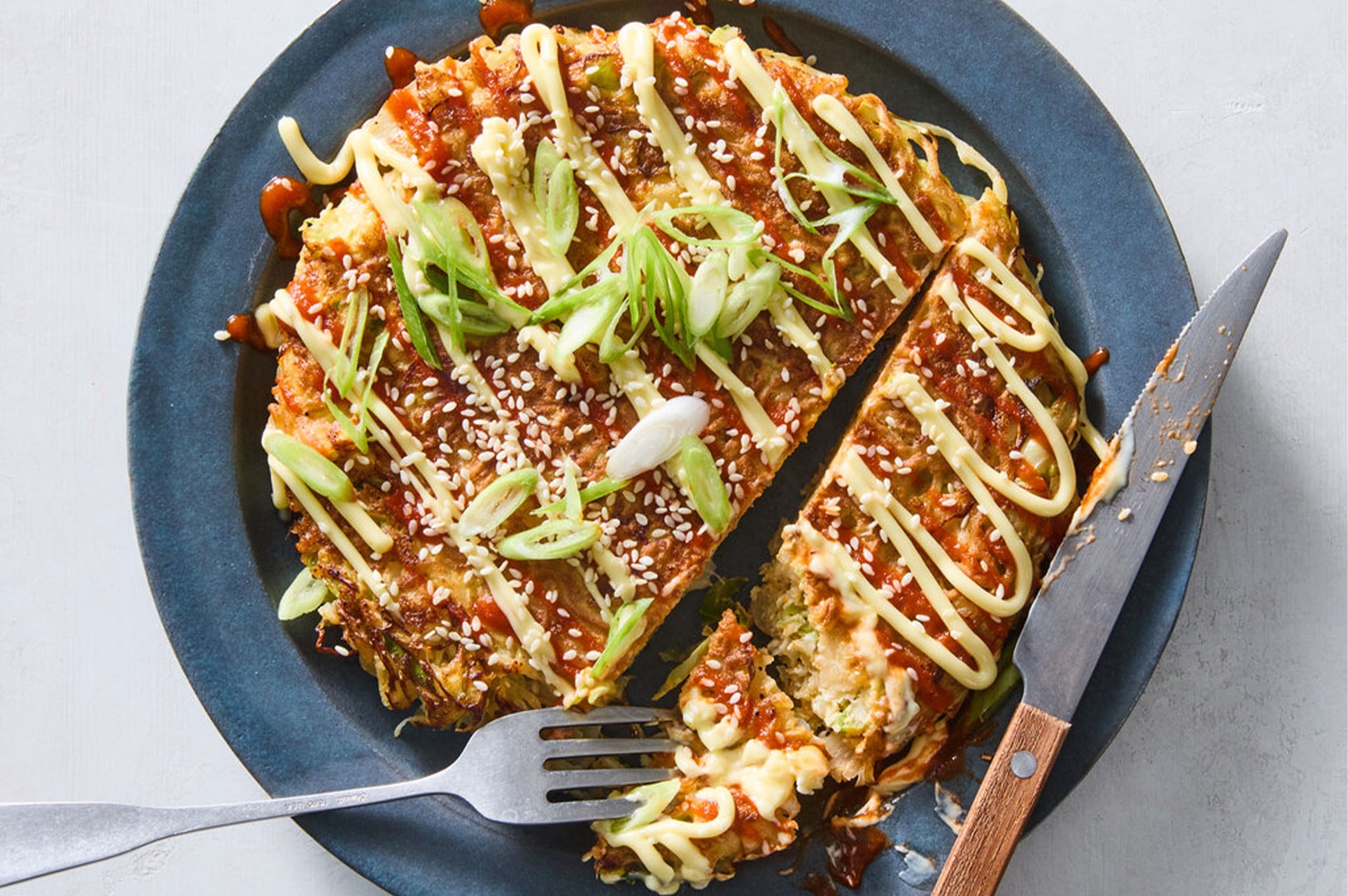
In the north, Hokkaido’s seafood shines in dishes like hot crab soup and subtlety flavored fish cakes. The Kanto region is home to savory simmered oden and the iconic vinegared rice in sushi, while Kansai offers fluffy wheat flour noodles and the sweet-savory experience of Osaka’s street food. Kansai is also famous for okonomiyaki, a savory Japanese pancake made with cabbage and spring onion.
The love for food in Japan also shows in regional ramen styles, such as Hakata ramen with its creamy savory broth and thin wheat noodles, or Tokyo’s shoyu-based hot soup. Local specialties might include pork belly braised with miso, deep fried meats known as tonkatsu, or a sweet side of Japanese soft cream. Even kaiseki cuisine, with its roots in Kyoto, reflects regional pride—each course a showcase for local and seasonal ingredients, artfully arranged and typically served in small portions.
Rituals of the Table: How Japanese Dining Reflects Culture
Dining in Japan is as much about ritual as it is about taste. Japanese food culture is filled with small gestures that show appreciation for meals and company alike. The ritual begins with “itadakimasu” before eating and ends with “gochisousama deshita” on finishing—a nod to gratitude for all who contributed to the meal.
In traditional Japanese restaurants, fine dining is accompanied by meticulous table settings, often featuring handpicked ceramics or lacquerware. Family meals echo this care, with hot soup or rice bowl set on individual trays, paired with side dishes like pickled vegetables or boiled eggs for balance. In both formal and casual dining, natural flavors are allowed to shine, and every component—from a bowl of miso soup to fresh green tea—is prepared with respect and intention.
From street food stalls brimming with savory snacks to elaborate banquets featuring raw fish and subtle sweetness in sweet red bean paste, Japanese food rituals celebrate life’s moments, big and small. Whether enjoying kaiseki in Kyoto, shabu shabu with friends, or ramen at a Tokyo counter, you’re participating in a cultural legacy that honors both tradition and innovation.
Everyday Eats and New Food Adventures
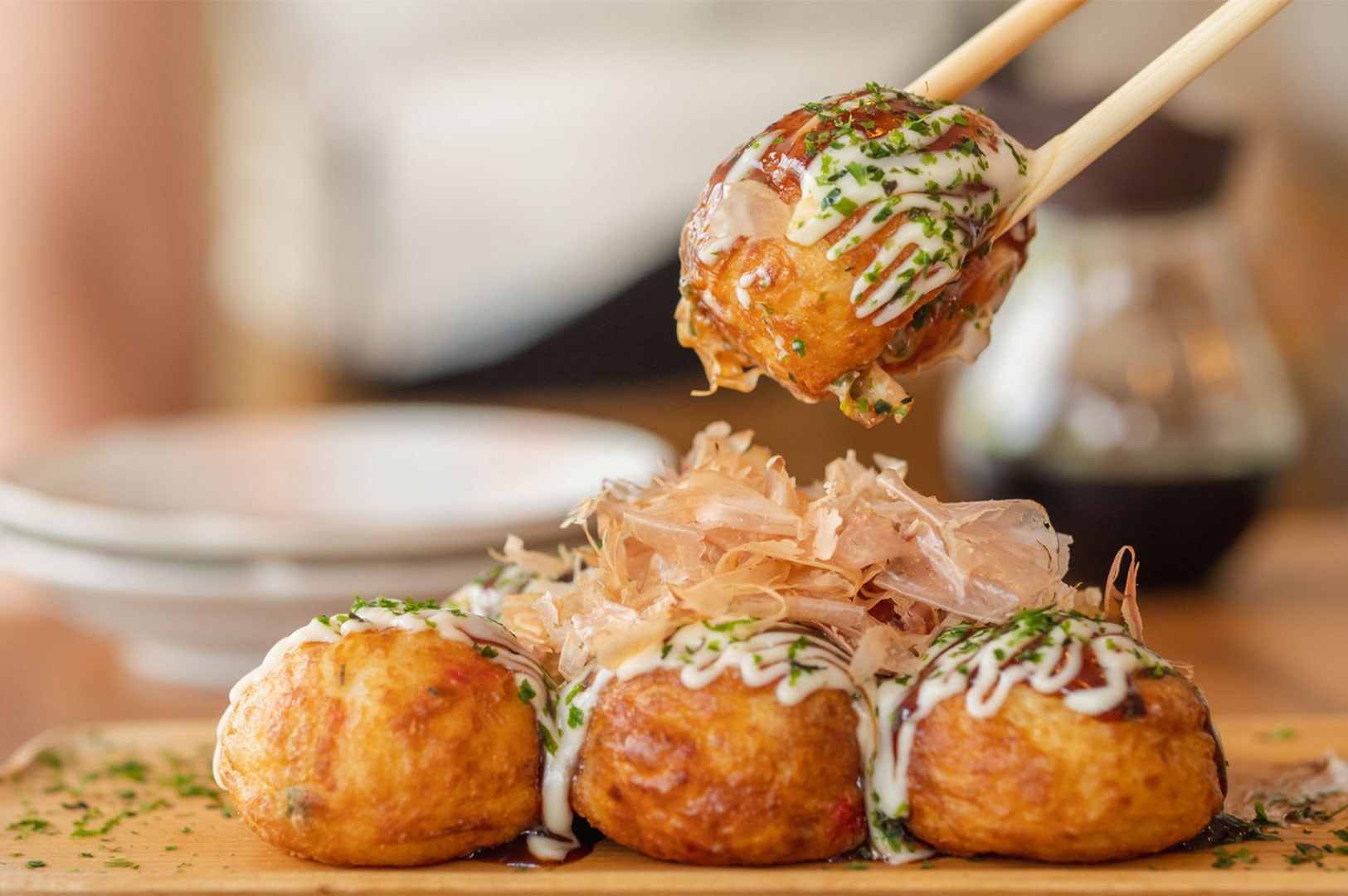
One remarkable aspect of Japanese cuisine is its accessibility—from high-end establishments to everyday eats found in convenience stores or at local markets. Japanese curry, a culinary import from the Edo period, is now a beloved staple, its mild heat and thick gravy served over white rice and topped with deep fried delights like pork cutlets. Similarly, miso soup, a constant in the Japanese diet, appears everywhere, from breakfast tables to quick-service cafeterias.
Japan is home to countless food experiences beyond the well-known sushi, ramen, and tempura. Street food favorites—like takoyaki, rice balls (onigiri), and hanami dango—invite locals and tourists alike into an atmosphere where flavors are bold, portions are small, and the offerings are always changing with the seasons.
Those seeking authentic Japanese food culture often participate in cooking classes to learn traditional techniques or embark on a food tour to discover different types of hanami treats, wheat noodles, and how to balance flavors in a boiling broth. No matter where you eat in Japan, expect an emphasis on subtlety, presentation, and a different texture in every bite. And don’t forget to try a bowl of hot soup or taste a slice of wagyu beef—these are musts on any next food adventure through Japan’s cities and countryside.
Sweet Finales: Desserts and Everyday Indulgences
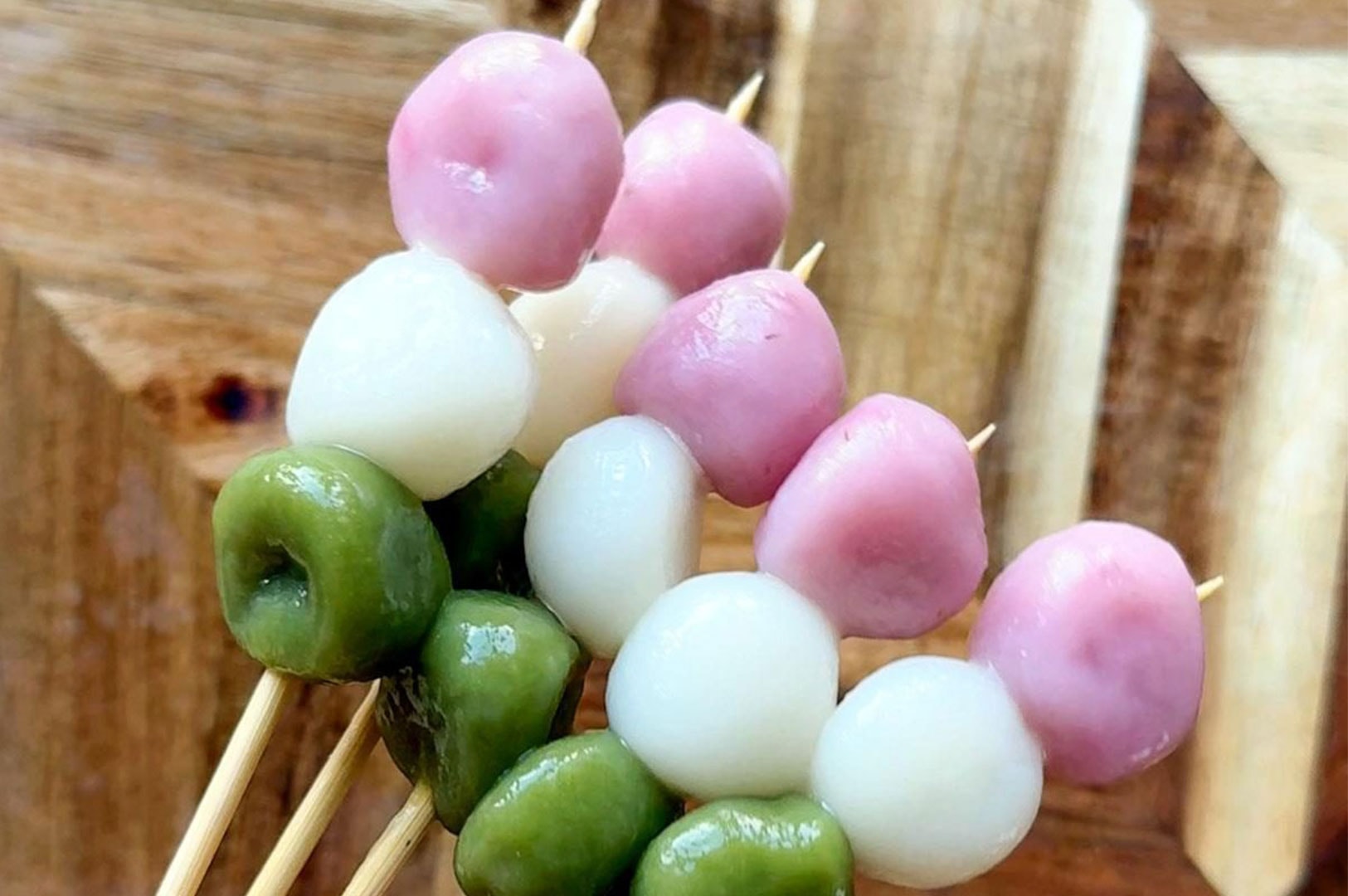
Japanese cuisine is celebrated not only for its savory dishes but also for its range of sweets, from hanami dango to sweet red bean paste delicacies. Japanese soft cream is a local favorite, often enjoyed in unique flavors like green tea or subtle sweetness from seasonal fruits. Rice balls filled with red bean paste or wrapped in pickled vegetables offer a classic end to a typical meal.
It’s also common to find desserts at convenience stores—mini cakes, sweet buns, and even fine green tea treats for those craving something sweet on the go. Japanese mayo and spring onion sometimes make surprising appearances, even paired with deep fried snacks for playful contrast.
Savoring Legacy and Innovation
The relationship between food and Japan is alive in every savory broth, every piece of sushi, and every hand-rolled rice ball. Japanese food culture is a living tapestry—rooted in tradition but always welcoming new food experiences. Whether it’s the artful arrangement of a kaiseki meal, the warmth of curry rice paired with pickled plum, or the energy of Japan’s street food, each bite connects diners to cherished rituals, to the land, and to the spirit of community and exploration.
Japanese cuisine invites us on a journey of discovery: from the subtle sweetness of red bean paste to the savory satisfaction of soy sauce–laced ramen, from fine dining kaiseki experiences to a quick snack in a bustling train station. Through seasonality, ritual, and mindful preparation, Japanese people have made every meal an opportunity to appreciate connection, gratitude, and the beauty of the everyday.
Embodying the meticulous care and dedication found in Japanese cuisine is the Shokunin Spirit: how Japan’s craftsman philosophy lives inside Singapore’s most disciplined omakase counter, reflecting the same reverence for precision and tradition that defines Japan and food culture.

Tong Ah Eating House Review: A Chinatown Breakfast That Still Begins with Kaya Toast
Eda Wong | September 19, 2026
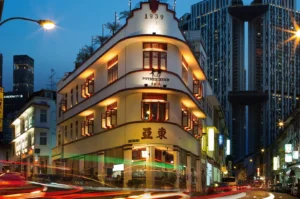
I almost walked past it. I’d been looking for the old triangular building, the red-and-white one you see in every photo of Keong Saik, the one that made Tong Ah feel like a landmark before you’d even ordered anything. But that’s not where it lives anymore. It’s a few doors down now, at 35 Keong…
-
Breakfast at Chinatown Singapore: How Migration Built the City’s Morning Table
Eat Drink Asia Team | September 17, 2026
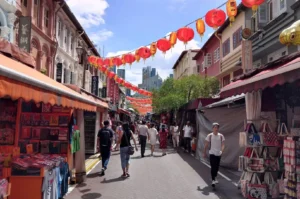
The first time I ate breakfast in Chinatown, I got it wrong. I arrived at eleven, hungry and hopeful, and found the kopi stalls already turning toward lunch. The porridge uncle was packing up. The toast man had switched to slicing char siew. I ate a rushed plate of noodles standing near a pillar, sweating,…
-
The Bitter Leaf Folded Into a Burmese Home Kitchen
Eda Wong | September 16, 2026
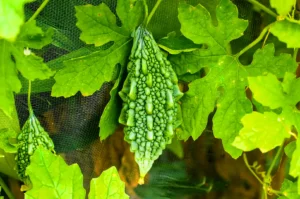
The oil is already hot when she reaches for the leaves. It’s late morning in a kitchen off a quiet lane, and a woman I’ve been watching stands over a blackened wok, tearing bitter gourd leaves by hand into a small heap. The garlic hits the oil first, sharp and loud. Then the leaves go…
-
Best Sushi Singapore: From Premium Japanese Restaurants to Exclusive Deals from Affordable Sushi Trains
Dio Asahi | September 15, 2026
I’ve been eating sushi in this city for years now, from S$1.50 plates rolling past on a belt to omakase counters where the bill made me sit up straight. Somewhere along the way I stopped chasing “the best” and started noticing something else — that good sushi answers a mood, not a ranking. Some nights…
-
Al Mubin Restaurant and the Nasi Goreng Sambal Ayam That Has to Carry the Whole Plate
Eda Wong | September 12, 2026
It was close to eleven at night when I finally sat down. The kind of hour when you’re not really hungry so much as unsettled, when you want something warm in front of you more than you want a proper meal. Al Mubin’s food court at Block 407, Ang Mo Kio Avenue 10, was still…
-
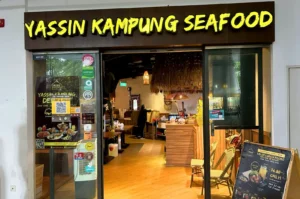
Yassin Kampung Admiralty Review: When Sambal Fried Rice Becomes the Whole Point
Eat Drink Asia Team | September 10, 2026
I ordered the sambal fried rice first, before I’d even properly read the menu. That’s usually a mistake at a place like this. Yassin Kampung @ Admiralty is the kind of restaurant that keeps trying to pull your attention elsewhere — toward stingray, toward crab, toward hotplates that arrive still hissing. But I’d come with…
-
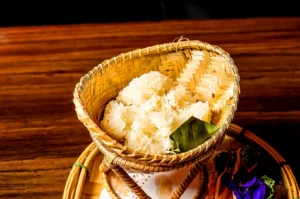
The Bamboo Basket Holding Chiang Mai’s Sticky Rice
Dio Asahi | September 9, 2026
By Dio Asahi for Eat Drink Asia. The lid comes off, and the steam rises first. It’s a warm afternoon in Chiang Mai, and on the table sits a small woven bamboo basket, still holding the heat of the pot it came from. Someone’s grandmother lifts the top and sets it aside without looking. Inside,…
-
Sambal Fried Rice Recipe for People Who Know the Chilli Paste Does the Heavy Lifting
Dio Asahi | September 8, 2026
I used to add the rice too early. The oil would be hot, the sambal barely a minute in, and I’d tip in the cold rice because I was hungry and impatient. Every time, the same result: rice stained red but tasting of nothing much. Sharp. Raw. Flat where it should have been deep. It…
-
Hup Lok at Havelock Road: A Teochew Fish Soup Carrying Memory Forward
Eda Wong | September 8, 2026
The bowl arrives before anything else does. Steam lifts off it in slow ribbons, carrying the smell of ginger and something warmer underneath: the round, boozy note of hua tiao wine settling into fish. I lean in before I even pick up my spoon. The broth is pale gold and cloudy, thick enough that it…
-
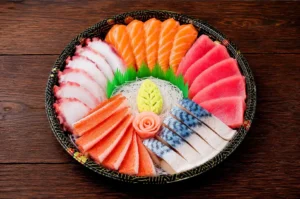
Fresh Sashimi Singapore: Places for Clean Cuts, Quiet Counters, and Fish That Still Feels Alive
Eda Wong | September 5, 2026
I didn’t grow up eating raw fish. For years, sashimi felt like something you learned to appreciate rather than something you loved. Cold, foreign, a little intimidating. Then one afternoon, at a quiet counter, a chef placed a single slice of chutoro in front of me and said nothing. I ate it. And I understood….