Japanese cuisine has long been admired for its attention to seasonality, precision, and respect for ingredients. However, behind every piece of sashimi or carefully prepared seafood dish lies a story that begins far away from the dining table, often with fishermen, coastal communities, and generations of knowledge passed down through time.
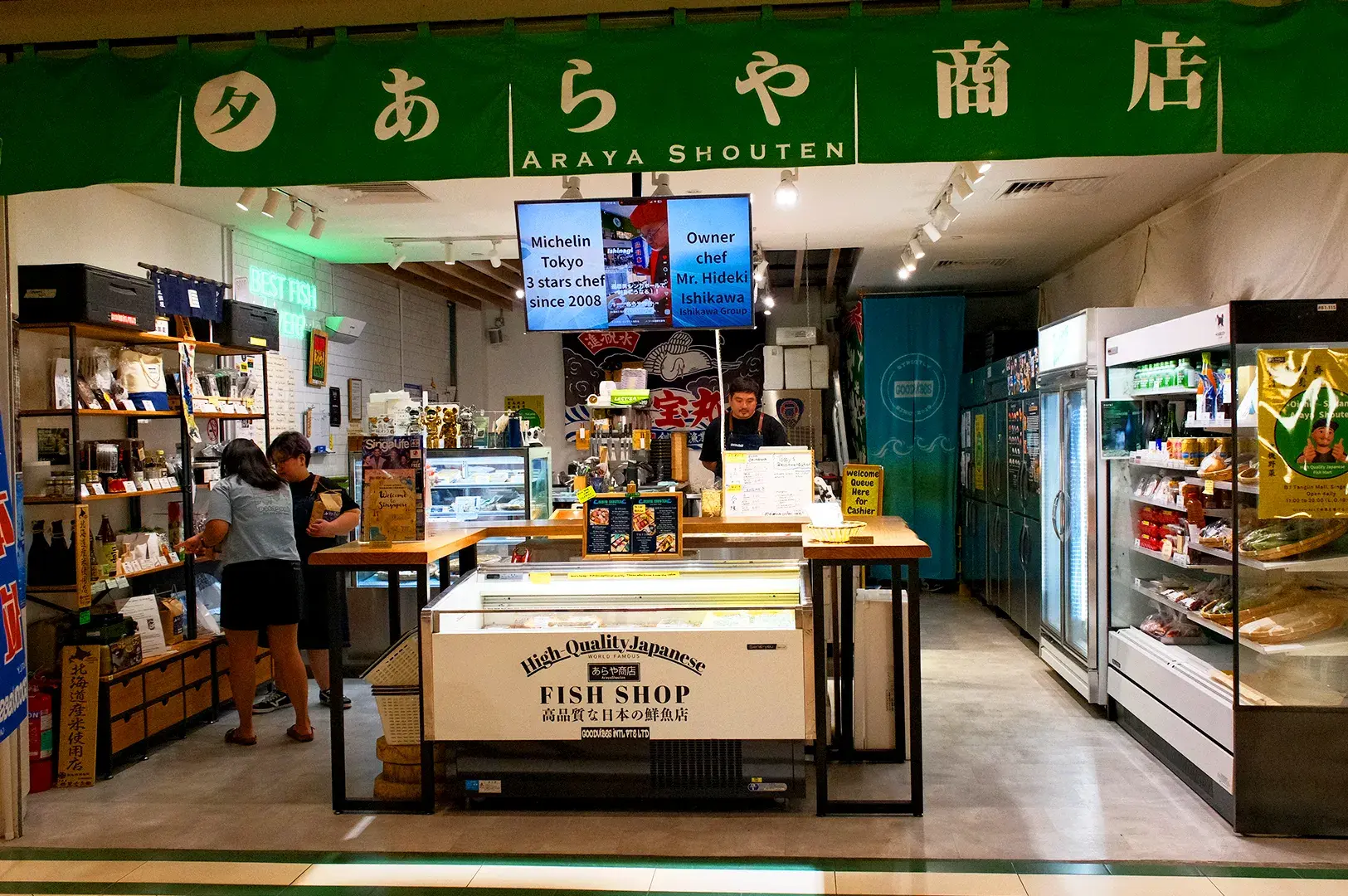
At Araya Shouten, seafood is not treated as just another ingredient. The Japanese seafood specialist at Tanglin Mall represents a deeper connection between Singapore and Japan’s fishing heritage, bringing carefully sourced fish, traditional practices, and the stories of Japanese suppliers directly to local diners.
For many, Japanese food culture begins and ends at the counter of Japanese restaurants. Araya Shouten offers a different perspective, inviting customers to understand where their seafood comes from, how it is handled, and why every selection carries a history of its own.
A Lifelong Connection to Japan’s Fishing Heritage
Before establishing Araya Shouten in Singapore, Araya-san’s relationship with seafood began in Tomakomai, Hokkaido, where he grew up surrounded by Japan’s fishing culture. His grandfather was a commercial fisherman at Kushiro Port, and his family’s connection to the ocean shaped his understanding of quality from a young age.
Rather than learning about fish only through textbooks or professional kitchens, Araya-san developed his palate through everyday experiences. Growing up eating sashimi-grade fish delivered from fishing communities gave him an instinctive understanding of what exceptional seafood should taste like.
This connection to Hokkaido remains central to Araya Shouten’s philosophy today. The shop is built around the belief that seafood carries more than flavour. It carries the knowledge of fishermen, the conditions of the ocean, and the traditions of communities that have relied on fishing for generations.
Preserving Japanese Fishing Culture Through Seafood
The story behind Araya Shouten is also a story about preservation. Across Japan, traditional fishing communities face challenges including an ageing workforce, fewer successors, and changing ocean conditions.
For Araya-san, supporting these communities is part of the responsibility that comes with working in the seafood business. He believes that when fishermen disappear, an important part of Japanese food culture disappears with them.
This philosophy influences how Araya Shouten works with suppliers across Japan. Instead of treating seafood as a simple commodity, the shop builds relationships with producers and fishing communities to maintain access to high-quality ingredients while supporting the people behind them.
Every piece of fish reflects this connection. Whether customers buy fresh sashimi singapore for home dining or enjoy seafood prepared at the shop, they are experiencing a small part of Japan’s coastal heritage.
Beyond Tokyo’s Toyosu Market: Following Seafood Back to Its Source
Many people associate Japanese seafood with Tokyo’s Toyosu market, one of the world’s most famous seafood marketplaces. While Toyosu plays an important role in Japan’s seafood industry, Araya Shouten takes a different approach by building direct relationships with fishing ports and suppliers.
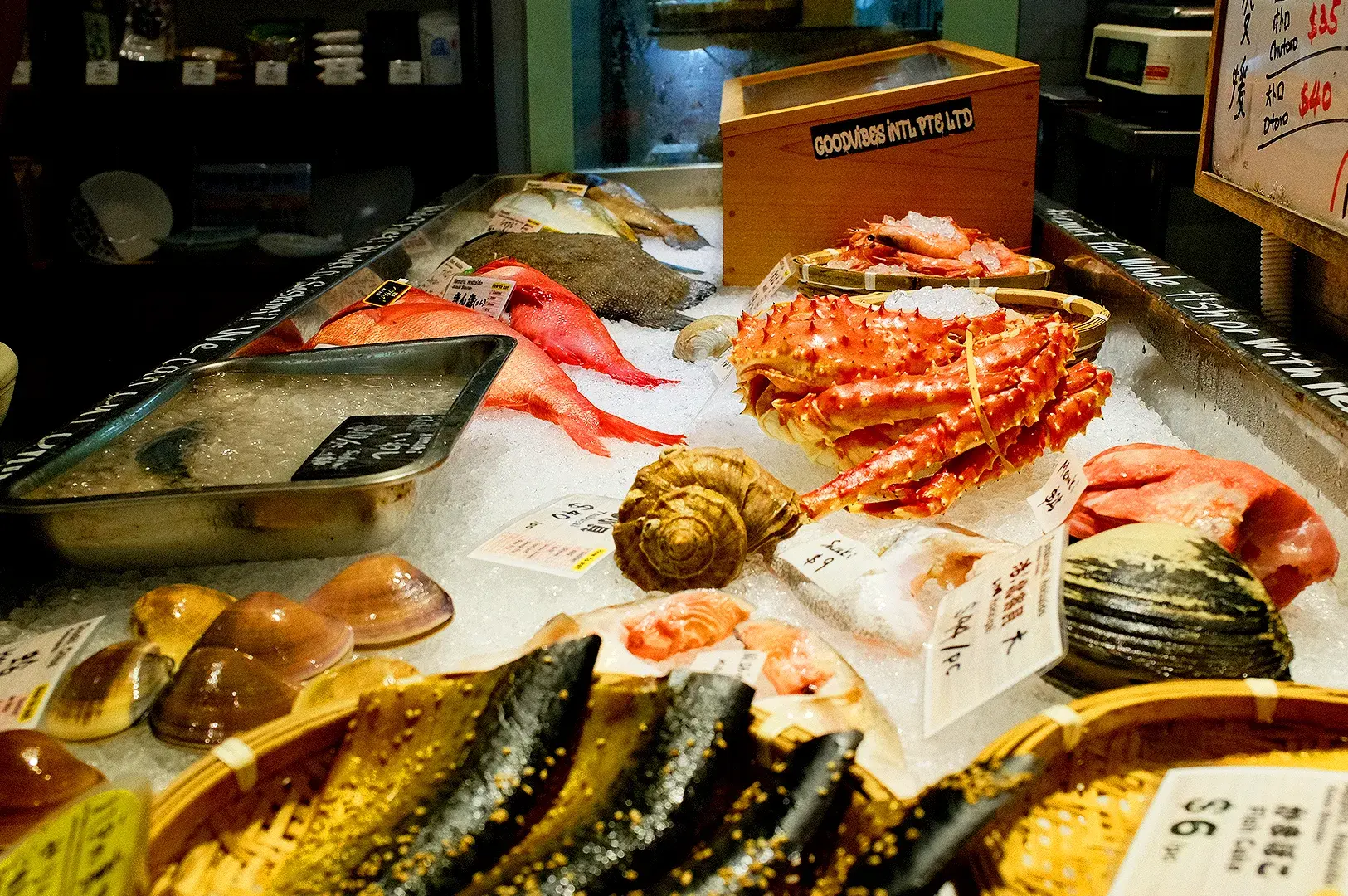
The shop sources seafood from different regions across Japan, including Hokkaido, Choshi, Hakodate, Shimonoseki, and other fishing areas. By working more directly with suppliers, Araya Shouten focuses on accessing seafood closer to its origin.
This approach allows the shop to offer a selection that changes with the seasons rather than following a fixed catalogue. The ocean determines what is available, meaning customers may discover different types of fish depending on the catch.
For diners in Singapore, this creates an opportunity to experience seafood that reflects Japan’s regional diversity. Instead of receiving a similar selection found everywhere else, customers can explore ingredients connected to specific fishing communities and seasons.
The Craft Behind Fresh Seafood
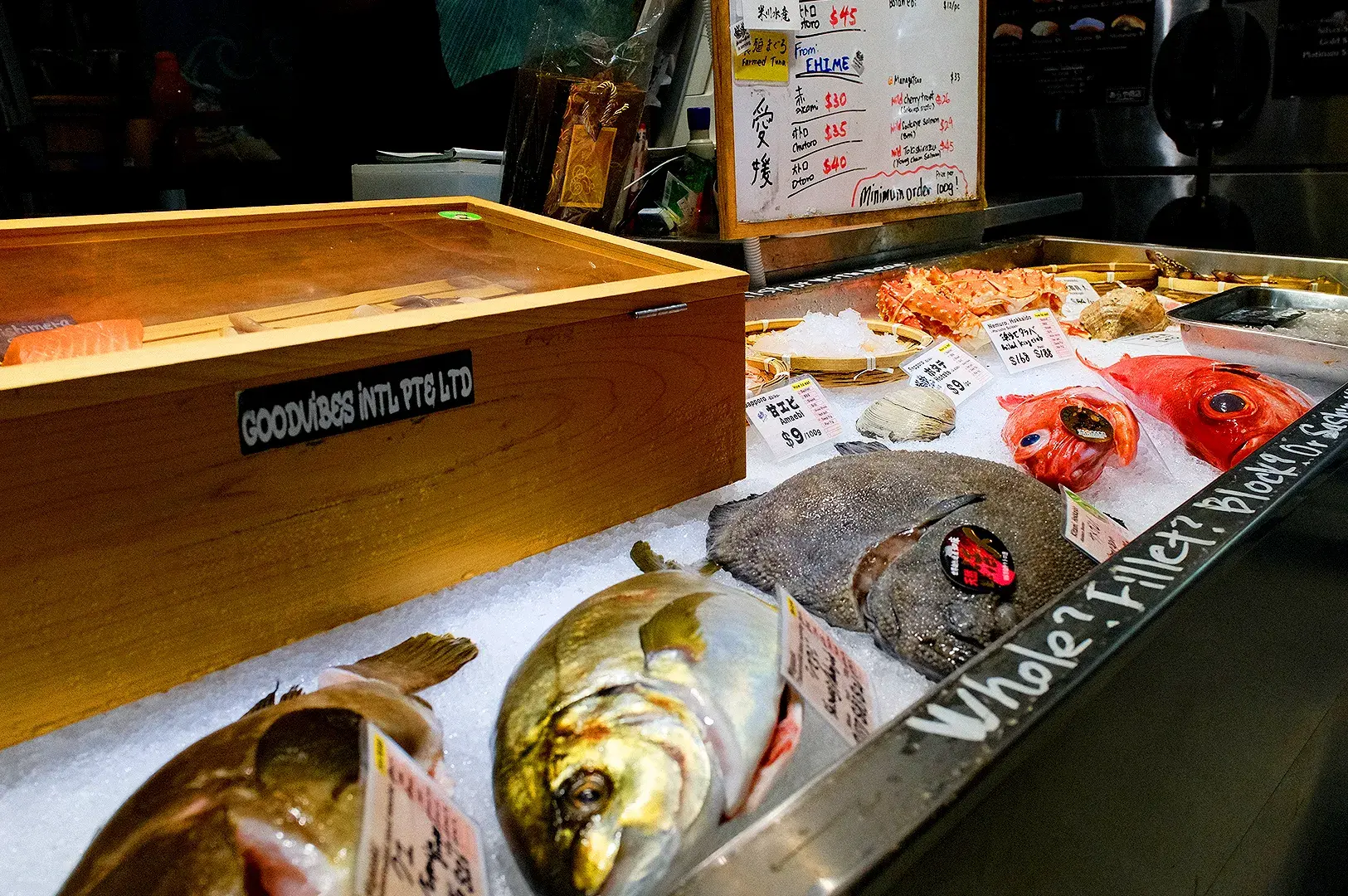
Quality seafood is determined long before it reaches the kitchen. At Araya Shouten, careful handling techniques play an important role in preserving flavour, texture, and freshness.
The shop’s relationships with suppliers allow certain handling methods to be carried out immediately after the catch. Techniques such as Shinkei Jime and Sumotoshiki blood removal help maintain the natural qualities of the fish while reducing unwanted flavours.
These processes may happen far away from Singapore, but they influence every bite. The difference can be experienced through the clean taste and texture of the sashimi, allowing diners to appreciate the care taken before the seafood reaches their plate.
This attention to detail is also why Araya Shouten has earned the trust of professional kitchens. The business has supplied seafood to Japanese restaurants, including Michelin-recognised establishments, before opening its own retail shop for everyday customers.
Bringing Japanese Seafood Culture, from Ikura to Katte Don, to Tanglin Mall
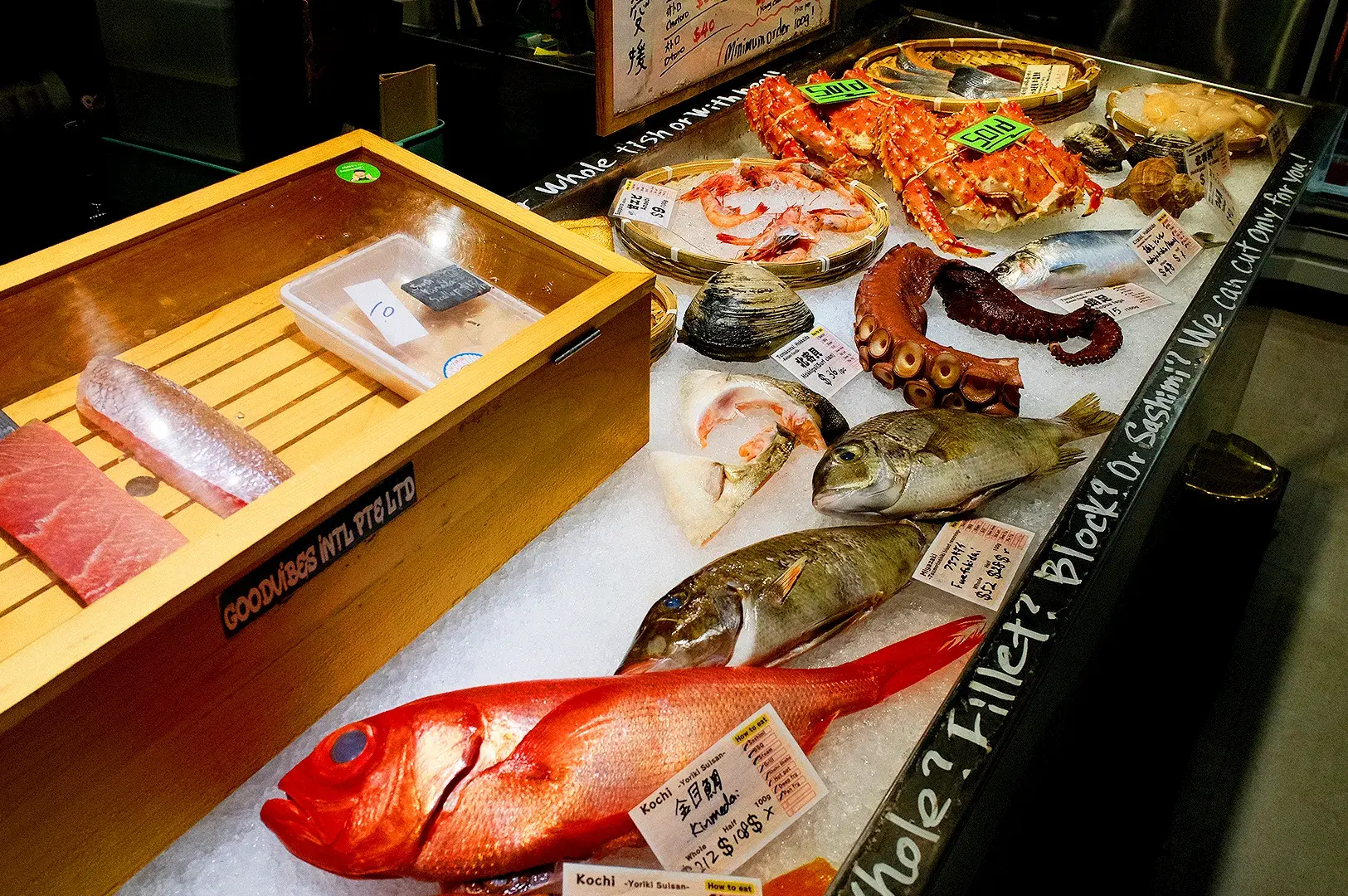
Located at Tanglin Mall, Araya Shouten gives Singapore diners access to restaurant-quality seafood in a more approachable setting. The shop allows customers to explore premium ingredients, ask questions, and better understand the seafood they are bringing home.
The experience is different from a typical seafood counter. Customers can discover seasonal fish, rare varieties, and ingredients that may not always appear in conventional supermarkets.
The shop’s offerings include sashimi-grade seafood, sea urchin, ikura, spot prawn, and seasonal selections sourced according to availability. Those looking to recreate Japanese dining experiences at home can also find ingredients suitable for preparing dishes such as chirashi don and katte don.
A chirashi don combines colourful seafood with rice (something you can explore more in this article), while katte don reflects the freedom of choosing preferred toppings over a bowl of rice. Both dishes highlight an important part of Japanese food culture: allowing quality ingredients to speak for themselves.
More Than A Place To Buy Seafood
What makes Araya Shouten different is not simply its selection of seafood, but the story behind every ingredient. The shop represents a connection between Japan’s fishing communities and Singapore’s growing appreciation for authentic Japanese cuisine.
In a similar way that traditional Japanese restaurants preserve culinary techniques through chefs, Araya Shouten preserves seafood knowledge through sourcing, relationships, and respect for producers.
The experience reminds diners that great seafood is not created only in the kitchen. It begins with the ocean, the fishermen, the suppliers, and the generations of knowledge that make every ingredient possible.
For those who want to understand Japanese seafood beyond the surface, Araya Shouten offers more than fresh seafood. It offers a way to connect with Japan’s coastal heritage, one carefully selected fish at a time.

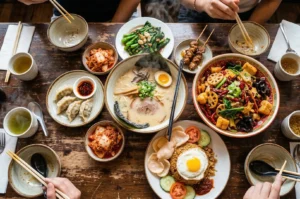
Asian Food Comfort Trends: Why Broths and Bowls are Dominating Globally
Eda Wong | March 14, 2026
I still remember the first time I faced a “build-your-own” Mala Xiang Guo counter. I stood there, plastic tongs in hand, completely paralyzed by the mountain of choices. Lotus root? Kelp knots? three different types of tofu skin? My anxiety spiked. I panicked, grabbed way too much luncheon meat, and ended up with a $28…
-
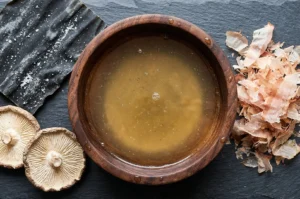
The Fifth Element: A Masterclass on Umami in East Asian Cuisine
Dio Asahi | March 12, 2026
I’ll never forget the first time I made miso soup from scratch. Not the instant kind, but the “proper” way. I boiled water, dissolved miso paste, added tofu, and waited. It tasted flat, salty and cloudy but missing the deep, satisfying flavor I loved in Japanese restaurants. I thought maybe I needed better miso. Years…
-
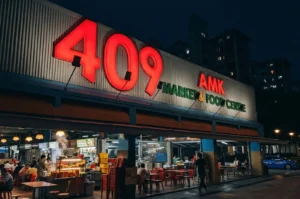
Why My Quest Ended at Yummy Western (409 AMK)
Dio Asahi | March 10, 2026
There’s a specific magic to a late-night supper hunt in Singapore. It’s the ritual of chasing a craving through the humidity to find that one stall that hits the spot. For me, that meant a pilgrimage to Ang Mo Kio Avenue 10. I arrived at 10 PM on a Friday, just as the ‘supper soul’…
-
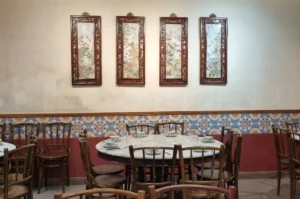
A Taste of Time: My Dinner at Guan Hoe Soon
Eda Wong | March 7, 2026
There’s something special about visiting a place that has seen decades of Singapore’s history unfold. Guan Hoe Soon, tucked away on Joo Chiat Road, holds the title of Singapore’s oldest Nyonya restaurant, and you can feel that heritage the moment you step inside. I’d heard about it for years, a place where recipes aren’t just…
-
The 6 Best Halal Restaurant in Singapore for Authentic Nasi Padang
Eda Wong | March 5, 2026
There are few meals as satisfying as Nasi Padang, a colourful feast where you choose from a variety of dishes to create your perfect plate. Over the years, I’ve explored Singapore’s Nasi Padang scene, especially in Kampong Glam, sampling everything from humble hawker stalls to renowned spots. This list highlights the best halal Nasi Padang…
-
The Global Soup Bowl: How Indonesian Soto Shapes the Future of Asiatic Food Traditions
Dio Asahi | March 3, 2026
I still remember my first “real” bowl of Indonesian soto. Sitting on a low plastic stool in a cramped warung, I ordered Soto Betawi, expecting it to be like the clear Soto Ayam from Singaporean weddings. I was wrong. The rich, milky broth was intense, creamy, and boldly spiced. That first spoonful rewired my idea…
-
Shun: Japan’s Seasonal Treasures – A Deep Dive Into the Ingredients Behind True Omakase
Eat Drink Asia Team | February 28, 2026
In the world of Asian food, few dining experiences capture the soul of traditional Japanese food culture like omakase. At a premier omakase restaurant, diners entrust their meal entirely to the chef, whose artistry is guided not just by mastery, but by shun—the appreciation of seasonal and fresh ingredients at the absolute peak of their…

My Trip to Bánh Mì Saigon and How It Compares to Best Food in Singapore
Eda Wong | February 26, 2026
Located in the bustling neighborhood of Ang Mo Kio, Bánh Mì Saigon offers a taste of Vietnam right here in Singapore. From traditional bánh mì sandwiches to hearty pho bowls and refreshing Vietnamese iced coffee, this restaurant has it all. I arrived at Bánh Mì Saigon on a busy Saturday evening and was immediately drawn…
-
Tea Room by Ki-setsu: A Curated Journey Through Chinese Tea in the Heart of Singapore
Dio Asahi | February 25, 2026
Most people arrive at Chinese tea the way they arrive at any beverage: thirsty, curious, maybe looking for something sweet or soothing. But traditional chinese tea isn’t built like a single drink. It’s a network: leaf origin, processing choices, vessel physics, water, pacing, and the quiet social technology of sitting down long enough for a…
-
Tandoori Chicken: The Signature Indian Chicken Dish
Eda Wong | February 24, 2026
Tandoori chicken stands tall among the best Indian chicken recipes. With its vibrant hue and smoky aroma, this iconic Indian chicken dish is celebrated in Indian restaurants worldwide. Emerging from Punjab, it pairs perfectly with fragrant basmati rice or fresh naan and is a favorite for anyone who loves bold flavors. The hallmark of tandoori…