Japanese cuisine has long been admired for its attention to seasonality, precision, and respect for ingredients. However, behind every piece of sashimi or carefully prepared seafood dish lies a story that begins far away from the dining table, often with fishermen, coastal communities, and generations of knowledge passed down through time.
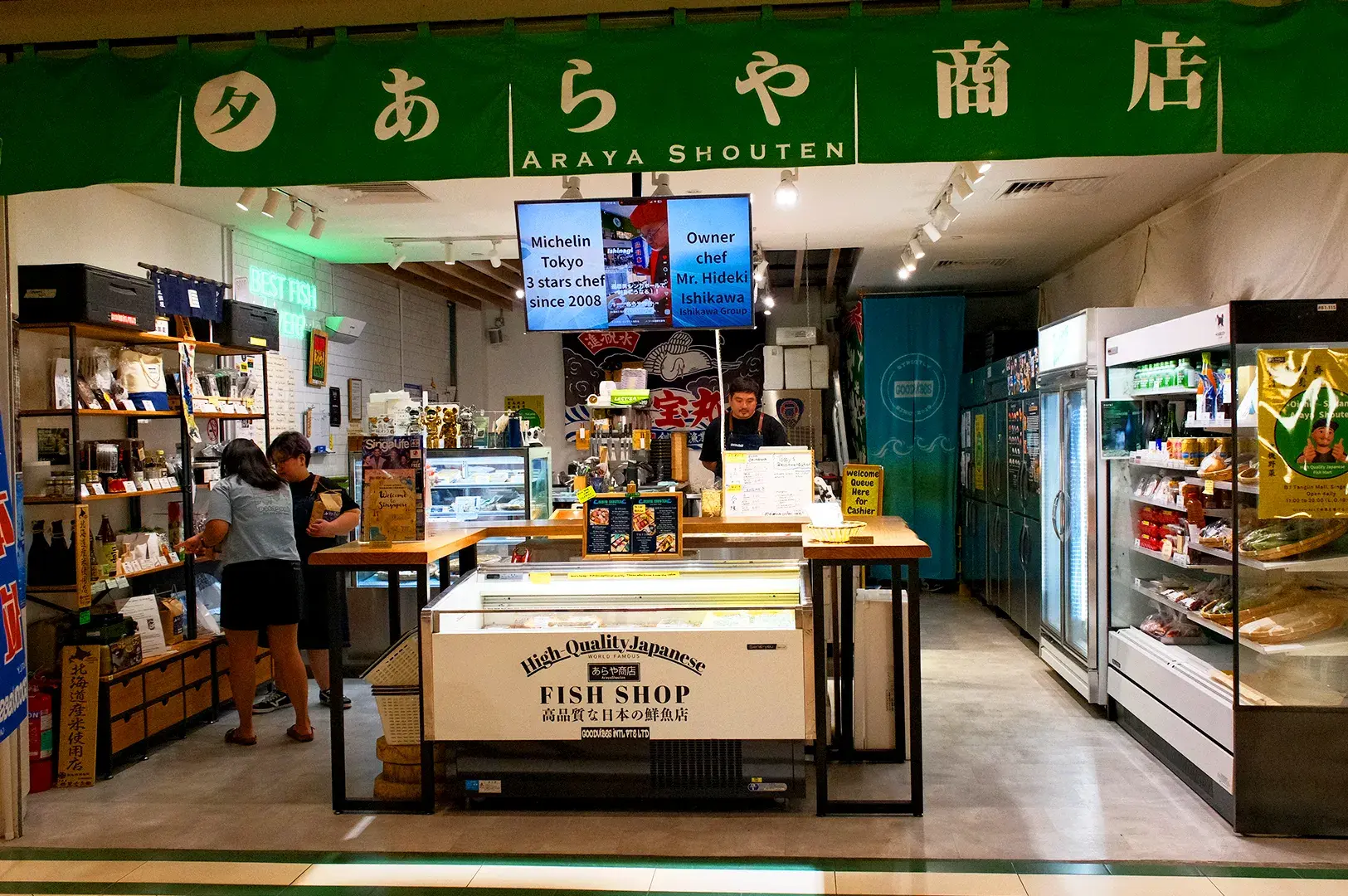
At Araya Shouten, seafood is not treated as just another ingredient. The Japanese seafood specialist at Tanglin Mall represents a deeper connection between Singapore and Japan’s fishing heritage, bringing carefully sourced fish, traditional practices, and the stories of Japanese suppliers directly to local diners.
For many, Japanese food culture begins and ends at the counter of Japanese restaurants. Araya Shouten offers a different perspective, inviting customers to understand where their seafood comes from, how it is handled, and why every selection carries a history of its own.
A Lifelong Connection to Japan’s Fishing Heritage
Before establishing Araya Shouten in Singapore, Araya-san’s relationship with seafood began in Tomakomai, Hokkaido, where he grew up surrounded by Japan’s fishing culture. His grandfather was a commercial fisherman at Kushiro Port, and his family’s connection to the ocean shaped his understanding of quality from a young age.
Rather than learning about fish only through textbooks or professional kitchens, Araya-san developed his palate through everyday experiences. Growing up eating sashimi-grade fish delivered from fishing communities gave him an instinctive understanding of what exceptional seafood should taste like.
This connection to Hokkaido remains central to Araya Shouten’s philosophy today. The shop is built around the belief that seafood carries more than flavour. It carries the knowledge of fishermen, the conditions of the ocean, and the traditions of communities that have relied on fishing for generations.
Preserving Japanese Fishing Culture Through Seafood
The story behind Araya Shouten is also a story about preservation. Across Japan, traditional fishing communities face challenges including an ageing workforce, fewer successors, and changing ocean conditions.
For Araya-san, supporting these communities is part of the responsibility that comes with working in the seafood business. He believes that when fishermen disappear, an important part of Japanese food culture disappears with them.
This philosophy influences how Araya Shouten works with suppliers across Japan. Instead of treating seafood as a simple commodity, the shop builds relationships with producers and fishing communities to maintain access to high-quality ingredients while supporting the people behind them.
Every piece of fish reflects this connection. Whether customers buy fresh sashimi singapore for home dining or enjoy seafood prepared at the shop, they are experiencing a small part of Japan’s coastal heritage.
Beyond Tokyo’s Toyosu Market: Following Seafood Back to Its Source
Many people associate Japanese seafood with Tokyo’s Toyosu market, one of the world’s most famous seafood marketplaces. While Toyosu plays an important role in Japan’s seafood industry, Araya Shouten takes a different approach by building direct relationships with fishing ports and suppliers.
The shop sources seafood from different regions across Japan, including Hokkaido, Choshi, Hakodate, Shimonoseki, and other fishing areas. By working more directly with suppliers, Araya Shouten focuses on accessing seafood closer to its origin.
This approach allows the shop to offer a selection that changes with the seasons rather than following a fixed catalogue. The ocean determines what is available, meaning customers may discover different types of fish depending on the catch.
For diners in Singapore, this creates an opportunity to experience seafood that reflects Japan’s regional diversity. Instead of receiving a similar selection found everywhere else, customers can explore ingredients connected to specific fishing communities and seasons.
The Craft Behind Fresh Seafood
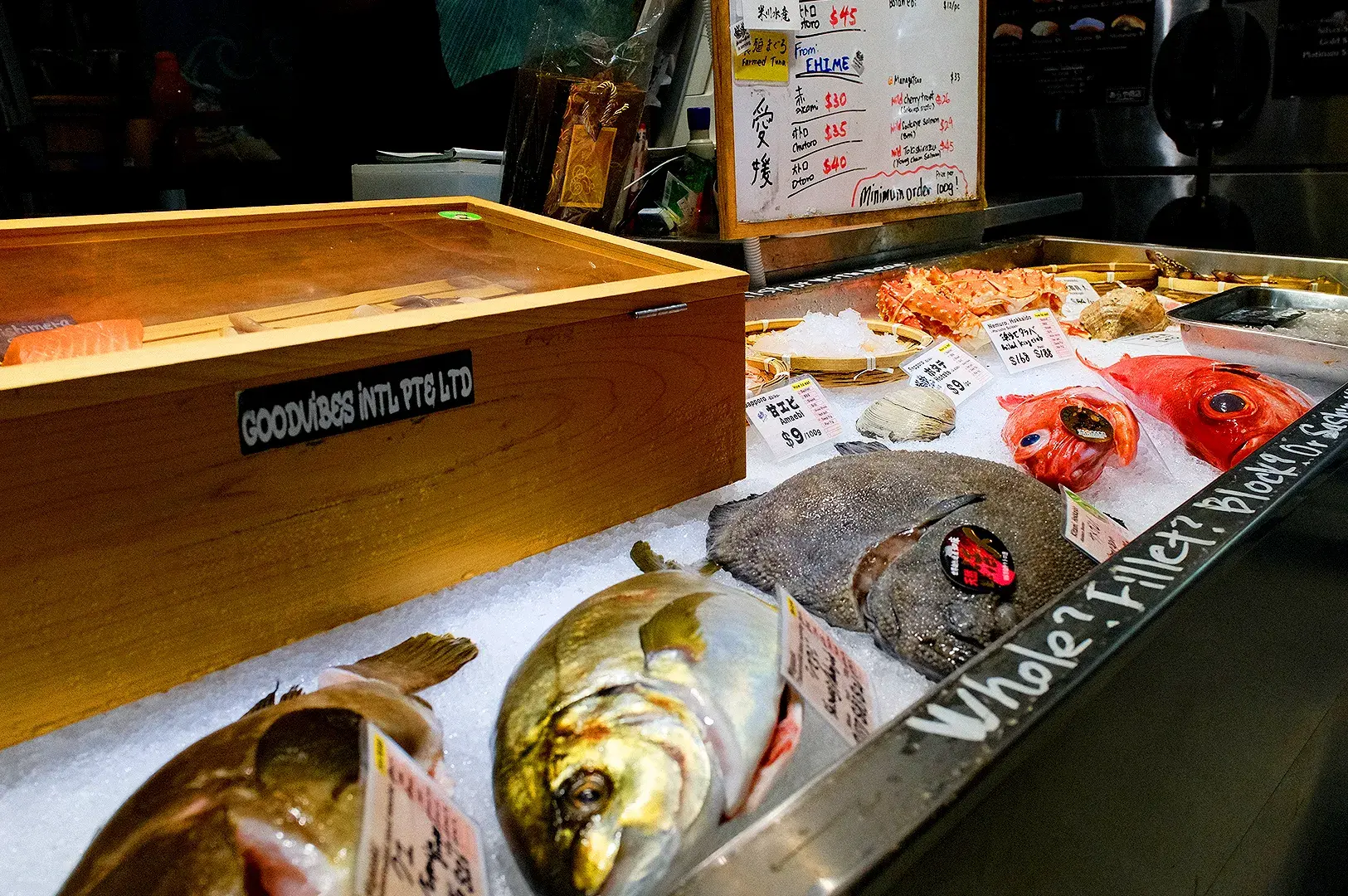
Quality seafood is determined long before it reaches the kitchen. At Araya Shouten, careful handling techniques play an important role in preserving flavour, texture, and freshness.
The shop’s relationships with suppliers allow certain handling methods to be carried out immediately after the catch. Techniques such as Shinkei Jime and Sumotoshiki blood removal help maintain the natural qualities of the fish while reducing unwanted flavours.
These processes may happen far away from Singapore, but they influence every bite. The difference can be experienced through the clean taste and texture of the sashimi, allowing diners to appreciate the care taken before the seafood reaches their plate.
This attention to detail is also why Araya Shouten has earned the trust of professional kitchens. The business has supplied seafood to Japanese restaurants, including Michelin-recognised establishments, before opening its own retail shop for everyday customers.
Bringing Japanese Seafood Culture, from Ikura to Katte Don, to Tanglin Mall
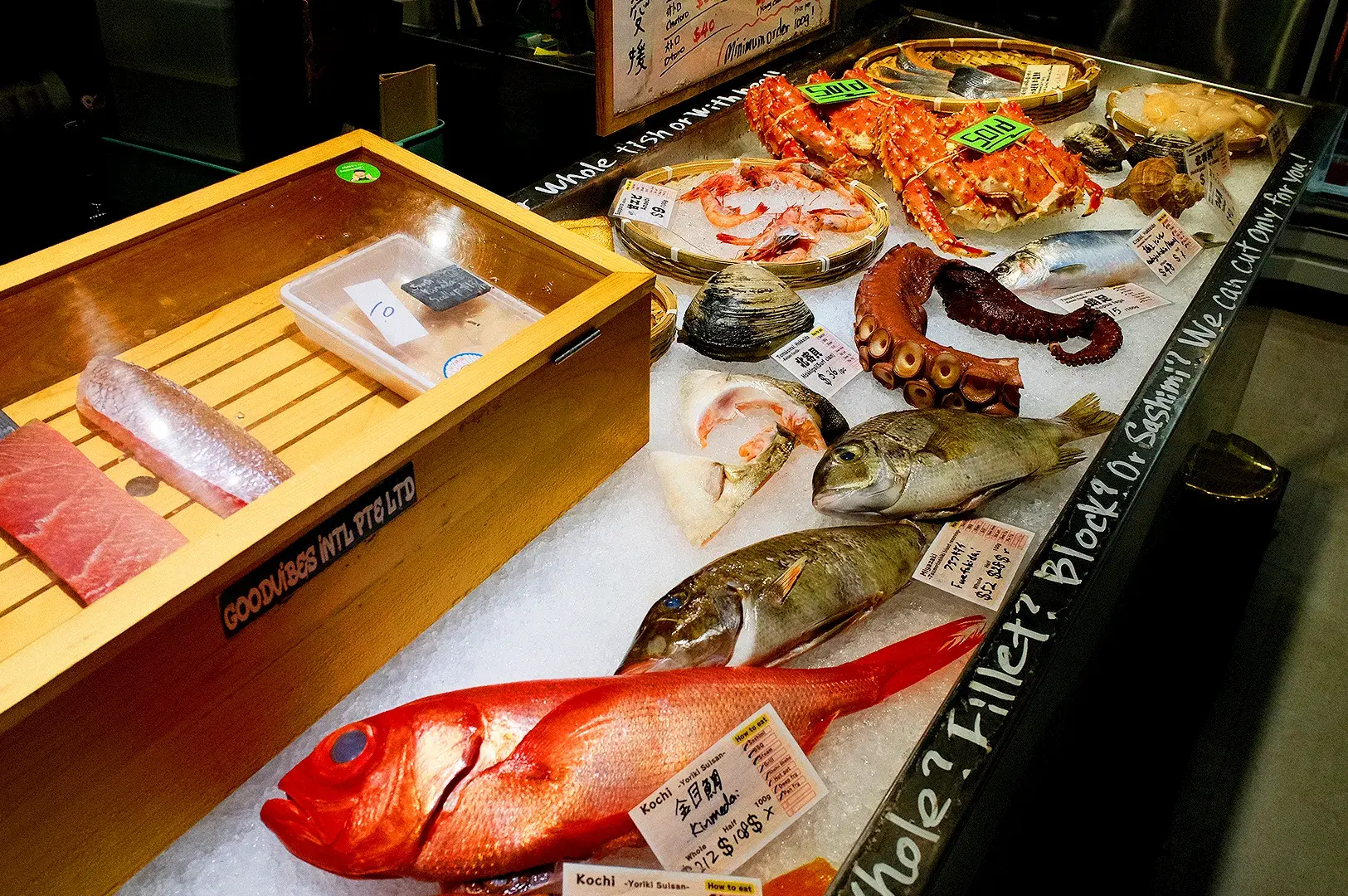
Located at Tanglin Mall, Araya Shouten gives Singapore diners access to restaurant-quality seafood in a more approachable setting. The shop allows customers to explore premium ingredients, ask questions, and better understand the seafood they are bringing home.
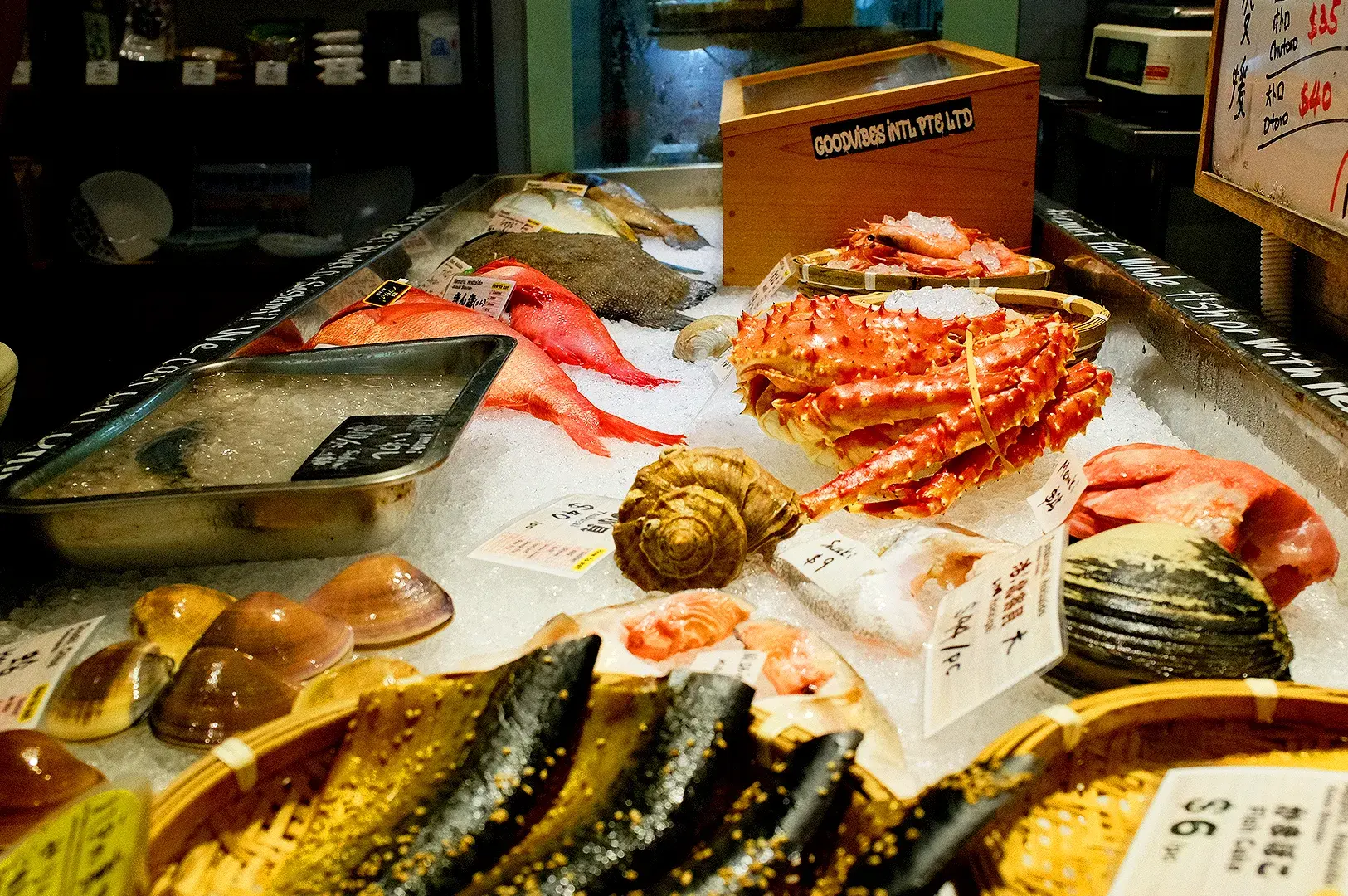
The experience is different from a typical seafood counter. Customers can discover seasonal fish, rare varieties, and ingredients that may not always appear in conventional supermarkets.
The shop’s offerings include sashimi-grade seafood, sea urchin, ikura, spot prawn, and seasonal selections sourced according to availability. Those looking to recreate Japanese dining experiences at home can also find ingredients suitable for preparing dishes such as chirashi don and katte don.
A chirashi don combines colourful seafood with rice (something you can explore more in this article), while katte don reflects the freedom of choosing preferred toppings over a bowl of rice. Both dishes highlight an important part of Japanese food culture: allowing quality ingredients to speak for themselves.
More Than A Place To Buy Seafood
What makes Araya Shouten different is not simply its selection of seafood, but the story behind every ingredient. The shop represents a connection between Japan’s fishing communities and Singapore’s growing appreciation for authentic Japanese cuisine.
In a similar way that traditional Japanese restaurants preserve culinary techniques through chefs, Araya Shouten preserves seafood knowledge through sourcing, relationships, and respect for producers.
The experience reminds diners that great seafood is not created only in the kitchen. It begins with the ocean, the fishermen, the suppliers, and the generations of knowledge that make every ingredient possible.
For those who want to understand Japanese seafood beyond the surface, Araya Shouten offers more than fresh seafood. It offers a way to connect with Japan’s coastal heritage, one carefully selected fish at a time.

The Silent Language of the Table: How Traditional Food in China Speaks Through Generations
Eda Wong | April 28, 2026
When I first tried to navigate a traditional Cantonese family dinner, I made a spectacularly embarrassing mistake. I sat down, looked at the sprawling, beautifully written menu, and confidently ordered an individual plate of sweet and sour pork just for myself. The table went completely quiet. My host gently nudged the menu back towards the…
-
The Golden Roux Revolution: Best Japanese Curry Singapore Spots That Redefine Comfort Food
Eat Drink Asia Team | April 25, 2026
April 25, 2026 | Eat Drink Asia Team Last updated: September 17, 2026 We have always believed that a brilliant plate of Japanese curry is the ultimate culinary hug. Over the past eight months, we made it our personal mission to embark on a comprehensive culinary journey across Singapore, hunting down the absolute best bowls…

Noodle Masterpieces: Celebrating the Craft
Eat Drink Asia Team | April 24, 2026
Noodles have a timeless place in the world of food, and Taste Our Traditions can attest that only few dishes are as universally loved. What makes a bowl of noodles truly stand out is not just the ingredients, but the artistry and skill behind their creation. Noodle-making is an ancient craft that demands patience, precision,…
-
Charcoal Smoke and Yakitori Evenings in Osaka
Eda Wong | April 24, 2026
The first thing I noticed was the smoke. It didn’t rise all at once, but in thin, steady ribbons that curled upward from a narrow grill set just inches from the counter. The scent came first, warm and unmistakable, a mix of rendered chicken fat and binchōtan charcoal, clean but deeply present. Inside the small…
-
Cracking the Code of Telur Thai: Inside Egg Thai West Mall, a Kitchen That Tells a Story
Dio Asahi | April 23, 2026
I visited on a Tuesday around 7pm, completely exhausted from a long day of meetings and staring at screens. I wasn’t looking for a fancy culinary journey or a trend-setting dining experience. Honestly, I just wanted a quick, comforting meal that would hit the spot without emptying my wallet. That specific craving led me to…

Sanook Kitchen’s Thai Omelette Rice: A Heartland Answer to Singapore’s Thai Food Saturation
Eda Wong | April 21, 2026
If you live in Singapore, you know that finding Thai food is about as difficult as finding a humid day. We are spoiled for choice. From gritty hawker stalls serving fiery basil pork to upscale restaurants where a bowl of tom yum costs more than a taxi ride, the options are endless. But sometimes, you…
-
The Golden Fold: How Thailand’s Street-Side Omelette Became a Morning Ritual
Dio Asahi | April 18, 2026
Dawn breaks over Bangkok with a familiar symphony. Before the intense heat settles and the traffic swells into a steady roar, the city streets belong to the food vendors. Amid the clatter of metal tools and the hum of early commuters, one sound stands out: the furious, bubbling sizzle of eggs hitting smoking-hot oil. This…

Lesson I Didn’t Expect: How Fourgather’s Easy Asian Recipes Taught Me to Cook at Home
Eda Wong | April 16, 2026
For the longest time, I was convinced that cooking authentic Thai food at home was out of my league. I imagined complex pastes, hours of simmering, and a mountain of ingredients I couldn’t pronounce. I was happy to leave it to the experts. But a casual dinner at Fourgather, a stylish Thai eatery in Telok…
-
Between Aesthetic and Appetite: The Modern Food Blogger’s Dilemma
Eda Wong | April 15, 2026
In our first, would probably say, emotional editorial, I would like to open with how there is a particular kind of silence that happens before a dish is eaten now. Not the quiet of anticipation, but the pause of positioning, a hand hovering just above the plate, adjusting the angle of a bowl so the…
-
Chasing Flavor: How Fook Kin Taught Us to Cook Asian Cuisine Recipes the Right Way
Eat Drink Asia Team | April 14, 2026
For years, we told ourselves that truly great Asian cooking was a mystical art form, a craft reserved for seasoned hawker uncles or Michelin-starred chefs with decades of experience. Our own attempts at home often felt like pale imitations, lacking that deep, smoky flavour or that perfect textural contrast we craved. Then, we had dinner…