A cup of tea, in many parts of Asia, represents far more than a beverage—it is a conduit to ancestral tradition, intellectual pursuit, and the cultivation of mindfulness. Asian tea ceremony traditions turn the act of drinking tea into a sophisticated art form, layered with symbolism, philosophy, and socio-cultural values. Each gesture, from scooping powdered tea to serving tea in rustic simplicity, unlocks a unique window into its country’s spirit. Far from being mere refreshment, the formal tea ceremony is a practice where history, aesthetics, and human connection brew in harmony, nourishing both body and soul.
Japanese Tea Ceremony: Chado—the Way of Tea
The Japanese tea ceremony, or chado, is perhaps the most emblematic of Japanese tea culture. With deep roots in Zen Buddhism, this unique beverage ritual serves as a spiritual exercise, emphasizing the beauty in impermanence and the quiet power of the present moment.
Historical Evolution and Philosophical Roots
Introduced from China during the Tang Dynasty, tea plants arrived in Japan as early as the 8th century. Monks first cultivated tea for use in Buddhist temples, seeking clarity and calm during meditation. The development of Japanese tea ceremony began earnestly in the 12th century with powdered tea—matcha—being widely consumed among upper classes and religious ceremonies.
Subsequent centuries elevated tea preparation from casual tea parties to a revered practice. By the 16th century, tea masters such as Sen no Rikyū shaped the ethos of modern chado. The pursuit of wabi-sabi, or rustic simplicity and acceptance of imperfection, became central to Japanese tea, intertwining with the values of harmony, respect, purity, and tranquility.
Step-by-Step Ritual and Utensils
A formal Japanese tea ceremony takes place in a purpose-built tea house (chashitsu) or a serene room, often decorated with a hanging scroll and a simple flower arrangement. Guests purify their hands at a stone basin before entering, symbolizing a willingness to leave the dust of everyday life behind.
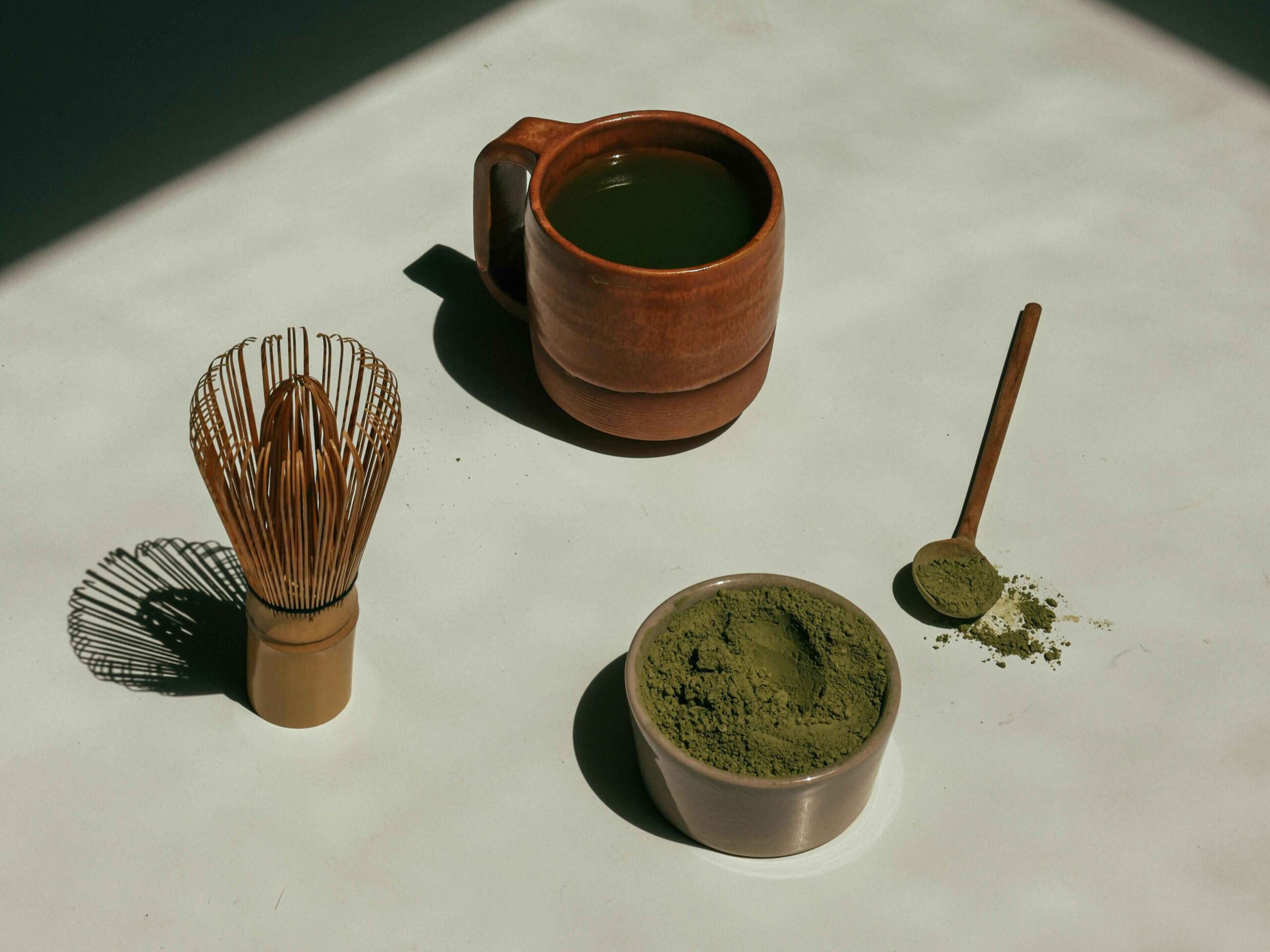
The host uses tools such as a bamboo whisk (chasen), tea scoop (chashaku), and tea bowl (chawan) to create matcha. Water, heated in a cast iron kettle, is poured over powdered tea, then whisked until frothy. Utensils are carefully cleansed in view of the guests, reinforcing the importance of ritual purity.
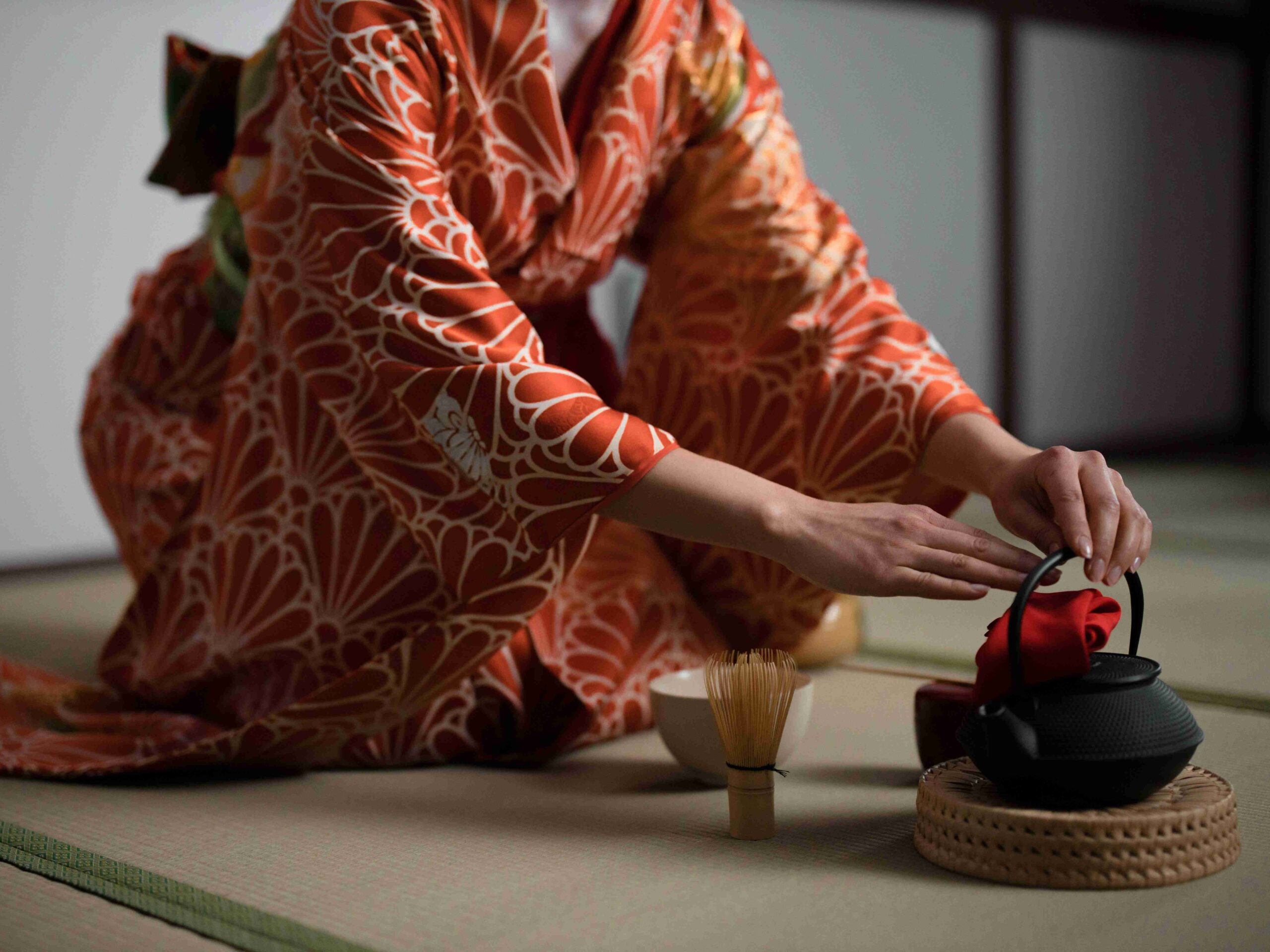
Each implement carries profound symbolism. The textured chawan celebrates nature’s unpredictability; the bamboo whisk and scoop embody the harmony between human hands and raw material. Guests rotate their bowls before sipping, an act born from etiquette and respect for the host’s artistry.
Zen and the Aesthetics of Everyday Life
The Japanese tea ceremony encourages mindfulness, inviting participants to savor each gesture and taste. Inspired by Buddhist temples and Zen philosophy, chado sees beauty in evanescence, shadows, and the subtle aroma of freshly whisked green tea. This sensory focus turns tea drinking into a meditation, grounding all present in the here and now.
Chinese Tea Ceremony: Gongfu Cha and the Art of Skillful Brewing
China stands as the cradle of tea production, and its vibrant tea culture has influenced countries worldwide. The Chinese tea ceremony, particularly gongfu cha—meaning “making tea with skill”—is a celebration of brewing mastery and kinesthetic grace.
Historical Development
Chinese tea ceremony has roots dating back to the Tang Dynasty, when tea was both an elite and everyday beverage. The legendary tea master Lu Yu, author of The Classic of Tea in the 8th century, laid the groundwork for traditional tea culture through a detailed exploration of tea plants, utensils, and brewing techniques.
Gongfu cha emerged in southern China, particularly among tea shops and households in Fujian and Guangdong provinces. It focuses on extracting the most nuanced flavors from loose leaf tea, such as oolong, pu-erh, and black tea, by precisely controlling every aspect of preparation.
Ritual Elements and Tea Utensils
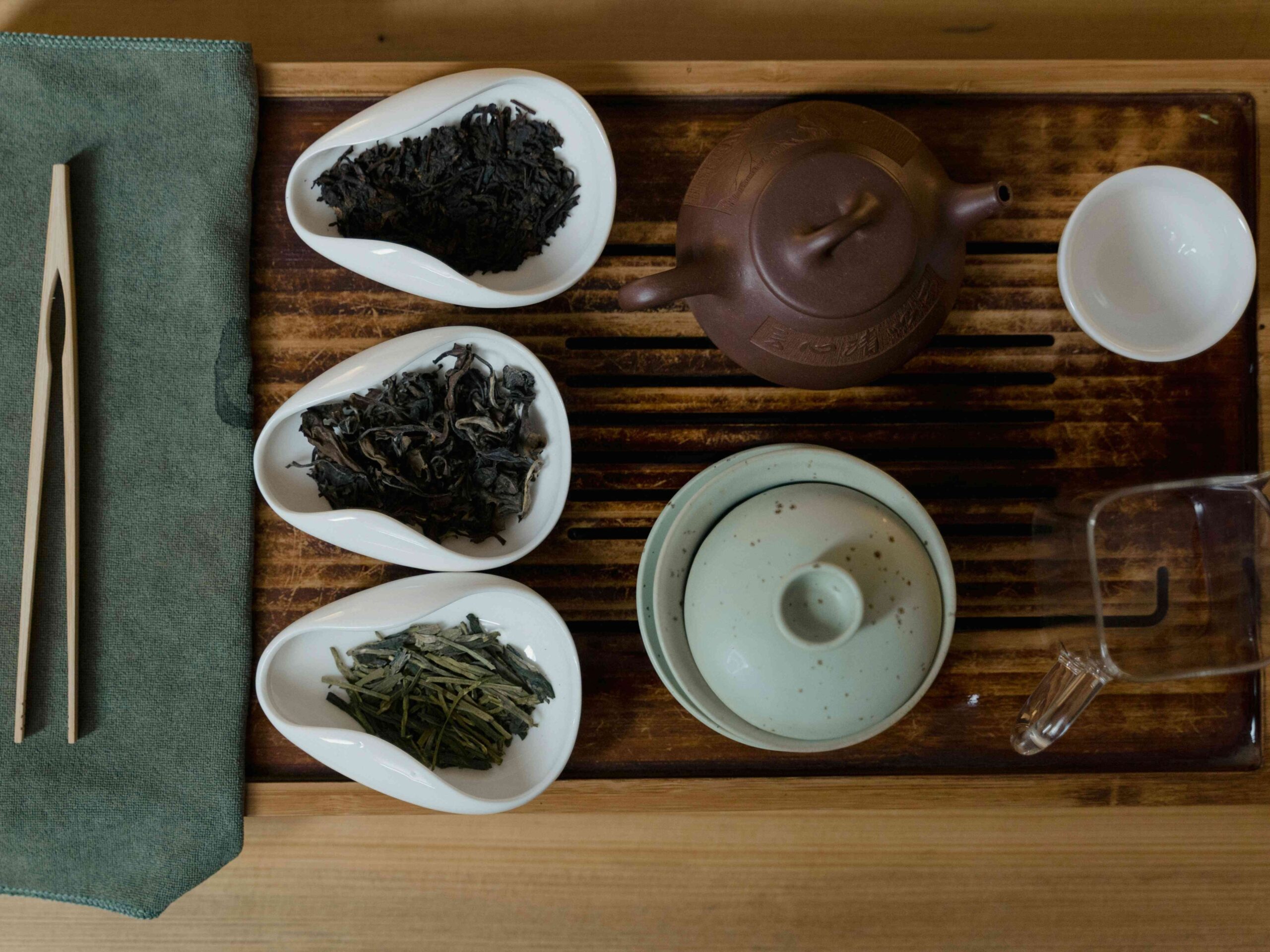
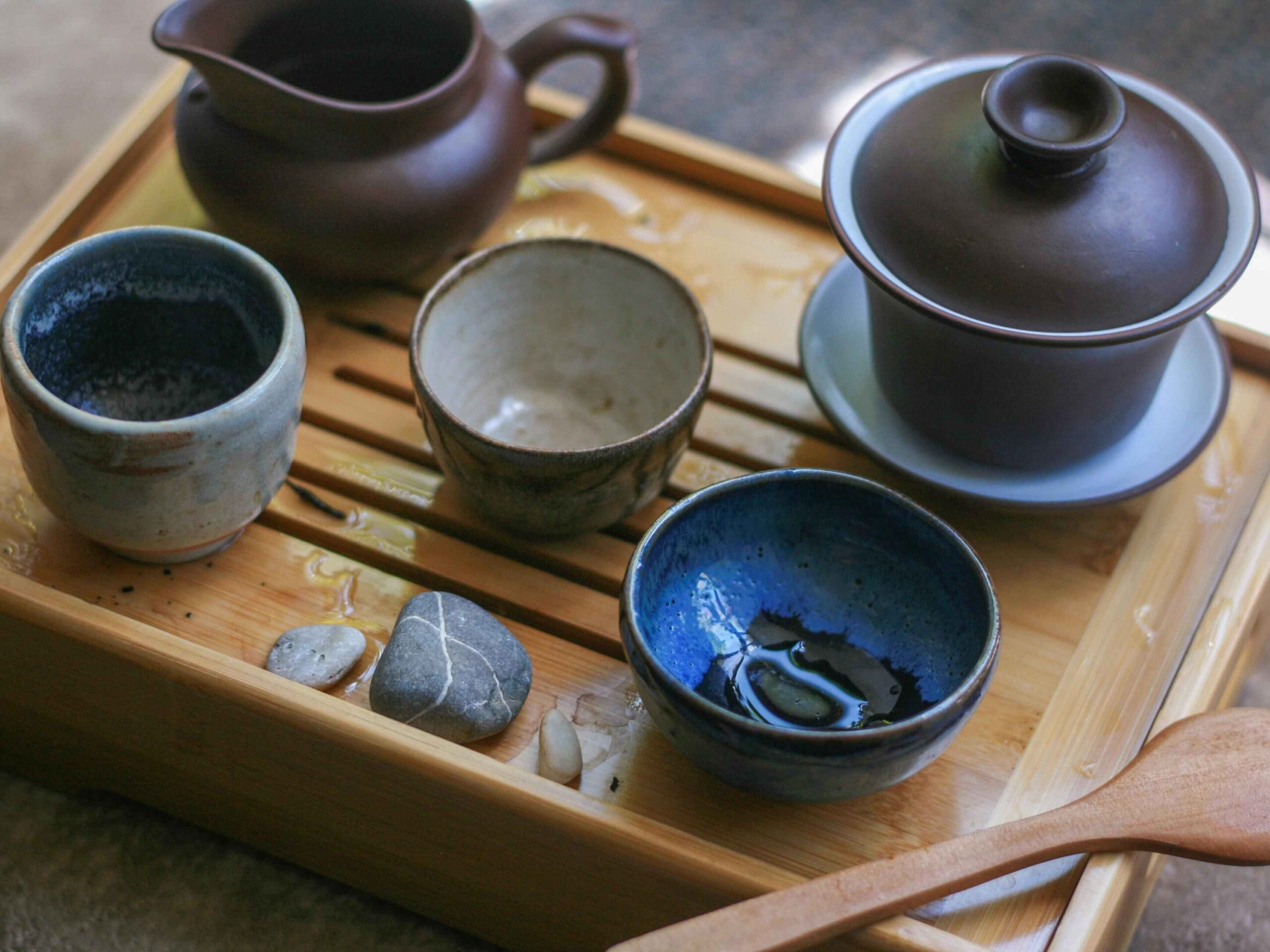
The ceremony unfolds on a dedicated tea table, using an array of specialized tea tools. The yixing teapot, crafted from unglazed clay, is prized for its ability to enhance the taste profile of tea with each use. Small tea cups concentrate aroma, encouraging mindful appreciation.
The host begins by warming the pot and cups with boiling water, discarding the rinse. A generous portion of tea leaves is added, and infusions are prepared quickly—typically less than a minute—each pour producing subtle differences in taste. The fairness pitcher ensures consistent flavor for all guests. Tea utensils such as the bamboo scoop and tongs, along with the all-important tea leaf itself, reflect respect for traditional practices and the tea master’s expertise.
The Social and Sensory Experience
Chinese tea ceremonies are often integral to traditional celebrations like the Chinese wedding tea ceremony, where serving tea to elders honors family ties. Tea culture in China is deeply embedded in social gatherings, from high tea in grander settings to informal afternoon tea among friends. The ritual emphasizes savoring taste, observing the color, and appreciating the aroma of well-brewed leaves. Gongfu cha embodies Chinese culture’s reverence for both ancestral custom and sensory delight.
Korean Darye: Simplicity and Natural Harmony
The Korean tea ceremony, known as darye, expresses values of ease, clarity, and grace. Less rigid than its Japanese or Chinese counterparts, darye seamlessly integrates into everyday life while retaining centuries-old customs.
Historical Context
Tea was introduced to Korea through Buddhist monks from China. Goryeo Dynasty records show tea drinking among nobility and monastic communities. Over time, the influence of Confucianism led to a simpler, less formal tea culture, with darye (“tea etiquette”) focusing on harmonious enjoyment and polite hospitality rather than intricate ritual.
Practice, Utensils, and Philosophical Underpinnings
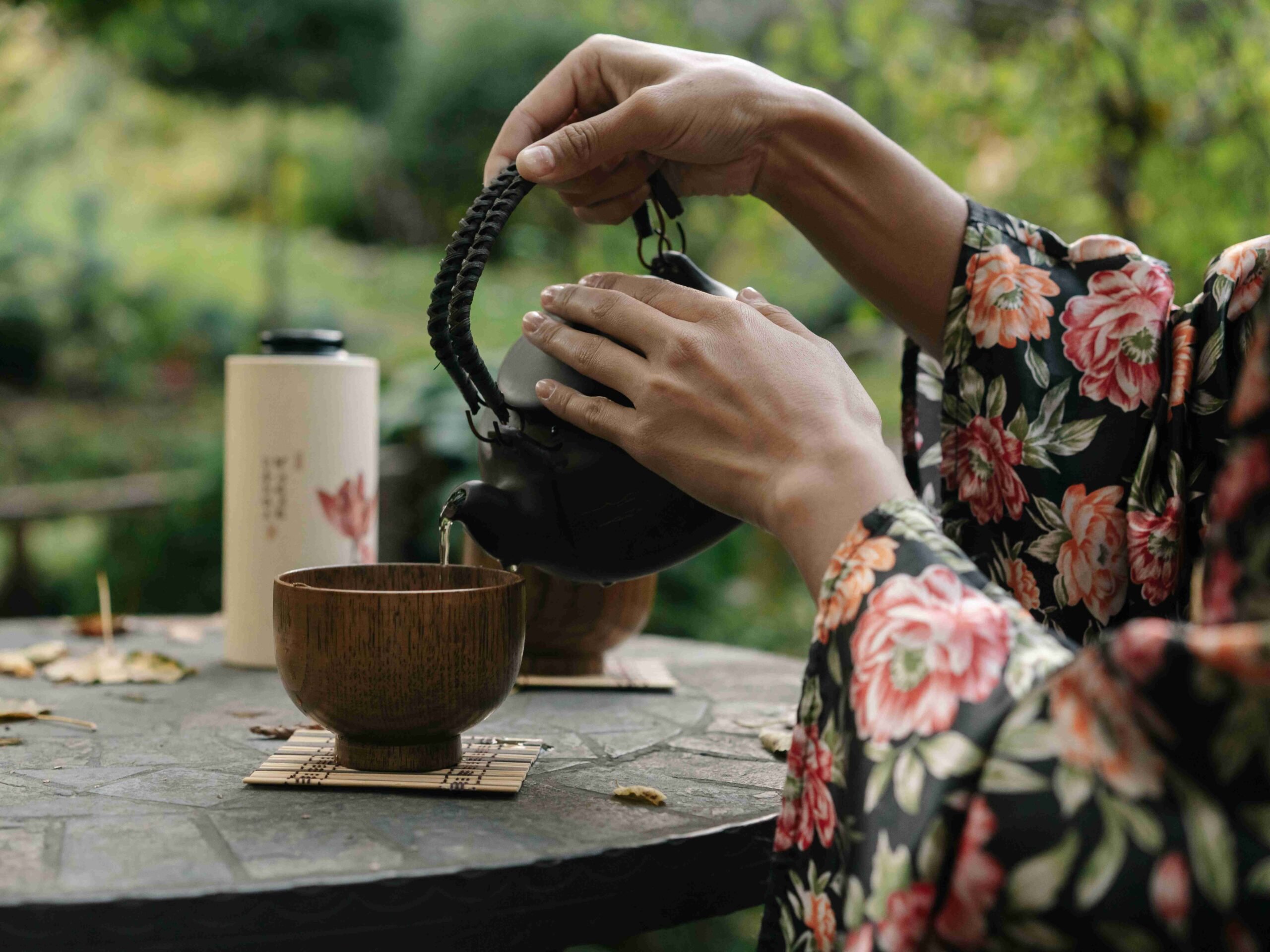
Korean darye is often practiced at home or in tea houses, using green tea as the beverage of choice. The ceremony may begin with the host preparing the leaves in a side-handled pot, carefully cooling hot water so as not to scorch the delicate tea leaf. The finished brew is poured into ceramic tea cups, each uniquely crafted to emphasize beauty in functional art.
Tea utensils in Korea range from basic clay pots to renowned celadon wares. These tea tools highlight a connection with nature—soft forms, unglazed surfaces, and colors that echo the Korean landscape. Unlike the more formal tea ceremony of Japan, darye encourages fluid interaction, gentle conversation, and effortless serving tea.
Fresh mint or cucumber may occasionally be added in warmer months, while sweets such as rice cakes often accompany tea, bridging the ceremony with the rhythms of everyday life.
Comparative Analysis: Cultural Values in Asian Tea Traditions
Time and Patience
Across Asia, tea ceremony underscores an appreciation for time and patience. The Japanese tea ceremony draws out moments into slow, contemplative intervals, aligning with Zen principles and inviting stillness. In China, the process of brewing tea is a demonstration of skill, with a compressed sequence of interactions—each infusion unlocking new layers of taste and aroma. Korean darye finds a middle path, allowing the ceremony to unfold gently, echoing the Confucian ideal of measured, harmonious life.
Spatial Arrangements and Aesthetic Principles
From the minimalist chashitsu in Japan, designed to focus attention inward, to the Chinese tea table adorned with yixing teapots and tea cups, spatial arrangement reinforces each culture’s values. The principle of rustic simplicity—wabi-sabi—in Japanese tea culture contrasts with the material expressiveness and variety in Chinese and Korean tea settings.
Host-Guest Relationships and Social Structure
In Japan, clear hierarchy governs host and guest roles during the formal tea ceremony. Every gesture is for the comfort, honor, and enlightenment of the guest. Chinese ceremonies, particularly during formal occasions and the Chinese wedding tea ceremony, emphasize respect, tradition, and the deep bonds of family and friendship. Korea’s approach is more egalitarian, focusing on shared enjoyment and ease of interaction, reflecting society's value of interpersonal harmony.
Tea as Spiritual and Artistic Expression
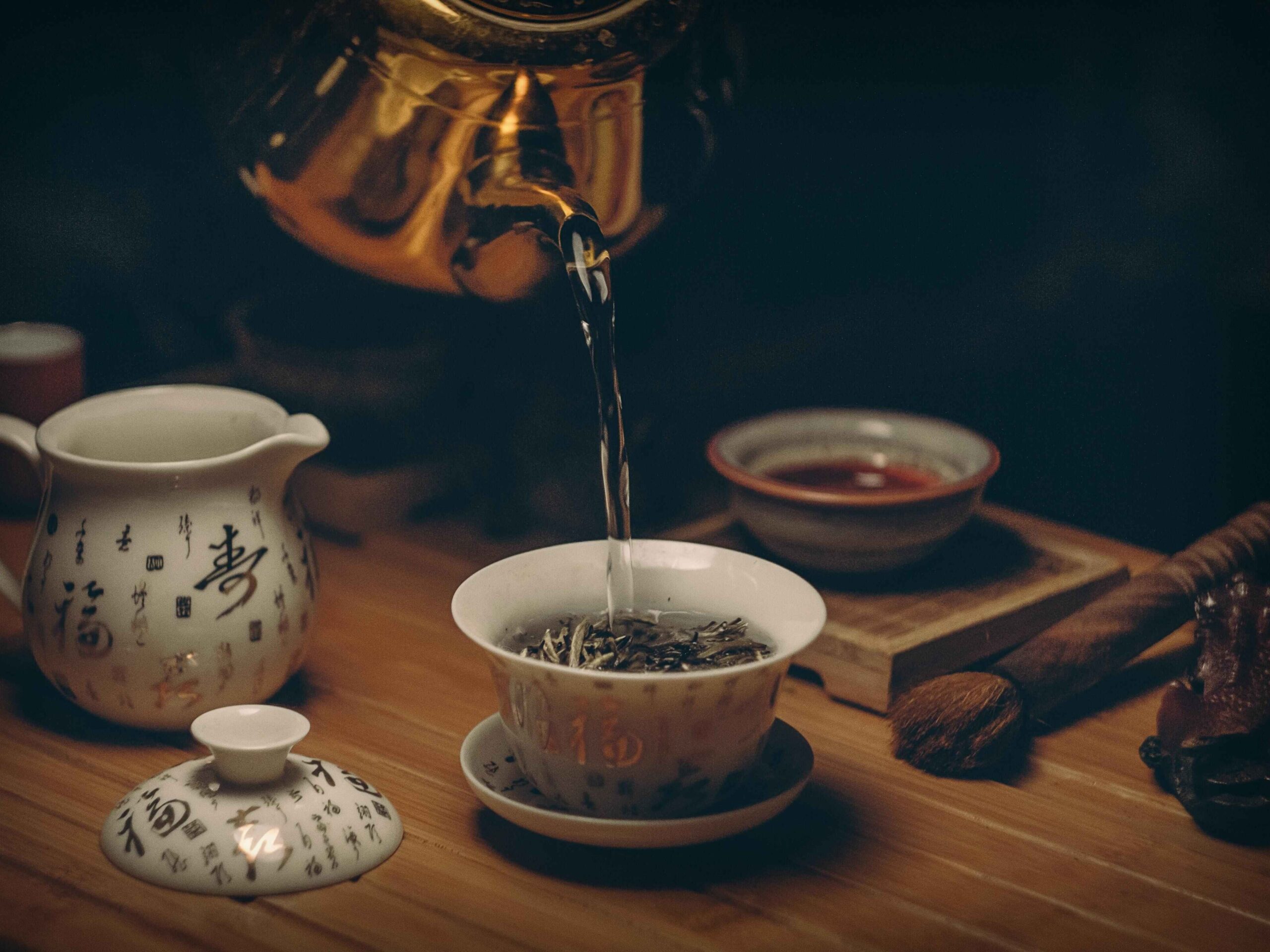
Throughout Asia, the act of tea drinking extends beyond the material. In Japan, the tea whisk moving through green tea is a symbol of mindfulness cultivated in Buddhist temples. In China, the pouring of boiling water over leaves in a yixing teapot becomes a meditative routine, alluding to ancient roots in the Tang Dynasty. Even butter tea, popular in Himalayan regions, and masala chai in India, reflect the breadth and adaptability of Asian tea culture across both geography and spiritual schools.
Modern Relevance and Evolving Traditions
Today, Asian tea ceremony traditions are not relics, but living practices that continue to adapt. Tea houses across Japan, China, and Korea offer condensed ceremonies for busy city dwellers. Global tea drinkers seek out high-quality loose leaf tea for their own tea parties or afternoon tea gatherings. In some settings, Japanese and Chinese traditions merge, with matcha served alongside oolong or black tea. Tea shops increasingly showcase the health benefits of green tea, touting its antioxidants and role in everyday life.
Modern tea industry trends have incorporated ancient practices, merging bamboo whisk and stone basin with innovations like flavored teas and contemporary design. Yet, the underlying values of patience, mindfulness, and hospitality remain unchanged, inviting new generations to experience the beauty of traditional tea culture.
Conclusion: Savoring a Worldview in a Cup
Asian tea ceremony traditions—Japanese chado, Chinese gongfu cha, and Korean darye—are far more than regional rituals. They represent centuries of artistry, philosophy, and social literacy poured into each cup. Whether using a chawan, yixing teapot, or delicate celadon cup, the act of brewing tea connects the drinker with generations of knowledge and intention.
To drink tea in these settings is not simply to quench thirst, but to participate in deeply embedded traditions that honor nature, artistry, and human connection.
For those curious about tea’s origins and its power as a social and spiritual glue, the formal tea ceremony offers a journey into the heart of Asian culture, including Thailand’s unique butterfly pea flower tea, a colorful and magical drink that changes hue with the addition of lime or other citrus fruits. Continue discovering the region’s rich food customs with Communal Dining Traditions in Asia: Shared Meals, Lasting Bonds, and Cultural Heritage.

Chicken 65: A Fiery Indian Chicken Recipe You Must Try
Eat Drink Asia Team | February 21, 2026
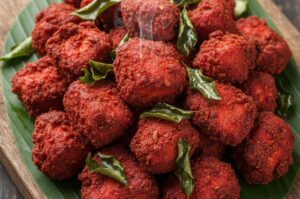
We’ve spent months tracking the ‘shatter-rate’ of chicken across the South, and here’s the truth: most of what you find is a pale, food-colored imitation. The real Chicken 65 isn’t just spicy; it’s an atmospheric experience. It starts with the sharp, herbal snap of curry leaves hitting 180°C oil and ends with a deep, earthy…
-
Mastering the Art of Indian Dishes with Chicken
Eda Wong | February 19, 2026
The story of India’s culinary identity is deeply tied to its poultry dishes. I remember my first attempt at an Indian chicken recipe, failing to brown the onions properly left the dish hollow, missing its soul. The sound of mustard seeds popping in hot oil signals layers of flavor to come. The steam from the…
-
Crunch, Sweet, and Heat: The Irresistible Textures of Southeast Asian Snacks
Dio Asahi | February 17, 2026
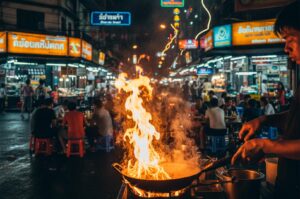
In the humid, sticky heat of Southeast Asia, where your shirt clings to your back and the air is thick with the sharp scent of oxidising oil, there’s a particular clink that always gets me. It’s the sound of a metal spatula striking a wok, a rhythmic percussion that’s as familiar to me now as…
-
The Living Pantry: How Geography and Trade Shaped the Food in the Southeast Region
Eat Drink Asia Team | February 14, 2026
To understand the plate is to understand the map. If you were to trace the spice routes of the 15th century or follow the monsoon winds that carried merchant ships across the Indian Ocean, you would find yourself at the epicenter of the world’s most vibrant pantry. The food in the Southeast region of Asia…
-
A Symphony of Senses: Why Southeast Asian Food is the World’s Greatest Culinary Journey
Dio Asahi | February 12, 2026
If you were to stand at a busy intersection in Bangkok, Ho Chi Minh City, or Jakarta and close your eyes, your nose would tell you a story before your eyes ever could. There is a specific, intoxicating perfume that defines Southeast Asian food: the sharp tang of lime juice hitting a hot wok, the…
-
The Alchemy of the Wok: The Story of Singapore-Style Bee Hoon
Eda Wong | February 10, 2026
Across the humid evening air of Singapore, a rhythmic clatter echoes from hawker stalls to high-rise kitchens—the sound of a metal spatula against a seasoned wok. Within that intense heat, rice vermicelli noodles undergoes a profound transformation, absorbing the golden hues of curry powder, the savory depths of soy sauce, and the smoky “breath” of…
-
The Sizzle of the Wok: An Exploration of Fried Bee Hoon Across Southeast Asia
Eat Drink Asia Team | February 7, 2026
Across Southeast Asia, from bustling hawker centers to family kitchens, the sizzle of rice vermicelli noodles hitting a hot wok is a universal comfort. Few dishes capture the spirit of Asian noodle culture as well as fried bee hoon. This stir fry, made with thin rice noodles, delivers a tasty meal any time of the…
-
The Silk of the East: A Deep Dive into Bee Hoon and the Art of Rice Vermicelli
Eda Wong | February 5, 2026
Across the bustling kitchens of Southeast Asia, one humble ingredient has woven itself into the fabric of countless beloved dishes. Bee hoon, the delicate rice vermicelli that transforms from brittle strands into silky noodles, represents centuries of culinary tradition and innovation. Whether you’ve savored Singapore noodles in a hawker center or encountered fried bee hoon…
-
The Eternal Hearth: A Journey Through the Soul of Indian Foods Vegetarian Traditions
Dio Asahi | February 3, 2026
In the vibrant tapestry of global gastronomy, few cultures have elevated the plant-based plate to an art form quite like India. While much of the world has recently turned toward meat alternatives for health or environmental reasons, Indian cuisine has been centered on the vegetable for millennia. This isn’t merely a dietary choice; it is…
-
The Essence of Jeju Citron Tea: A Distinctive Profile of Yuja Tea in Korea
Dio Asahi | January 31, 2026
Imagine sitting in a quiet, sun-drenched teahouse overlooking the dramatic volcanic coastline of Jeju Island. The steam rising from your cup carries an aroma that is at once familiar and yet entirely new—a version of Korean citron tea, or yuja cha, that tastes of sea salt, volcanic soil, and generations of island tradition. As you…