The cart glows at the edge of the lane just as the heat of the day finally loosens. A woman fans the coals with a flattened piece of cardboard, and the embers brighten orange under a row of skewers. Fat slides off the pork, hits the charcoal, and hisses upward in a thin curl of smoke. She turns each stick with two fingers, never looking, her hand moving in a steady rhythm I can almost set a clock to. The air thickens with woodsmoke and caramelizing sugar, and a small line forms without anyone seeming to organize it.
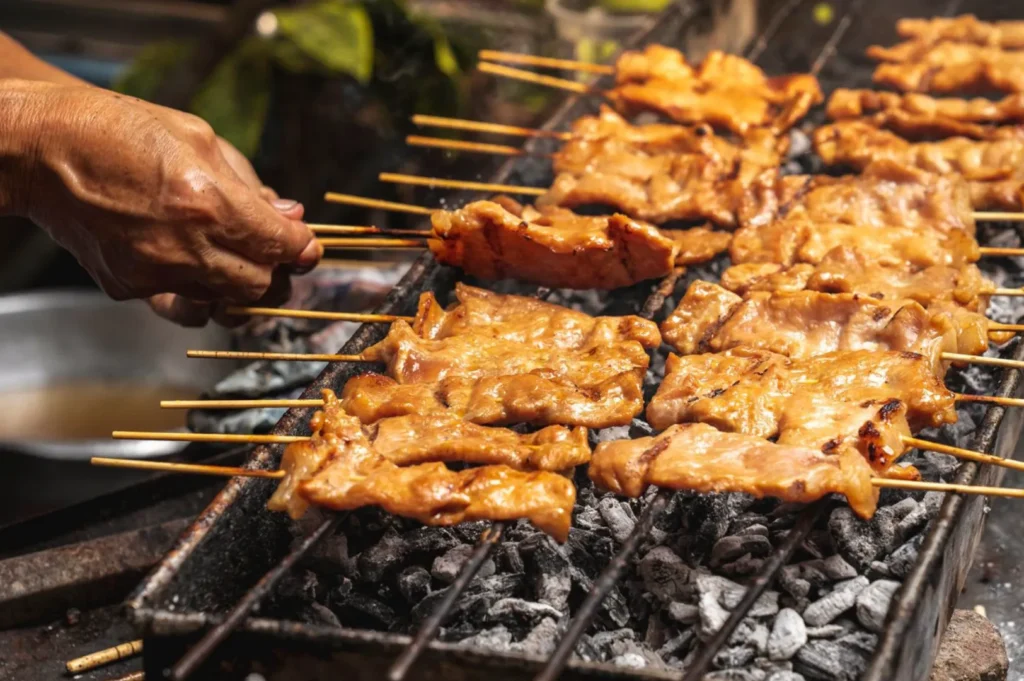
Thai street vendor grilling moo ping pork skewers over charcoal with bamboo sticks and wood smoke
What she is making is moo ping, pronounced roughly moo-ping: thin strips of pork threaded onto bamboo, marinated in a mix that usually leans on garlic, coriander root, fish sauce, and a touch of palm sugar, then grilled over charcoal until the edges char and the center stays tender. The bamboo skewers are soaked in water first, so they hold the meat without burning through. The marinade’s sugar is what gives the surface its dark, sticky lacquer, but it is also what makes the grilling unforgiving. Too much heat and the sugar blackens before the pork cooks; too little and the fat never renders. The whole thing lives or dies on heat control.
That control is the real craft here, and it is almost invisible. The vendor reads her grill like a map, knowing which corner runs hotter and which edge stays gentle, sliding skewers across zones without measuring anything. She turns each one at the precise moment the fat begins to weep, not before. It is muscle memory built over years, the kind of knowledge that never gets written down. In the early evening, the grill becomes a small fixed point in the neighborhood’s routine: students on the way home, motorbike riders pausing at the curb, families buying a handful of skewers before drifting into the night market. People eat standing, talking, the sticky rice passed in plastic bags. Nobody hurries the fire.
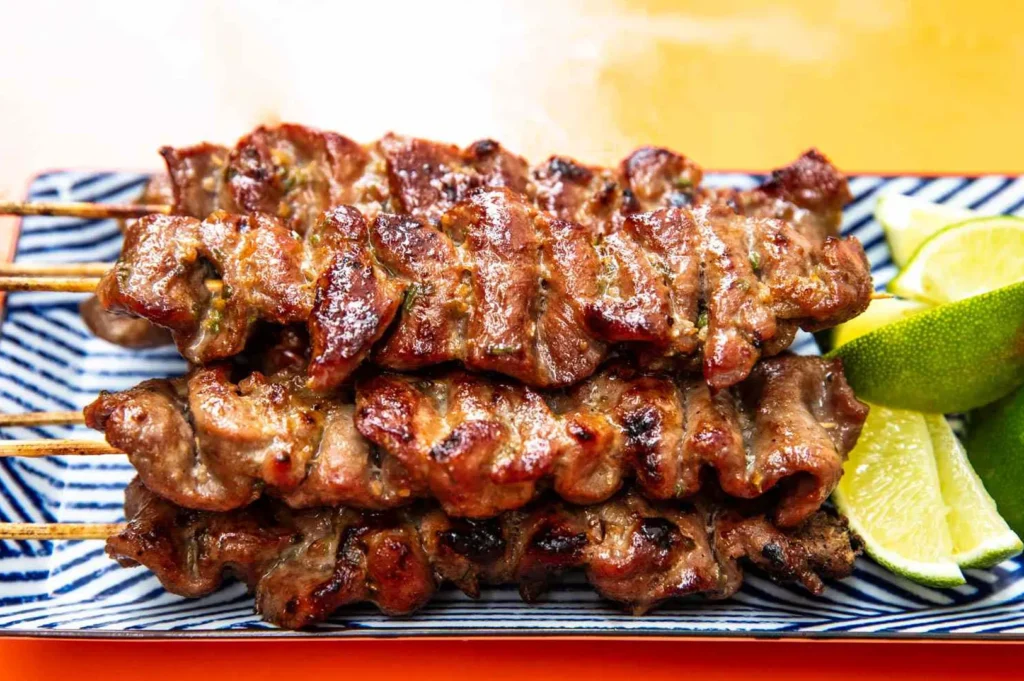
Grilled moo ping pork skewers with smoky char, bamboo sticks, and fresh lime wedges
What feels worth noticing now is how quietly this slow patience is being edged out. Gas burners are easier, cleaner, faster, and they spare the vendor the daily labor of coaxing charcoal to the right temperature. They also flatten the flavor, removing the smoke that gives moo ping its depth and the heat-reading skill that makes each batch slightly different. The convenience is real. So is the loss. A few stalls away, khao soi simmers in a metal pot—coconut curry and soft noodles under a brittle crown—another Chiang Mai staple that depends on patient heat. A skewer pulled off charcoal carries a char that gas cannot fake, and the hand that knows when to turn it is becoming rarer.
I keep returning to that turning hand. It asks for nothing, explains nothing, and yet it holds the whole thing together—a small fluency in fire and timing that a city builds quietly, one evening at a time.

The Sizzle of the Wok: An Exploration of Fried Bee Hoon Across Southeast Asia
Eat Drink Asia Team | February 7, 2026
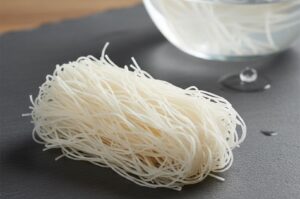
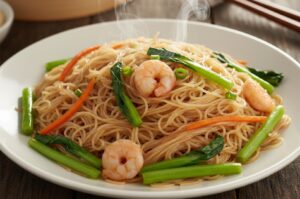
Across Southeast Asia, from bustling hawker centers to family kitchens, the sizzle of rice vermicelli noodles hitting a hot wok is a universal comfort. Few dishes capture the spirit of Asian noodle culture as well as fried bee hoon. This stir fry, made with thin rice noodles, delivers a tasty meal any time of the…
-
The Silk of the East: A Deep Dive into Bee Hoon and the Art of Rice Vermicelli
Eda Wong | February 5, 2026
Across the bustling kitchens of Southeast Asia, one humble ingredient has woven itself into the fabric of countless beloved dishes. Bee hoon, the delicate rice vermicelli that transforms from brittle strands into silky noodles, represents centuries of culinary tradition and innovation. Whether you’ve savored Singapore noodles in a hawker center or encountered fried bee hoon…
-
The Eternal Hearth: A Journey Through the Soul of Indian Foods Vegetarian Traditions
Dio Asahi | February 3, 2026
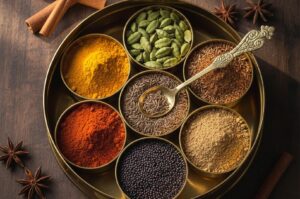
In the vibrant tapestry of global gastronomy, few cultures have elevated the plant-based plate to an art form quite like India. While much of the world has recently turned toward meat alternatives for health or environmental reasons, Indian cuisine has been centered on the vegetable for millennia. This isn’t merely a dietary choice; it is…
-
The Essence of Jeju Citron Tea: A Distinctive Profile of Yuja Tea in Korea
Dio Asahi | January 31, 2026
Imagine sitting in a quiet, sun-drenched teahouse overlooking the dramatic volcanic coastline of Jeju Island. The steam rising from your cup carries an aroma that is at once familiar and yet entirely new—a version of Korean citron tea, or yuja cha, that tastes of sea salt, volcanic soil, and generations of island tradition. As you…
-
Korean Citron Tea: Health Benefits and Wellness Secrets
Eat Drink Asia Team | January 29, 2026
As the seasons change and a chill enters the air, many of us seek out comforting rituals to support our well-being. Imagine wrapping your hands around a steaming cup of Korean citron tea—also known as yuja-cha—its bright, citrus aroma soothing and revitalizing with every sip. More than just a winter treat, Korean citron tea is…
-
When the Izakaya Becomes the Plan: Izakaya Singapore Top Picks for After-Work Reset
Dio Asahi | January 28, 2026
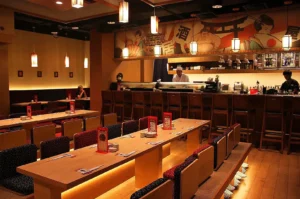
January 28, 2026 | Dio Asahi Last updated: October 12, 2026 As you step behind the humble noren curtain, you’re greeted by glowing lanterns, sizzling charcoal-grilled skewers, and warm welcomes. This is izakaya, Japan’s casual pub, a vibrant part of Singapore’s dining scene. More than just yakitori and sake, izakayas offer a lively setting for social…
-
Yuja Tea: Korea’s Traditional Citron Tea
Dio Asahi | January 27, 2026
The golden, aromatic steam rising from a cup of yuja tea carries centuries of Korean tradition and wellness wisdom. This caffeine-free citrus beverage has warmed Korean hearts through countless winters, offering both comfort and powerful health benefits in every sip. Made from the Korean citron known as yuja fruit, this simple Korean tea represents one…
-
The Global Phenomenon of Korean Instant Noodle: A Cultural and Culinary Journey
Eda Wong | January 24, 2026
In the high-octane streets of South Korea, where the “pali-pali” (hurry-hurry) culture defines the pace of life, one dish stands as the ultimate equalizer of speed and satisfaction: Korean ramyeon. While the world often uses the terms ramen and ramyeon interchangeably, the Korean version is a distinct entity. It is not merely a quick snack…
-
Traditional Ramyeon: The Soulful Heart of Korean Noodle Culture
Eat Drink Asia Team | January 20, 2026
In the bustling culinary landscape of South Korea, few comfort foods can match the satisfaction of a steaming bowl of ramyeon. While outside of Korea, “ramyeon” often brings to mind Korean instant noodles or instant ramen, true ramyeon Korean style refers to the artful, freshly prepared noodle soup enjoyed in homes and at local restaurants…
-
The Heart of the Korean Noodles: History and Texture
Eda Wong | January 17, 2026
In Korea, a bowl of noodles is far more than a simple dish; it is a cultural anchor that has weathered centuries of change. For generations, the length of the strand has symbolized a long and prosperous life, making Korean noodles a staple at birthdays, weddings, and the milestone 60th birthday celebration known as hwangap….