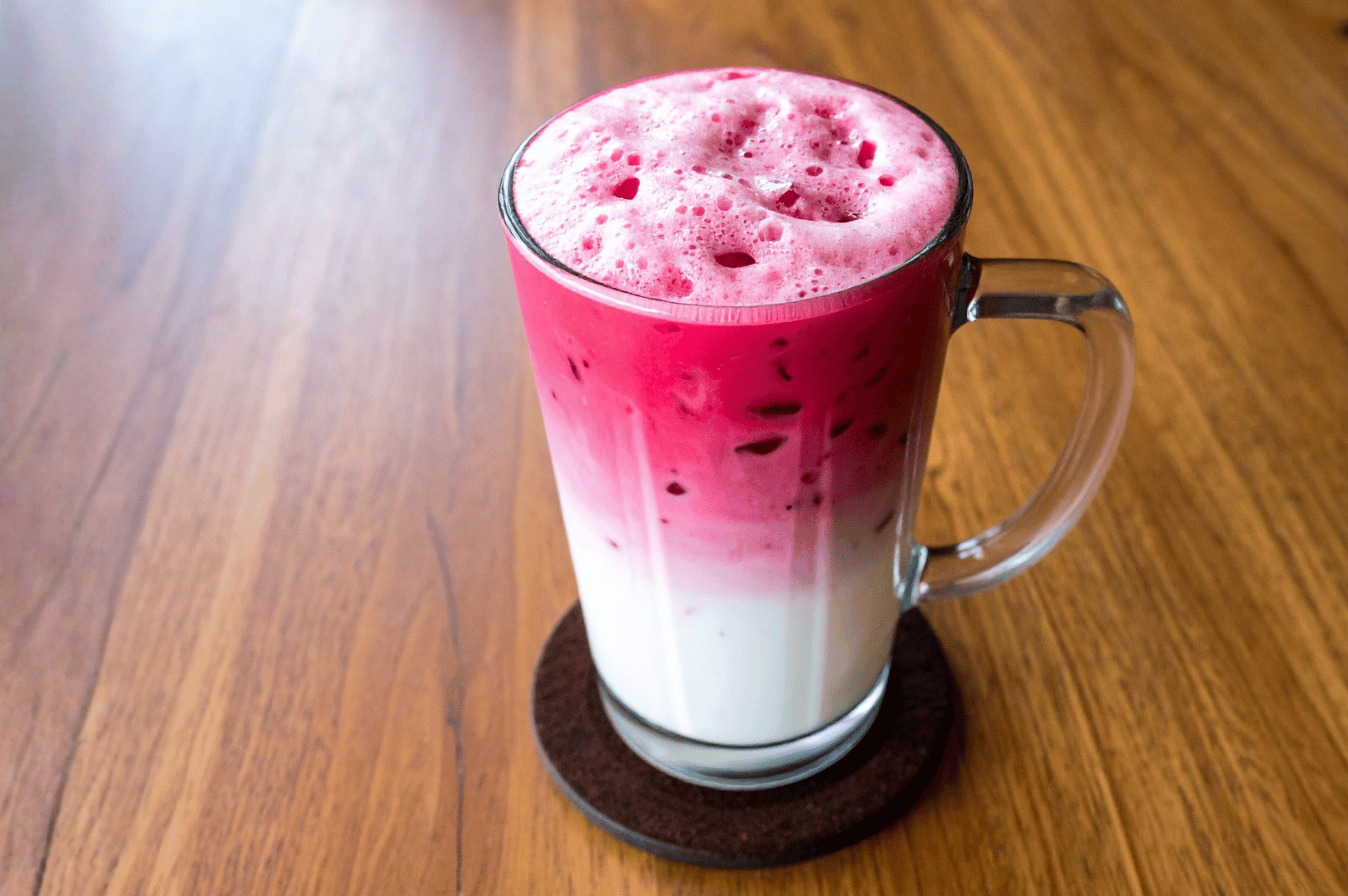
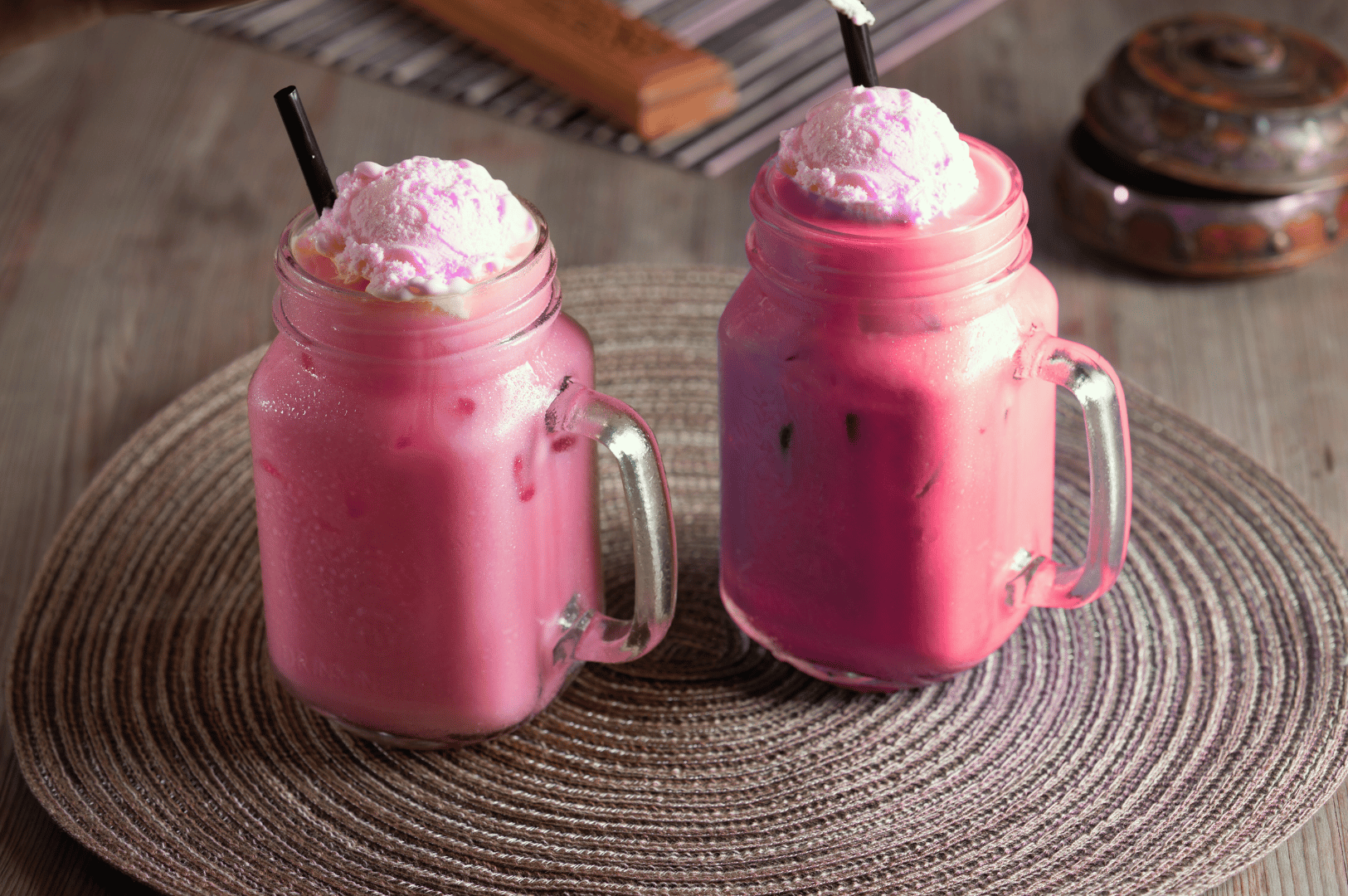
Step into any night market or hawker centre in Singapore, and you’ll spot a vibrant, glowing glass filled with a cold, beautiful drink—Bandung. Known for its iconic blush-pink hue and refreshing taste, this rose syrup drink is an integral part of Singapore’s beverages scene and a cherished tradition in Southeast Asian gatherings.
More than just a delicious drink, the Bandung drink has become a cultural staple. This article explores the fascinating origins, cultural value, nutrition, and all the ways you can enjoy Bandung—from a traditional sirap bandung recipe to modern, health-conscious twists. Plus, you’ll get an easy recipe card to review and try at home!
The Origins of Bandung: More Than a Pink Milk Drink
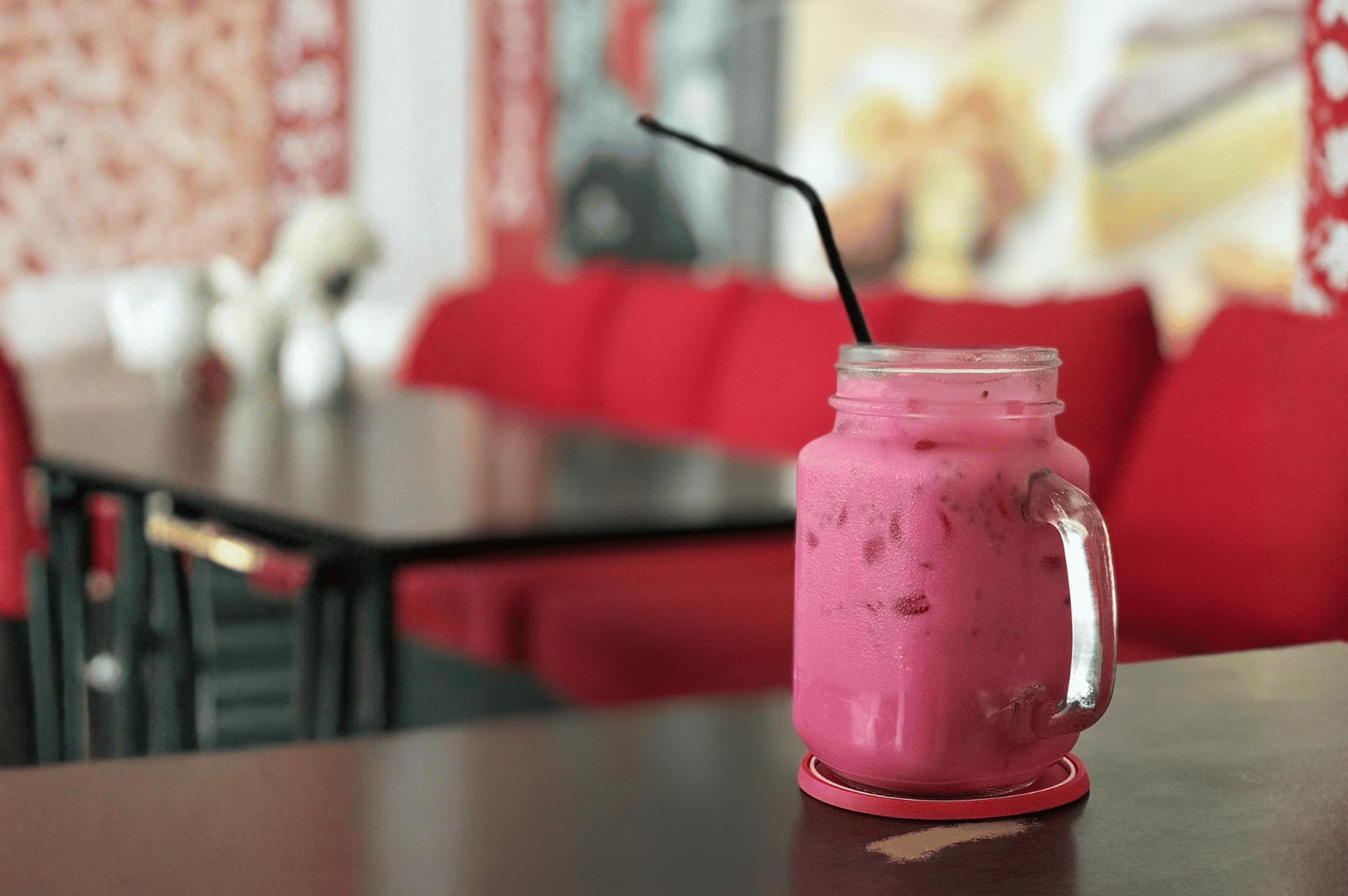
Bandung, often called sirap bandung in Malaysia, means "mixture" or "pairs" in the Malay language—not to be confused with the Indonesian city of Bandung. The classic drink pairs rose syrup and milk, sometimes with the addition of rose essence or even a splash of rose water for extra fragrance.
The rose milk recipe dates back to colonial Southeast Asia, when imported condensed milk and evaporated milk became kitchen staples. The use of rose syrup (not to be mistaken for simple syrup or rose water) likely stems from Persian and Indian culinary influences, where rose-flavoured desserts and beverages are beloved.
What emerged was a sweet, creamy, and floral-tasting refreshment with universal appeal—perfect for hot weather and special events. Mixing chilled milk (often shelf-stable, thanks to evaporation or condensation processes) with rose milk syrup and ice cubes, the original Bandung was an affordable luxury on a hot summer day.
Bandung in Singapore: A Drink for Every Occasion
Ramadan and Festive Gatherings
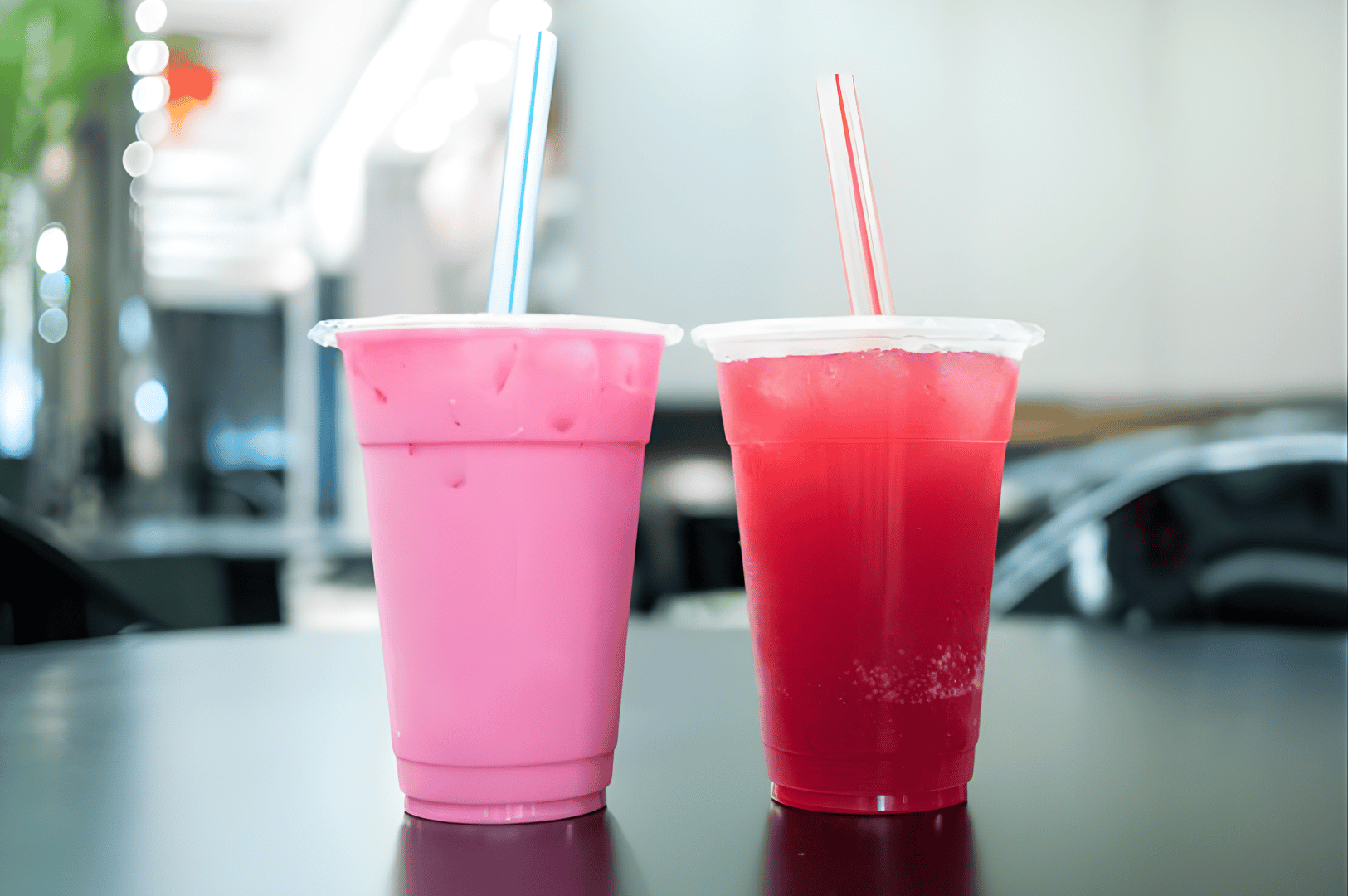
Bandung shines during the fasting month of Ramadan. After hours without food, breaking the fast with a cool glass of iced Bandung is a cherished tradition. The sweet, vibrant rose syrup helps restore energy, while cold milk is soothing and hydrating.
Bandung is also a staple at Malay weddings, birthdays, and kenduri (feasts). The rosy color looks inviting on a festive spread, and its gentle taste appeals to children and adults alike. Night markets across Singapore and Malaysia serve Bandung alongside dishes like nasi lemak and satay—truly cementing it as a must-try in Southeast Asian food culture.
Day-to-Day Refreshment
The pink milk drink isn’t limited to special events. Office workers sip it with lunch at kopitiams, schoolkids cool off with a bottle after the bell, and locals and travelers often sample it at bustling hawker stalls. Bandung has become as much a part of daily Singaporean life as teh tarik or black tea.
The Essential Ingredients: What Makes Bandung So Unique?
Every Bandung drink starts with just a few required recipe ratings for success: good rose syrup (or authentic bandung rose syrup), milk, and ice. Let’s break down the all-important ingredients and why many variations have emerged.
Rose Syrup or Rose Milk Syrup
Rose syrup gives Bandung its iconic flavor and color. The syrup is thick, sweet, and made from a blend of sugar, rose essence or dried roses, and red or pink food coloring. High-quality rose milk syrup infuses drinks with a subtle floral note and just enough sweetness. For a richer floral note, some recipes add rose water or rose flavour essence.
Look for syrups labeled specifically for sirap bandung or rose milk. These have the best balance of flavor, aroma, and color for achieving that authentic taste. You’ll find syrup bottles at Asian supermarkets, often alongside bubble tea syrups and grass jelly toppings.
The Milk Mix: Evaporated, Condensed, and More
A classic Bandung drink recipe uses evaporated milk, which delivers creaminess without being too heavy on saturated fat. Many recipes call for a mix of evaporated milk and sweetened condensed milk, which brings richness and additional sweetness.
Modern variations substitute fresh milk, oat milk, almond milk, or soy milk for a “healthy drink” version, catering to vegan and lactose-intolerant drinkers. Chilled milk—whether dairy or plant-based—works well. Some even mix black tea or create a rose milk tea for a nod to the bubble tea trend.
Ice Cubes: The Finishing Touch
Don't forget the ice cubes! On a hot day, nothing beats the sensation of sipping a cold bandung. As the ice melts, the drink remains refreshing, becoming lighter over time. Always add ice cubes to the serving glass last to ensure your Bandung stays cold and inviting.
The Traditional Sirap Bandung Recipe
Here’s a classic and easy recipe for making Bandung at home. Not only is it a nostalgic nod to Singaporean prep time traditions, but it’s also customizable for your favorite serving glasses and milk options.
Nutrition and Serving Information
- Serve: 1 tall glass (about 350ml)
- Prep Time: 2 minutes
- Nutrition Serving: Approx. 140-170 calories (depends on milk/sweetener)
- Saturated Fat: Lower with low-fat or plant-based milk
Ingredients
- 3 tablespoons rose syrup or bandung rose syrup
- ½ cup evaporated milk
- 2 tablespoons condensed milk (optional, for extra sweetness)
- ½ cup chilled water or milk, or a plant-based alternative (oat milk, soy milk, or almond milk)
- Ice cubes (fill glass; more for hot weather)
- (Optional) 1 teaspoon rose water or a squeeze of lime juice for extra zing
Instructions
- Prepare your glass: Fill a tall glass to the rim with fresh ice cubes.
- Add syrup: Pour the rose syrup, along with condensed milk if using, over the ice.
- Mix in the milk: Add evaporated milk, then top up with your choice of water, additional milk, or nut-based milk for a healthy drink.
- Combine and stir: Stir vigorously until all the ingredients are thoroughly mixed, and you see a uniform rosy color.
- Taste: Adjust sweetness by adding more syrup or condensed milk to your liking.
- Garnish (optional): Decorate with dried roses, a hint of rose essence, or grass jelly (for Bandung Cincau). Serve immediately.
Tip: Serve in a transparent glass for the most beautiful drink presentation!
Modern Twists: Many Ways to Enjoy Bandung
No review recipe of Bandung is complete without mentioning modern spins, now widely available across Singapore and Malaysia:
- Bandung Cincau (Grass Jelly Bandung): Add grass jelly cubes for a jelly-like texture and extra refreshment—especially popular in night markets.
- Bandung Soda or Bandung Fizz: Top up with sparkling water for a fizzy, light syrup drink with less saturated fat.
- Rose Milk Tea: Marry black tea or strong brewed tea with rose milk syrup and milk, then serve over ice for a bubble tea vibe.
- Plant-Based Bandung: Use oat milk, almond milk, or soy milk for a dairy-free healthy drink.
- Gourmet Versions: Some cafes infuse Bandung with dried roses, rose water, or a splash of lime juice to balance the sweetness.
Where to Try Bandung in Singapore: A Refreshing Drink for Every Foodie
Hawker Centres and Kopitiams
The best place to sample authentic Bandung in Singapore is your local hawker centre. Just say “Bandung, kurang manis” if you prefer less sugar, or “Bandung Cincau” for the grass jelly version. You’ll find it beside other traditional beverages, such as rose lassi, iced bandung, or rose milk tea.
Malay and Indian Muslim Restaurants
Many eateries serve air bandung in tall glasses, sometimes with a creative twist. The recipe may include real rose water or be paired with delicious Malaysian food.
Modern Cafes and Bubble Tea Shops
Thanks to the rise of global bubble tea culture, many cafes now offer Bandung-inspired rose milk teas, some with pearls or jellies. These drinks blend black tea, milk, and rose syrup for a satisfying fusion of East and West.
The Cultural Importance of Bandung
The appeal of Bandung goes far beyond taste. It represents Singapore’s multicultural landscape—enjoyed by all races and ages, at major events and everyday meals alike.
During the fasting month, families pour tall glasses of Bandung after sunset prayer. At weddings, it’s poured into serving glasses alongside syrup drinks and tea. On a hot summer day, Bandung is the “it” drink for visitors and locals cooling off after a stroll.
Even the act of making Bandung is ritualistic: preparing all the ingredients, mixing, and pouring into a tall glass creates a sense of community, whether at home, in restaurants, or at the night market.
Health and Tips: Making Bandung Your Way
- Want a healthier version? Choose oat milk or almond milk for less saturated fat.
- Prefer it less sweet? Go easy on the condensed milk or select a low-sugar rose syrup.
- Like a tangy note? Squeeze a bit of lime juice for a refreshing zest.
- Enjoy texture? Add grass jelly or basil seeds.
Shelf Life: It’s best to prepare Bandung fresh. However, syrup drinks and rose milk syrup keep well in the fridge for up to a week if tightly covered in a bottle. Just stir before serving or when ice melts.
Simple Recipe Card for Bandung (Air Bandung/Sirap Bandung)
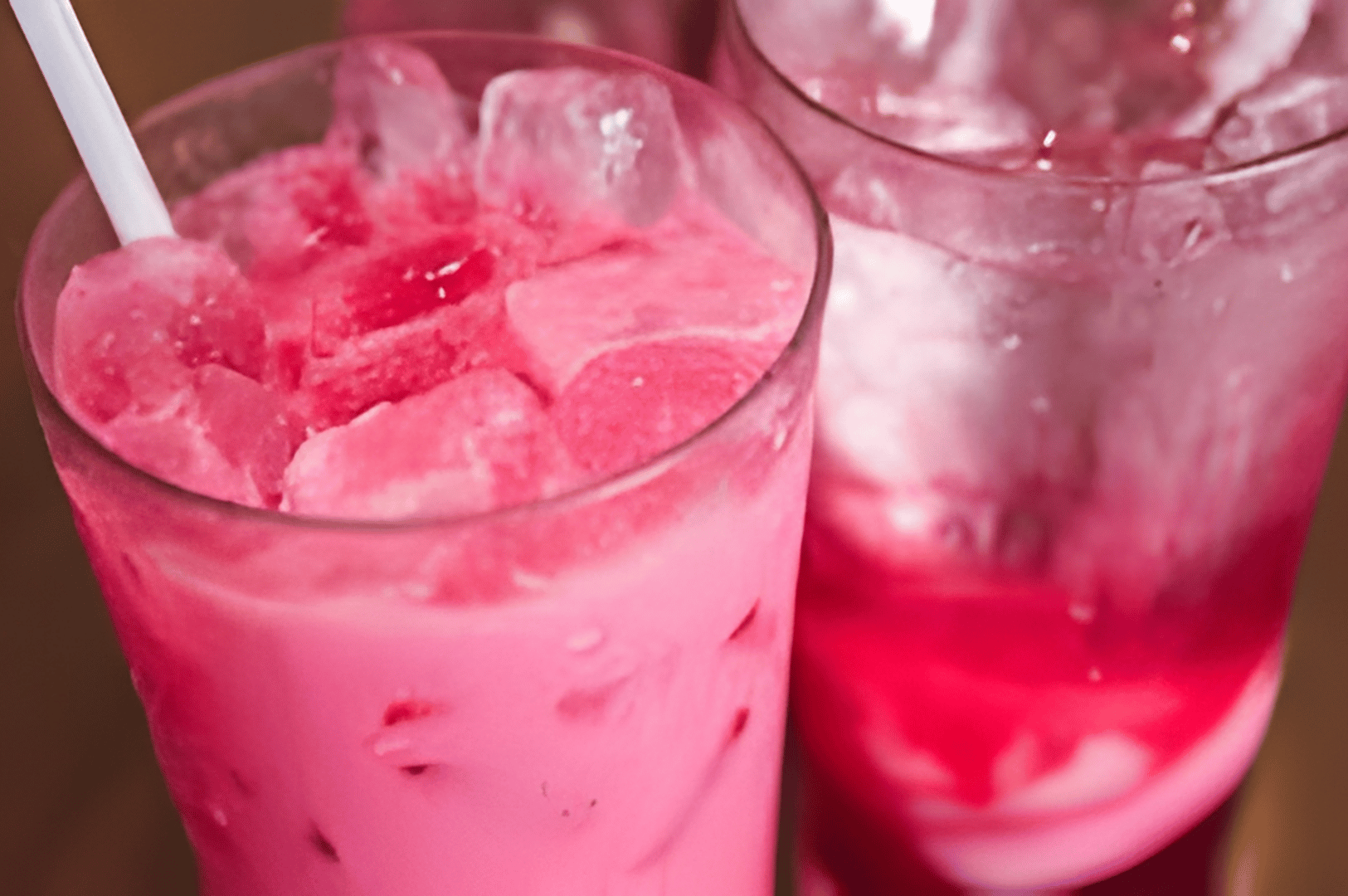
Prep Time: 2 min | Nutrition Serving: approx. 150 calories
Servings: 1 tall glass
Ingredients
- 3 tbsp rose syrup/rose milk syrup
- ½ cup chilled evaporated milk or substitute (oat milk, almond milk)
- 2 tbsp sweetened condensed milk (optional)
- Ice cubes (enough to fill the glass)
- ½ cup cold water or milk
- (Optional) grass jelly, rose essence, lime juice
Instructions
- Add ice cubes to serving glass.
- Pour in rose syrup, adding condensed milk for extra cream.
- Add chosen milk and water. Stir until well mixed and rosy.
- Top with grass jelly or garnish as desired.
- Enjoy immediately for a super chilled, delicious drink!
A Toast to Bandung: Singapore’s Iconic Rose Milk Drink
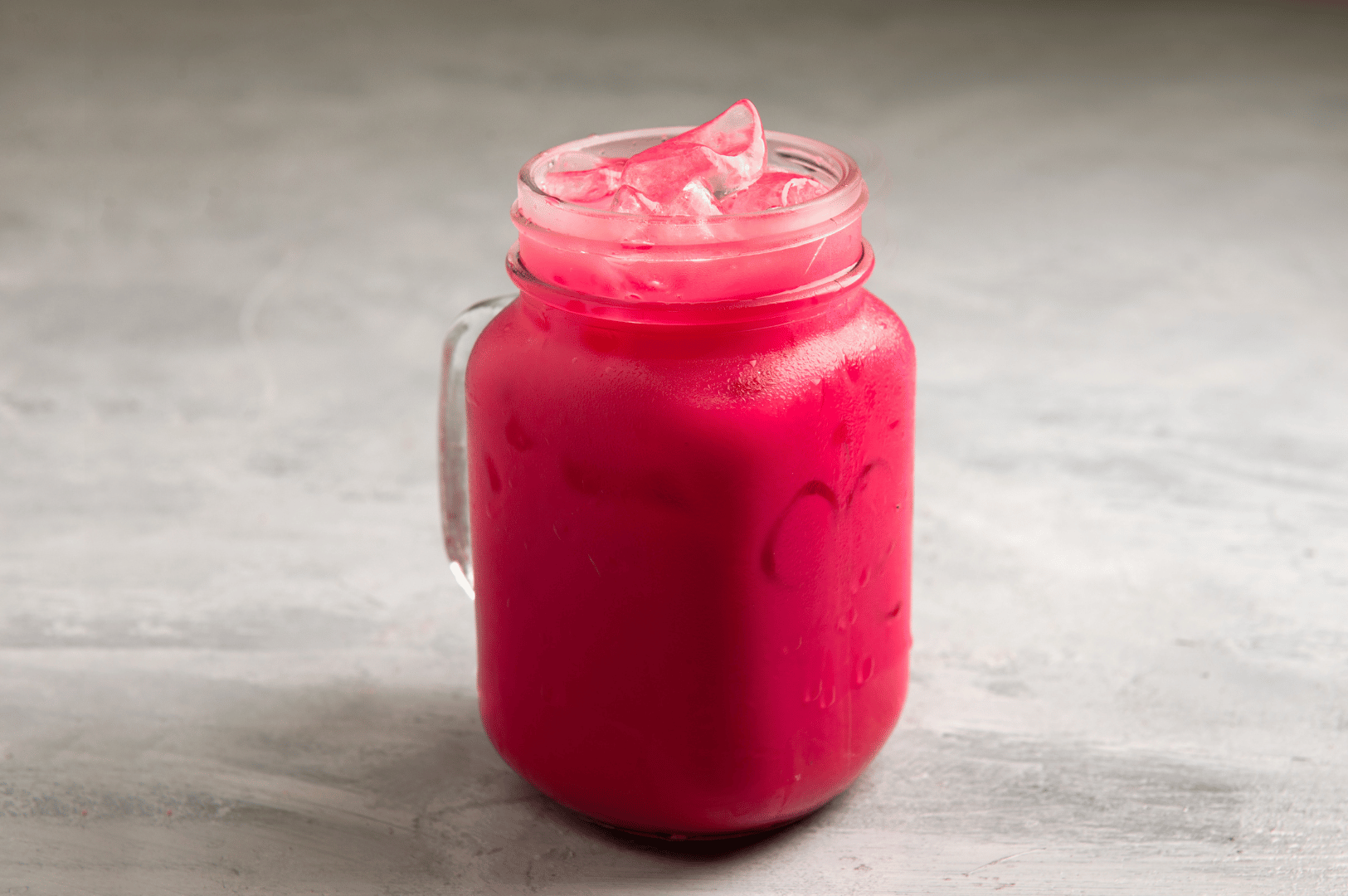
From its humble beginnings as a refreshing hot weather treat to its esteemed role in modern Singapore food culture, Bandung encapsulates the multicultural, creative, and ever-evolving nature of the region’s beverages. Its blend of milk, rose syrup, ice cubes, and creativity has become synonymous with celebration, hospitality, and family.
So, the next time you’re at a hawker centre or looking to try something new at home, whip up this easy recipe. Pour it into a tall glass, add ice, and savor the uniquely floral, sweet, and cooling rose syrup drink. Travel to Singapore through its flavors, and comment something if you’ve tried this recipe or found your own delicious twist. Cheers to Bandung—the beautiful, iconic rose milk drink loved by all!
And if you’re feeling adventurous, why not continue your flavor journey with Butterfly Tea: Thailand's Magical Color-Changing Drink? It's another visually stunning, floral delight that’ll transport your taste buds to another corner of Southeast Asia. Perfect for those who love a bit of magic in their beverages!
Explore more captivating culinary stories and regional delights at Eat Drink Asia — your ultimate guide to Asia’s most vibrant flavors, drinks, and dining experiences.

STR TAO Taiwan Cuisine and the Comfort of a Menu That’s Too Big to Be Lazy: Food Places Nearby
Eat Drink Asia Team | July 25, 2026
It was the kind of evening where you don’t want to think too hard about dinner. I’d been walking up East Coast Road, the air still thick from an afternoon shower, when I ducked into a coffeeshop just to sit down. The Bullion Hawker Bar. And tucked among the usual suspects — wanton mee, Hokkien…
-
Sesame Oil at the End: Finishing, Not Flavoring
Eda Wong | July 24, 2026
The wok is already off the heat. The greens sit glossy and dark, steam still curling off them. My mother lifts a small bottle, tilts it, and lets a thin line of sesame oil fall across the top. It hisses faintly against the warm leaves, and the smell rises all at once — toasted, nutty,…
-
Long Phung Vietnamese Cuisine, Where the Menu Doesn’t Waste Words: A Good Restaurant Close to Me
Eda Wong | July 23, 2026
I came in from the rain on a Tuesday, somewhere past 8pm, hungry and a little defeated by the day. The fan was clacking. A queue of three or four people stood near the doorway, dripping. Someone shouted an order toward the kitchen in Vietnamese, and a bowl of pho slid onto a nearby table…
-
The First Squeeze of Calamansi in a Noodle Stall Bowl
Dio Asahi | July 22, 2026
The bowl lands in front of me, broth still trembling from the walk across the stall. Steam rises and fogs the edge of my glasses. To the side sits a small dish of calamansi halves, cut and waiting, their skins slick under the fluorescent light. I pick one up. It gives slightly between my fingers,…
-
Isshin Machi East Coast: Where Comfort Food Turns Addictive
Dio Asahi | July 21, 2026
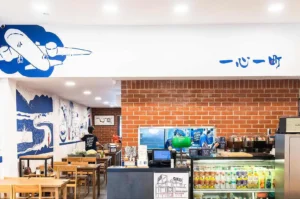
Let me clear up the first puzzle right away. The name “Isshin Machi” sounds unmistakably Japanese, and I’ll admit I walked in half-expecting ramen and gyoza. What I found instead was a Taiwanese kitchen, plates of lu rou fan, braised beef noodles, and golden fried chicken that trace straight back to the island’s home cooking….

Best Cafe Singapore: A Map of Brunch Plates, Quiet Corners, and Dangerous Pastries
Dio Asahi | July 18, 2026
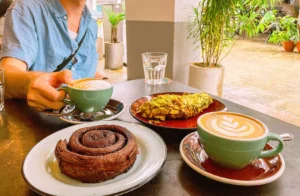
I didn’t set out to make a list. I made a habit. Over the years, cafes became the places I went to think, to wait out the rain, to sit with a coffee I didn’t have to rush. Some I returned to for the food. Others, I returned to for the feeling — the way…
-
Pickled Mustard Greens: The Sour Note in Clear Broth
Eda Wong | July 17, 2026
Steam lifts from a bowl of clear pork broth, and a spoonful of chopped pickled greens slides in. The broth shifts at once, its richness suddenly cut by a sharp, clean sourness that sits high and bright on the tongue. The greens have softened in the heat but keep a faint, springy crunch. Someone leans…
-
The Potato Curry That Teaches You How Spices Wake Up: A Beginner’s Indian Cooking Lesson
Eda Wong | July 16, 2026
The first time I made aloo curry on my own, I burned the cumin. I remember standing in my tiny HDB kitchen, watching those little seeds go from golden to black in what felt like one breath, and thinking: this is harder than it looks. But here’s what that bitter, smoky disaster taught me, the…
-
Bamboo Skewers and Smoke: Street Grills in Chiang Mai
Dio Asahi | July 15, 2026
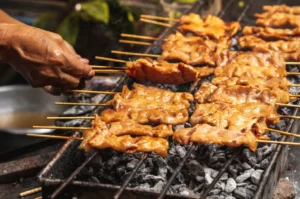
The cart glows at the edge of the lane just as the heat of the day finally loosens. A woman fans the coals with a flattened piece of cardboard, and the embers brighten orange under a row of skewers. Fat slides off the pork, hits the charcoal, and hisses upward in a thin curl of…
-
Chana Masala With Warm Roti, Built for Weeknights: Quick Vegetarian Dinner Recipes Indian
Dio Asahi | July 14, 2026
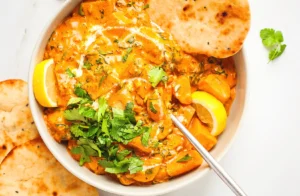
The first time I made chana masala, I started with dried chickpeas at 7:30 on a weeknight, soaking and boiling like the recipe said. By the time the curry was actually done, it was nearly ten and I’d already eaten half a loaf of bread out of sheer hunger. That night taught me something I…