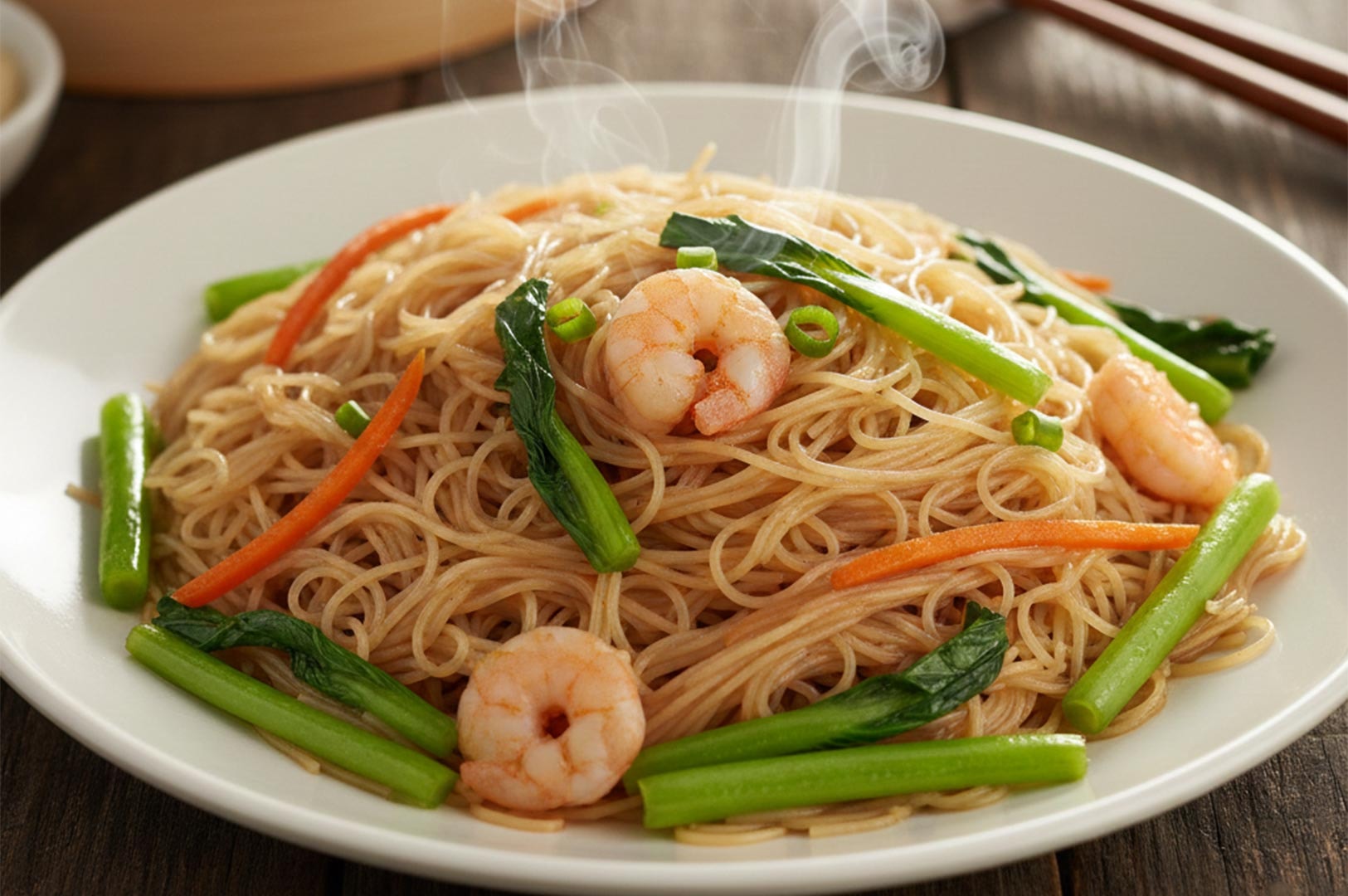
Across the bustling kitchens of Southeast Asia, one humble ingredient has woven itself into the fabric of countless beloved dishes. Bee hoon, the delicate rice vermicelli that transforms from brittle strands into silky noodles, represents centuries of culinary tradition and innovation. Whether you’ve savored Singapore noodles in a hawker center or encountered fried bee hoon at family gatherings, this versatile ingredient continues to captivate food enthusiasts worldwide.
This comprehensive guide will take you through everything you need to know about bee hoon—from its ancient origins to modern cooking techniques. You’ll discover the cultural significance that makes these thin rice noodles more than just a meal, learn the essential differences between fresh and dried varieties, and master authentic regional recipes that will transport your kitchen to the heart of Asian cuisine.
Beyond the Grain: The Translucent Beauty of Rice Noodles
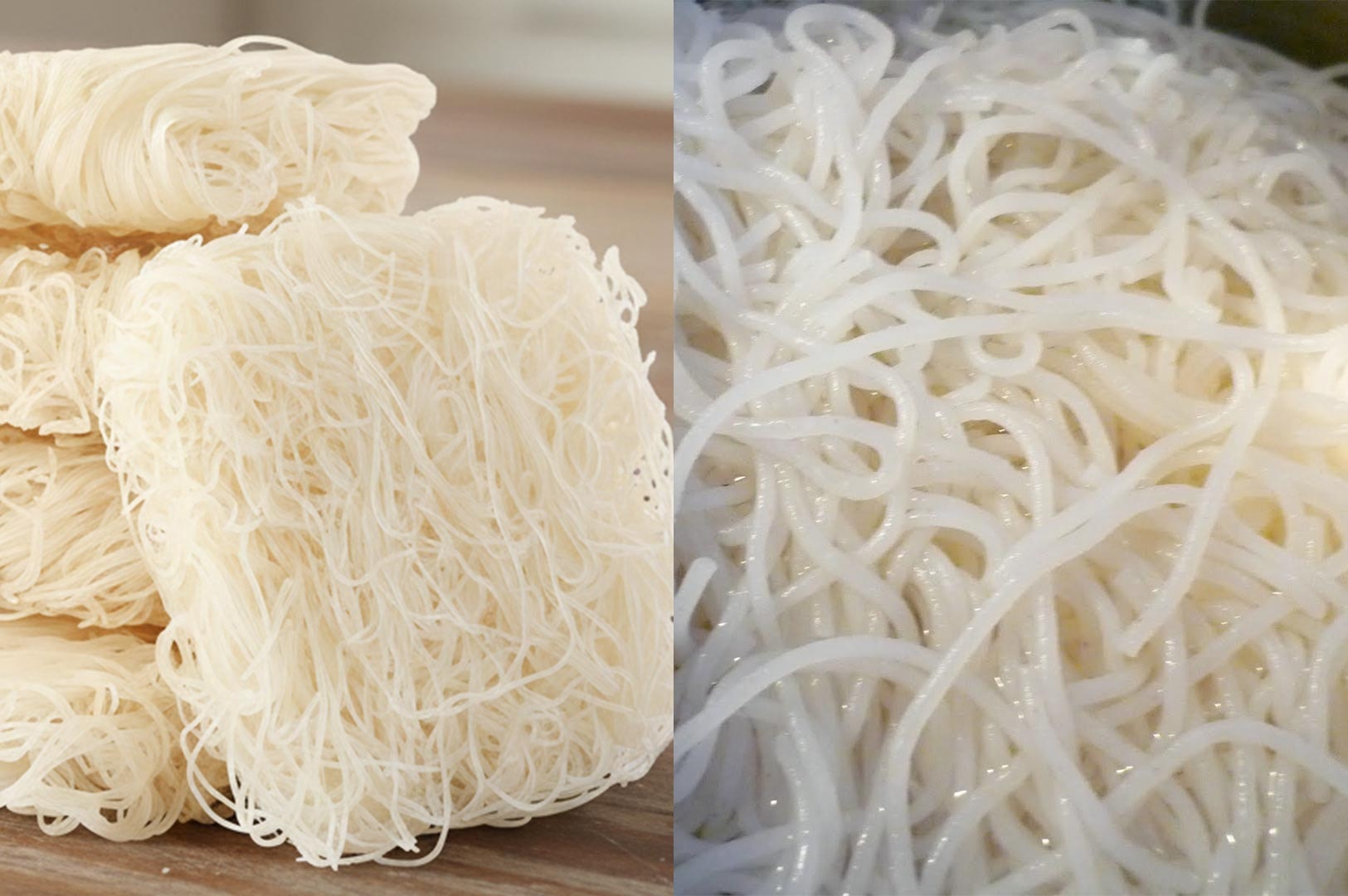
Bee hoon is a thin rice vermicelli noodle made from rice flour and water, widely loved across Asia. Known by various names—mi fen in Chinese, bihun in Indonesian and Malaysian cuisines, and bánh hỏi in Vietnamese cooking—it connects diverse culinary traditions.
Its defining feature is its ultra-thin, delicate strands, thinner than angel hair pasta. When dried, bee hoon appears as translucent white noodles that absorb flavors exceptionally well from sauces, broths, and seasonings. Commonly used in fried vermicelli dishes like fried bee hoon, these rice noodles are prized for their light texture and flavor absorption.
Bee hoon’s appeal lies in its transformation during cooking: though tasteless alone, it soaks up rich flavors from soy sauce, oyster sauce, and chicken broth while maintaining a distinctive texture. This makes bee hoon dishes especially delicious, as the noodles become infused with savory, appetizing flavors. Popular in Southeast Asian, Southern Chinese, and Vietnamese cuisines, bee hoon adapts to many cooking styles and remains a staple in pantries worldwide.
Origins and Cultural Significance of Bee Hoon
The historical origins of bee hoon trace back to Southern China during the Song Dynasty (960-1279 AD), where advanced noodle-making techniques produced these thin rice vermicelli noodles. This innovation allowed for drying and long-term storage.
Bee hoon spread throughout Southeast Asia via Chinese migration and trade from the 15th to 19th centuries. Chinese communities adapted recipes to local tastes, resulting in diverse regional variations.
Types of Bee Hoon: Fresh vs Dried
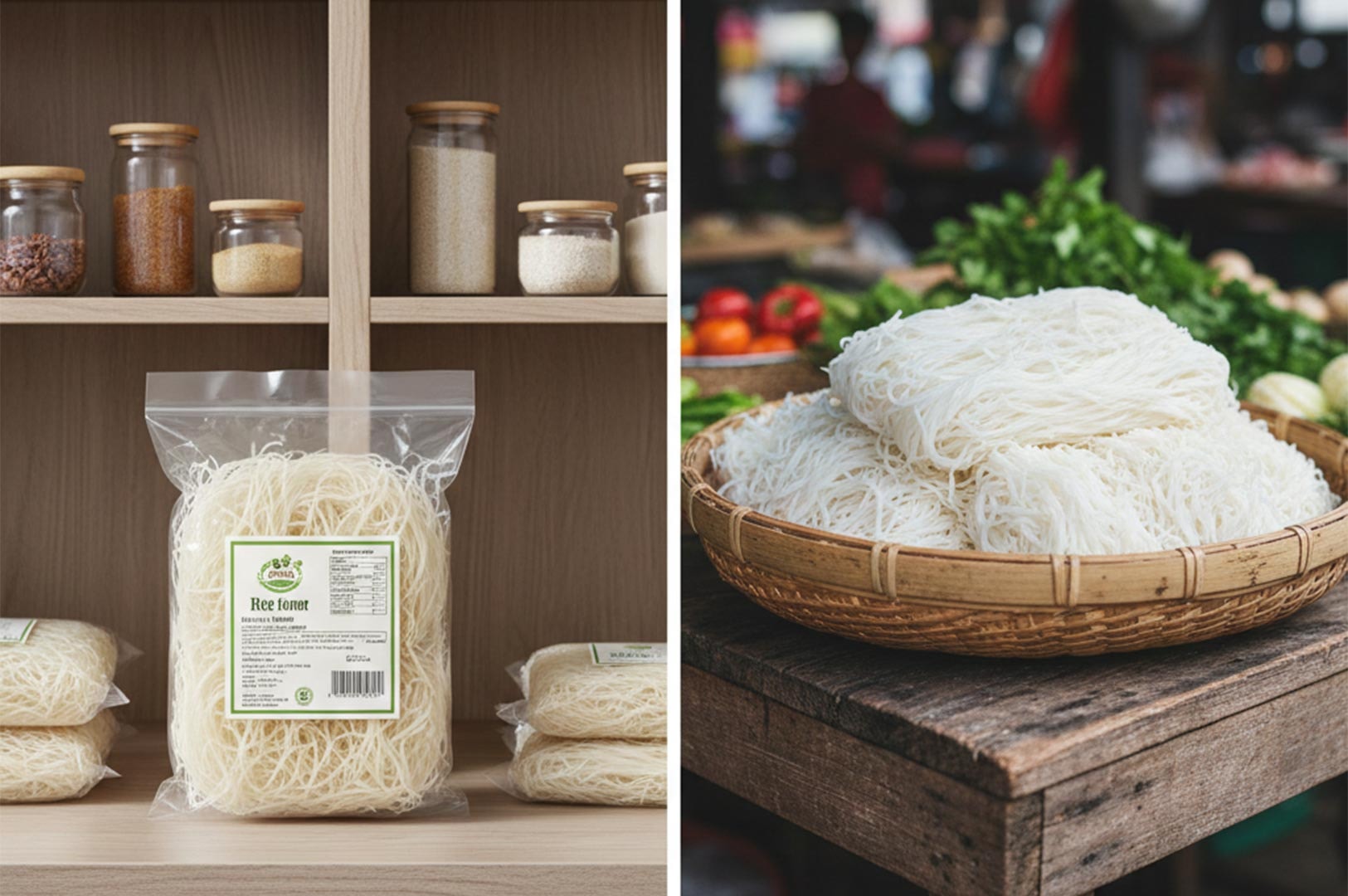
Understanding the fundamental differences between fresh and dried bee hoon will dramatically improve your cooking results and help you choose the right type for specific dishes. Each variety offers distinct advantages and requires different handling techniques to achieve optimal texture and flavor.
When preparing dried bee hoon, it is common to soak the noodles in hot or room temperature water before cooking. Typically, a bowl is used for soaking the noodles, making it easy to ensure they are fully submerged and evenly softened.
Dried Bee Hoon
Dried bee hoon is the most common type found in Asian grocery stores, prized for its convenience and long shelf life of 2-3 years when stored in an airtight container in cool, dry conditions.
Preparation involves soaking the noodles in hot or room temperature water for 5-30 minutes, depending on thickness, to rehydrate without breaking. Avoid boiling water, which can make them too soft.
Thickness varies by use: ultra-thin for salads and delicate stir fries, medium for dishes with vegetables and proteins, and thicker types for soups and braises.
Fresh Bee Hoon
Fresh bee hoon is the highest quality rice vermicelli, made daily in Asian markets and specialty shops. These noodles have a soft texture and absorb flavors delicately, ideal for dishes where subtlety matters.
Unlike dried bee hoon, fresh noodles require no soaking and can be added directly to stir fries, soups, or other recipes, saving preparation time. However, they must be used within 1-2 days to maintain texture and freshness, making them pricier and less practical for occasional use.
Handle fresh bee hoon gently to avoid breaking, adding them near the end of cooking. Typically, they cook quickly—about 2-3 minutes over high heat—until heated through and flavorful.
How Bee Hoon Differs from Other Asian Noodles
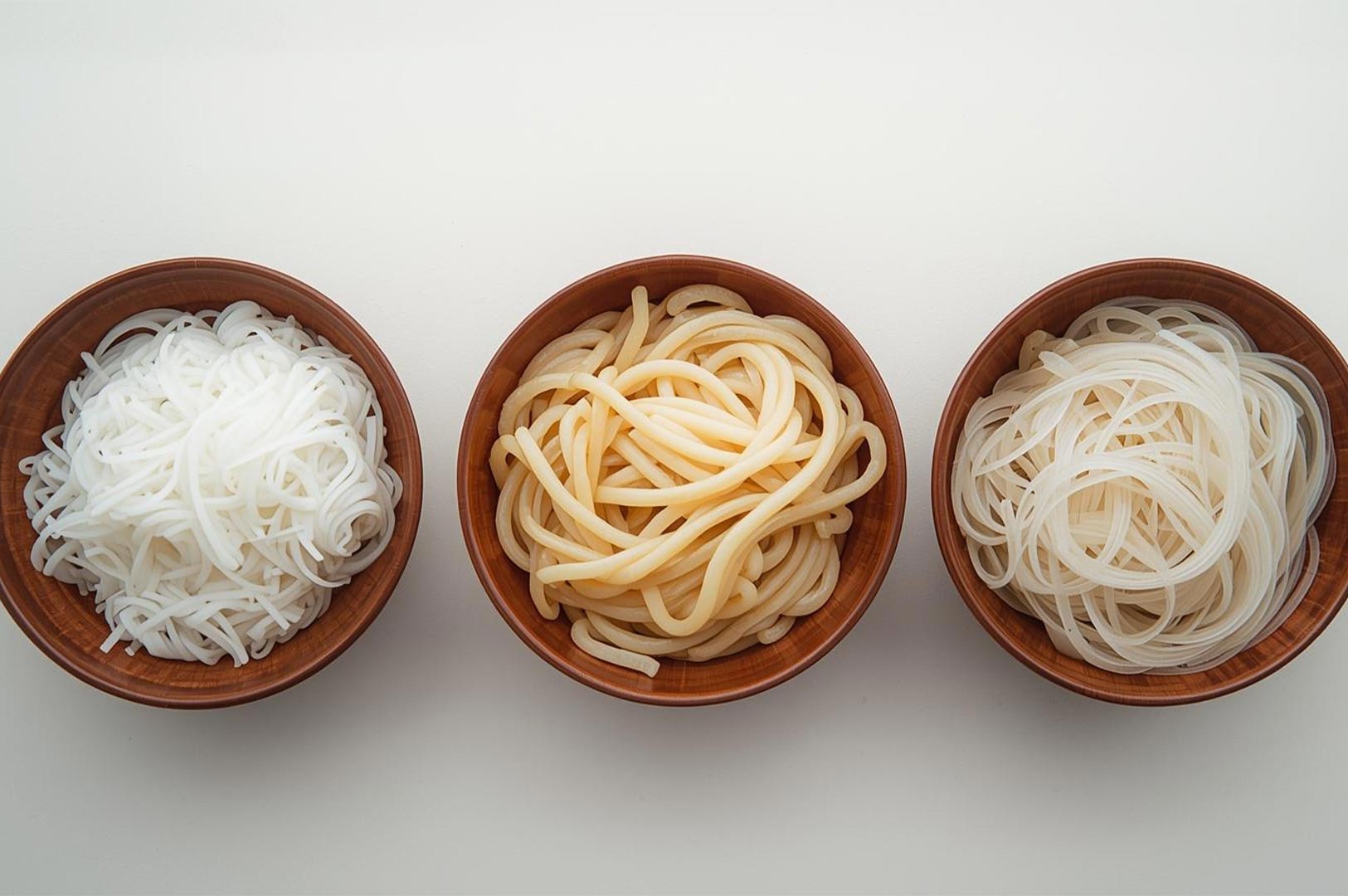
Understanding how bee hoon compares to other Asian noodles helps home cooks make informed ingredient and cooking choices. Bee hoon is a type of rice vermicelli, distinct from flat rice noodles like ho fun, which have a chewier texture. Its ultra-thin, delicate strands absorb flavors well, unlike wheat noodles such as ramen or udon that offer more chew but less subtle flavor absorption.
Bee hoon is gluten-free, making it suitable for those with wheat sensitivities, and creates lighter, refreshing dishes. It is often confused with cellophane noodles (bean thread noodles), which are made from mung bean starch and become clear and slippery when cooked, unlike bee hoon’s opaque white, tender texture.
Cooking bee hoon requires gentle handling to avoid mushiness, as it absorbs liquids rapidly. Aromatics like onions and garlic should be prepared before adding noodles. Simple seasoning with soy sauce, sesame oil, and white pepper enhances its delicate flavor. Nutritionally, bee hoon offers easily digestible carbohydrates, making it ideal for light meals or those needing gentler foods. Reviewing the nutrition facts of bee hoon and other noodles can help you make informed dietary choices based on calorie content and macronutrient breakdown.
Mastering the Wok: The Science of Perfect Fried Vermicelli
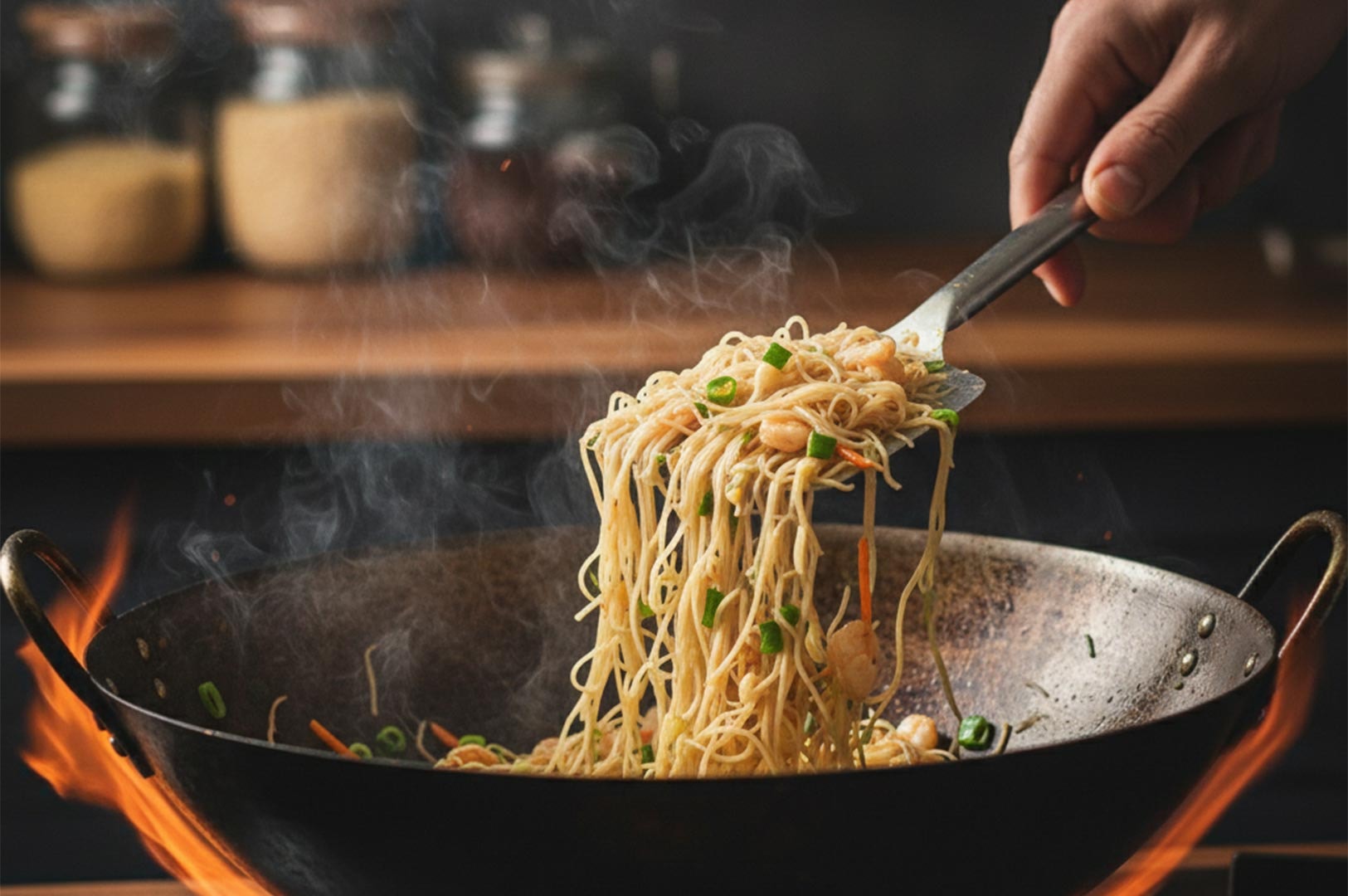
Mastering bee hoon cooking requires specific techniques to preserve the noodle’s delicate texture while maximizing flavor.
Proper soaking is key: use hot water (not boiling) and soak thin rice noodles for 5-10 minutes until pliable but firm. Avoid over-soaking to prevent mushiness. Drain thoroughly to avoid excess water diluting flavors and causing oil splatter.
Enhance flavor by simmering noodles briefly in chicken stock or vegetable broth instead of plain water, especially for dishes like Singapore noodles. For stir-frying, heat cooking oil in a wok or large pan over medium heat, then increase to high until it smokes slightly to achieve wok hei, which prevents sogginess and helps sauté aromatics.
Add sauces such as soy sauce, dark soy sauce, and oyster sauce gradually to control flavor and texture. Use a small bowl to prepare and mix sauces or seasonings before adding them to the pan for even blending. Cook in smaller batches (200-300 grams) for even heat distribution and consistent texture.
A Global Palate: Crafting Fried Bee Hoon and Regional Favorites
Regional bee hoon preparations showcase the remarkable adaptability of rice vermicelli while highlighting unique cultural approaches to flavor, texture, and presentation. Each tradition brings distinct techniques and ingredients that transform simple noodles into memorable dishes reflecting local tastes and available ingredients. Below, you’ll find each authentic recipe with step-by-step instructions to help you recreate these dishes at home. For the best flavor and texture, serve immediately after cooking.
The Pale Perfection of Singapore’s Fried White Bee Hoon
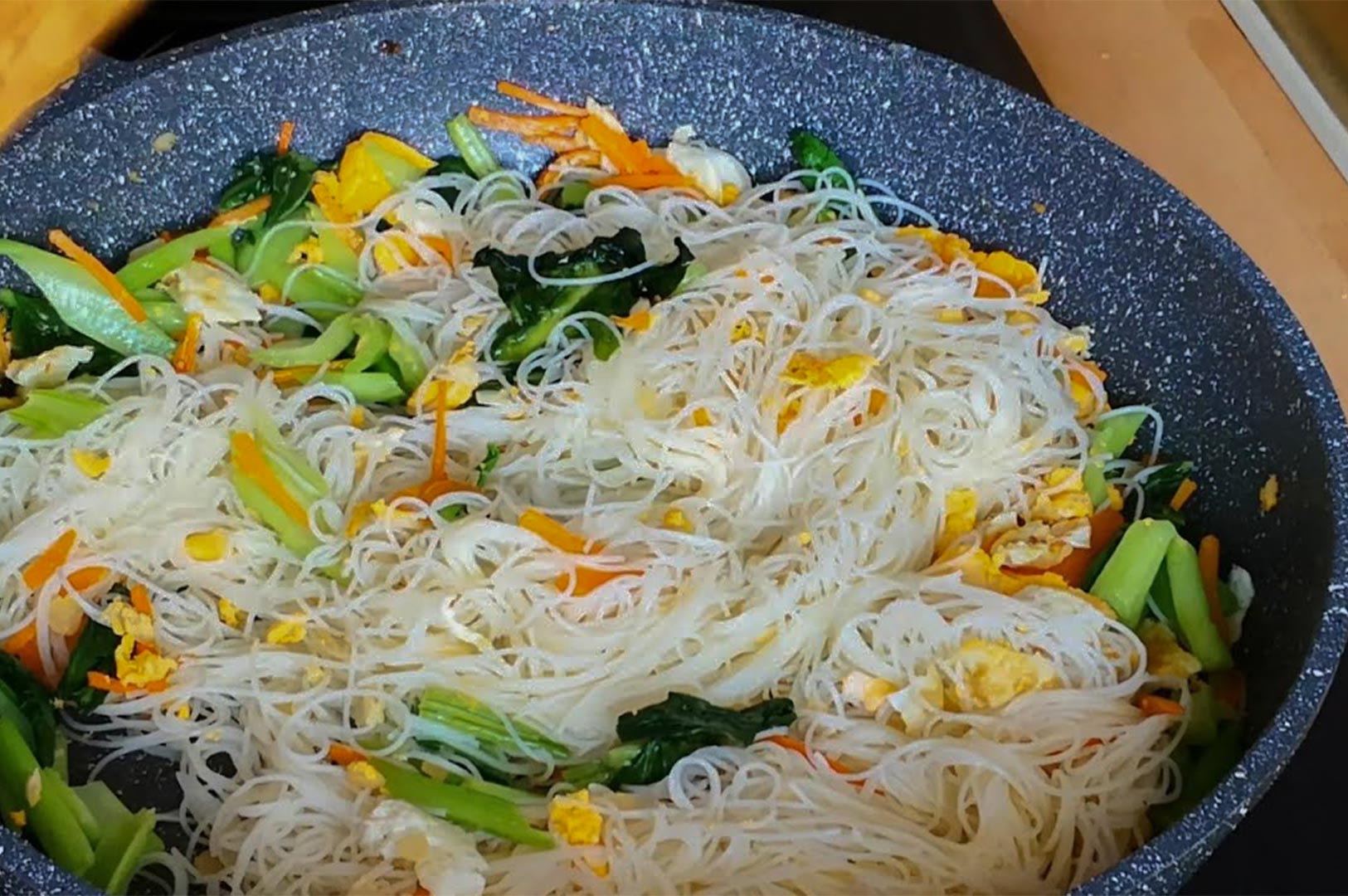
Singaporean white bee hoon exemplifies subtle elegance in rice vermicelli dishes. Despite its pale look, it delivers deep flavor through quality ingredients and precise cooking.
- Start with premium chicken stock instead of water for rich base flavor. Season with light soy sauce, white pepper, and a touch of fish sauce for depth.
- Prepare proteins: deveined fresh prawns, thinly sliced chicken breast, and fish cake slices. Marinate the prawns briefly, then add shrimp to the wok and cook until just pink and tender; remove and set aside.
- Stir-fry chicken and fish cake slices until nearly cooked; remove and set aside.
- Add vegetables in stages according to cooking time: julienned carrots first, followed by shredded cabbage and choy sum, and bean sprouts last. You can also include other ingredients such as aromatics or additional vegetables for more flavor.
- Gradually add noodles (soaked bee hoon noodles) with seasoned chicken stock, allowing noodles to absorb the liquid between additions.
- Adjust seasoning by adding more soy sauce to taste.
- Drizzle sesame oil over the finished dish for extra aroma and flavor.
- Garnish with chopped spring onions for added flavor and color. Serve immediately to enjoy the signature pale appearance and rich umami flavor of authentic bee hoon putih.
Indonesian Bihun Goreng
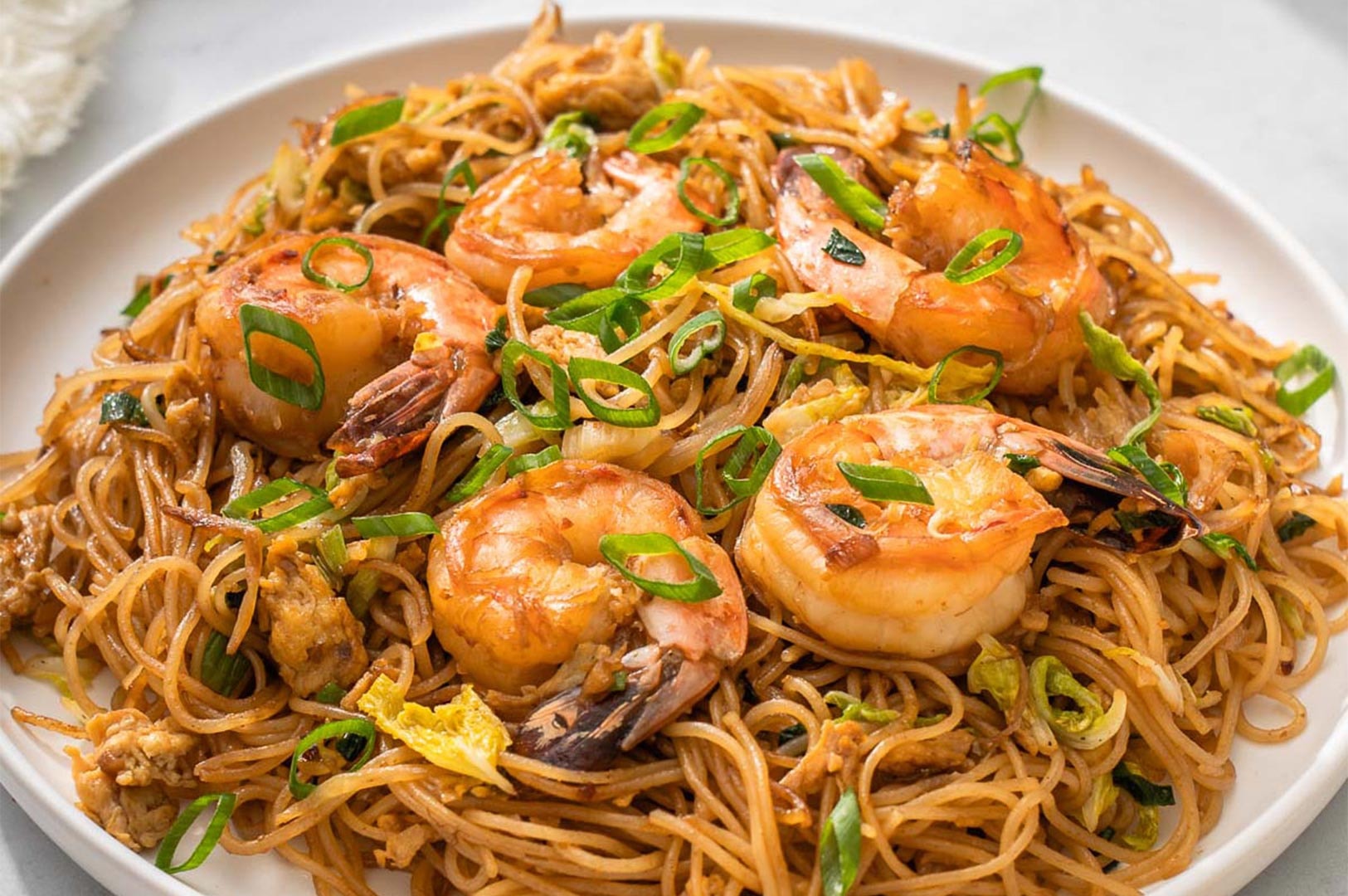
Indonesian bihun goreng transforms rice vermicelli into a rich, flavorful dish defined by kecap manis—sweet dark soy sauce that balances sweet and savory.
- Start with a spice paste blending fresh shallots, garlic, red chillies, candlenuts (kemiri), and a small amount of terasi (shrimp paste).
- Fry the spice paste until fragrant to release authentic Indonesian flavors.
- Cook proteins such as medium prawns, chicken strips, and soy sauce-marinated beef slices separately to avoid overcooking; set aside.
- Prepare vegetables including fresh cabbage, bean sprouts, Chinese celery, and ripe tomatoes for acidity and balance.
- Add baby bok choy for color and to complement the dish.
- Optionally include other vegetables like leafy greens or bell peppers according to preference.
- Add tomatoes near the end of cooking to preserve their bright flavor without breaking down completely.
- Combine all ingredients and stir-fry together.
- Top the finished bihun goreng with crispy fried shallots before serving for extra flavor and texture.
Malaysian Curry Bee Hoon
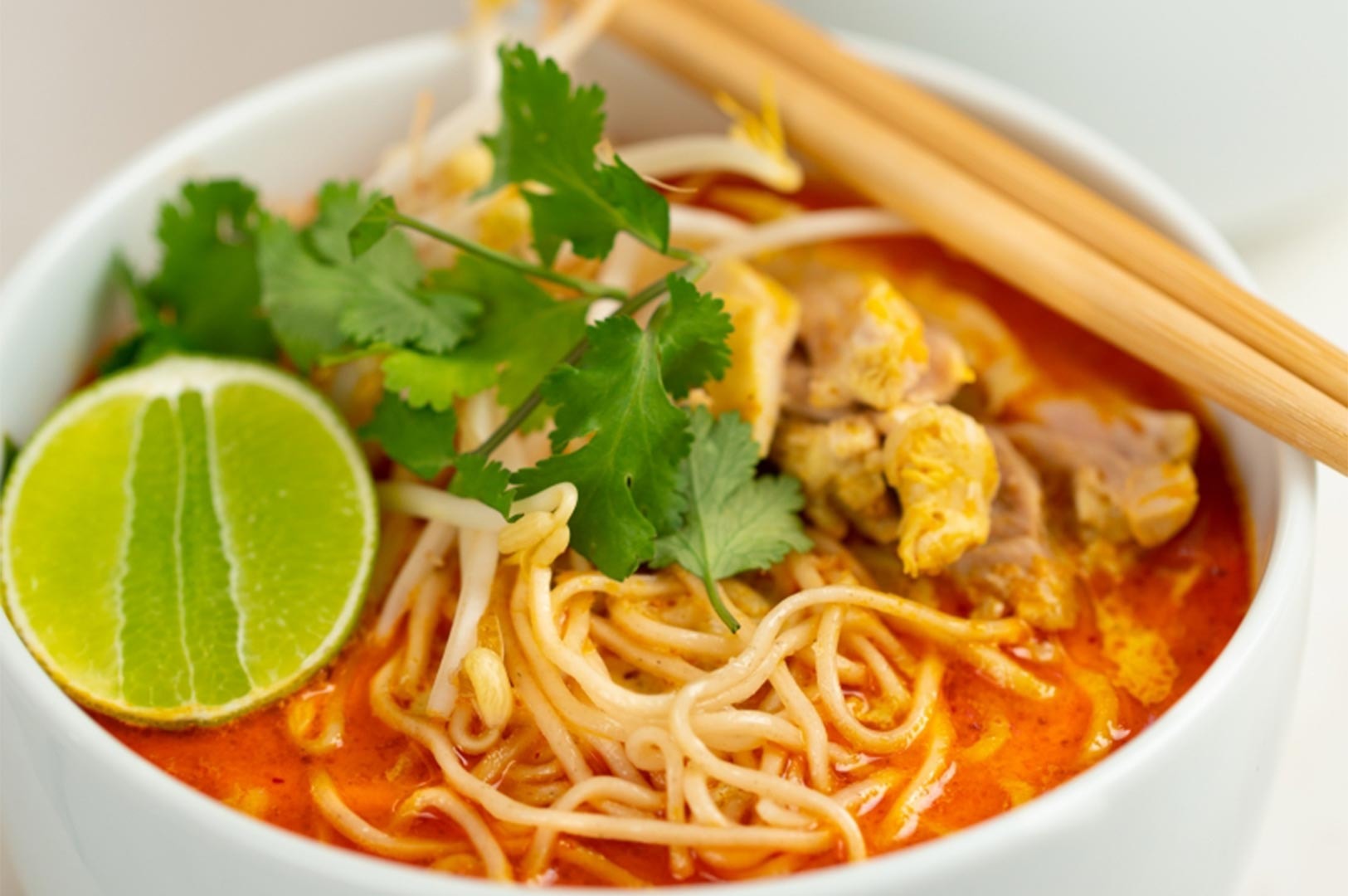
Malaysian curry bee hoon is a fragrant and rich dish featuring a curry base made from coconut milk and a blend of curry powder with turmeric, coriander, cumin, and fennel. The curry paste is built by toasting whole spices or using quality curry powder combined with fresh aromatics like lemongrass, galangal, and shallots. Coconut milk is added in stages for the perfect consistency.
Proteins such as char siu (BBQ pork), roasted chicken, fish balls, and tofu puffs add texture and flavor. Each protein is cooked separately until no longer pink and added during the final assembly to preserve their distinct qualities.
Cooking Steps:
- Toast whole spices or prepare curry powder blend.
- Sauté fresh aromatics: lemongrass, galangal, and shallots until fragrant.
- Add the toasted spices or curry powder to the aromatics and cook briefly.
- Gradually add coconut milk in stages, stirring to achieve the desired consistency.
- Cook proteins separately (char siu, roasted chicken, fish balls, tofu puffs) until fully cooked and no longer pink.
- Combine the cooked proteins with the curry base.
- Add soaked or fresh bee hoon noodles to the curry mixture.
- Stir gently to coat the noodles evenly with the curry sauce.
- Simmer briefly to allow flavors to meld and noodles to absorb the sauce.
- Serve hot, garnished as desired.
Vietnamese Bánh Hỏi
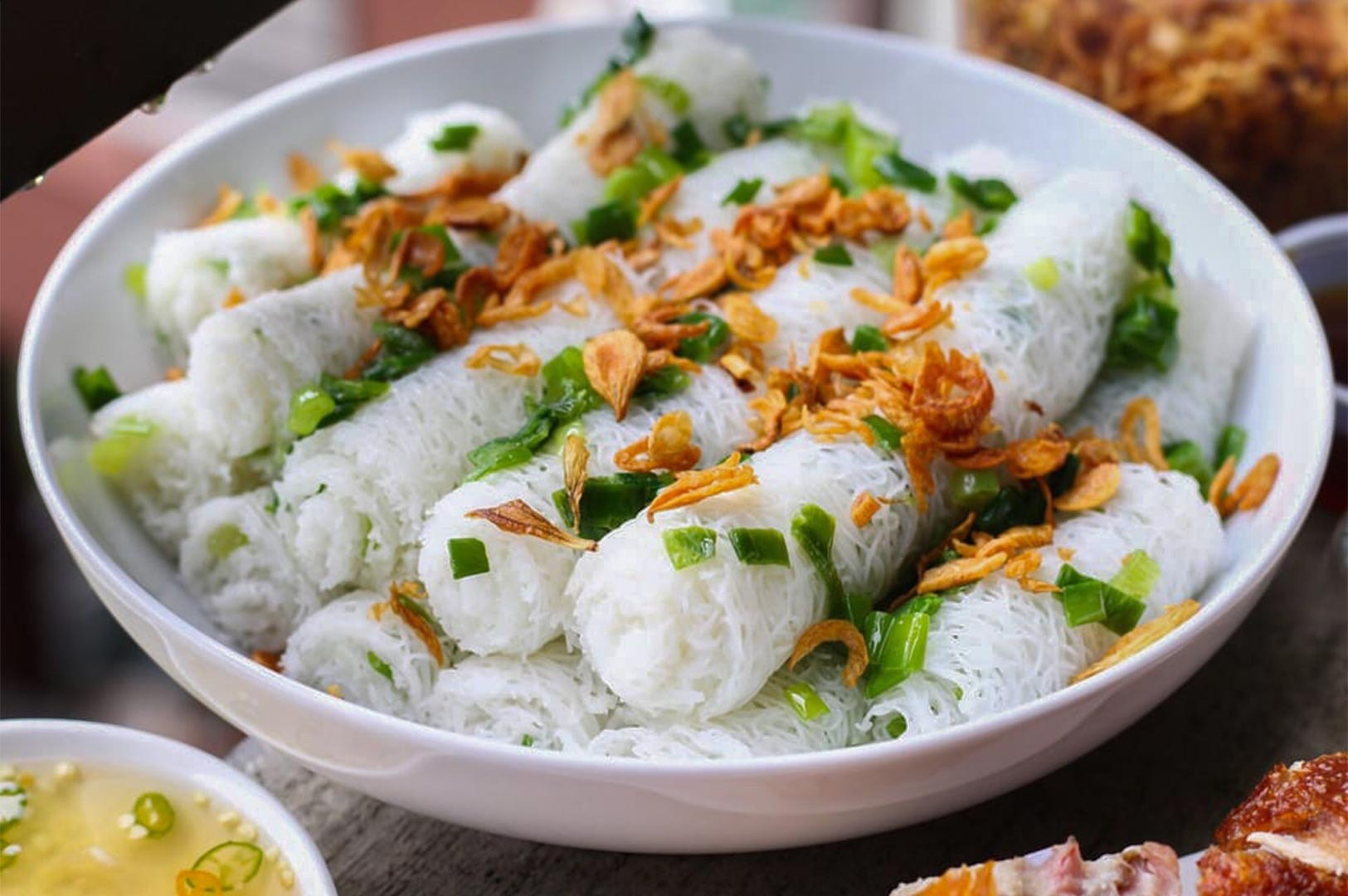
Vietnamese bánh hỏi showcases bee hoon in its most refined form, emphasizing the noodle’s delicate nature through careful steaming and artful presentation. Unlike other regional dishes with heavy sauces, this traditional approach highlights the subtle character of rice vermicelli.
The preparation involves the following steps:
- Steam fresh rice vermicelli sheets until cooked.
- Gently separate the steamed sheets into individual delicate strands, taking care not to break the noodles.
- Handle the noodles carefully to preserve their texture and presentation.
- Prepare the accompanying ingredients, such as fresh herbs, grilled meats, or dipping sauces, to complement the delicate noodles.
- Arrange the separated strands neatly on a serving plate or platter.
- Serve immediately with your choice of accompaniments, allowing diners to enjoy the subtle flavors and delicate texture of bánh hỏi in its traditional form.
Your Bee Hoon Journey Starts Now!
The techniques you’ve learned here—from proper soaking methods using room temperature water to achieving that perfect wok hei in your frying pan—will serve you well as you explore the diverse world of rice vermicelli cooking. Remember that great bee hoon dishes start with quality ingredients and patient technique, allowing these delicate thin rice noodles to absorb the complex flavors you create around them.
If you loved diving deep into the history and techniques of dishes like bee hoon, you’ll want to explore the ultimate home of Asian culinary guides. For more stories behind the food, deeper historical context, and authentic regional recipes, visit Eat Drink Asia.

The Art of Asian Tea Ceremony Traditions: Ancient Rituals and Cultural Values Across Asia
Dio Asahi | November 15, 2025
A cup of tea, in many parts of Asia, represents far more than a beverage-it is a conduit to ancestral tradition, intellectual pursuit, and the cultivation of mindfulness. Asian tea ceremony traditions turn the act of drinking tea into a sophisticated art form, layered with symbolism, philosophy, and socio-cultural values. Each gesture, from scooping powdered…

The Art of Slow-Cooked Curry Recipes: Time’s Magic in South Asian Cuisine
Eda Wong | November 13, 2025
Step into a South Asian kitchen, and the senses are instantly enveloped by the inviting aroma of food slowly simmering in a sturdy clay pot or heavy vessel. The allure is undeniable: in this space, slow-cooked curry recipes are a celebration of patient tradition, spices, and the richness of South Asian cuisine. Here, time and…
-
Bandung Drink Recipe: A Singaporean Rose Syrup Drink Tradition
Eat Drink Asia Team | November 11, 2025
Step into any night market or hawker centre in Singapore, and you’ll spot a vibrant, glowing glass filled with a cold, beautiful drink-Bandung. Known for its iconic blush-pink hue and refreshing taste, this rose syrup drink is an integral part of Singapore’s beverages scene and a cherished tradition in Southeast Asian gatherings. More than just…
-
The Ultimate Hainanese Chicken Rice Recipe: A Deep Dive
Eda Wong | November 8, 2025
To wander through Singapore’s bustling hawker centres on a humid evening is to experience a symphony of sights, sounds, and smells. Among the many other dishes sizzling away, one plate stands out for its elegant simplicity: Hainanese Chicken Rice. It arrives without fanfare-gleaming slices of poached chicken over fragrant rice, flanked by a trio of…
-
Bubble Tea Origins: How Taiwan Created a Global Beverage Phenomenon
Dio Asahi | November 6, 2025
From Taipei to New York, a single drink has captured the world’s taste buds: bubble tea. This beverage, known as pearl milk tea or boba tea, and also known as boba in many regions, is celebrated for its delightful combination of sweet, creamy tea and signature chewy tapioca pearls. What began as a novel creation…
-
A Food Lover’s Guide to the Taiwanese Oyster Omelet
Eat Drink Asia Team | November 4, 2025
As twilight descends upon Taipei City, a vibrant energy pulses through its streets. This is the hour of the night markets, bustling hubs of community, commerce, and some of the world’s most incredible street food. Amidst the steam from soup dumplings and the sizzle of Taiwanese fried chicken, one iconic dish reigns supreme: the Taiwanese…
-
Jamu: Indonesian Herbal Medicine for Modern Well-Being
Dio Asahi | November 1, 2025
Across the Indonesian archipelago, a vibrant tradition of herbal healing has flourished for centuries. This is jamu, a cornerstone of Indonesian cultural heritage and a sophisticated system of traditional herbal medicine. Far more than just a refreshing drink, jamu represents a philosophy of balance, a deep connection to nature, and a form of indigenous medicine…
-
Padang Beef Rendang: The Complex Process Behind Indonesia’s Most Famous Dish
Eda Wong | October 30, 2025
This post may contain affiliate links. For full transparency, this article may contain affiliate links. To call Padang beef rendang simply a dish is to miss the soul of Indonesian cuisine. This legendary slow-cooked dry curry, a centerpiece of both festive tables and humble meals, has earned its fame as one of the world’s most…
-
Teh Tarik Malaysia: The Art and Science Behind Iconic Pulled Tea
Eat Drink Asia Team | October 28, 2025
In Malaysia, ordering a cup of teh tarik is about so much more than just enjoying a hot drink. Teh tarik, literally translated as “pulled tea,” is Malaysia’s national beverage, famous for its sweet, creamy taste, frothy top, and the spectacular pulling technique seen in bustling mamak stalls and coffee shops across the country. A…
-
The Legendary Penang Char Kway Teow: A Culinary Journey
Dio Asahi | October 25, 2025
The air in Penang is thick with anticipation, carrying the sounds and smells of Malaysian street food being crafted with expert care. Your attention is captured by one of the many street vendors, a master standing before a seasoned wok glowing over an intense fire. The rhythmic clanging of metal on metal is the soundtrack…