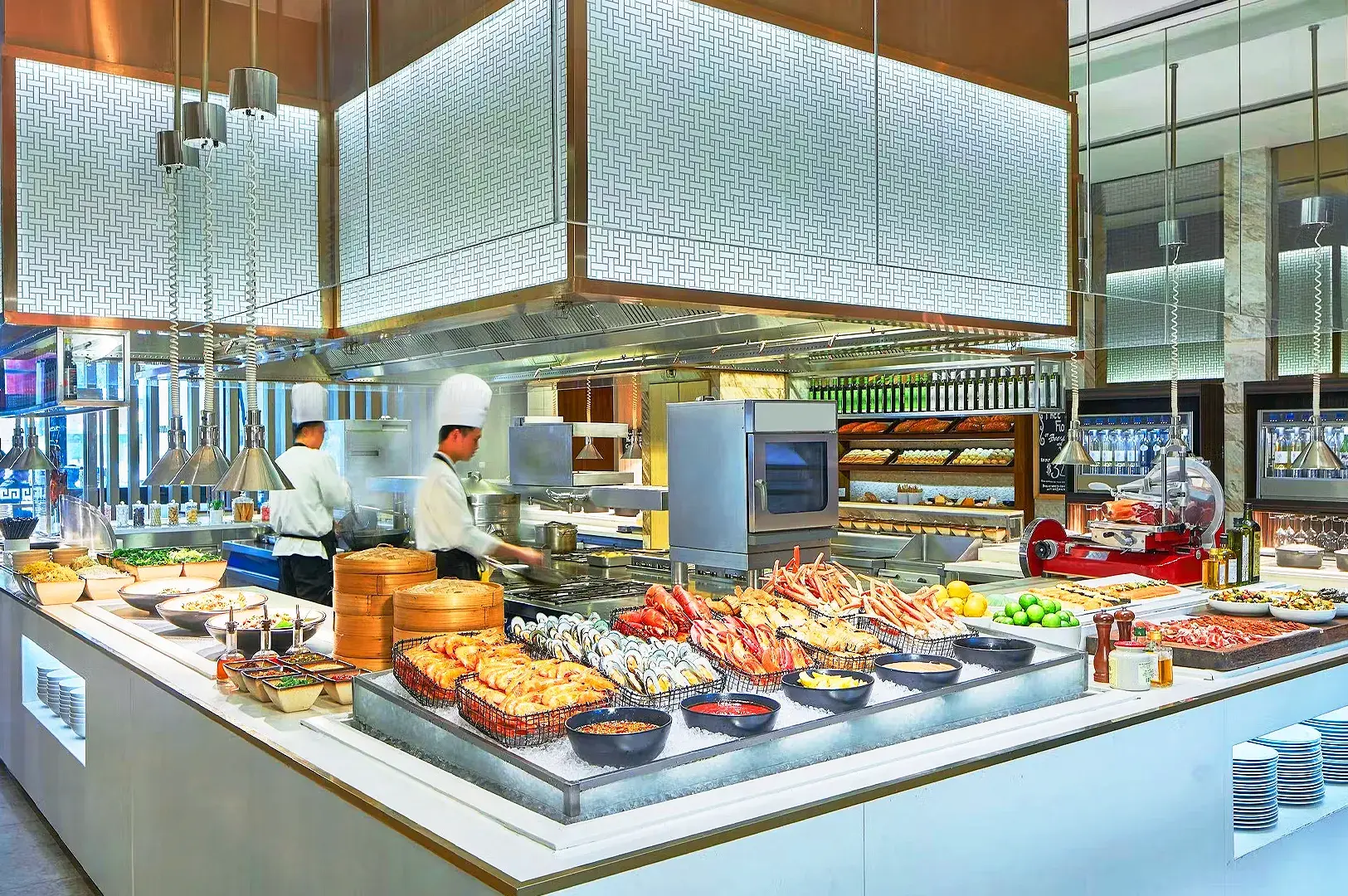
I used to think buffets were about greed.
Pile the plate high, go back for thirds, leave feeling like you got your money’s worth. That was the whole game, or so I believed. After years of exploring this city’s hotel buffets, I learned the good ones focus on order. They transform a wall of food into a meal that makes sense.
I’ve tried many buffets, some for celebrations, others for quiet weekday lunches. What mattered wasn’t the biggest spread but care, seafood fresh on ice, attentive staff clearing plates promptly, and abundance without chaos.
The best buffets offer curated selections fitting various occasions, balancing freshness, variety, and service to create satisfying, manageable dining experiences.
1. Carousel (Royal Plaza on Scotts): Fresh Seafood and a Halal-Certified Buffet Restaurant
Nearest MRT: Orchard MRT, approximately 5–8 minutes on foot
Price: From S$72++ for regular lunch to S$102++ for Friday/Saturday dinner; promotional rates may be available.
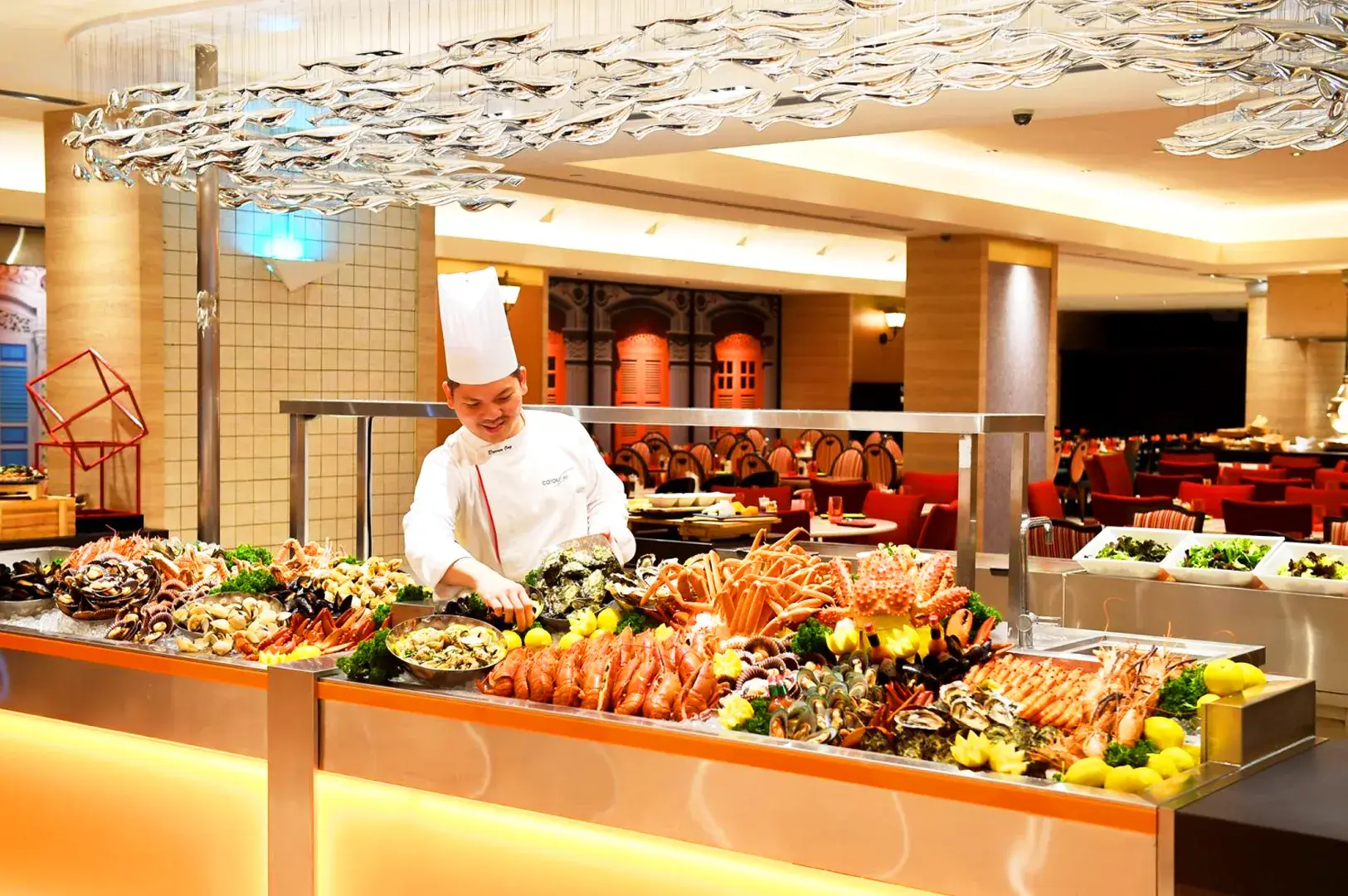
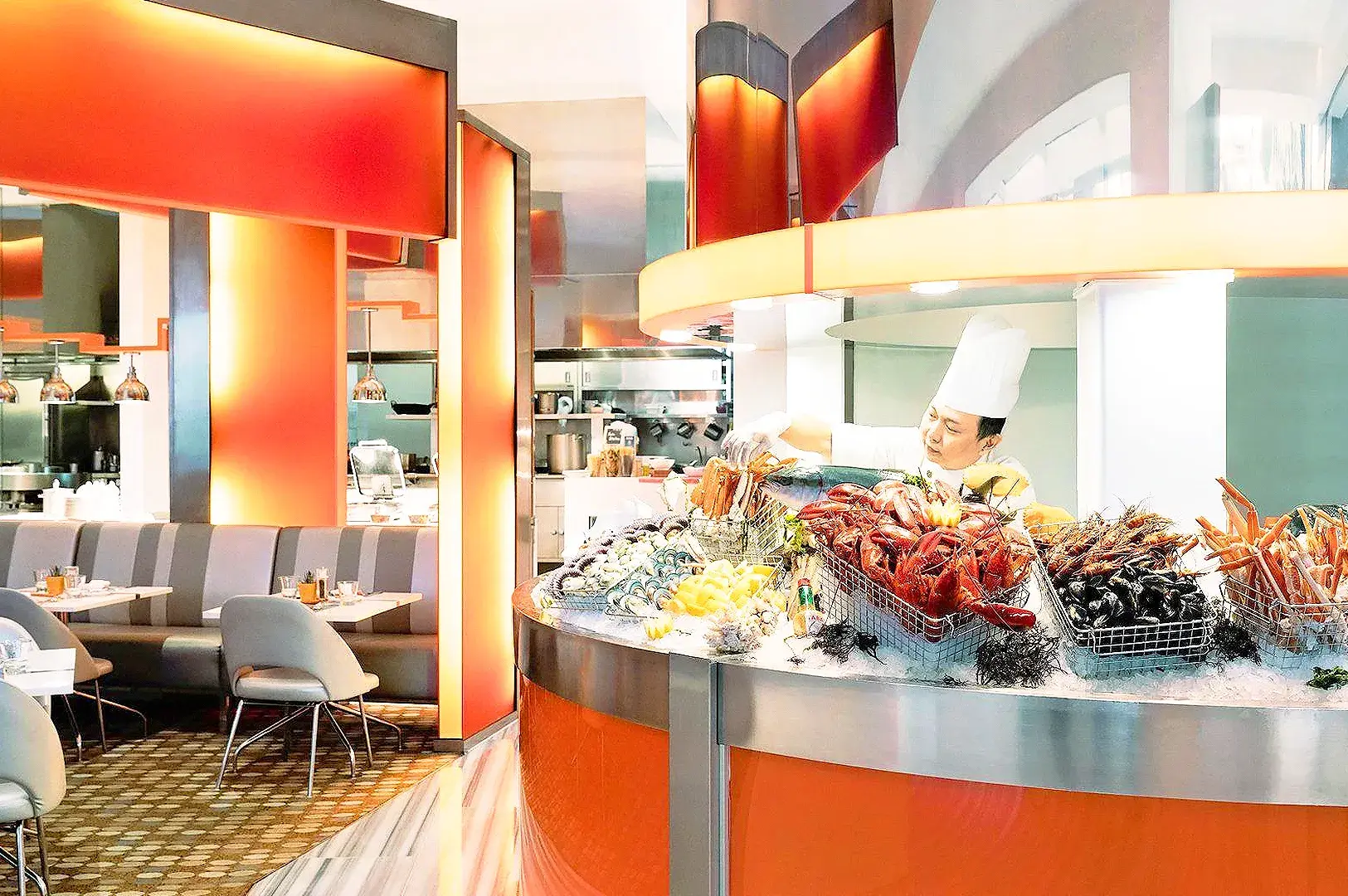
Carousel remains one of the most recognisable buffets in Singapore, especially for diners seeking premium seafood and dependable halal options. The first counter that caught my attention was the fresh seafood display, where freshly shucked oysters, snow crab legs, prawns, mussels, scallops, clams, and lobsters rested over crushed ice.
I remember circling the counter twice before filling my plate. The oysters carried a clean, briny taste, while the crab meat was firm, cool, and naturally sweet. Friday and Saturday dinners feature Carousel’s premium seafood buffet, including Maine lobster, oysters, crab selections, scallops, prawns, clams and mussels
For those in love with Japanese cuisine and seafood options, the best omakase Singapore offers a great alternative to buffets, focusing on chef-curated, seasonal seafood dishes for an intimate dining experience.
Counter Highlights
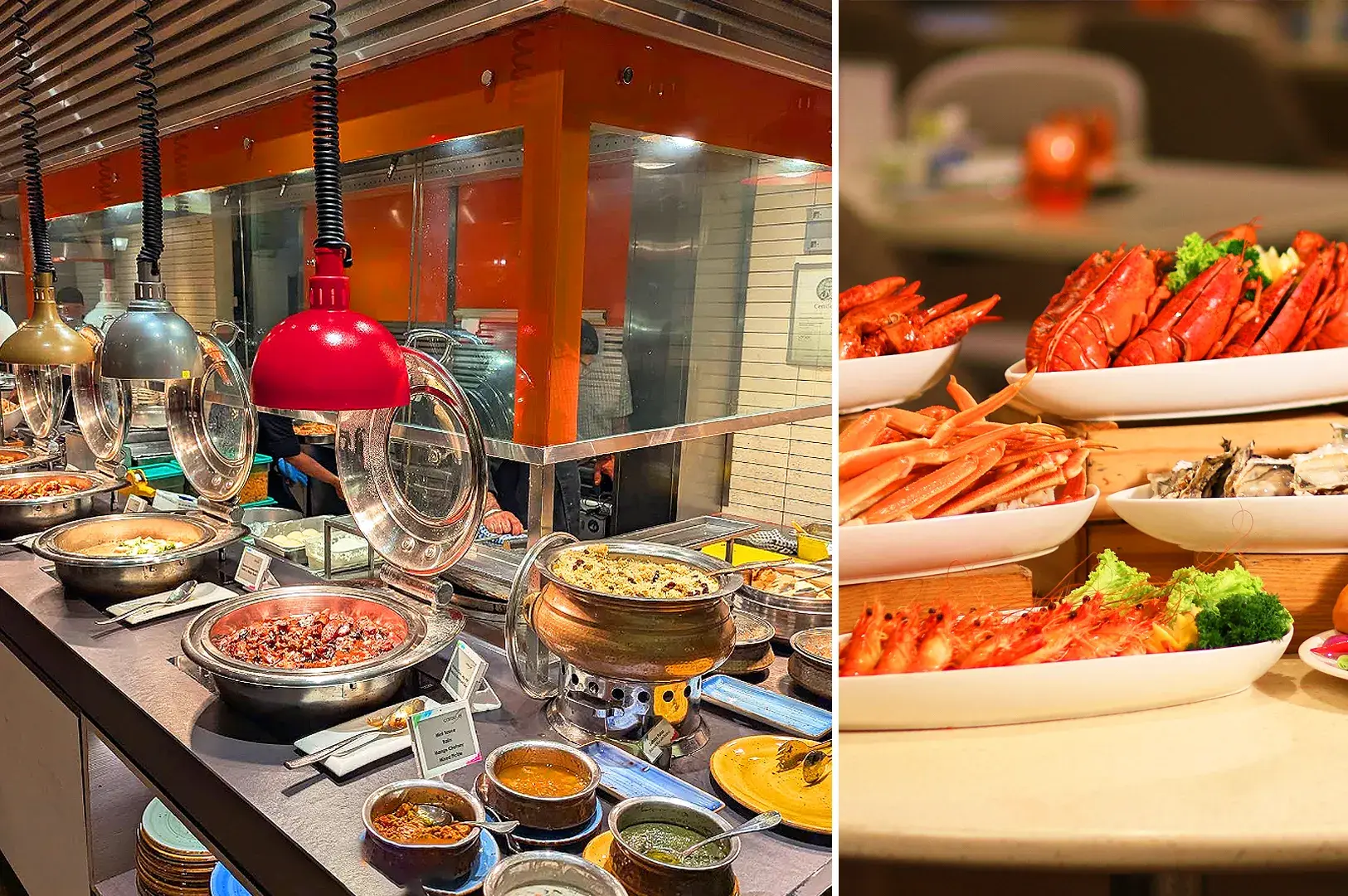
The seafood stations are the headline, but the menu extends far beyond shellfish. The Japanese counter offers sashimi and sushi, while the live stations prepare grilled dishes and hot food to order. There is also a noodle station for diners craving something warm between cold seafood courses.
The dessert station completes the meal with pastries, cakes, local sweets, and chilled desserts. It looks inviting from the start, but the premium seafood deserves your appetite first.
Atmosphere
The dining room feels festive rather than hushed. Birthdays, large family tables, and staff carrying cakes create a lively dining experience, particularly during Saturday evenings. Weekday lunch offers the same wide array of food with a calmer rhythm.
All In For: Halal buffet seekers, seafood lovers, birthdays, and families who want everyone eating from one spread.
Save Your Stomach: Skip rice and heavy noodles early unless comfort food is the main reason you came.
Buffet Cheat Code: Begin with oysters, crab, and prawns while your palate is fresh. Continue with sashimi, live cooking stations, and grilled food before finishing at the dessert station.
2. Colony (The Ritz-Carlton, Millenia Singapore): Seven Open Kitchens and Succulent Roasts
Nearest MRT: Promenade or Esplanade MRT, approximately 5–8 minutes on foot
Price: Weekday lunch approximately S$78++; Saturday lunch approximately S$82++
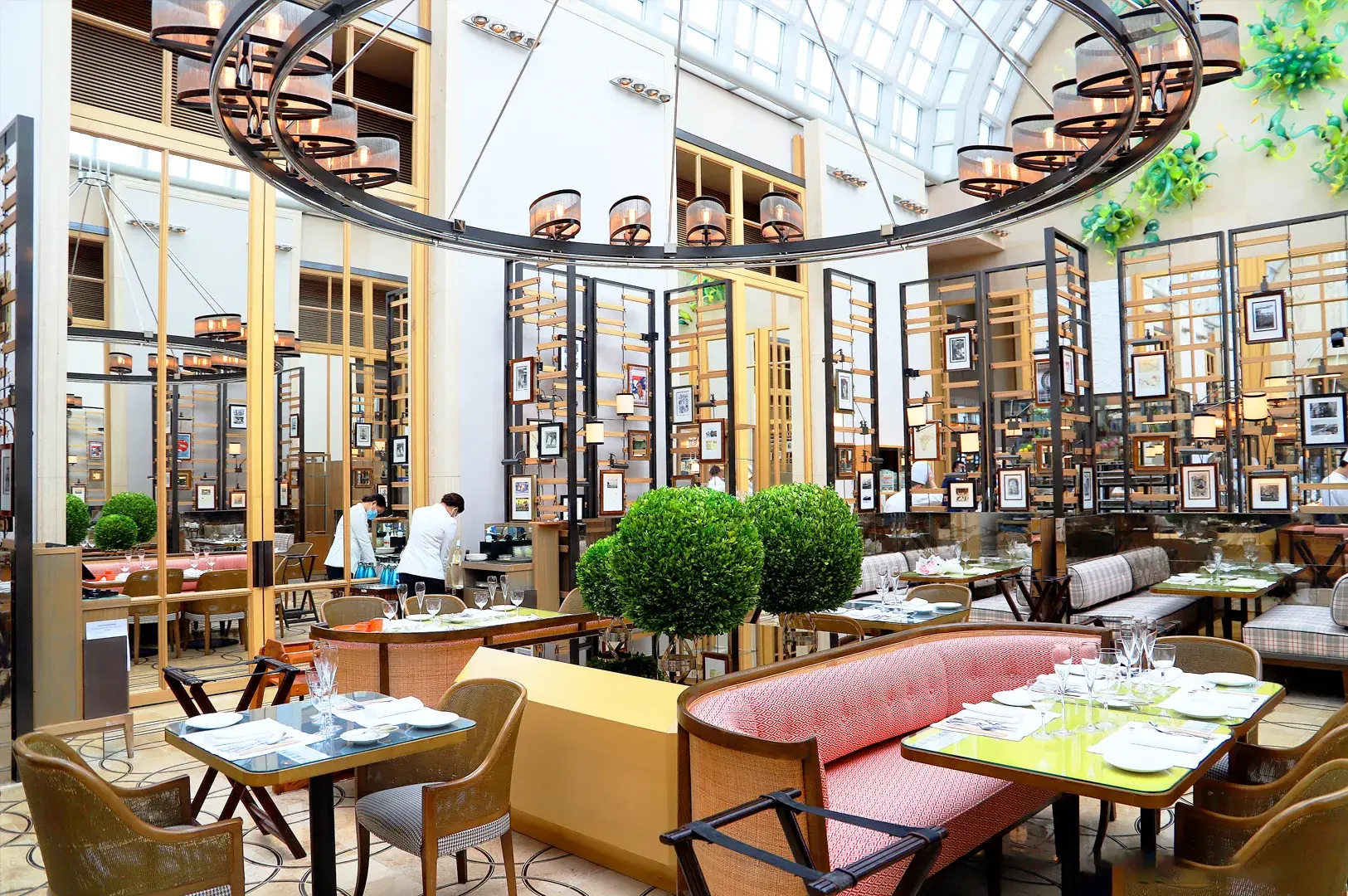
Colony is the hotel buffet I associate most with occasion dining. The room combines high ceilings, vintage prints, and abundant natural light, creating an elegant setting that feels removed from the busy Marina Bay district outside.
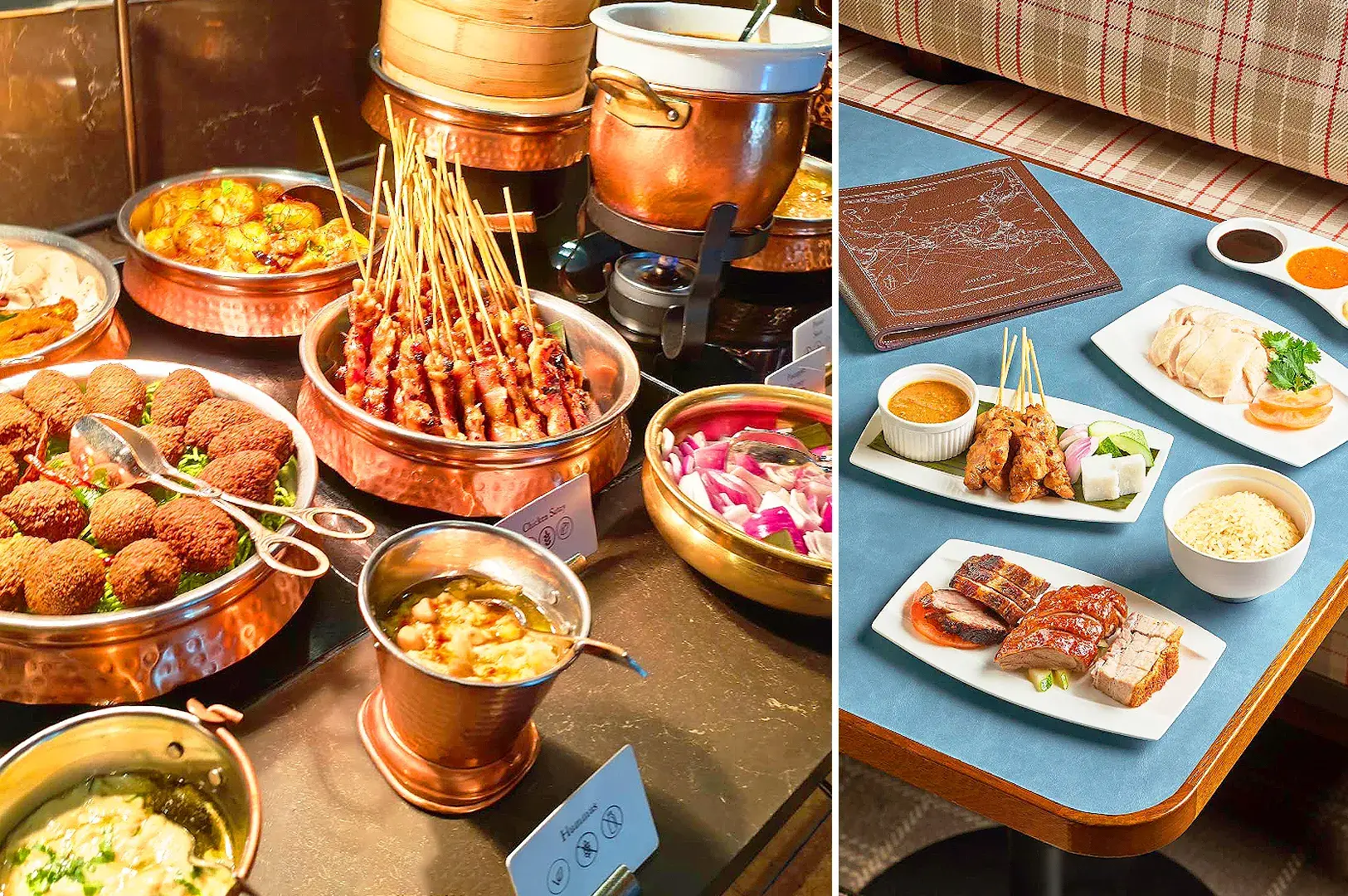
Its international buffet is organised around seven open kitchens, each managed by a specialised culinary team. This structure prevents the buffet spread from feeling random. Diners can move from Indian curries and Chinese dishes to local cuisine, fresh seafood, Western grills, and desserts while still sensing a clear progression.
The service reflects Ritz-Carlton standards. Plates disappear quickly, water is replenished without prompting, and the room remains controlled even when busy. The price reflects that polish, and diners should note that Colony is not halal certified.
Counter Highlights
The carving stations are a strong starting point. Succulent roasts arrive with bronzed edges, tender centres, and juices gathering beneath the carving knife. Depending on the menu, diners may also encounter grilled meats, wood-fired pizzas, or rich dishes such as pan-seared foie gras.
The seafood counter offers prawns, clams, crab legs, and other chilled seafood served over ice. I liked that the prawns tasted sweet enough to eat without sauce. Local dishes and Indian curries add depth, while the dessert station may include chocolates, pastries, cakes, and comforting butter pudding.
Atmosphere
Colony feels refined without becoming silent. It suits anniversaries, polished family meals, and long Sunday lunch conversations. The layout separates many tables from the busiest buffet routes, helping an abundant meal feel relaxed.
All In For: Anniversaries, premium hotel buffet dining, master chefs, and diners who value polished service.
Save Your Stomach: Avoid filling your first plate with bread, rice, or pizza. The seafood and carving stations deserve more attention.
Buffet Cheat Code: Start with seafood and smaller savoury dishes before moving to the succulent roasts. Save the richest meats and dessert for the final rounds.
3. The Line (Shangri-La Singapore): Live Stations, Local Cuisine, and Family Variety
Nearest MRT: Orchard or Stevens MRT, followed by a short bus or ride-hail trip
Price: Lunch from approximately S$68–S$72++ per adult
The Line at Shangri-La Singapore represents the classic image of a large international buffet: numerous counters, broad culinary coverage, and enough choice for diners with very different tastes.
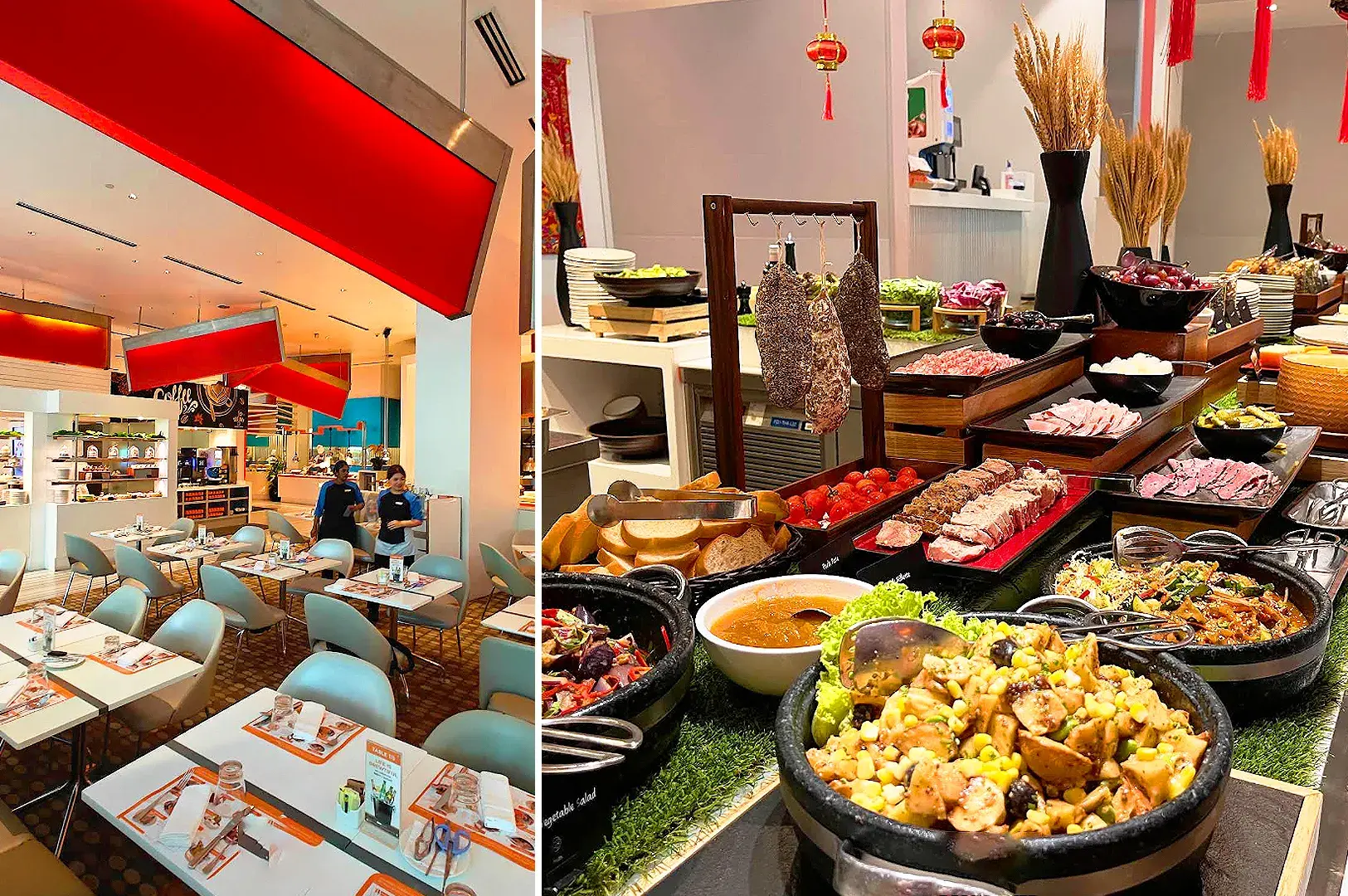
The buffet spread moves through local cuisine, Middle Eastern flavours, Asian favourites, chilled seafood, roasts, and desserts. Its wide array is the central strength. It may not be as tightly focused as a specialist seafood buffet, but it works well when one table includes children, cautious eaters, and adventurous diners.
I remember visiting during weekday lunch and being impressed by how smoothly the staff managed the restaurant’s scale. Plates were cleared promptly, drinks were refilled, and a birthday table nearby received a quiet surprise without disrupting the room.
Counter Highlights
The seafood section commonly features oysters, prawns, mussels, and crab served over ice. The carving stations provide succulent roasts, while the noodle station lets diners customise a warming bowl.
The live cooking stations are where the buffet becomes most engaging. Diners can watch food being grilled or assembled, then return to the table while it is still steaming. Local delights and international dishes sit alongside desserts such as butter pudding, cakes, and chilled sweets.
Families also benefit from the dedicated kids buffet counter, which gives younger diners an approachable selection without requiring them to navigate the full adult line.
Atmosphere
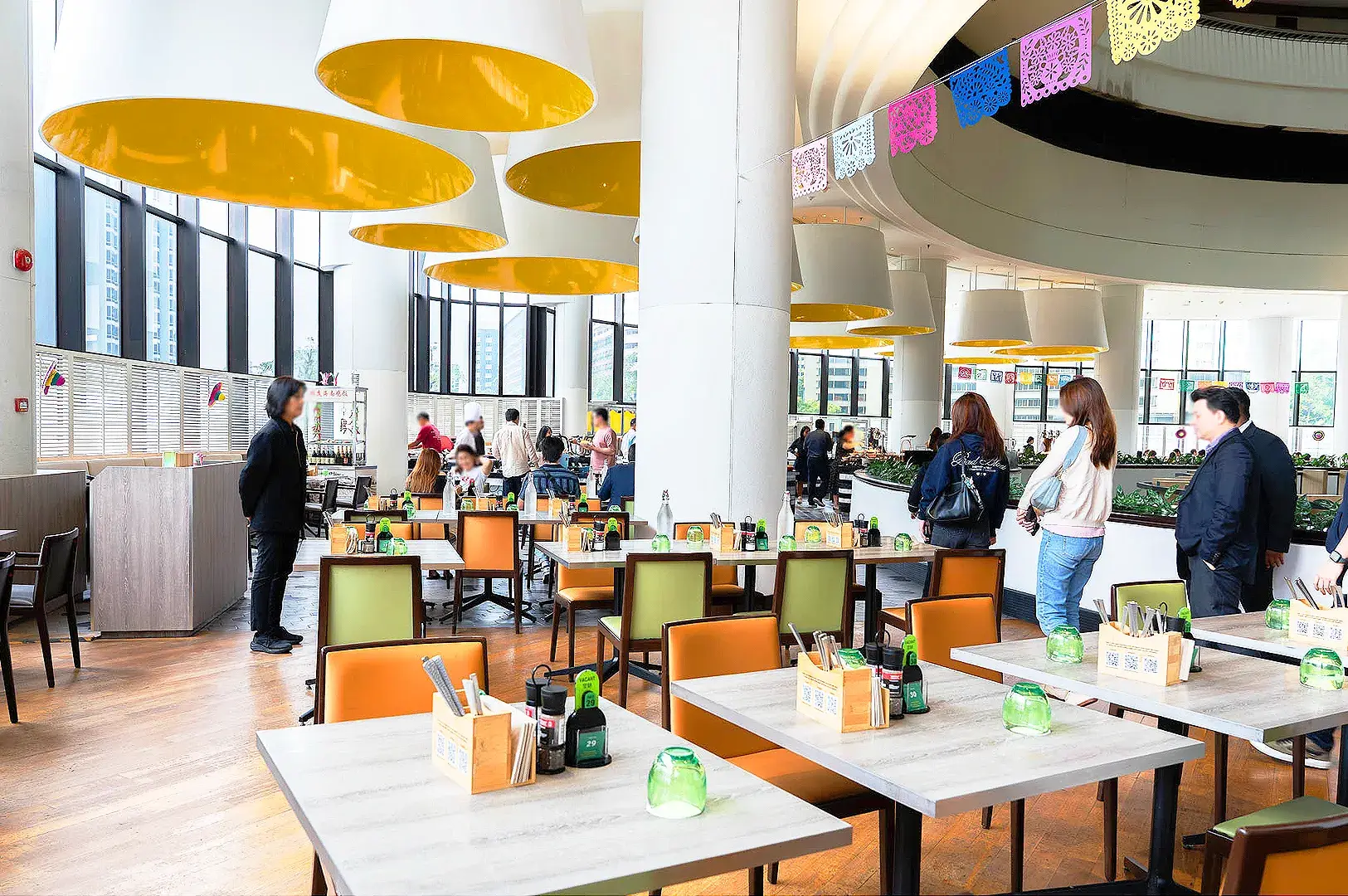
The Line is spacious, energetic, and family-oriented. It suits birthdays, hotel guests, and large groups better than intimate dinners. The scale can feel overwhelming initially, but the stations are organised clearly enough to keep the meal manageable.
All In For: Families, children, large groups, and diners who value variety over a narrowly curated menu.
Save Your Stomach: Prioritise food prepared at the live stations rather than filling up on familiar ready-made sides.
Buffet Cheat Code: Walk the entire line once before taking a plate. Choose one standout dish from each cuisine instead of collecting everything familiar.
4. Atrium Restaurant (Holiday Inn Singapore Atrium): Halal Options and Local Delights
Nearest MRT: Havelock MRT, a short walk from the hotel
Price: S$99++ per adult for weekday lunch before the current 1-for-1 promotion
Atrium Restaurant is the practical choice for diners who want hotel buffet quality at more affordable prices, particularly when bank promotions or dining offers are available. Like Carousel, the restaurant is halal certified, allowing families and mixed groups to enjoy the full menu without separating their choices.
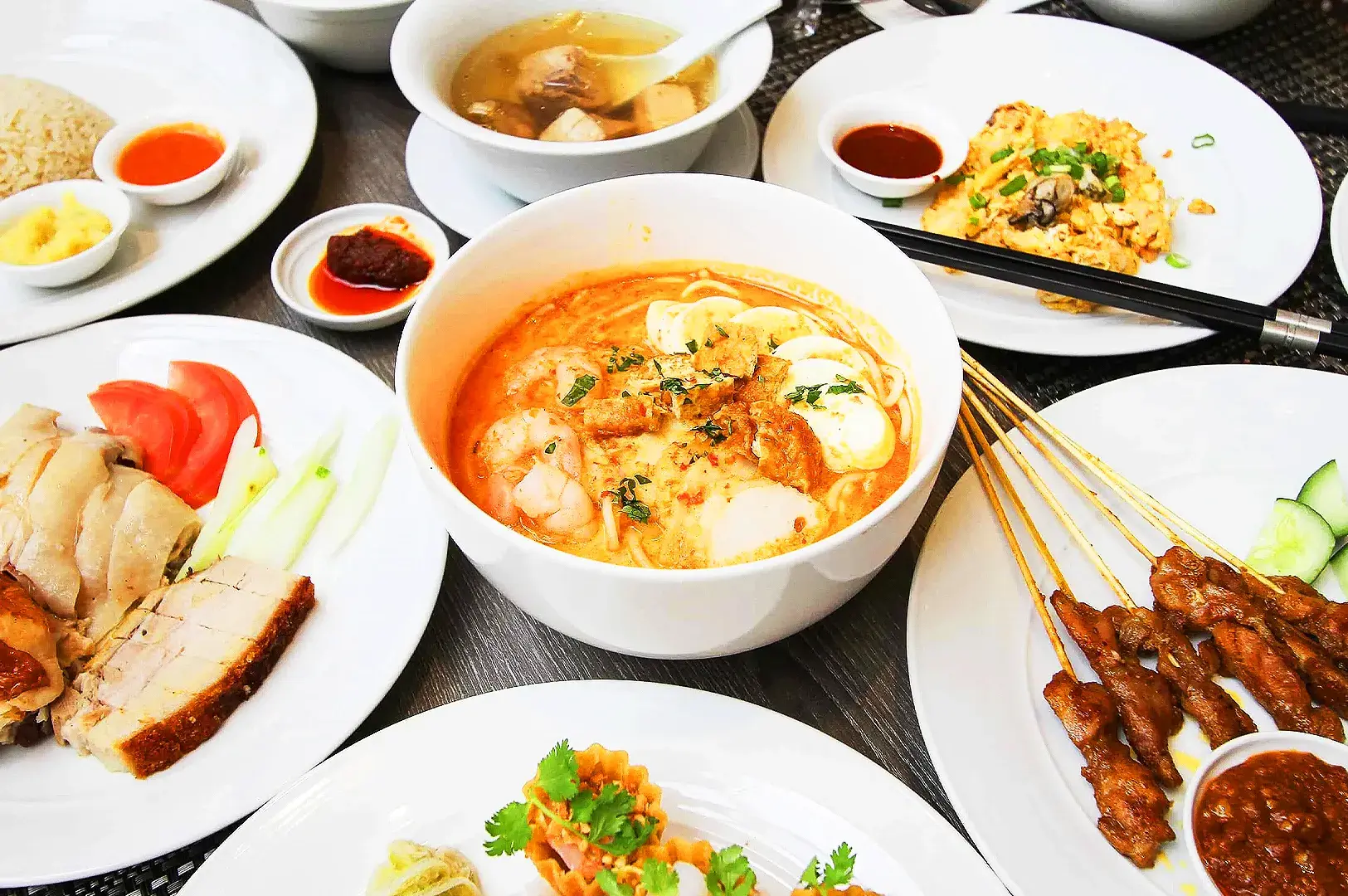
The buffet leans proudly into local cuisine. Hainanese chicken rice is served from a hawker-style cart, while laksa releases the warm aroma of coconut milk and spices. Beef rendang arrives tender and deeply seasoned, and roti prata brings crisp, flaky edges that crackle beneath the fork.
Halal restaurant Singapore options are plentiful, offering diverse cuisines that cater to dietary requirements without compromising on flavour, explore more at Eat Drink Asia.
Counter Highlights
The seafood buffet usually includes tiger prawns, blue mussels, baby abalone, and Japanese sweet clams. Weekend menus may expand the seafood spread with fresh oysters, rock lobster, or whole salmon displayed over ice.
The local counter deserves equal attention. Depending on the rotating menu, diners may encounter chilli crab, laksa, chicken rice, curries, grilled dishes, and Nyonya favourites. The dessert station continues the local theme with colourful kuehs alongside cakes and chilled sweets.
Atmosphere
Atrium feels approachable and family-friendly rather than overtly luxurious. The room is lively, and the focus stays firmly on the food. Its location inside Holiday Inn Singapore Atrium is also convenient for diners who appreciate access to a nearby prayer room.
What stayed with me was how naturally the local dishes sat beside the seafood. It did not feel like a token Singapore corner attached to an international buffet. Those flavours felt central to the restaurant’s identity.
All In For: Halal options, local cuisine, value-conscious families, and diners craving chilli crab, laksa, and seafood.
Save Your Stomach: Do not spend the opening round on standard fried food. The local specialities and rotating seafood offer stronger value.
Buffet Cheat Code: Check current promotions and the rotating menu before booking. Start with fresh seafood, move directly to the local dishes, and leave the dessert station for last.
5. Peppermint (Marina Bay): Halal Certified Restaurant With a Garden-Lit Buffet Spread

Nearest MRT: Esplanade MRT, approximately 5 minutes on foot
Price: From approximately S$72++ per adult, depending on meal period and promotion
Peppermint sits on Level 4 of PARKROYAL COLLECTION Marina Bay, at 6 Raffles Boulevard. The restaurant is currently operating, and its official page describes its buffet stations and kitchen as halal-certified, which makes it a useful choice for mixed groups, family meals, and celebrations where everyone can eat from the same spread.
Peppermint’s buffet spread moves through flavours from around the world, with Asian favourites, regional seafood, fire-led cooking, slow-cooked claypot dishes, and desserts. The official menu highlights sustainably sourced regional seafood, Barramundi en Papillote, Balinese-style Grilled Fish, wok-fried signatures, and Signature Durian Pengat. Children under six dine free, which is worth noting for families.

Counter Highlights
The counter I would head for first is the Seafood and Lobster Laksa Tower, an evergreen favourite listed by the hotel. It gathers rock lobster, crab, clam, half-shell scallop, prawn, and more around warm laksa broth. It is not exactly the old-school nyonya laksa you chase in a hawker stall, but it has the same comforting idea: coconut richness, seafood sweetness, and spice that keeps the bowl lively.
Atmosphere
Peppermint is best when you want to indulge without feeling trapped in buffet chaos. The ingredients feel thoughtfully presented, and the garden setting gives the meal breathing space. It is just what you want when the idea is not to eat everything, but to choose well.
The room has a softer mood than the usual bright hotel buffet hall. There is greenery, garden-view calm, and open kitchen movement, so the dining experience feels polished without becoming stiff. It is still a hotel buffet, so expect the room to fill up at peak dinner or weekend slots. A reservation is a good idea if you are planning a birthday, a family lunch, or a night to celebrate properly.
All In For: Halal buffet seekers, family celebrations, seafood fans, and diners who want a polished garden-lit dining experience.
Save Your Stomach: Do not fill up on dry carbs too early. The laksa, seafood, grills, and desserts deserve space.
Buffet Cheat Code: Join relevant hotel dining rewards before booking, check current promotions, and reserve early for weekend lunch or dinner.
For the Best Dining Experience
Buffets offer varied experiences for different occasions and preferences.
Some cater to mixed groups with halal-certified, seafood-focused options in a lively setting. Others provide elegant, light-filled spaces ideal for special events. Family-friendly buffets offer broad selections to satisfy all tastes, while value options highlight local dishes and promotions.
There’s no single “best” buffet; the right choice depends on your company and occasion. Instead of seeking the largest spread, pick a setting that suits the moment, be it a celebration, quiet meal, family gathering, or budget treat, to let the food enhance your experience.

The Silent Language of the Table: How Traditional Food in China Speaks Through Generations
Eda Wong | April 28, 2026
When I first tried to navigate a traditional Cantonese family dinner, I made a spectacularly embarrassing mistake. I sat down, looked at the sprawling, beautifully written menu, and confidently ordered an individual plate of sweet and sour pork just for myself. The table went completely quiet. My host gently nudged the menu back towards the…

The Golden Roux Revolution: Best Japanese Curry Singapore Spots That Redefine Comfort Food
Eat Drink Asia Team | April 25, 2026
April 25, 2026 | Eat Drink Asia Team Last updated: October 15, 2026 We have always believed that a brilliant plate of Japanese curry is the ultimate culinary hug. Over the past eight months, we made it our personal mission to embark on a comprehensive curry journey across Singapore, hunting down the best Japanese curry…

Noodle Masterpieces: Celebrating the Craft
Eat Drink Asia Team | April 24, 2026
Noodles have a timeless place in the world of food, and Taste Our Traditions can attest that only few dishes are as universally loved. What makes a bowl of noodles truly stand out is not just the ingredients, but the artistry and skill behind their creation. Noodle-making is an ancient craft that demands patience, precision,…
-
Charcoal Smoke and Yakitori Evenings in Osaka
Eda Wong | April 24, 2026
The first thing I noticed was the smoke. It didn’t rise all at once, but in thin, steady ribbons that curled upward from a narrow grill set just inches from the counter. The scent came first, warm and unmistakable, a mix of rendered chicken fat and binchōtan charcoal, clean but deeply present. Inside the small…
-
Cracking the Code of Telur Thai: Inside Egg Thai West Mall, a Kitchen That Tells a Story
Dio Asahi | April 23, 2026
I visited on a Tuesday around 7pm, completely exhausted from a long day of meetings and staring at screens. I wasn’t looking for a fancy culinary journey or a trend-setting dining experience. Honestly, I just wanted a quick, comforting meal that would hit the spot without emptying my wallet. That specific craving led me to…

Sanook Kitchen’s Thai Omelette Rice: A Heartland Answer to Singapore’s Thai Food Saturation
Eda Wong | April 21, 2026
If you live in Singapore, you know that finding Thai food is about as difficult as finding a humid day. We are spoiled for choice. From gritty hawker stalls serving fiery basil pork to upscale restaurants where a bowl of tom yum costs more than a taxi ride, the options are endless. But sometimes, you…
-
The Golden Fold: How Thailand’s Street-Side Omelette Became a Morning Ritual
Dio Asahi | April 18, 2026
Dawn breaks over Bangkok with a familiar symphony. Before the intense heat settles and the traffic swells into a steady roar, the city streets belong to the food vendors. Amid the clatter of metal tools and the hum of early commuters, one sound stands out: the furious, bubbling sizzle of eggs hitting smoking-hot oil. This…

Lesson I Didn’t Expect: How Fourgather’s Easy Asian Recipes Taught Me to Cook at Home
Eda Wong | April 16, 2026
For the longest time, I was convinced that cooking authentic Thai food at home was out of my league. I imagined complex pastes, hours of simmering, and a mountain of ingredients I couldn’t pronounce. I was happy to leave it to the experts. But a casual dinner at Fourgather, a stylish Thai eatery in Telok…
-
Between Aesthetic and Appetite: The Modern Food Blogger’s Dilemma
Eda Wong | April 15, 2026
In our first, would probably say, emotional editorial, I would like to open with how there is a particular kind of silence that happens before a dish is eaten now. Not the quiet of anticipation, but the pause of positioning, a hand hovering just above the plate, adjusting the angle of a bowl so the…
-
Chasing Flavor: How Fook Kin Taught Us to Cook Asian Cuisine Recipes the Right Way
Eat Drink Asia Team | April 14, 2026
For years, we told ourselves that truly great Asian cooking was a mystical art form, a craft reserved for seasoned hawker uncles or Michelin-starred chefs with decades of experience. Our own attempts at home often felt like pale imitations, lacking that deep, smoky flavour or that perfect textural contrast we craved. Then, we had dinner…