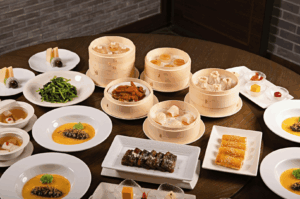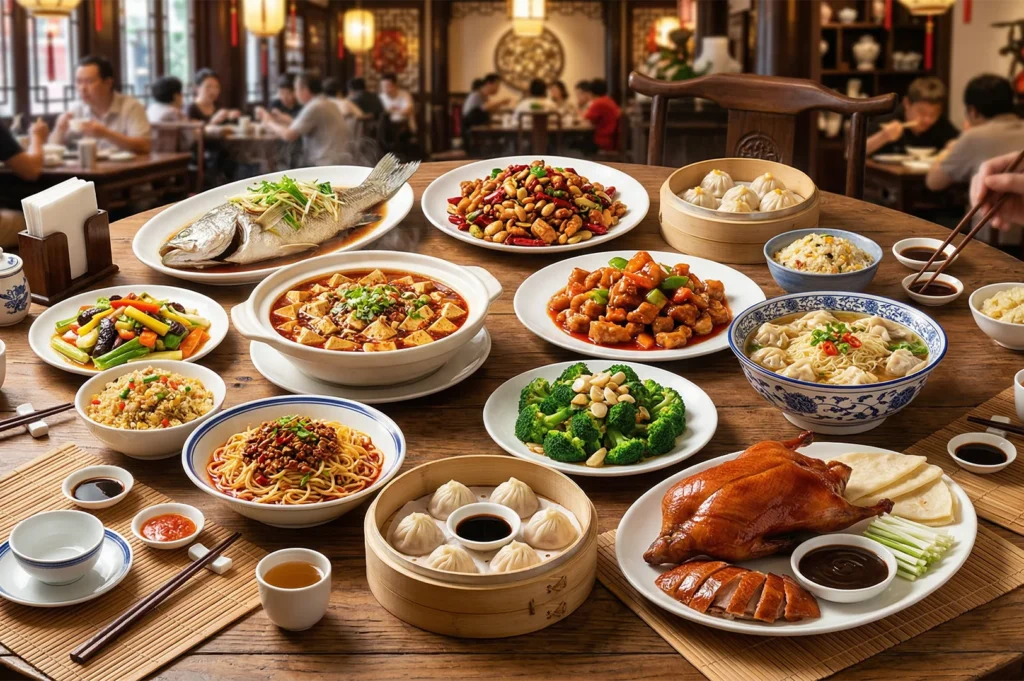
Singapore’s best chinese restaurants in singapore function less like isolated dining rooms and more like a networked system of technique. Across these chinese restaurants, you see branches of chinese cuisine expressed through roast mastery, controlled fermentation, seafood purity, and banquet choreography.
This is not simply a guide to chinese food. It’s a mapped culinary journey across regional migration, Cantonese refinement, Teochew restraint, Sichuan precision, all adapted within Singapore’s urban framework. Each restaurant embodies a unique blend of traditional flavors and modern innovation, reflecting the rich cultural tapestry of southeast asia. From the delicate balance of spices in Sichuan dishes to the subtle elegance of Cantonese dim sum, the city’s dining scene offers a diverse palette for every palate.
1. Summer Palace (Orchard): A Refined Stop Among the Best Chinese Restaurants in Singapore
Nearest MRT: Orchard Boulevard (5-min walk)
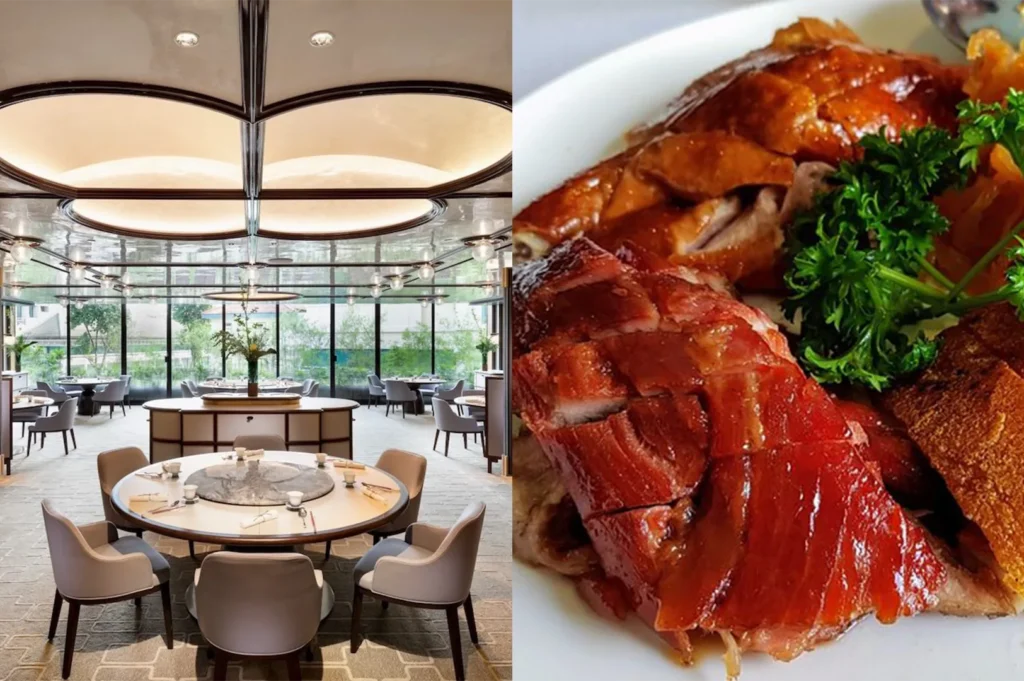
Among the best chinese restaurants in singapore, Summer Palace stands out for its disciplined execution of authentic cantonese cuisine within a refined fine dining atmosphere. This chinese restaurant located in the heart of Orchard offers a hushed, almost insulated ambiance where service flows with measured cadence, a stark contrast to the bustling energy typical of many chinese restaurants in singapore.
Chef Liu Ching Hai helms the kitchen with a clear philosophy: clarity over aggression, balance over spectacle. The dining experience here is a masterclass in subtlety and precision, making it a favorite for business partners and celebratory dinners seeking a controlled acoustic environment.
Primary Variables
The dim sum lunch at Summer Palace reveals the kitchen’s technical prowess:
- Har gow with translucent skins, allowing you to visually count the plump minced shrimp nestled inside. The wrapper stretches elastically without tearing, a testament to skillful dough preparation.
- Pleats are uniform, and hydration is precise, ensuring steam penetration without sogginess.
- The roast duck is a study in balance: skin fractures crisply while the meat beneath remains moist and tender, with perfectly rendered fat that melts on the tongue.
Lunch averages S$60–80 per person, a price reflecting the quality of ingredients, pacing, and attentive service.
Best context: Business meetings and intimate fine dining occasions.
Avoid if: You prefer lively weekend yum cha energy.
Field Note: The tea pairing program is intentional, ask for aged pu-erh with your roast meats to cleanse the palate and extend enjoyment.
2. Imperial Treasure Super Peking Duck (Orchard): The Peking Duck Specialist Among Chinese Restaurants
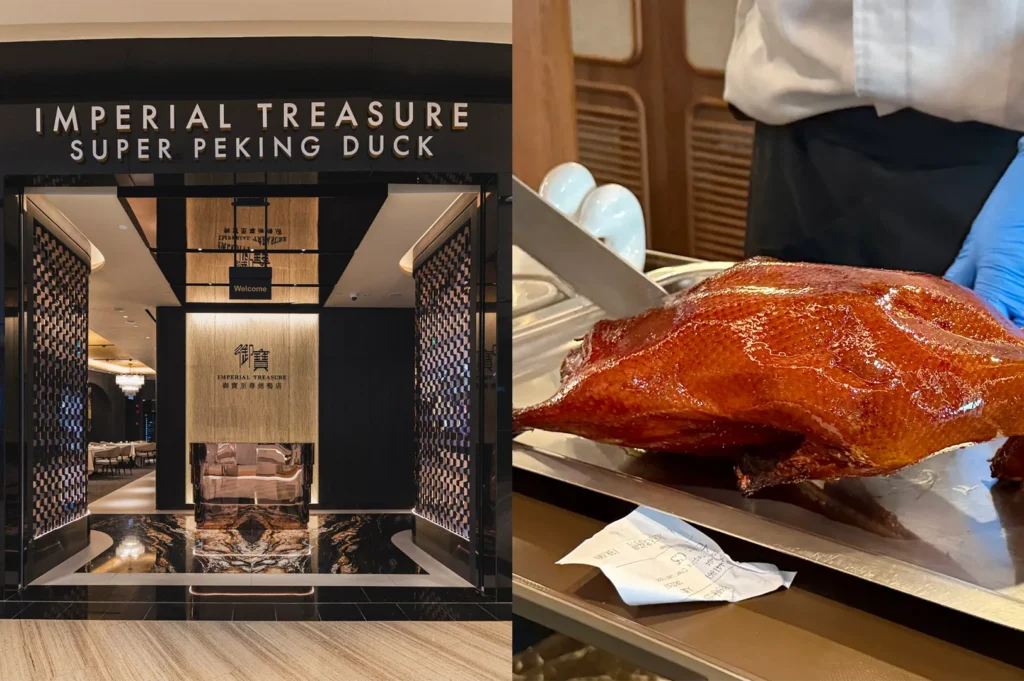
Nearest MRT: Orchard / Somerset
Among the best chinese restaurants, Imperial Treasure optimizes its offering around the iconic peking duck. The banquet-scale room buzzes with aromatic notes of rendered poultry fat, high turnover, and lively conversation.
When the duck arrives, the lacquered mahogany skin gleams, radiating warmth. The carving is precise, separating thin sheets of crackling skin from tender flesh. The first bite delivers:
- Shattering crispness of the skin.
- Warm, evenly distributed fat that coats the palate.
- Moist, juicy meat with no stringiness.
This balance of moisture retention and crispness is challenging and expertly maintained here. Expect to spend roughly S$55 per person depending on group size.
Best context: Large family gatherings and festive celebrations.
Avoid if: Seeking quiet, intimate dining for two.
Field Note: Pre-order the duck; it’s produced in batches, and late bookings may mean missing out.
3. Shisen Hanten by Chef Chen Kentaro (Orchard): A Fusion of Sichuan and Cantonese Cuisines with Japanese Precision
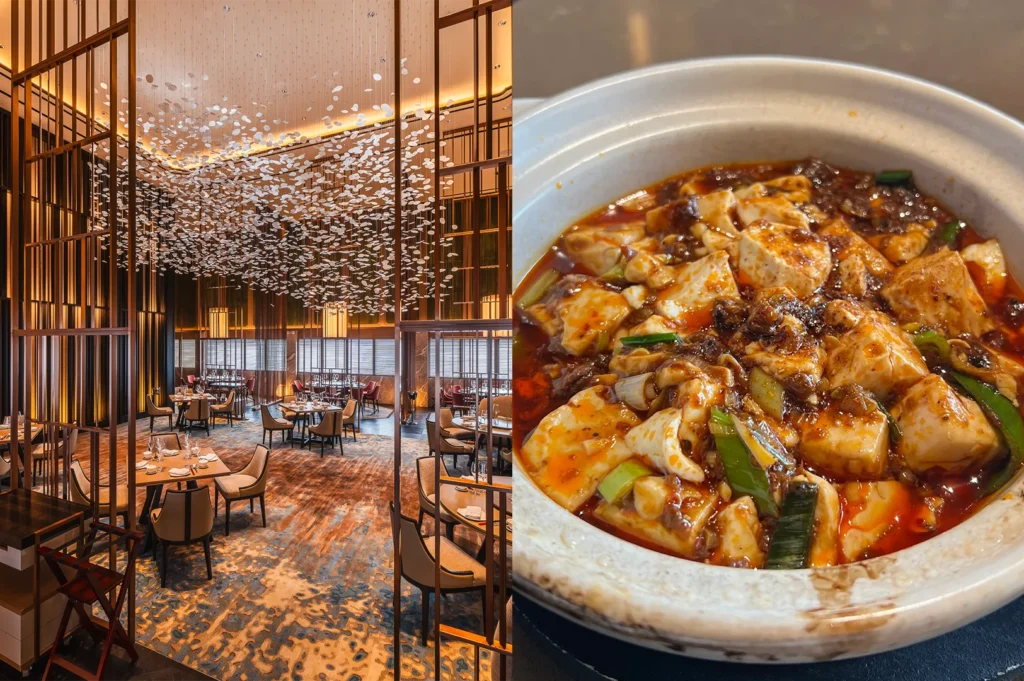
Nearest MRT: Somerset
Calibrated Heat and Artistic Flair
Shisen Hanten by Chef Chen Kentaro offers a unique culinary journey by filtering sichuan and cantonese cuisines through Japanese refinement. This approach results in spice that is measured and elegant rather than overpowering.
Structural Anchor: Mapo Tofu
- Silken tofu suspended in a crimson oil bath.
- Depth from fermented bean paste.
- A controlled mala numbing sensation that tingles without overwhelming.
The texture remains supple, and the oil presence is disciplined. Dinner here often exceeds S$105 per person, with panoramic views rivaling those at marina bay sands or ritz carlton.
Best context: Diners eager to explore spice architecture.
Avoid if: You are spice-averse.
Field Note: The weekend cocktail dim sum brunch offers a more accessible entry point with a broader dish matrix.
4. PUTIEN (Farrer Park): Teochew Cuisine with a Focus on Ingredient Integrity
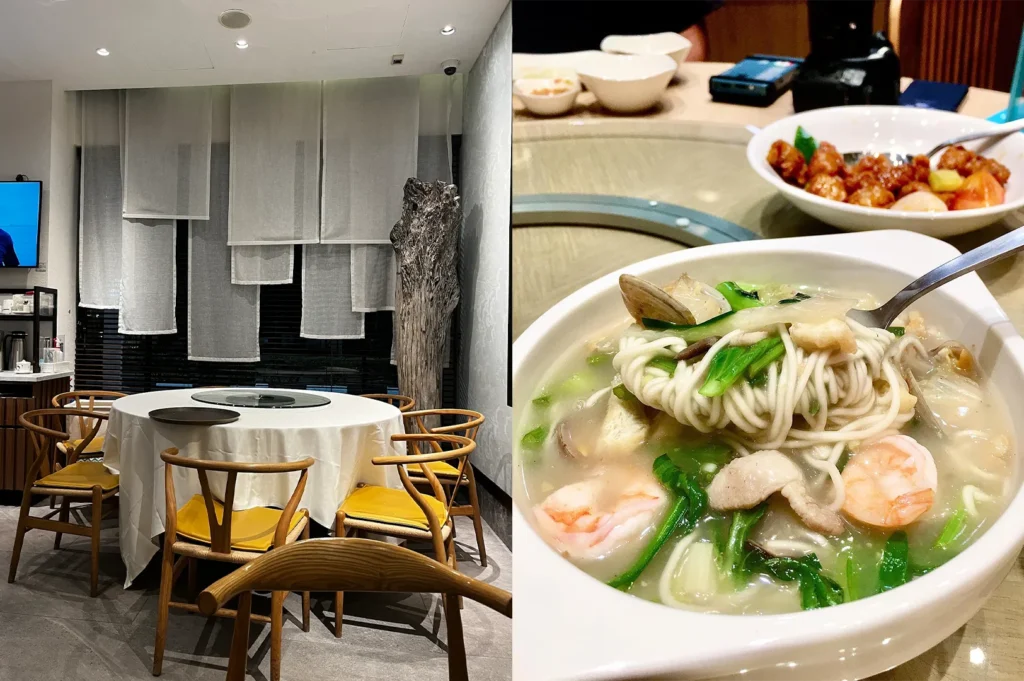
Nearest MRT: Farrer Park
Rooted in teochew cuisine, PUTIEN emphasizes ingredient transparency and light flavors, contrasting with the richness of cantonese cuisine. The broth is saline, clean, and faintly sweet, reflecting the ocean’s tide.
Primary Variables
- Fujian Lor Mee: noodles coated in a thick, clam-infused stock.
- Seasonal seafood-driven menus aligned with harvest cycles.
This spot is ideal for those seeking a recalibrating meal that nourishes without overwhelming.
Best context: Families valuing heritage continuity.
Avoid if: You prefer bold wok hei flavors.
Field Note: Seasonal promotions and ingredient-specific festivals offer unique menu variations.
5. JUMBO Seafood (Clarke Quay): Crab as a Shared Ritual in Singapore Chinese Food
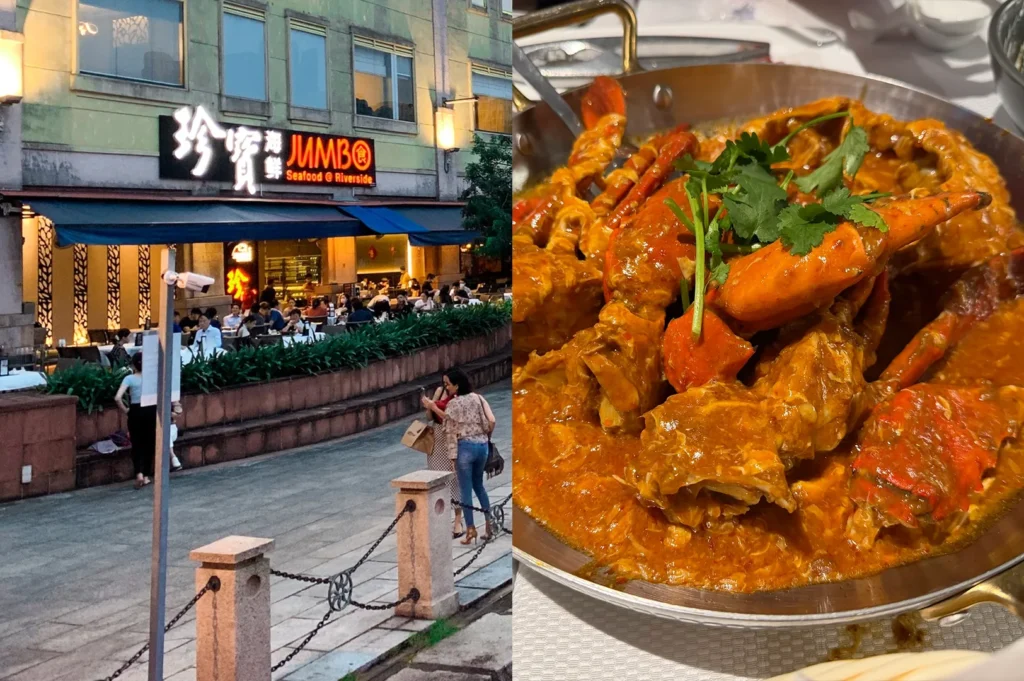
Nearest MRT: Clarke Quay
JUMBO Seafood is a hallmark of Singapore’s chinese food scene, particularly for its iconic chilli crab. The experience is participatory and sensory-rich:
- Thick, egg-laced sauce balancing sweet and spicy notes.
- Deep-fried mantou buns, porous and perfect for soaking up sauce.
- Shell cracking revealing succulent crab meat.
Expect to spend upwards of S$130 per person on premium seafood combinations. The atmosphere is lively and loud, ideal for group celebrations.
Best context: Hosting visitors seeking canonical Singapore chinese cuisine.
Avoid if: You require quiet, intimate fine dining.
Field Note: Booking private dining rooms improves acoustic control during peak hours.
6. Zui Yu Xuan Teochew Cuisine (Telok Ayer): Heritage Architecture Meets Traditional Execution
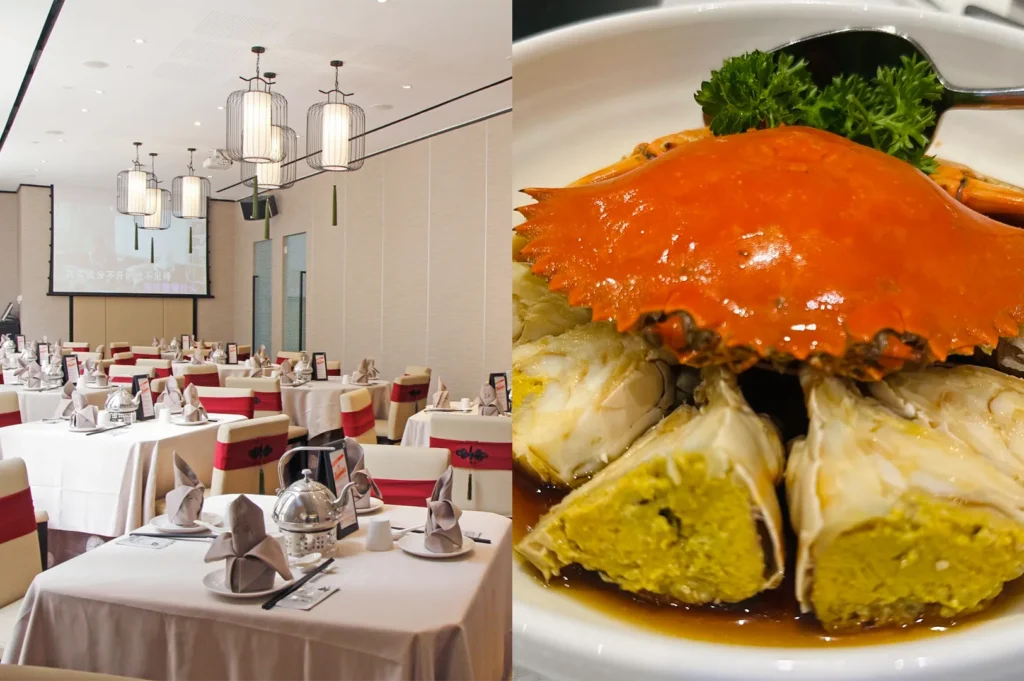
Nearest MRT: Telok Ayer
Set near the asian civilisations museum, Zui Yu Xuan elegant restaurant features traditional teochew cuisine within a space adorned with classical chinese decor, dark wood panels, soaring ceilings, and a main dining hall designed for ceremonial pacing.
Structural Anchors
- Teochew Cold Crab: chilled shell, sweet roe, firm flesh.
- Braised duck with aromatic stock.
- Porridge sets designed for communal sharing.
The cold crab offers a delightful contrast between chilled exterior and dense interior, heightened by a sharp vinegar dip.
Best context: Multi-generational family gatherings.
Avoid if: Dining solo on a strict budget.
Field Note: Take time to appreciate the building’s historical lineage, which enriches the meal’s context.
7. Taste Paradise (ION Orchard): Modern Cantonese Execution with Casual Elegance
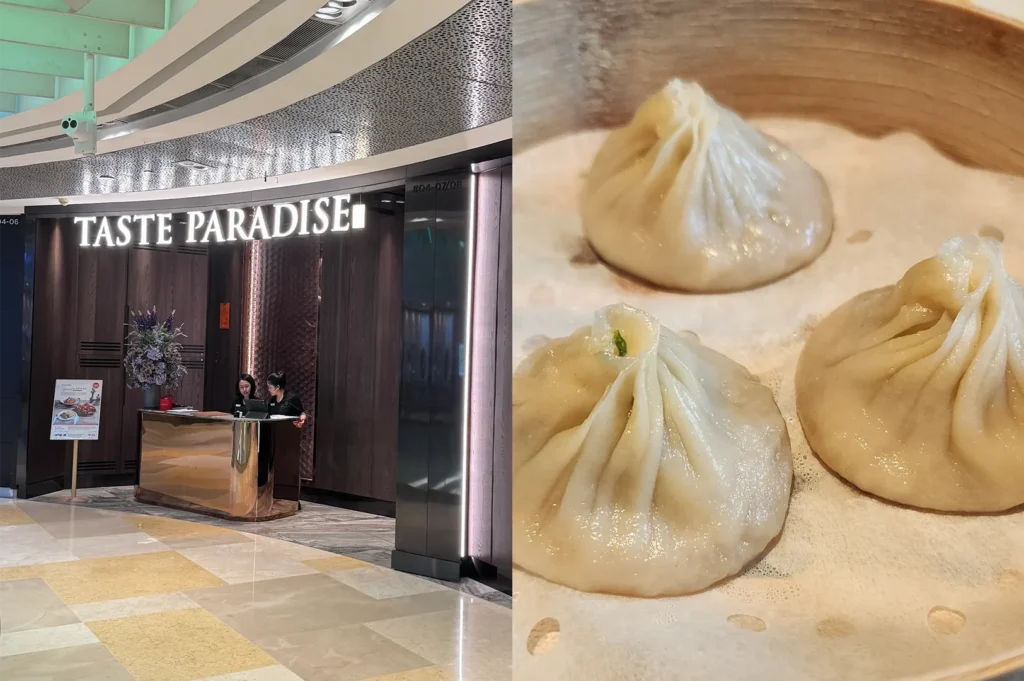
Nearest MRT: Orchard
Taste Paradise balances mall convenience with structured chinese fine dining. Its contemporary interior is less ornate than hotel-based restaurants like hai tien lo or man fu yuan, yet still controlled.
Must-Try Dishes
- Refined dim sum selection.
- Barbecue iberico pork with lacquered glaze.
- Crisp roast pork cubes with audible crackle.
Pork skin fractures sharply, revealing juicy layers beneath. Prices hover around S$50 per person, offering accessibility without sacrificing technique.
Best context: City-based family meals.
Avoid if: You seek heritage-heavy nostalgia.
Field Note: Book ahead to avoid weekday corporate peak queues.
8. Song Fa Bak Kut Teh (Clarke Quay): Pepper Broth and Throughput Efficiency
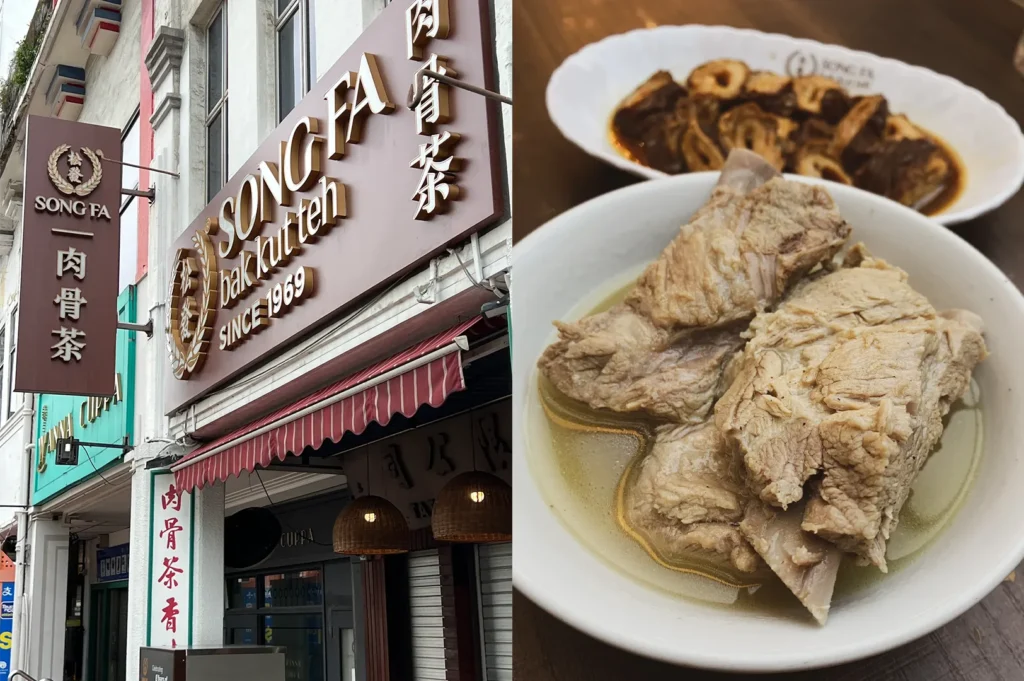
Nearest MRT: Clarke Quay
Representing a different axis of chinese cuisine, Song Fa offers the traditional Teochew pepper soup with:
- Clear broth saturated with white pepper and garlic.
- Pork ribs that separate cleanly from bone.
- Braised peanuts adding nutty depth.
The broth refill culture is integral, creating a loop of sipping and replenishing that intensifies flavor over time.
Best context: First exposure to Singapore comfort chinese food.
Avoid if: You require extended conversation windows.
Field Note: The evolving broth concentration is part of the intended experience.
Additional Highlights of Singapore’s Best Chinese Restaurants
Hai Tien Lo at Pan Pacific Singapore
Known for a stunning setting and authentic cantonese delicacies, hai tien lo combines classic recipes with a modern twist. Its elegant private rooms make it a popular choice for family gatherings and celebratory dinners. The restaurant boasts floor-to-ceiling windows that flood the space with natural light, enhancing the dining ambiance. Signature dishes include the Barbecued Suckling Pig Stuffed with Prawn Paste and the Peking Duck with Black Caviar. Guests also enjoy an extensive tea selection and expertly crafted signature cocktails.
The Dragon Chamber: A Culinary Adventure
An unconventional chinese restaurant near Marina Square, dragon chamber resurrects forgotten recipes with adventurous ingredients like the famed dragon’s claw. The atmosphere blends underground club vibes with vintage charm, offering a unique dining experience for the curious palate. Their menu features bold dishes such as Wagyu Truffle Hor Fun and Dick Soup, challenging traditional norms and delighting adventurous diners.
Aside from Chinese dining, there is also a vibrant atmosphere of Japanese dining, Singapore also boasts some of the best izakaya spots, where casual yet flavorful experiences complement the city’s rich culinary landscape seamlessly.
Structural Summary
Eating your way through these eight restaurants is a crash course in Singapore’s heritage. You move from the colonial elegance of the Conrad to the riverside hustle of Clarke Quay, tasting everything from delicate dumplings to sinus-clearing pepper soup. My advice? Don’t just stick to the safe Cantonese options. Book a table for Teochew porridge, sweat it out over Sichuan tofu, and order that extra plate of roast duck. Your stomach (and your soul) will thank you.
For those eager to explore even more of Singapore’s vibrant culinary scene, Eat Drink Asia offers a wealth of insights and recommendations on the best dining experiences across the region.

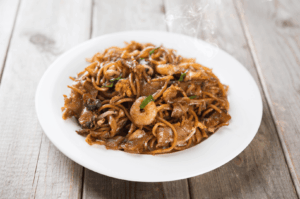
The Legendary Penang Char Kway Teow: A Culinary Journey
Dio Asahi | October 25, 2025
The air in Penang is thick with anticipation, carrying the sounds and smells of Malaysian street food being crafted with expert care. Your attention is captured by one of the many street vendors, a master standing before a seasoned wok glowing over an intense fire. The rhythmic clanging of metal on metal is the soundtrack…
-
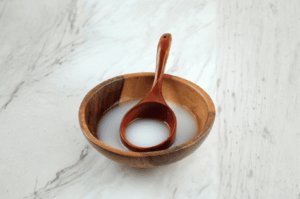
Traditional Korean Sikhye: Sweet Rice Punch Through the Seasons
Eda Wong | October 23, 2025
In the vibrant world of Korean food, beyond the fiery spice of gochujang and the savoury comfort of bulgogi, lies a gentler, more subtle delight. Meet traditional Korean sikhye (식혜), a beloved Korean sweet rice punch that holds a special place in the nation’s heart. With its cloudy, amber hue and delicate sweetness, this drink…
-
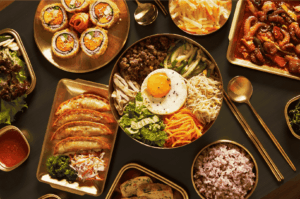
Authentic Jeonju Bibimbap: Why Korea’s Culinary Capital Makes It Best
Eat Drink Asia Team | October 21, 2025
Picture this: A steaming Korean rice bowl is placed before you in Jeonju, South Korea. Vibrant arcs of seasoned bean sprouts, glossy strips of Korean beef, a golden runny yolk resting atop perfectly cooked mixed rice, and a dollop of rich red bibimbap sauce invite you to mix it all together. As you stir, the…
-
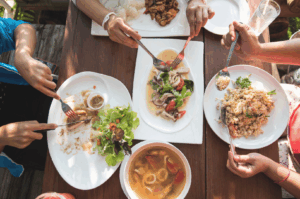
Communal Dining Traditions in Asia: Shared Meals, Lasting Bonds, and Cultural Heritage
Dio Asahi | October 18, 2025
Imagine a dining table crowded with large platters of steaming food, the smell of spices in the air, small bowls arranged neatly around the shared table, and laughter echoing across the room. Across Asia, dining tables play a central role in communal dining traditions, serving as the focal point for etiquette, social interaction, and the…
-
Century-Old Dumpling Techniques: Ancient Wisdom in Modern Kitchens
Eda Wong | October 16, 2025
Her hands move in a blur, a dance of muscle memory refined over sixty years. In a small, steam-filled kitchen in Shanghai, an elderly woman transforms a humble circle of dumpling dough into a perfect, 20-pleat xiao long bao. Each pinch and fold is a syllable in a story passed down through generations-prime examples of…
-
Ca Phe Sua Da: The Cultural Phenomenon of Authentic Vietnamese Coffee
Eat Drink Asia Team | October 14, 2025
The dawn breaks over Hanoi, and the city awakens not to alarm clocks but to the clatter of tiny spoons and the metallic click of filters. The air fills with the dark, roasted aroma of authentic Vietnamese coffee drifting from bustling corners and sidewalk stalls. They are not rushing. Instead, they are waiting-waiting for the…
-
Cao Lầu Noodles: Hoi An’s Legendary Noodle Dish with Japanese Origins
Dio Asahi | October 11, 2025
Imagine sitting on a low stool in a bustling alleyway of Hoi An’s ancient town. The warm, fragrant air is thick with the scent of sizzling marinated pork, fresh herbs, and the unmistakable aroma of fish sauce and fried rice crackers. In front of you, a bowl of Cao Lau noodles gleams, their golden brown…
-
Chinese Tea: 5,000-Year Tea Journey from Ancient Medicine to Global Beverage Phenomenon
Eda Wong | October 9, 2025
Every cup of tea enjoyed today, whether a brisk English breakfast or a delicate green tea in Tokyo, finds its lineage rooted in the heart of Chinese tea history. For nearly 5,000 years, the humble leaves of the Camellia sinensis tea plant have been cultivated, brewed, and cherished-first as ancient medicine in southern China, and…
-
The Complete Guide to Authentic Cantonese Dim Sum: Beyond Har Gow and Siu Mai
Eat Drink Asia Team | October 7, 2025
If you think eating dim sum is all about har gow and siu mai, think again. Authentic Cantonese dim sum is a dazzling showcase of Chinese culture, filled with an array of flavors, textures, and traditions that run much deeper than the classics. For both seasoned aficionados and first-time food explorers, venturing beyond the familiar…
-
Traditional Indian Lassi: Cooling Yogurt Drinks for Every Season and Region
Eda Wong | October 4, 2025
On a sweltering Indian afternoon, there is no greater relief than a tall, chilled glass of traditional Indian lassi. From bustling city streets to quiet village homes, lassi is a beloved staple that offers a moment of pure, cooling bliss. Frothy, creamy, and deeply satisfying, this yogurt drink is more than just a refreshment; it’s…