April 25, 2026 | Eat Drink Asia Team Last updated: October 15, 2026
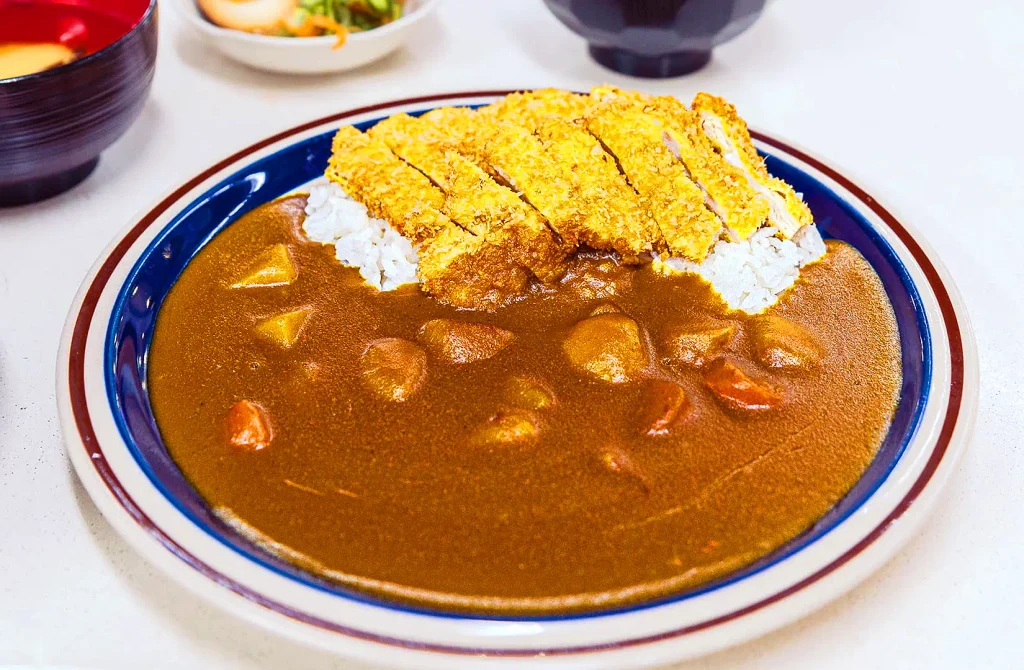
We have always believed that a brilliant plate of Japanese curry is the ultimate culinary hug. Over the past eight months, we made it our personal mission to embark on a comprehensive curry journey across Singapore, hunting down the best Japanese curry Singapore spots for thick sauce, soft Japanese rice, crispy katsu, and bowls that feel ready for lunch, dinner, or a rainy day craving.
In our experience, great Japanese curry is not just about dropping a pre-made block of roux into boiling water. It is about flavour, texture, patience, and balance: onions cooked down for sweetness, garlic and ginger adding warmth, spices building depth, vegetables giving body, and rice catching every spoonful of sauce. Whether you love chicken katsu, pork katsu, curry rice, or a broth-led bowl that shifts the category completely, these are the Japanese curry dishes worth knowing.
This culinary journey takes you on a definitive list of the best Japanese curry spots in Singapore. Who knows, this adventure might even lead you to izakaya Singapore beyond dinner.
For now, let’s dive into the ultimate selection of the best Japanese curry places in Singapore.
| Venue | Best for |
|---|---|
| Soup Curry by Ki-setsu | A regional Japanese curry style beyond thick roux |
| Maruhachi Donburi & Curry | Affordable Japanese curry rice |
| Japan Rail Cafe | A calmer curry meal with Japan travel context |
| Maji Curry | Rich Tokyo-style curry sauce |
| Monster Curry | Big portions and sharing |
| CoCo Ichibanya | Customisable curry rice |
1. Soup Curry by Ki-setsu: Hokkaido Japanese Curry Beyond the Usual Roux
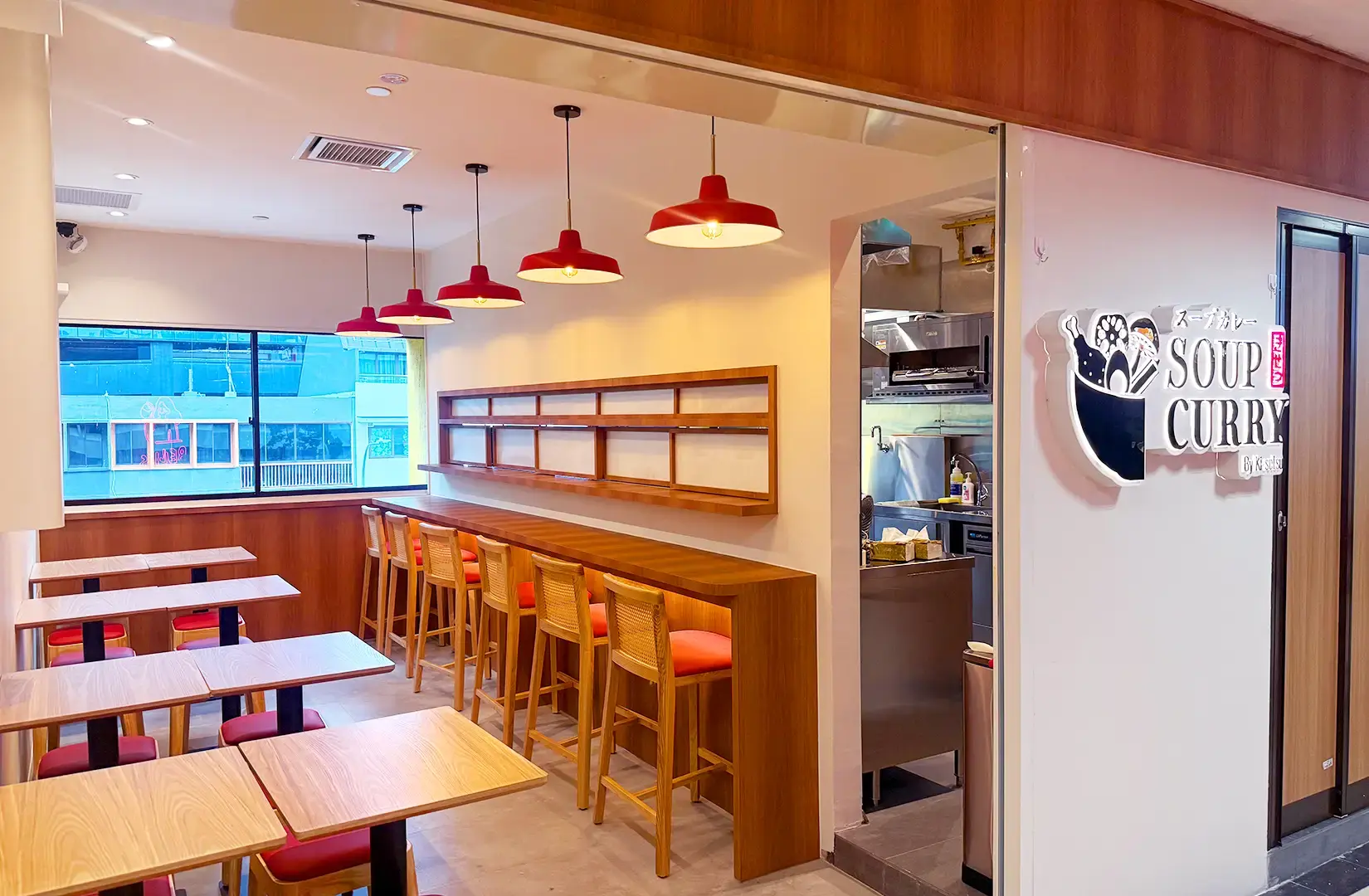
Nearest MRT: Bencoolen MRT, about 3 minutes’ walk
Price: S$14.80 per main bowl, with free-flow rice
Most Japanese curry rice begins with the familiar comfort of rice and thick brown sauce. Soup Curry by Ki-setsu changes that relationship completely.
Now serving at Fortune Centre Level 4, Soup Curry by Ki-setsu brings a more broth-led side of Japanese curry to Singapore. Located at Fortune Centre, 190 Middle Road, #04-13, Singapore 188979, it positions itself as Singapore’s only dedicated traditional Hokkaido-style soup curry concept, which already makes it stand apart from the usual katsu curry and roux-heavy plates.
What Makes It Different
This is Hokkaido soup curry, the style closely associated with Sapporo. The rice does not sit under the curry. It arrives separately, either as steamed white rice or multigrain brown rice, while the main ingredients sit inside a clear, aromatic curry broth.
The broth is the centre of the bowl. Soup Curry by Ki-setsu uses a chicken-bone broth simmered for more than six hours with zero added MSG, creating something savoury, aromatic, and drinkable by the spoonful. It is not ordinary curry diluted with stock. Once the thick roux disappears, the broth has to carry the spice, sweetness, and depth on its own.
What to Order
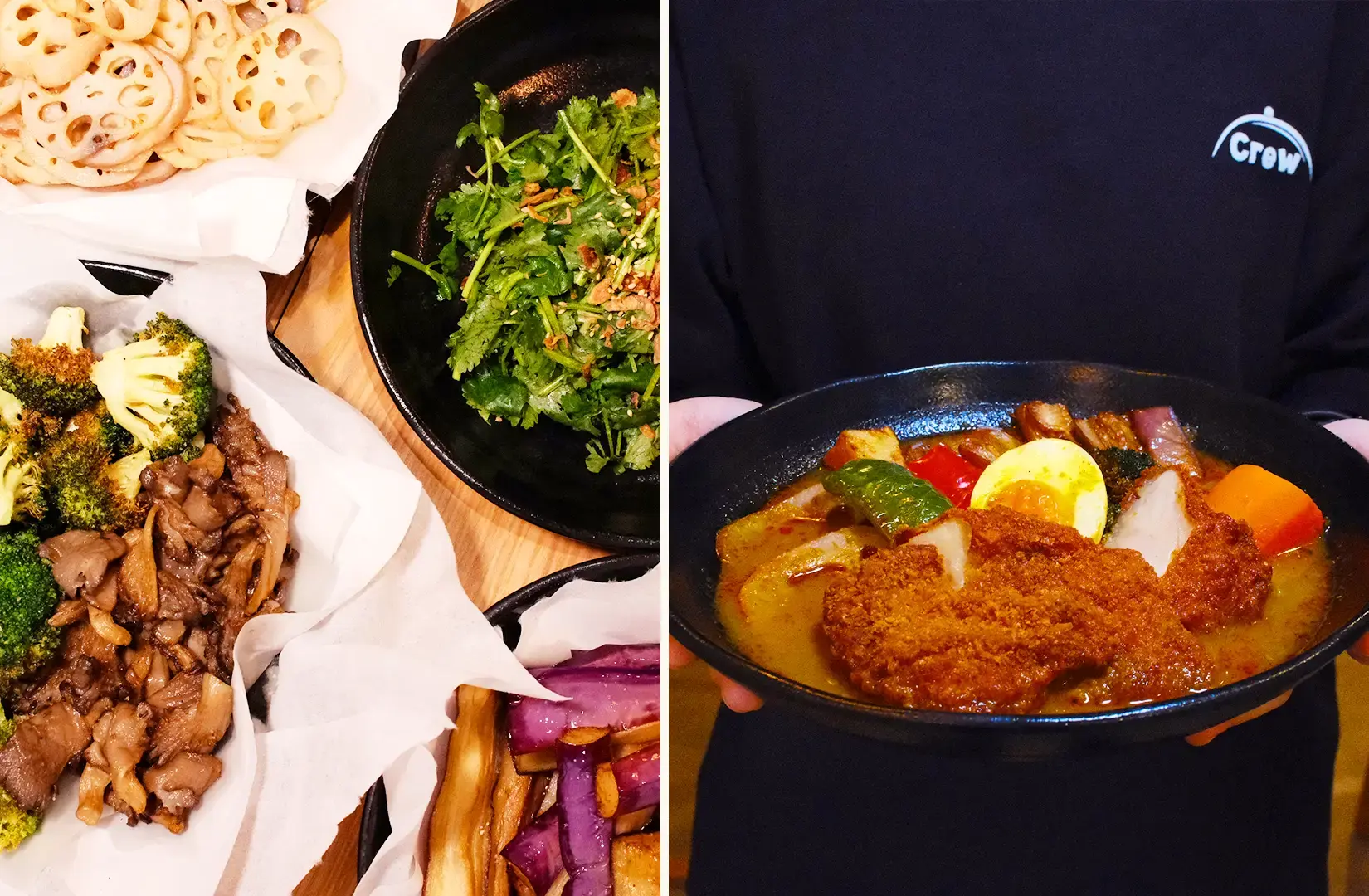
The Chicken Curry Bowl is the more substantial option. It comes with a large chicken drumstick simmered for more than five hours until it turns fall-off-the-bone tender, plus approximately six varieties of vegetables and a half ramen egg. The chicken pulls apart easily before soaking up the warm curry broth, while the rice gives each spoonful something familiar to return to. Eat it by alternating between broth and rice, or drizzle the curry over the rice if you want a more direct curry order.
The Vegetable Curry Bowl is the better choice if you want to understand the kitchen’s textural range. It comes with approximately nine varieties of vegetables, a half ramen egg, curry broth, and rice. Many vegetables are prepared using the Japanese su-age technique, where ingredients are fried directly without batter. That helps create contrast: eggplant turns soft enough to drink in the broth, lotus root keeps its bite, and root vegetables add filling weight to the bowl.
Follow their Instagram for more update: https://www.instagram.com/soupcurry.bykisetsu/
Eat Drink Asia’s pick for: Curry lovers who want to understand a regional Japanese curry style beyond thick roux.
Give this a pass if: Your idea of comfort begins and ends with crispy pork cutlet under thick curry sauce.
Insider’s tip: Start with the normal spice level and alternate between spoonfuls of broth and rice before deciding whether you want more heat next time.
2. Maruhachi Donburi & Curry: Japanese Curry Rice from the Coffee Shops
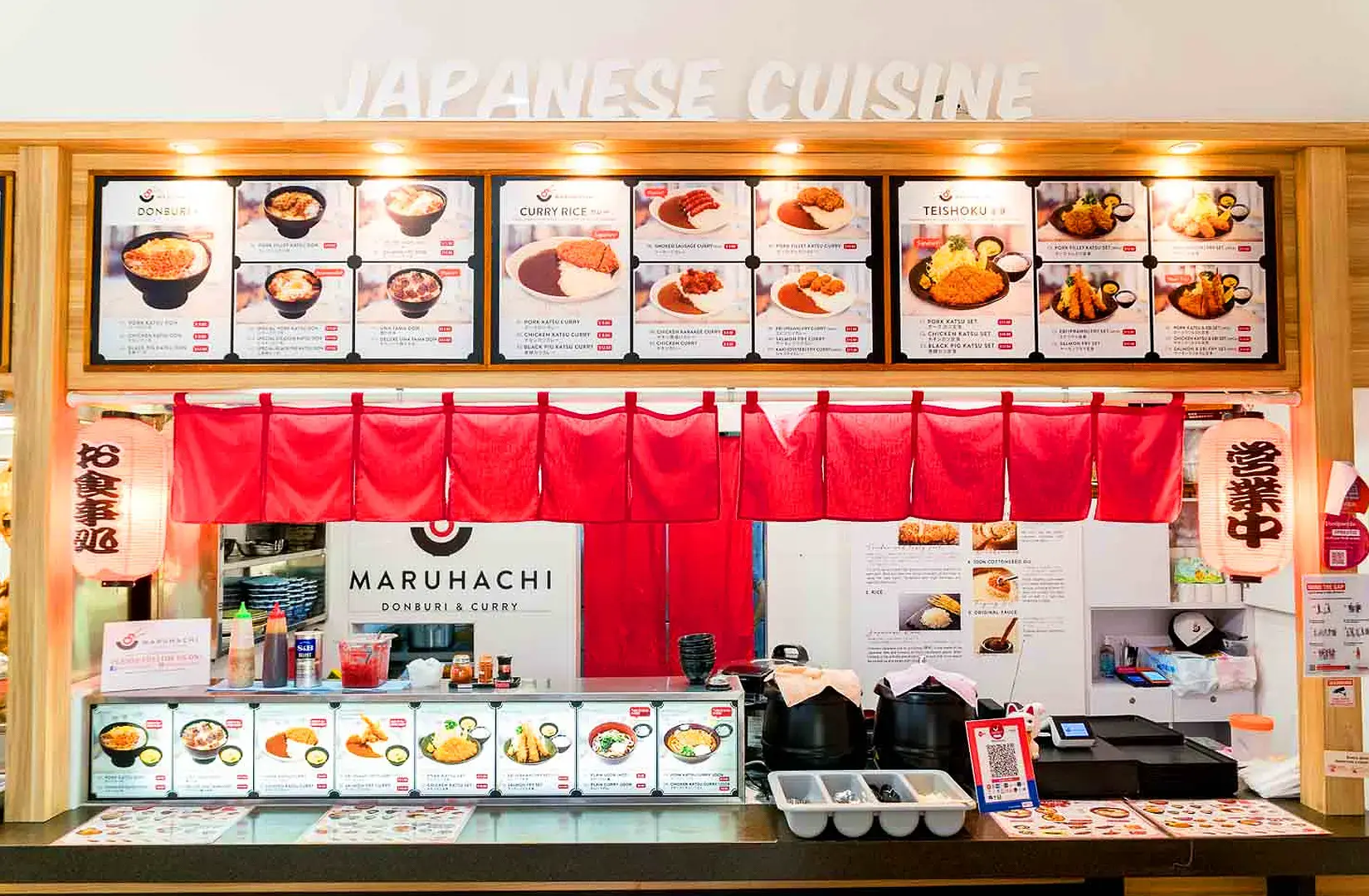
Nearest MRT: Varies by outlet
Price: Around S$12–S$16+ depending on outlet and dish
For an affordable Japanese curry rice spot, Maruhachi Donburi & Curry is one of Singapore’s most practical choices. Found in neighbourhood coffee shops and casual food courts, it delivers hearty curry without restaurant-level pricing. The appeal is direct: crisp katsu, fluffy rice, and enough thick curry sauce to make the plate feel complete.
This is not fine dining pretending to be casual. Maruhachi’s strength is accessibility, especially for diners who want a satisfying meal without needing to book ahead or wait for a restaurant table. It works best as an everyday curry rice stop rather than a destination built around ceremony.
What Makes It Different
Maruhachi shows that a good Japanese curry plate does not need a polished dining room to work. The tonkatsu cutlet is coated in Japanese breadcrumbs and fried until crisp, giving the dish the snap and crunch that curry rice needs. Once the thick, savoury sauce touches the cutlet, the contrast becomes the point.
The curry itself is not as layered or intense as the more specialised shops on this list. But it delivers where it matters: portion, value, and consistency. For a coffee-shop setting, that balance makes Maruhachi one of the easier recommendations for budget-conscious curry cravings.
What to Order
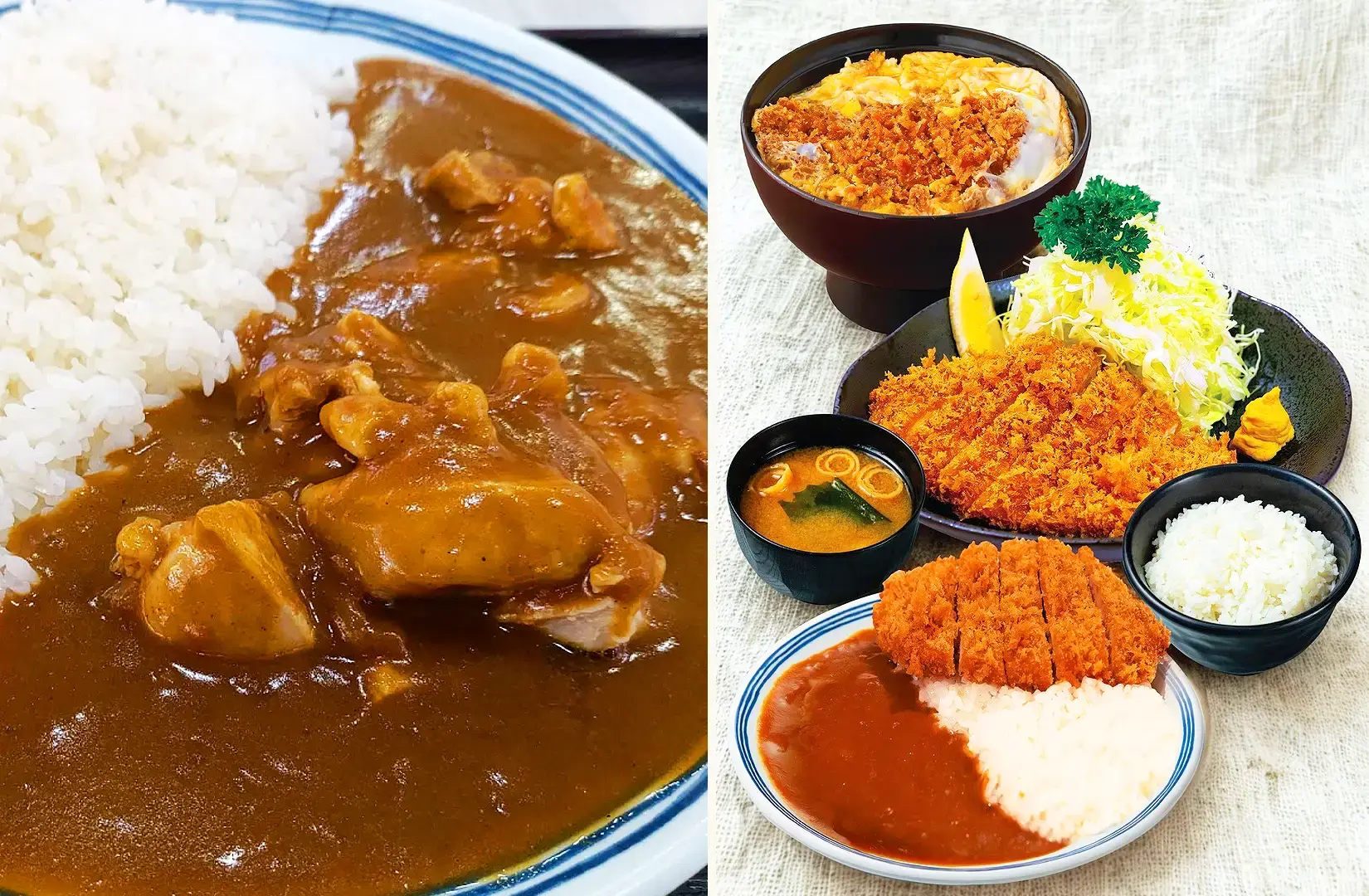
The Pork Katsu Curry Rice is the benchmark order. The cutlet brings a clean crunch, while the pork stays tender enough for a satisfying everyday meal. The curry coats the rice and cutlet without making the whole plate collapse into softness. It is simple, filling, and exactly the kind of food you want when comfort matters more than novelty.
The Seafood Curry is worth considering when you want something lighter than pork katsu. It gives the same curry-rice comfort but shifts the meal away from fried pork richness. That makes it a useful second option for diners who want sauce, rice, and a gentler curry order, but not the full weight of a breaded cutlet.
Eat Drink Asia’s pick for: Budget-conscious diners who want solid Japanese curry without fuss.
Give this a pass if: You want premium pork cuts, layered spice complexity, or a dedicated restaurant setting.
Insider’s tip: Try the pork katsu curry first; the simplest plate is still the clearest way to judge Maruhachi.
3. Japan Rail Cafe: Japanese Curry Rice with a Travel Story
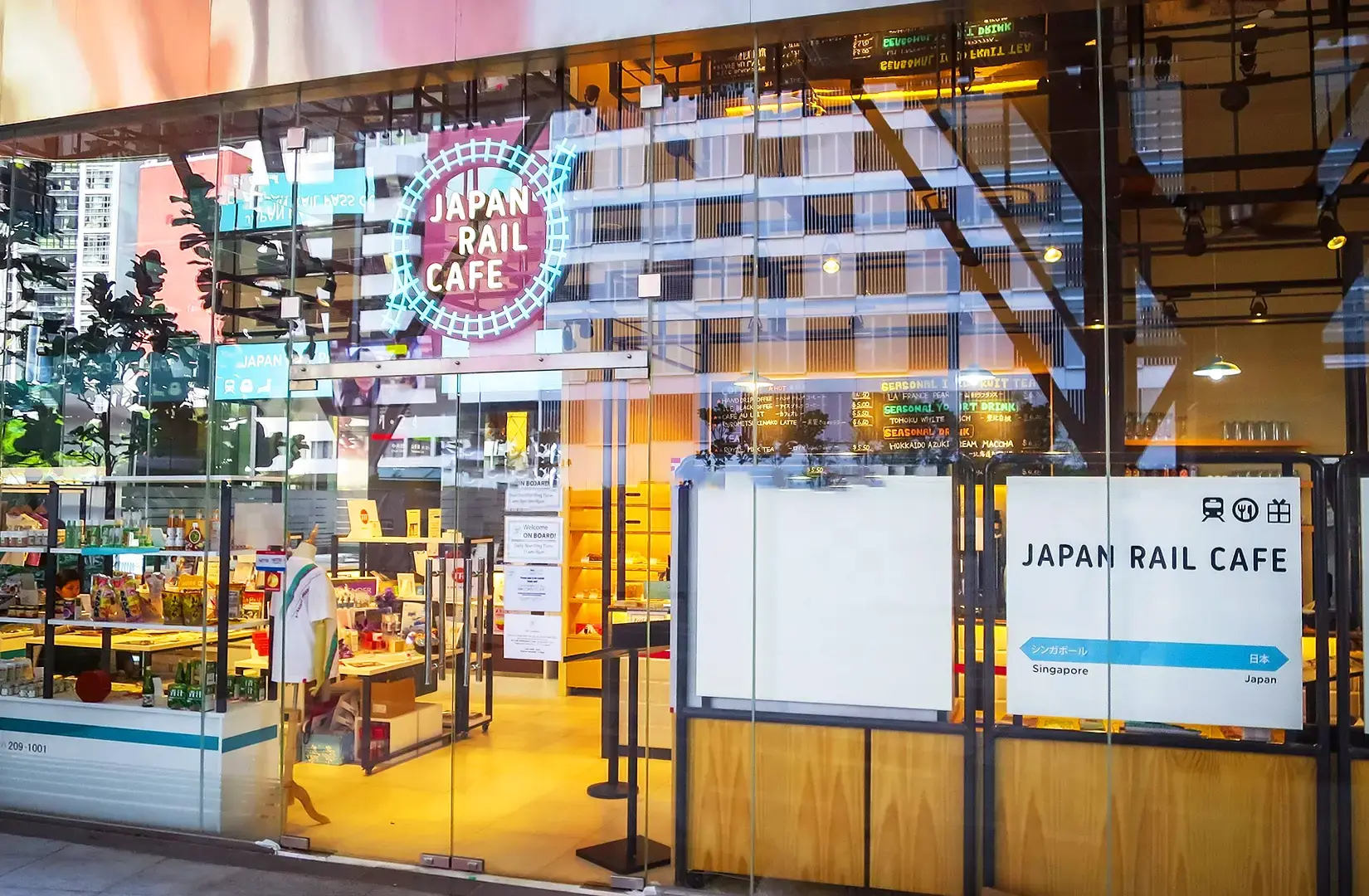
Nearest MRT: Tanjong Pagar MRT, about 5 minutes’ walk
Price: S$14 to S$22
Japan Rail Cafe is more than a simple Japanese restaurant. Operated by the East Japan Railway Company, or JR East, it works as both a dining space and a cultural stop for travellers interested in Japan. That gives the curry here a different setting from the usual quick lunch counter.
The room is calmer than most curry chains, and the food fits that mood. This is not the boldest curry in Singapore, but it works when you want a satisfying meal with travel context, quiet seating, and a softer introduction to Japanese cuisine. It feels less like a curry sprint and more like a pause between itinerary ideas.
What Makes It Different
The café’s identity gives it a cultural angle that most curry shops do not have. It is partly a restaurant, partly a Japan travel touchpoint, and that makes the meal feel connected to a broader idea of regional Japanese food. The curry here does not chase the loudest spice or the most monstrous portion.
Its Watashino Curry Rice is a black pepper-based curry with warm spice and gentle depth. Compared with richer or darker curry styles, it feels smooth, mild, and more approachable. That makes Japan Rail Cafe useful for diners who want Japanese curry without the heaviness of a giant katsu plate.
What to Order
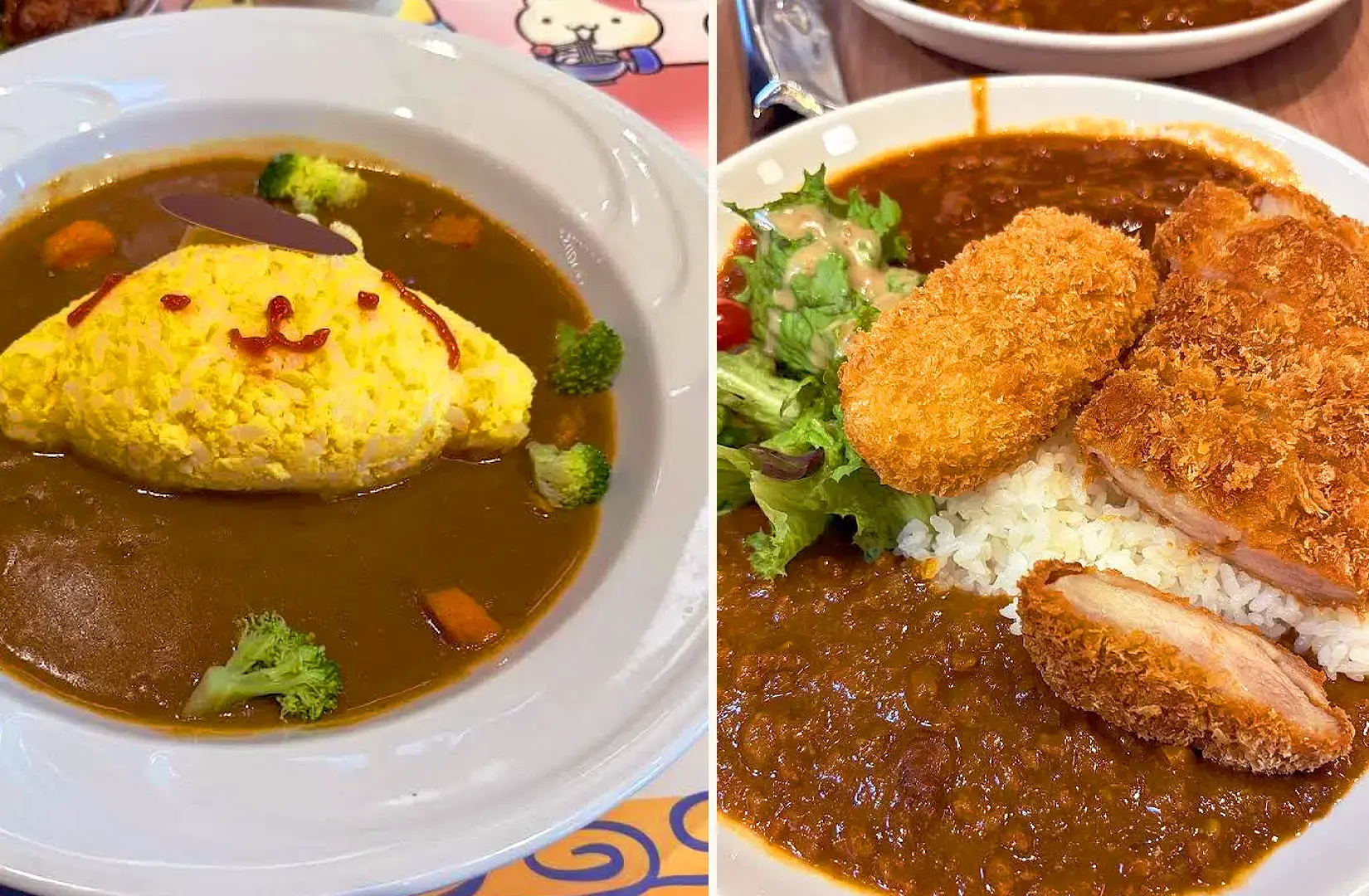
The Watashino Curry Rice is the most direct expression of the café’s curry style. The black pepper gives the sauce warmth without turning it aggressive, while the rice keeps the plate grounded. It is a good choice for diners who prefer balanced spice over heavy richness. Think of it as a quieter curry, not a weaker one.
The Tori Karaage Curry is the better order if you want more texture. The fried chicken brings crisp edges and juicy meat, while the curry softens everything into comfort. It is still approachable, but the karaage gives the plate more bite and weight. If you are visiting with friends before planning travel, this is an easy dish to share bites from while comparing notes.
Eat Drink Asia’s pick for: Culture lovers, Japan travellers, and diners who want curry with a story.
Give this a pass if: You want a fast, no-frills curry fix with maximum intensity.
Insider’s tip: Check seasonal promotions before ordering, since the café often leans into Japan travel tie-ins.
4. Maji Curry: Rich Japanese Curry Sauce and Chicken Katsu Options in Novena
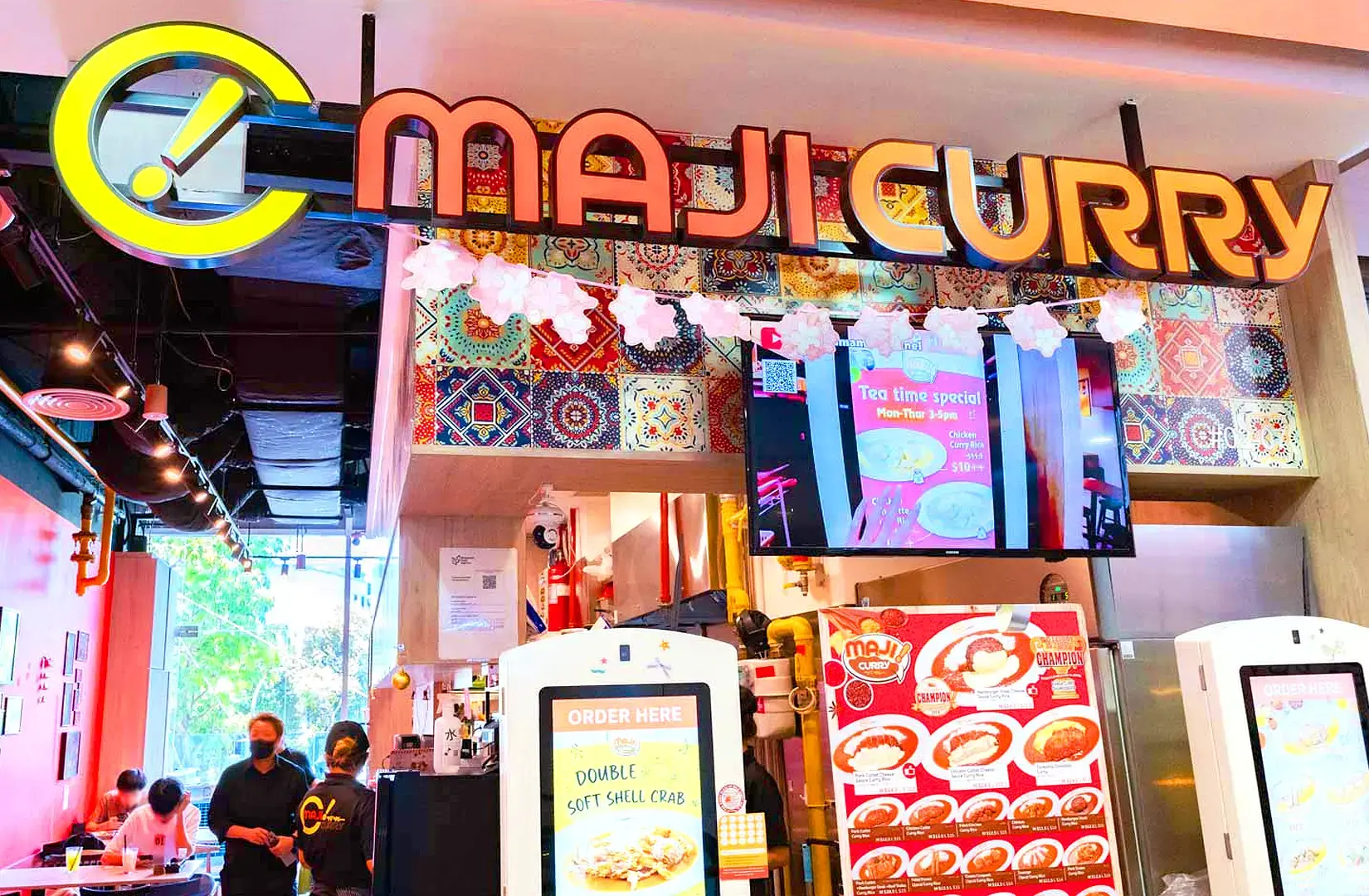
Nearest MRT: Novena MRT, about 3 minutes’ walk
Price: S$12 to S$20
When a restaurant wins the Kanda Curry Grand Prix, expectations rise quickly. Maji Curry, tucked inside Square 2, delivers a focused version of Tokyo-style Japanese curry rice that feels richer and more deliberate than many casual curry places in Singapore. The space is small and functional, closer to a Tokyo counter than a polished dining room.
The star is the curry sauce. It is a slow-cooked curry roux built from broth, vegetables and spices simmered with vegetables and spices until dark, savoury, and rounded. This is the kind of curry that wants rice, cheese, egg, chicken katsu, pork katsu, and fried cutlets around it.
What Makes It Different
Maji Curry stands out because of its concentrated sauce. The curry is darker, thicker, and more savoury than many easygoing Japanese curry plates, with enough depth to hold up against rich toppings. It is not trying to be light or delicate.
The menu also understands texture. Crisp pork katsu, chicken katsu, hamburger steak, omelette, and cheese all work because they push against the sauce in different ways. When the cheese melts into the curry, it turns the plate creamier and more indulgent without losing its savoury base.
What to Order
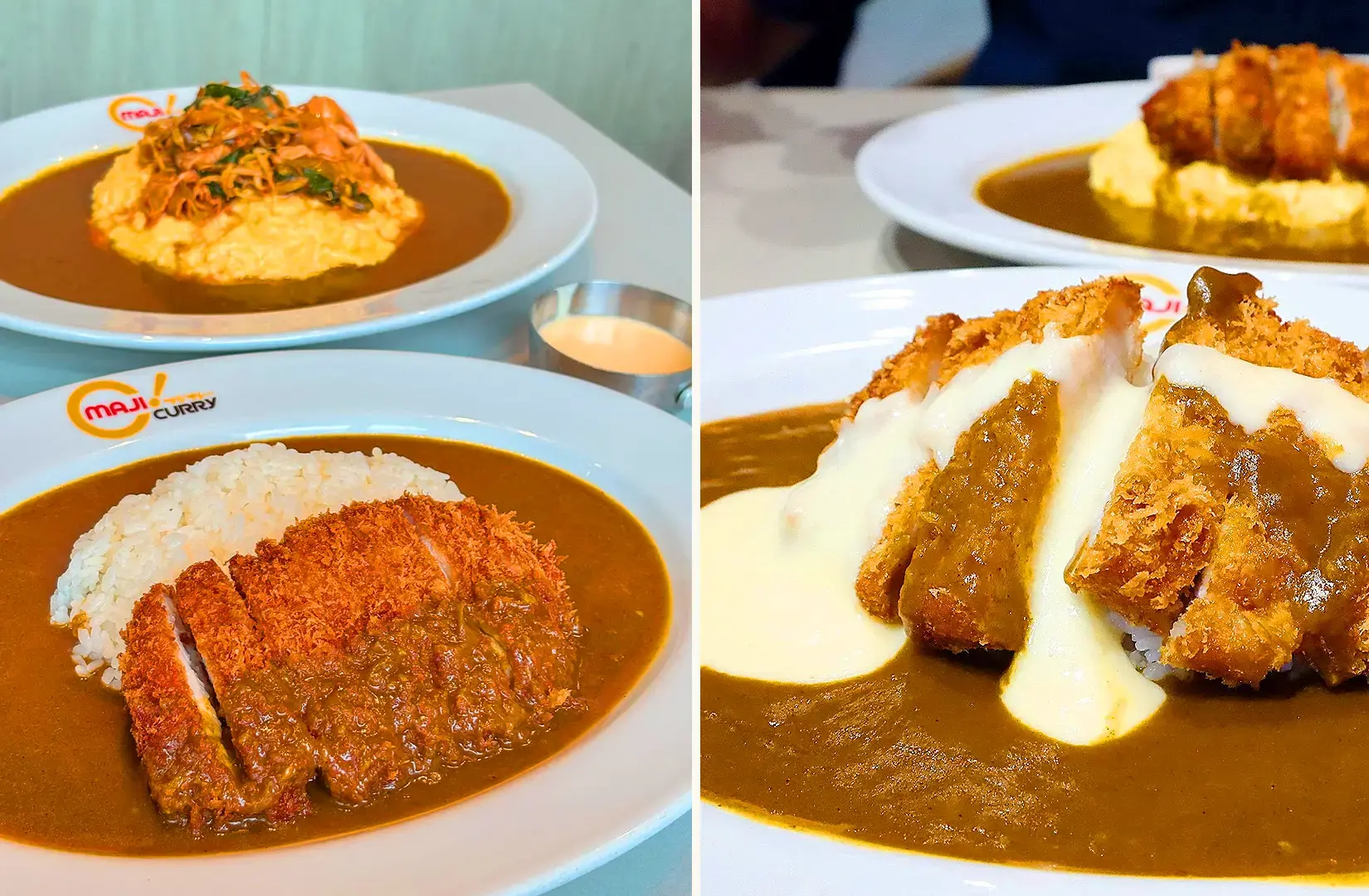
The Cheese Hamburg Curry Rice is the order for diners who want Maji Curry at its richest. The hamburger steak brings juicy meat, while the grated cheese melts into the hot curry and softens its edges. With rice underneath, the whole plate becomes creamy, savoury, and heavy in the best possible way. It is not subtle, but it is deeply satisfying.
The Chicken Katsu Curry Rice or Pork Katsu Curry Rice is the better choice if you want a cleaner contrast. The crispy breaded cutlet resists sogginess long enough to give each spoonful some crunch. Dragged through the curry, the katsu becomes richer without losing its shape. Add an omelette if you want a softer, more comforting version.
Eat Drink Asia’s pick for: Diners who want concentrated Tokyo-style Japanese curry sauce with crispy pork or chicken katsu.
Give this a pass if: You prefer a lighter plate or broth-based curry.
Insider’s tip: Mix the cheese into the curry immediately for a silkier texture.
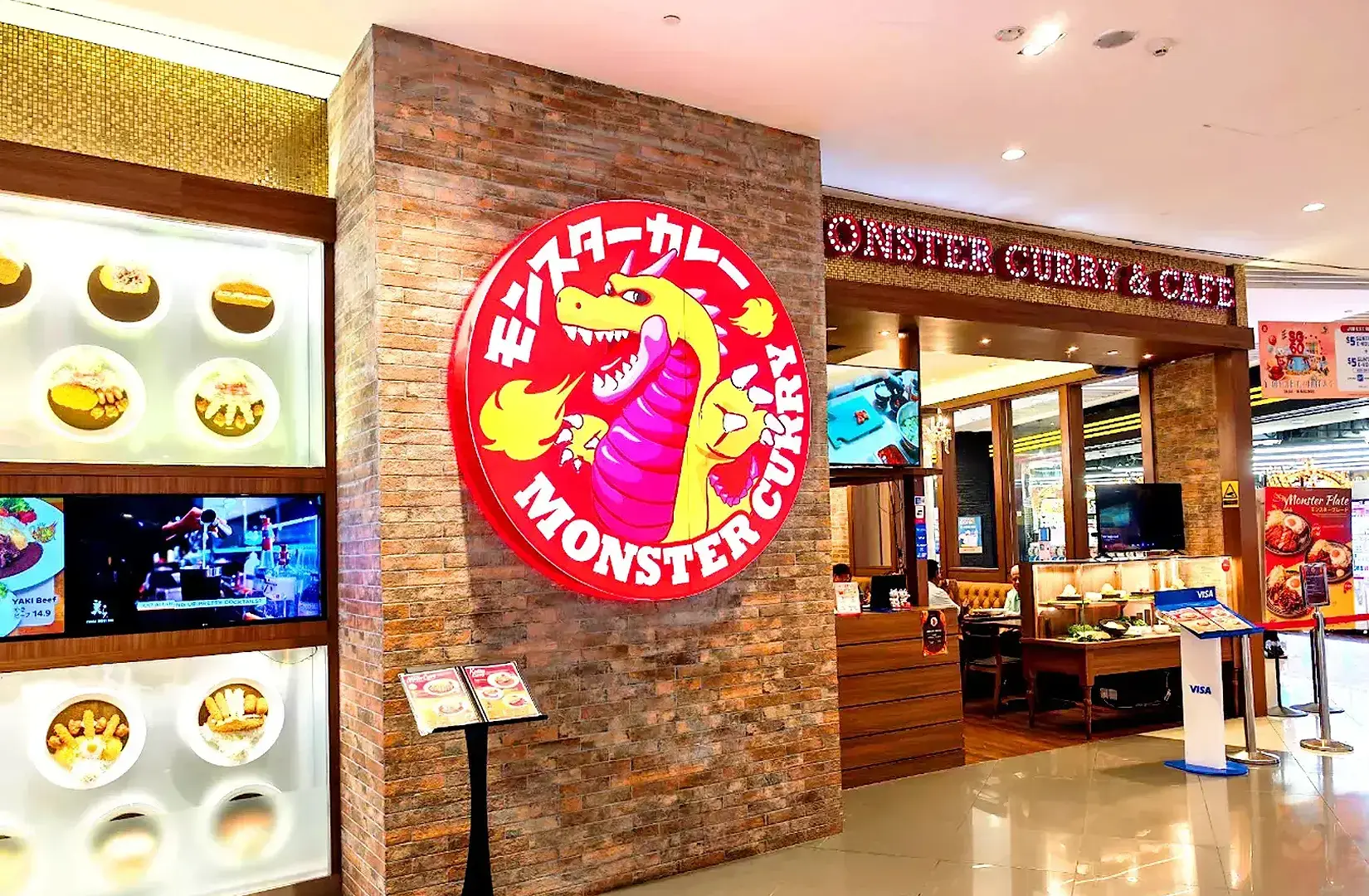
5. Monster Curry: Katsu Curry, Chilli Padi Heat, and Big-Plate Comfort
Nearest MRT: Promenade MRT, about 5 minutes’ walk
Price: S$12 to S$20
Sometimes curry is not about restraint. Sometimes it is about appetite. Monster Curry understands this, serving oversized plates of curry rice built for sharing, indulgence, and casual Japanese comfort food.
At Suntec City, this is the place for diners who want big plates, familiar toppings, and curry sauce that leans comforting rather than complex. It is not quiet or delicate, but it knows exactly what kind of craving it is feeding. For groups, friends, and big appetites, that confidence is part of the appeal.
What Makes It Different
Monster Curry’s identity is built around size, selection, and customisation. Its large plates make the meal feel communal, especially when the table orders combinations with pork katsu, fried fish, shrimp tempura, cheese, and curry sauce. It is the opposite of a restrained curry counter.
The curry itself is thick, savoury, slightly tangy, and designed to work with many toppings at once. Diners who want an extra kick can add the house hot sauce, a fiery concoction of chilli padi, garlic, ginger, celery, and other ingredients. The curry is also offered in five different levels of spiciness, which lets people shift from mild comfort to something sharper.
What to Order
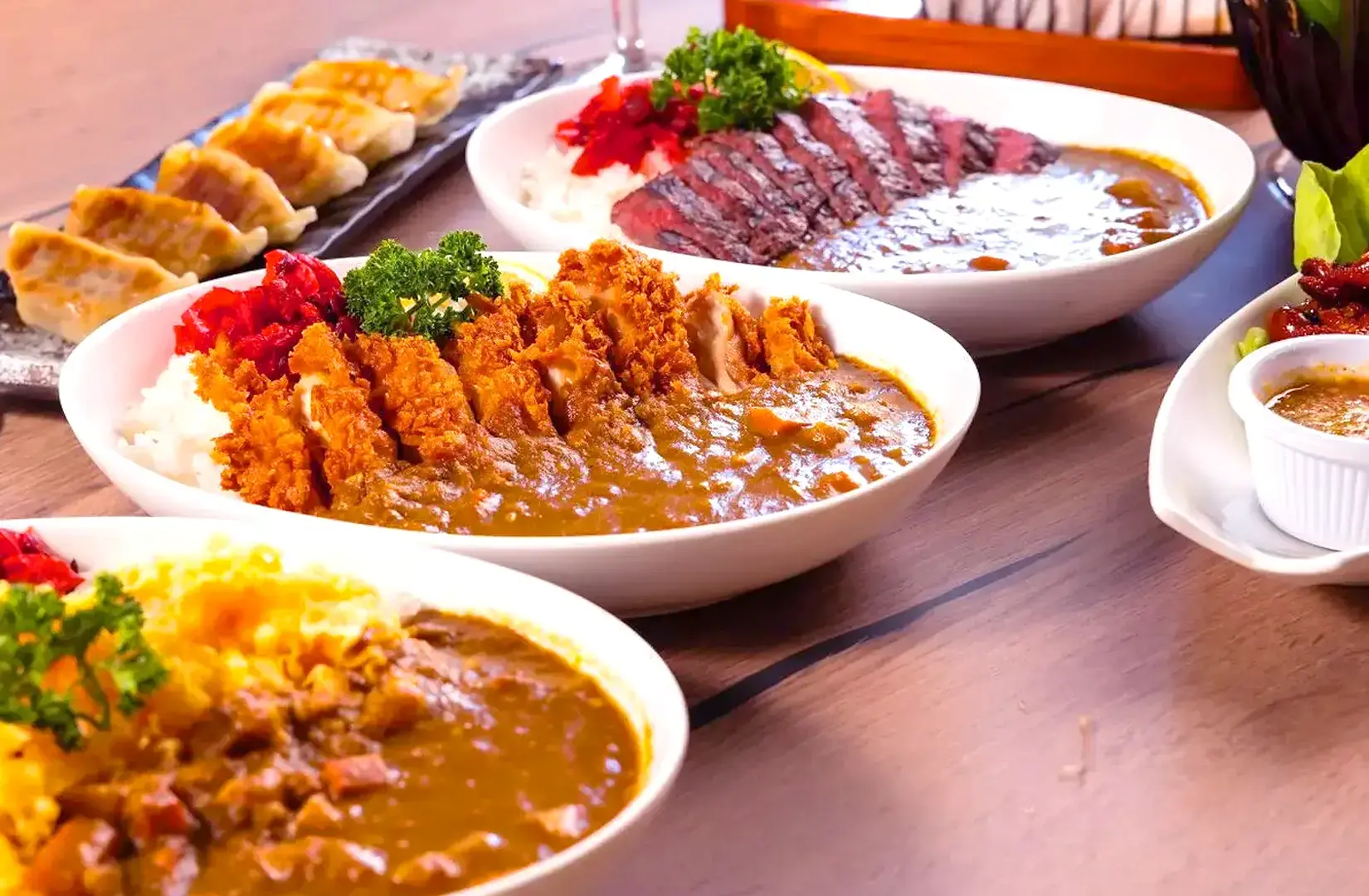
The Monster Combo Curry is the obvious order if you want the full experience. It arrives with rice, pork katsu, fried fish fillet, crunchy shrimp tempura, cheese, and thick demi-glace-style curry. The plate is large, rich, and built for diners who want variety in one go. It is best approached with appetite, or with someone willing to share.
The Chicken Katsu Curry is a more manageable option. You still get crisp breading, rice, and plenty of curry, but without the full weight of the combo plate. It is a good choice when you want Monster Curry’s comfort without turning lunch into a challenge. Choose a lower spice level if you want the sweetness of the sauce to stay in front.
Eat Drink Asia’s pick for: Groups, big appetites, and casual curry lovers who want a generous plate.
Give this a pass if: You want a quiet, polished dining room or a restrained curry style.
Insider’s tip: Choose a smaller rice portion and add more toppings if you want variety without wasting food.
6. CoCo Ichibanya: Customisable Japanese Curry for Every Appetite
Nearest MRT: Dhoby Ghaut MRT, about 3 minutes’ walk
Price: S$13 to S$22
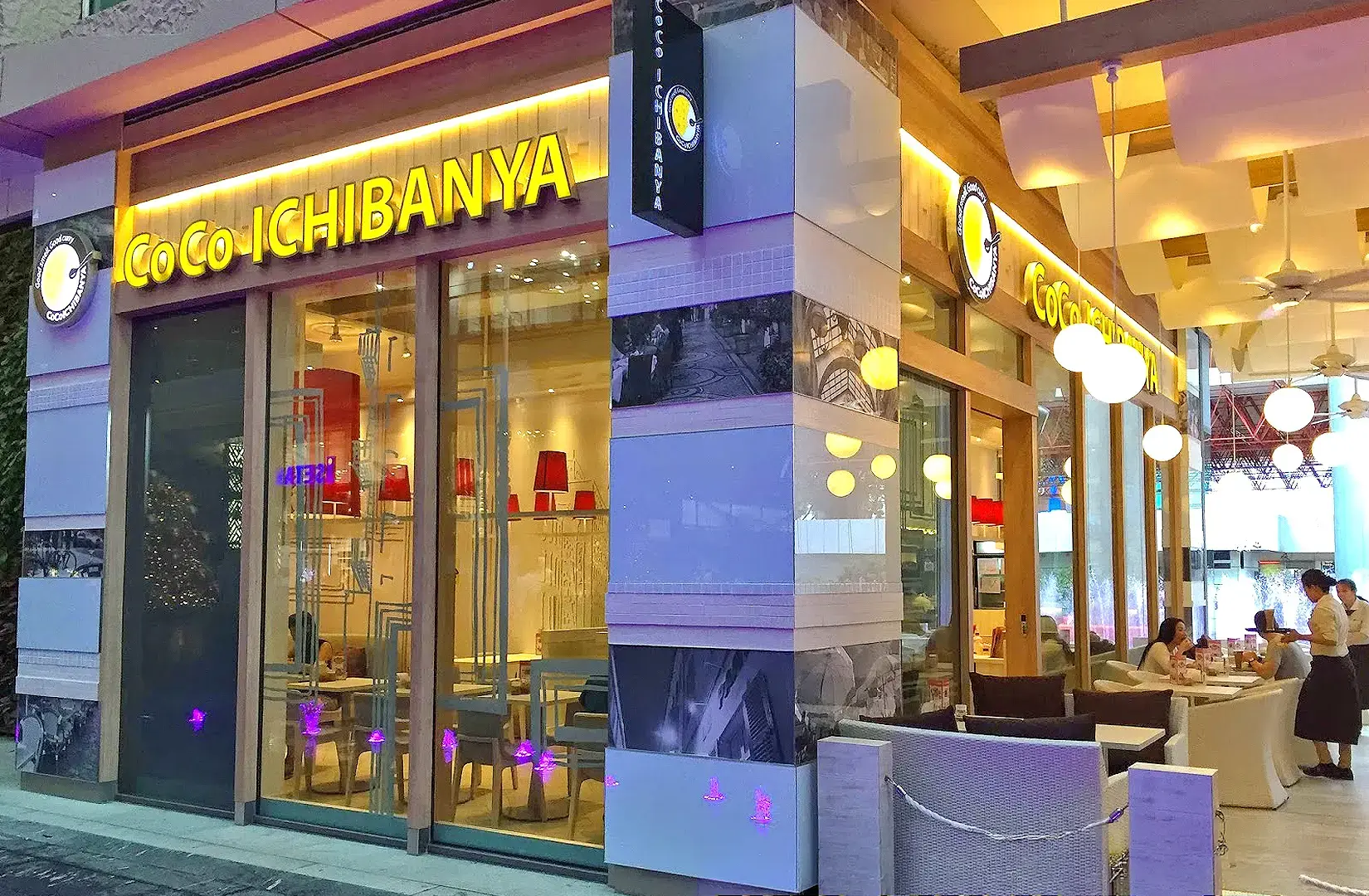
CoCo Ichibanya has built its reputation around choice. At its Plaza Singapura outlet, diners can adjust rice amount, spice level, sauce style, and toppings, turning the same curry sauce into anything from a simple weekday plate to a generously loaded meal. That customisation has long been central to the chain’s appeal.
CoCo Ichibanya is less concerned with regional tradition than dependable personalisation. It works especially well for groups whose preferences rarely match. One diner can stay mild and simple, while another can add heat, cheese, vegetables, extra toppings, and a different portion of rice.
What Makes It Different
The main draw here is control. You decide how much rice you want, how spicy the curry should be, and what toppings belong on the plate. That makes CoCo Ichibanya one of the easiest Japanese curry places to recommend for mixed groups.
The curry sauce is familiar and dependable rather than experimental. It is thick, comforting, and flexible enough to support chicken cutlet, pork cutlet, omelette, mushrooms, cheese, eggplant, carrot, and extra vegetables. The experience is not about surprise; it is about getting the plate you were craving.
What to Order
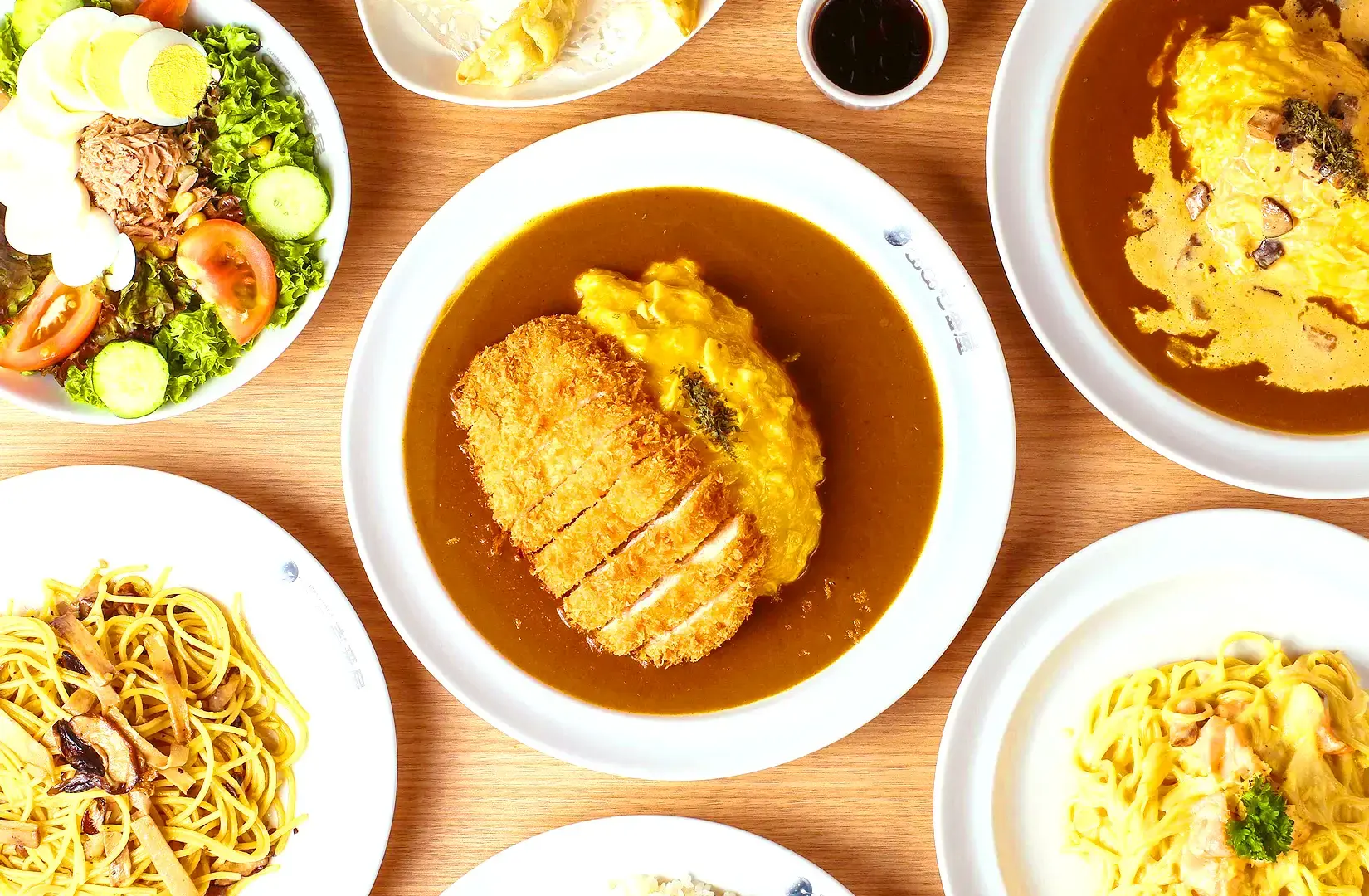
The Pork Cutlet Omelette Curry is one of the most comforting combinations. The soft egg wraps around the rice, the pork cutlet adds crisp breading and tender meat, and the curry brings everything together. It is rich without feeling chaotic. If you like textural contrast, this is the safest bet.
The Mushroom Cream Omelette Curry is better for diners who want something softer and less meat-heavy. The omelette gives the plate a plush texture, while the mushrooms add earthiness and the cream makes the curry gentler. It is a good reminder that customisable curry does not always need to be maximalist.
Eat Drink Asia’s pick for: Diners who enjoy building their own Japanese curry plate.
Give this a pass if: You prefer a smaller menu with one highly specialised curry style.
Insider’s tip: Add the omelette to a pork cutlet curry for a softer contrast against the crisp breading.
Insider’s tip: Add the omelette to a pork cutlet curry for a softer contrast against the crisp breading.
Eat & Drink Verdict on the Best Japanese Curry Places in Singapore
Japanese curry represents one of Asia’s most fascinating culinary adaptations; a testament to how authentic flavors transcend borders while honoring their cultural roots. Singapore’s vibrant dining landscape has become a remarkable showcase for this beloved tradition, embracing everything from the soul-warming comfort of classic katsu preparations to the nuanced regional interpretations that reveal curry’s profound textural diversity and cultural evolution.
For those committed to deeper authentic exploration of Singapore’s diverse culinary heritage, including our comprehensive coverage of halal-certified establishments, Eat Drink Asia serves as your trusted guide to culturally-respectful dining experiences that honor both tradition and community.

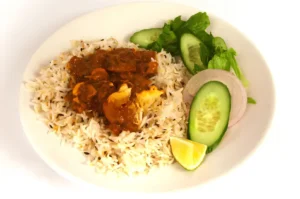
One-Pan Chicken Curry With Jeera Rice and Cucumber Raita: Food for Dinner Indian, Made Practical
Eat Drink Asia Team | July 11, 2026
The first time we cooked a full Indian dinner on a weeknight, the curry, rice, and raita felt like three separate tasks—three pans, three timers, and a kitchen full of wonderful smells but chaos. The curry was good, the rice sticky, and the raita watery from being made too early. That night taught us a…
-
Banana Leaf Steam: Why Some Rice Smells Like Home
Eda Wong | July 10, 2026
Steam rises from the pot, and a woman lifts a banana leaf over the open flame, turning it once, twice, until its stiff green softens and the surface goes glossy and pliant. She wipes it down with a damp cloth, then spoons hot rice into its center while the grains still steam. The leaf releases…
-
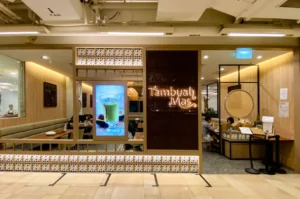
Tambuah Mas Paragon, Delivered: Unique Food Delivery Singapore With Old-School Comfort
Eda Wong | July 9, 2026
I ordered from Tambuah Mas on a rainy Sunday at around 6:15pm, mostly because I wasn’t in the mood to dress up and head into town, but I still wanted a proper meal. Not a sad one-bowl lunch. A real spread. That’s the thing about Tambuah Mas. It’s been around since 1981, serving Indonesian home-style…
-
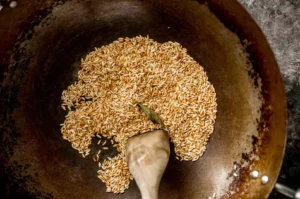
Toasted Rice Powder: The Dust That Makes Larb Sing
Dio Asahi | July 8, 2026
A wok sits over a low flame, and a handful of raw sticky rice slides across its dry surface. No oil, no water—nothing but heat and patience. The grains pale, then blush amber, then deepen toward the color of weak tea. Someone shakes the pan in a slow, even rhythm, listening as much as watching….
-
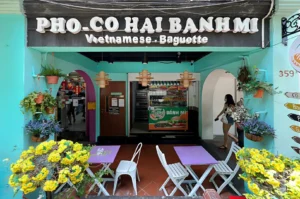
Ordering Lunch From Co Hai Banh Mi, and Finding Out the Definition of Good Food Delivery
Dio Asahi | July 7, 2026
I ordered lunch from Co Hai Banh Mi & Phở Vietnamese Restaurant on a Thursday at 12:08pm, which is probably the worst and most honest time to test delivery food. It was raining lightly, the kind of Singapore lunch rain that makes every rider slower and every office worker hungrier. I had been thinking about…

Orchard Plaza Food: Hidden Japanese Restaurants and Local Eats Near Somerset
Eat Drink Asia Team | July 4, 2026
Orchard Plaza is one of those buildings we kept walking past before we properly understood it. From the street, it looks more like an office block than a dinner plan. But over repeated visits, usually after work or during odd lunch windows, we’ve found that the real charm sits behind lift doors, quiet corridors, and…
-
Salted Egg, Properly Treated: Sauce, Not Shortcut
Eda Wong | July 3, 2026
By Eda Wong for Eat Drink Asia. The wok station is already hot when the cook lowers the flame. In the narrow back of a Singapore zi char kitchen, the air smells of butter, curry leaves, and the faint mineral edge of salted duck egg. A metal spatula presses cooked yolks through oil until they…
-
Fish Sauce at the Table: The Quiet Work of Fish Sauce
Dio Asahi | July 1, 2026
At a narrow lunch table in Bangkok, the bottle arrives before the rice has stopped steaming. It is clear glass, refilled many times, its plastic cap slightly stained from years of fingers and heat. Beside it sits a small bowl of sliced chillies floating in amber liquid, the cut edges pale and sharp. Someone nudges…
-
Eat 3 Bowls Bendemeer Review: A Taiwanese Comfort Food That Delivers
Eda Wong | June 30, 2026
I ordered Eat 3 Bowls @ Bendemeer on a Thursday at about 11:45am, which is my favourite test window for delivery food. It’s close enough to lunch for the kitchen to be in rhythm, but not so late that every rider in the neighbourhood is already fighting the office crowd. By 12:25pm, the bag was…
-
ABC Hokkien Mee After Renovation: What to Expect When the Woks Return
Dio Asahi | June 27, 2026
When I first walked past a hawker centre undergoing major renovations, the absolute silence unsettled me. The usual rhythmic scrape of metal spatulas against cast-iron woks was gone, replaced by the hum of construction. It made me realise just how much our culinary journeys are tied to the physical spaces we eat in. Right now,…