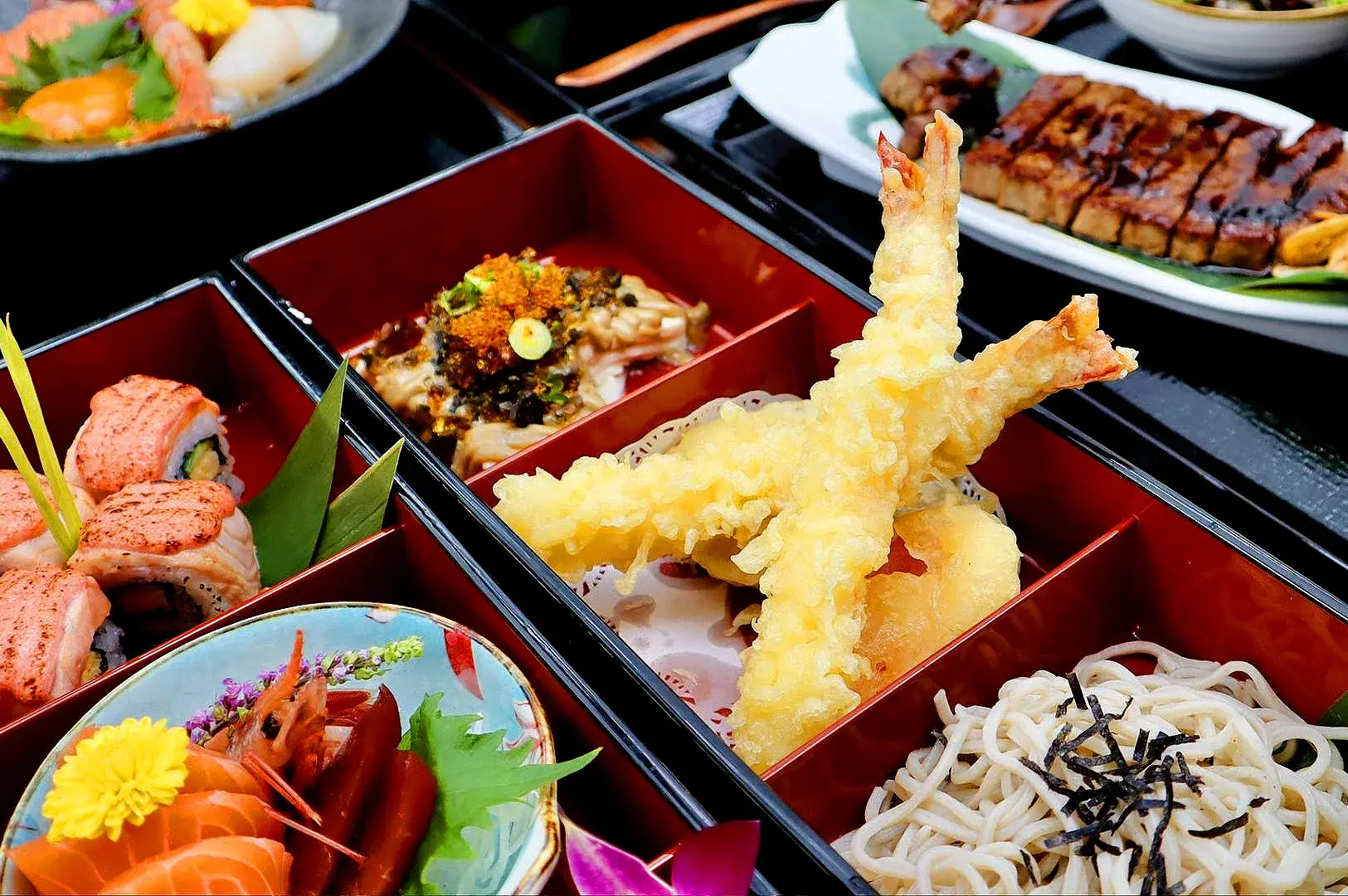
I built this list around a very specific feeling: that first bite where the room goes quiet for a second. I’ve tried enough Japanese restaurants in Singapore over the years to know that “best” does not always mean the most expensive, the rarest, or the hardest to book. Sometimes it is the warmth of the sushi rice. Sometimes it is the way seafood tastes almost clean enough to disappear. Sometimes it is the first spoonful of luxury that tells you the meal is going to be serious. This is especially true when exploring the best omakase Singapore has to offer, where each course is thoughtfully curated to highlight seasonal ingredients and impeccable technique.
For this guide, I kept the list tight: four Japanese restaurants in Singapore that understand timing, texture, and restraint. They are not casual everyday spots. They are places for diners who want a meal to unfold slowly, with attention paid to the first impression as much as the final course.
1. Sushi Sakuta (Millenia Walk) – Best Japanese Restaurant Singapore for Exquisite Sushi
Nearest MRT: Promenade MRT, 3–5 minutes walk
Price: $$$$
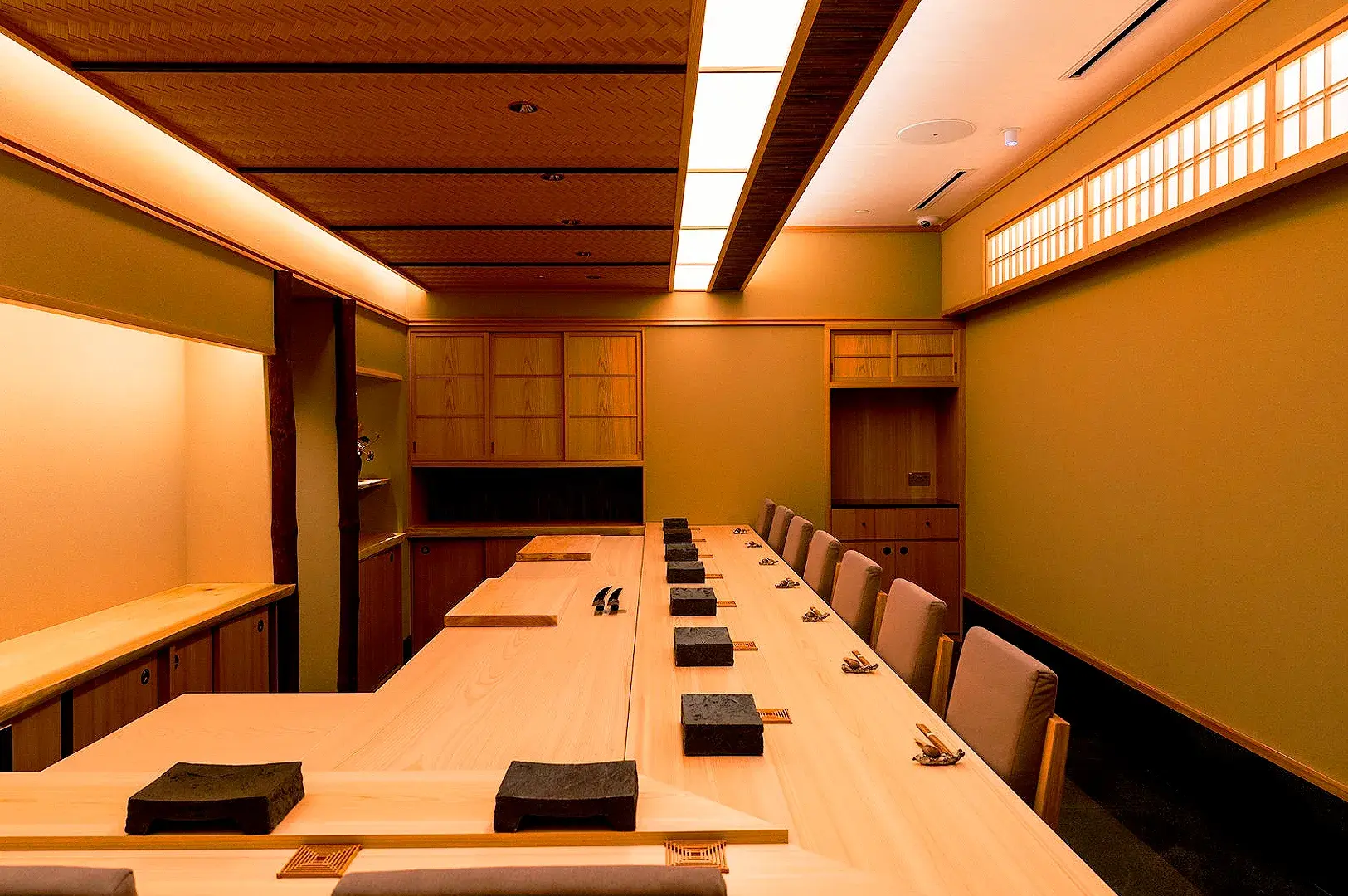
Sushi Sakuta stands as one of the best Japanese restaurants in Singapore, a refined sanctuary for lovers of traditional Japanese cuisine and fresh sashimi. This Two Michelin Star sushi bar is a masterclass in restraint and precision. The intimate 10-seat counter, crafted from a 200-year-old cypress tree from Nara, sets the stage for an immersive Japanese dining experience that highlights the vibrant izakaya culture through its serene and focused atmosphere.
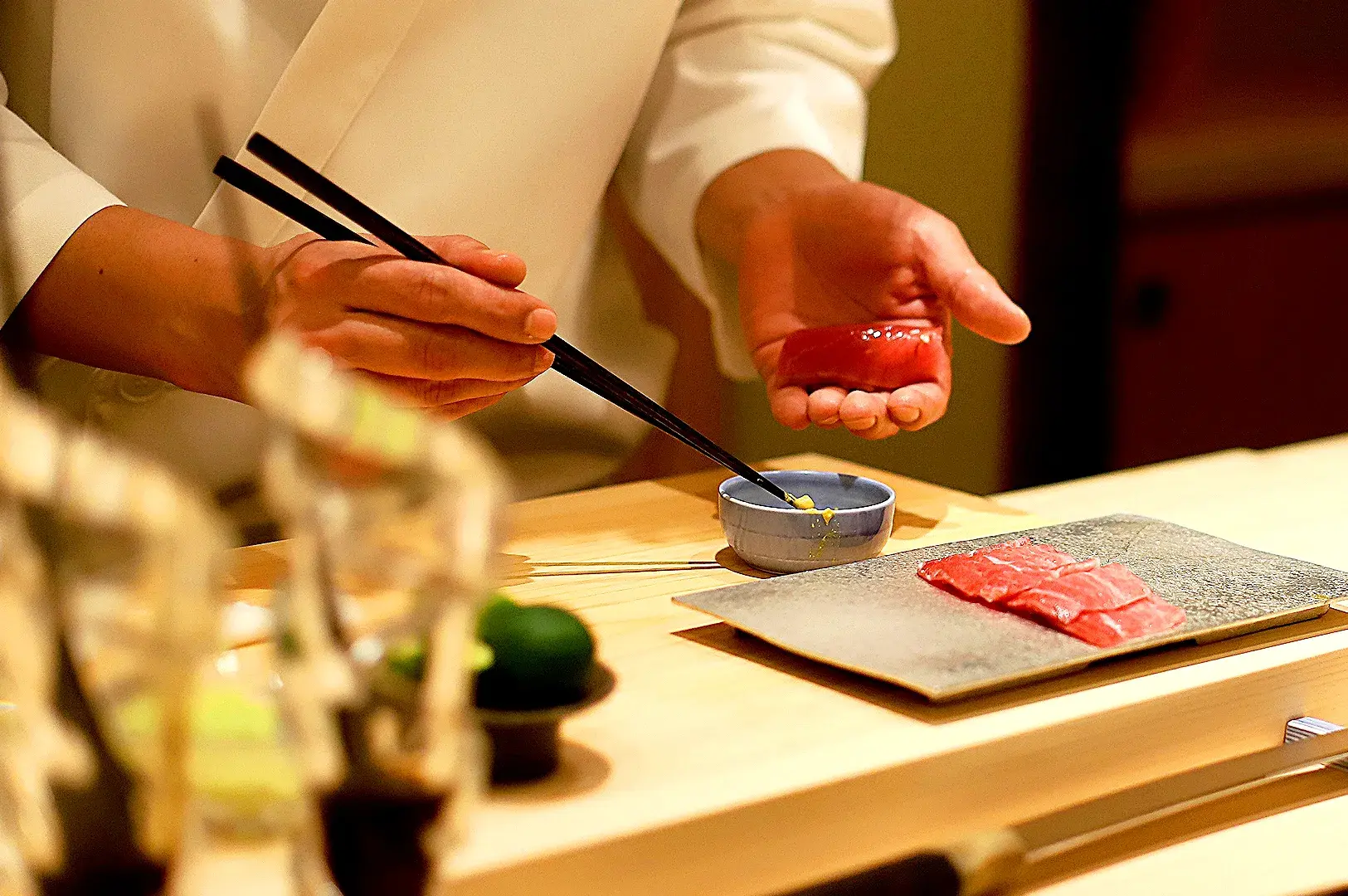
The moment you taste the sushi, you’ll notice the warm, gently seasoned rice that cradles each slice of fresh seafood with delicate firmness. The nigiri sushi here is a sensory delight: the fish melts softly on the tongue, revealing subtle layers of umami enhanced by slight aging or acidity, depending on the day’s freshest catches. Signature dishes like the kaisen chirashi don and salmon belly nigiri showcase the chef’s dedication to ingredient quality and seasonality, with seafood flown in daily from Japan’s Toyosu Market. This is Japanese food at its quietest and most profound.
The signature omakase lunch starts from around S$350++, with dinner experiences often beginning at S$500++. Reservations are essential, and cancellation policies are strict due to the premium ingredients and meticulous preparation involved.
Best for: Special occasions, serious sushi lovers, and those seeking the best sushi crafted with premium ingredients.
Avoid if: You prefer casual sushi rolls, à la carte dishes, or budget-friendly Japanese dining.
Insider tip: Request counter seating to watch the chef’s artistry unfold, savoring each piece while the rice is still warm and alive.
2. Shoukouwa (One Fullerton) – Michelin-Starred Edomae Sushi Experience
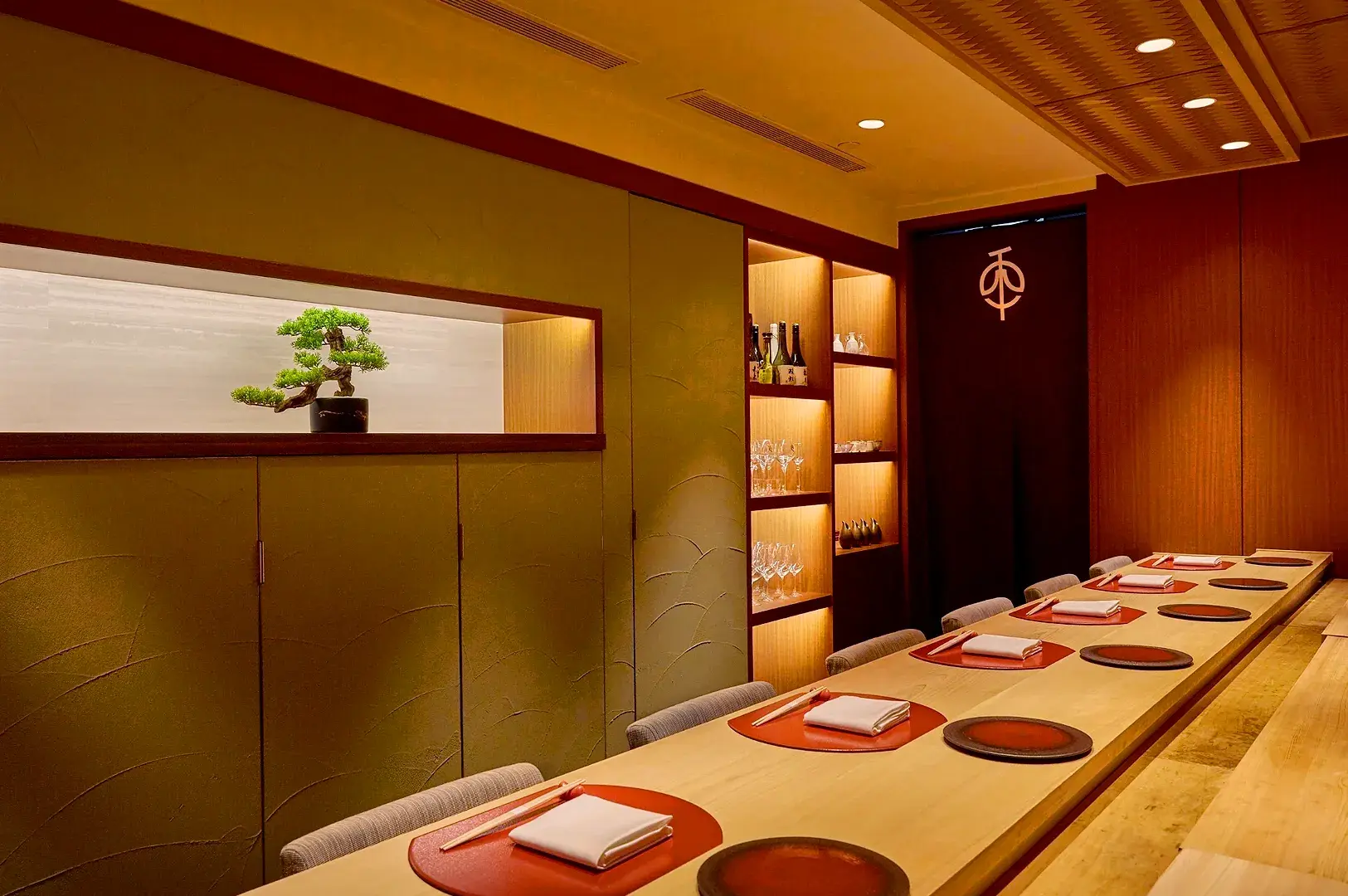
Nearest MRT: Raffles Place MRT, 5–8 minutes walk
Price: $$$$
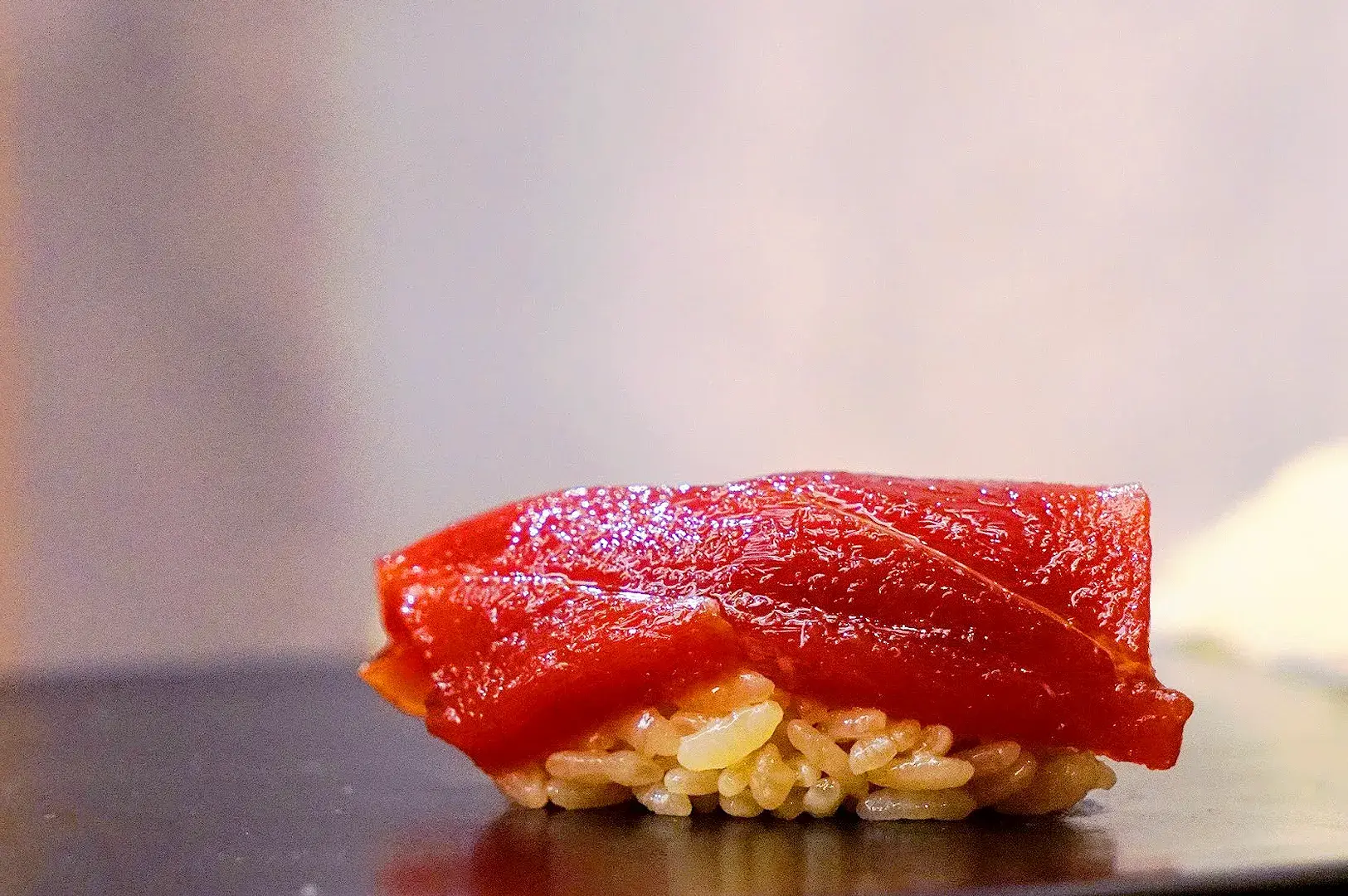
Shoukouwa is a beacon among the best Japanese restaurants in Singapore, renowned for its exquisite sushi and sashimi sourced directly from Tokyo’s Toyosu Market. The freshness of the seafood here is unparalleled, with each bite of raw fish offering a clean, pristine flavor that highlights the quality ingredients and traditional Japanese culinary techniques, including the Edomae sushi style that originated in Tokyo’s Edo period.
This sushi bar emphasizes traditional Japanese cuisine’s hallmark: simplicity and purity. The rice bowls and nigiri sushi are crafted to showcase the natural sweetness of the fish balanced by perfectly seasoned rice. The omakase menu is a journey through seasonal produce and premium ingredients, reflecting the rhythms of Tokyo’s freshest catches. The chefs, highly trained in traditional methods, prepare each piece with precision, ensuring a harmonious balance of texture and flavor.
Lunch is served Wednesday to Saturday, 12:30pm–3:00pm, and dinner Tuesday to Saturday with two seatings, 6:00pm–8:00pm and 8:15pm–10:30pm. Closed Sundays and Mondays, aligning with Toyosu Market schedules.
Best for: Business entertaining, ingredient-focused diners, and lovers of traditional Japanese dining.
Avoid if: You dislike fixed-course meals or prefer casual Japanese dishes.
Insider tip: Check opening hours carefully due to seafood sourcing from Toyosu Market.
3. Waku Ghin (Marina Bay Sands) – Luxury Japanese Dining Beyond Sushi
Nearest MRT: Bayfront MRT, 3–5 minutes walk
Price: $$$$
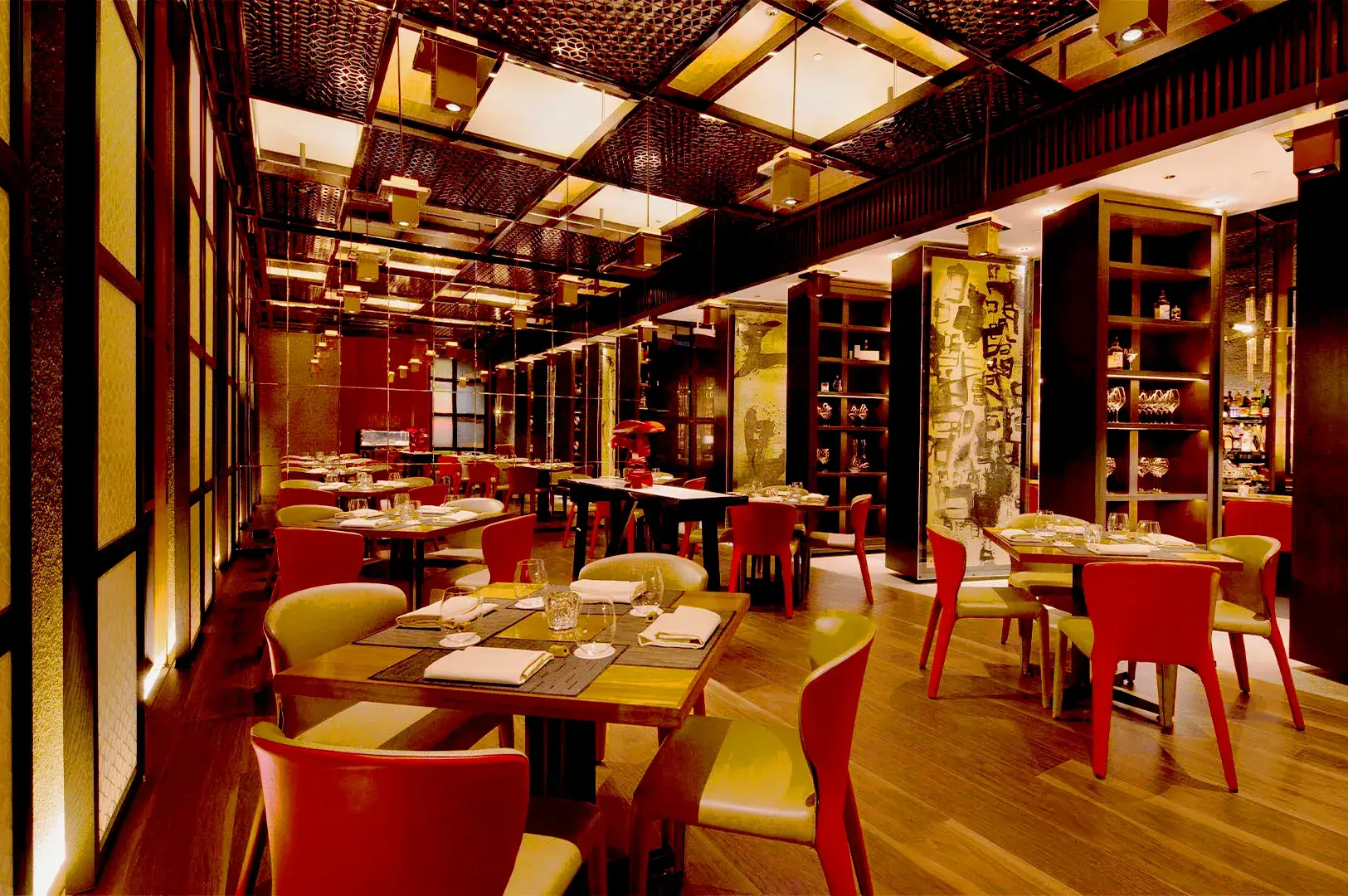
Waku Ghin redefines Japanese dining by expanding beyond sushi to a theatrical fine dining experience. This One Michelin Star restaurant by Chef Tetsuya Wakuda blends seasonal Japanese dishes with premium ingredients like sea urchin and caviar, creating a symphony of textures and flavors that excite the taste buds. The menu evolves with the seasons, celebrating signature dishes that incorporate the freshest seafood and produce.
The first bite might be an oyster topped with caviar or a delicate plate of premium sashimi, each course crafted with the freshest seafood and seasonal produce. The Chef’s Table menu at S$550 per person offers a luxurious journey through Japanese cuisine’s artistry, with impeccable pacing and presentation. The restaurant’s focus on omotenashi hospitality ensures diners feel cared for throughout the experience.
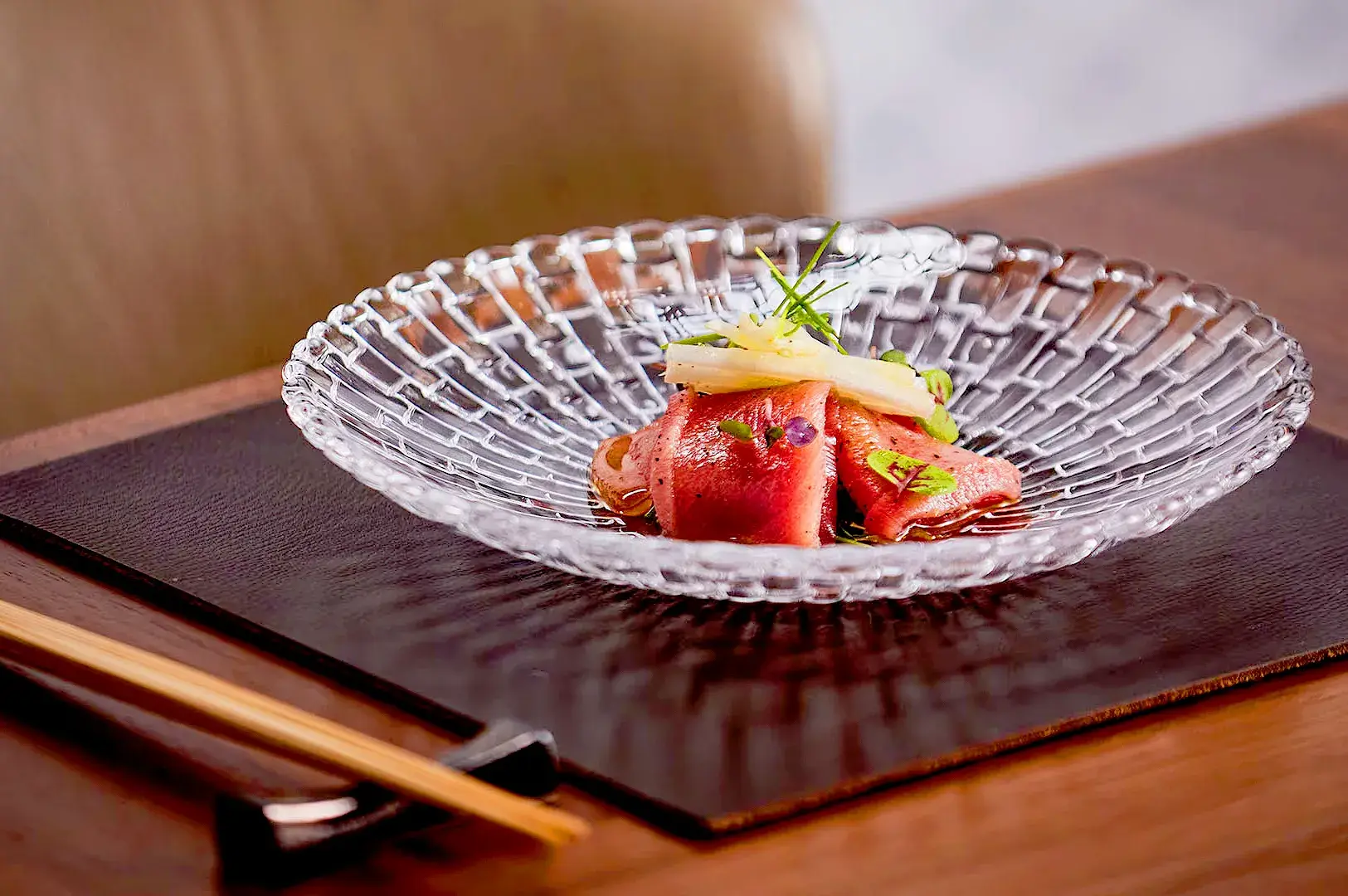
The bar and dining areas open daily from 5:00pm, with Chef’s Table seatings usually at 5:00pm and 7:30pm.
Best for: Milestone celebrations, luxury travellers, and diners seeking refined Japanese dishes beyond sushi.
Avoid if: You want casual Japanese food or a budget meal.
Insider tip: Start at the bar for a softer introduction to Waku Ghin’s exquisite Japanese dining style.
4. Sushi Kimura Plus (Conrad Singapore Orchard) – Intimate Omakase with Seasonal Japanese Ingredients
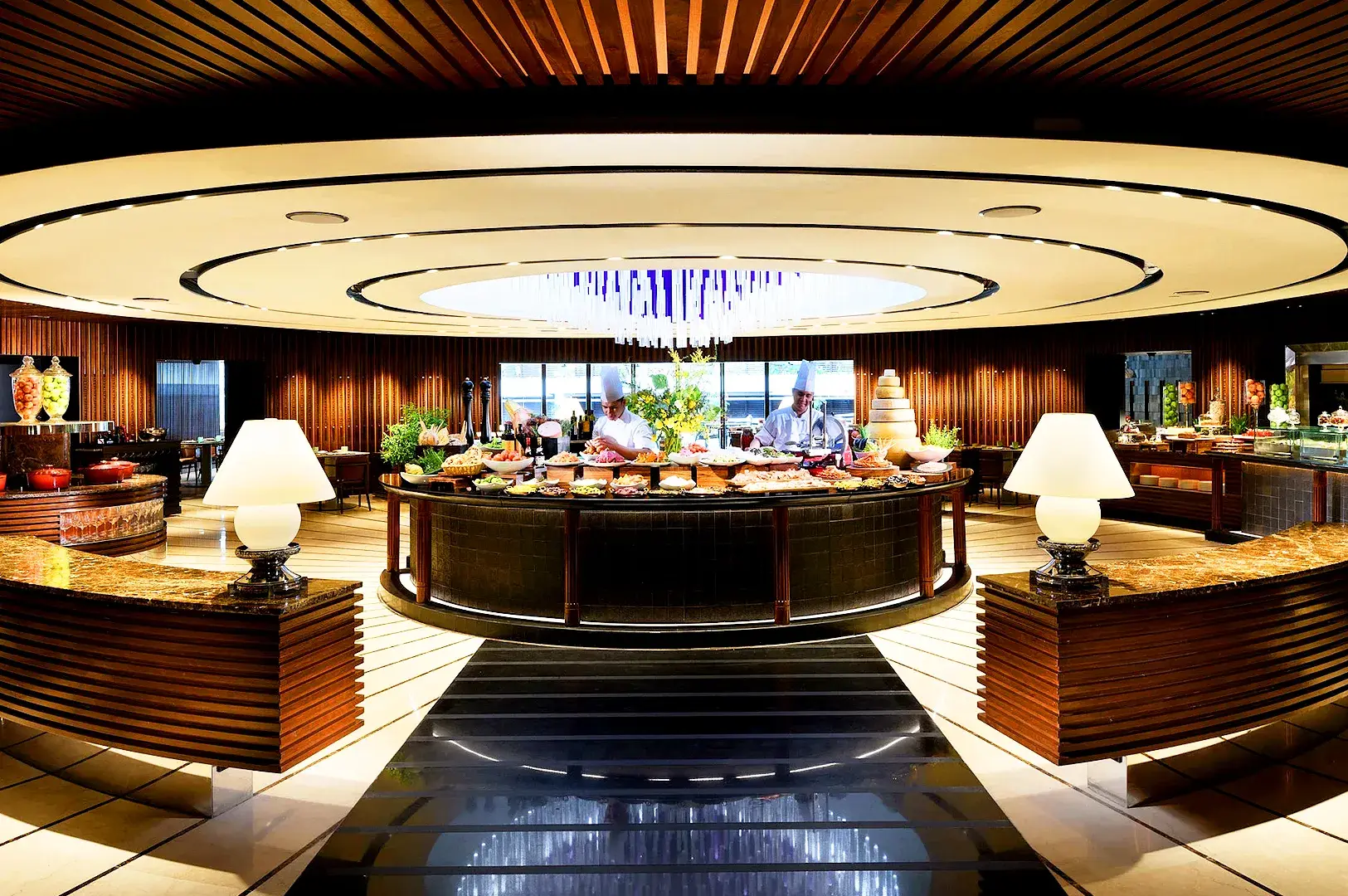
Nearest MRT: Orchard Boulevard MRT, 5–7 minutes walk
Price: $$$$
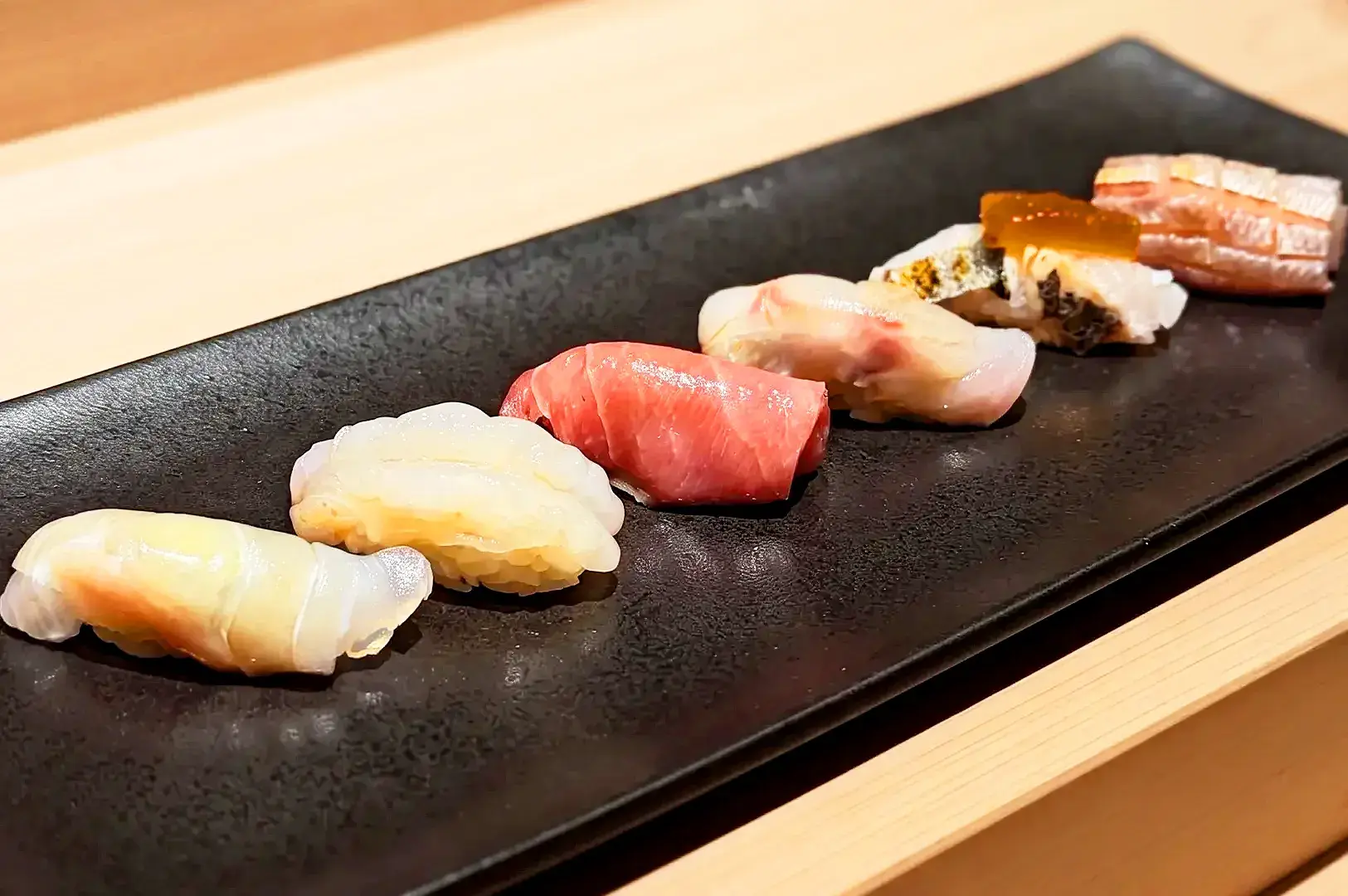
Sushi Kimura Plus offers one of the most intimate Japanese dining experiences in Singapore, with an eight-seat sushi bar where Chef Tomoo Kimura personally prepares each piece. This is traditional Japanese cuisine that honors Edo-period methods like aging and curing, emphasizing the delicate balance between fresh ingredients and rice texture.
The omakase lunch at S$250++ and dinner at S$380++ showcase seasonal seafood flown in from Japan, including premium sashimi selections and nigiri sushi with a perfect balance of warmth and texture. Add-ons like monkfish liver and soft shell crab rolls may be available, enhancing the meal’s depth. The experience here is deeply personal, with Chef Kimura engaging diners about the provenance of ingredients and preparation techniques.
Reservations are strongly recommended due to the limited seating.
Best for: Sushi enthusiasts craving chef interaction and seasonal Japanese dishes.
Avoid if: You prefer privacy or large group dining.
Insider tip: Book the whole counter for a special occasion and inquire about the ankimo (monkfish liver) when available.
Exploring the Depths of Singapore’s Japanese Culinary Scene
Singapore’s Japanese dining scene extends beyond high-end omakase to include a variety of sushi restaurants, ramen joints, and casual eateries located in vibrant areas such as Holland Village, Mandarin Gallery, Chinatown Point, International Plaza, Customs House, Shaw Centre, Thomson Plaza, and Palais Renaissance. These establishments offer a range of experiences from affordable sushi platters and unlimited servings to dry ramen and specialty dishes made with high quality seafood. For those interested in the lively izakaya scene in Singapore, Eat Drink Asia provides excellent guides to the best spots to enjoy skewers, sake, and vibrant atmosphere.
Diverse Dining Options Across the City
Many restaurants emphasize low prices without compromising on good food, catering to both casual diners and aficionados. The availability of international seafood imports and Singapore’s robust shipping hub ensures that fresh ingredients are a hallmark of Japanese cuisine here.
- Ganko Sushi imports seafood from Japan three times a week, guaranteeing freshness.
- Tomi Sushi is known for its multiple locations and thickly sliced sashimi.
- Hearty meal options can be found at places like Nanbantei at Far East Plaza and Waa Cow with multiple locations.
Varied Experiences to Suit Every Craving
Whether you are looking for:
- Sushi Sato-style omakase
- All-you-can-eat buffets
- A quick bowl of ramen on a weekday (Mon-Tue or Mon-Fri)
Singapore’s Japanese restaurants deliver authentic flavors and heartfelt omotenashi hospitality to satisfy every craving.
Must-Try Japanese Staples and Cultural Highlights
For a complete Japanese dining experience, be sure to:
- Try comforting bowls of miso soup with a thick broth
- Explore the vibrant izakaya culture thriving in areas like Cuppage Plaza and East Plaza, where you can enjoy skewers, sashimi, and sake in a lively setting.
Additionally, don’t miss out on lunch sets at popular spots like Sushi Dan at Raffles City Shopping Centre or the fresh sushi platters at The Sushi Bar with locations at Ngee Ann City and Far East Plaza.
So, Where Should You Go?
When considering the best Japanese dining experiences in Singapore, the focus should be on the quality and character of that first bite. Exceptional Japanese cuisine is defined by quiet precision, purity of ingredients, impactful luxury, and intimate craftsmanship. Each dining experience offers a unique impression shaped by factors such as ingredient freshness, meticulous preparation, and the harmony of flavors.
Choosing the right Japanese restaurant depends on the occasion and personal preferences, whether you seek polished sushi, refined Edomae techniques, theatrical fine dining, or a warm, interactive counter experience. Ultimately, the best Japanese dining experience is one that delivers authentic flavors, heartfelt hospitality, and leaves a lasting impression from the very first bite.

The Potato Curry That Teaches You How Spices Wake Up: A Beginner’s Indian Cooking Lesson
Eda Wong | July 16, 2026
The first time I made aloo curry on my own, I burned the cumin. I remember standing in my tiny HDB kitchen, watching those little seeds go from golden to black in what felt like one breath, and thinking: this is harder than it looks. But here’s what that bitter, smoky disaster taught me, the…

Bamboo Skewers and Smoke: Street Grills in Chiang Mai
Dio Asahi | July 15, 2026
The cart glows at the edge of the lane just as the heat of the day finally loosens. A woman fans the coals with a flattened piece of cardboard, and the embers brighten orange under a row of skewers. Fat slides off the pork, hits the charcoal, and hisses upward in a thin curl of…
-
Chana Masala With Warm Roti, Built for Weeknights: Quick Vegetarian Dinner Recipes Indian
Dio Asahi | July 14, 2026
The first time I made chana masala, I started with dried chickpeas at 7:30 on a weeknight, soaking and boiling like the recipe said. By the time the curry was actually done, it was nearly ten and I’d already eaten half a loaf of bread out of sheer hunger. That night taught me something I…
-
One-Pan Chicken Curry With Jeera Rice and Cucumber Raita: Food for Dinner Indian, Made Practical
Eat Drink Asia Team | July 11, 2026
The first time we cooked a full Indian dinner on a weeknight, the curry, rice, and raita felt like three separate tasks—three pans, three timers, and a kitchen full of wonderful smells but chaos. The curry was good, the rice sticky, and the raita watery from being made too early. That night taught us a…
-
Banana Leaf Steam: Why Some Rice Smells Like Home
Eda Wong | July 10, 2026
Steam rises from the pot, and a woman lifts a banana leaf over the open flame, turning it once, twice, until its stiff green softens and the surface goes glossy and pliant. She wipes it down with a damp cloth, then spoons hot rice into its center while the grains still steam. The leaf releases…
-
Tambuah Mas Paragon, Delivered: Unique Food Delivery Singapore With Old-School Comfort
Eda Wong | July 9, 2026
I ordered from Tambuah Mas on a rainy Sunday at around 6:15pm, mostly because I wasn’t in the mood to dress up and head into town, but I still wanted a proper meal. Not a sad one-bowl lunch. A real spread. That’s the thing about Tambuah Mas. It’s been around since 1981, serving Indonesian home-style…
-
Toasted Rice Powder: The Dust That Makes Larb Sing
Dio Asahi | July 8, 2026
A wok sits over a low flame, and a handful of raw sticky rice slides across its dry surface. No oil, no water—nothing but heat and patience. The grains pale, then blush amber, then deepen toward the color of weak tea. Someone shakes the pan in a slow, even rhythm, listening as much as watching….
-
Ordering Lunch From Co Hai Banh Mi, and Finding Out the Definition of Good Food Delivery
Dio Asahi | July 7, 2026
I ordered lunch from Co Hai Banh Mi & Phở Vietnamese Restaurant on a Thursday at 12:08pm, which is probably the worst and most honest time to test delivery food. It was raining lightly, the kind of Singapore lunch rain that makes every rider slower and every office worker hungrier. I had been thinking about…
-
Orchard Plaza Food: Hidden Japanese Restaurants and Local Eats Near Somerset
Eat Drink Asia Team | July 4, 2026
Orchard Plaza is one of those buildings we kept walking past before we properly understood it. From the street, it looks more like an office block than a dinner plan. But over repeated visits, usually after work or during odd lunch windows, we’ve found that the real charm sits behind lift doors, quiet corridors, and…
-
Salted Egg, Properly Treated: Sauce, Not Shortcut
Eda Wong | July 3, 2026
By Eda Wong for Eat Drink Asia. The wok station is already hot when the cook lowers the flame. In the narrow back of a Singapore zi char kitchen, the air smells of butter, curry leaves, and the faint mineral edge of salted duck egg. A metal spatula presses cooked yolks through oil until they…