May 19, 2026 | Eat Drink Asia Team | Last Updated September 29, 2026
When you sit at an omakase counter, you’re paying for a culinary journey. A memorable omakase is more than fresh fish; it’s a delicate celebration of flavors. The best chefs act as storytellers, sequencing each bite to build anticipation and contrast, guiding you through Japan’s changing seasons.
These gems and established spots prove the best omakase Singapore offers is about how the meal is told.
| Venue | Lunch / Dinner Price | Style | Best For |
|---|---|---|---|
| Sushi Masa by Ki-setsu | Around S$230–S$320+; primarily dinner-led | Intimate 8-seat, seafood-led seasonal omakase | Serious omakase diners, date nights, solo counter dining |
| Sushi To Sumi | Around S$30–S$120++ | Standing tachigui sushi at lunch; seated charcoal omakase at dinner | CBD professionals, solo diners, quick lunches, charcoal-grilled fish lovers |
| Sushi Hare | Around S$160–S$500+ | Refined, welcoming seasonal omakase with lunch and dinner menus | First-timers upgrading to premium omakase, couples, date nights |
| Sushi Ichi | Around S$150–S$500+ | Formal Ginza-style Edomae omakase | Edomae purists, anniversaries, serious sushi enthusiasts |
| Sushi Muni | Around S$68++–S$238++, depending on lunch or dinner menu | Accessible Edomae-influenced omakase; lunch and dinner | Newcomers, solo diners, office workers, value-conscious omakase diners |
| Suzuki Restaurant | Around S$160–S$450+ | Design-led, kappo-influenced omakase beyond sushi | Special occasions, design lovers, quiet luxury, broader Japanese tasting menus |
1. Sushi Masa by Ki-setsu (Cuppage Plaza) – Best Omakase Singapore for an Intimate Dining Experience
Nearest MRT: Somerset MRT (5 to 7 minutes walk)
Price: Around $230 to $320+
Sushi Masa by Ki-setsu takes the top spot because it offers what many counters promise but do not always deliver: intimacy, discipline, and a clear sense of purpose of a seasonal omakase. Hidden on Level 6 of Cuppage Plaza, this eight-seat omakase restaurant feels less like a grand luxury room and more like a focused culinary chamber.
In Singapore’s omakase scene, where many restaurants compete through spectacle, Sushi Masa earns its position by keeping the experience controlled, personal, and precise once dinner starts.
What Comes Across the Counter
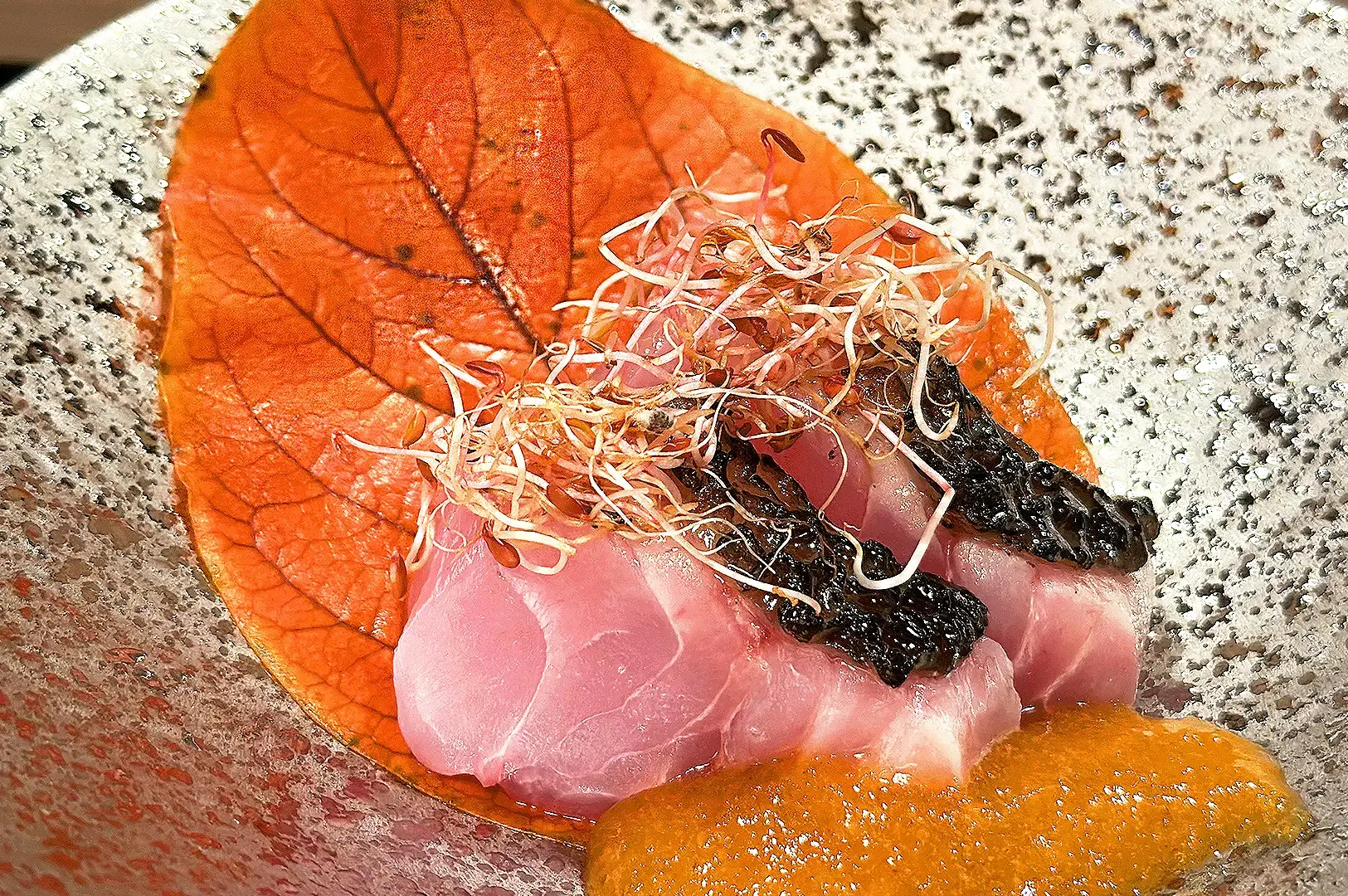
The food follows a seafood-led omakase menu that may move through seasonal sashimi, nigiri, uni, cooked dishes, soup, and dessert, depending on the season. The progression feels like a seasonal tasting menu based on what is best at the moment, with Chef Masa shaping the meal around the freshest seasonal ingredients available.
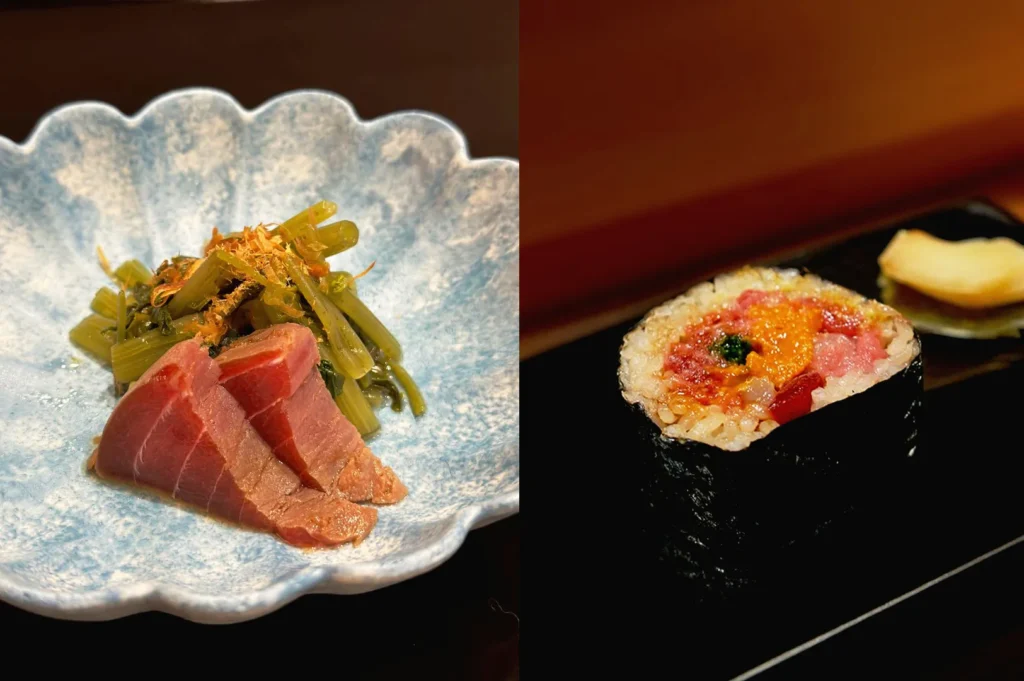
One memorable signature associated with the restaurant is the negitoro monaka, where crisp wafers hold chopped fatty tuna and onion with a savoury lift. It is delicate, textural, and modern without feeling gimmicky.
The best courses here let temperature and texture do the storytelling. A cool slice of seasonal fish may be followed by warmer hot dishes that release deeper ocean sweetness. Uni brings creamy, briny softness, while dashi-based courses reset the rhythm before the next bite.
The Room and Rhythm
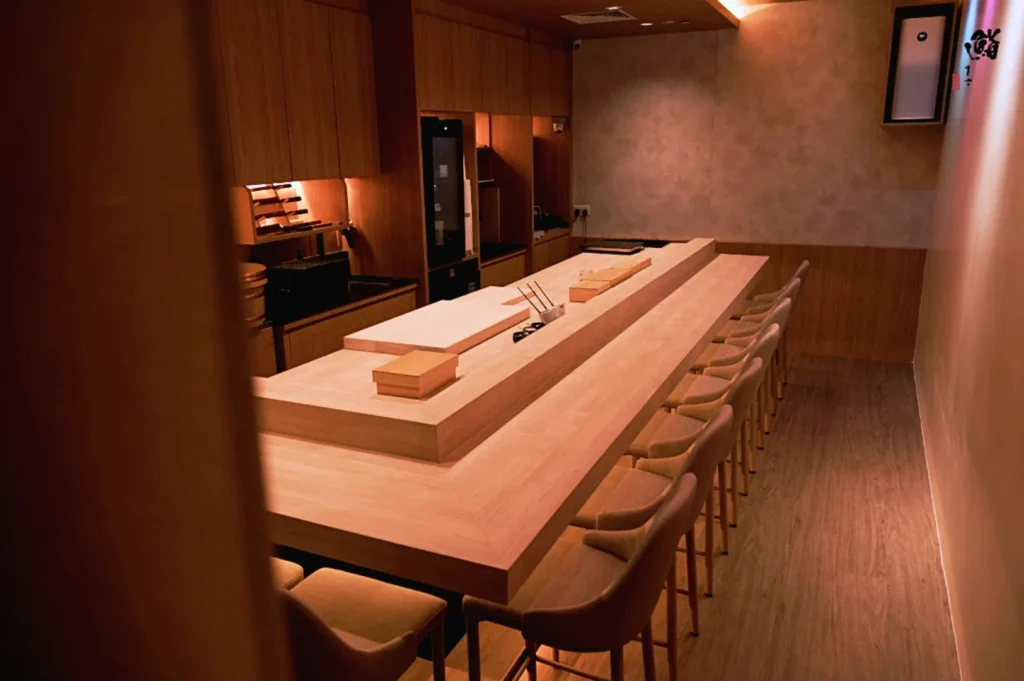
Sushi Masa works as No. 1 because the whole omakase experience feels concentrated. With limited counter seating and a small seating capacity, every guest gets a front row view of the chef’s knife work, rice shaping, and plating. This is not a restaurant chasing volume. It is built for diners who want to understand proper omakase through pacing, restraint, and craft.
The dinner omakase menu is the main event here, and that focus matters. Rather than trying to stretch itself across too many services, Sushi Masa feels deliberately dinner-led, allowing diners to slow down and indulge in each course as it is served. In the Singapore context, that quiet concentration makes it one of the best omakases for diners seeking a new discovery.
A must-try for: Serious omakase diners, date nights, solo counter dining, and anyone looking for a fresh discovery in the Orchard area.
Less suited for: Large groups, lunch diners, or anyone who prefers a flexible, walk-in-friendly restaurant.
Dining hack: Book early and treat it as a full dinner experience. The small counter is the point, so sit ready to watch the pacing, knife work, and ingredient progression closely.
2. Sushi To Sumi – Standing Sushi by Day, Charcoal Omakase by Night
Nearest MRT: Raffles Place MRT (2 to 4 minutes walk)
Price: S$30–S$120++ per person
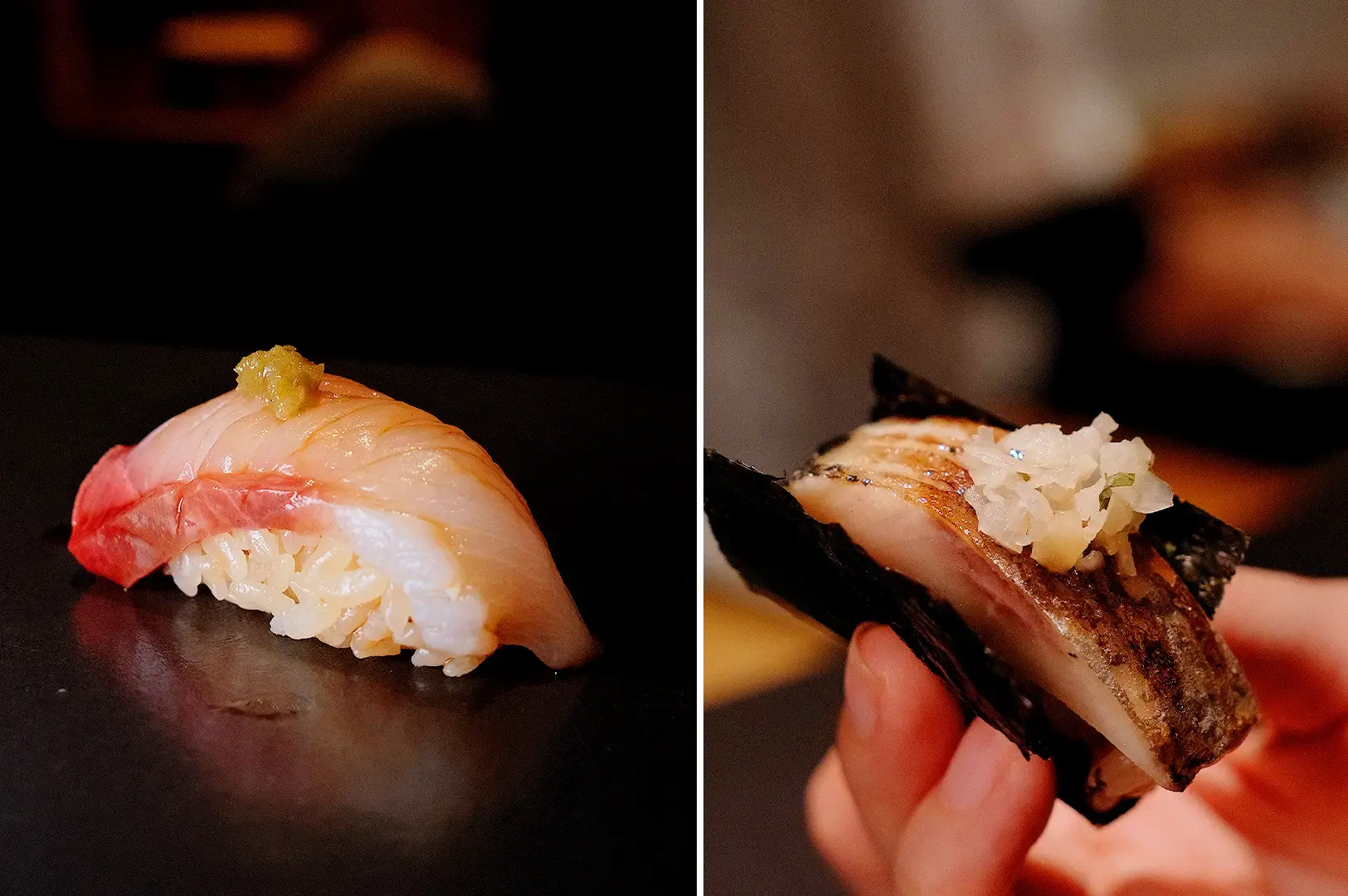
Sushi To Sumi brings Tokyo’s tachigui, or standing sushi culture, into the heart of Raffles Place. At lunch, the experience is fast and focused, built for diners who want serious sushi without setting aside several hours.
What Comes Across the Counter
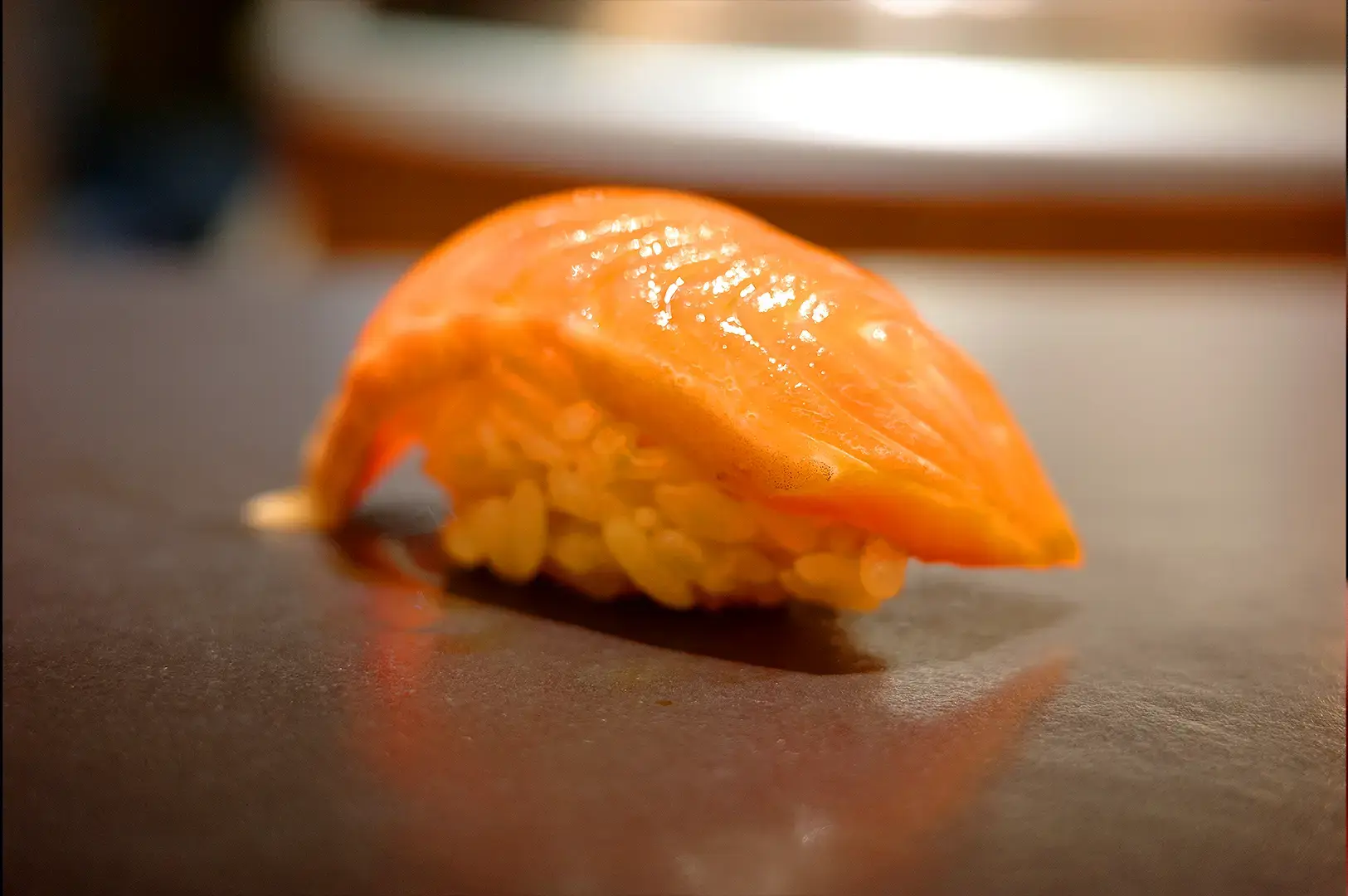
The chef, Hashimoto-San, presents a daily-changing seasonal omakase shaped by the seafood available. The restaurant sources from Toyosu Market as well as other renowned markets across Japan, with nigiri joined by grilled and aburi dishes prepared over Japanese binchotan charcoal.
For diners who enjoy charcoal-grilled fish, the dedicated grill positioned directly in front of the counter is a major draw. The fish is grilled in full view, allowing diners to watch the smoke, heat and careful timing behind each dish.
The Room and Rhythm
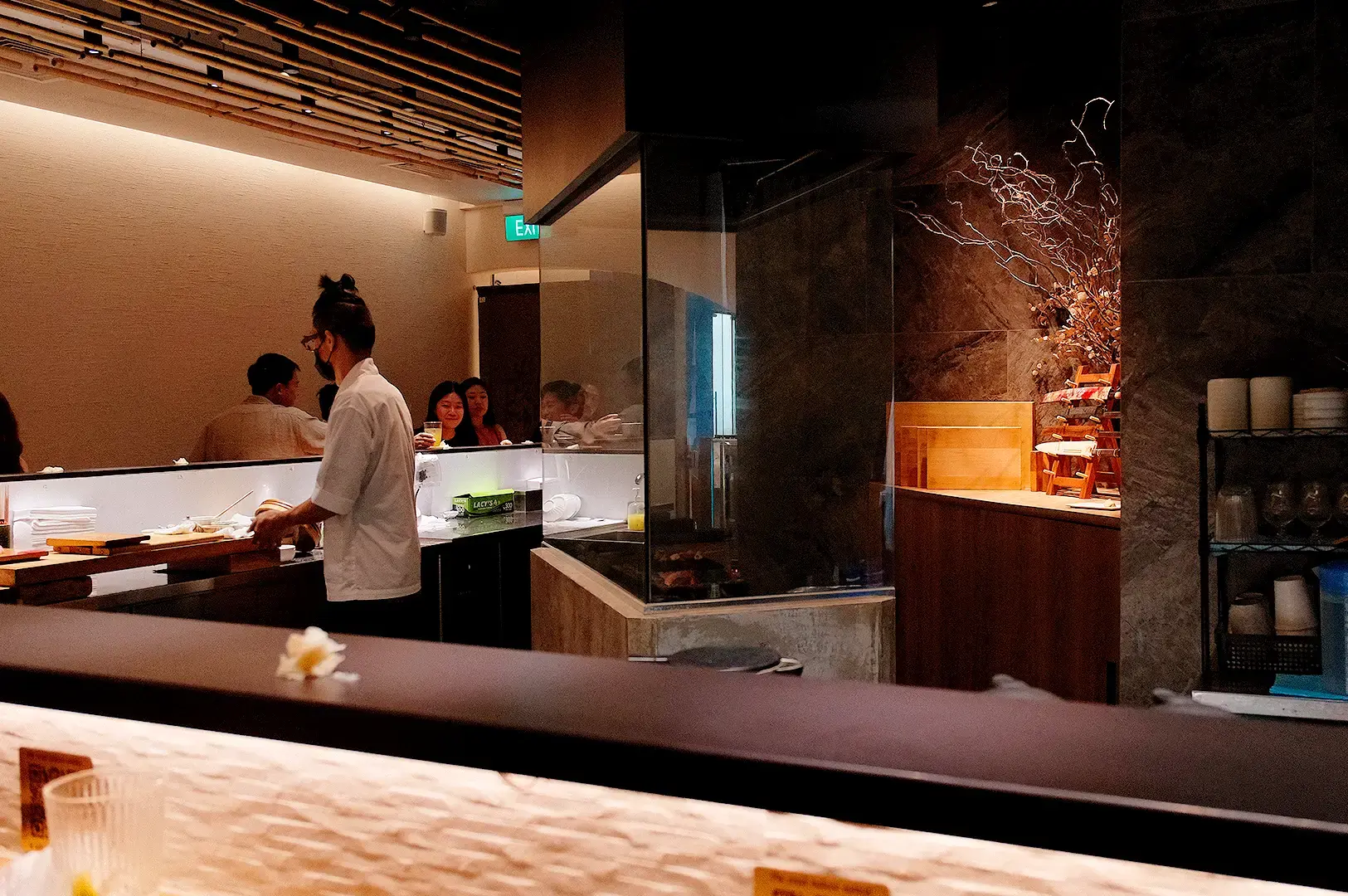
Lunch follows the brisk pace of a Tokyo standing sushi bar, with most meals completed within 30 to 45 minutes. After lunch, Sushi To Sumi turns the rhythm down a notch. Chairs are added for a slower omakase dinner, where diners can settle in over sushi, sake and charcoal-grilled dishes.
It is a distinctive tokyo style sushi restaurant in Singapore for diners who want flexibility: quick and energetic during the day, slower and more relaxed by night.
A must-try for: CBD professionals, solo diners, sushi lovers curious about Tokyo’s standing sushi culture, and anyone who enjoys seasonal nigiri with charcoal-grilled fish.
Less suited for: Diners looking for a long, formal lunch, large groups, or anyone who strongly prefers spacious seating and a slower pace throughout the day.
Dining hack: Visit at lunch for the brisk 30- to 45-minute standing experience, or book dinner when chairs come out and the pace slows down. Sit near the charcoal grill to watch the fish being prepared over binchotan right in front of the counter.
3. Sushi Hare (CHIJMES) – Lunch Omakase Menu and Dinner Omakase Menu with Refined Warmth
Nearest MRT: City Hall MRT, Bras Basah MRT, or Esplanade MRT (3 to 5 minutes walk)
Price: Around $160 to $500+
Sushi Hare remains one of the strongest choices for diners who want refinement without stiffness. Now located at CHIJMES on Victoria Street, it continues to balance premium omakase dining with a sense of warmth that makes the counter feel inviting rather than intimidating. The restaurant’s name, “Hare,” suggests clear skies, and that spirit carries into the dining experience: polished, calm, and welcoming.
What Comes Across the Counter
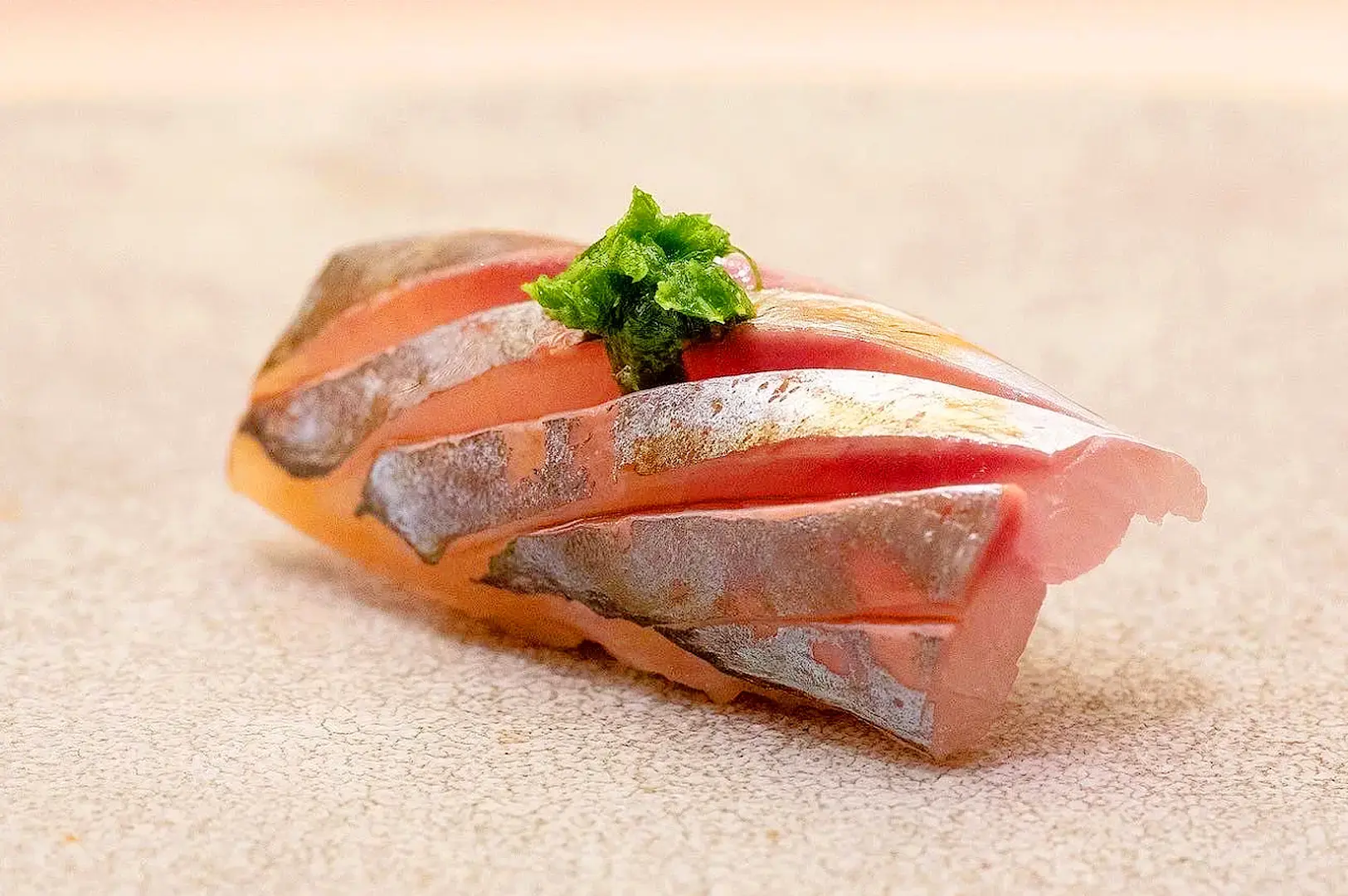
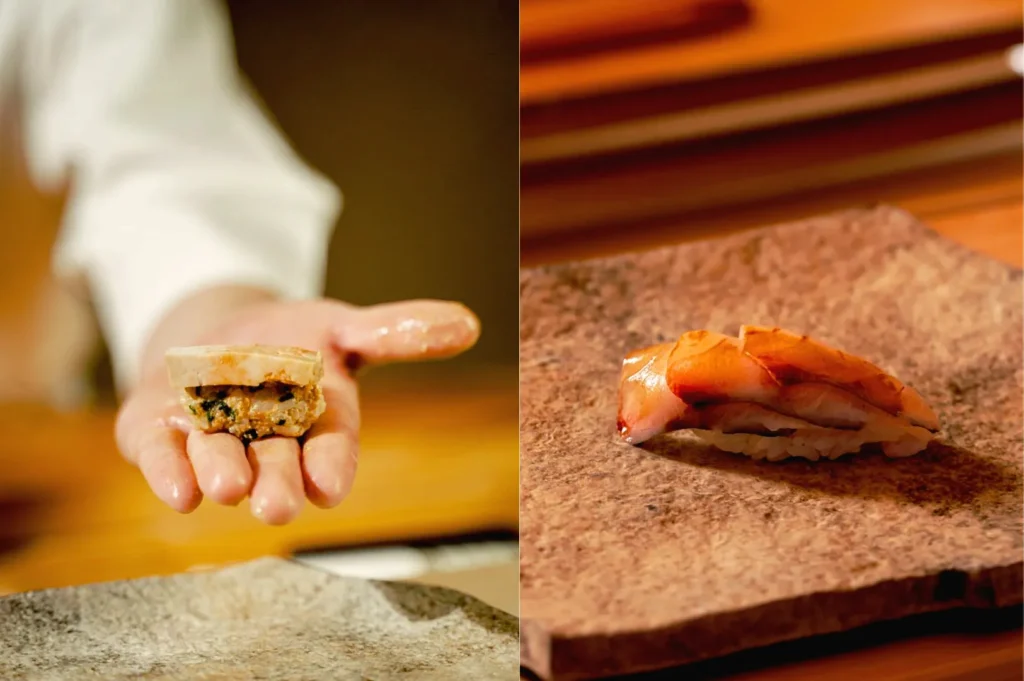
Sushi Hare uses Japanese fish exclusively, with premium seafood flown in from Japan several times a week. That supply rhythm matters because the meal depends on freshness, seasonality, and restraint. The lunch omakase menu and dinner omakase menu both move through carefully paced sushi courses, with each bite designed to reveal texture and temperature rather than overwhelm the palate.
A scallop course can carry a gentle sweetness and soft buttery texture, while lightly torched fish brings a faint smoky aroma that shifts the mood without overpowering the ingredient. The sea urchin courses are often where the meal slows down, turning creamy, saline, and almost custard-like against the rice.
The Room and Rhythm
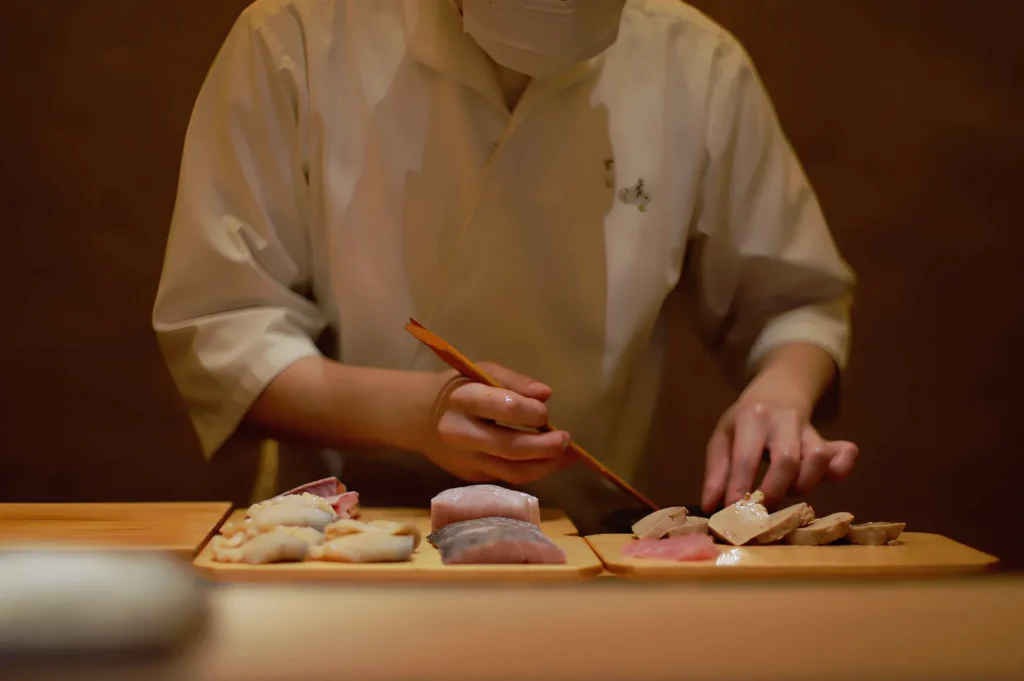
The room is anchored by a long cypress counter crafted in Japan, giving guests a close view of the chef’s hands. This is where Sushi Hare excels: it has enough polish for a special occasion, but enough warmth to make first-timers feel at ease.
Its omakase sets offer a good balance between elegance and approachability. The pacing allows diners to follow the story of the meal without feeling rushed, whether they choose lunch omakase for a lighter introduction or dinner omakase for the fuller progression.
A must-try for: First-timers ready to upgrade, couples, date nights, and diners seeking polished but welcoming omakase.
Less suited for: Large groups or diners who want casual, fast-paced sushi.
Dining hack: Sit near the centre of the counter if possible. You get the best view of the chef’s hands and the most natural rhythm of conversation.
4. Sushi Ichi (Orchard) – One-MICHELIN-Starred Edomae Omakase
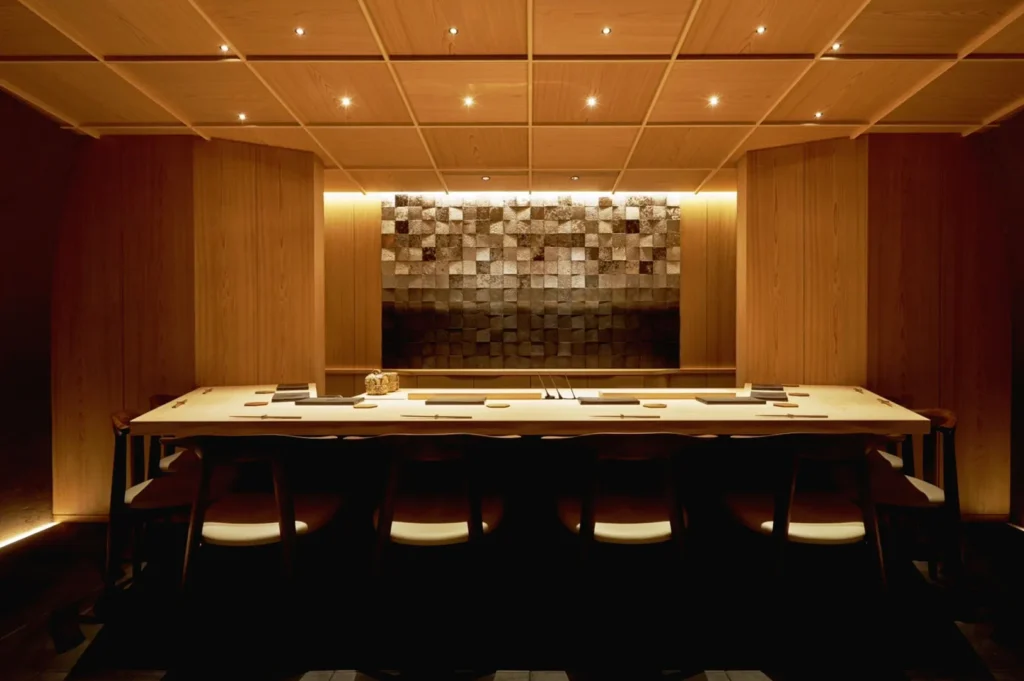
Nearest MRT: Orchard MRT (3 to 5 minutes walk)
Price: Around $150 to $500+
Sushi Ichi is the classic luxury anchor on this list. Located at Singapore Marriott Tang Plaza Hotel, it brings the discipline and centre stage of Ginza-style Edomae sushi into Orchard and is the singapore outpost of its parent brand in tokyo.. For diners searching for serious omakase in Singapore, this is one of the most established counters, known for precision, seasonality, and ingredient purity.
What Comes Across the Counter
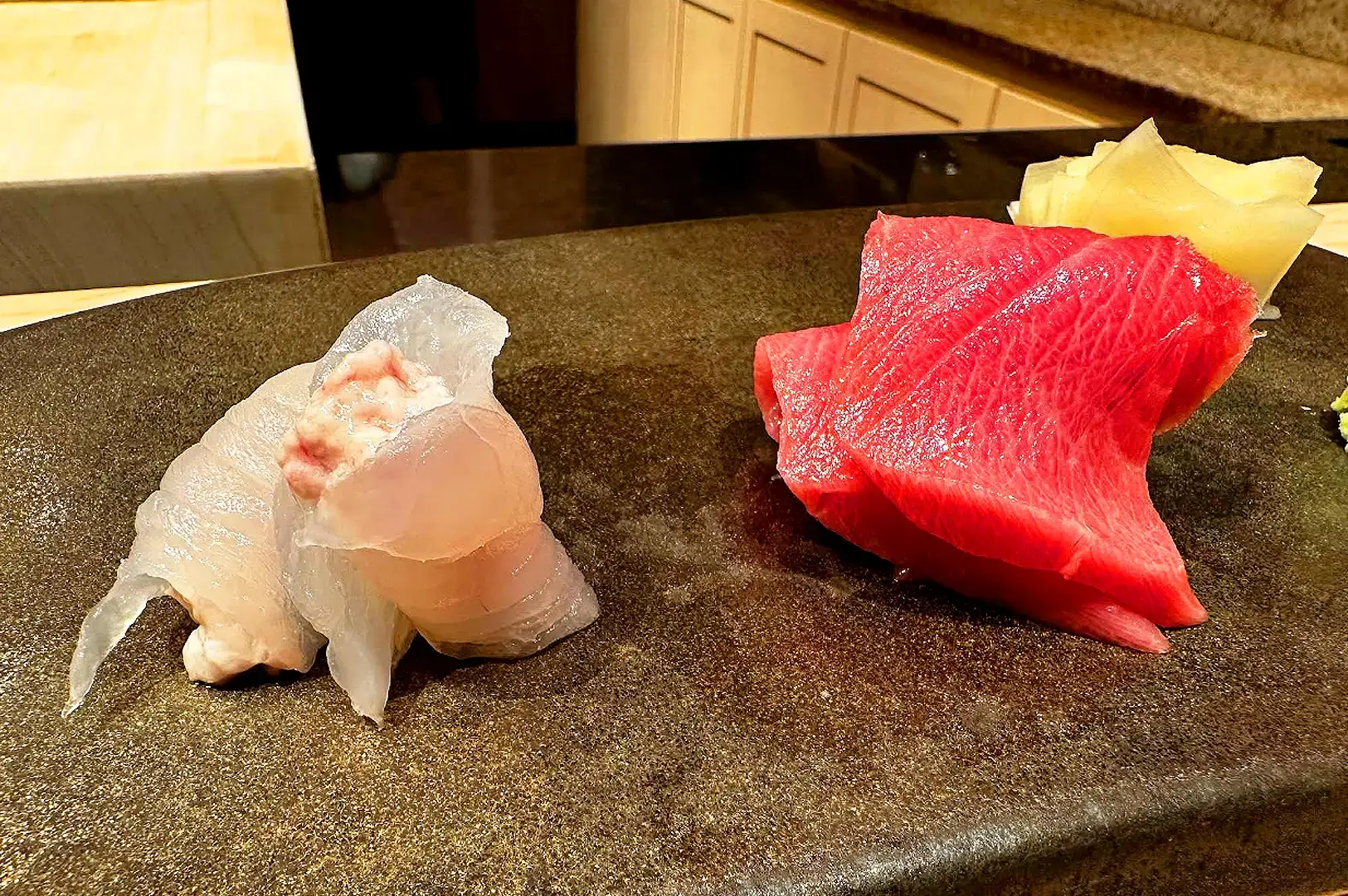
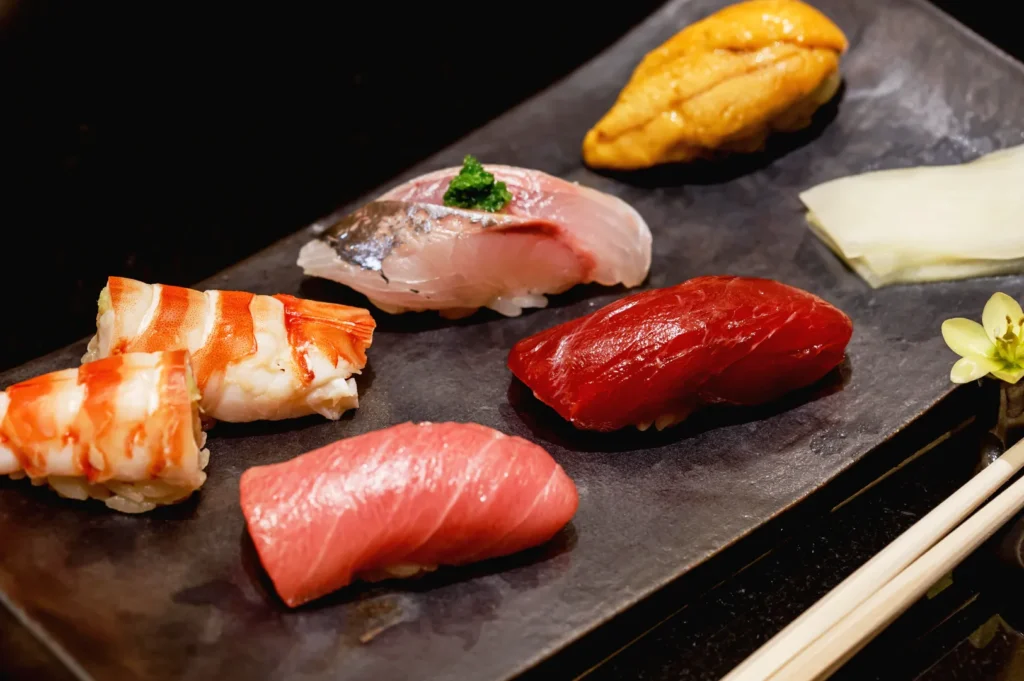
The omakase menu is built around the chef’s selection of seasonal ingredients from Japan, often including appetisers, sashimi, cooked dishes, nigiri, roll sushi, miso soup, and dessert. Its identity rests on finest ingredients, careful preparation, and the kind of Edomae technique that respects both the fish and the rice.
Sushi Ichi’s official menu highlights the chef’s selection of dishes using ingredients from Japan and the best picks of the season. A slice of torched mackerel may bring smoke, oil, and clean acidity in one mouthful, while grilled seafood can arrive warm and lightly charred, allowing the natural sweetness of the fish to rise.
The Room and Rhythm
This is a quieter, more formal japanese dining style than the newer discovery-led counters. Sushi Ichi is not trying to impress through theatrics. Instead, it focuses on the temperature of the rice, the seasoning of vinegar, and the pressure used to shape each piece.
Its dinner omakase suits diners who value tradition and control. The chef curates each course with restraint, allowing diners to experience Edomae sushi as a disciplined sequence rather than a parade of luxury ingredients.
A must-try for: Diners seeking a current One-MICHELIN-Starred sushi experience, Edomae purists, anniversaries, and serious sushi enthusiasts.
Less suited for: Diners seeking flashy plating, trend-driven courses, or a relaxed casual room.
Dining hack: Ask politely about seasonal specials or off-menu ingredients. Some of the most memorable bites may depend on what arrived fresh that day.
5. Sushi Muni (International Plaza) – Lunch Omakase and Dinner Omakase for Accessible Craft
Nearest MRT: Tanjong Pagar MRT (1 to 3 minutes walk)
Price: Around S$68++ to S$238++
Sushi Muni is the most accessible counter on this list, but that does not mean it feels careless. Located inside International Plaza, it offers a compact setting where diners can experience omakase dining without immediately jumping into the highest price tier.
What Comes Across the Counter
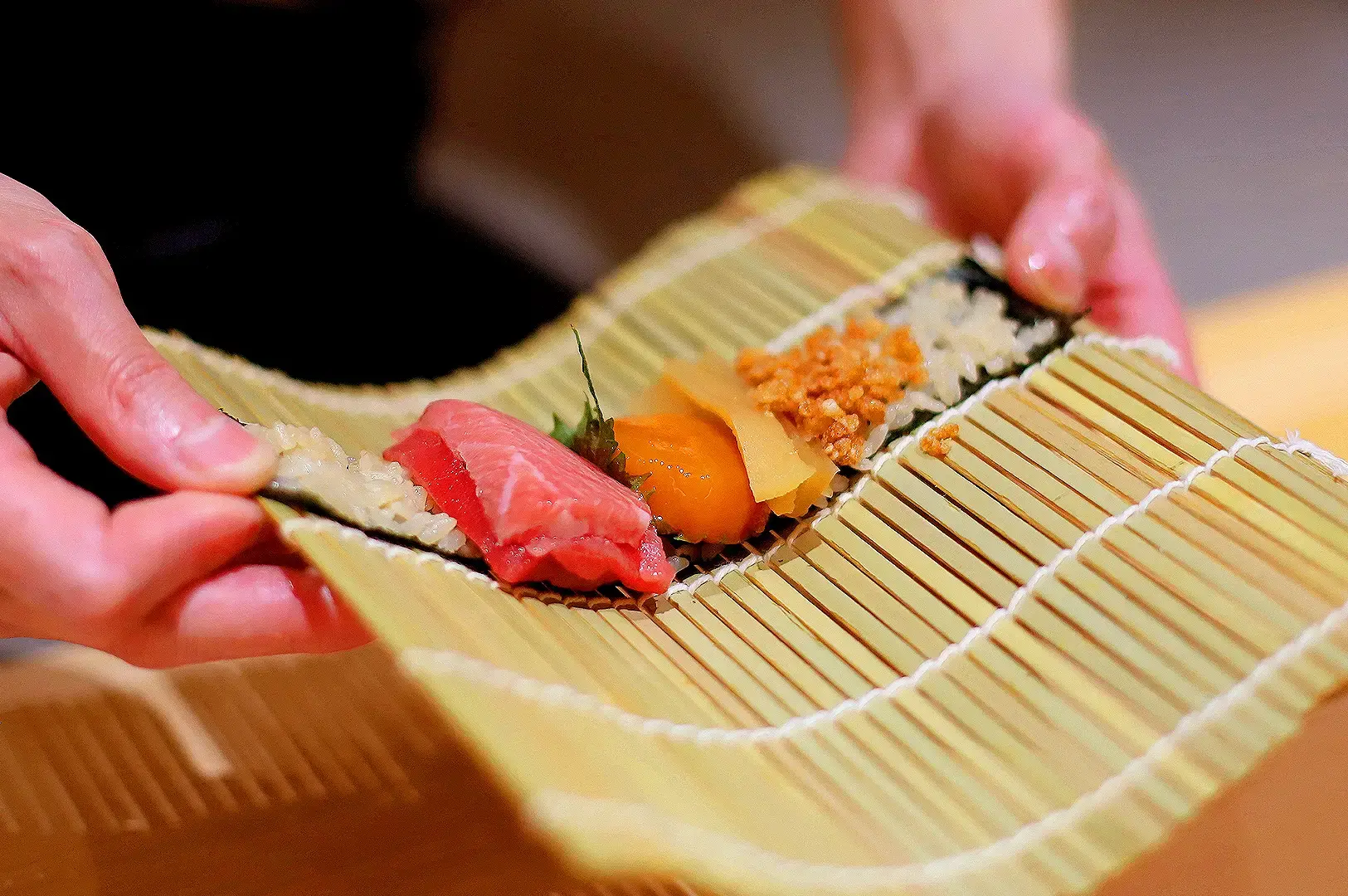
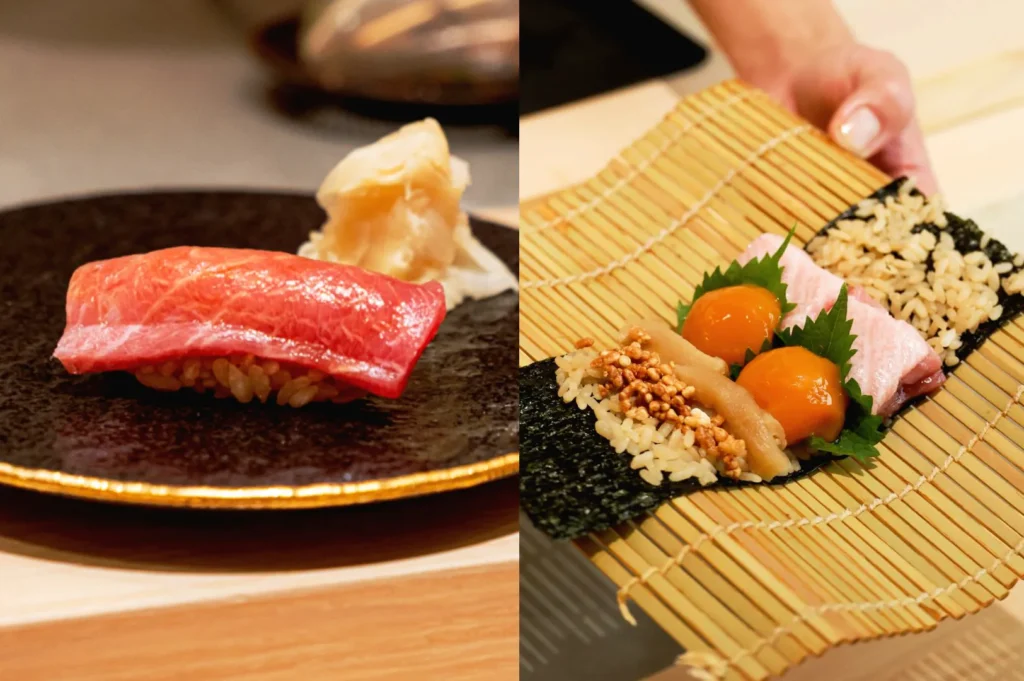
Muni’s omakase menus ranging from lunch to dinner are structured around seasonal ingredients, Edomae sushi techniques, and broader Japanese influences. Depending on the menu, diners may encounter chawanmushi, seasonal sashimi, sushi, house rolls, soup, dessert, and occasional cooked courses such as A4 wagyu suki-shabu or uni kuzu somen.
That variety gives the meal a gentle arc. One course may be cool and clean, followed by something warmer, richer, or more savoury. The sushi itself tends to lean precise rather than showy, making it a strong choice for diners who want to learn the rhythm of proper omakase without feeling overwhelmed.
The Room and Rhythm
The room is intimate and calm, built for close observation rather than theatre. With limited counter seating, you sit near the chef and begin to see how much of sushi depends on small adjustments: the warmth of rice, the angle of a cut, and the way a brush of sauce changes the finish of a bite.
Sushi Muni matters because it acts as a bridge. It offers enough craft to satisfy purists, but enough accessibility to welcome newcomers into Singapore’s omakase scene. For readers comparing approachable counters like Ganko Sushi or Sushi Yujo, Muni feels more restrained and quietly focused.
A must-try for: Newcomers, solo diners, office workers, and anyone seeking quality omakase at a more approachable price point.
Less suited for: Diners who want grand interiors, heavy theatre, or ultra-luxury pacing.
Dining hack: Start with lunch if you want the most accessible introduction, then return for dinner once you know you enjoy the style.
6. Suzuki Restaurant (Duxton Hill) – Dinner Omakase and Dining Experience Beyond Sushi and a Japanese Restaurant
Nearest MRT: Maxwell MRT (5 to 7 minutes walk)
Price: Around $160 to $450+
Suzuki Restaurant is the most design-conscious entry on this list. Located at Mondrian Singapore Duxton, it brings together Japanese omakase, architectural calm, and a broader kappo-influenced sensibility that goes beyond a purely sushi-focused meal.
What Comes Across the Counter
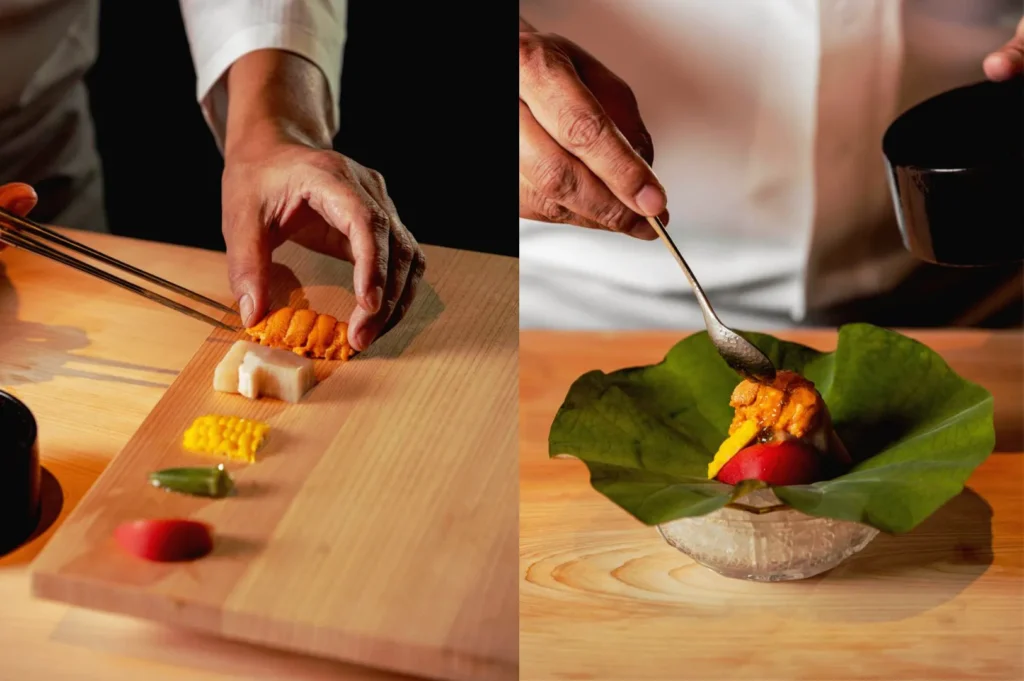
Suzuki combines traditional Japanese cuisine with original dishes, creating a new concept that focuses on ingredient clarity rather than excess. You may still encounter sushi and sashimi, but the broader appeal lies in the full progression: appetisers, chawanmushi, warm dishes, pristine seafood, hand rolls, miso soup, and dessert, depending on the menu chosen.
The best dishes here are often quiet rather than loud. A piece of fish may taste clean and precise, while a warm course may reveal the sweetness of broth, charcoal, or seasonal vegetables. The textures are measured: soft, crisp, silken, warm, cool. Nothing feels accidental.
The Room and Rhythm
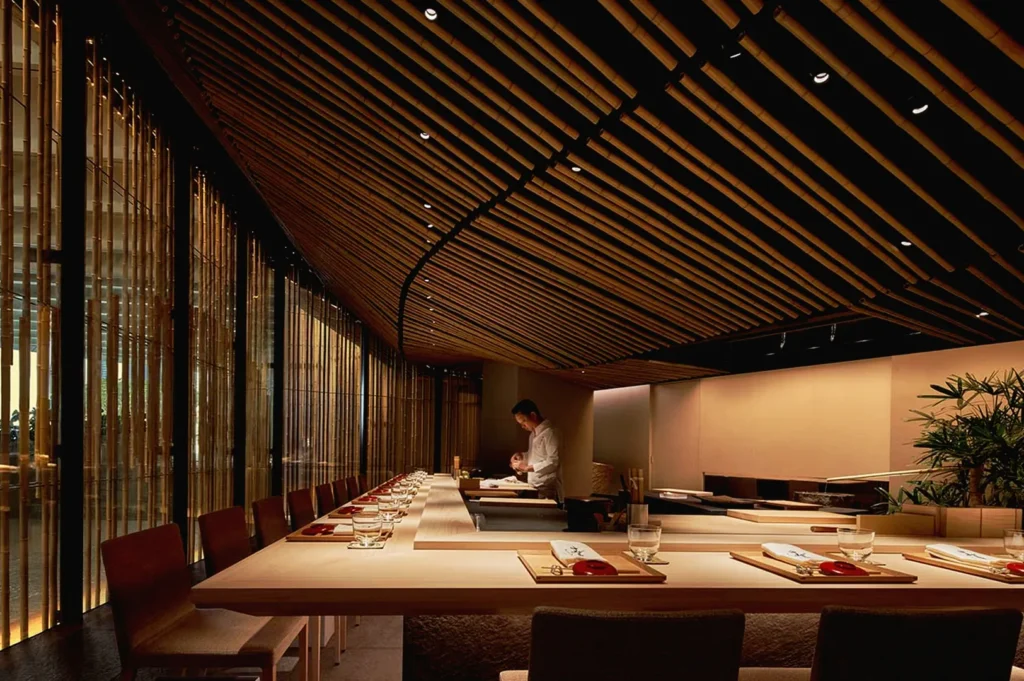
The room slows you down before the first course arrives. Suzuki’s Kengo Kuma-designed setting, interior garden, and composed service create a calm dining environment for diners who want omakase beyond nigiri alone.
Suzuki belongs here because it expands the meaning of omakase. It reminds diners that the format is not only about sushi. At its best, omakase is trust, pacing, and sensitivity to season, with the chef curating a meal around the freshest ingredients available.
A must-try for: Design lovers, special occasions, quiet luxury, and diners who want Japanese omakase beyond sushi alone.
Less suited for: Diners seeking casual sushi, lower pricing, or a purely Edomae nigiri progression.
Dining hack: Avoid strong perfume or fragrance. At this level, aroma, temperature, and texture are part of the meal.
Ready for Your Next Japanese Cuisine Culinary Journey at a Japanese Omakase?
The omakase landscape in Singapore is incredibly diverse, offering something for every type of palate and preference. Whether you seek strict traditional precision, engaging storytelling through food, or quiet intimacy, the best venues represent the pinnacle of Japanese dining.
We highly encourage you to book a seat at the counter, interact with master chefs, and experience how a thoughtfully curated progression of seasonal bites can completely transform your evening. Bring a friend, share the experience, and savor the absolute best flavours the city has to offer.
Final Tip: Thoughtful sake pairings and a carefully selected Chinese tea complement the narrative, elevating the omakase course.

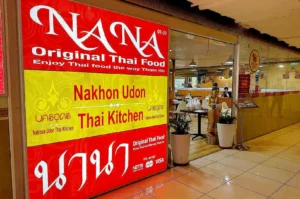
Nana Original Thai Food and the Thai Meal That Keeps Changing Its Accent
Eda Wong | September 1, 2026
The tom yum arrived first, and the first spoonful hit sour and hot at once, lime and chilli chasing each other down the throat. This classic Thai dish features a spicy sauce and aromatic herbs that awaken the taste buds straight away, setting the stage with its bold flavors. Then the pineapple rice came, sweet…
-
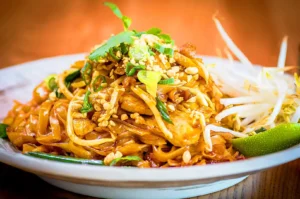
Pad Thai Recipe for People Who Know the Noodles Can’t Be an Afterthought
Dio Asahi | August 29, 2026
The first time I made Pad Thai, I ruined it before the wok was even hot. I’d left the noodles soaking while I answered a phone call. Ten minutes turned into forty. By the time I drained them, they were already soft, already surrendered. Everything I did in the pan after that was damage control….
-
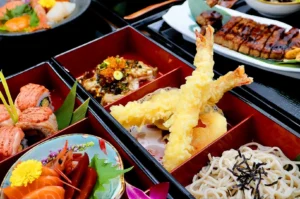
Best Japanese Restaurant Singapore: Places That Nail the “First Bite”
Eat Drink Asia Team | August 27, 2026
I built this list around a very specific feeling: that first bite where the room goes quiet for a second. I’ve tried enough Japanese restaurants in Singapore over the years to know that “best” does not always mean the most expensive, the rarest, or the hardest to book. Sometimes it is the warmth of the…
-
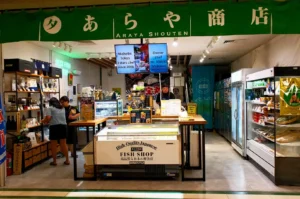
Not Just Seafood: How Araya Shouten Keeps Japanese Fishing Culture Alive in Singapore
Eat Drink Asia Team | August 26, 2026
Japanese cuisine has long been admired for its attention to seasonality, precision, and respect for ingredients. However, behind every piece of sashimi or carefully prepared seafood dish lies a story that begins far away from the dining table, often with fishermen, coastal communities, and generations of knowledge passed down through time. At Araya Shouten, seafood…
-
The Ginger Shoyu Ramen at Ramen Soshiji, Where Orchard Goes Quiet
Dio Asahi | August 26, 2026
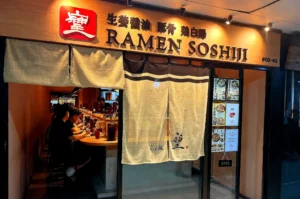
By Dio Asahi for Eat Drink Asia. The lift opens on the third floor of Orchard Plaza, and for a second I don’t know which way to turn. The corridor is dim and still, the kind of quiet that feels almost accidental in this part of town. A few doors down, an unmarked entrance. Inside,…
-
Indo Rasa Singapore and the Nasi Goreng That Measures a Kitchen’s Confidence
Eat Drink Asia Team | August 25, 2026
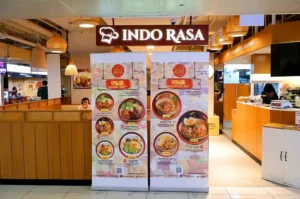
There’s a dish I order when I want to know a kitchen quickly. Not the specialty. Not the thing the menu is proud of. I order the fried rice. Because nasi goreng has nowhere to hide. It’s rice, chilli, chicken, egg, a few crackers, some cucumber. Everyone thinks they can make it. Most people can….
-
Bebek Goreng Pak Ndut and the Fried Duck That Makes Nasi Goreng Feel Too Polite
Eda Wong | August 22, 2026
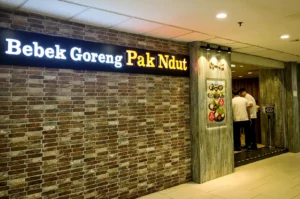
The duck arrived and made a sound before I’d even touched it. Not the plate, the skin. When my fork pressed against it, there was a small, dry crackle, the kind you feel in your fingers before you hear it. That’s when I understood I wasn’t eating a soft meal. This was something with edges….
-
The Coconut Spoon That Shapes Nyonya Kueh Salat
Eda Wong | August 21, 2026
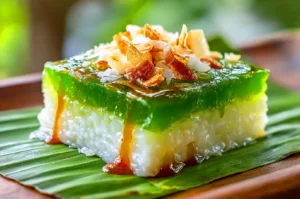
By Eda Wong for Eat Drink Asia. Steam curls up from a tray in the back of the kitchen, and the whole room smells green. Pandan, crushed and knotted, pushed through wet cloth until the leaves give up their colour. An auntie leans over the tray with a spoon carved from coconut shell, dark and…
-
Chicken Nasi Goreng Recipe: What Leftover Rice Becomes After the Wok Gets Serious
Dio Asahi | August 20, 2026
There’s a container of rice at the back of my fridge most weeks. Cold, a little hard, forgotten from a dinner two nights ago. Some people see that and think of waste. I see the start of something better. Because leftover rice doesn’t want to be reheated. It wants to be fried. And when it…
-
The First Ladle of Miso Soup in a Tokyo Breakfast Shop
Dio Asahi | August 19, 2026
By Dio Asahi for Eat Drink Asia. The shop is barely wider than a hallway. Seven stools, a counter worn smooth, and behind it a woman ladling soup into small ceramic bowls before anyone has ordered it. Steam lifts off the surface and fogs the window against the cold morning. The bowl reaches me warm…