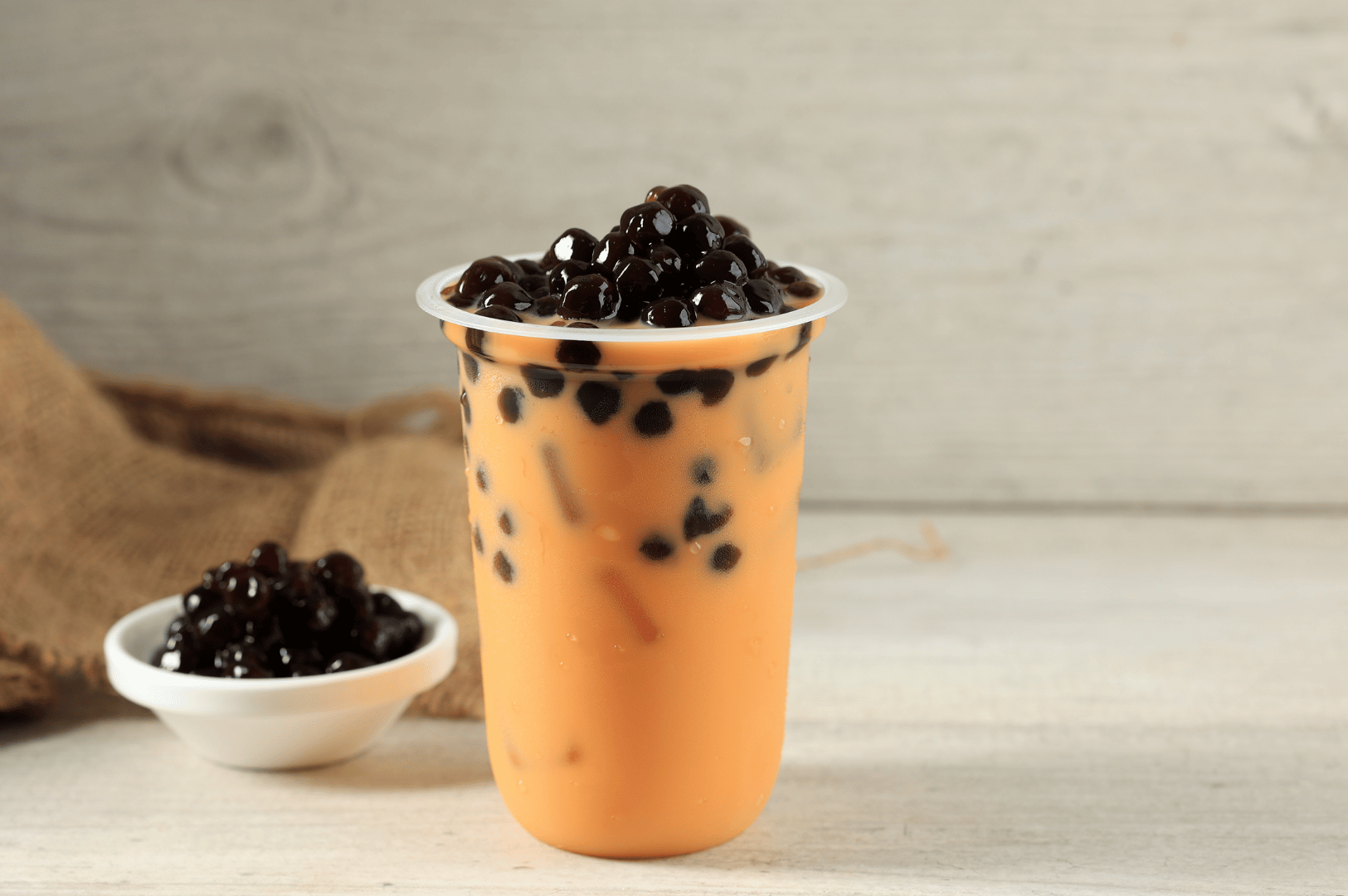
From Taipei to New York, a single drink has captured the world’s taste buds: bubble tea. This beverage, known as pearl milk tea or boba tea, and also known as boba in many regions, is celebrated for its delightful combination of sweet, creamy tea and signature chewy tapioca pearls. What began as a novel creation in Taiwan, which originated in Taiwan in the 1980s, has evolved into a multi-billion dollar bubble tea industry. The bubble tea trend shows no signs of stopping, cementing its place as a global cultural icon.
Bubble tea's history is a fascinating story of innovation, friendly rivalry, and cultural pride. Bubble tea's journey from a Taiwanese local beverage to a global phenomenon highlights its cultural impact, evolution, and widespread popularity.
This deep dive will explore the bubble tea origins, trace its journey around the world, and examine why this boba drink continues to capture the hearts of millions.
The Birth of an Icon: Taiwan Bubble Tea History
The story of bubble tea begins in 1980s Taiwan, a place with a deeply ingrained tea culture. The exact origin is a topic of spirited debate, with two famous tea shops claiming the title of creator. Both narratives, however, highlight a period of intense creativity that forever changed the way the world drinks tea.
The Competing Creation Stories:
- Chun Shui Tang Teahouse (Taichung): This teahouse, founded by Liu Han-Chieh, was already known for its innovative spirit, having pioneered the idea of serving cold tea. The pivotal moment reportedly occurred in 1988 during a staff meeting. The teahouse’s product development manager, Lin Hsiu Hui, decided to pour her sweetened tapioca pudding, a local dessert, into her iced tea. The result was a surprisingly delicious drink with a unique texture. It was an immediate success, and the first bubble milk tea was born.
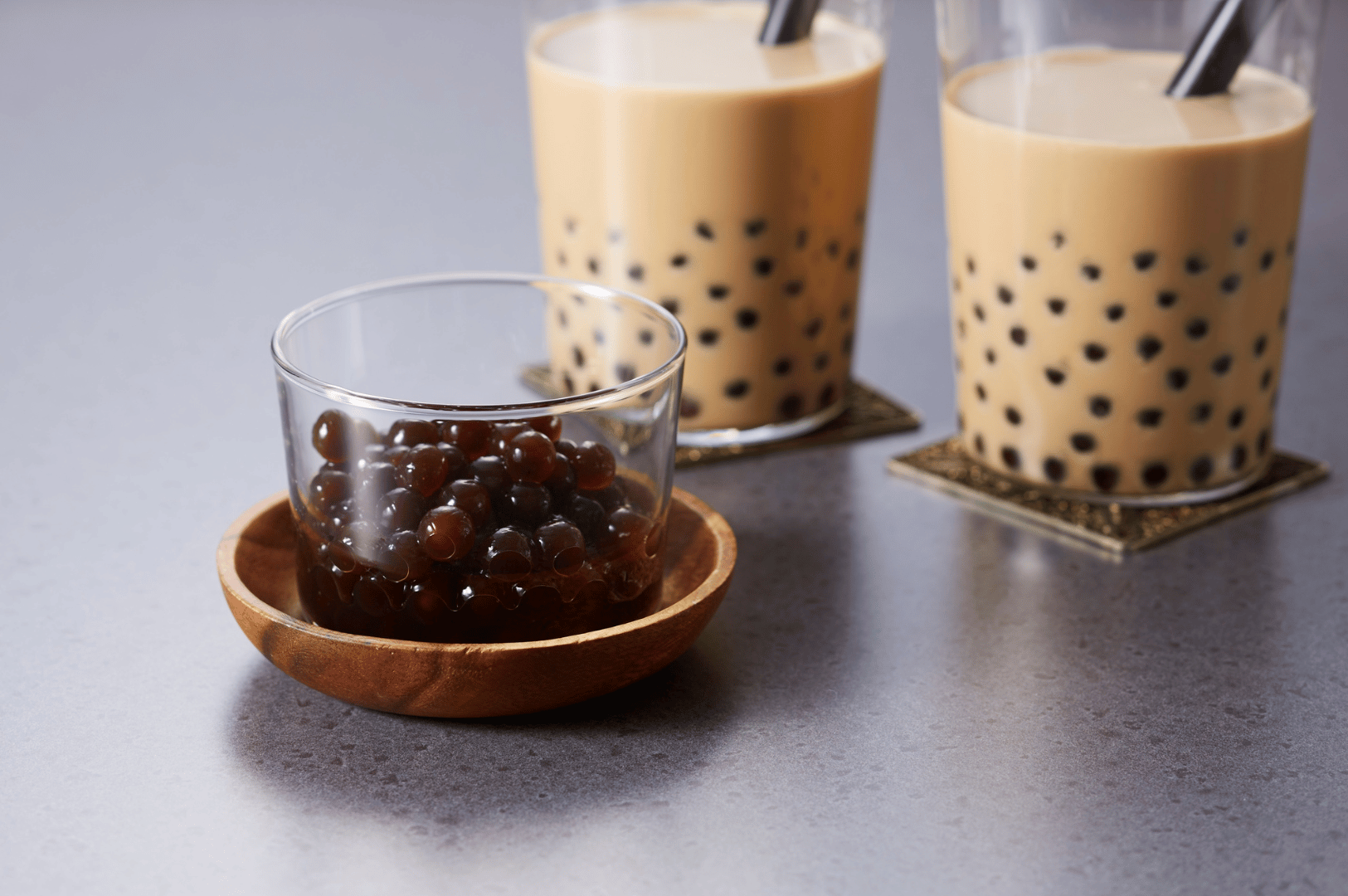
- Hanlin Tea Room (Tainan): Tu Tsong-he, the owner of Hanlin Tea Room, presents a different timeline. He claims that in 1986, he was inspired by the sight of white tapioca balls at a local market. Made from tapioca starch derived from the cassava root, these balls had a unique chewiness. He added them to his tea, creating a striking visual contrast he named “pearl tea” (zhēnzhū nǎichá). He later experimented with the now-standard black tapioca balls, which are simmered in brown sugar to enhance their flavor and chewiness. This variation became widely known as black pearl tea, emphasizing the visual and flavor distinction of the black pearls in traditional bubble tea recipes.
While the debate over the first bubble tea shop may never be settled, it’s clear that the 1980s were a new wave of tea innovation in Taiwan. The fundamental concept—combining a tea base with milk and chewy tapioca pearls—was a revolutionary idea that laid the foundation for a global phenomenon.
Deconstructing the Drink: The Magic is in the Mix
The enduring appeal of the bubble tea experience lies in its ingredients and its highly customizable nature. While the classic pearl milk tea is a blend of black tea, milk, sugar, and tapioca, the possibilities are now virtually endless.
- The Tea Base: While strong black tea is traditional, many bubble tea shops now offer a wide variety of options, including aromatic green tea, oolong tea, and even herbal infusions.
- The Pearls: The star of the show is the chewy tapioca pearls. These small, gelatinous spheres provide the drink's signature texture. Originally small and white, the most common variety today is the larger black tapioca balls, which get their color and sweet taste from brown sugar.
- The Milk: Early versions often used non-dairy creamer for a rich, smooth consistency. However, responding to health-conscious consumers, many modern shops now offer fresh milk, oat milk, or other plant-based alternatives.
- The Sweetness: The level of sugar is almost always customizable. Natural sweeteners, brown sugar syrup, and honey are popular choices.
- The Toppings: The innovation didn't stop with tapioca balls. Today's boba drink can be filled with a wide array of toppings, including fruit jellies, popping boba filled with fruit juice, egg pudding, and fresh fruits.
This customizable nature allows each person to create their favorite drink, perfectly suited to their taste buds. From a simple tea to a dessert-like concoction, the many variations are a key reason bubble tea has become so popular.
Global Expansion: From Taiwan to the World
The bubble tea spread began in the late 1980s as it gained traction across Taiwan. Soon, many bubble tea shops opened, marking the start of a new business venture for countless entrepreneurs. In the 1990s, Taiwanese immigrants brought the bubble tea drink to neighboring countries and communities abroad. The first overseas shops appeared in Hong Kong and mainland China, and soon after, in Asian-American communities in California.
By the 2000s, bubble tea was no longer confined to the local market. Major Taiwanese bubble tea chain brands like Gong Cha began aggressive international expansion plans. They established franchises across Asia, North America, Europe, and Australia, introducing the unique beverage to a much wider audience. This new wave of tea shops transformed the beverage from a niche cultural product into a mainstream global staple.
Market and Industry Trends: Riding the Wave of Popularity
The bubble tea industry is experiencing unprecedented growth, with many bubble tea shops and tea shops opening across the globe. According to Allied Market Research, the global bubble tea market is projected to reach $5.4 billion by 2033, growing at an impressive rate of 5.9% annually. This surge is fueled by young people’s appetite for unique and customizable drinks, as well as a broader shift toward healthier and more diverse beverage options.
Social media has played a crucial role in the bubble tea trend, with visually striking drinks and creative toppings making bubble tea a favorite subject for online sharing. This digital exposure has helped many bubble tea shops attract new customers and build loyal followings. At the same time, the industry is responding to growing concerns about environmental impact. Many bubble tea shops are adopting sustainable packaging and eco-friendly practices to reduce waste and appeal to environmentally conscious consumers.
As the bubble tea industry continues to expand, it is not only shaping the way people drink tea but also influencing broader consumer behavior and expectations in the beverage market.
The Cultural Impact: More Than Just a Drink
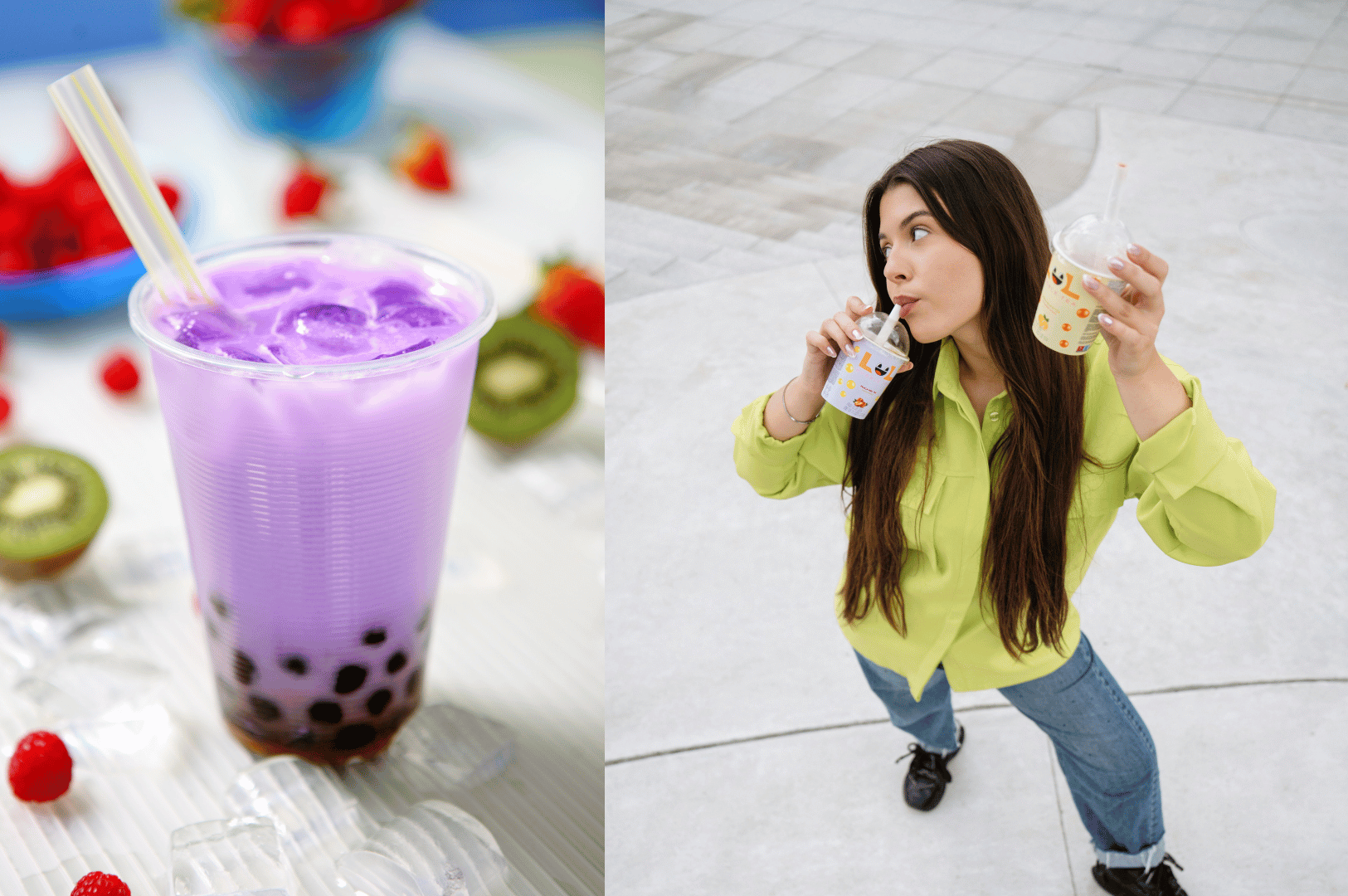
The rise of bubble tea is deeply connected to its cultural significance, especially among young people. It represents a modern, fun, and accessible take on traditional tea culture, which was often seen as more formal.
- A Social Ritual: “Grabbing boba” has become a social ritual for young people around the world. The everyday drinking of bubble tea fosters community bonds and reflects cultural values, especially in Taiwanese society, where sharing a drink is an important part of social interaction. Bubble tea shops serve as modern community hubs, replacing coffee shops as the preferred hangout spot for a new generation.
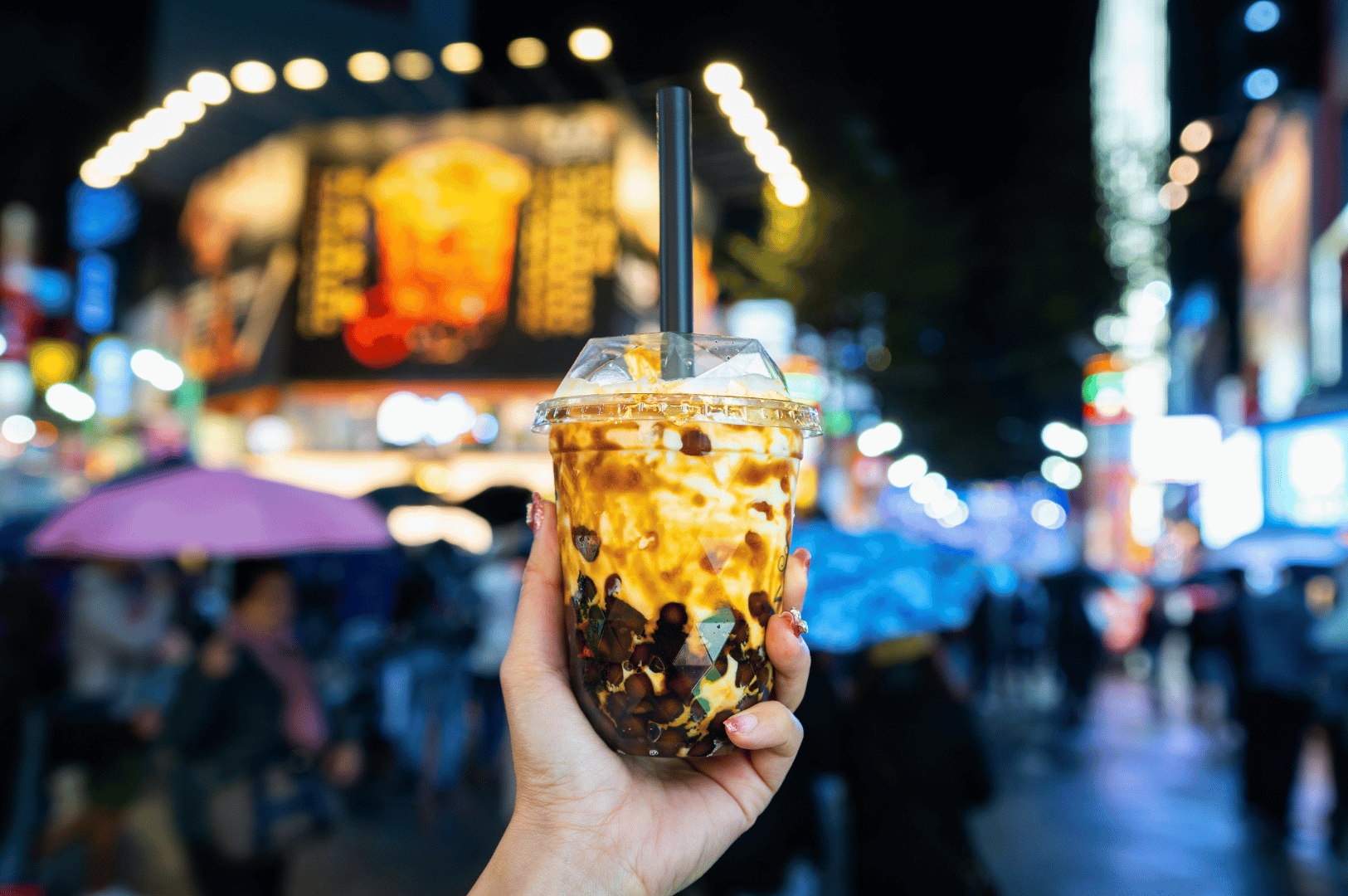
- An Instagrammable Icon: The drink’s photogenic appearance—with its distinct layers and colorful toppings—made it an early star on social media. The visual appeal helped fuel its popularity, as users shared their unique creations online, providing organic marketing for beverage brands.
- A Symbol of Identity: For the Taiwanese diaspora, bubble tea shops became important cultural touchstones—a taste of home and a place to connect with their heritage. The drink itself is a source of national pride, one of Taiwan’s most successful cultural exports.
The Future of Bubble Tea in the Beverage Industry
Looking ahead, the bubble tea industry shows no signs of slowing down. As consumer preferences evolve, many bubble tea shops and tea shops are exploring the use of functional ingredients—such as probiotics, vitamins, and herbal extracts—to create drinks that offer both flavor and health benefits. This trend toward functional beverages is expected to attract even more health-conscious consumers, making bubble tea an increasingly popular choice in the beverage industry.
The rise of online ordering and delivery services is also transforming the way people enjoy bubble tea. Many bubble tea shops are leveraging technology to reach a wider audience and provide greater convenience, ensuring that fans can enjoy their favorite drinks anytime, anywhere.
As the bubble tea industry continues to innovate, its influence is spreading to other beverage brands and chains, inspiring new products and business models. With its unique blend of customization, flavor, and wellness, bubble tea is poised to remain a dynamic force in the beverage industry for years to come, delighting taste buds and setting trends around the world.
The Future of the Bubble Tea in the Beverage Industry
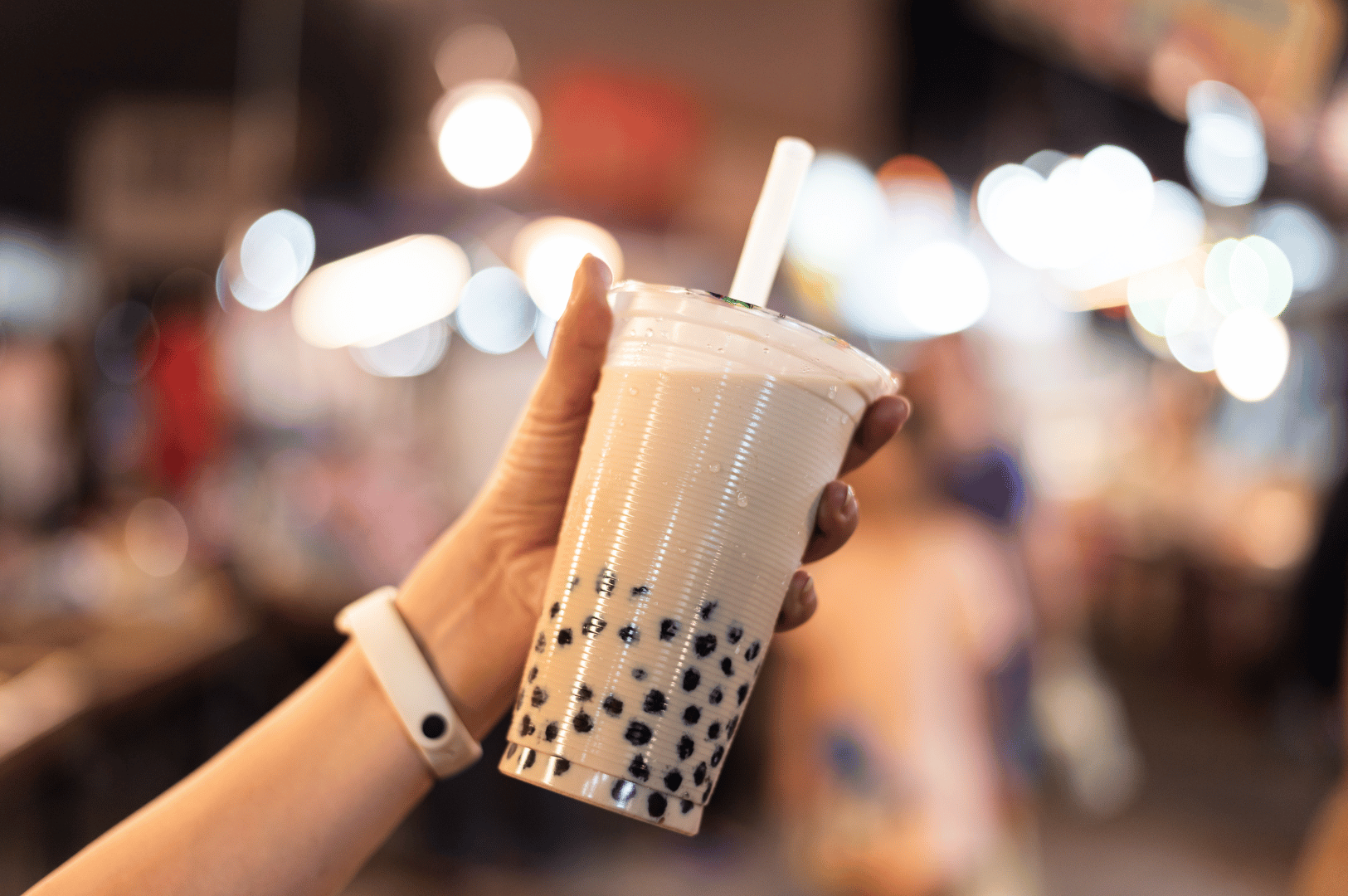
The bubble tea industry continues to evolve, driven by changing consumer preferences and relentless innovation. As the market matures, several key trends are shaping its future.
- Health-Conscious Options: While the high sugar content of some bubble drinks has been a concern, the industry is adapting. Many shops now offer detailed nutritional information, fully customizable sugar levels, and healthier alternatives like natural sweeteners, fresh milk, and natural ingredients. This focus on wellness is appealing to a growing segment of health-conscious consumers.
- Premium and Artisanal Ingredients: A new generation of tea shops is focusing on high-quality, artisanal ingredients. This includes single-origin teas, house-made syrups, and fresh, seasonal fruits. This premiumization elevates the bubble tea experience from a simple treat to a gourmet beverage.
- Constant Innovation: The quest for new flavors and textures never stops. From cheese foam toppings to brown sugar pearl milk tea, the industry is constantly experimenting. This ensures that the bubble tea trend remains fresh and exciting for loyal fans and newcomers alike.
A Sweet Success Story
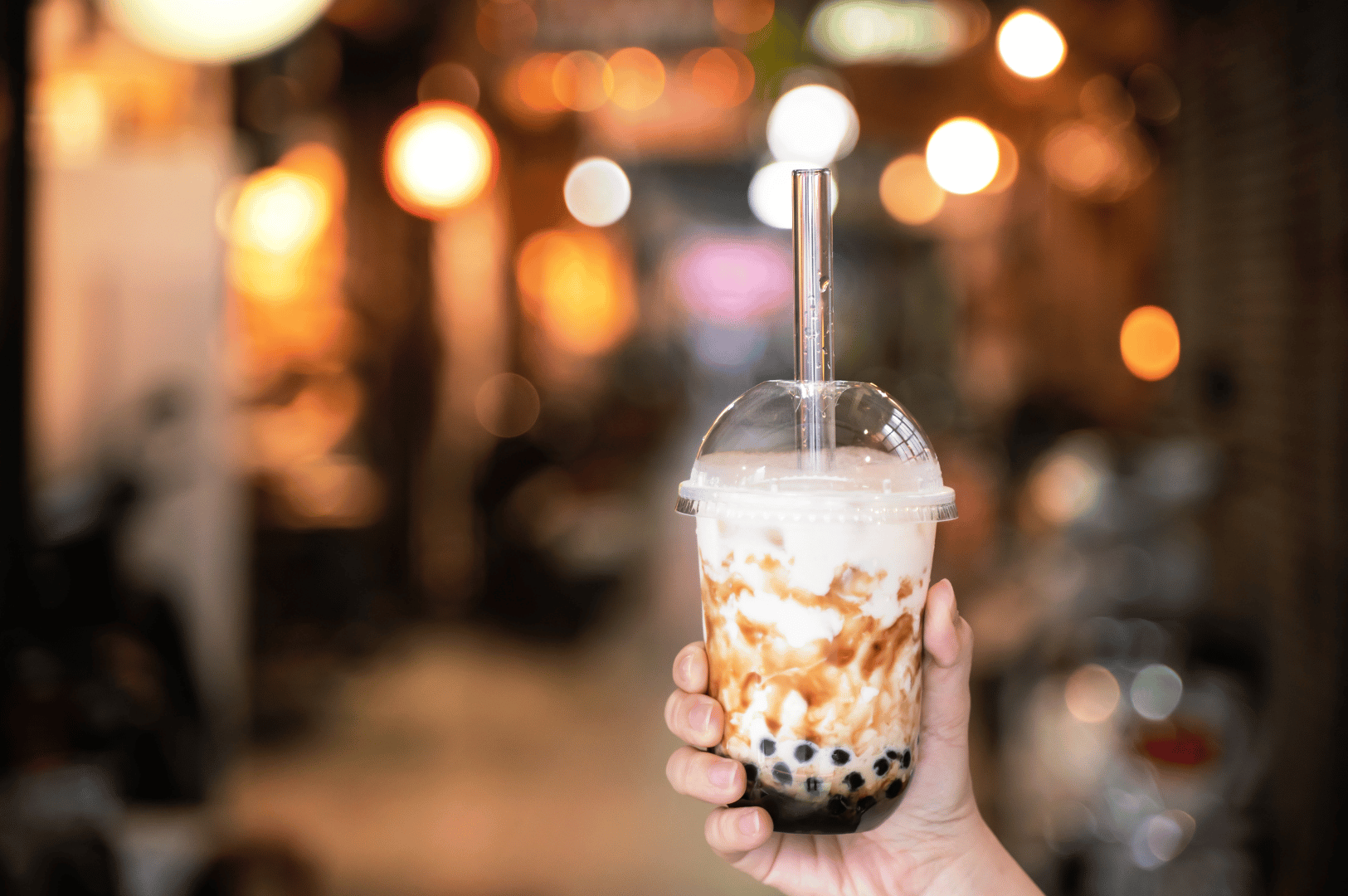
From its contested origins in the tea shops of Taiwan, bubble tea has become a global force. Its history is a testament to the power of a simple but brilliant idea. The combination of tea, milk, and the delightful chewiness of tapioca pearls created a drink that transcended borders and cultures.
The journey of the pearl tea drink from a previous business venture into a worldwide phenomenon is a story of creativity, community, and cultural pride. As it continues to adapt and innovate, the bubble tea industry shows that this increasingly popular beverage is much more than a passing trend. It's a sweet, chewy, and utterly unique part of our global culture.
From savory street eats like the Taiwanese oyster omelet to time-honored wellness traditions such as jamu, Southeast Asia’s culinary landscape continues to inspire and connect people through flavor, heritage, and innovation.

Pour Decisions: The Best Bars in Singapore for Craft Beers and More
Dio Asahi | April 9, 2026
Walking through the humid streets of Singapore at dusk, you can feel the city transforming. The tropical heat fades into neon lights, and the clinking of glasses begins to echo from narrow shophouses and towering skyscrapers. Singapore boasts a dynamic bar scene that rivals any global metropolis. From opulent destinations like Atlas Bar and Republic…
-
The 8 Best Chinese Restaurants in Singapore: From Dim Sum to Peking Duck
Dio Asahi | April 7, 2026
Singapore’s best chinese restaurants in singapore function less like isolated dining rooms and more like a networked system of technique. Across these chinese restaurants, you see branches of chinese cuisine expressed through roast mastery, controlled fermentation, seafood purity, and banquet choreography. This is not simply a guide to chinese food. It’s a mapped culinary journey…
-
The Neighbourhood Restaurant Test: How to Spot Truly Authentic Cuisine Restaurants in Your Area
Eda Wong | March 31, 2026
A friend texted me last week: “I’m outside this new Vietnamese place. How do I know if it’s legit before I waste my money?” It’s a question I get often. We’ve all been there, drawn in by a cool sign, only to get a plate of sad, sweet, tourist-grade pad thai that tastes like ketchup….
-
Cuisine in the World Meets Singapore: Inside Nakhon Kitchen’s Cross-Cultural Magic
Dio Asahi | March 26, 2026
There’s a rite of passage for any food lover living in the East of Singapore, and it involves a queue. Specifically, the perpetually long, snaking queue outside Nakhon Kitchen in Bedok. I’d heard the legends for years: authentic Thai food, rock-bottom prices, and a wait time that tests your commitment. So, on a Tuesday evening…
-
The Spice Route Secrets: A Deep Dive into Malay Ethnic Food
Eda Wong | March 24, 2026
My first time ordering Nasi Padang in Geylang Serai was overwhelming, I randomly picked dishes and was shocked by a $20 bill due to premium beef rendang and squid. That taught me to always ask seafood prices and that Malay food is a complex, modular cuisine. Malay food is everywhere in Singapore, in hawker centres,…
-
The Shokunin Spirit: How Japan’s Craftsman Philosophy Lives Inside Singapore’s Most Disciplined Omakase Counter
Dio Asahi | March 21, 2026
The fire is not roaring; it is breathing. In a small, darkened workshop in Sakai, a swordsmith watches the colour of the steel with eyes that have tracked the same transformation for forty years. He does not look at a clock. He listens to the hum of the charcoal. He waits for the metal to…
-
The Evolution of the Plate: How History Transformed Iconic Malaysian Dishes
Eda Wong | March 19, 2026
I used to think I understood Malaysian food. As a Singaporean, it’s practically in my DNA, right? Nasi lemak for breakfast, a cheeky roti canai for supper – I thought I had it all figured out. Then I spent a week eating my way through Penang and Kuala Lumpur, and I realised I knew absolutely…
-
The Soul of the Table: An Educational Guide to the Role of Food in Malaysian Culture
Eat Drink Asia Team | March 17, 2026
We still remember our first collective Rumah Terbuka (Open House) experience in Kuala Lumpur.Standing at the doorway of a home during Hari Raya, we were utterly paralyzed by the sheer volume of people and the aroma of Malaysian cooking. There were aunties ladling beef rendang and tables groaning under the weight of colourful kuih. “Do…
-
Asian Food Comfort Trends: Why Broths and Bowls are Dominating Globally
Eda Wong | March 14, 2026
I still remember the first time I faced a “build-your-own” Mala Xiang Guo counter. I stood there, plastic tongs in hand, completely paralyzed by the mountain of choices. Lotus root? Kelp knots? three different types of tofu skin? My anxiety spiked. I panicked, grabbed way too much luncheon meat, and ended up with a $28…
-
The Fifth Element: A Masterclass on Umami in East Asian Cuisine
Dio Asahi | March 12, 2026
I’ll never forget the first time I made miso soup from scratch. Not the instant kind, but the “proper” way. I boiled water, dissolved miso paste, added tofu, and waited. It tasted flat, salty and cloudy but missing the deep, satisfying flavor I loved in Japanese restaurants. I thought maybe I needed better miso. Years…