Imagine pouring a cup of butterfly tea—one that radiates the deep blue color of a twilight sky, shimmering with bright blue petals from the famous butterfly pea plant. The real enchantment begins when you stir in a squeeze of lemon juice or lime juice. In an instant, this blue flower tea transforms, shifting from dark blue to radiant purple or pink. This mesmerizing color change of blue butterfly pea tea isn’t a trick: it’s the natural charm of Thailand’s most photogenic drink. Known locally as nam anchan (น้ำอัญชัน), butterfly pea flower tea is made from the edible flowers of the Clitoria ternatea plant—a staple of Thai herbal drinks and a superstar in Thai restaurants and cafés. Today, it captivates travelers and wellness seekers around the world, who delight in both its color changing properties and its cultural richness.
This article guides you through everything blue tea lovers crave: the science of this magical drink, its deep roots in Thai culture and cuisine, how to make your own butterfly pea tea with hot or cold water, the health benefits it’s celebrated for, and dazzling ways to enjoy it in drinks and desserts.
Butterfly Pea Flower Tea: The Science Behind the Color-Changing Marvel
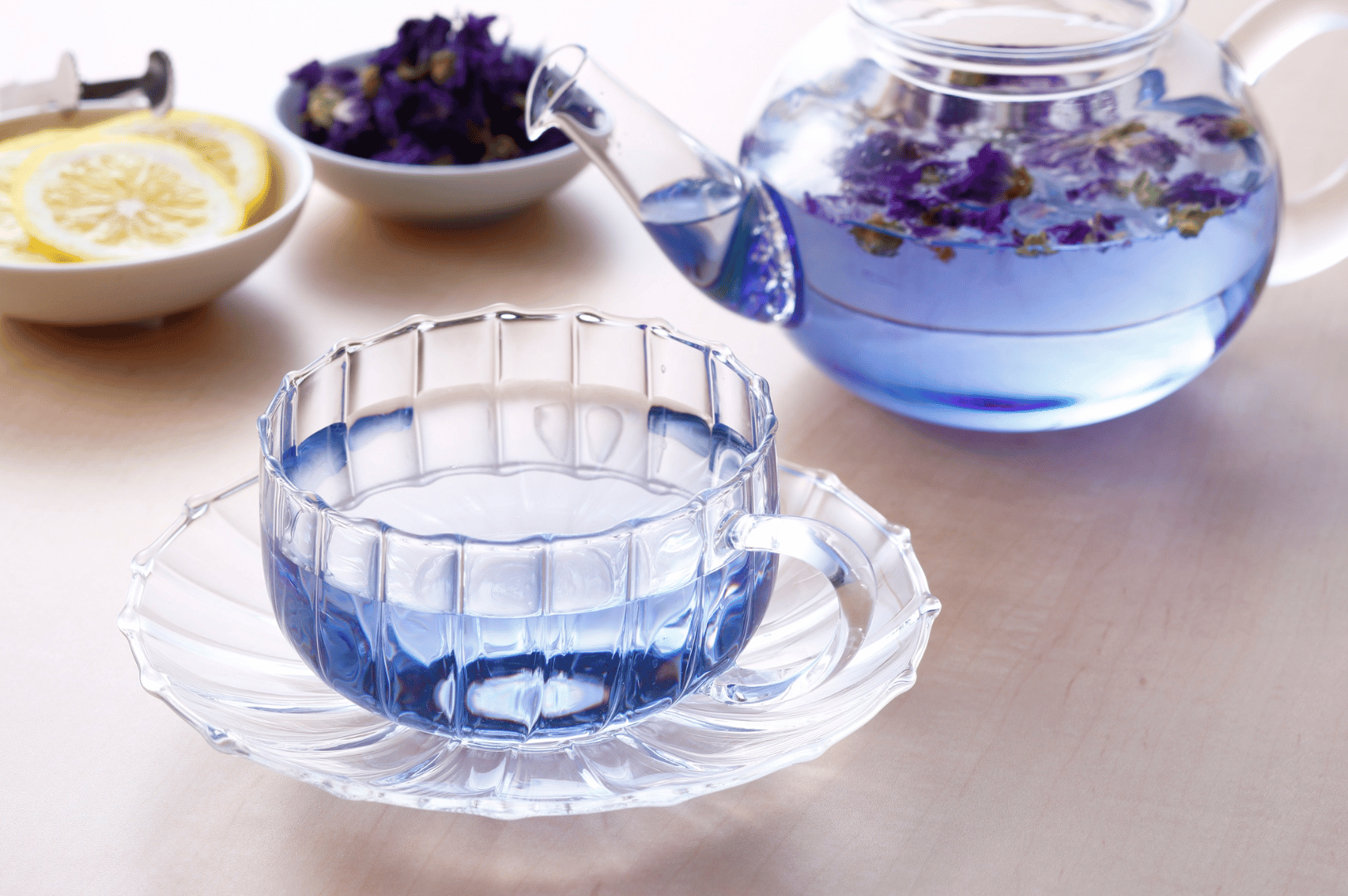
The color-changing properties of butterfly pea flower tea (also called blue pea or blue tea) introduce a splash of science into every cup. The iconic blue color comes from anthocyanins—powerful pigments also found in blueberries and red cabbage. These anthocyanins in butterfly pea flowers are especially sensitive to pH, which means acids dramatically affect the hue of the tea.
When you first brew blue butterfly pea tea with boiling water or hot water, the color is a deep blue. Add sugar or serve it chilled over ice cubes for a refreshing drink. Drop in lemon or lime juice (or even a slice of orange), which lowers the pH, and you'll witness an instant color change: blue turns to purple or pink! This delightful transformation is why Asian pigeonwings (another name for the butterfly pea plant) are must-haves in every Thai drink and video tutorial on Instagram.
Butterfly Pea Flowers: Historical and Cultural Significance in Thailand
Long before butterfly pea tea became a global trend, these bright blue petals had an important place in Thai households. In traditional Thai medicine, butterfly pea flowers—often called cordofan pea or nam dok anchan—were used to support eye health, enhance hair strength, and calm the mind. Edible flowers like butterfly pea also show up in many Thai recipes and beauty traditions, such as natural hair dye or eyebrow color.
Butterfly tea is more than a drink; it’s hospitality in a glass. Thai people serve it chilled with a little honey and lemon, often with crushed ice on hot afternoons, at spas, or before a meal in local Thai restaurants. Depending on the region, butterfly pea tea might be infused with pandan, lemongrass, or mint for added aroma and flavor. In southern and northern Thailand, blue flower tea is used as a natural dye in everyday cuisine—rice dishes, desserts, and even sticky rice.
How to Prepare Traditional Blue Butterfly Pea Tea
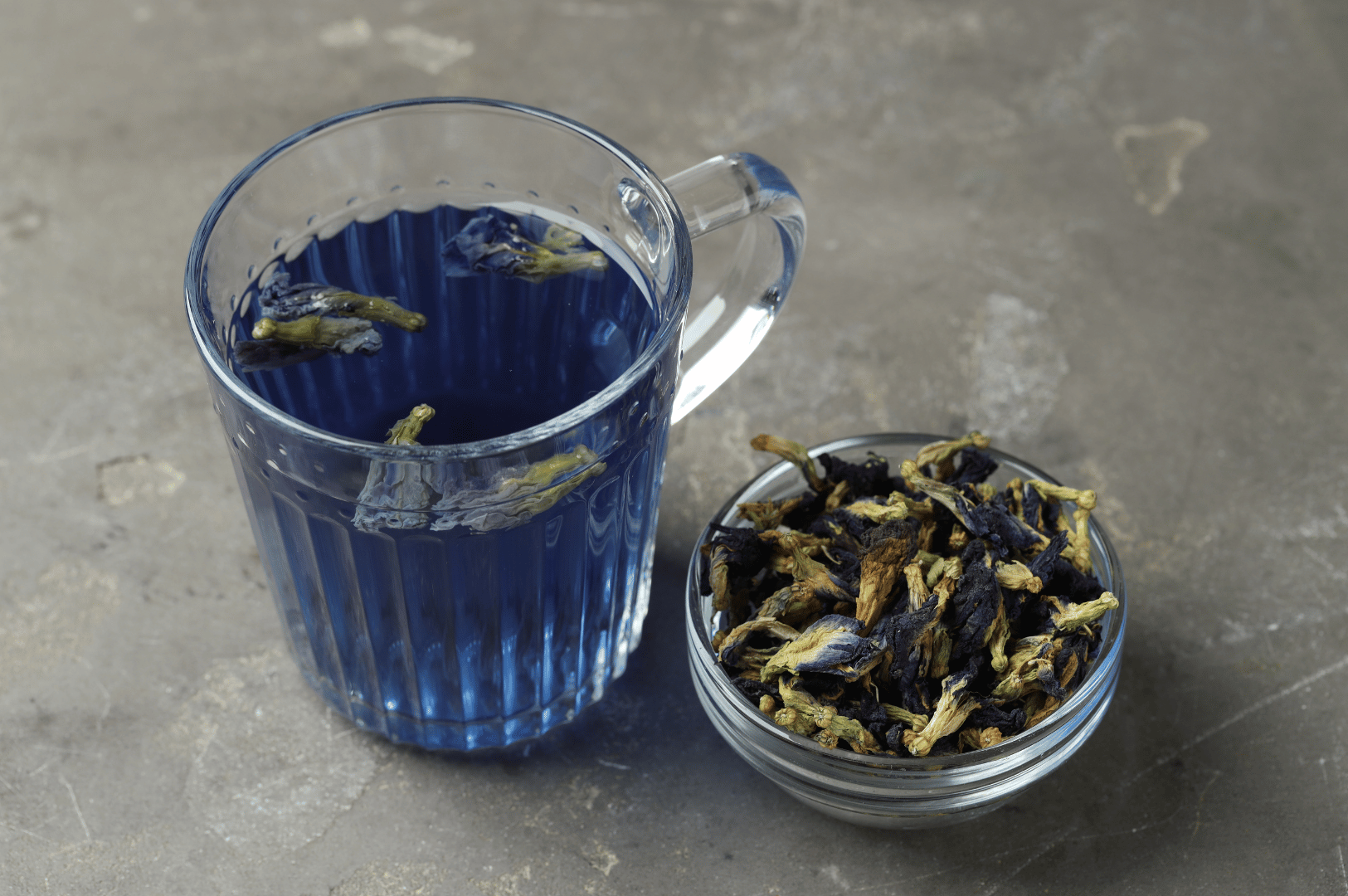
Making authentic butterfly pea tea at home is wonderfully simple.
Step-by-Step Brewing Method for Flower Tea
- Measure and Prepare: For each cup, use 5–7 dried flowers (more for deeper blue color).
- Bring Water to Temperature: Use boiling water or slightly cooled hot water (around 200°F/93°C).
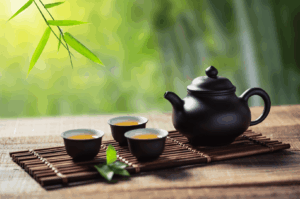
- Steep the Blue Flowers: Pour over the dried butterfly pea flowers in a teapot or heatproof glass, and steep for 3–5 minutes until you achieve a rich blue color. For iced tea, let it cool and serve over ice cubes or crushed ice in a glass.
- Strain: Use a tea strainer to remove the flowers.
- Serve and Customize: Stir in honey, a squeeze of lemon juice or lime juice to reveal the magical color change and sweeten to taste. For traditional flair, garnish with mint or a pandan leaf. Many Thai people add simple syrup, milk, or whole milk for extra richness.
Pro Tip: For vibrant purple flower tea, experiment with the amount of lemon or lime for more color variety. Check out a video tutorial online for visual steps.
Health Benefits and Traditional Uses of Butterfly Pea Tea
Butterfly pea flower tea is embraced across southeast Asia—including in drinks cuisine of Thailand—for both its striking looks and health benefits. Rich in anthocyanins, butterfly tea acts as an antioxidant powerhouse. It’s naturally caffeine-free, offering a soothing alternative to stronger teas or coffee. Some studies suggest butterfly pea tea may support skin health, immunity, and even brain function thanks to its antioxidants.
Traditionally, blue tea is thought to ease stress, support digestion, and offer mild anti-inflammatory effects. Recipes for butterfly pea tea often note the lack of caffeine, making it ideal for evening sipping or as a base for cold drinks.
Health disclaimer: Always consult your healthcare provider before relying on herbal remedies for health issues or daily consumption.
Blue Pea: Beyond Tea in Thai Cuisine
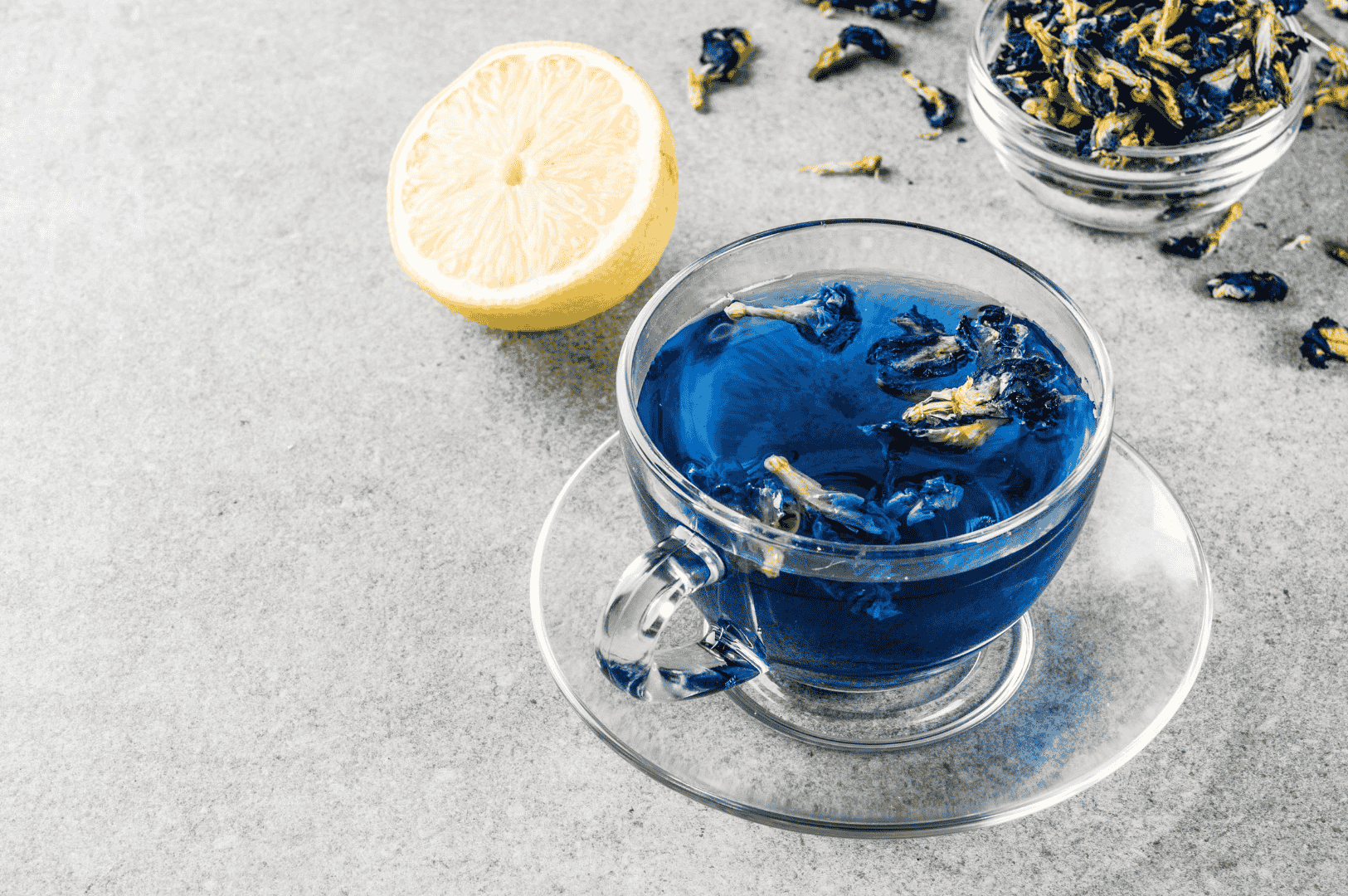
In the creative world of Thai food, blue pea (butterfly pea flower) is valued for much more than tea. Its dark blue natural dye colors blue rice for savoury meals, often paired with mango sticky rice (khao niao mamuang) or jasmine rice. Blue flower tea flavors everything from ice pops to jellies in the dessert case.
Modern Thai bars and cafés use butterfly pea as a key ingredient in color-changing cocktails, mocktails, and Thai iced tea fusion drinks. Watch as bartenders pour lemon or lime juice into the glass for an impressive tableside color change!
Blue Tea: Where to Find Authentic Butterfly Pea Flower Tea in Thailand
Travelers in Thailand should not miss the opportunity to sip authentic blue tea.
- Notable Cafés: Trendy spots in Bangkok and Chiang Mai serve butterfly pea lattes, frappes, and iced tea with honey, milk, or mint.
- Markets and Street Vendors: Search the bustling markets for bags of dried butterfly pea flowers or enjoy a glass of iced butterfly tea at street-side drink stalls.
- Restaurants: Many Thai restaurants serve butterfly tea as a welcome drink, or use it as an ingredient in both drinks and rice dish specialities.
Bring home these dried flowers from local markets or Asian grocery stores: they're light, shelf-stable, and perfect for DIY blue tea experiments.
Growing and Harvesting the Butterfly Pea Plant
The butterfly pea plant (Clitoria ternatea) thrives in southeast Asia’s warm, sunny weather. It’s prized for its fast growth and generous blooming of blue pea flowers. If you want to grow your own, plant seeds in well-drained soil with plenty of sun. Once your butterfly pea vines flower, harvest in the morning, dry the blossoms fully (away from direct sun), and store in a sealed container.
Sustainable cultivation ensures a steady supply both for beautiful tea and as edible flowers for dishes and drinks.
Cold Water and Flower Tea: Making Chilled Butterfly Pea Tea
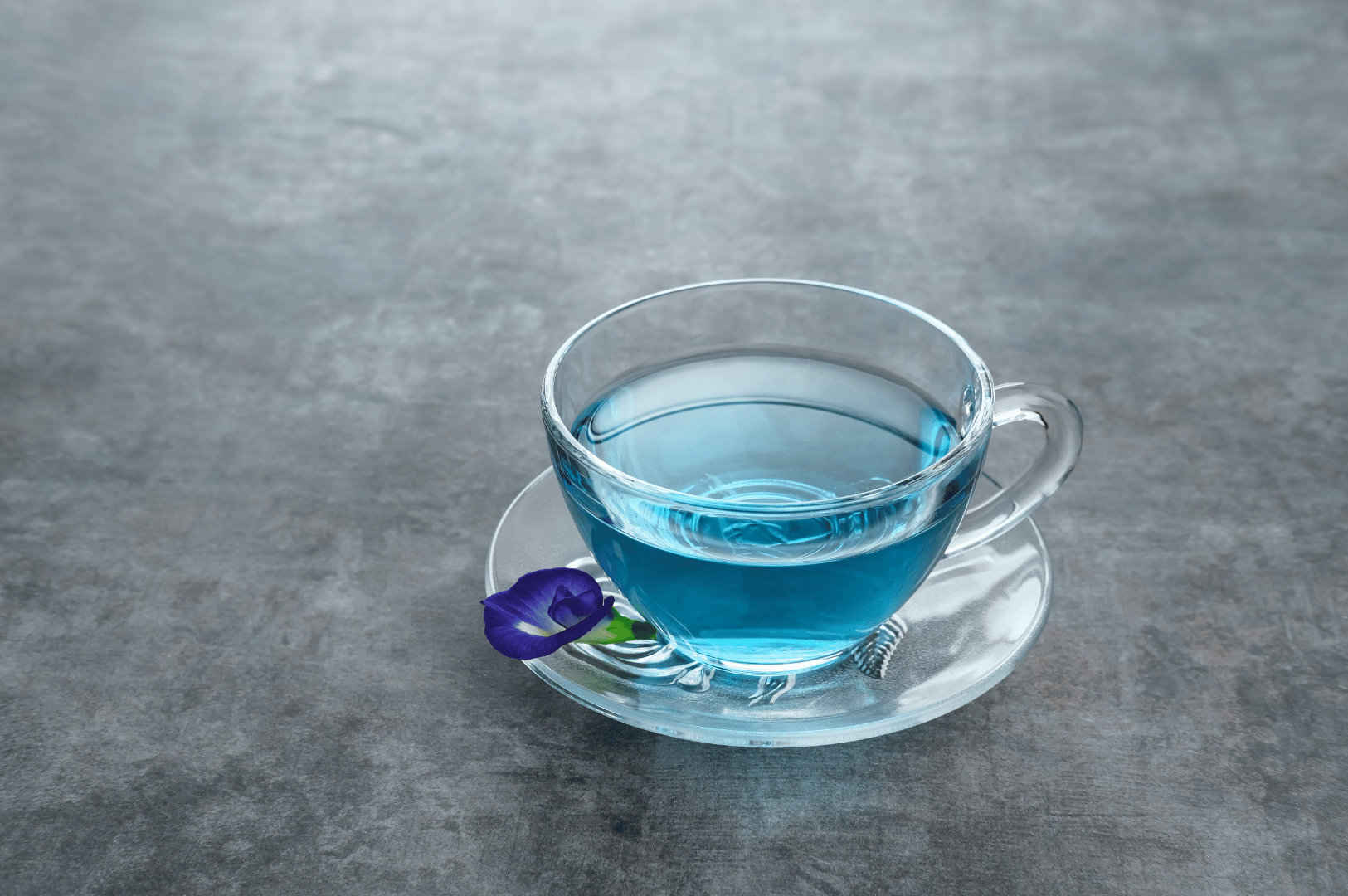
To enjoy cold water flower tea, brew blue butterfly pea tea as above, then let it cool and pour over crushed ice. This method is especially popular for hot days and in drink recipes that combine butterfly pea tea with other tropical flavors or sparkling sodas.
Conclusion
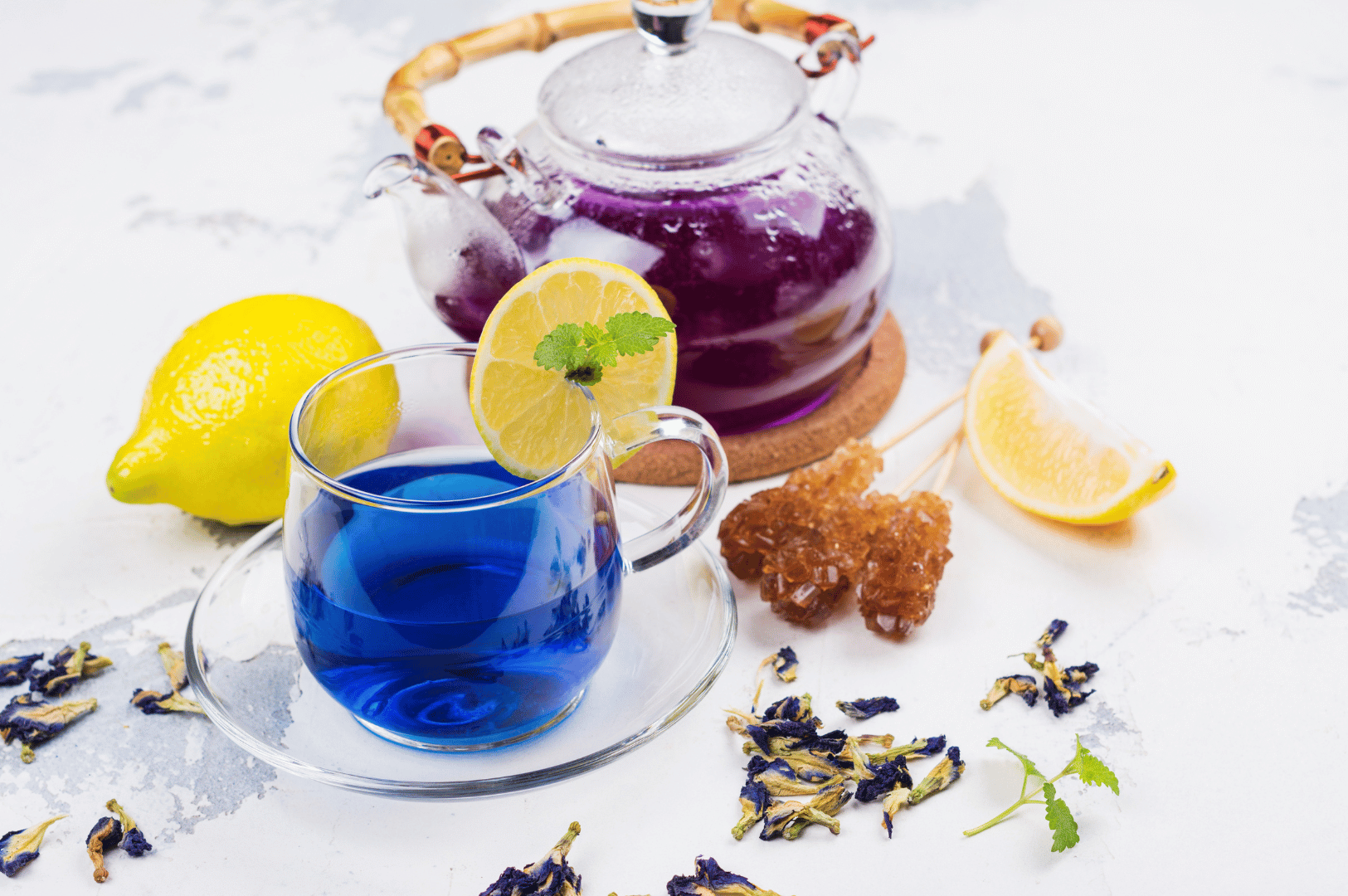
Butterfly pea flower tea is much more than a visual delight. This dazzling blue drink brings together centuries of Thai herbal tradition, scientific wonder, and delicious innovation. Whether you’re sipping it chilled at a Thai restaurant, creating blue flower tea recipes at home, or admiring its color changing properties in a glass, butterfly pea tea is Southeast Asia’s gift to the world—a symbol of nature’s magic in every cup.
Frequently Asked Questions (FAQ)
1. What does butterfly pea tea taste like?
Butterfly pea tea taste is exceptionally mild and earthy, similar to a light green tea or fresh beans. The flavor welcomes additions like honey, lemon, or mint.
2. Does blue tea contain caffeine?
No, butterfly pea flower tea is caffeine-free and can be enjoyed day or night.
3. How is blue tea served at Thai restaurants?
Most Thai restaurants serve it cold with honey, simple syrup, or milk—and often with a side of lemon or lime for you to stir in and enjoy the color change. It’s also offered hot or as part of a blue rice dish.
4. Where can I buy dried butterfly pea flowers?
Find them at Asian grocery stores, online marketplaces, or local markets in Thailand. Look for bright blue petals and check for required recipe ratings online.
5. How long do dried flowers last?
Properly stored in a sealed container away from light, dried butterfly pea flowers keep their vivid blue color and flavor for up to a year.
For a real treat, watch a video tutorial showing the color change in action, and don’t forget to review recipe ideas for your own magical butterfly tea creations. Whether you prefer it served chilled over ice cubes, mixed into Thai iced tea, or colored into a sweet rice dish, experience the wonder of blue butterfly pea tea—Thailand’s most enchanting drink.
To keep exploring Thai flavors, try khao soi, northern Thailand’s iconic curry noodle soup or browse more food journeys on Eat Drink Asia.

The Legendary Penang Char Kway Teow: A Culinary Journey
Dio Asahi | October 25, 2025
The air in Penang is thick with anticipation, carrying the sounds and smells of Malaysian street food being crafted with expert care. Your attention is captured by one of the many street vendors, a master standing before a seasoned wok glowing over an intense fire. The rhythmic clanging of metal on metal is the soundtrack…
-
Traditional Korean Sikhye: Sweet Rice Punch Through the Seasons
Eda Wong | October 23, 2025
In the vibrant world of Korean food, beyond the fiery spice of gochujang and the savoury comfort of bulgogi, lies a gentler, more subtle delight. Meet traditional Korean sikhye (식혜), a beloved Korean sweet rice punch that holds a special place in the nation’s heart. With its cloudy, amber hue and delicate sweetness, this drink…
-
Authentic Jeonju Bibimbap: Why Korea’s Culinary Capital Makes It Best
Eat Drink Asia Team | October 21, 2025
Picture this: A steaming Korean rice bowl is placed before you in Jeonju, South Korea. Vibrant arcs of seasoned bean sprouts, glossy strips of Korean beef, a golden runny yolk resting atop perfectly cooked mixed rice, and a dollop of rich red bibimbap sauce invite you to mix it all together. As you stir, the…
-
Communal Dining Traditions in Asia: Shared Meals, Lasting Bonds, and Cultural Heritage
Dio Asahi | October 18, 2025
Imagine a dining table crowded with large platters of steaming food, the smell of spices in the air, small bowls arranged neatly around the shared table, and laughter echoing across the room. Across Asia, dining tables play a central role in communal dining traditions, serving as the focal point for etiquette, social interaction, and the…
-
Century-Old Dumpling Techniques: Ancient Wisdom in Modern Kitchens
Eda Wong | October 16, 2025
Her hands move in a blur, a dance of muscle memory refined over sixty years. In a small, steam-filled kitchen in Shanghai, an elderly woman transforms a humble circle of dumpling dough into a perfect, 20-pleat xiao long bao. Each pinch and fold is a syllable in a story passed down through generations-prime examples of…
-
Ca Phe Sua Da: The Cultural Phenomenon of Authentic Vietnamese Coffee
Eat Drink Asia Team | October 14, 2025
The dawn breaks over Hanoi, and the city awakens not to alarm clocks but to the clatter of tiny spoons and the metallic click of filters. The air fills with the dark, roasted aroma of authentic Vietnamese coffee drifting from bustling corners and sidewalk stalls. They are not rushing. Instead, they are waiting-waiting for the…
-
Cao Lầu Noodles: Hoi An’s Legendary Noodle Dish with Japanese Origins
Dio Asahi | October 11, 2025
Imagine sitting on a low stool in a bustling alleyway of Hoi An’s ancient town. The warm, fragrant air is thick with the scent of sizzling marinated pork, fresh herbs, and the unmistakable aroma of fish sauce and fried rice crackers. In front of you, a bowl of Cao Lau noodles gleams, their golden brown…
-
Chinese Tea: 5,000-Year Tea Journey from Ancient Medicine to Global Beverage Phenomenon
Eda Wong | October 9, 2025
Every cup of tea enjoyed today, whether a brisk English breakfast or a delicate green tea in Tokyo, finds its lineage rooted in the heart of Chinese tea history. For nearly 5,000 years, the humble leaves of the Camellia sinensis tea plant have been cultivated, brewed, and cherished-first as ancient medicine in southern China, and…
-
The Complete Guide to Authentic Cantonese Dim Sum: Beyond Har Gow and Siu Mai
Eat Drink Asia Team | October 7, 2025
If you think eating dim sum is all about har gow and siu mai, think again. Authentic Cantonese dim sum is a dazzling showcase of Chinese culture, filled with an array of flavors, textures, and traditions that run much deeper than the classics. For both seasoned aficionados and first-time food explorers, venturing beyond the familiar…
-
Traditional Indian Lassi: Cooling Yogurt Drinks for Every Season and Region
Eda Wong | October 4, 2025
On a sweltering Indian afternoon, there is no greater relief than a tall, chilled glass of traditional Indian lassi. From bustling city streets to quiet village homes, lassi is a beloved staple that offers a moment of pure, cooling bliss. Frothy, creamy, and deeply satisfying, this yogurt drink is more than just a refreshment; it’s…