The afternoon heat in the outskirts of Phnom Penh settles like a thick blanket over the wooden stilt houses. Underneath the corrugated tin roof of an open-air kitchen, the air carries a heavy, sharp scent that instantly commands attention, a deeply pungent, earthen aroma of crushed fish and salt. An elderly woman sits on a low stool, a heavy cleaver rhythmically striking a scarred wooden block. She is mincing small, silvery fish into a coarse paste, the sound of metal on wood echoing through the humid air. Nearby, large earthen clay pots sit quietly in the shadows. Inside them, the true work is already happening, hidden from view.
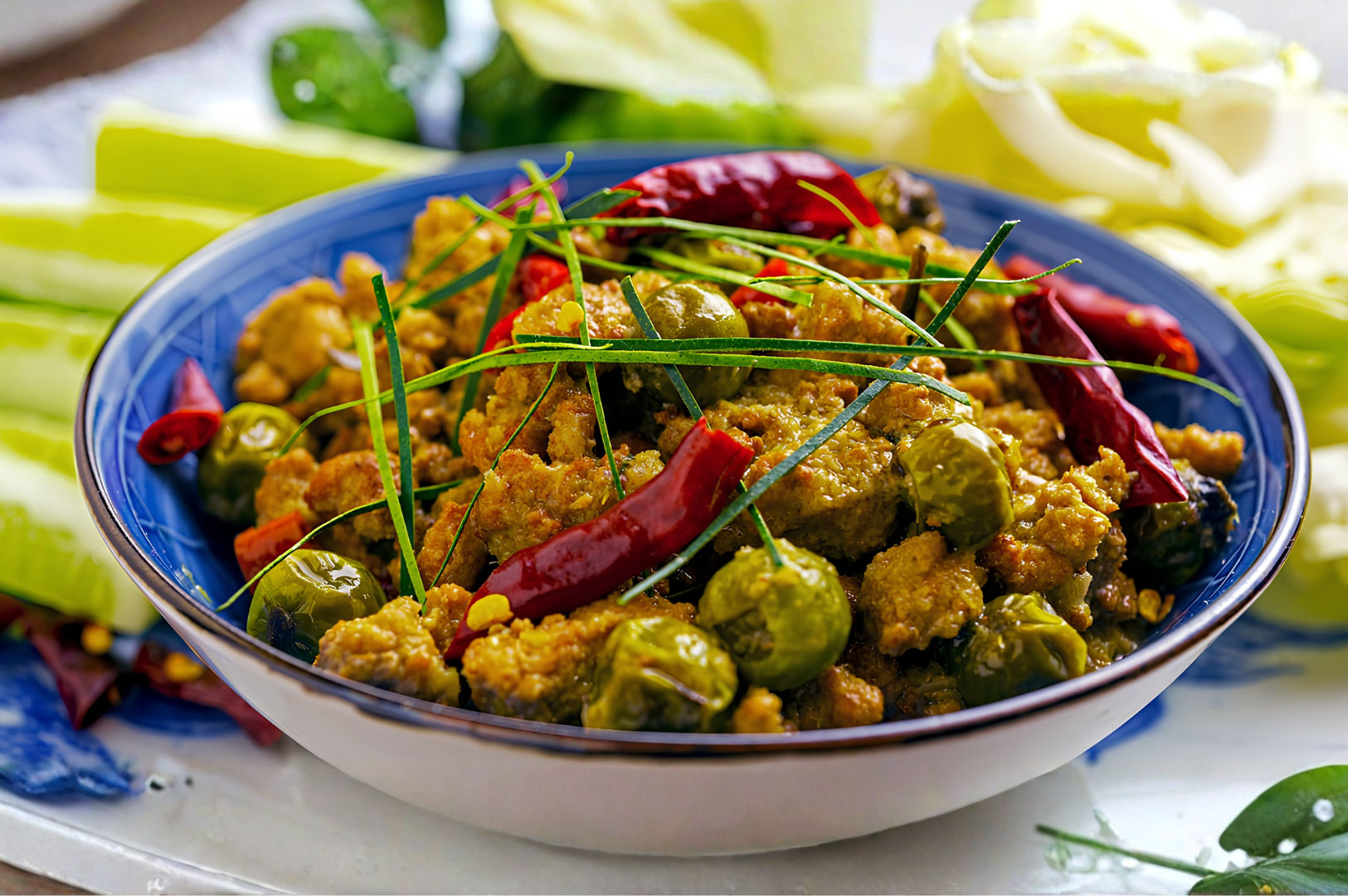
In that pungency is a familiar truth of Asian cuisine: fermentation is often the quiet engine of flavour. What lies inside those heavy pots is prahok (pronounced prah-hok), the fermented fish paste that forms the unapologetic backbone of Cambodian cuisine. At its core, prahok is an exercise in preservation and patience. During the brief dry season, millions of small mudfish are harvested from the Tonle Sap lake, crushed, heavily salted, and packed into earthen jars. Left to ferment for months or even years under the intense tropical heat, the fish breaks down completely. The proteins transform into a dense, greyish-brown paste that is remarkably high in umami. It is a profoundly intense ingredient. A single spoonful tastes aggressively salty and sharp on its own, but when dissolved into a boiling broth or mashed with lime and chillies, it creates a rich, complex depth that defines the authentic taste of Khmer cooking.
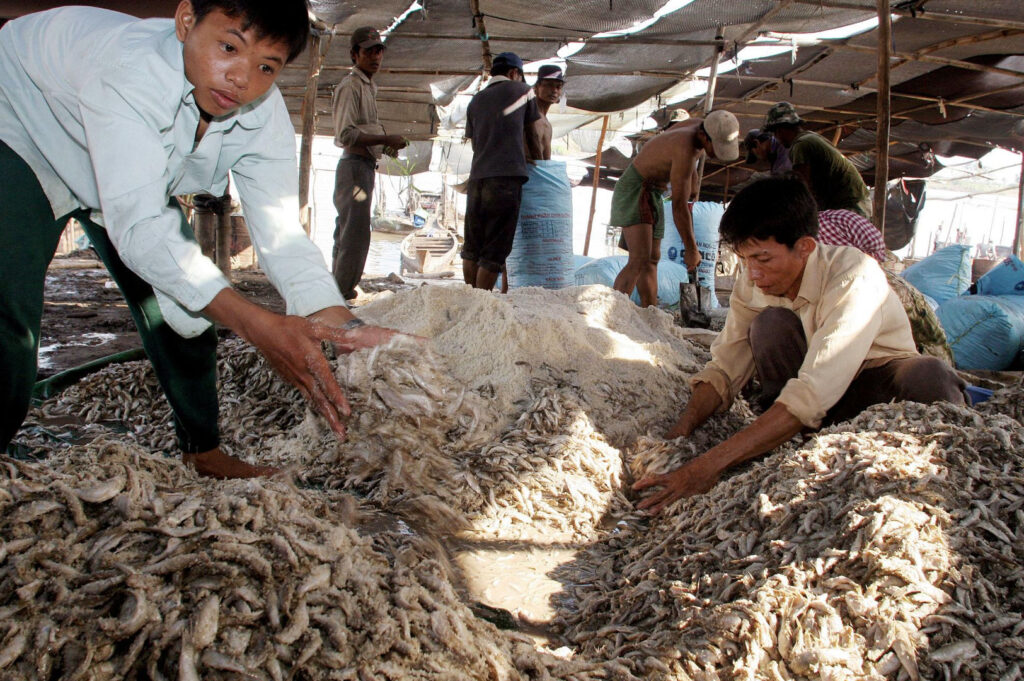
In Cambodia, the prahok pot is far more than a pantry staple; it is an anchor of everyday food memory and a record of the shifting seasons. The rhythm of rural life is tied to the annual fish harvest, turning the messy, communal work of scaling and salting into vital shared experiences for the entire village. A meal without prahok often feels incomplete to a local palate. It is the invisible force that gives body to a clear green papaya soup and the savoury edge to a fiery dipping sauce. It signals a deep connection to the land and water, offering families a reliable source of protein and deep, flavourful comfort long after the floodwaters of the great lake have receded.
Today, this ancient culinary journey faces a quiet tension. Modern urbanisation brings the convenience of factory-produced seasoning cubes and imported MSG, which offer an easier, odourless shortcut to flavour. For many younger city dwellers, the pungent aesthetic of a bubbling clay pot of fermenting fish feels out of step with fast-paced, modern life. Yet, authentic prahok demands that we confront the visceral reality of our food. It refuses to be sanitised or neatly packaged. It requires a surrender to time and the slow, microbial breakdown of nature, standing as a stubborn reminder that the most profound flavours cannot be rushed by industrial efficiency.
Watching the woman carefully seal her earthen jar, the air remains thick with the scent of salt and time. There is no rush, no immediate gratification. The paste will sit in the dark, slowly transforming, quietly waiting to bring life to a future meal.

Korean Citron Tea: Health Benefits and Wellness Secrets
Eat Drink Asia Team | January 29, 2026
As the seasons change and a chill enters the air, many of us seek out comforting rituals to support our well-being. Imagine wrapping your hands around a steaming cup of Korean citron tea—also known as yuja-cha—its bright, citrus aroma soothing and revitalizing with every sip. More than just a winter treat, Korean citron tea is…
-
When the Izakaya Becomes the Plan: Izakaya Singapore Top Picks for After-Work Reset
Dio Asahi | January 28, 2026
January 28, 2026 | Dio Asahi Last updated: September 14, 2026 As you step behind the humble noren curtain, you’re greeted by glowing lanterns, sizzling charcoal-grilled skewers, and warm welcomes. This is izakaya, Japan’s casual pub, a vibrant part of Singapore’s dining scene. More than just yakitori and sake, izakayas offer a lively setting for social…
-
Yuja Tea: Korea’s Traditional Citron Tea
Dio Asahi | January 27, 2026
The golden, aromatic steam rising from a cup of yuja tea carries centuries of Korean tradition and wellness wisdom. This caffeine-free citrus beverage has warmed Korean hearts through countless winters, offering both comfort and powerful health benefits in every sip. Made from the Korean citron known as yuja fruit, this simple Korean tea represents one…
-
The Global Phenomenon of Korean Instant Noodle: A Cultural and Culinary Journey
Eda Wong | January 24, 2026
In the high-octane streets of South Korea, where the “pali-pali” (hurry-hurry) culture defines the pace of life, one dish stands as the ultimate equalizer of speed and satisfaction: Korean ramyeon. While the world often uses the terms ramen and ramyeon interchangeably, the Korean version is a distinct entity. It is not merely a quick snack…
-
Traditional Ramyeon: The Soulful Heart of Korean Noodle Culture
Eat Drink Asia Team | January 20, 2026
In the bustling culinary landscape of South Korea, few comfort foods can match the satisfaction of a steaming bowl of ramyeon. While outside of Korea, “ramyeon” often brings to mind Korean instant noodles or instant ramen, true ramyeon Korean style refers to the artful, freshly prepared noodle soup enjoyed in homes and at local restaurants…
-
The Heart of the Korean Noodles: History and Texture
Eda Wong | January 17, 2026
In Korea, a bowl of noodles is far more than a simple dish; it is a cultural anchor that has weathered centuries of change. For generations, the length of the strand has symbolized a long and prosperous life, making Korean noodles a staple at birthdays, weddings, and the milestone 60th birthday celebration known as hwangap….
-
Preserving the ‘Big Bowl’ Tradition with Pen Cai Delivery in the Age of Doorstep Dining
Eat Drink Asia Team | January 15, 2026
Modern Festive Menu: Bringing the Big Bowl Home There is a special, undeniable magic to the Chinese New Year reunion dinner. For many families, Chinese New Year 2026 is another chance to gather loved ones at the table and celebrate with a glorious pen cai—sometimes called the “big bowl feast”—overflowing with premium ingredients and festive…
-
Sencha: Traditions, Flavors, and the Essence of Japanese Tea
Eat Drink Asia Team | January 15, 2026
When people around the world think of Japanese tea, images of tranquil tea ceremonies in small rooms or frothy bowls of matcha often come to mind. Yet, the reality of tea drinking in Japan is much broader, woven deeply into the culture and daily habits. For the vast majority, sencha is the beloved tea that…
-
The Best Restaurants Tokyo Are Rarely the Ones You Plan For
Eda Wong | January 12, 2026
Tokyo, Japan’s capital, does not reward urgency. It rewards return. On my first visit, I chased what everyone told me were the best restaurants Tokyo had to offer. I spent weeks highlighting maps, bookmarking digital “must-eat” lists, and refreshing reservation pages until my eyes blurred. I thought that by conquering the top-tier establishments, I would…
-
Japan and Food: Culinary Harmony – The Deep Connection Between Japanese Food and Culture
Eat Drink Asia Team | January 11, 2026
When it comes to Japan and food, the two are intertwined in ways that captivate taste buds and awaken the senses. Japanese cuisine stands as one of the world’s most revered traditions—more than nourishing meals, it is an art reflecting centuries of philosophy and a window into Japanese culture itself. Every bowl of miso soup,…