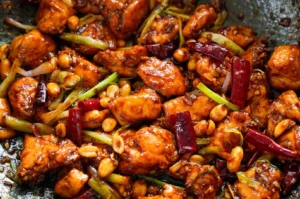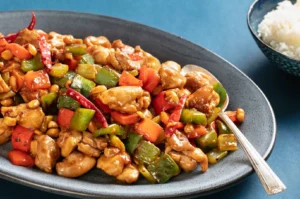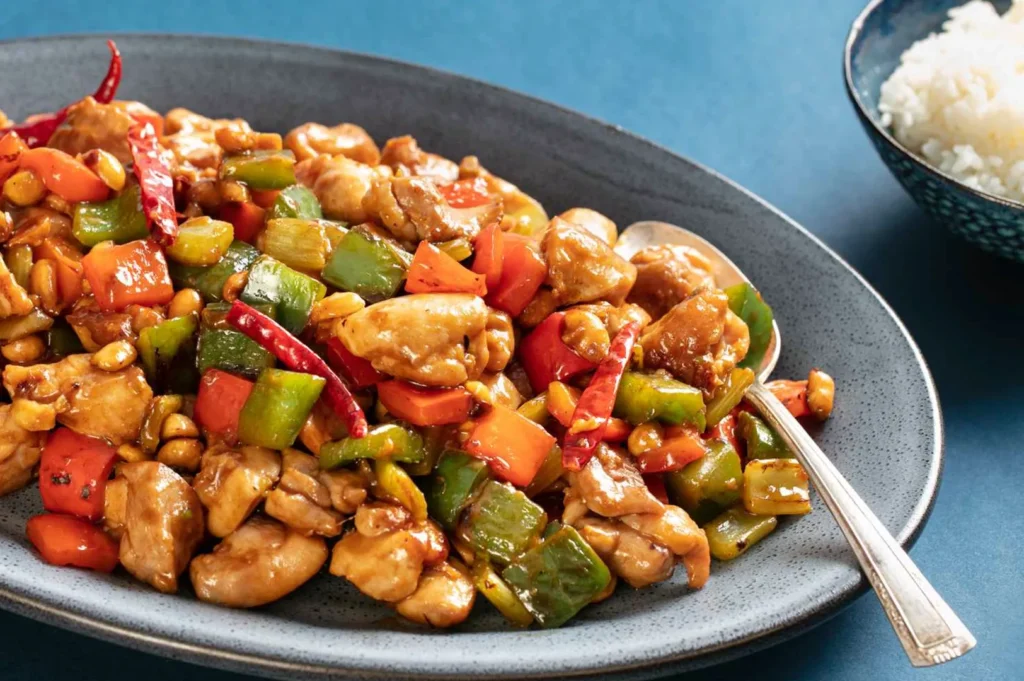
I remember my first attempt at cooking gong bao ji ding a few years ago. I wanted to recreate that authentic, trend-setting dish I had experienced at a traditional Sichuan restaurant, a meal that felt like a genuine celebration of flavours. I heated my wok until it was smoking, tossed in a handful of dried chillies, and immediately started searching my kitchen counter for the chicken. By the time I found it and dropped the meat into the pan, the chillies were blackened, the oil smelled acrid, and my kitchen was filled with bitter smoke. The resulting dish was a tough, oily, and intensely bitter disaster.
If you have ever tried to make kung pao chicken at home and ended up with a sticky, overly sweet mess or rubbery meat, you are not alone. In my experience, first-timers usually worry about three things: burning the chillies, drying out the chicken, and missing that restaurant-style glossy coating. We tend to think these are ingredient problems, assuming we just need a secret sauce recipe or a different type of chilli.
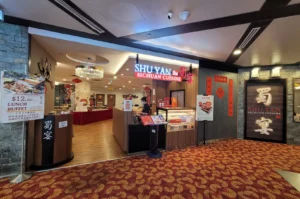
But I’ve found that the real secret is entirely different. Proper kung pao chicken is not a dare built from chilli heat; it is a rigorous timing exercise. When you learn to respect the sequence, allowing heat, vinegar, chicken, and peanuts to arrive in the exact right order. you preserve the true soul of the dish. Here is how you can master the timing and taste the world from your own kitchen. For more articles about kung pao, Shu Yan Sichuan Cuisine’s kung pao chicken earns high praise for its authentic balance of spice and savor, as reviewed by Eat Drink Asia.
Kung Pao Chicken Recipe
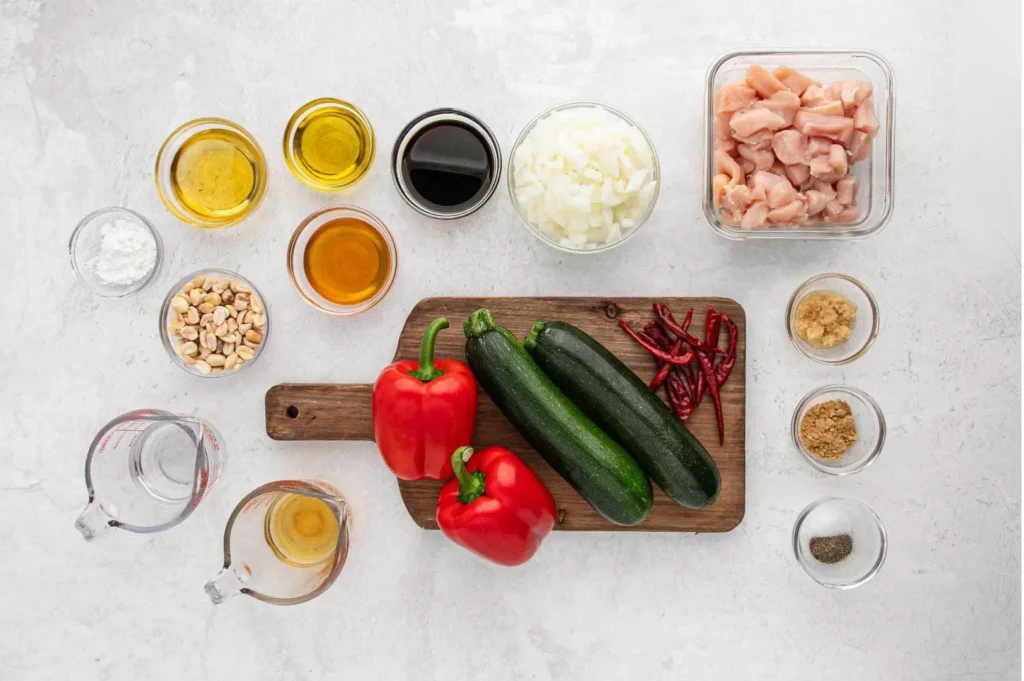
Ingredients
- 300g boneless skinless chicken thighs or skinless chicken breasts, cut into bite-sized cubes
- 1 tbsp light soy sauce
- 1 tbsp shaoxing rice wine (or dry sherry as a substitute)
- 1 tsp cornstarch
- 1 tbsp vegetable oil
- 4-5 dried chili peppers, preferably dried red chili peppers
- 1 tsp ground sichuan peppercorns
- 2 cloves garlic, minced
- 1-inch piece ginger, julienned
- 2 spring onions, white and green parts separated and chopped
- 2 tbsp roasted peanuts or cashew nuts
Sauce:
- 1 tbsp light soy sauce
- 1 tsp dark soy sauce
- 1 tbsp chinese black vinegar (or rice vinegar/balsamic vinegar)
- 1 tsp sugar
- 1 tsp sesame oil
- 1 tsp cornstarch mixed with 2 tbsp water (cornstarch slurry)
Instructions
- Marinate the Chicken:
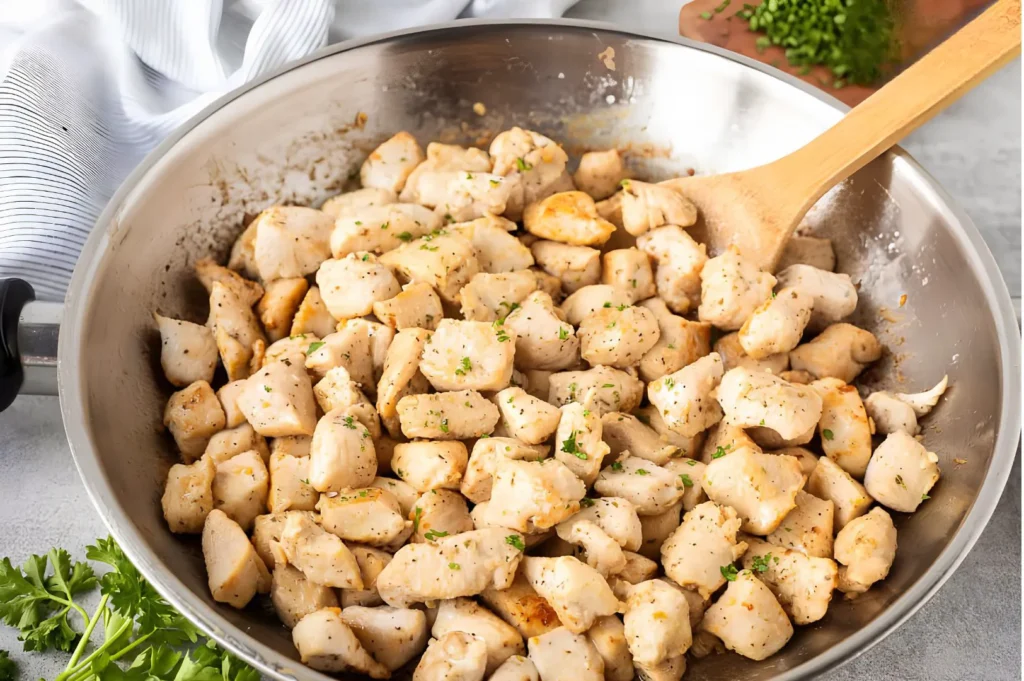
In a medium bowl, combine the chicken pieces with light soy sauce, shaoxing rice wine, cornstarch, and a few drops of vegetable oil. Toss well and let marinate the chicken for 15 to 20 minutes to velvet the chicken for tenderness. - Prepare the Sauce:
In a separate bowl, whisk together all sauce ingredients except the cornstarch slurry. Just before use, stir in the slurry to help the kung pao sauce thicken during cooking. - Toast the Peanuts:
If using raw peanuts, toast them in a dry pan over low heat until golden and fragrant. Set aside. - Bloom the Spices:
Heat a wok or large skillet over medium heat and add vegetable oil. Add the dried red chili peppers and ground sichuan peppercorns. Stir briefly until the chilies darken slightly and release aroma, about 10-15 seconds. - Stir-Fry the Chicken:
Increase heat to high heat and add chicken. Spread them out and let them sear for about 1 minute without stirring. Toss and stir fry chicken until the chicken is just opaque and lightly browned. - Add Aromatics:
Push the chicken to the side of the wok. Add garlic, ginger, and the white parts of the green onions to the center. Stir quickly until fragrant, about 30 seconds, avoiding burning. - Add Sauce and Finish:
Pour the prepared kung pao sauce over the chicken. Turn the heat to high heat and stir vigorously as the sauce bubbles and sauce thickens to a glossy coating. Once thickened, toss in the toasted peanuts and green parts of the spring onions. Stir to combine. - Serve Immediately:
Serve immediately with steamed white rice or your preferred side. Enjoy the contrast of tender chicken, crunchy peanuts, and the numbing, spicy kung pao sauce.
Tips for Success
- Cook in batches to avoid overcrowding the wok, which causes steaming instead of searing.
- Adjust the number of dried chili peppers and sichuan peppers to suit your spicy food tolerance.
- Always add the peanuts at the end to keep their crunchy texture.
- Use chicken thighs for juicier results or chicken breast for leaner meat.
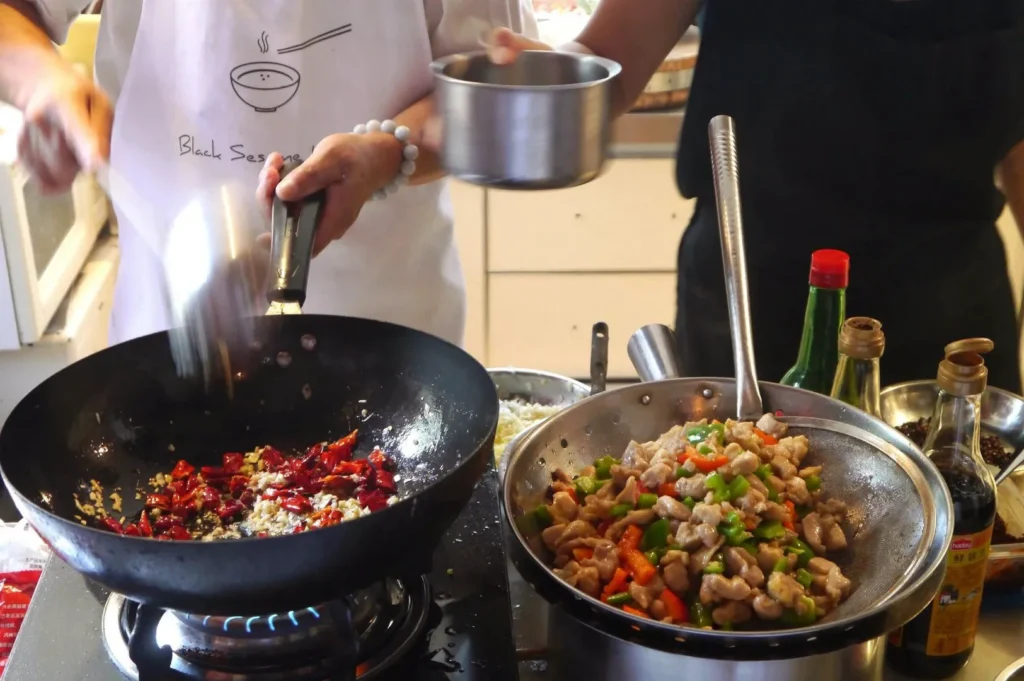
Understanding the Timing of Kung Pao Chicken
The biggest misconception about this global favourite is that it is simply “spicy chicken” or that the sauce should be thick and sugary like the versions you find in food court takeout boxes. Authentic gong bao ji ding, the classic kung pao chicken, relies on a highly specific “lychee flavour” profile. This means the kung pao sauce balances sweet, sour, and savoury notes, usually achieved through a precise mix of light soy sauce, dark soy sauce, chinese black vinegar (or black rice vinegar), and sugar, rather than relying on a heavy syrupy glaze.
When we talk about this dish working only when timing is tight, we are talking about the wok sequence for this quick stir fry. Experienced cooks treat kung pao chicken as a fast-moving timeline, not a sauce dump. The dried red chili peppers are not there only for pain; they are meant to quickly perfume the vegetable oil and sesame oil without scorching. The sichuan peppers should add a light, citrusy numbing lift, rather than a gritty bitterness. The marinated chicken, whether boneless skinless chicken thighs or skinless chicken breasts, must cook just until it turns opaque and lightly browned. The roasted peanuts or cashew nuts must enter at the very last second so they stay perfectly crisp.
If the garlic burns before the chicken cooks, your wok was too hot too early. If the sauce turns watery, the pan was not hot enough when the liquid went in. The dish works beautifully because each ingredient enters at the exact moment it can do its job without ruining the others. It is an innovative, interactive culinary journey that takes place entirely over high heat.
Cooking Errors That Kill the Kung Pao Magic
The Burnt Chili Version
If you heat the wok until it is smoking, add dried chillies, and then pause for even ten seconds to grab your chicken, the chillies will turn black. Blackened chillies release a bitter flavour into the oil. The fix is simple: have your marinated chicken literally in your hand, hovering over the wok, before the chillies go in.
The Watery Kung Pao
If your kung pao sauce never becomes thick and glossy but instead pools sadly at the bottom of the plate, you likely added too much liquid or overcrowded the pan. The chicken steamed and released its internal water. The fix is to cook only one or two portions at a time, ensuring the wok stays hot enough to evaporate excess moisture instantly.
The Takeout-Style Sweetness Problem
If your result tastes like sticky sweet chicken with peanuts, you used too much sugar and not enough vinegar. Treat the chinese black vinegar as a primary structural ingredient, not an optional sharpener. The sourness cuts the sugar and the heat, creating that complex, highly desirable “lychee” balance.
Gluten-Free Adaptation
This chicken pao recipe and kung pao chicken recipe are naturally gluten free when you use gluten-free soy sauce and ensure your stir fry sauce ingredients are free from wheat. This makes it an excellent choice for those with gluten sensitivities who want to make kung pao chicken without compromise. For those looking to experience authentic flavors beyond home cooking, exploring the best Chinese restaurants in Singapore offers an exceptional culinary journey.
Singaporean Adaptations and Local Tips
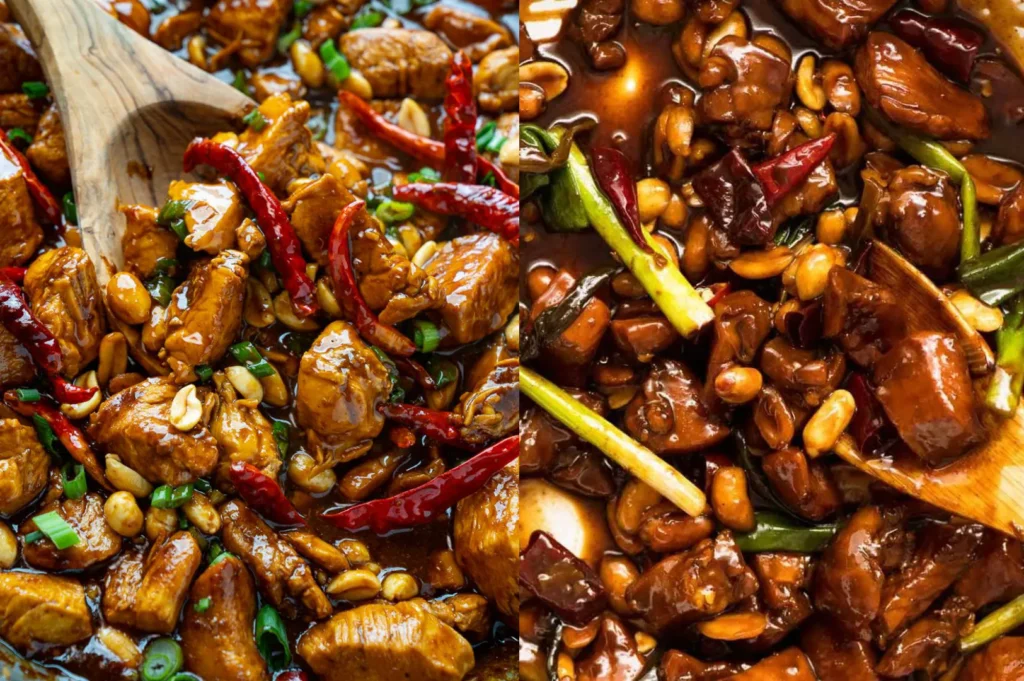
Here in Singapore, style kung pao chicken appears across diverse dining contexts, from high-end Sichuan restaurants where it is numbing and sharp, to local zi char menus where it tends to be sweeter and highly accessible. Both styles celebrate the vibrant taste buds of the region.
Ingredients are easy to source locally. Fresh boneless skinless chicken thighs or chicken breasts are affordable and perfect for this stir fry chicken dish. For a family with mixed spice tolerance, reduce the crushed red pepper flakes and omit sichuan peppers for a milder, family-friendly version. Serve with steamed rice and simple greens to balance the spicy food heat.
Savour the Journey
Mastering kung pao chicken is an incredibly rewarding culinary journey. When you finally pull off that perfect sequence, when the chicken is tender, the nuts are crisp, the chillies are aromatic, and the sauce is a brilliant, glossy balance of sweet and sour, you realise that restaurant-quality food is completely within your reach.
Do not let the fear of a hot wok stop you. Prep your ingredients carefully, respect the timing, and embrace the fast-paced energy of the stir-fry. Taste the world from your own kitchen, share these vibrant, trend-setting flavours with your friends, and enjoy the beautiful, fiery results.

Claypot Rice Crusts: Listening for the First Crackle
Eda Wong | June 26, 2026
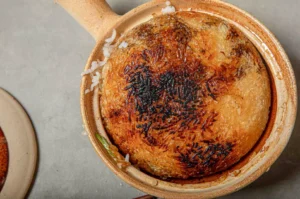
The narrow alleyway in Yau Ma Tei smells of charcoal and dark soy sauce, a thick coastal humidity pressing against the glow of the stoves. An elderly cook stands before a row of blackened sand-clay pots, a long metal tong in his right hand. He does not watch the flames; he listens to them. There…
-
Shiok Hokkien Mee and the Pleasure of a Plate That Clings: Tiong Bahru Hokkien Mee at Midday
Eat Drink Asia Team | June 25, 2026
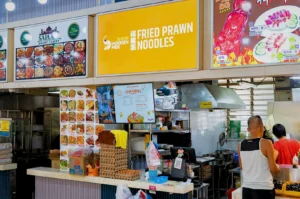
I have always believed that the true test of a neighbourhood’s food scene happens right in the middle of the day. When the midday hunger hits, you don’t want a tasting menu; you want a fast, flavourful culinary journey that hits the spot. That is exactly what led me, representing the Eat Drink Asia team,…
-
When Curry Learns to Breathe
Dio Asahi | June 24, 2026
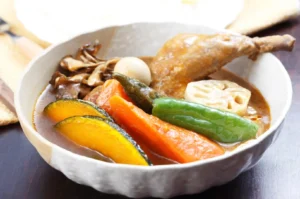
The rain taps lightly against the glass of a quiet Japanese diner, turning the pavement outside a slick, silver grey. Inside, the bowl arrives with steam first, then colour: pumpkin orange, aubergine purple, and a dark curve of chicken set against a broth that looks too light to carry so much heat. The spoon touches…
-
Hong Heng Fried Sotong Prawn Mee: Where Squid Turns Chewy, Broth Turns Glossy, and Time Turns Quiet
Eda Wong | June 23, 2026
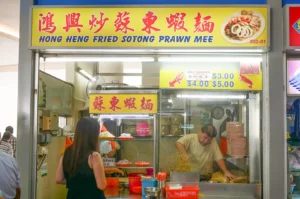
There is something deeply comforting about a hawker centre right before the lunch rush hits. I visited Tiong Bahru Market on a Tuesday around 10:30 am, hoping to beat the infamous queue at Hong Heng Fried Sotong Prawn Mee. Even at that early hour, a line of six people had already formed, waiting quietly under…

Cuppage Plaza Food for People Who Hate Obvious Places: Restaurants That Feel Like a Detour Off Orchard
Dio Asahi | June 20, 2026
Orchard Road is a brilliant, trend-setting celebration of flavours, but its gleaming mega-malls can sometimes feel a bit predictable. If you are an urban food enthusiast seeking genuine culinary journeys rather than polished franchise menus, the true heart of the district lies slightly hidden. Cuppage Plaza is a fascinating, liminal space that operates almost like…
-
Makgeolli Bowls and the Soft Grain of Korean Rice Wine
Eda Wong | June 19, 2026
The monsoon rain drums a steady, heavy rhythm against the fogged windows of a narrow tavern in Jongno, muffling the chaotic pulse of the city outside. Inside, the air hangs warm, thick with the scent of toasted mung beans and a subtle, yeasty tang. A dented brass kettle tips forward, and a chalk-white, opaque liquid…
-
Kung Pao Chicken Sauce Is the Real Test: Why It Turns Glossy, Sharp, and Addictive
Eat Drink Asia Team | June 18, 2026
Kung pao chicken is often described by its main ingredients: diced chicken, dried chillies, peanuts, spring onions, and Sichuan peppercorns. But anyone who has cooked it at home knows the truth: the dish succeeds or fails because of the sauce. The sauce decides whether kung pao chicken tastes lively and balanced, or flat, sticky, and…
-
Jeju’s Seaweed Soup and the Memory of Birthday Tables
Dio Asahi | June 17, 2026
The sharp winter wind rattles the low stone walls of a Jeju Island kitchen, but inside, the air is thick with steam and the deeply marine scent of boiling kelp. An elderly woman stands by a bubbling steel pot, watching the dark green fronds swell and twist in the rolling water. She adds a splash…
-
Chicken Pao Recipe for People Who Respect Heat: Why Kung Pao Works Only When Timing Is Tight
Eda Wong | June 16, 2026
I remember my first attempt at cooking gong bao ji ding a few years ago. I wanted to recreate that authentic, trend-setting dish I had experienced at a traditional Sichuan restaurant, a meal that felt like a genuine celebration of flavours. I heated my wok until it was smoking, tossed in a handful of dried…
-
A Shu Yan Sichuan Cuisine Review Written in Pepper and Smoke: Chicken Pao That Wakes Up the Table
Dio Asahi | June 13, 2026
I used to think of authentic Sichuan food as a sheer test of endurance. For a long time, I assumed the goal was simply to survive the fiery onslaught of chillies rather than actually taste anything. But my recent culinary journey at Shu Yan Sichuan Cuisine completely rewired how I understand this region’s flavour map….