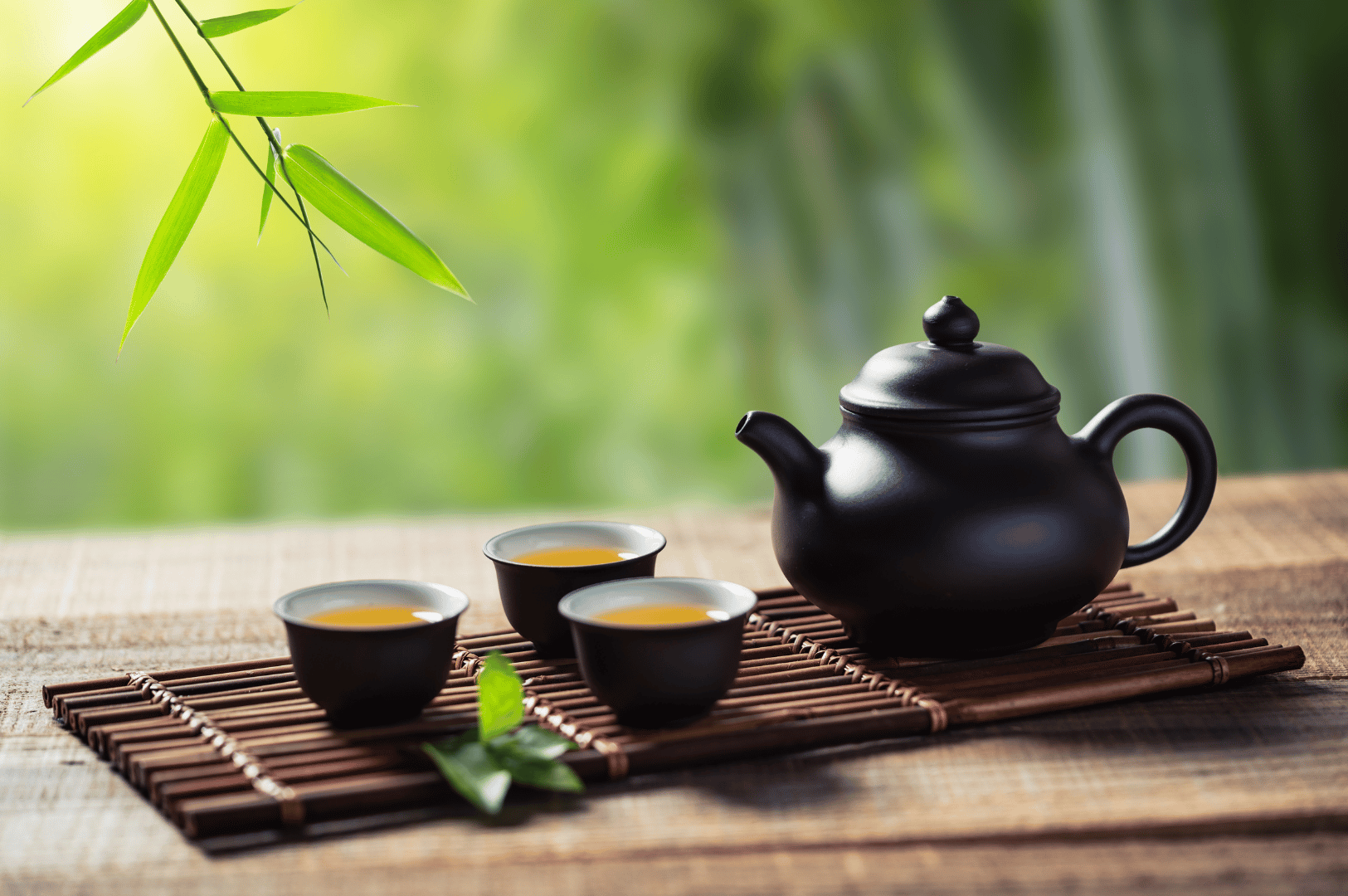
Every cup of tea enjoyed today, whether a brisk English breakfast or a delicate green tea in Tokyo, finds its lineage rooted in the heart of Chinese tea history. For nearly 5,000 years, the humble leaves of the Camellia sinensis tea plant have been cultivated, brewed, and cherished—first as ancient medicine in southern China, and now as a worldwide staple of tea culture. The fascinating evolution of tea drinking reveals how Chinese tea became an art form, a spiritual pursuit, and ultimately a symbol of Chinese culture that has spread across continents. This article traces the expansive history of tea—how it emerged from a mythical medicine to the lifeblood of tea houses, the focus of refined Chinese tea ceremonies, and a global beverage phenomenon enjoyed by younger generations and tea lovers everywhere.
The Mythical Origins of Chinese Tea Culture
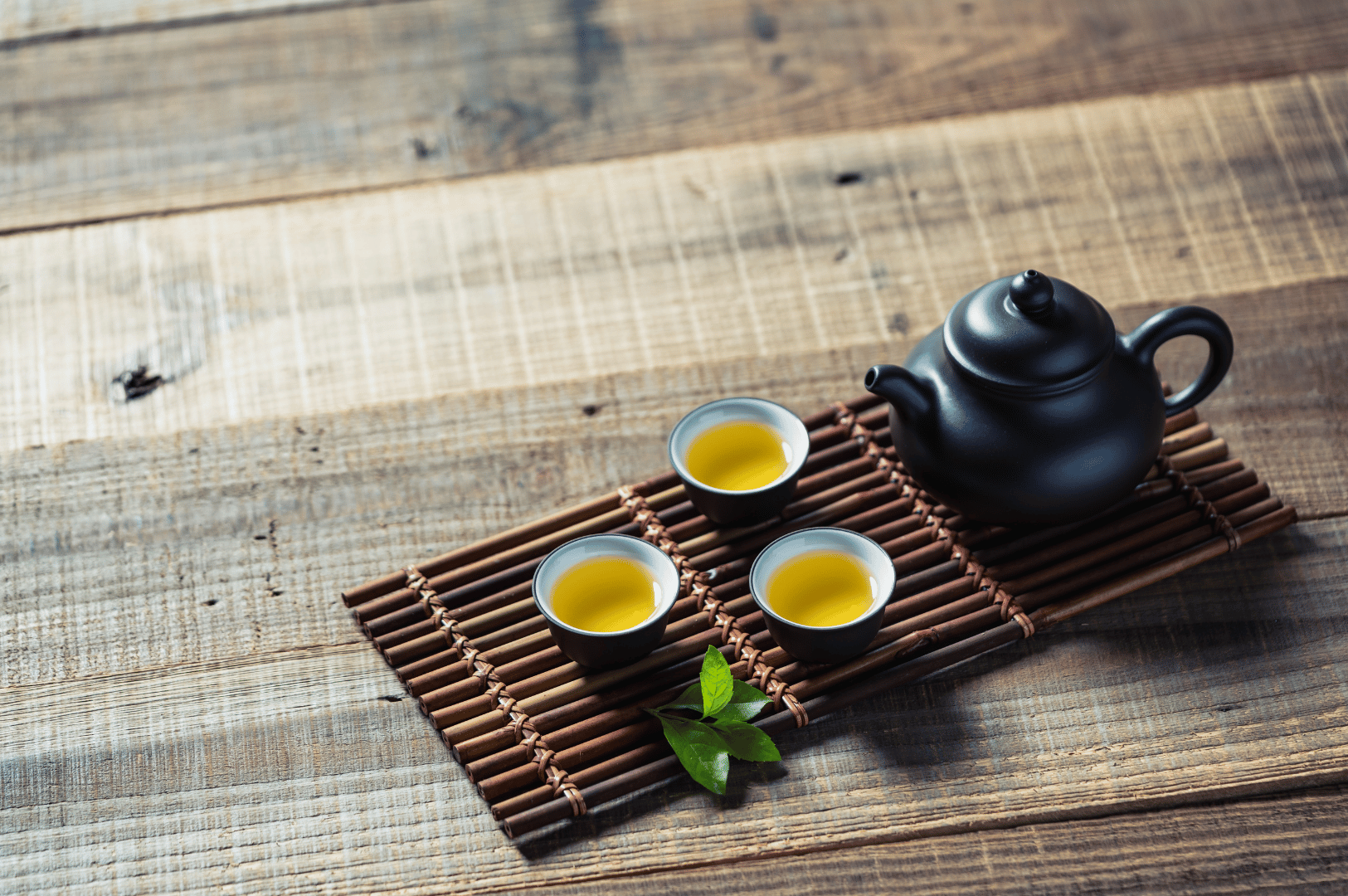
The story of Chinese tea begins with a captivating myth. In 2737 BCE, Emperor Shennong, the legendary father of Chinese agriculture and medicine, was believed to be the first to discover the tea leaf’s intriguing properties when wild tea leaves accidentally drifted into his pot of boiling water. He found the resulting tea soup—aromatic and invigorating—helped detoxify his body, famously curing him of 72 poisons. This moment, celebrated by tea lovers, marks the legendary origin of drinking tea in Chinese culture.
While this story appears in ancient lore, archaeology supports tea’s ancient Chinese roots. Researchers in 2016 identified tea leaf remains in the tomb of Emperor Jing of the Han Dynasty, dating back to 141 BCE. These finds provide compelling evidence that drinking tea was an honored part of Chinese culture for over two millennia. What started as a medicinal drink—prepared by boiling water with fresh tea leaves—gradually became a pleasure beverage, opening the door to the vibrant tea drinking customs and tea houses that followed.
Tea Culture in the Medicinal Era: Tea as Healing
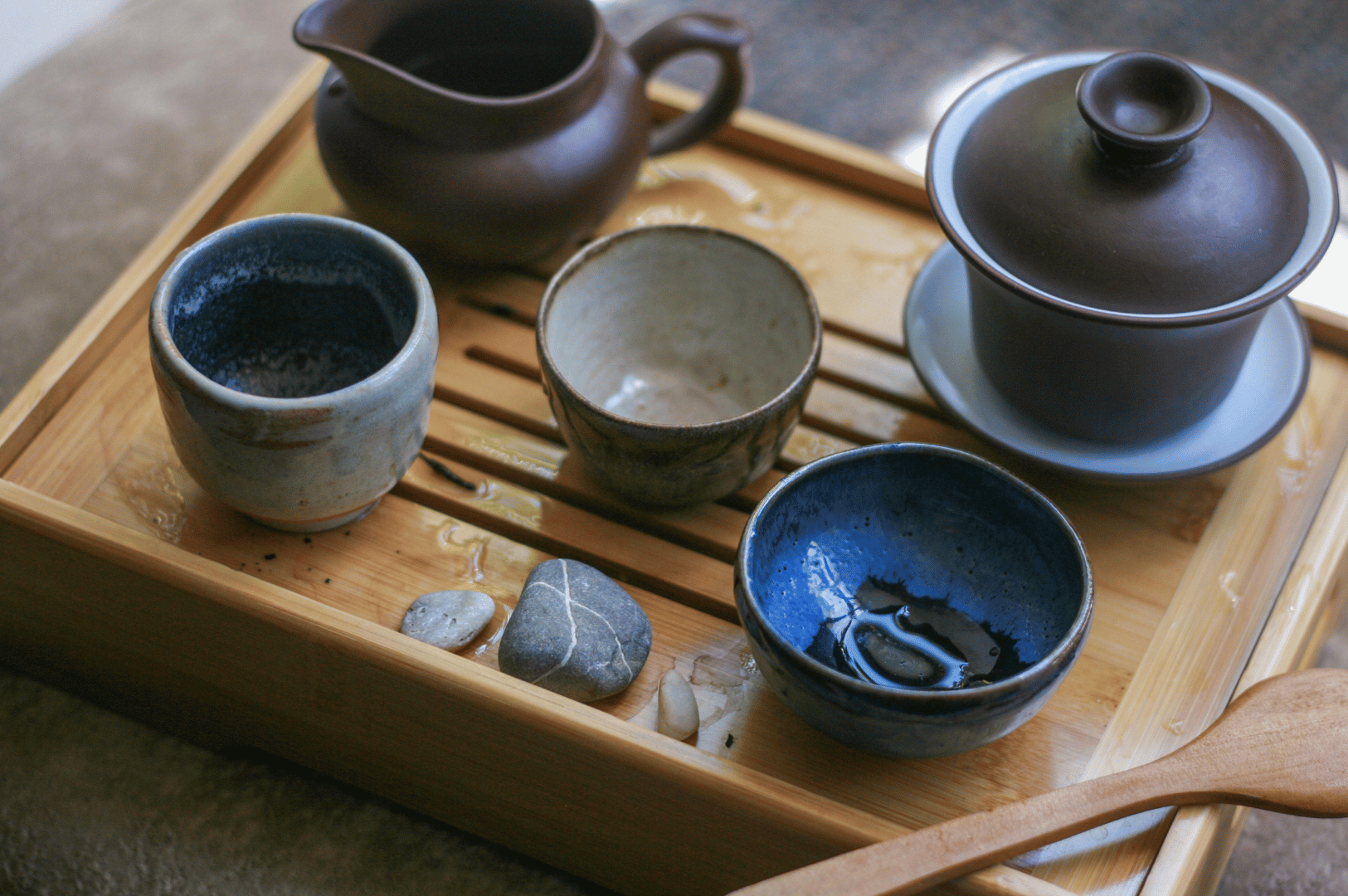
In the early epochs of Chinese tea culture, tea drinking was inseparable from healing practices. Ancient texts like the Shennong Ben Cao Jing documented the first uses of tea plants in traditional Chinese tea medicine. The energetic properties of different tea varieties—green tea for cooling, red tea for warming—were carefully classified within Traditional Chinese Medicine, and tea leaves were prescribed for ailments like fevers, digestive issues, and lethargy.
Small sips of medicinal tea broth were believed to harmonize the mind and refresh the body’s qi. Instead of the elaborate ceremonies to come, brewing tea at this time was simple: fresh or dried tea leaves were ground into powder, mixed with other plants, or boiled into tea soup. Tea utensils like the early tea strainer, tea trays, and basic tea cups were part of the apothecary set. These practical origins paved the way for the Chinese tea ceremony as tea gradually transitioned to a more social and pleasurable ritual.
History of Tea in the Tang Dynasty: Lu Yu and China's First Golden Age
The Tang Dynasty (618–907 CE) marks the first true flowering of Chinese tea culture. This is when tea drinking moved from medicine to high art—thanks, in large part, to Lu Yu, an early tea master revered as the Sage of Tea. His book, The Classic of Tea (Cha Jing), was the first comprehensive history of tea and remains essential reading for all who study the art form. Lu Yu carefully detailed tea cultivation, tea production, tea making, and the proper way to serve tea, laying the groundwork for the Chinese tea ceremony.
During the Tang era, tea preparation became a multi-step ritual involving tea bricks and powdered tea. Boiling water was poured over ground tea cakes, using elegant tea utensils, and tea gatherings became central to Chinese social life. Tea houses flourished as places of conversation, poetry, and commerce, and tea drinking spread rapidly among the elite and commoners alike. State monopolies over tea trade and tea taxation helped fund the government, revealing tea’s growing political and economic importance.
Song Dynasty Tea Culture: Artistic Refinement and Tea Ceremonies
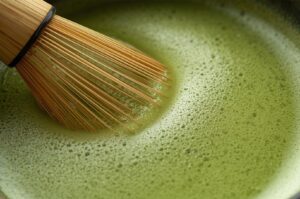
The Song Dynasty (960–1279 CE) brought about a golden age of tea aesthetics. The period was famous for its elaborate Chinese tea ceremony practices, including whipped powdered tea competitions and exquisite tea utensils—jade-colored Jian ware tea cups, intricate tea trays, and bamboo whisks. The ritual of brewing tea required meticulous skill, blending artistry into every moment.
Song-era tea houses became vibrant cultural hubs, where poets, scholars, and officials gathered to experience and debate the subtleties of lighter teas and the craft of making tea. These gatherings often included tea competitions, where the quality of a tea’s froth, made by whisking the powder with hot water, was judged as an art form. The influence of tea on Chinese poetry and painting expanded, while the tradition of offering tea became a symbol of hospitality and respect.
Ming Dynasty Loose Leaf Tea Revolution: Brewing Tea Evolves
A dramatic shift occurred in the Ming Dynasty (1368–1644 CE) when Emperor Hongwu decreed that tribute tea would be made only from loose leaf tea. The use of compressed tea bricks was banned, reshaping the entire world of Chinese tea. Brewing tea became as simple as steeping loose tea leaves in hot water—a method still beloved by tea lovers today.
This revolution spurred the creation of new tea utensils: Yixing teapots, delicate tea cups, and refined tea ware. Chinese tea farms and tea merchants flourished as tea cultivation expanded. New varieties, such as green tea, oolong tea, white tea, and yellow tea, were developed, and regions like Fujian and Yunnan became famous for their distinct teas. Tea connoisseurship reached new heights, and the subtle differences in tea flavor, aroma, and mouthfeel became the focus of countless tea gatherings and the cornerstone of traditional Chinese tea culture.
Tea Trade, Tea Merchants, and Global Influence: Silk Road to Sea Routes
As tea drinking customs and tea ceremonies flourished, Chinese tea became an extremely popular trade commodity. The Tea Horse Road—linking southern China’s tea farms with Tibet—saw bricks of fermented tea traded for sturdy horses. Tea merchants and tea masters spread tea drinking along the Silk Road and through border regions, while international seafarers opened routes to Japan, Europe, and beyond.
Europe’s first taste of Chinese tea came via Portuguese and Dutch traders, eventually transforming British and Russian tea rituals. The historically significant trade imbalance created by British demand for Chinese tea leaf and the subsequent opium trade triggered serious political consequences, including the Opium Wars. By the Qing dynasty, tea had become not just a drink but an economic power strong enough to shape empires.
Brewing Tea and Tea Processing Innovations: The Art and Science
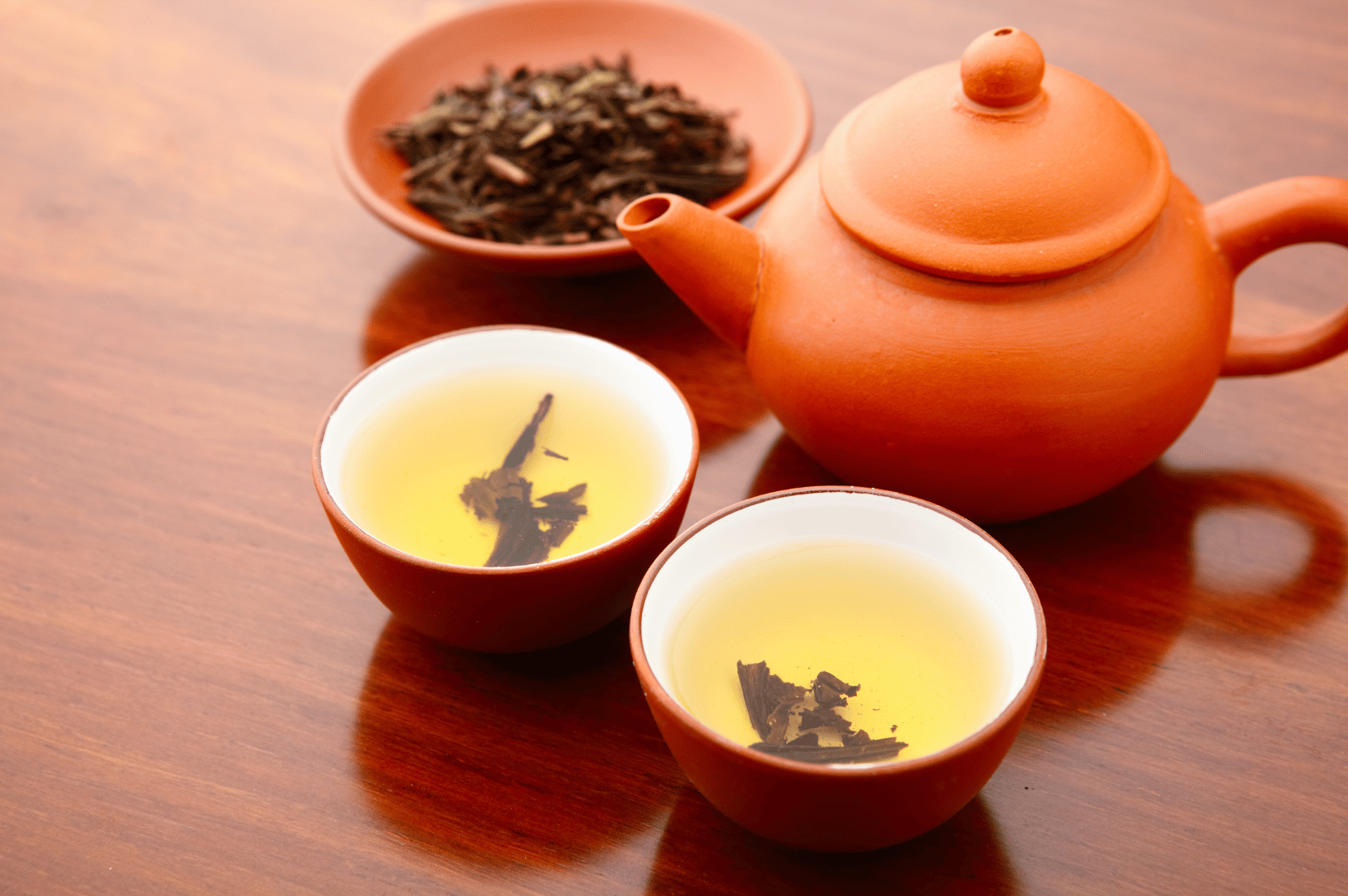
The Ming and Qing dynasties launched the greatest innovations in brewing tea and tea processing. The Chinese classified tea into six major categories: green tea, yellow tea, white tea, oolong tea, black tea (commonly called red tea in China), and dark fermented tea. Each type of tea is defined by the oxidation process and precise methods of withering, rolling, drying, and fermenting the tea leaf.
Regional specialties like da hong pao (a prized oolong tea), jasmine tea, and Pu-erh (post-fermented tea) became symbols of regional identity. Jingdezhen tea ceramics and Yixing clay teapots showcase the elegant integration of art form and function. The terroir—local climate and soil—of tea farms infuses unique flavors, making Chinese tea a true reflection of its landscape. Modern tea production builds upon these ancient traditions, with both artful, hand-crafted teas and efficient mechanized methods supplying tea lovers worldwide.
Chinese Tea Ceremony and Social Traditions
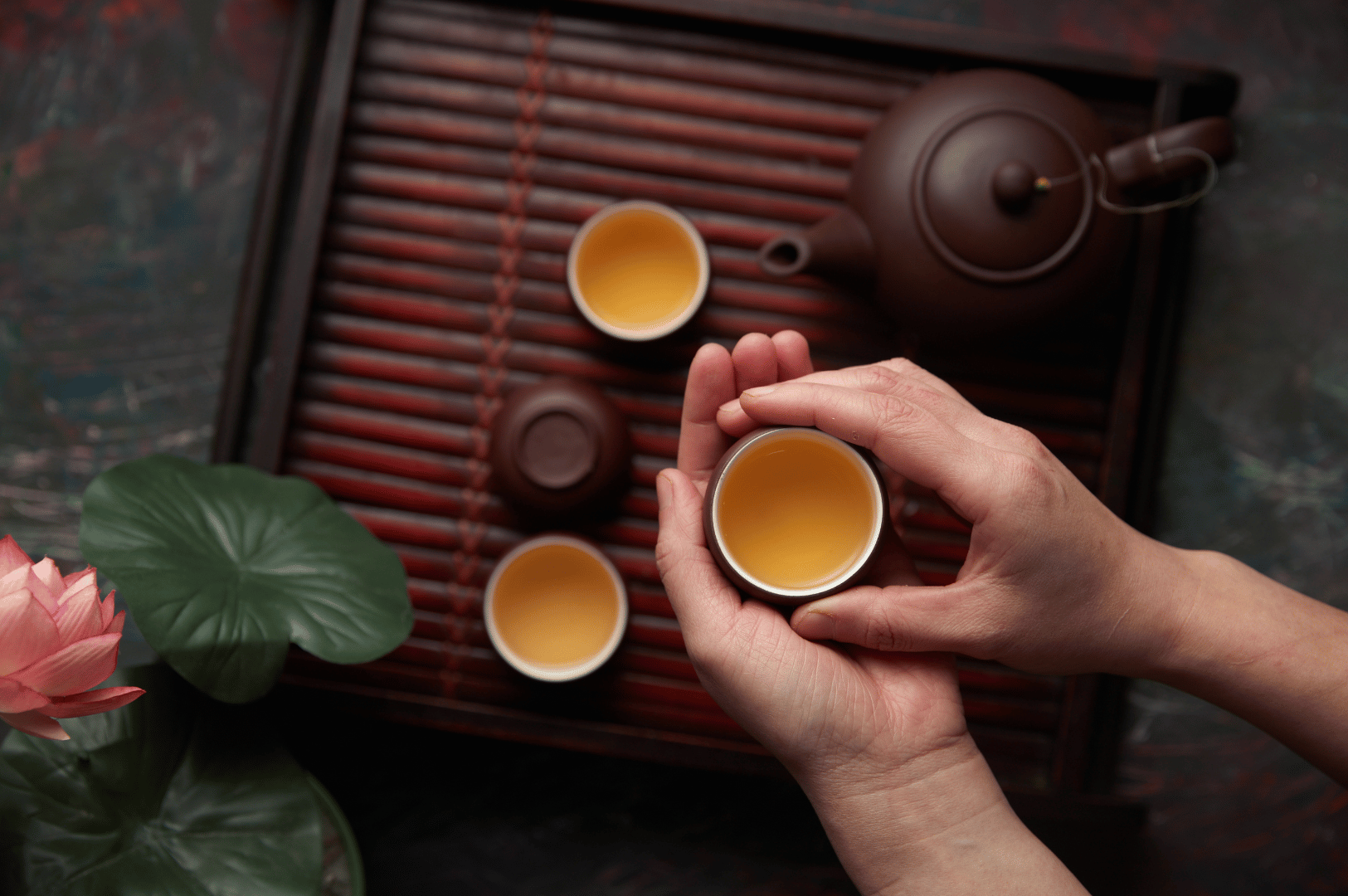
Nowhere is the beauty of Chinese tea culture more visible than in the ceremonial preparation and sharing of tea. The gongfu tea ceremony—meaning "making tea with skill"—is the pinnacle of Chinese tea ceremony, involving small Yixing pots and tiny tea cups. Here, the focus is not only on the finest tea but also on the use of specialized tea utensils like the tea strainer, tea trays, tea tongs, and boiling water techniques.
Chinese tea ceremonies are rooted in philosophical traditions—Taoism’s reverence for simplicity, Buddhism’s emphasis on mindfulness, and Confucian ideals of social harmony. Tea gatherings and the act of offering tea express respect, mark important life events, and reinforce social ties. Click here for more information on traditional celebration menus. Today, contemporary tea houses and younger generations are reviving traditional Chinese tea rituals, drawing modern tea lovers into the gentle rhythms of brewing tea, small sips, and heartfelt conversation.
Modern Tea Culture and Global Legacy
The impact of Chinese tea culture reverberates worldwide. The Japanese tea ceremony, English afternoon tea, Hong Kong-style milk tea, and Taiwanese tea innovations like bubble tea all owe their origins to ancient Chinese tea drinking customs. Today, China remains the world’s largest tea producer, and the sophistication of modern Chinese tea connoisseurs rivals that of any wine aficionado.
Gongfu tea ceremony classes are gaining popularity among tea lovers, while social media and international travel have exposed the beauty of traditional Chinese tea to a global audience. In China, tea merchants, tea houses, and even tea master certifications point to a revival of appreciation for the art form. As the market for expensive teas and specialty teas grows, the traditions of tea making, serving tea, and preparing tea using time-honored tea ware continue to inspire tea gatherings and connect people across borders.
Conclusion: The Enduring Art of Chinese Tea
The history of tea in China is one of constant transformation and enduring beauty. From mythic beginnings in the wild tea trees of southern China, through the ritual gatherings of Tang and Song dynasties, to the bustling tea trade and today’s worldwide popularity, Chinese tea is much more than a popular beverage—it is a living art form, a vessel for culture, and a treasured link between past and present.
As you pour hot water over loose leaf tea, contemplate the legacy of Lu Yu and the millions who have refined the techniques of making tea through the ages. Embrace the ancient wisdom and modern spirit of Chinese tea culture, and let your own tea drinking bring you closer to a story 5,000 years in the making. Experience the sublime pleasure of traditional Chinese tea, whether you’re a seasoned tea connoisseur or taking small sips as a curious newcomer to this world of aroma, taste, and tranquility.
To explore more culinary heritage, take a look at our guide to authentic Cantonese dim sum or discover the plant-based richness of Gujarati thali traditions.

Traditional Ramyeon: The Soulful Heart of Korean Noodle Culture
Eat Drink Asia Team | January 20, 2026
In the bustling culinary landscape of South Korea, few comfort foods can match the satisfaction of a steaming bowl of ramyeon. While outside of Korea, “ramyeon” often brings to mind Korean instant noodles or instant ramen, true ramyeon Korean style refers to the artful, freshly prepared noodle soup enjoyed in homes and at local restaurants…
-
The Heart of the Korean Noodles: History and Texture
Eda Wong | January 17, 2026
In Korea, a bowl of noodles is far more than a simple dish; it is a cultural anchor that has weathered centuries of change. For generations, the length of the strand has symbolized a long and prosperous life, making Korean noodles a staple at birthdays, weddings, and the milestone 60th birthday celebration known as hwangap….
-
Preserving the ‘Big Bowl’ Tradition with Pen Cai Delivery in the Age of Doorstep Dining
Eat Drink Asia Team | January 15, 2026
Modern Festive Menu: Bringing the Big Bowl Home There is a special, undeniable magic to the Chinese New Year reunion dinner. For many families, Chinese New Year 2026 is another chance to gather loved ones at the table and celebrate with a glorious pen cai—sometimes called the “big bowl feast”—overflowing with premium ingredients and festive…
-
Sencha: Traditions, Flavors, and the Essence of Japanese Tea
Eat Drink Asia Team | January 15, 2026
When people around the world think of Japanese tea, images of tranquil tea ceremonies in small rooms or frothy bowls of matcha often come to mind. Yet, the reality of tea drinking in Japan is much broader, woven deeply into the culture and daily habits. For the vast majority, sencha is the beloved tea that…
-
The Best Restaurants Tokyo Are Rarely the Ones You Plan For
Eda Wong | January 12, 2026
Tokyo, Japan’s capital, does not reward urgency. It rewards return. On my first visit, I chased what everyone told me were the best restaurants Tokyo had to offer. I spent weeks highlighting maps, bookmarking digital “must-eat” lists, and refreshing reservation pages until my eyes blurred. I thought that by conquering the top-tier establishments, I would…
-
Japan and Food: Culinary Harmony – The Deep Connection Between Japanese Food and Culture
Eat Drink Asia Team | January 11, 2026
When it comes to Japan and food, the two are intertwined in ways that captivate taste buds and awaken the senses. Japanese cuisine stands as one of the world’s most revered traditions—more than nourishing meals, it is an art reflecting centuries of philosophy and a window into Japanese culture itself. Every bowl of miso soup,…
-
The Verdant Cup: A Celebration of Green Tea in Japan
Eda Wong | January 10, 2026
In Japan, green tea is much more than a beverage. It marks a moment of pause, hospitality, and tradition. The story of green tea in Japan weaves through centuries of culture, artistry, and daily life—bridging ancient rituals like the Japanese tea ceremony to everyday meals enjoyed at home. The origins and beginning of Japanese tea…
-
Japanese Green Tea from Japan: The Story of Matcha
Dio Asahi | January 8, 2026
On a misty April morning in Kyoto, I knelt on tatami in a small tea room outside Uji, Japan. The host, dressed in kimono, moved with quiet skill as she scooped matcha powder into a ceramic bowl. The air was filled with the aroma of aged wood mixed with the grassy scent of high quality…
-
Takoyaki: The Sizzling Heart of Japan Food Culture
Dio Asahi | January 3, 2026
What is Takoyaki and Why Does it Matter in Japanese Food Culture? In the bright heart of Osaka, the sizzle of takoyaki batter signals one of Japan food culture’s most beloved street foods. Lines form at street stalls drawn by the delicious food aromas of sweet-savory sauce and bonito flakes dancing on golden spheres. Takoyaki,…
-
Everything You Need for a Flawless Bubble Tea Cake
Eda Wong | January 1, 2026
The global bubble tea phenomenon has evolved beyond drinks into the world of baking, creating one of the most exciting dessert trends of recent years. Bubble tea cake combines the beloved flavors of milk tea with the satisfying chew of boba pearls, all wrapped up in an adorable bubble tea cake that’s perfect for any…