I found it by accident, the way you find most things in a mall basement.
I’d come down to Plaza Singapura’s B2 for something else entirely, drifting past the usual food-court noise, when I caught the smell of star anise and beef bone coming from a corner. I followed it. And there it was — a small Vietnamese restaurant tucked into the underground, lanterns glowing, a short queue already forming outside.
I hadn’t planned to eat Vietnamese that day. But I stood there a moment longer than I meant to, and that was enough.
A Corner That Tries to Feel Far Away at Co Chung Vietnamese Restaurant
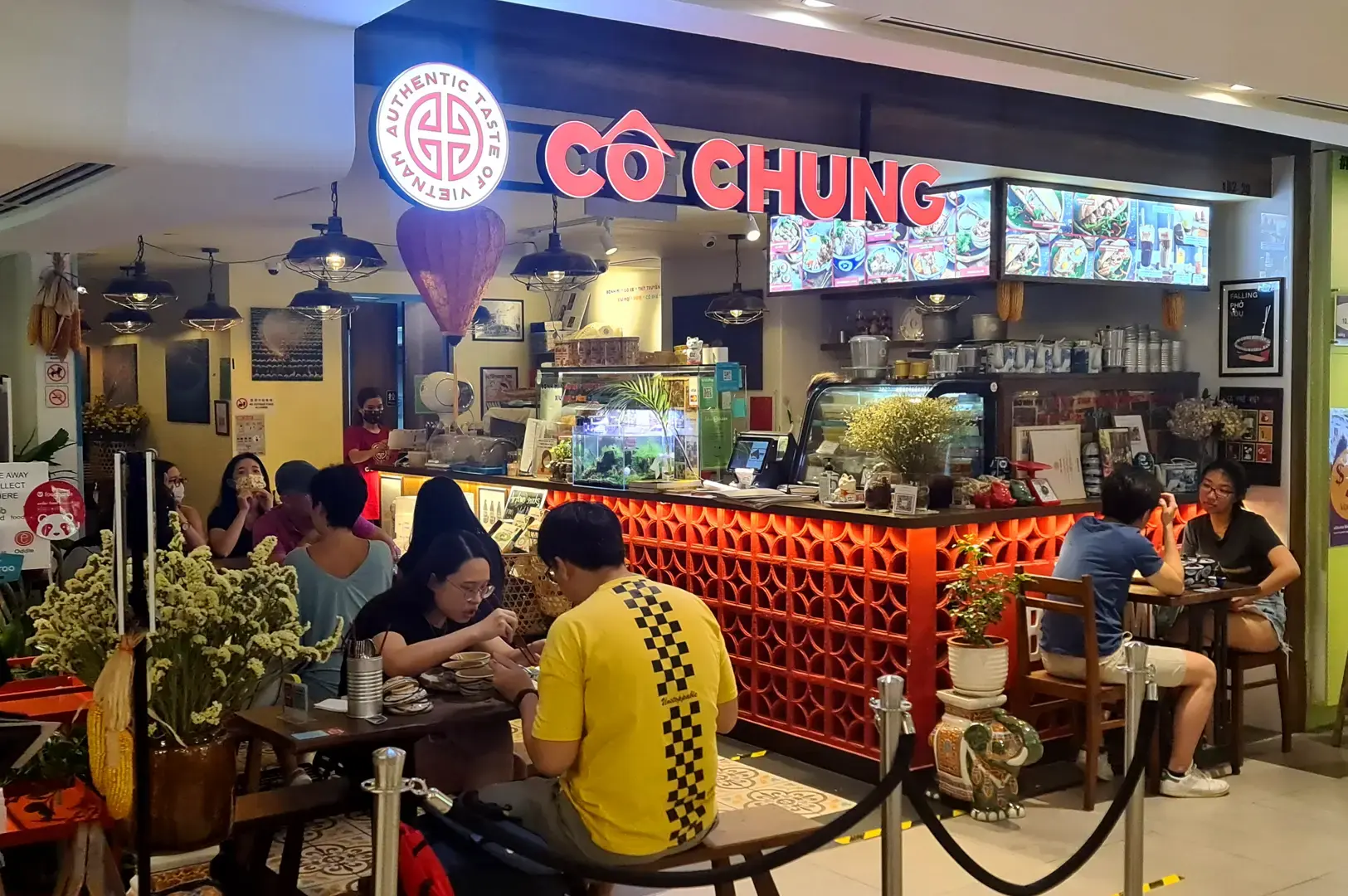
Inside Co Chung Vietnamese Restaurant, it does not look like the Plaza Singapura basement it sits in.
There is rattan lighting overhead, throwing soft shadows. Vietnamese lanterns in reds and yellows hang in a loose cluster. Greenery softens the corners, wall art breaks up the mall polish, and this is the detail I remember most: tables made from old sewing machines, the iron treadle bases still underneath, wooden tops laid over them.
I ran my hand along one while I waited. It is the kind of small, specific thing that tells you someone cared about the room, not just the rent. For a Vietnamese restaurant at 68 Orchard Road, it makes a clear first promise: this is mall dining, yes, but it is trying to bring in a little authentic taste of Vietnam.
The Roll That Has to Prove Itself: Vietnamese Food in Its Quietest Form
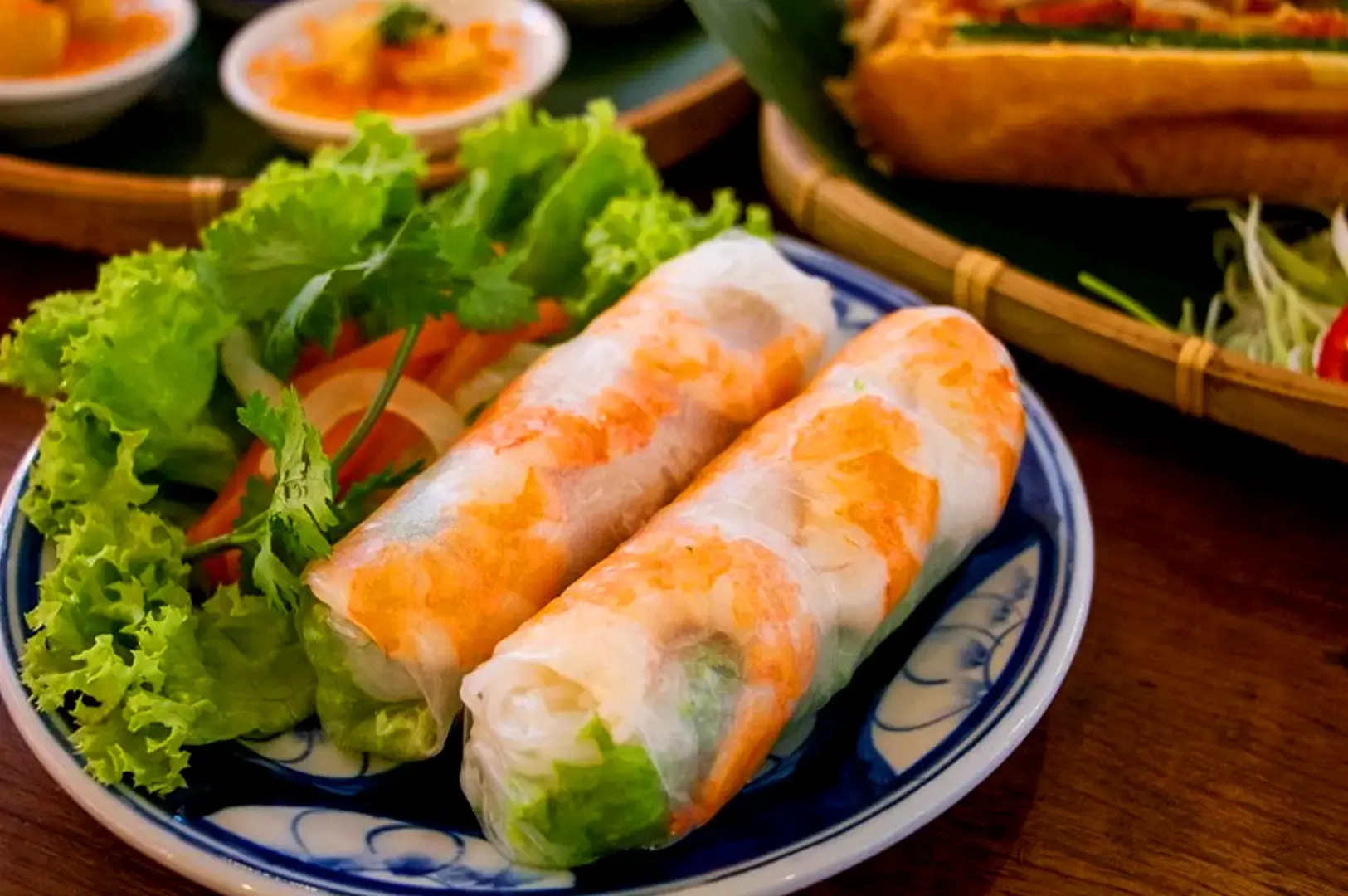
I came for the gỏi cuốn, so I ordered it first: the Fresh Spring Rolls, S$7.90 for four pieces, with a small dish of homemade peanut sauce on the side.
What Makes a Good Fresh Spring Roll?
Here is the thing about a fresh spring roll. It hides nothing. There is no crisp shell to distract you, no frying to cover a tired herb or a soft prawn. It is just rice paper, rice noodles, fresh vegetables, protein, and herbs, held together and left to speak for themselves. If any part of it is sleepy, you taste it immediately.
If you want to understand the rolling technique behind gỏi cuốn, Eat Drink Asia’s Vietnamese spring roll recipe breaks down how rice paper, herbs, noodles, and dipping sauce should work together.
The Bite
The first bite was cool and clean. The wrapper stayed soft, not gummy, not stuck to my teeth, which is where these often go wrong. The fresh vegetables inside still had a little snap to them. And the herbs were the best part, honestly: mint, fresh cilantro, and coriander, lively rather than bruised, lifting the whole mouthful into something that tasted fresh and alive instead of just cold and wet.
That is the title of this piece, really. The herbs do the work. When they are this fresh, a mild roll stops being mild and starts becoming the kind of good food you keep reaching for.
The Peanut Sauce
The peanut sauce helped. It was thick, nutty, a touch sweet, and it brought the salt and richness the roll needed on its own. I would have liked it just slightly sharper, maybe a squeeze more lime, a little more chilli heat, or a stronger fish sauce edge somewhere in the meal.
So did the gỏi cuốn pass? Mostly, yes. Not because it is perfect, but because the parts that matter most were handled with care: the wrapper, the herbs, the crunch of the vegetables, and the way the sauce pulled everything together. The shrimp is the weak link. The herbs carry it.
The Pho Beef Soup That Brings the Queue
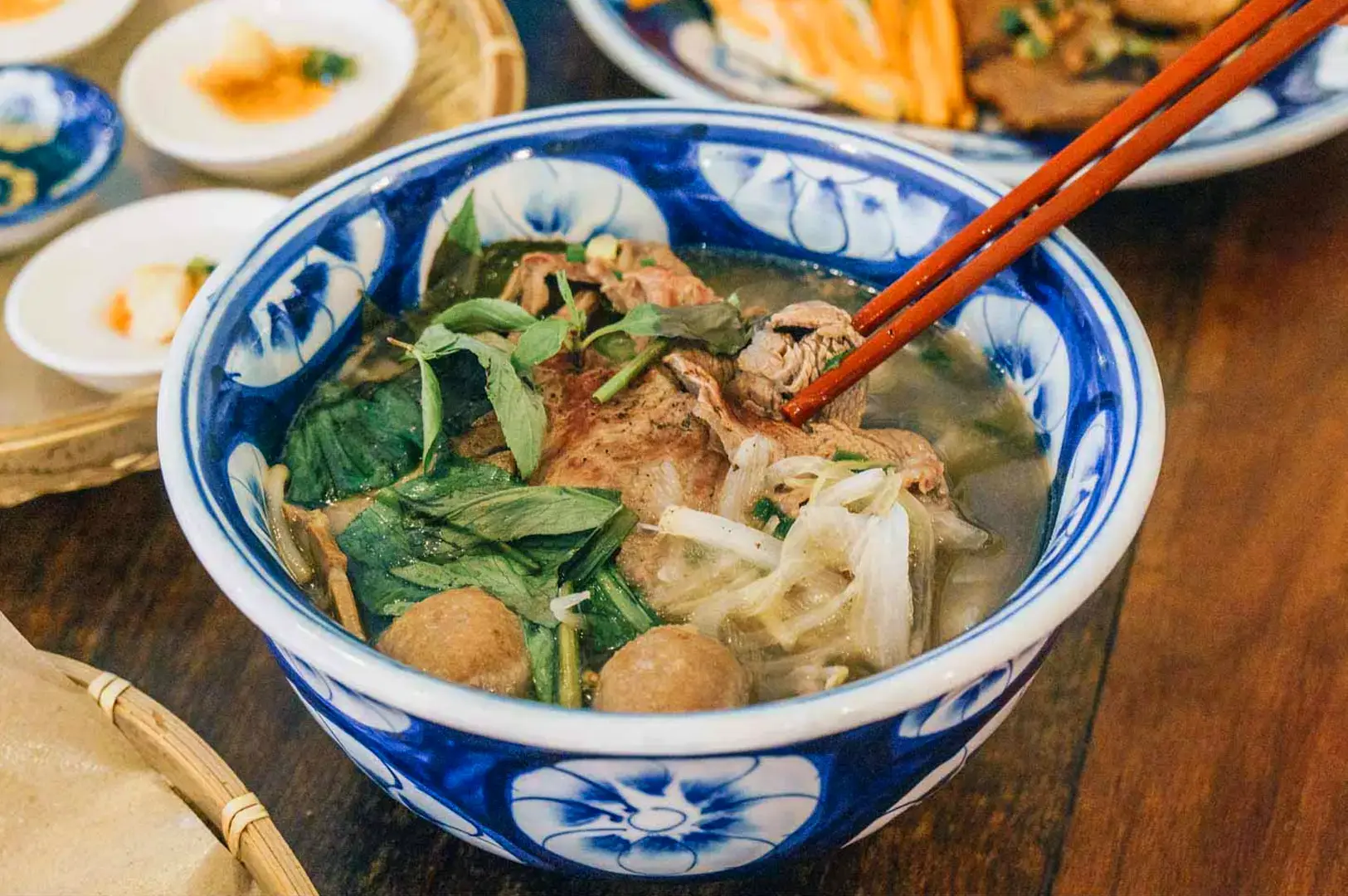
Then came the Pho Beef Noodle Soup (S$12), the dish most people are actually lining up for.
It arrived steaming, with a plate of herbs and bean sprouts on the side to add as I liked. The broth is their pride, built from beef bones slow-cooked for more than ten hours, and you can taste the hours in it. Deep, beefy, quietly aromatic, with the low warmth of star anise and charred onion underneath.
This is where Co Chung Vietnamese Restaurant feels most confident. The pho bo is not loud, but it has enough body to make the bowl feel hearty. The beef soup gives you warmth first, then spice, then that slow savoury depth that makes Vietnamese cuisine so dependent on patience.
How to Enjoy the Pho
I tore in the Thai basil, dropped in the sprouts, squeezed the lime. The noodles had the right give: soft but not falling apart, with a bit of bite left. The beef slices were tender, and the beef balls added a springier, meatier texture against the broth.
There is an interactive version too, where hot soup gets poured over raw beef at the table so the meat cooks gently in the bowl rather than overcooking in the kitchen. It is a nice touch, and the beef comes out silkier when you do it that way.
The Bánh Mì in Between
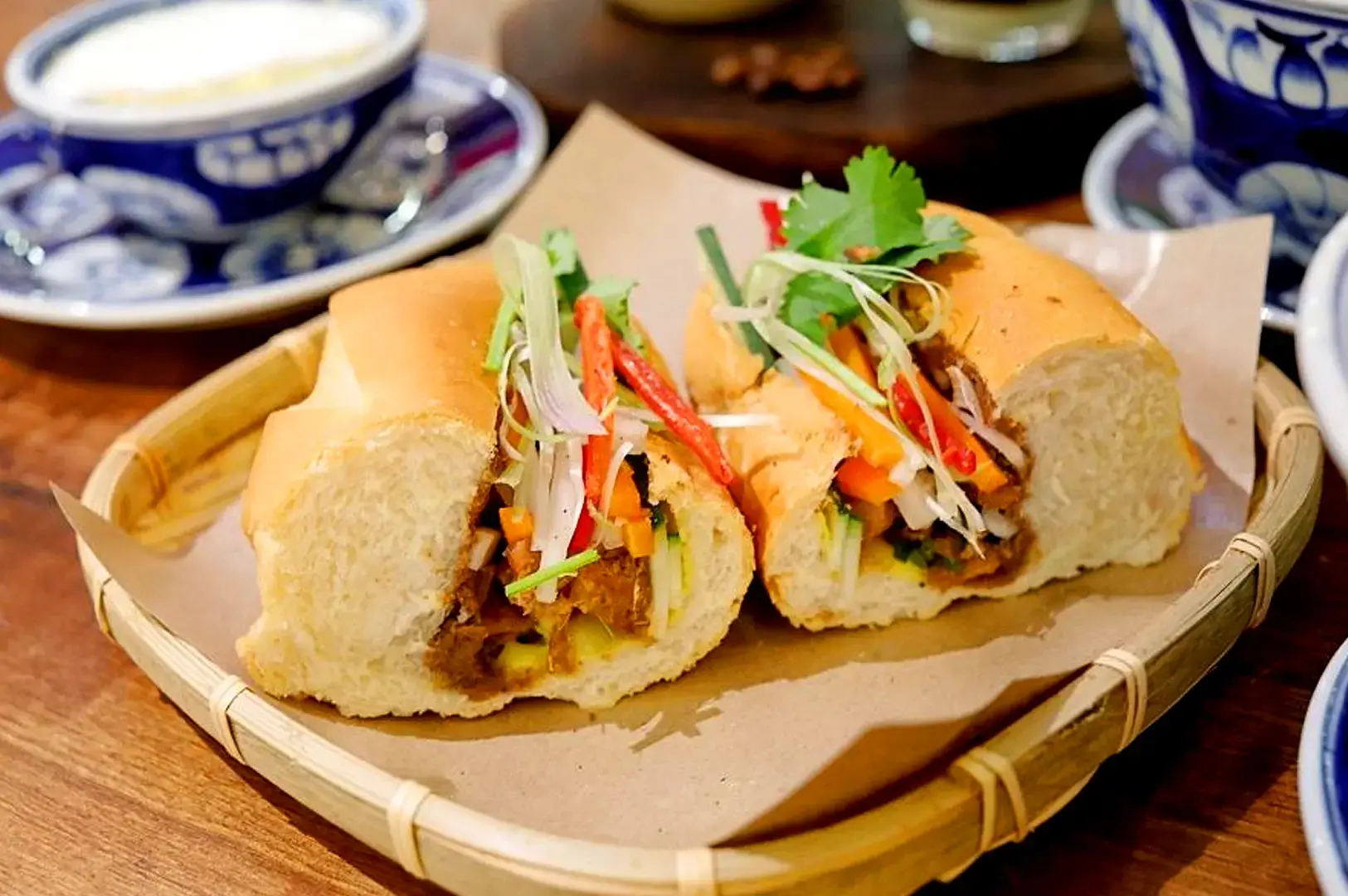
I tried the Banh Mi too, because I wanted the full spread.
The baguette was genuinely good: a real crackle to the crust, that shatter you want when you bite in. Inside, the savoury filling, herbs, and pickles gave the sandwich its lift. The carrots brought sour-sweet brightness, while the chilli let me control how much heat went into each bite.
What Could Be Better?
My one gripe: it ran a little on the dry side. The bread was crisp to the point where a bit more filling, a wetter sauce, or something richer would have balanced it. It is the kind of thing you notice halfway through and wish they had fixed.
Still, the herbs and pickles did that same job they did in the spring rolls, waking up something that could have been plain. If you are used to banh mi thit nuong with smoky grilled pork, scallion oil, and a proper savoury punch, this version may feel gentler. But as a mall-friendly bánh mì, it has enough crunch and brightness to make sense.
Kind Faces, Long Waits at Plaza Singapura
The service split into two stories, depending on when you come.
The Waiting Game
The waiting is the harder part. I had heard of forty-five-minute queues at the 6:30pm dinner peak, and I believe it. The kitchen is small, and when the tables and takeaway orders stack up at once, it becomes the bottleneck.
I came at 3pm on purpose, off the peak, and had my food served inside twenty minutes. Big difference. A Sunday afternoon would probably be kinder than a Friday dinner rush if you want to actually enjoy the room.
What You Should Know: Opening Hours, Menu, and Access
The practical bits are simple, and mostly in your favour.
Co Chung sits at 68 Orchard Road, #B2-20, in Plaza Singapura, and the best thing about it is how easy it is to reach. Dhoby Ghaut MRT connects straight into the mall’s Basement 2. You barely step outside. That alone makes it one of the least-effort Vietnamese meals in central Singapore.
Its opening hours are daily, 11am to 10pm. Walk in, no need to book, though be ready to queue at peak. Most diners spend somewhere between S$10 and S$30 a head, depending on how much they order beyond a single bowl.
If you are already eating around Orchard, our 313 Somerset food crawl gives you more nearby ideas: https://eatdrinkasia.com/313-somerset-food-crawl/
What Else Is on the Menu?
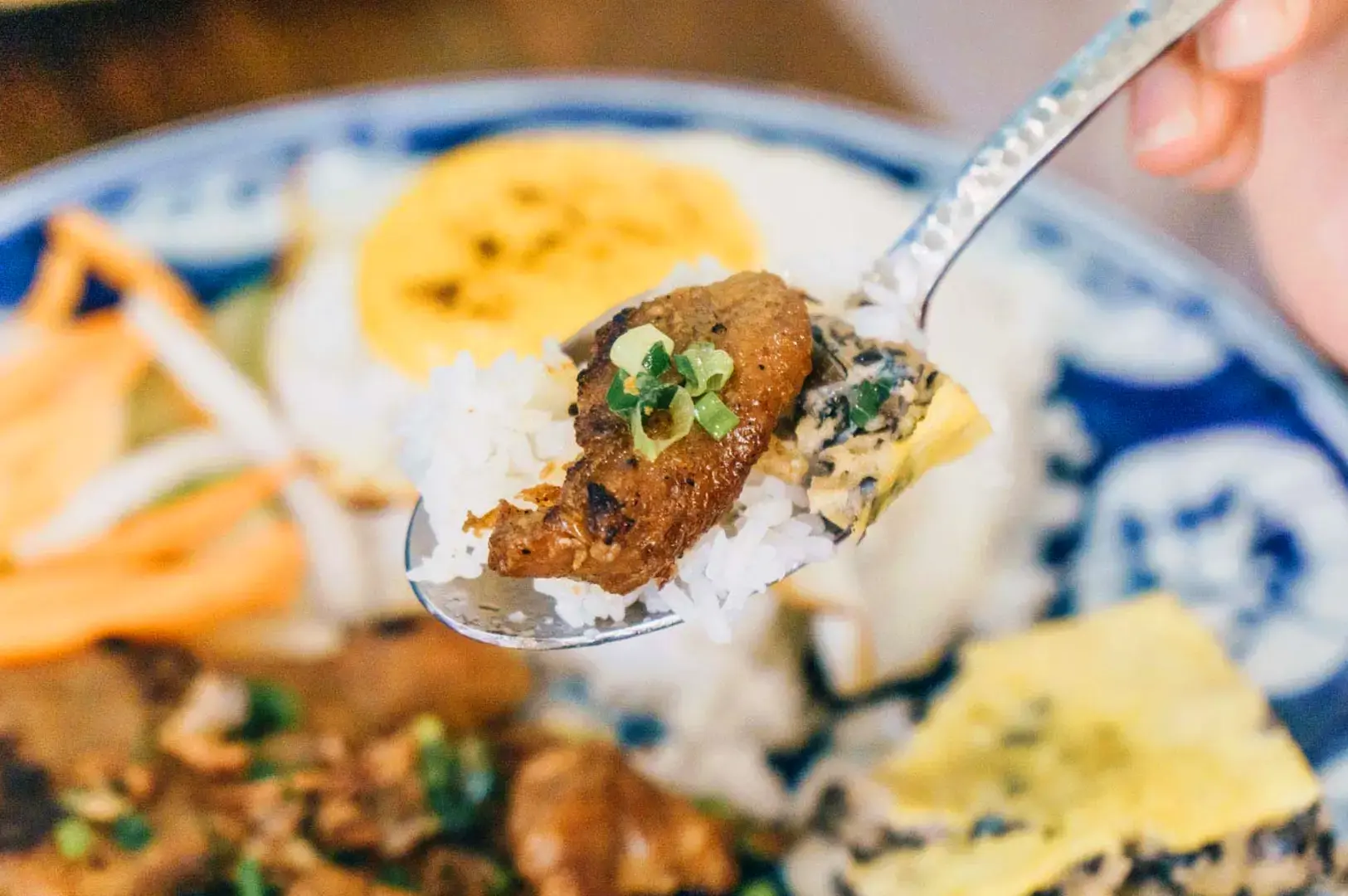
Beyond pho, gỏi cuốn, and banh mi, the menu includes other Vietnamese dishes that point to a wider idea of authentic Vietnamese cooking: rice plates, soups, noodles, and coffee. If you are looking for Vietnamese broken rice, broken rice, or com tam, check what is available on the day, because those plates usually make sense with grilled pork, fried egg, minced pork or meatloaf, scallion oil, and a sharp dipping sauce.
There are also bolder Vietnamese options worth watching for, such as bun bo hue, a spicier noodle soup that carries lemongrass, chilli, and deeper beef flavour when done well. I did not order it this time, but it is the kind of dish that can become a flavour bomb if the broth is treated seriously.
For drinks, Vietnamese coffee is the natural match. That thick, dark, condensed-milk sweetness works especially well after soup, rice, or a salty sandwich. If they have coconut drinks or desserts, those can soften the meal too.
EDA Tip: Come around 3pm if you can. The queue thins, the kitchen breathes, and you get the same food without the wait wearing you down first.

Would I Come Back to Co Chung?
I think I would, but I would know what I was coming for.
If you are near Dhoby Ghaut and you want Vietnamese food without trekking out to Joo Chiat, Geylang, or Boat Quay, Co Chung earns its spot. The pho is warm and properly made. The banh mi has a real crust. And the gỏi cuốn, for all its light shrimp, gets the important things right: soft wrapper, herbs that stay awake, vegetables that still snap.
It will not suit everyone. If queues frustrate you, the dinner peak will test your patience. If you want a fat, prawn-loaded spring roll, this is not the most generous one you will find. If you are chasing the kind of transportive Vietnamese meal Anthony Bourdain made people dream about, a mall basement restaurant may not be that fantasy.

The Alchemy of the Wok: The Story of Singapore-Style Bee Hoon
Eda Wong | February 10, 2026
Across the humid evening air of Singapore, a rhythmic clatter echoes from hawker stalls to high-rise kitchens—the sound of a metal spatula against a seasoned wok. Within that intense heat, rice vermicelli noodles undergoes a profound transformation, absorbing the golden hues of curry powder, the savory depths of soy sauce, and the smoky “breath” of…
-
The Sizzle of the Wok: An Exploration of Fried Bee Hoon Across Southeast Asia
Eat Drink Asia Team | February 7, 2026
Across Southeast Asia, from bustling hawker centers to family kitchens, the sizzle of rice vermicelli noodles hitting a hot wok is a universal comfort. Few dishes capture the spirit of Asian noodle culture as well as fried bee hoon. This stir fry, made with thin rice noodles, delivers a tasty meal any time of the…
-
The Silk of the East: A Deep Dive into Bee Hoon and the Art of Rice Vermicelli
Eda Wong | February 5, 2026
Across the bustling kitchens of Southeast Asia, one humble ingredient has woven itself into the fabric of countless beloved dishes. Bee hoon, the delicate rice vermicelli that transforms from brittle strands into silky noodles, represents centuries of culinary tradition and innovation. Whether you’ve savored Singapore noodles in a hawker center or encountered fried bee hoon…
-
The Eternal Hearth: A Journey Through the Soul of Indian Foods Vegetarian Traditions
Dio Asahi | February 3, 2026
In the vibrant tapestry of global gastronomy, few cultures have elevated the plant-based plate to an art form quite like India. While much of the world has recently turned toward meat alternatives for health or environmental reasons, Indian cuisine has been centered on the vegetable for millennia. This isn’t merely a dietary choice; it is…
-
The Essence of Jeju Citron Tea: A Distinctive Profile of Yuja Tea in Korea
Dio Asahi | January 31, 2026
Imagine sitting in a quiet, sun-drenched teahouse overlooking the dramatic volcanic coastline of Jeju Island. The steam rising from your cup carries an aroma that is at once familiar and yet entirely new—a version of Korean citron tea, or yuja cha, that tastes of sea salt, volcanic soil, and generations of island tradition. As you…
-
Korean Citron Tea: Health Benefits and Wellness Secrets
Eat Drink Asia Team | January 29, 2026
As the seasons change and a chill enters the air, many of us seek out comforting rituals to support our well-being. Imagine wrapping your hands around a steaming cup of Korean citron tea—also known as yuja-cha—its bright, citrus aroma soothing and revitalizing with every sip. More than just a winter treat, Korean citron tea is…
-
When the Izakaya Becomes the Plan: Izakaya Singapore Top Picks for After-Work Reset
Dio Asahi | January 28, 2026
January 28, 2026 | Dio Asahi Last updated: September 14, 2026 As you step behind the humble noren curtain, you’re greeted by glowing lanterns, sizzling charcoal-grilled skewers, and warm welcomes. This is izakaya, Japan’s casual pub, a vibrant part of Singapore’s dining scene. More than just yakitori and sake, izakayas offer a lively setting for social…
-
Yuja Tea: Korea’s Traditional Citron Tea
Dio Asahi | January 27, 2026
The golden, aromatic steam rising from a cup of yuja tea carries centuries of Korean tradition and wellness wisdom. This caffeine-free citrus beverage has warmed Korean hearts through countless winters, offering both comfort and powerful health benefits in every sip. Made from the Korean citron known as yuja fruit, this simple Korean tea represents one…
-
The Global Phenomenon of Korean Instant Noodle: A Cultural and Culinary Journey
Eda Wong | January 24, 2026
In the high-octane streets of South Korea, where the “pali-pali” (hurry-hurry) culture defines the pace of life, one dish stands as the ultimate equalizer of speed and satisfaction: Korean ramyeon. While the world often uses the terms ramen and ramyeon interchangeably, the Korean version is a distinct entity. It is not merely a quick snack…
-
Traditional Ramyeon: The Soulful Heart of Korean Noodle Culture
Eat Drink Asia Team | January 20, 2026
In the bustling culinary landscape of South Korea, few comfort foods can match the satisfaction of a steaming bowl of ramyeon. While outside of Korea, “ramyeon” often brings to mind Korean instant noodles or instant ramen, true ramyeon Korean style refers to the artful, freshly prepared noodle soup enjoyed in homes and at local restaurants…