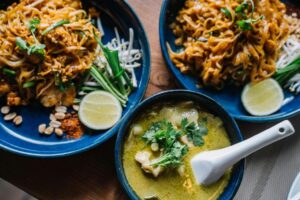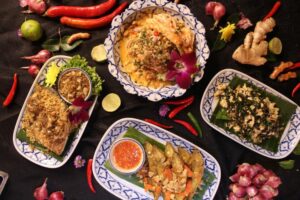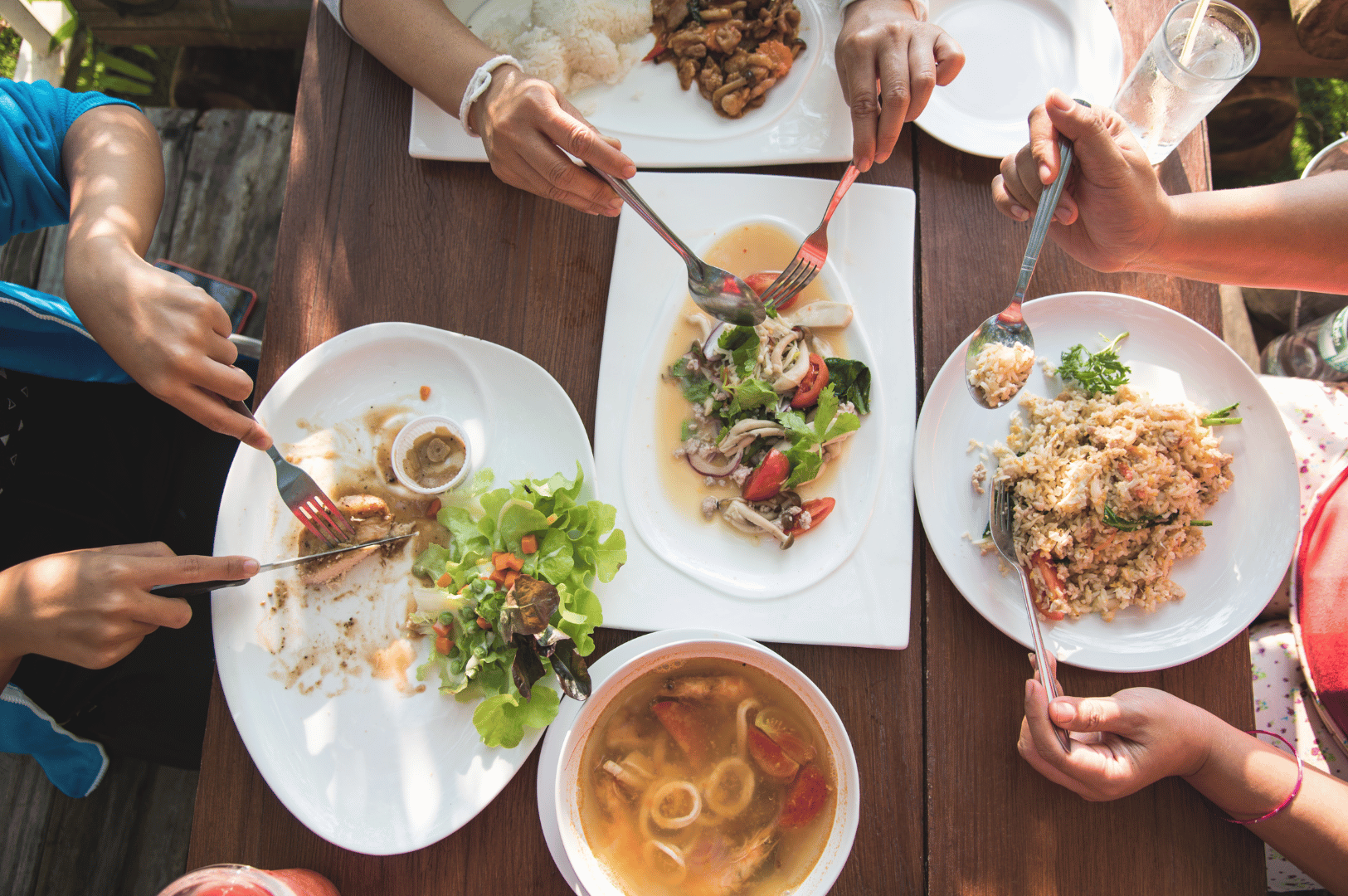
Imagine a dining table crowded with large platters of steaming food, the smell of spices in the air, small bowls arranged neatly around the shared table, and laughter echoing across the room. Across Asia, dining tables play a central role in communal dining traditions, serving as the focal point for etiquette, social interaction, and the display of cultural values. In many Asian countries, a communal meal is a culturally significant event that brings people together to share food and celebrate tradition. These gatherings are more than just a dining experience—they are about fostering community spirit, sharing cultural heritage, and creating lasting memories with family and friends.
People eat together in these settings not only for sustenance but as a social and ceremonial activity that reinforces relationships and respect. During larger gatherings such as weddings or festivals, communal dining traditions become especially prominent, often involving elaborate procedures and shared dishes. The act of sharing meals is central to these experiences, helping to foster connection and a sense of community.
This article takes you on a culinary journey through communal dining experiences, exploring the key elements of communal meals, their cultural expression, regional variations, modern adaptations, and how visitors can participate in this shared experience.
Introduction to Communal Dining & Shared Tables
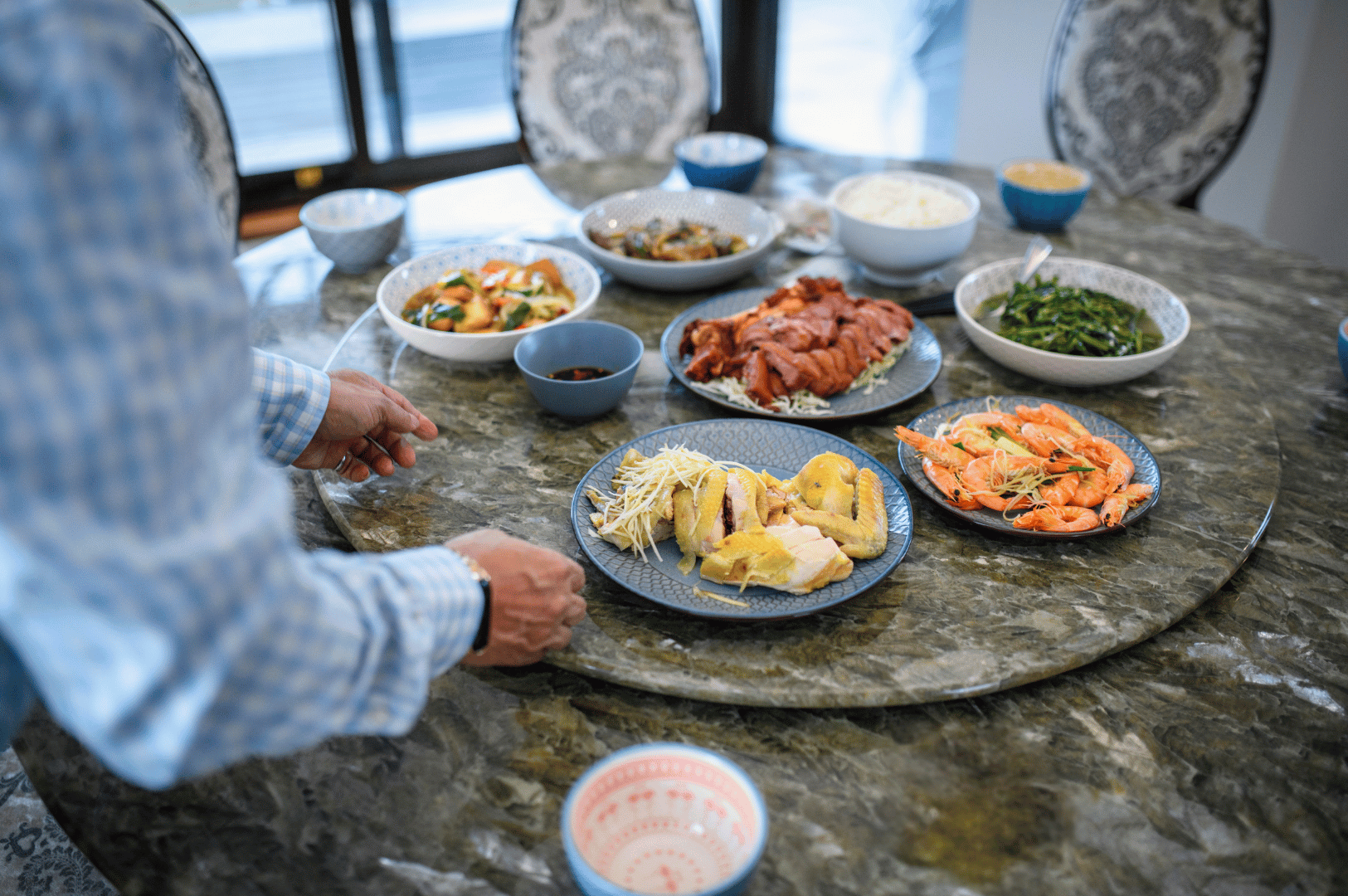
Communal dining is a timeless tradition that transcends borders, bringing people together around the dining table to share meals, stories, and laughter. In Asian cultures, communal dining is an integral part of daily life, where the act of sharing food goes far beyond nourishment. It is about building community spirit, reinforcing bonds, and creating lasting memories with every meal.
Whether it’s a festive banquet or a simple family dinner, communal dining experiences are woven into the fabric of cultural heritage, fostering deeper connections among family, friends, and even newcomers. The broad range of communal dining practices—from elaborate feasts to casual gatherings—reflects the diversity and richness of Asian cultures, making every shared meal an opportunity to celebrate togetherness and the joy of eating.
Historical and Cultural Tradition Influences
The evolution of communal dining traditions in Asia is deeply influenced by centuries of history and cultural exchange. In many Asian cultures, the use of chopsticks is more than a practical choice—it symbolizes unity and shared values at the dining table. The iconic Lazy Susan, often found at Chinese banquets, revolutionized communal dining by making it easier for everyone to access shared dishes, reinforcing the importance of equality and togetherness.
Across the region, communal dining practices are closely tied to cultural traditions, with recipes, cooking techniques, and rituals passed down through generations. These deeply rooted customs not only shape the way food is served and enjoyed, but also honor the culture’s history and create a sense of belonging.
The Philosophy Behind Communal Dining Traditions in Asia
At the heart of communal dining in Asian countries are values such as harmony, respect, and togetherness. The shared table represents equality and connection. Everyone uses serving utensils to serve dishes from shared plates, ensuring that each diner enjoys the same food. Elders are served first, bowls are kept full, and each action reinforces deeper connections between diners.
Communal meals are not only about nourishment—they are about reinforcing bonds, passing down shared stories, and teaching table manners. By participating in communal dining experiences, younger generations learn the culture's history, while even strangers can connect over different flavors and various dishes.
The Art of Asian Dining
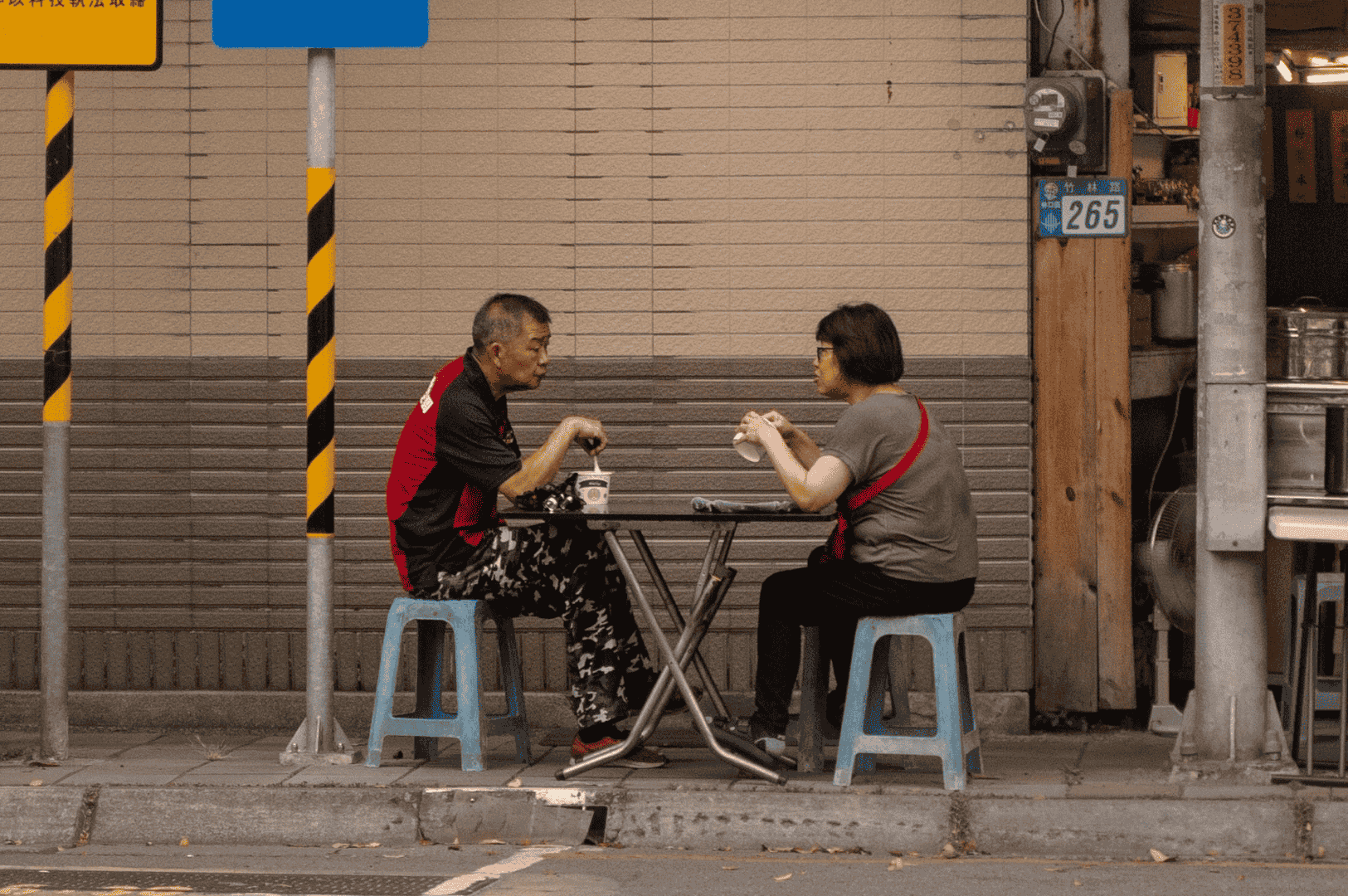
The art of Asian dining is a harmonious blend of tradition, etiquette, and culinary mastery. Each meal is thoughtfully prepared, with careful attention to local ingredients, seasonal flavors, and time-honored cooking techniques. Serving utensils are used with precision, and the placement of each dish on the table reflects a deep respect for cultural traditions.
In Japanese dining, for example, the arrangement of food is as important as its taste, while in Vietnamese cuisine, fresh herbs and vibrant colors take center stage.
Etiquette and Manners in Asian Dining
Etiquette and manners are at the heart of Asian dining, shaping the way food is shared and enjoyed. In many Asian cultures, the use of serving utensils is essential for communal meals, ensuring that everyone can partake in shared dishes respectfully.
Asian table manners often reflect social hierarchy and respect for elders, such as waiting for the oldest person to begin eating or offering the first serving to guests. The placement of dishes, the way food is eaten, and even the use of chopsticks or spoons are guided by longstanding traditions.
These practices play a significant role in creating a harmonious dining experience. Understanding and observing these customs allows diners to fully appreciate the depth and meaning behind each shared meal.
Regional Varieties of Communal Dining Practices
While communal eating is a universal practice, each region brings its own cultural traditions and culinary landscape.
Chinese Communal Dining
In China, communal dining traditions are exemplified by the Lazy Susan, rotating large platters of symbolic foods. Fish symbolizes prosperity, noodles represent longevity, and side dishes like dumplings are shared by all. Diners serve food to one another, emphasizing community spirit and respect for formal settings. These communal meals in China reflect Asian cultures’ focus on shared plates, creating lasting memories, and passing down cultural heritage.
Japanese Communal Tables
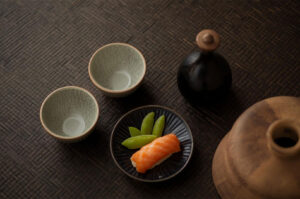
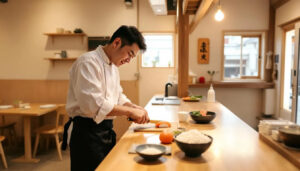
Japanese communal dining experiences range from casual izakayas, Japanese Omakases and family tables. Small dishes like yakitori, tempura, and sashimi are served to encourage sharing food. Nabe hot pots place the meal at center stage, allowing diners to cook together and enjoy a shared experience. Even in urban life, these communal dining practices preserve shared values, table manners, and the culture's history.
Korean Communal Meals
Korean tables offer a broad range of side dishes called banchan, which are small bowls enjoyed collectively. Grilled meats for ssam (wraps) and central jjigae stews highlight the cultural significance of communal dining. Pouring drinks for close friends before yourself, refilling shared dishes, and taking turns using serving utensils all strengthen community spirit.
Southeast Asian Communal Eating
From Thailand to Indonesia and the Philippines, communal dining traditions in Southeast Asia focus on interaction and variety. Thai miang kham, Indonesian rijsttafel, and Filipino kamayan meals use banana leaves or large platters to serve many different flavors. Eating with the left hand or sharing small dishes enhances the shared experience and helps deepen friendships. Local ingredients shine, from spices to fresh seafood, highlighting the culinary journey unique to each region.
South Asian Communal Feasts
Indian thalis showcase individual portions in small bowls, yet the shared table brings everyone together. Breaking naan or roti encourages communal eating and embodies cultural expression. Across South Asia, communal meals blend shared dishes, dining traditions, and cooking techniques that have survived through human history.
Benefits of Shared Dining
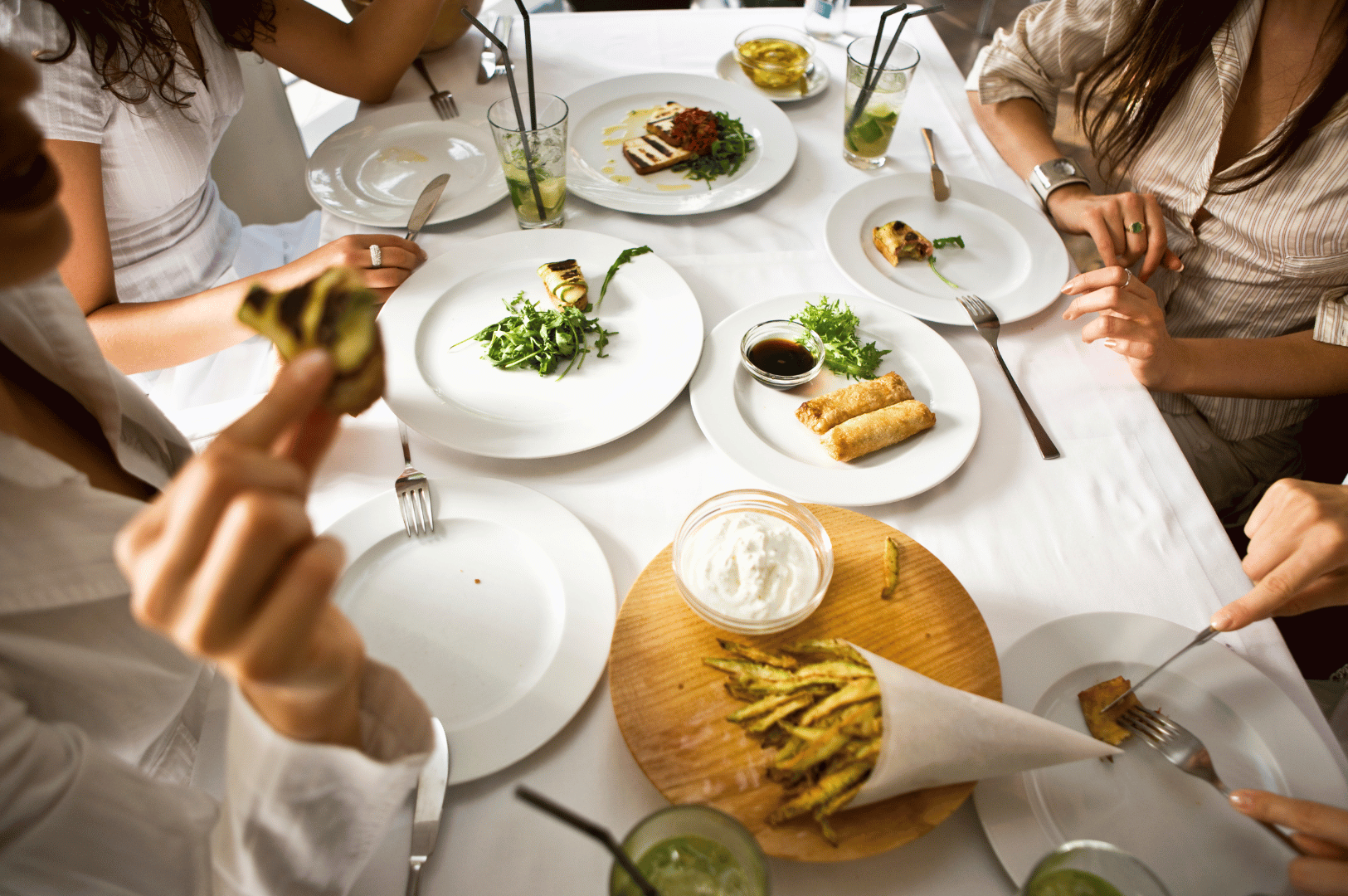
The benefits of shared dining extend far beyond the dining table, touching every aspect of social and cultural life. When people come together to share meals, they create opportunities for meaningful social interactions, deeper connections, and lasting memories. Communal dining fosters a strong sense of community spirit, encouraging open conversation and the exchange of stories and traditions.
In Asian cultures, these shared meals are a cornerstone of family life and community gatherings, helping to reinforce bonds and promote a sense of belonging. By embracing communal dining, individuals not only enjoy delicious food but also participate in a tradition that celebrates unity, cultural understanding, and the joy of being together.
Modern Interpretations of Communal Dining
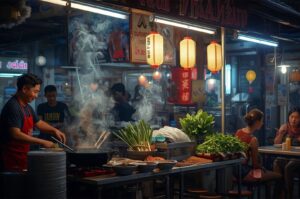
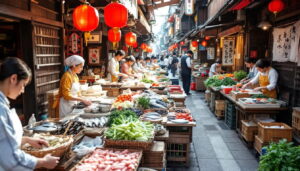
Communal dining traditions in Asia are evolving alongside urban lifestyles and global influences. Restaurants now offer communal tables, family-style shared plates, and fusion dishes that reflect the diverse communities of the region. Night markets invite large groups to bond over just food, from noodles to soy sauce-marinated grilled meats.
Social media has brought communal dining experiences to a global audience. Photos of Korean BBQ, Filipino boodle fights, and Chinese hot pots showcase large platters, many dishes, and shared plates, inspiring younger generations to participate in communal eating.
The Social Significance of Communal Meals
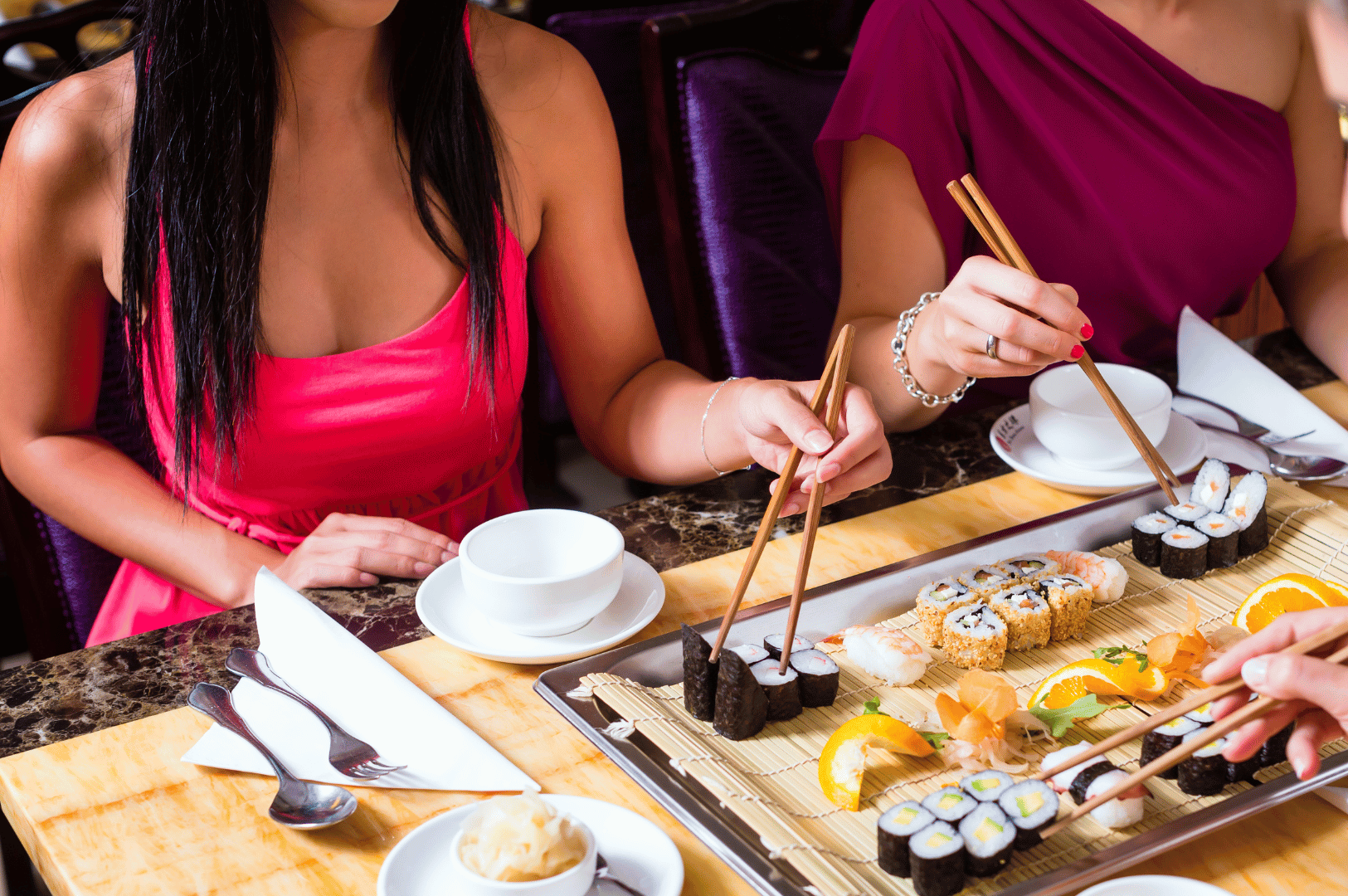
Research supports what Asian cultures have known for centuries: communal meals strengthen social interactions, communication, and lasting memories. Shared meals slow down busy lives, allowing diners to exchange shared stories and create deeper connections.
The cultural significance of communal dining extends beyond Asia. Similar traditions exist in the Middle East, South Asia, and many cultures worldwide, showing the universal appeal of communal eating, reinforcing bonds, and celebrating shared values. Communal dining practices create human connections through shared dishes, fostering belonging and emotional well-being.
Tips for Participating in Communal Dining Experiences
When joining communal dining traditions in Asia, visitors should observe dining traditions and table manners:
- Use serving utensils for shared dishes.
- Avoid double-dipping or using personal chopsticks for communal meals.
- Communicate dietary restrictions politely.
- Try interactive options like hot pot or Korean BBQ to experience cooking techniques first-hand.
- Observe how diners serve many Asian countries’ shared plates, small bowls, or large platters to even strangers.
Participation allows travelers to deepen friendships, experience cultural expression, and enjoy a culinary journey across different cultures.
The Lasting Legacy of Communal Dining
From grand banquets in China to vibrant night markets in Southeast Asia, communal dining traditions in Asia celebrate culture's history, shared plates, and community spirit. Communal eating transmits cultural heritage, reinforces bonds, and creates lasting memories.
Whether gathering close friends, sharing many different flavors, or hosting a communal feast, Asian shared meal customs teach shared values, promote social interactions, and strengthen diverse communities. Communal meals remind us that eating together is more than just food—it is creating lasting memories, deeper connections, and a shared experience that unites many cultures across human history.
To explore more food traditions shaped by heritage and community, take a look at ancient dumpling-making techniques or discover the cultural roots of Vietnamese ca phe sua da.

Thai Green Milk Tea: The Complete Guide to Thailand’s Refreshing Emerald Delight
Eda Wong | December 13, 2025
Picture a tall glass filled with crushed ice, its emerald-green contents swirled with ribbons of creamy white milk—this is thai green milk tea, one of Southeast Asia’s most visually striking and refreshing drinks. Known locally as cha khiao nom yen, this popular drink has captured hearts across Asia and beyond with its distinctive pale green…

Best Thai Singapore: Discover the Art of Authentic Pad Thai
Dio Asahi | December 11, 2025
In Singapore, a city that celebrates a universe of flavors, the magnetic pull of Thai cuisine is undeniable. From bustling food courts to elegant dining rooms, the kingdom’s culinary ambassadors have firmly planted their flag. When considering the best Thai food, it’s impossible to overlook how integral Pad Thai is to the local Thai food…
-
Thai Cuisine in Singapore: Finding the Best Authentic Flavors
Eat Drink Asia Team | December 9, 2025
The unmistakable aroma of lemongrass, galangal, and fiery spices mingles with the bustling night air in Singapore, setting the stage for a dining experience that wakes the soul and tantalizes the senses. Thai cuisine in Singapore has become an essential part of the city’s culinary landscape, offering a complete blend of vibrant flavor, tangy notes,…
-
The Ultimate Guide to Thai Food: Flavors, Traditions, and Culinary Adventures
Dio Asahi | December 6, 2025
Thai cuisine is one of the world’s most beloved and complex culinary traditions, captivating food enthusiasts globally with its masterful balance of flavors and vibrant presentations. From bustling Bangkok street stalls to high-end international restaurants, Thai food has become a global phenomenon that evolves while maintaining its authentic roots. What sets Thai cuisine apart from…
-
How to Drink Sake: Your Guide to Enjoying Japanese Sake Wine
Eda Wong | December 5, 2025
As Japan’s national beverage, this traditional sake is present at celebrations, quiet dinners, and spiritual offerings, weaving itself into the very fabric of daily life and reflecting Japan’s deep-rooted cultural heritage. Yet, for many outside of Japan, it remains a delightful mystery. You might find yourself wondering, how do you drink sake properly to unlock…
-
The Quiet Pursuit of Perfection: Where to Find the Freshest Sashimi in Singapore
Eat Drink Asia Team | December 3, 2025
In Singapore, a city that moves at a dizzying pace, there is a quiet but growing reverence for pursuits that demand patience. Nowhere is this more apparent than in the city’s evolving appreciation for authentic Japanese cuisine. The once-niche world of omakase has entered the mainstream lexicon, and with it, a more discerning palate for…

Understanding Sake Alcohol Content: A Complete Guide to ABV and Flavor
Eda Wong | December 2, 2025
When exploring Japanese sake, many wonder about its grades and complex flavors. Sake’s unique profile offers remarkable versatility, enjoyed in various serving styles and paired with diverse dishes. One fundamental aspect is sake alcohol content. Is sake stronger than wine? How does its alcohol by volume (ABV) compare to beer? The answer is nuanced. Understanding…
-
Japanese Sake: The Complete Guide to Japan’s Traditional Rice Wine
Dio Asahi | November 29, 2025
Japanese Sake: The Complete Guide to Japan’s Traditional Rice Wine While sake has been Japan’s national beverage for over a millennium, its popularity across Asia is at an all-time high. Rooted in Japan’s traditional brewing methods and centuries-old origins. It symbolizes Japan’s cultural heritage and craftsmanship. Understanding this complex brewed alcoholic beverage opens doors to…

Best Japanese Foods in Japan: The Must-Try Dishes
Eda Wong | November 27, 2025
Why Japanese Food Is Worth the Trip Japan’s culinary world extends far beyond well-known sushi and ramen, revealing a rich variety of regional specialties cherished by locals. While many travelers stick to popular Japanese foods in tourist areas, authentic flavors are best discovered in neighborhood markets, family-run eateries, and seasonal menus reflecting centuries of Japanese…
-
Japanese Food in Japan: The Ultimate Guide to Authentic Culinary Experiences
Eat Drink Asia Team | November 25, 2025
Experiencing Japanese food in Japan is fundamentally different from eating Japanese cuisine anywhere else. While sushi restaurants and ramen shops have spread globally, the authentic flavors, techniques, and cultural context of Japanese food can only be fully appreciated in its homeland. From meticulously selecting ingredients at peak freshness to centuries-old traditions shaping every meal, eating…