If you think eating dim sum is all about har gow and siu mai, think again. Authentic Cantonese dim sum is a dazzling showcase of Chinese culture, filled with an array of flavors, textures, and traditions that run much deeper than the classics. For both seasoned aficionados and first-time food explorers, venturing beyond the familiar and into a genuine Chinese tea house can feel like entering another world.
This comprehensive dim sum guide isn’t just about what you’ll see on the menu—it's about understanding tea culture, the ritual of yum cha, ancient and modern etiquette, and those lesser-known dishes that reveal the true artistry of dim sum chefs. Whether you’re sipping oolong from a tiny tea cup or sampling delicate skin soup dumplings straight from a bamboo steamer, you’re engaging with hundreds of years of Chinese culinary history.
A Brief History: Dim Sum and Chinese Tea Culture
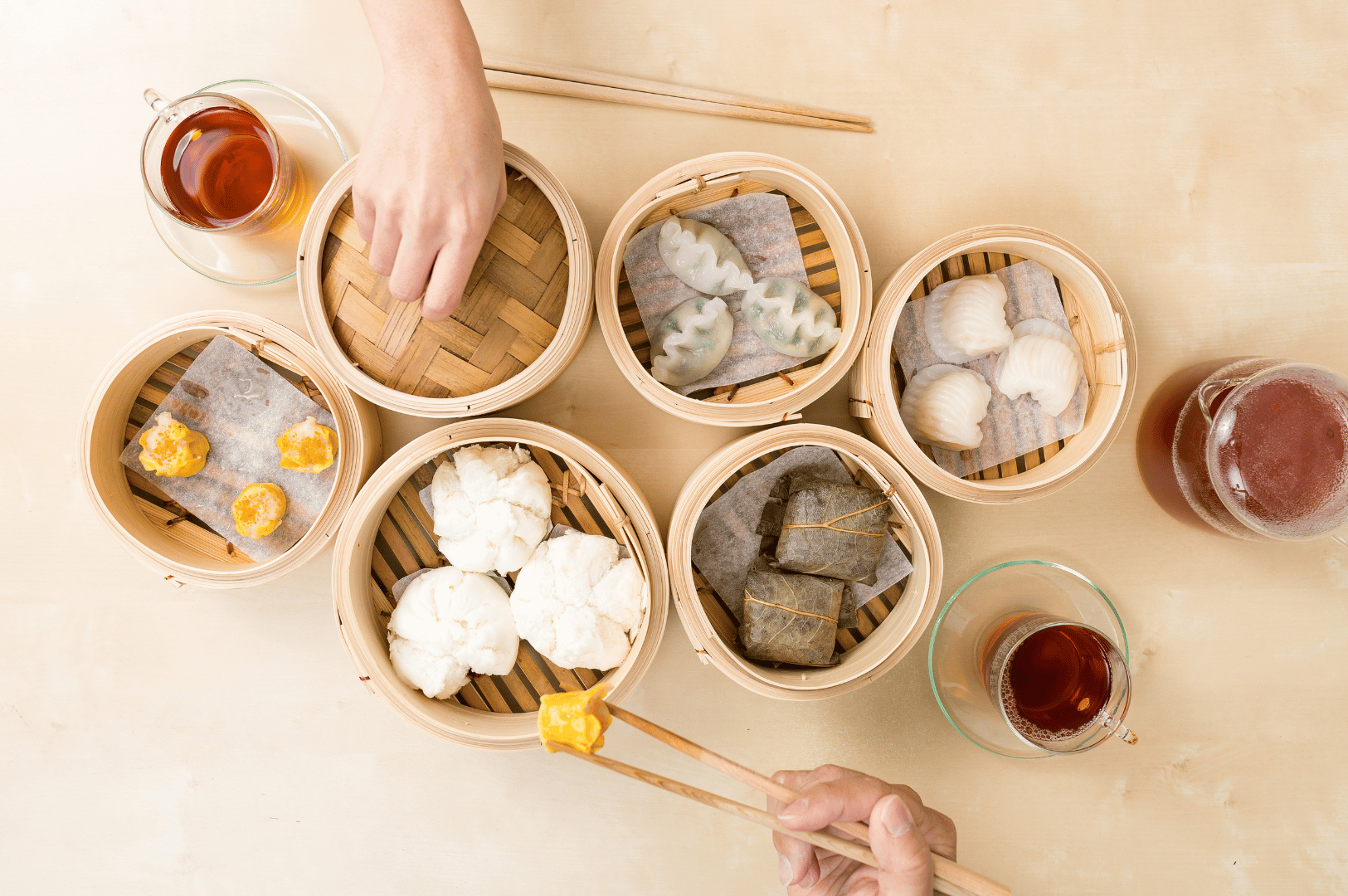
The history of dim sum is intimately linked with Chinese tea culture, stretching as far back as the Tang Dynasty. In southern China, especially in Guangdong province, travelers and townsfolk would gather at tea houses to unwind, drinking tea and sharing small plates. Though the Chinese tea ceremony was originally revered for its meditative rituals—sometimes practiced by Buddhist monks seeking enlightenment—over time, offering tea and accompanying snacks (dim sum) became an integral part of social life.
By the Song Dynasty and later the Jin Dynasty, tea houses flourished. In these vibrant venues, dim sum became much more than food; it was a symbol of hospitality, family, and community. The custom of yum cha (飲茶, “drinking tea”) was born—a tradition that, to this day, brings people together over pots of hot water, aromatic tea leaves, and a parade of delicious dim sum dishes.
Steamed, Fried, Baked, and Sweet: The Main Categories of Dim Sum Menu
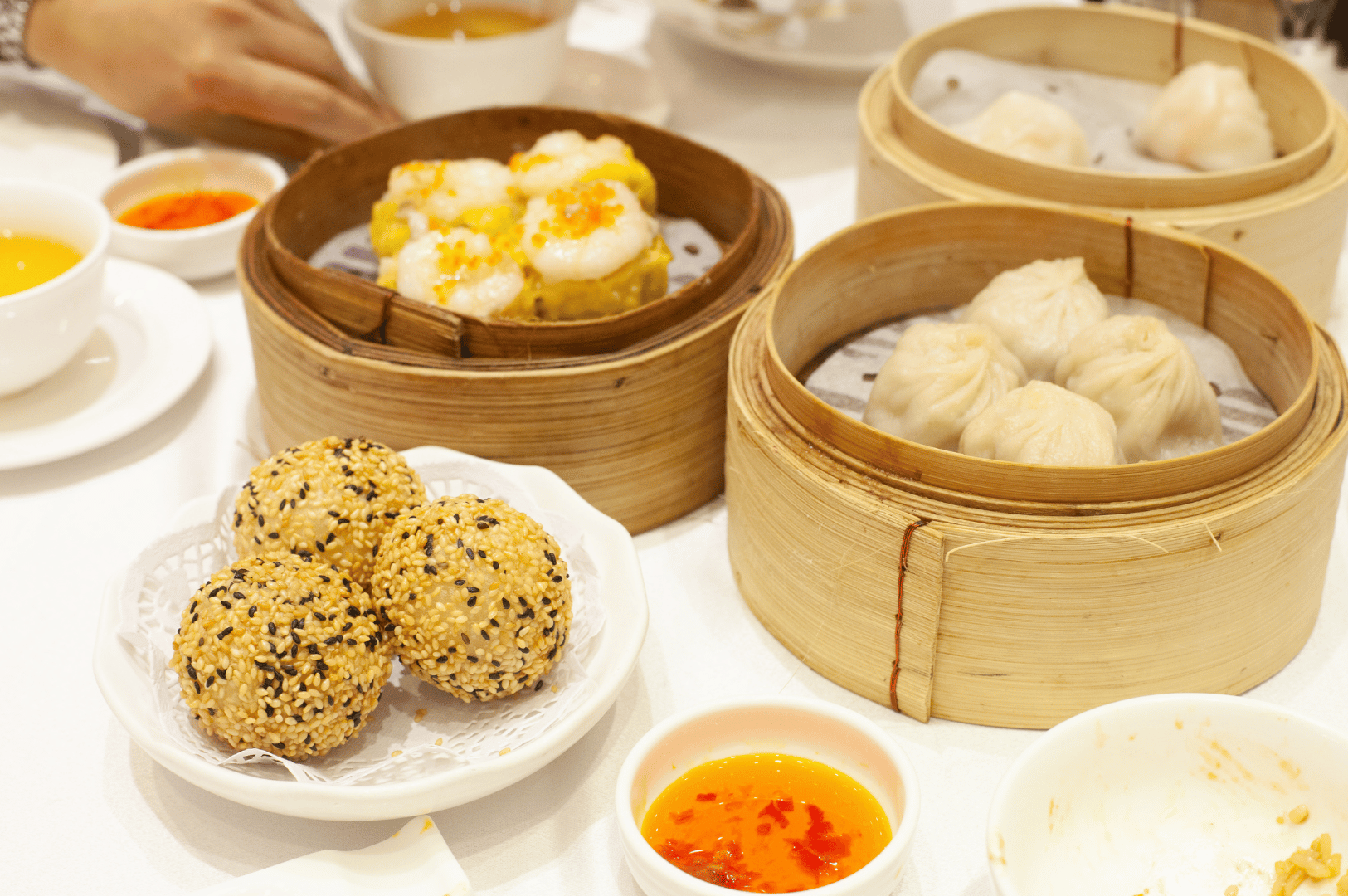
Dim sum is celebrated for its incredible variety, with each restaurant offering a unique menu brimming with options. Understanding the main categories helps every delicious bite make sense:
Steamed Dim Sum
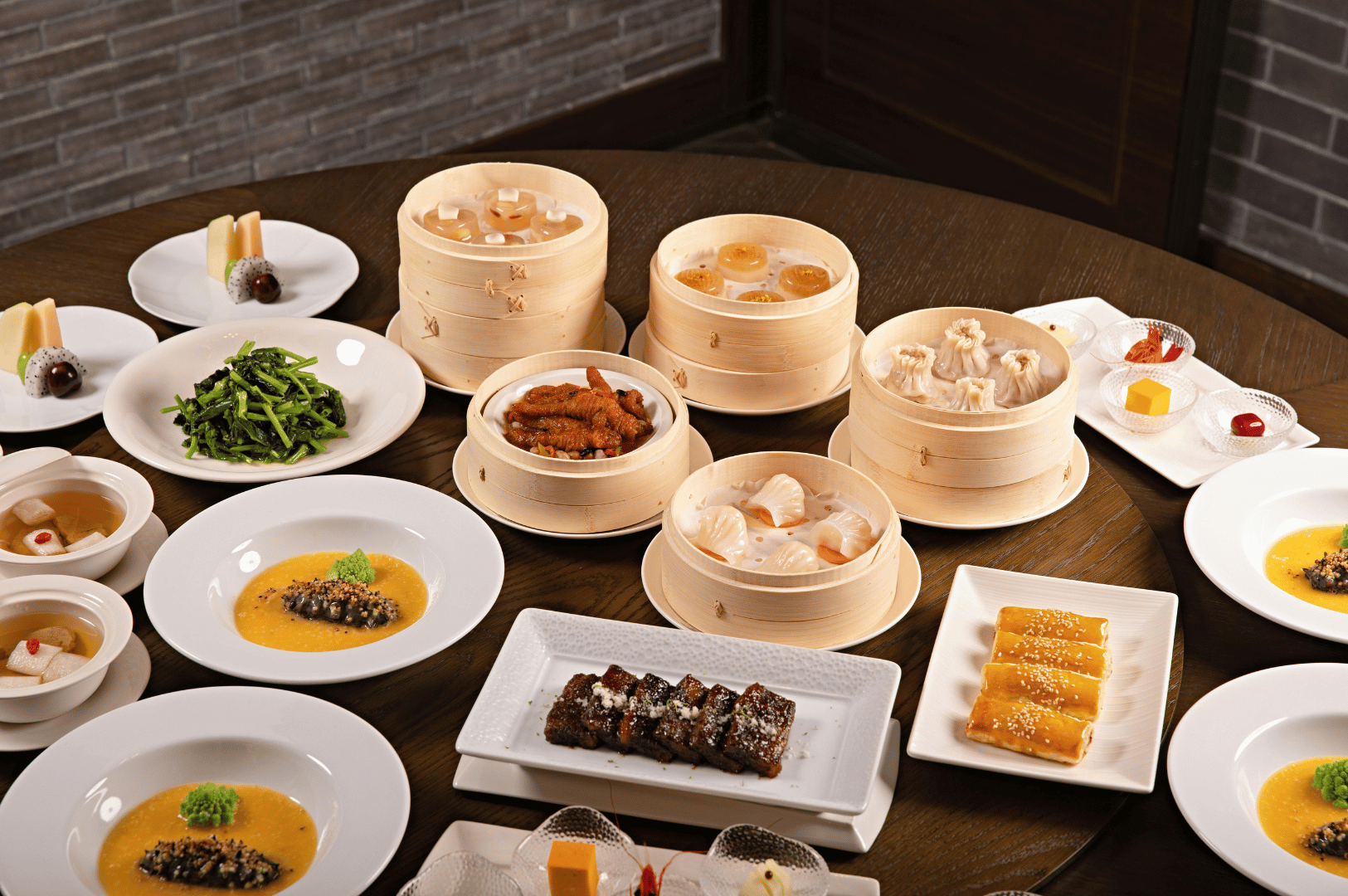
Served fresh from the bamboo steamer basket, these dishes are the soul of authentic cantonese dim sum. Delicate skin dumplings like har gow (shrimp dumplings), soup dumplings (xiao long bao), and siew mai (pork dumplings with minced pork and shrimp) showcase gentle, clean flavors. Another must-try is lo mai gai—sticky rice stuffed with chicken, Chinese sausage, mushrooms, and sometimes salted egg, wrapped and steamed inside lotus leaves for an earthy aroma.
Fried Dim Sum
When you crave golden brown crunch, turn to fried offerings. Think taro croquettes stuffed with minced pork, savory spring rolls, and Wu Gok (deep-fried taro dumplings) whose exterior shatters at first bite. Cheung fun (rice noodle rolls) sometimes arrive pan-fried, filled with crispy fried dough for a delightful contrast.
Baked Dim Sum
With roots in both Chinese and European technique, baked dim sum dishes are a blend of tradition and innovation. Char siu bao (barbecue pork buns) are sometimes baked with a sweet glaze, producing a slightly sweet and shiny crust. The famous Hong Kong-style egg tarts are here too—crispy, flaky, and filled with silky custard, always the perfect sweet end to a meal.
Sweet Dim Sum
Sweetness in Cantonese cuisine is subtle and refined. Besides egg tarts, try nai wong bao (steamed custard buns bursting with warm, creamy filling) or jin deui (sesame seed balls with sweet bean paste). Some menus feature mango pudding or almond jelly, offering a light and refreshing finish to all the tea and savory delights.
Regional Variations: Dim Sum from Guangdong to the World
Although dim sum originates from Guangdong province, its flavors and forms have journeyed far beyond southern China.
Guangzhou
Birthplace of authentic Cantonese dim sum, Guangzhou’s tea houses prize mastery of classic techniques and premium, fresh ingredients. Eating dim sum here means tasting the blueprint upon which all others are based: subtle, elegant, and always in harmony with drinking tea.
Hong Kong
Hong Kong dim sum restaurants are famed for their speed, creativity, and opulence. Here, chefs are not afraid to push boundaries, blending the old and new—think black truffle siew mai or soup dumplings with delicate gold leaf.
International Chinatowns & North China
As dim sum traveled along with Chinese diaspora, it found new shapes in cities across the globe. Internationally, you may spot local ingredients on the menu, hybrid creations designed to entice a broader crowd, and a wider influence from north China. In all cases, the spirit of sharing and communal yum cha remains constant.
Dim Sum Etiquette and Tea Ceremony Essentials
Dim sum isn't just about the food—it's about the full culinary ritual, from the teapot to the chopsticks.
Ordering: Classic dim sum restaurants may have roving carts, with servers describing each dim sum dish as they wheel it by. Alternatively, many modern spots use order sheets, where diners check off desired plates. If you’re keen to try all the tea or a specific delicacy like xiao long bao, order early—some items sell out fast.
The Role of the Tea Ceremony: Drinking tea is central to yum cha. From the careful selection of loose tea leaves to brewing hot water in a traditional yixing teapot, this ritual is steeped in Chinese tea ceremony lore. The pouring of tea for elders or in-laws is an act of respect, and in turn, it’s customary for the person served to tap their tea cups or the table, silently saying "thank you."
Table Manners and Chopsticks: Always use communal chopsticks or spoons when serving yourself from shared plates. Never stick chopsticks upright in your food—this is reserved for ancestral offering and considered bad luck in Chinese culture. Remember, dim sum is about togetherness, so serve others before yourself and keep the conversation flowing as freely as the tea.
12 Lesser-Known Dim Sum Dishes Every Adventurous Diner Should Try
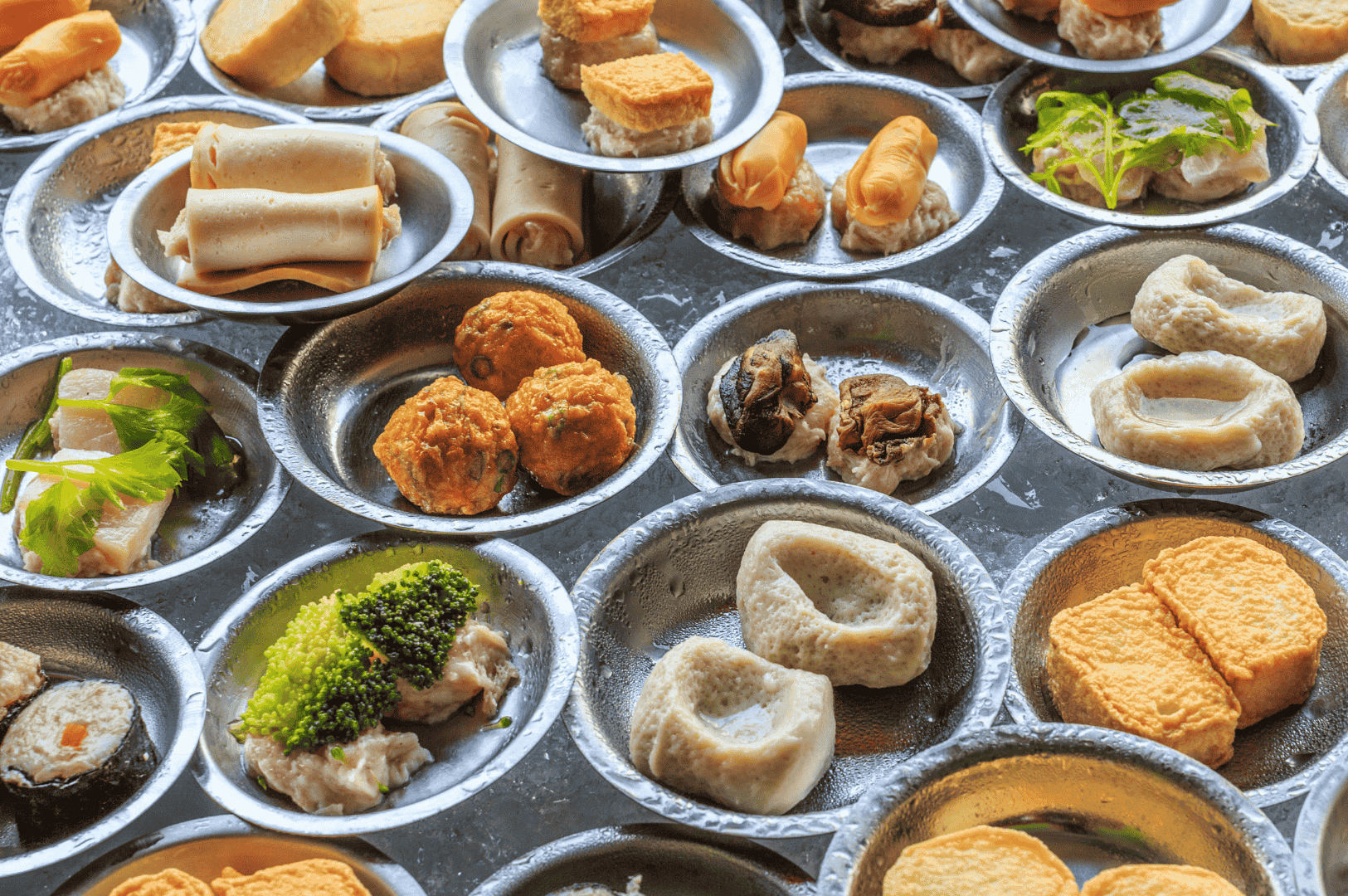
Step up your dim sum game with these gems—each one proof of the cuisine’s astonishing variety. These aren’t always listed next to the famous har gow but are delicious reminders of the breadth of authentic Cantonese dim sum.
- Fung Jau (鳳爪) – Chicken Feet: Braised in a savory, slightly sweet sauce made of fermented black beans and oyster sauce, chicken feet are fall-apart tender and absorb all the flavor of the steamer basket.
- Lo Bak Go (蘿蔔糕) – Turnip Cake: Grated daikon (lo bak), rice flour, and minced pork or Chinese sausage combine into a soft block, steamed then pan-fried for contrast. Savory, golden brown, with hints of umami from dried shrimp.
- Wu Gok (芋角) – Taro Dumplings: Creamy taro surrounds a core of minced pork and shiitake mushrooms, then is deep-fried to filigree crispness.
- Cheong Fun / Cheung Fun (腸粉) – Rice Noodle Rolls: Silky sheets of rice noodles, steamed and rolled around shrimp, beef, or crispy dough. Sometimes soaked in a light, slightly sweet soy sauce.
- Lo Mai Gai (糯米雞) – Sticky Rice in Lotus Leaf: Glutinous rice, tender chicken, salty mushrooms, and sometimes salted egg, all wrapped and steamed in a lotus leaf. Every bite is infused with herbal aroma.
- Jin Deui (煎堆) – Sesame Balls: Hollow and golden brown, their exterior is crisp with sesame seeds, while the inside is chewy, encasing sweet bean paste.
- Ma Lai Go (馬拉糕) – Malay Steamed Sponge Cake: Airy and spongy, often with a caramel fragrance from brown sugar. Perfect when warm and eaten as the “first round” of sweets.
- Ngao Yuk Kau (牛肉球) – Beef Meatballs: Minced beef, water chestnuts, and coriander, steamed with a hint of tangerine peel and served with a side of Worcestershire sauce.
- Pai Gwut (排骨) – Spare Ribs: Chopped pork ribs steamed with garlic, black beans, and chilies, piping hot and aromatic.
- Nai Wong Bao (奶黄包) – Steamed Custard Buns: Bright white buns, pillowy-soft, bursting with oozy, rich custard flavored by egg yolk.
- Ham Sui Gok (咸水角) – Fried Crescent Dumplings: Glutinous rice dough with a savory pork filling; the outer skin is crisp and just slightly sweet from a touch of sugar.
- Zha Leung (炸两) – Fried Dough Wrapped in Cheung Fun: Fusion of textures—crispy fried breadstick (youtiao) bundled up in glossy cheung fun and doused in sauce.
Traditional Tea Pairings: Why Tea and Dim Sum Go Hand in Hand
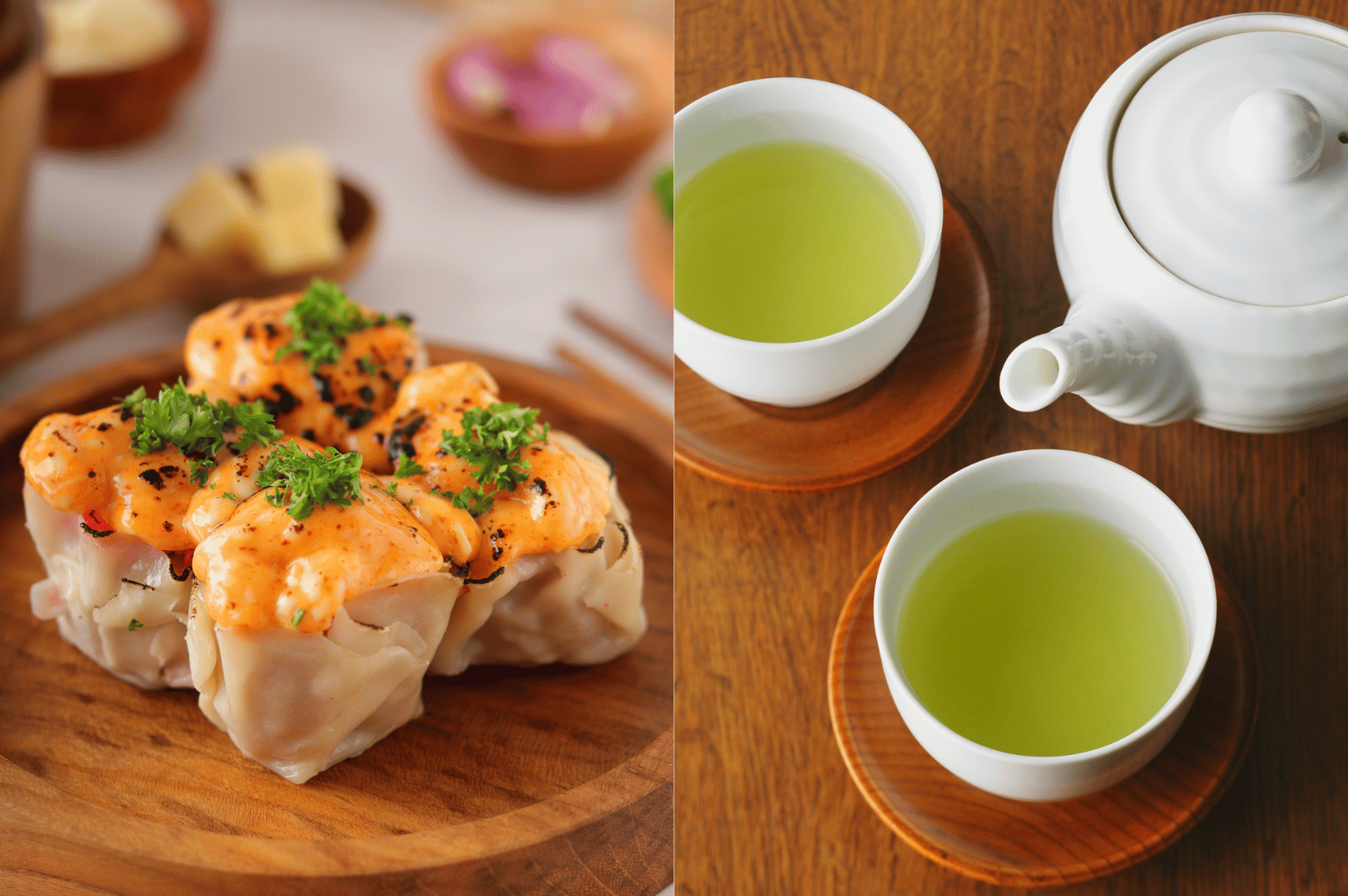
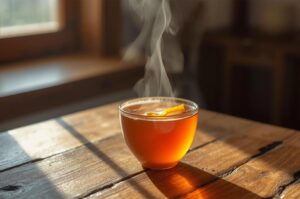
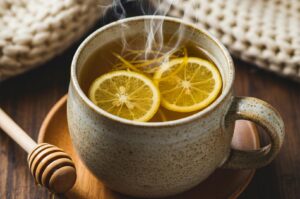
No Cantonese dim sum meal is complete without a pot of steaming tea, integral for flavor and digestion. Each tea type brings out the different kinds of dim sum on your plate.
- Pu’er: Earthy and strong, this tea cuts through richness—ideal with pan fried or deep-fried dishes like taro dumplings.
- Oolong: Floral, semi-fermented, and versatile, pairs perfectly with everything from siew mai to cheung fun.
- Jasmine: Light and fragrant, best for shrimp dumplings or other seafood-forward dim sum.
- Boiling Water and Tea Leaves Ritual: The best restaurants use boiling water to warm tea cups, yixing teapot, and to start steeping, ensuring maximum aroma.
Chinese tea houses elevate the meal with gorgeous pots, delicate cups, and sometimes even a tea master performing a ceremony at your table. Drinking tea enhances the taste and refreshes the palate with each bite.
Modern Innovations: How Today's Chefs Evolve Dim Sum
From Hong Kong to major Chinese cities and internationally renowned dim sum restaurants, today’s chefs respect tradition while creating new sensations for modern diners. You might now spot soup dumplings (xiao long bao) with black truffle or gold dust, siew mai finished with abalone or foie gras, or egg tarts made with unusual sweet or savory infusions.
Pan fried plates and even classic chicken or pork dumplings can make appearances filled with Japanese rice, fusion sauces, or new sweet flavors. Baked golden brown buns with a sugar crust now vie for attention alongside all the traditional favorites, making each restaurant visit a journey through both history and innovation.
This creative spirit is central to Chinese culinary evolution: chefs honor ancestral recipes (sometimes passed down from the Tang Dynasty) while making them accessible and exciting for today’s foodies.
Explore Authentic Cantonese Dim Sum—And Go Beyond the Familiar
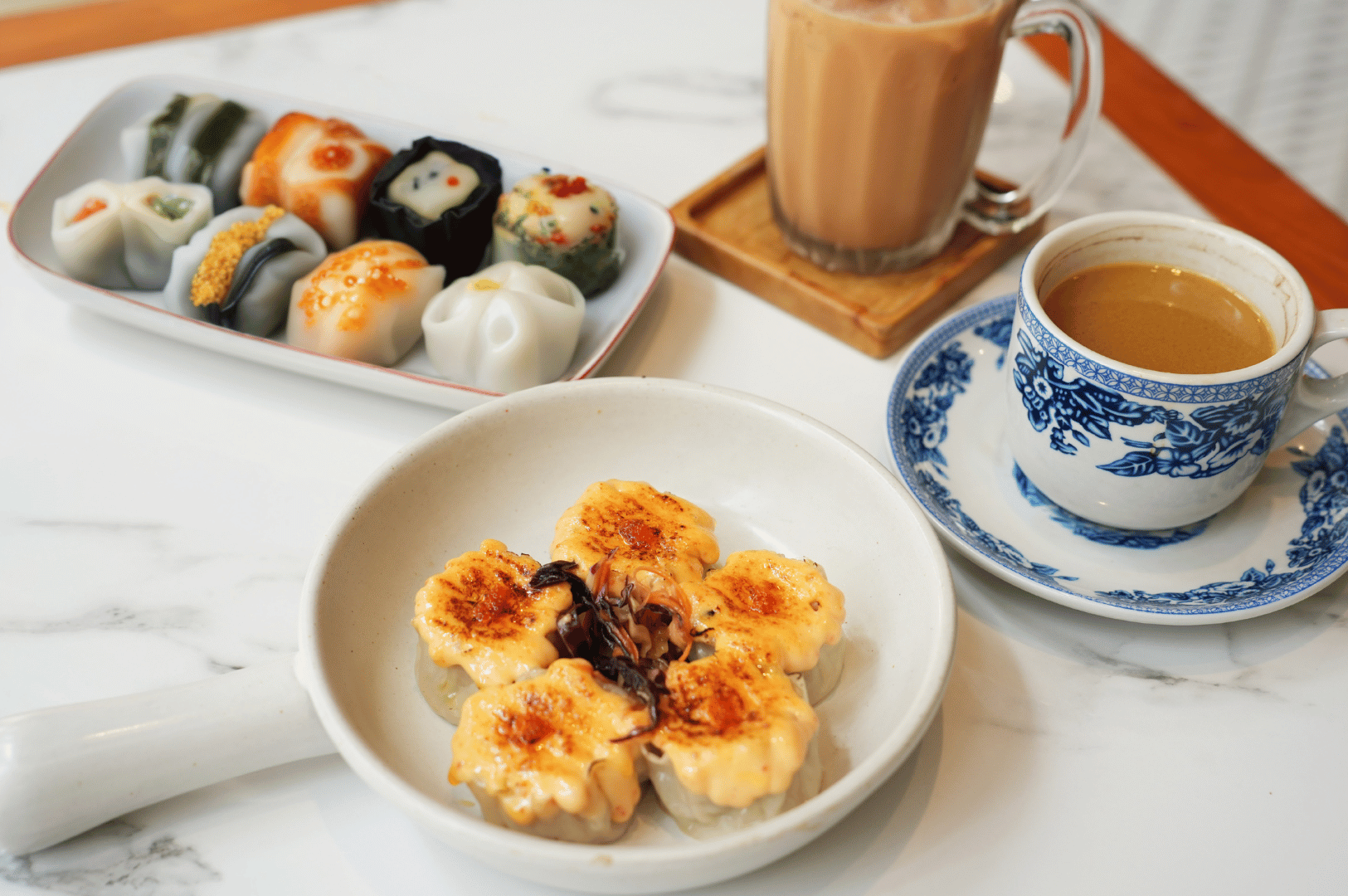
Whether you’re enjoying yum cha with in-laws, friends, or going solo, remember that the best dim sum isn’t just about har gow or siu mai. It’s about savoring food that’s an integral part of Chinese culture, from the bustling tea houses of southern China to the innovative restaurants in major Chinese cities.
So next time you drink tea and scan the dim sum menu, be adventurous—order those golden brown turnip cakes, the fragrant lotus-leaf rice, or slightly sweet custard buns. With each bowl, plate, and cup, you taste a living tradition that spans centuries, offering discovery for every palate.
For more regional delights, try Thailand’s magical butterfly tea or discover the plant-based richness of Gujarati thali.

Mastering the Art of Indian Dishes with Chicken
Eda Wong | February 19, 2026
The story of India’s culinary identity is deeply tied to its poultry dishes. I remember my first attempt at an Indian chicken recipe, failing to brown the onions properly left the dish hollow, missing its soul. The sound of mustard seeds popping in hot oil signals layers of flavor to come. The steam from the…
-
Crunch, Sweet, and Heat: The Irresistible Textures of Southeast Asian Snacks
Dio Asahi | February 17, 2026
In the humid, sticky heat of Southeast Asia, where your shirt clings to your back and the air is thick with the sharp scent of oxidising oil, there’s a particular clink that always gets me. It’s the sound of a metal spatula striking a wok, a rhythmic percussion that’s as familiar to me now as…
-
The Living Pantry: How Geography and Trade Shaped the Food in the Southeast Region
Eat Drink Asia Team | February 14, 2026
To understand the plate is to understand the map. If you were to trace the spice routes of the 15th century or follow the monsoon winds that carried merchant ships across the Indian Ocean, you would find yourself at the epicenter of the world’s most vibrant pantry. The food in the Southeast region of Asia…
-
A Symphony of Senses: Why Southeast Asian Food is the World’s Greatest Culinary Journey
Dio Asahi | February 12, 2026
If you were to stand at a busy intersection in Bangkok, Ho Chi Minh City, or Jakarta and close your eyes, your nose would tell you a story before your eyes ever could. There is a specific, intoxicating perfume that defines Southeast Asian food: the sharp tang of lime juice hitting a hot wok, the…
-
The Alchemy of the Wok: The Story of Singapore-Style Bee Hoon
Eda Wong | February 10, 2026
Across the humid evening air of Singapore, a rhythmic clatter echoes from hawker stalls to high-rise kitchens—the sound of a metal spatula against a seasoned wok. Within that intense heat, rice vermicelli noodles undergoes a profound transformation, absorbing the golden hues of curry powder, the savory depths of soy sauce, and the smoky “breath” of…
-
The Sizzle of the Wok: An Exploration of Fried Bee Hoon Across Southeast Asia
Eat Drink Asia Team | February 7, 2026
Across Southeast Asia, from bustling hawker centers to family kitchens, the sizzle of rice vermicelli noodles hitting a hot wok is a universal comfort. Few dishes capture the spirit of Asian noodle culture as well as fried bee hoon. This stir fry, made with thin rice noodles, delivers a tasty meal any time of the…
-
The Silk of the East: A Deep Dive into Bee Hoon and the Art of Rice Vermicelli
Eda Wong | February 5, 2026
Across the bustling kitchens of Southeast Asia, one humble ingredient has woven itself into the fabric of countless beloved dishes. Bee hoon, the delicate rice vermicelli that transforms from brittle strands into silky noodles, represents centuries of culinary tradition and innovation. Whether you’ve savored Singapore noodles in a hawker center or encountered fried bee hoon…
-
The Eternal Hearth: A Journey Through the Soul of Indian Foods Vegetarian Traditions
Dio Asahi | February 3, 2026
In the vibrant tapestry of global gastronomy, few cultures have elevated the plant-based plate to an art form quite like India. While much of the world has recently turned toward meat alternatives for health or environmental reasons, Indian cuisine has been centered on the vegetable for millennia. This isn’t merely a dietary choice; it is…
-
The Essence of Jeju Citron Tea: A Distinctive Profile of Yuja Tea in Korea
Dio Asahi | January 31, 2026
Imagine sitting in a quiet, sun-drenched teahouse overlooking the dramatic volcanic coastline of Jeju Island. The steam rising from your cup carries an aroma that is at once familiar and yet entirely new—a version of Korean citron tea, or yuja cha, that tastes of sea salt, volcanic soil, and generations of island tradition. As you…
-
Korean Citron Tea: Health Benefits and Wellness Secrets
Eat Drink Asia Team | January 29, 2026
As the seasons change and a chill enters the air, many of us seek out comforting rituals to support our well-being. Imagine wrapping your hands around a steaming cup of Korean citron tea—also known as yuja-cha—its bright, citrus aroma soothing and revitalizing with every sip. More than just a winter treat, Korean citron tea is…