I ordered Eat 3 Bowls @ Bendemeer on a Thursday at about 11:45am, which is my favourite test window for delivery food. It’s close enough to lunch for the kitchen to be in rhythm, but not so late that every rider in the neighbourhood is already fighting the office crowd.
By 12:25pm, the bag was on my table, still warm, with that very specific smell of Taiwanese braised pork, soy, rice, fried shallots, and sweet-savoury comfort. I opened the Braised Pork Rice Set first, and for a moment, the room felt quieter.
That’s what Eat 3 Bowls does well. It doesn’t try to turn delivery into a luxury experience. It understands the humble power of rice, sauce, egg, cabbage, and meat packed into a bowl that still makes sense after a ride across town.
I’ve eaten at themed casual restaurants where the space does half the work. Here, I wanted to know something more practical: does Eat 3 Bowls still feel like Eat 3 Bowls when it arrives in a takeaway box?
Dining In? Here’s What to Expect at Eat 3 Bowls Bendemeer

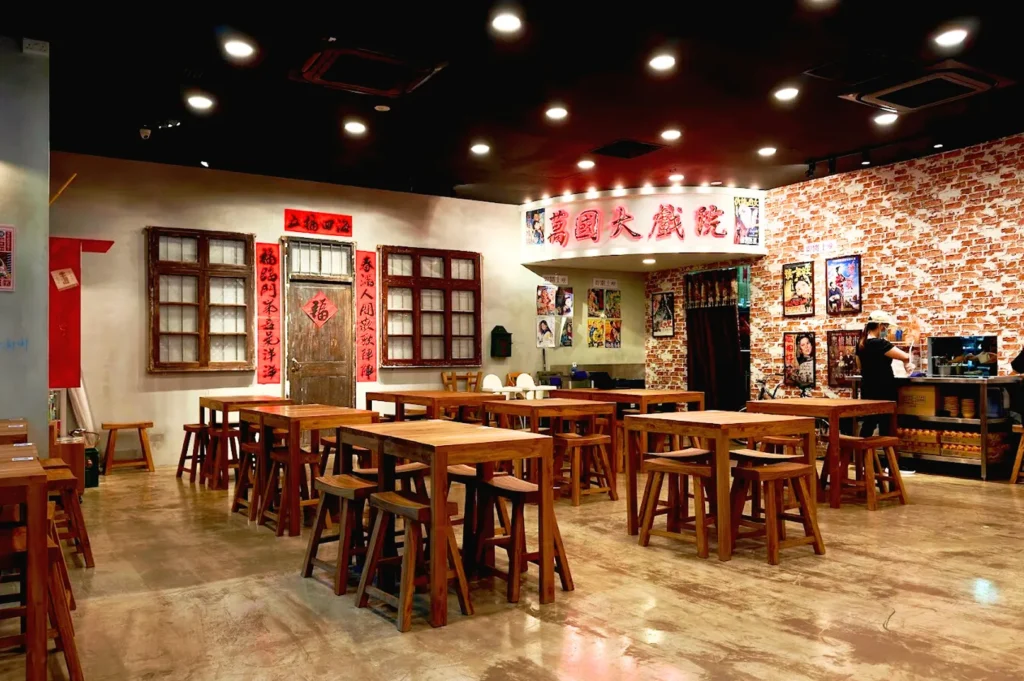
Eat 3 Bowls @ Bendemeer is located at 80 Bendemeer Road, #01-01, Singapore 339949, a short walk from Boon Keng MRT. The easiest route is through the mall side towards Bendemeer Road before crossing over. This spot offers a strong retro Taiwanese mood, with old cinema posters, antique wooden tables, and playful mama-shop corners that give the space character beyond a typical lunch spot.
I dropped by once on a Friday around 11:20am, before the lunch crowd filled the room. The space felt more open and inviting than some older outlets, but by noon, the office crowd shifted the pace quickly. The atmosphere is casual and bright, built for fast comfort, reflecting the kind of food that delivers warmth and familiarity without fuss.
This casual vibe connects well to its delivery service. The food itself is designed around compact bowls and familiar tastes that travel well without needing delicate plating. The dine-in experience offers full nostalgic effect, but the delivery version is meant to bring Taiwanese comfort food right to your door, ready to enjoy at your home or workspace.
The Delivery Service Anchor: Braised Pork Rice Set
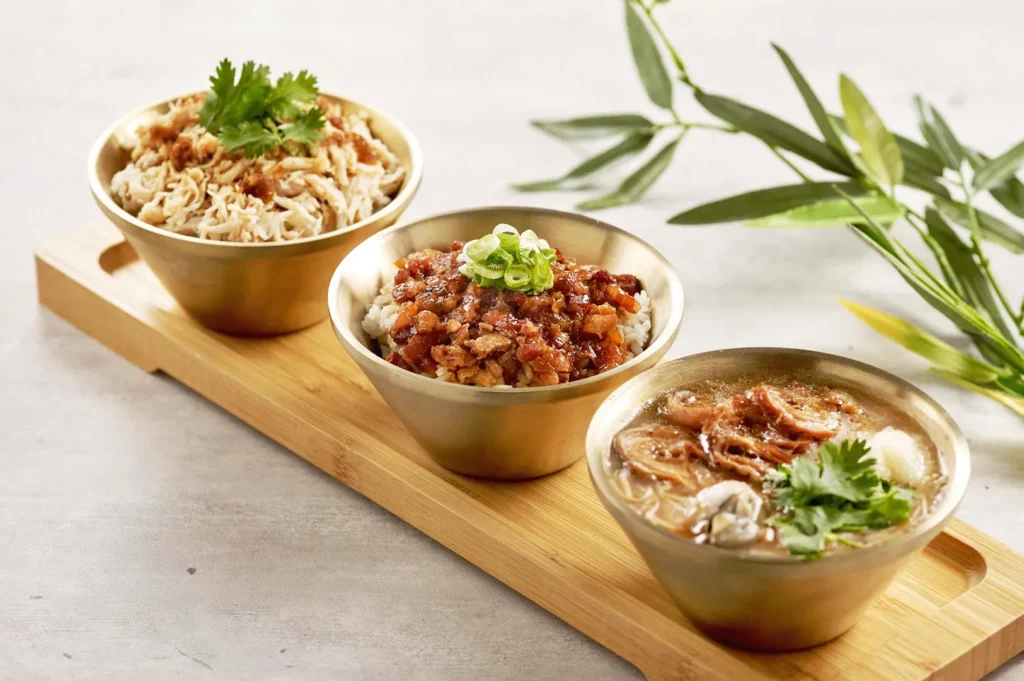
The standout dish for delivery is the Braised Pork Rice Set / Lu Rou Fan 滷肉飯 (S$11.50), a dish I found perfect to build an order around. The set includes Eat 3 Bowls’ signature braised pork over Taiwanese pearl rice, braised cabbage, and a soy-marinated egg, simple yet designed to travel well.
Delivery Quality and Taste
When I opened the delivery box, the rice was warm, not piping hot, but the sauce had seeped gently into the top layer without making the rice soggy. The pork was tender and fatty with a glossy braised texture that invites one more spoonful. The meat and sauce coated the rice just right, no sad patches of plain rice here.
The marinated egg was firm with soy-stained edges, comforting in a quiet, familiar way. The braised cabbage added a sweet, soft vegetable note, balancing the richness and keeping the dish from feeling too heavy.
Portion and Suitability for Delivery
Portion-wise, it’s manageable rather than huge. For bigger appetites, adding a snack or drink from the menu might be necessary. Still, as a dish meant for delivery, it’s exactly the kind of food that holds up well during transit, with flavors that settle and deepen over time.
The Lighter Delivery Option: Shredded Chicken Rice Set
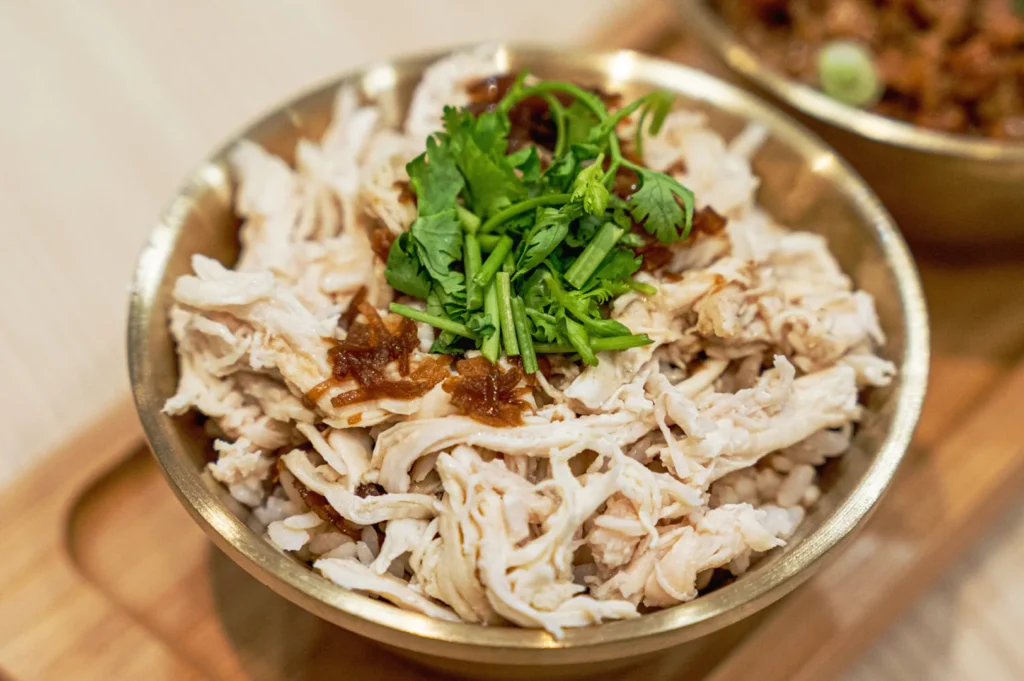
For those who want a lighter taste, the Shredded Chicken Rice Set / Ji Rou Fan 雞肉飯 (S$9.50) offers a clean, tender alternative. This bowl features soft shredded chicken over pearl rice, braised cabbage, and a Taiwanese sausage slice.
Delivery Quality and Taste
The chicken’s texture is delicate and slightly sweet, contrasting with the glossy, fatty lu rou fan. The shredded meat sits loosely on the rice, allowing clearer bites of each component. For delivery, I found it travels well but benefits from a little extra flavor, I added some chili from the side, which woke up the dish nicely.
Portion and Suitability for Delivery
The Taiwanese sausage brings a chewy, smoky sweetness that breaks up the softness of the chicken and rice, adding a welcome textural surprise. This dish is a solid choice for a work-from-home lunch when you want something warm but not heavy.
Fragile But Flavorful: Oyster & Pig Intestine Mee Sua
The most characterful dish, and also the most fragile for delivery, is the Oyster & Pig Intestine Mee Sua / 蚵仔大腸麵線. This dish is beloved locally and often a signature choice on the menu.
Delivery Quality and Taste
Mee sua’s naturally soft wheat vermicelli thickens in transit as it absorbs broth, turning the dish into a rich, savory porridge by the time it arrives. The broth is warm, garlicky, and slightly tangy, with vinegar cutting through the richness. Plump oysters and soft pig intestines add luxurious texture and umami depth.
If you enjoy thick, comforting textures, this dish is a delicious treat. But for those expecting clean, separate noodles, delivery changes the experience. I’d recommend ordering this only if you live nearby or don’t mind the texture shift.
Portion and Suitability for Delivery
This dish is best enjoyed fresh due to its delicate texture and tendency to thicken during delivery. It suits those who appreciate hearty, porridge-like meals and can tolerate texture changes caused by transit.
Snack Add-On: Salted Crispy Chicken
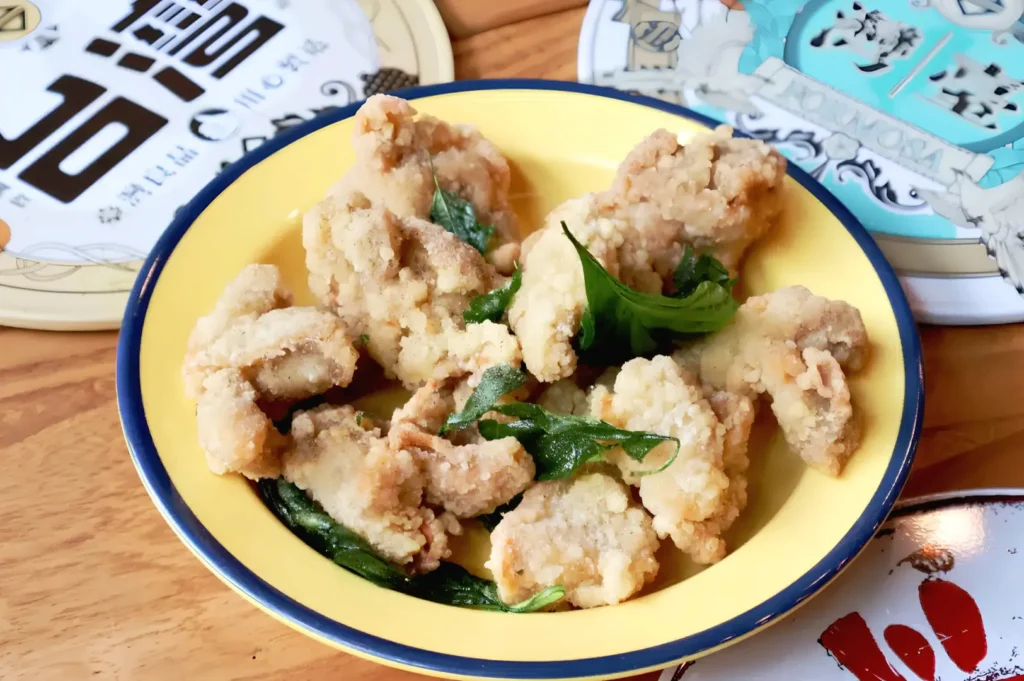
Taiwanese fried chicken is a delivery test, and Eat 3 Bowls’ Salted Crispy Chicken mostly passes. When delivered, the chicken arrives warm with a light golden batter and a peppery, herbal aroma that signals its Taiwanese roots.
Delivery Quality and Taste
Inside, the meat stays juicy, but the crunch softens during delivery, a natural effect of steam trapped in the container. If you’re ordering nearby, this snack adds a satisfying contrast to the rice bowls. For longer delivery times, expect delicious flavor rather than shattering crispness.
Portion and Suitability for Delivery
A helpful tip: open the container immediately upon arrival to let steam escape and preserve as much crunch as possible.
A Riskier Delivery Choice: Taro Pork Floss Sandwich
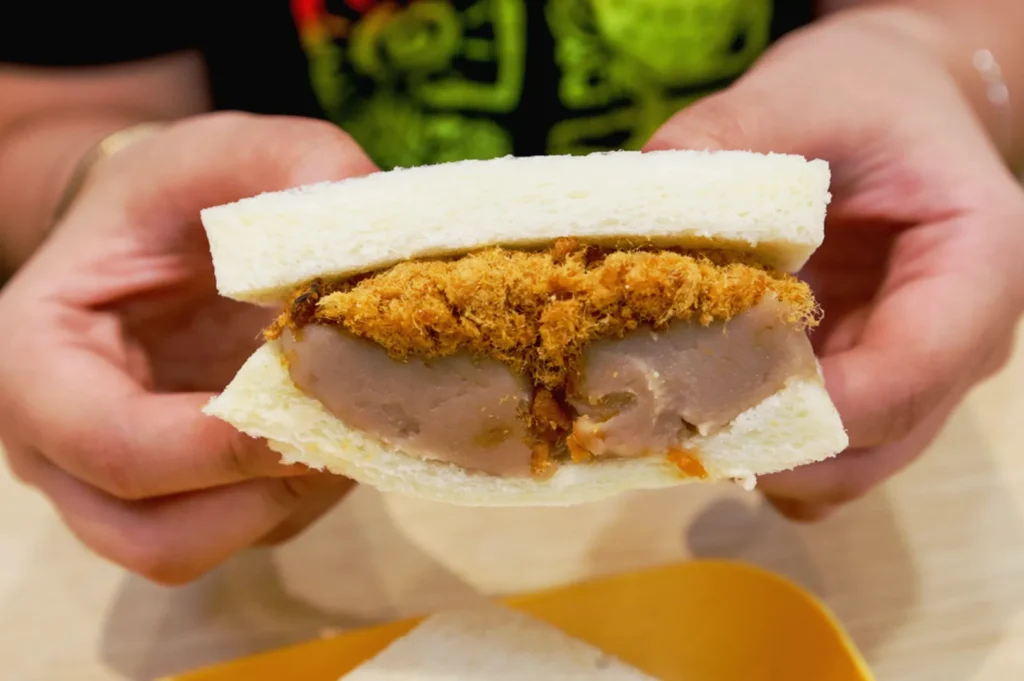
The Taro Pork Floss Sandwich combines soft bread with sweet-savoury taro and pork floss, straddling the line between dessert and snack.
Delivery Quality and Taste
For delivery, this sandwich can be a gamble. The flavors may surprise or confuse, depending on your palate. If you love sweet-savory bakery items, you might enjoy it, but for others, it may feel like an odd middle ground.
Portion and Suitability for Delivery
For a delivery order, I’d prioritize the rice bowls, mee sua, and fried chicken first. The sandwich is more a curiosity than a must-have.
Ordering Online and Delivery Service Experience
Eat 3 Bowls recently enhanced its ordering convenience with QR code menus and digital payment options like Apple Pay, making it easy to order online and pay securely. For those who prefer, counter payment remains an option.
Delivery is available through platforms such as Oddle, Oddle Eats, and foodpanda, offering island-wide delivery across Singapore. Oddle also supports pickup for locals who want to simply pick their order up and avoid wait times.
Delivery times vary by hour and area. The Bendemeer outlet is near office buildings, so lunch rushes can stretch prep times. To avoid delays, order online before the crowd builds, ideally around 11:15am to 11:30am for a noon delivery.Singapore also boasts a variety of halal-certified establishments in Singapore, ensuring diverse dining options for all preferences, including those seeking the best halal restaurants in Singapore.
How to Get the Most from Your Delivery
- Best dishes for delivery: Braised Pork Rice Set anchors the order, with Shredded Chicken Rice Set as a lighter choice.
- Add-ons: Salted Crispy Chicken is great if you’re nearby; Oyster & Pig Intestine Mee Sua is best enjoyed fresh or if you don’t mind thicker noodles.
- Portion sizes: Bowls are satisfying but not huge; consider adding a snack or drink.
- Ordering: Use QR code menus and pay online for a smooth, fuss-free experience.
- Support locals: Ordering online helps support Singapore’s vibrant food scene and local shops, especially with island-wide delivery options.
Eat 3 Bowls offers a delivery service that simply works, delivering delicious Taiwanese comfort food that locals love, with tastes that survive the journey from kitchen to door. It’s a practical, happy choice for anyone craving warm, satisfying dishes without leaving home. For those interested in exploring other comforting Asian flavors, check out our guide to the best Japanese curry Singapore has to offer, click here for the full article.
Comfort Delivered: The Last Word on Eat 3 Bowls
Eat 3 Bowls Bendemeer works because it understands comfort food as something practical, not precious. The food doesn’t need perfect restaurant lighting or a long explanation. It needs warmth, sauce, rice, and enough character to survive the journey from kitchen to table.
For delivery, the Braised Pork Rice Set is the clear winner. It’s saucy, compact, warm, and built for the ride. The Shredded Chicken Rice Set is a good lighter option, while the Oyster & Pig Intestine Mee Sua brings more Taiwanese personality but requires more tolerance for texture changes in transit.
The downsides are real. Portions aren’t huge, fried items may lose crunch, lunch timing can affect speed, and a few items like the Taro Pork Floss Sandwich may not work for every palate.
But I’d still order from Eat 3 Bowls again, especially on a busy day when I want lunch to feel cared for without being complicated. It’s not delicate restaurant dining. It’s Taiwanese comfort food that arrives, settles in, and does what comfort food is meant to do.

How to Drink Sake: Your Guide to Enjoying Japanese Sake Wine
Eda Wong | December 5, 2025
As Japan’s national beverage, this traditional sake is present at celebrations, quiet dinners, and spiritual offerings, weaving itself into the very fabric of daily life and reflecting Japan’s deep-rooted cultural heritage. Yet, for many outside of Japan, it remains a delightful mystery. You might find yourself wondering, how do you drink sake properly to unlock…

What Is Sashimi? A Guide to Raw Fish, Sliced Raw Fish, and Japanese Seafood
Eat Drink Asia Team | December 3, 2025
Sashimi is one of the clearest ways to understand Japanese cuisine because there is very little to hide behind. At its simplest, sashimi is sliced raw fish or seafood served without sushi rice, usually with soy sauce, wasabi, and simple garnishes such as daikon radish. But the dish is not just “raw fish on a…

Understanding Sake Alcohol Content: A Complete Guide to ABV and Flavor
Eda Wong | December 2, 2025
When exploring Japanese sake, many wonder about its grades and complex flavors. Sake’s unique profile offers remarkable versatility, enjoyed in various serving styles and paired with diverse dishes. One fundamental aspect is sake alcohol content. Is sake stronger than wine? How does its alcohol by volume (ABV) compare to beer? The answer is nuanced. Understanding…
-
Japanese Sake: The Complete Guide to Japan’s Traditional Rice Wine
Dio Asahi | November 29, 2025
Japanese Sake: The Complete Guide to Japan’s Traditional Rice Wine While sake has been Japan’s national beverage for over a millennium, its popularity across Asia is at an all-time high. Rooted in Japan’s traditional brewing methods and centuries-old origins. It symbolizes Japan’s cultural heritage and craftsmanship. Understanding this complex brewed alcoholic beverage opens doors to…

Best Japanese Foods in Japan: The Must-Try Dishes
Eda Wong | November 27, 2025
Japan’s culinary world extends far beyond well-known sushi and ramen, revealing a rich variety of regional specialties cherished by locals. While many travelers stick to popular Japanese foods in tourist areas, authentic flavors are best discovered in neighborhood markets, family-run eateries, and seasonal menus reflecting centuries of Japanese cooking tradition. Understanding Japanese cuisine requires more…
-
Japanese Food in Japan: The Ultimate Guide to Authentic Culinary Experiences
Eat Drink Asia Team | November 25, 2025
Experiencing Japanese food in Japan is fundamentally different from eating Japanese cuisine anywhere else. While sushi restaurants and ramen shops have spread globally, the authentic flavors, techniques, and cultural context of Japanese food can only be fully appreciated in its homeland. From meticulously selecting ingredients at peak freshness to centuries-old traditions shaping every meal, eating…
-
Food in Japan: A Complete Guide to Japanese Cuisine and Culinary Culture
Eda Wong | November 22, 2025
The gentle steam rising from a bowl of miso soup carries more than just the earthy aroma of fermented soybeans-it carries centuries of Japanese culture and culinary wisdom. When you eat in Japan, you’re not simply consuming a meal; you’re participating in a ritual that connects you to the seasons, the land, and a philosophy…
-
Ramune Marble Soda: History and Cultural Meaning of Japan’s Iconic Marble Soda
Dio Asahi | November 20, 2025
Among Japan’s beloved fizzy drinks, none evoke nostalgia and uniqueness quite like Ramune marble soda. Instantly recognizable by its quirky Codd neck bottle and glass marble seal, Ramune soda is an essential part of Japanese summer, cherished by generations for its refreshing taste and signature pop sound. This marble soda remains a staple at summer…
-
Hokkaido’s Best Seafood Treasures: Beyond Sushi and Sashimi
Eat Drink Asia Team | November 18, 2025
When visiting Hokkaido, Japan’s northernmost island, food lovers are greeted with some of the most highly regarded seafood specialties in the world. Hokkaido is famous for its abundance of fresh seafood and rich fishing grounds, thanks to the surrounding Sea of Japan, Pacific Ocean, and Sea of Okhotsk. These nutrient-packed waters yield a wide range…
-
The Art of Asian Tea Ceremony Traditions: Ancient Rituals and Cultural Values Across Asia
Dio Asahi | November 15, 2025
A cup of tea, in many parts of Asia, represents far more than a beverage-it is a conduit to ancestral tradition, intellectual pursuit, and the cultivation of mindfulness. Asian tea ceremony traditions turn the act of drinking tea into a sophisticated art form, layered with symbolism, philosophy, and socio-cultural values. Each gesture, from scooping powdered…