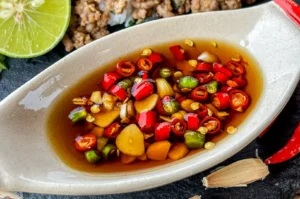
At a narrow lunch table in Bangkok, the bottle arrives before the rice has stopped steaming. It is clear glass, refilled many times, its plastic cap slightly stained from years of fingers and heat. Beside it sits a small bowl of sliced chillies floating in amber liquid, the cut edges pale and sharp. Someone nudges it towards the centre, not as an announcement but as a gesture of readiness. The spoon taps porcelain. The fan turns above us. From the kitchen comes the smell of garlic, hot oil, and fish sauce meeting flame for one brief, salty second.
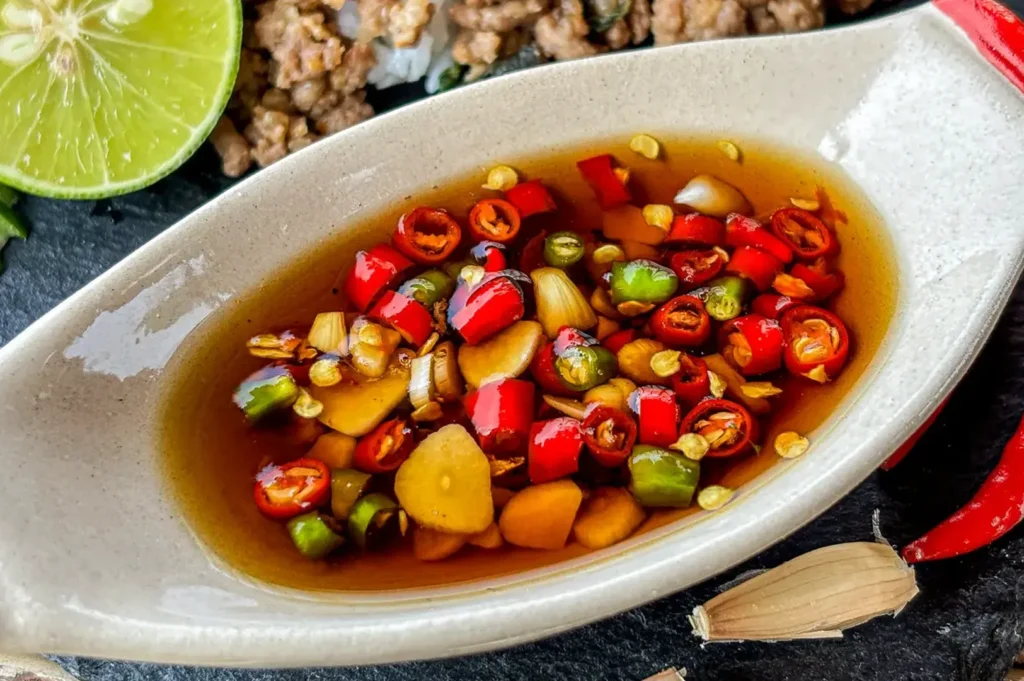
This is nam pla — น้ำปลา — pronounced roughly “nahm plah”, Thai fish sauce. In plain terms, it is a liquid seasoning made from fish and salt, left to transform slowly until it becomes clear, savoury, and deeply aromatic. At the table, it does not behave like a sauce poured for abundance. It works more quietly than that. A few drops can pull sweetness forward, sharpen a bowl of rice, or give soup a firmer edge. In many Thai meals, it appears as part of prik nam pla, fish sauce with sliced chillies, sometimes lime and garlic. The craft begins long before the table: in the patience of salting, pressing, waiting, and drawing off a liquid that carries depth without heaviness.
What interests Eat Drink Asia is not only its flavour, but the way people use it. At a shared table, seasoning is both personal and social. You adjust your own spoonful, not the whole dish. You taste first, then decide. Too much fish sauce can flatten a meal into salt; too little can leave it polite but unfinished. This small act teaches restraint without making restraint feel severe. It also holds memory. Someone may add more chillies because that is how their father ate noodles. Someone else may avoid touching the bottle because the cook has already balanced the dish. These choices happen quickly, almost invisibly, yet they reveal how people carry appetite, habit, and respect into the same bowl.
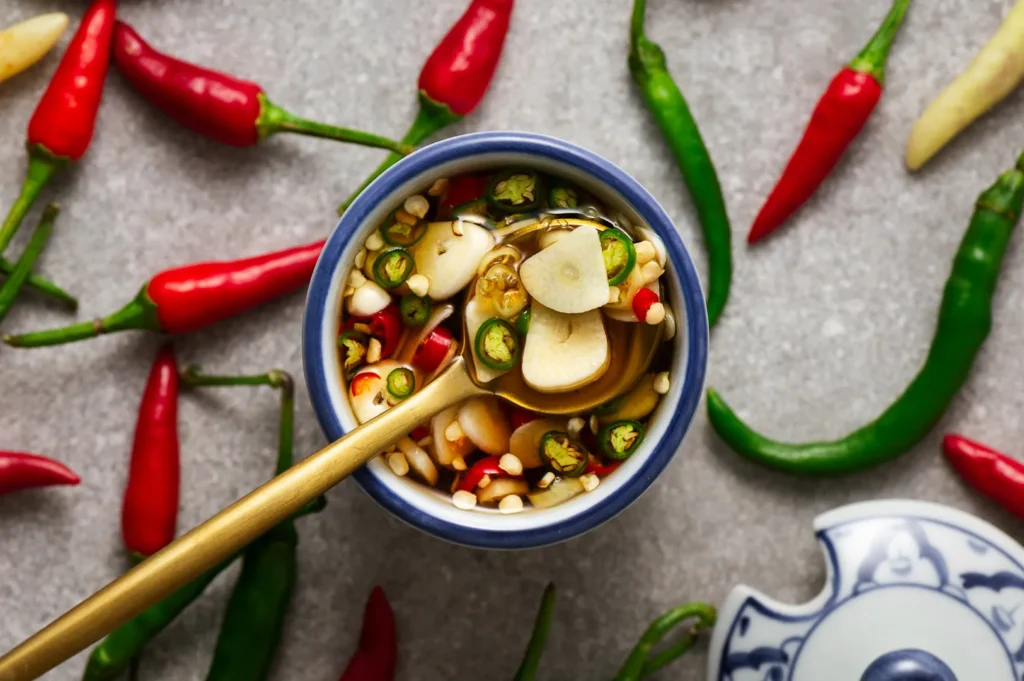
There is a tension now between convenience and care. Fish sauce comes in sachets with takeaway meals, in neat supermarket bottles, in polished restaurant cruets designed to look clean rather than lived in. None of this is wrong; food has to move with the speed of the city. But something changes when the table loses the small, shared grammar of seasoning. The old bottle with its cloudy rim asks for attention. It asks you to notice before you alter. It reminds you that flavour is not only built in the kitchen, but completed in relation to others.
By the end of lunch, the bowl of chillies has darkened slightly, its seeds resting at the bottom like sand. The bottle returns to the side of the table. Nothing dramatic has happened. Still, the meal feels more exact because of that quiet liquid, waiting to be used carefully.

Toasted Rice Powder: The Dust That Makes Larb Sing
Dio Asahi | July 8, 2026
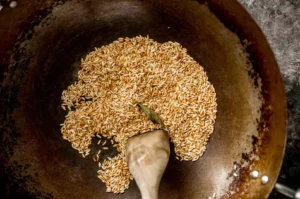
A wok sits over a low flame, and a handful of raw sticky rice slides across its dry surface. No oil, no water—nothing but heat and patience. The grains pale, then blush amber, then deepen toward the color of weak tea. Someone shakes the pan in a slow, even rhythm, listening as much as watching….
-
Ordering Lunch From Co Hai Banh Mi, and Finding Out the Definition of Good Food Delivery
Dio Asahi | July 7, 2026
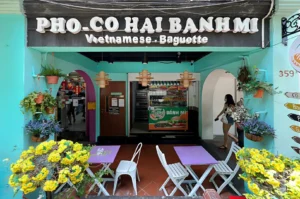
I ordered lunch from Co Hai Banh Mi & Phở Vietnamese Restaurant on a Thursday at 12:08pm, which is probably the worst and most honest time to test delivery food. It was raining lightly, the kind of Singapore lunch rain that makes every rider slower and every office worker hungrier. I had been thinking about…

Orchard Plaza Food: Hidden Japanese Restaurants and Local Eats Near Somerset
Eat Drink Asia Team | July 4, 2026
Orchard Plaza is one of those buildings we kept walking past before we properly understood it. From the street, it looks more like an office block than a dinner plan. But over repeated visits, usually after work or during odd lunch windows, we’ve found that the real charm sits behind lift doors, quiet corridors, and…
-
Salted Egg, Properly Treated: Sauce, Not Shortcut
Eda Wong | July 3, 2026
By Eda Wong for Eat Drink Asia. The wok station is already hot when the cook lowers the flame. In the narrow back of a Singapore zi char kitchen, the air smells of butter, curry leaves, and the faint mineral edge of salted duck egg. A metal spatula presses cooked yolks through oil until they…
-
Fish Sauce at the Table: The Quiet Work of Fish Sauce
Dio Asahi | July 1, 2026
At a narrow lunch table in Bangkok, the bottle arrives before the rice has stopped steaming. It is clear glass, refilled many times, its plastic cap slightly stained from years of fingers and heat. Beside it sits a small bowl of sliced chillies floating in amber liquid, the cut edges pale and sharp. Someone nudges…
-
Eat 3 Bowls Bendemeer Review: A Taiwanese Comfort Food That Delivers
Eda Wong | June 30, 2026
I ordered Eat 3 Bowls @ Bendemeer on a Thursday at about 11:45am, which is my favourite test window for delivery food. It’s close enough to lunch for the kitchen to be in rhythm, but not so late that every rider in the neighbourhood is already fighting the office crowd. By 12:25pm, the bag was…
-
ABC Hokkien Mee After Renovation: What to Expect When the Woks Return
Dio Asahi | June 27, 2026
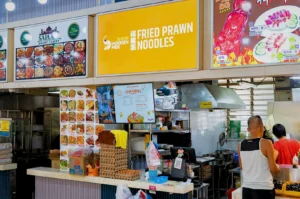
When I first walked past a hawker centre undergoing major renovations, the absolute silence unsettled me. The usual rhythmic scrape of metal spatulas against cast-iron woks was gone, replaced by the hum of construction. It made me realise just how much our culinary journeys are tied to the physical spaces we eat in. Right now,…
-
Claypot Rice Crusts: Listening for the First Crackle
Eda Wong | June 26, 2026
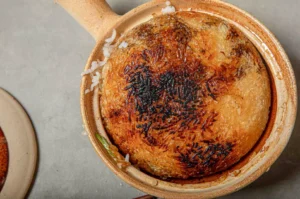
The narrow alleyway in Yau Ma Tei smells of charcoal and dark soy sauce, a thick coastal humidity pressing against the glow of the stoves. An elderly cook stands before a row of blackened sand-clay pots, a long metal tong in his right hand. He does not watch the flames; he listens to them. There…
-
Shiok Hokkien Mee and the Pleasure of a Plate That Clings: Tiong Bahru Hokkien Mee at Midday
Eat Drink Asia Team | June 25, 2026
I have always believed that the true test of a neighbourhood’s food scene happens right in the middle of the day. When the midday hunger hits, you don’t want a tasting menu; you want a fast, flavourful culinary journey that hits the spot. That is exactly what led me, representing the Eat Drink Asia team,…
-
When Curry Learns to Breathe
Dio Asahi | June 24, 2026
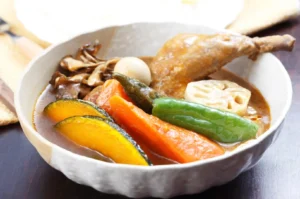
The rain taps lightly against the glass of a quiet Japanese diner, turning the pavement outside a slick, silver grey. Inside, the bowl arrives with steam first, then colour: pumpkin orange, aubergine purple, and a dark curve of chicken set against a broth that looks too light to carry so much heat. The spoon touches…