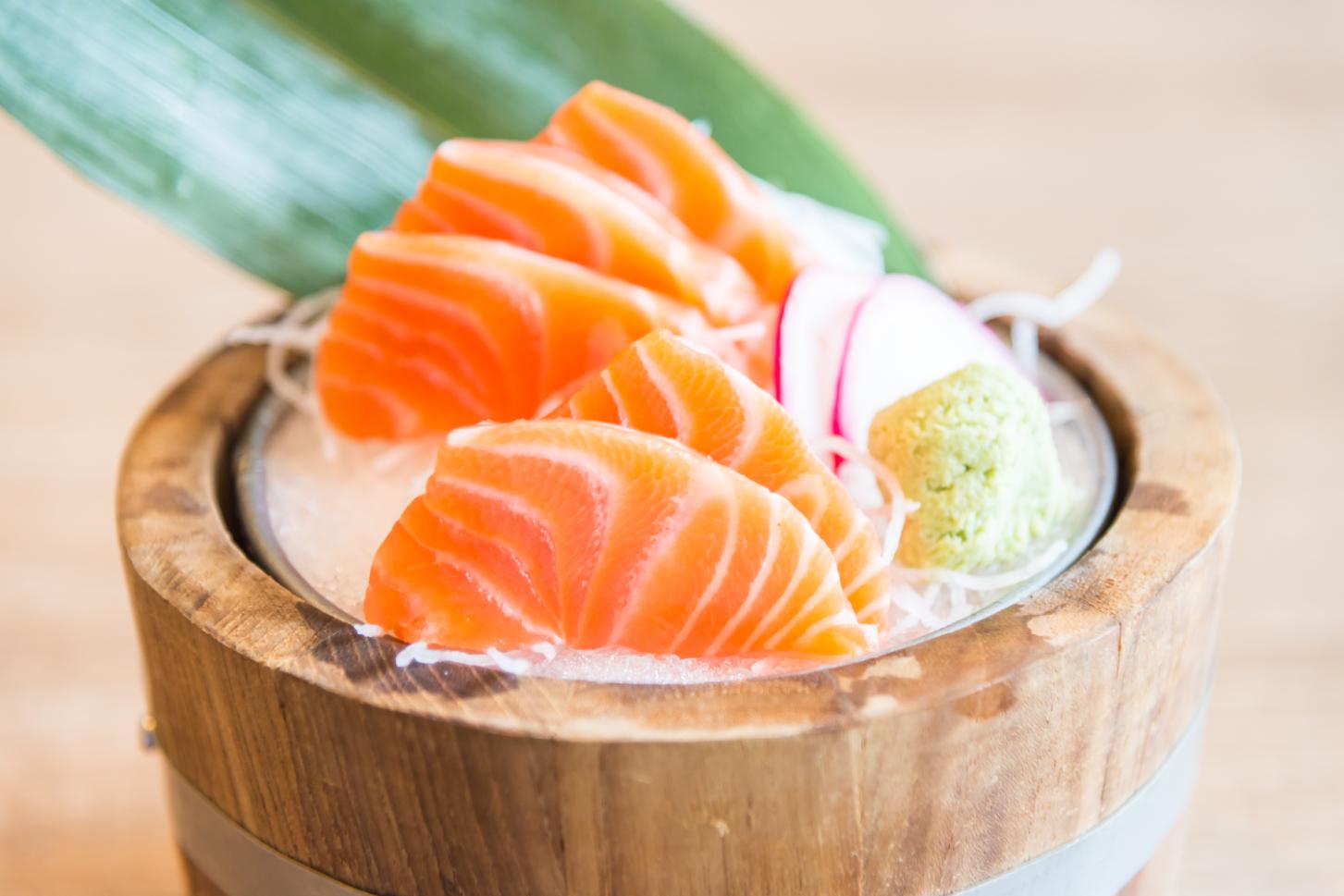
Sashimi is one of the clearest ways to understand Japanese cuisine because there is very little to hide behind. At its simplest, sashimi is sliced raw fish or seafood served without sushi rice, usually with soy sauce, wasabi, and simple garnishes such as daikon radish. But the dish is not just “raw fish on a plate.” Good sashimi depends on fresh fish, careful handling, knife work, temperature, and the natural texture of the fish meat itself.
Beyond Fresh: What Defines Quality Sashimi?
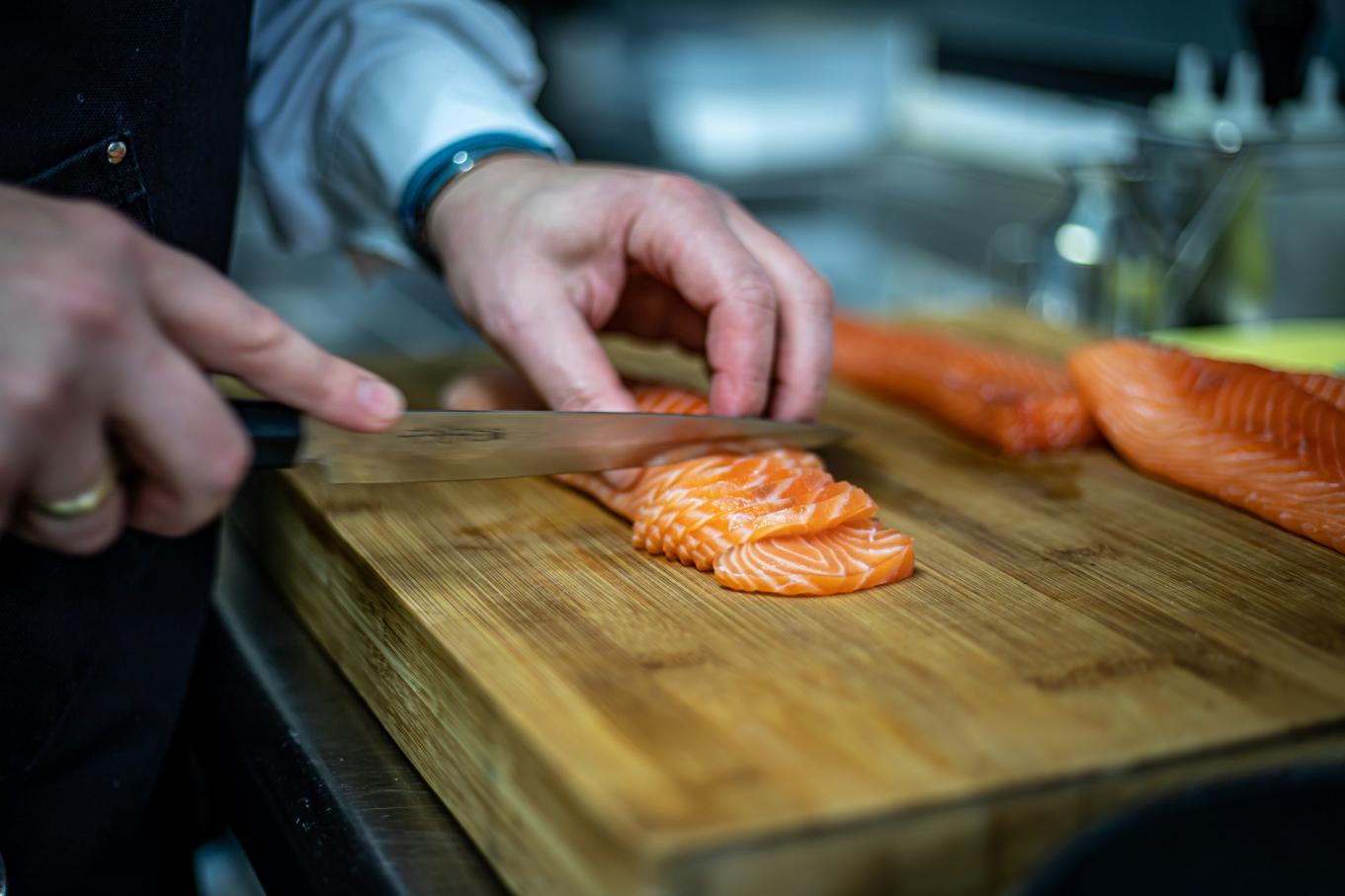
The term “fresh” is often used as a catch-all for quality, but in the context of high-end sashimi, it represents a far more complex ideal—freshness is paramount, ensuring optimal flavor, safety, and visual appeal. While proximity to the sea is a factor, the journey of premium sashimi begins thousands of kilometers away, at the world-renowned Toyosu Market in Tokyo, where only the highest quality ingredients are selected for their superior taste and texture.
Sashimi is a traditional Japanese dish made from raw seafood, carefully prepared and served raw to highlight the natural flavors and delicate textures of the fish. The art of sashimi lies in the chef’s ability to select, handle, and thinly slice the seafood, enhancing both the taste experience and the visual presentation of each piece.
The Toyosu Connection
Every morning, before the sun rises over Tokyo Bay, a meticulously orchestrated auction takes place. The finest catches from Japan’s waters are inspected, graded, and dispatched to chefs around the globe. For Singapore’s top Japanese restaurants, this means a near-daily shipment of fish, often arriving in the city on the same day it was purchased.
This direct line to Toyosu is the first, non-negotiable step in offering truly fresh sashimi in Singapore, where these premium ingredients are showcased across our menus and crafted into exquisite sashimi dishes. The fresh fish from Toyosu is transformed by our chefs into a memorable meal, highlighting the artistry and variety of Japanese cuisine. The careful handling ensures that even when served hot in some accompanying dishes, the sashimi maintains its delicate balance of flavors.
Sashimi vs Sushi: Why Rice Makes the Difference
The easiest way to understand the difference is to look for rice. Sushi is built around seasoned rice, usually vinegared rice, paired with seafood, egg, vegetables, or other toppings. Nigiri is a type of sushi where a slice of fish or seafood sits on a small mound of rice. Sashimi, by contrast, is seafood served without rice, so the quality of the fish, the standard cut, and the natural flavors are much more exposed.
This is why a good Japanese restaurant treats sashimi with such care. A piece of salmon sashimi should taste clean and rich, not muddy or warm. Bluefin tuna should show its fat, color, and texture. Squid may be cut into fine lines to soften the chew, while octopus is often cooked before being sliced and served chilled. Not every item on a sashimi plate is raw in the same way, but the dish is still built around seafood prepared to be eaten simply.
A Matter of Time and Temperature
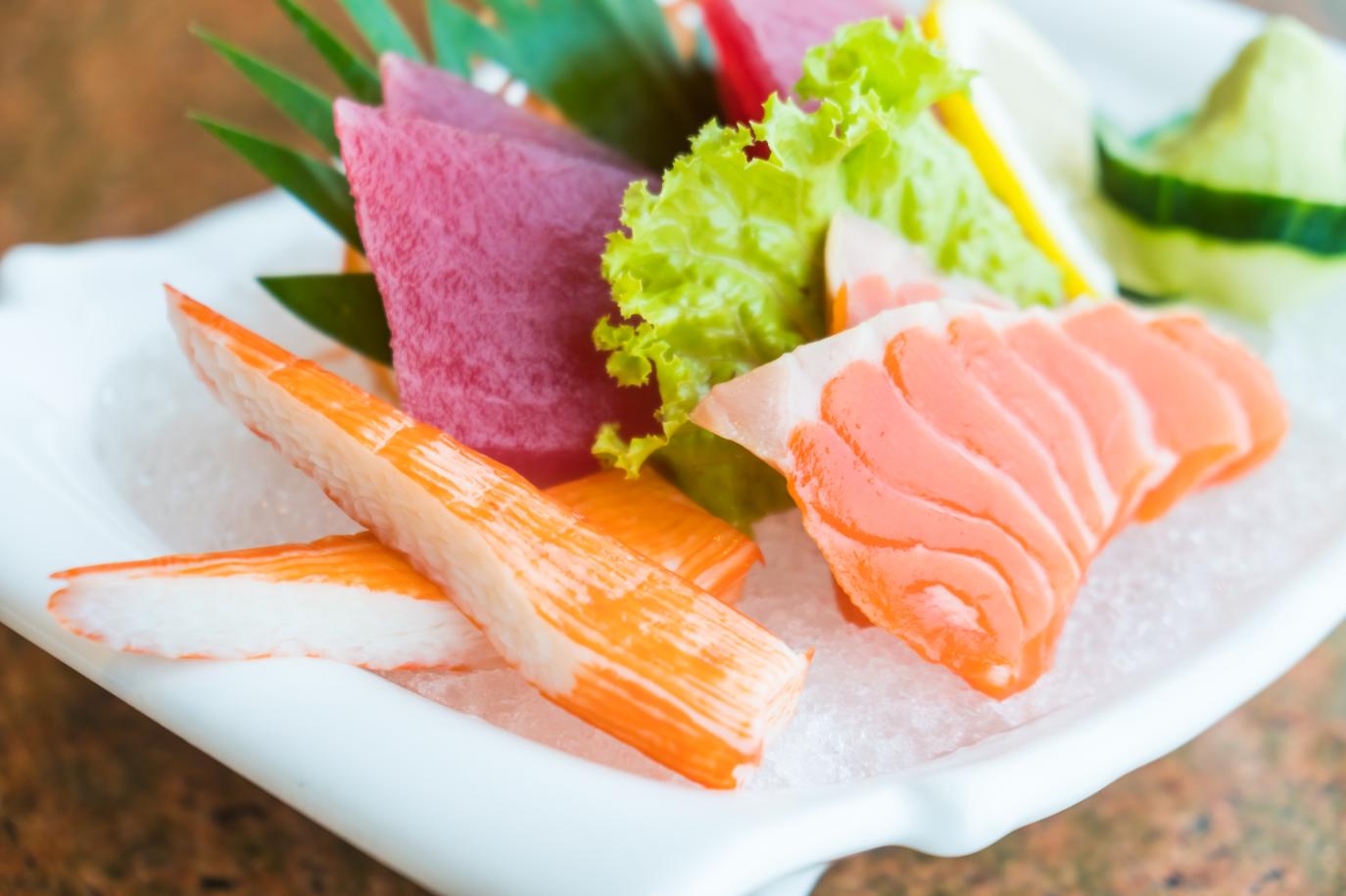
The discipline of a Japanese kitchen is built on respect for ingredients and process. This dedication is often most visible in what is unseen: the hours of preparation that occur long before the first guest arrives. This is where knife work, temperature control, and portioning become paramount.
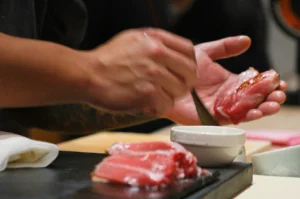
Every slice of sashimi is a testament to the chef’s skill. The angle of the blade, the pressure applied, and the thickness of the slice are all carefully calibrated to enhance the fish’s natural texture. Temperature control is equally critical for the perfect sashimi experience:
- Fish served too cold can taste flat because its oils and flavors stay muted.
- Fish served too warm can feel loose, soft, or unsafe.
- The best sashimi is served chilled but not icy, allowing the texture, fat, and natural sweetness of the seafood to come through.
This delicate balance of technique and temperature ensures each piece delivers optimal taste and texture.
A Case Study in Discipline: The Dinner-Only Omakase
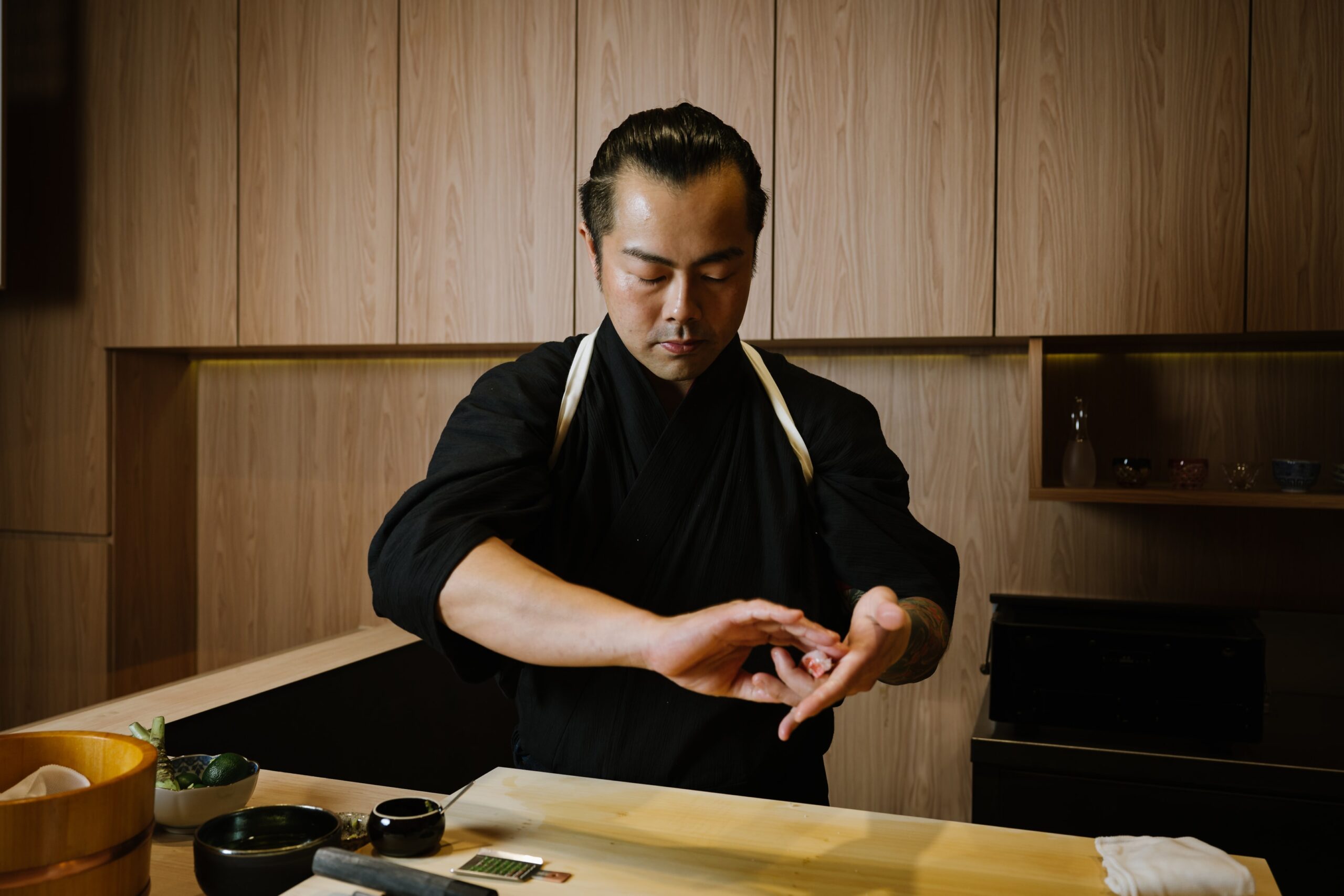
In a competitive dining landscape where maximizing opening hours is standard practice, some establishments choose a more deliberate path. This philosophy is quietly embodied at Sushi Masa by Ki-setsu, a discreet eight-seat omakase counter hidden on the sixth floor of Cuppage Plaza. It is the only restaurant on its level, a serene enclave away from the building’s bustling lower floors.
For a fuller look at how sashimi fits into seasonal tasting menus, explore this guide to the best omakase Singapore.
The True Hidden Gem ; Sushi Masa by Ki-setsu
This disciplined, behind-the-scenes work ensures that when the first dinner guests arrive, every single component is ready to be served at its peak moment of flavor and texture. This dedication has not gone unnoticed, with food writers and discerning diners consistently praising the restaurant’s intimacy and the undeniable quality of its seasonal ingredients.
If you love exceptional sashimi, check out their glowing Google Reviews or click here to make a direct reservation.
The Key: The Art of Aging and Preparation
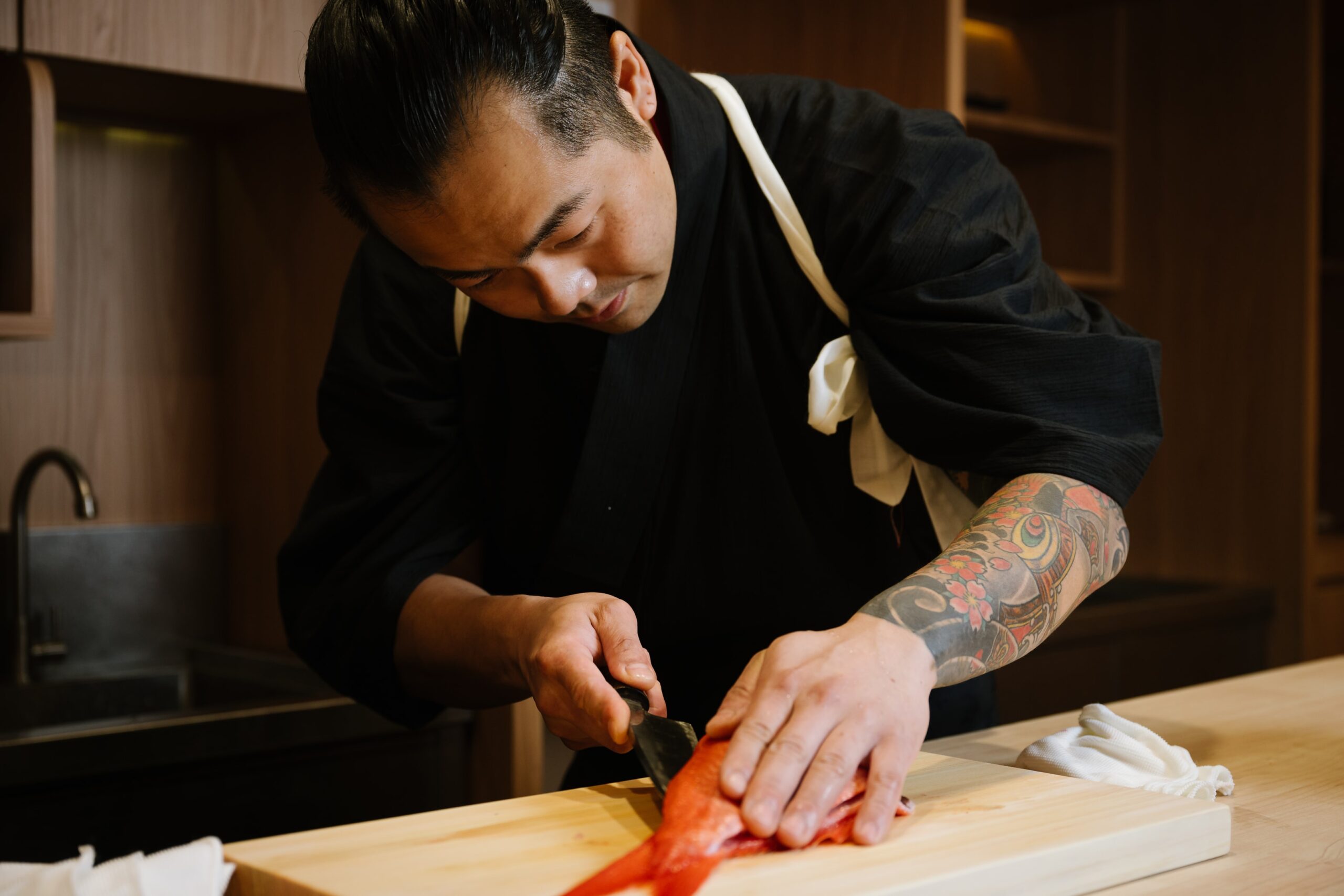
Ironically, the freshest fish is not always the best to eat immediately. The preparation of sashimi and sushi at Sushi Masa by Ki-setsu is entrusted to skilled chefs, whose expertise ensures each piece is handled with precision and care. True craftsmanship begins after the fish arrives. The process, known as jukusei (aging), is a delicate science. Depending on the type of fish—its fat content, muscle structure, and species—a master chef will decide whether to serve it immediately or let it rest. Fatty cuts, such as toro or hamachi, are carefully aged to enhance their taste and texture, resulting in a premium delicacy.
The art of sashimi preparation relies on knife skills and judgment. A chef may cut salmon sashimi into smooth, generous slices, bluefin tuna into clean blocks that show the grain of the fish meat, or squid into thin strips to make it easier to chew. Sea bream, sea bass, scallop, surf clam, sweet shrimp, lobster, and octopus all ask for different handling. Some are served raw, some are lightly treated, and some are cooked before being chilled and served as part of a sashimi-style seafood plate.
Enhancing Sashimi Flavor
Presentation is elevated with garnishes and vegetables like daikon and shiso leaves, and traditional condiments such as wasabi, soy sauce, grated ginger, and ginger are served alongside to enhance flavor and sometimes help kill bacteria. Certain types of sashimi, such as saba, may be preserved with vinegar or salt to maintain freshness and add depth to the taste. Dashi is sometimes used to enhance the flavor of sashimi, and soup can be made from fish leftovers to utilize the entire fish.
It is important to distinguish sashimi from sushi: sashimi is served without vinegared rice, focusing solely on the quality and preparation of the raw seafood. Eating sashimi involves specific etiquette, such as dipping in soy sauce, adding condiments, and appreciating the chef’s artistry. Chef Masa’s expertise in particularly sushi and sashimi ensures that each dish is a highlight of the omakase meal.
Not Just Salmon Sashimi: Tuna, Salmon Roe, Sweet Shrimp, and More
Salmon sashimi may be the most familiar order for many diners, but it is only one part of the sashimi menu. Tuna, especially bluefin tuna, can range from lean and clean to rich and fatty. Salmon roe brings a salty pop rather than a soft slice. Sweet shrimp is prized for its gentle sweetness, while surf clam has a firmer bite. Squid, octopus, scallop, sea bream, and sea bass all show how different seafood textures can be when sliced raw, thinly sliced, lightly cooked, or served chilled.
Why Sashimi Still Matters in Japanese Cuisine
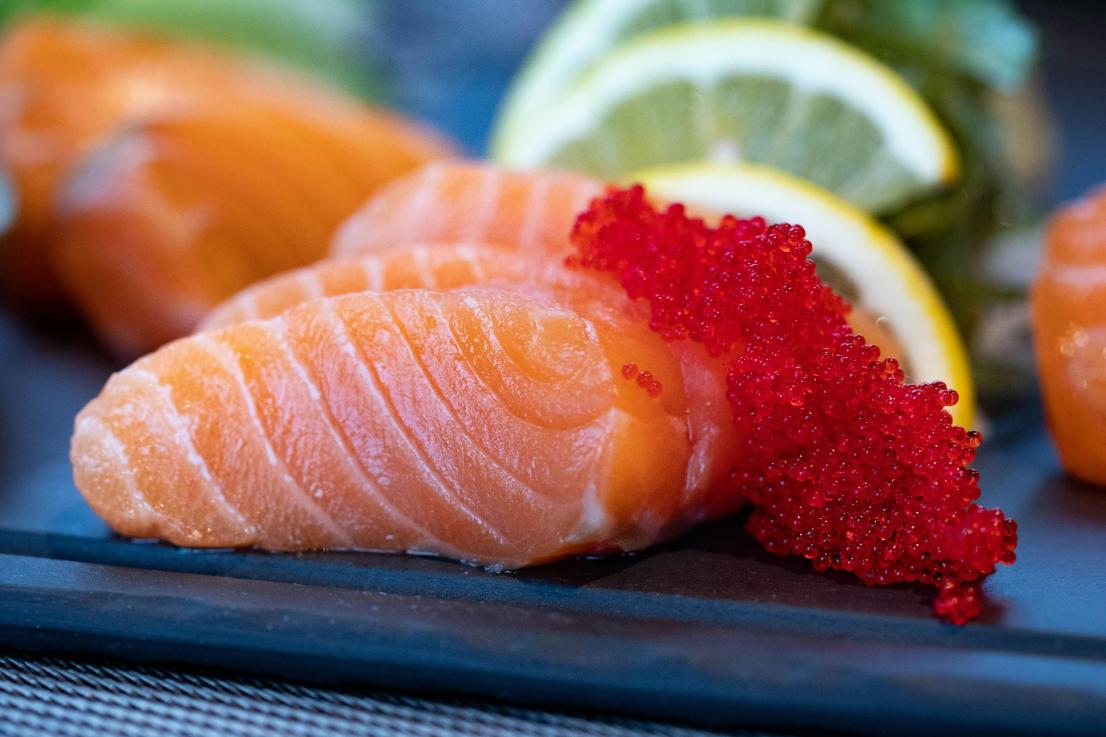
Sashimi matters because it teaches diners to notice what is often hidden in a dish: freshness, texture, temperature, knife work, and restraint. A good sashimi plate does not need heavy sauce or complicated garnish. It asks whether the fish was properly sourced, whether the fillet was handled with care, whether the slice was cut to the right thickness, and whether the seafood was served at the right temperature.
Understanding sashimi also makes you a better diner. You begin to see why a Japanese restaurant may charge more for certain seafood, why salmon sashimi feels different from sea bream, why squid may arrive in fine strips, and why sashimi is not the same as sushi. At its best, sashimi is not just raw fish. It is fresh seafood, carefully sliced, quietly served, and eaten with attention.
If you want to taste these differences in person, start with this guide from Eat Drink Asia to fresh sashimi in Singapore, where clean cuts, quiet counters, and careful sourcing matter most.

Connecting Generations: How Asiatic Food Builds Family Bonds Across Time
Dio Asahi | April 11, 2026
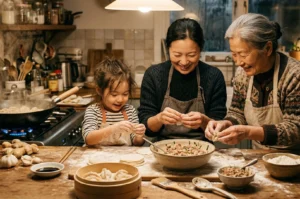
Whenever I smell toasted sesame oil hitting a hot wok, I am instantly transported back to a tiny, bustling kitchen from my childhood. The air would be thick with the aroma of ginger, garlic, and slow-simmering soy sauce. Before a single word was spoken, the meal was already telling a story. For many of us,…
-
A Comprehensive Resource for Oriental Foods Recipes for the Modern Home Cook
Eda Wong | April 10, 2026
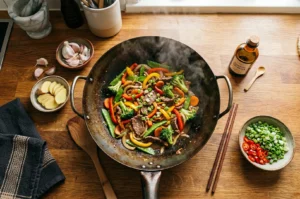
For years, I thought cooking Asian food at home required something mystical. My stir-fries were soggy, lacking that smoky breath of the wok. My fried rice was inconsistent, sometimes clumpy, other times dry. My sauces tasted flat, missing the balance of savory, sweet, and tangy flavors I craved. I assumed restaurants had secrets I’d never…
-
Pour Decisions: The Best Bars in Singapore for Craft Beers and More
Dio Asahi | April 9, 2026
Walking through the humid streets of Singapore at dusk, you can feel the city transforming. The tropical heat fades into neon lights, and the clinking of glasses begins to echo from narrow shophouses and towering skyscrapers. Singapore boasts a dynamic bar scene that rivals any global metropolis. From opulent destinations like to the laid back charm,…
-
The 8 Best Chinese Restaurants in Singapore: From Dim Sum to Peking Duck
Dio Asahi | April 7, 2026
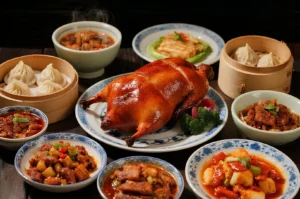
Singapore’s best chinese restaurants in singapore function less like isolated dining rooms and more like a networked system of technique. Across these chinese restaurants, you see branches of chinese cuisine expressed through roast mastery, controlled fermentation, seafood purity, and banquet choreography. This is not simply a guide to chinese food. It’s a mapped culinary journey…
-
The Neighbourhood Restaurant Test: How to Spot Truly Authentic Cuisine Restaurants in Your Area
Eda Wong | March 31, 2026
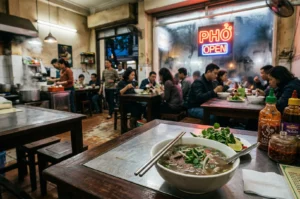
A friend texted me last week: “I’m outside this new Vietnamese place. How do I know if it’s legit before I waste my money?” It’s a question I get often. We’ve all been there, drawn in by a cool sign, only to get a plate of sad, sweet, tourist-grade pad thai that tastes like ketchup….
-
Cuisine in the World Meets Singapore: Inside Nakhon Kitchen’s Cross-Cultural Magic
Dio Asahi | March 26, 2026
There’s a rite of passage for any food lover living in the East of Singapore, and it involves a queue. Specifically, the perpetually long, snaking queue outside Nakhon Kitchen in Bedok. I’d heard the legends for years: authentic Thai food, rock-bottom prices, and a wait time that tests your commitment. So, on a Tuesday evening…
-
The Spice Route Secrets: A Deep Dive into Malay Ethnic Food
Eda Wong | March 24, 2026
My first time ordering Nasi Padang in Geylang Serai was overwhelming, I randomly picked dishes and was shocked by a $20 bill due to premium beef rendang and squid. That taught me to always ask seafood prices and that Malay food is a complex, modular cuisine. Malay food is everywhere in Singapore, in hawker centres,…
-
The Shokunin Spirit: How Japan’s Craftsman Philosophy Lives Inside Singapore’s Most Disciplined Omakase Counter
Dio Asahi | March 21, 2026
The fire is not roaring; it is breathing. In a small, darkened workshop in Sakai, a swordsmith watches the colour of the steel with eyes that have tracked the same transformation for forty years. He does not look at a clock. He listens to the hum of the charcoal. He waits for the metal to…
-
The Evolution of the Plate: How History Transformed Iconic Malaysian Dishes
Eda Wong | March 19, 2026
I used to think I understood Malaysian food. As a Singaporean, it’s practically in my DNA, right? Nasi lemak for breakfast, a cheeky roti canai for supper – I thought I had it all figured out. Then I spent a week eating my way through Penang and Kuala Lumpur, and I realised I knew absolutely…
-
The Soul of the Table: An Educational Guide to the Role of Food in Malaysian Culture
Eat Drink Asia Team | March 17, 2026
We still remember our first collective Rumah Terbuka (Open House) experience in Kuala Lumpur.Standing at the doorway of a home during Hari Raya, we were utterly paralyzed by the sheer volume of people and the aroma of Malaysian cooking. There were aunties ladling beef rendang and tables groaning under the weight of colourful kuih. “Do…