Across Southeast Asia, from bustling hawker centers to family kitchens, the sizzle of rice vermicelli noodles hitting a hot wok is a universal comfort. Few dishes capture the spirit of Asian noodle culture as well as fried bee hoon. This stir fry, made with thin rice noodles, delivers a tasty meal any time of the day—whether you crave it for breakfast, lunch, or dinner. Its delicate texture, rich flavor from soy sauce and oyster sauce, and the variety of vegetables and proteins make it a must-try dish, often found alongside fried chicken wings or served plain for a lighter bite.
This dish is far more than a simple staple; it is a cultural anchor. Whether it is served plain as a humble breakfast or piled high with shrimp, fish cakes, and fried chicken wings for a festive dinner, bee hoon represents the economical and adaptable spirit of the region. To truly understand this stir fry is to embark on a journey through history, technique, and the communal tables of the East.
The Anatomy of the Strand: Understanding Rice Vermicelli
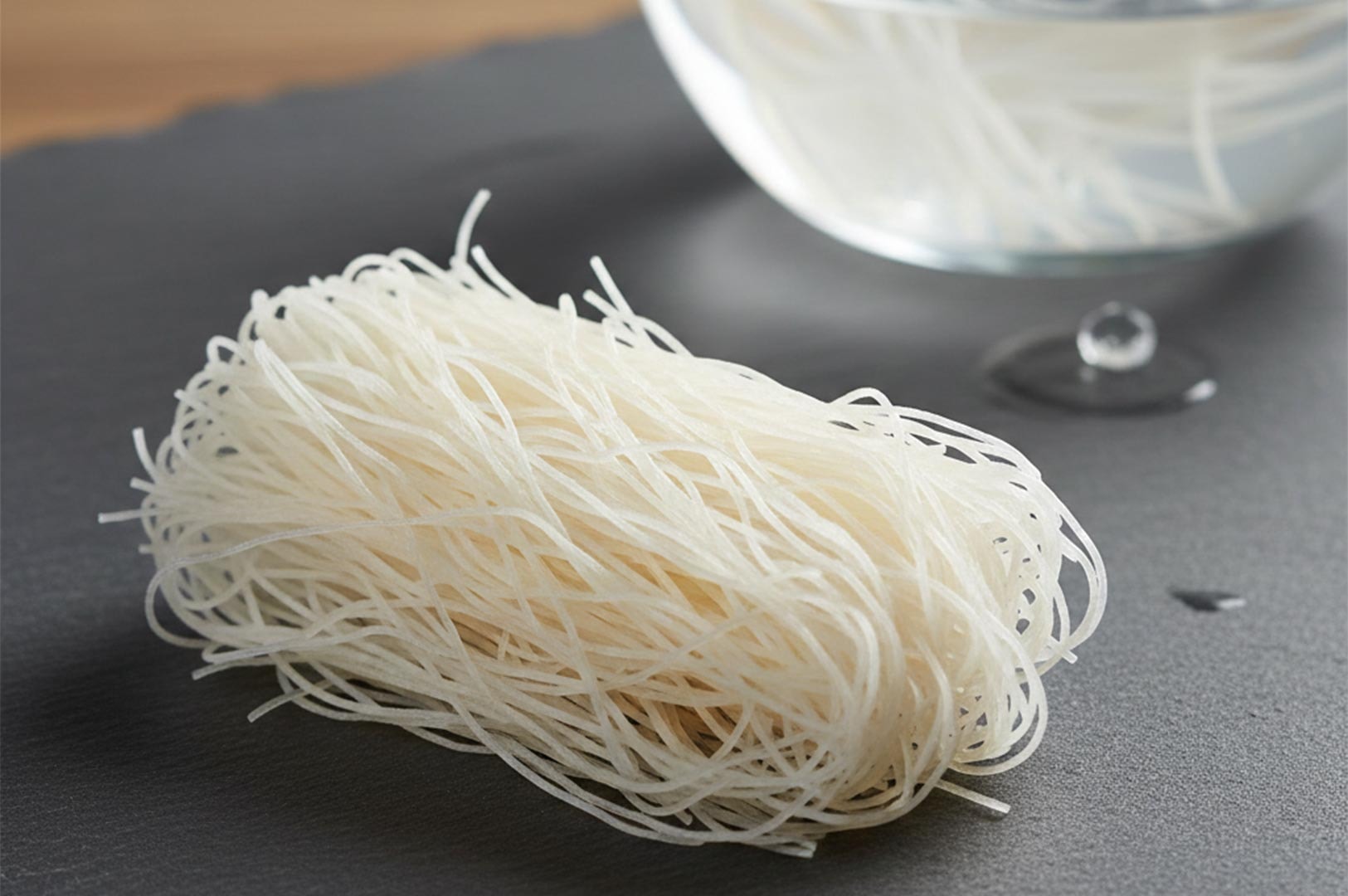
The key ingredient of this narrative is the noodle itself. Known variously as bee hoon, bihun, or rice vermicelli, these thin rice strands are crafted from a simple mixture of rice flour and water. Unlike the heavy, chewy wheat noodles of the north, these rice noodles are prized for their lightness and their incredible capacity to act as a sponge for delicious flavors.
The life of a fried bee dish begins long before the fire is lit. The dry rice vermicelli must be handled with a specific reverence. The ritual to soak bee hoon is a delicate balance; placing them in hot water or room temperature water until they are slightly softened is essential. One must avoid the temptation of boiling water, which risks turning the elegant strands into a mushy, characterless mass. Once the texture is exactly right—pliable but with a distinct “bite”—the noodles are drained and set aside, often kept in an airtight container to maintain their integrity until they meet the heat of the pan. To learn more about this staple, check out The Silk of the East: A Deep Dive into Bee Hoon and the Art of Rice Vermicelli.
A Geographic Symphony: Regional Variations of Fried Vermicelli
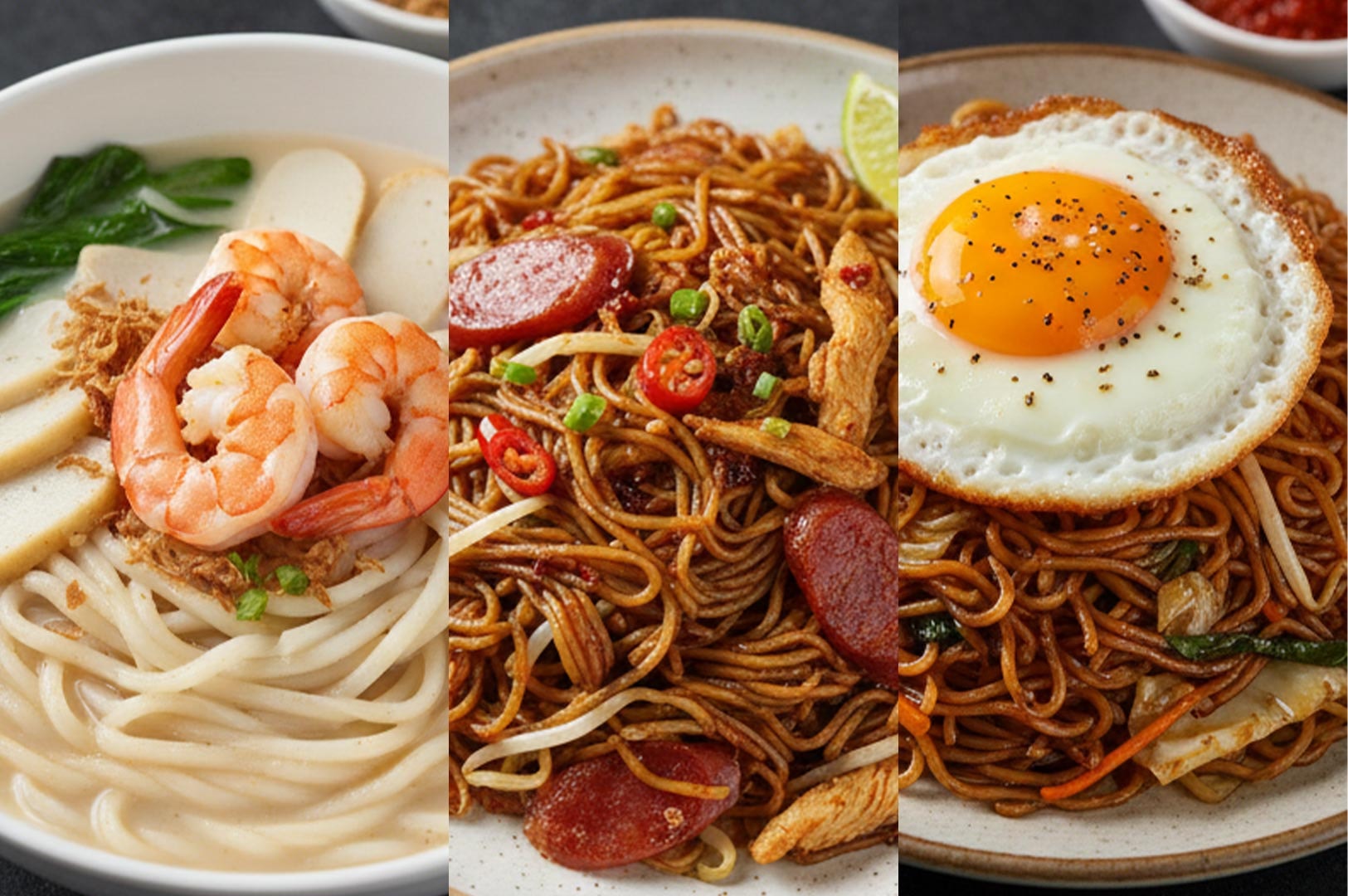
As one travels through the archipelago, the fried bee hoon morphs to reflect the local palate. In Singapore, the dish often takes the form of Singapore noodles or the beloved fried white bee hoon. This version is an exercise in restraint and purity, where the noodles are often braised in a rich chicken stock or chicken broth, absorbing the essence of the liquid until they are plump and savory. It is a tasty meal that relies on the quality of the broth rather than the intensity of the pigment.
Crossing the border into Malaysia, the profile shifts toward the bold and the spicy. Here, char bee hoon often features a darker complexion, achieved through the generous application of dark soy sauce and sweet soy sauce. The addition of sambal provides a creeping heat that defines the Malaysian experience.
Further south in Indonesia, the dish becomes bihun goreng or bee hoon goreng. This is perhaps the most decadent of the variations, defined by the heavy, syrupy presence of kecap manis. In an easy bihun goreng, the noodles are lacquered in this dark, sugary soy sauce, creating a smoky-sweet profile that pairs perfectly with a fried egg perched on top. Whether it is a one pan home-cooked version or a street-side delicacy, bihun goreng is a celebratory expression of Indonesian flavor.
The Architecture of the Wok: Technique and Heat
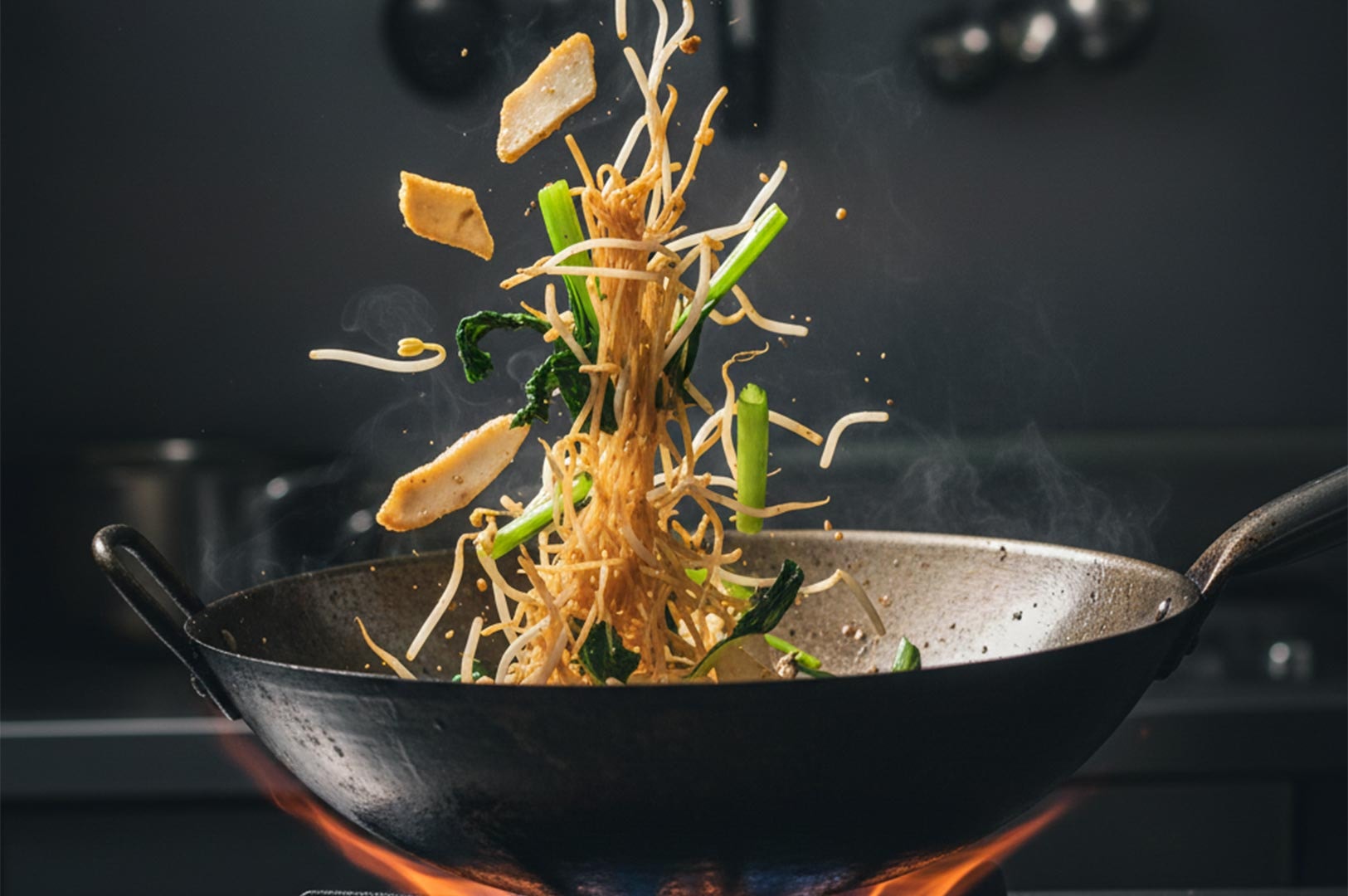
To cook a successful fried vermicelli requires more than just a recipe; it requires an understanding of the alchemy of the pan. The process begins with the heat. A non stick pan can suffice for the home cook, but the true soul of the dish is found in a large pan or wok over high heat. This intense temperature creates “wok hei,” or the breath of the wok, a smoky char that cannot be replicated by any other means.
The sequence of ingredients is a choreographed dance. First, the cooking oil or vegetable oil is heated until it shimmer. Aromatics—most notably garlic—are tossed in, releasing a scent that can be smelled from blocks away. If the version calls for it, beaten eggs are swirled into the oil, forming golden ribbons before the proteins are introduced. Add shrimp, fish cakes, or luncheon meat, searing them until they are just cooked through.
Then comes the arrival of the vegetables. A vibrant heap of cabbage, choy sum, bok choy, and bean sprouts hits the metal. For more specific regional flair, one might find baby bok choy, yu choy, or gai lan. These vegetables provide the necessary crunch and structural contrast to the soft noodles. Only then does the cook add noodles to the fray.
The Seasoning: A Balance of Umami
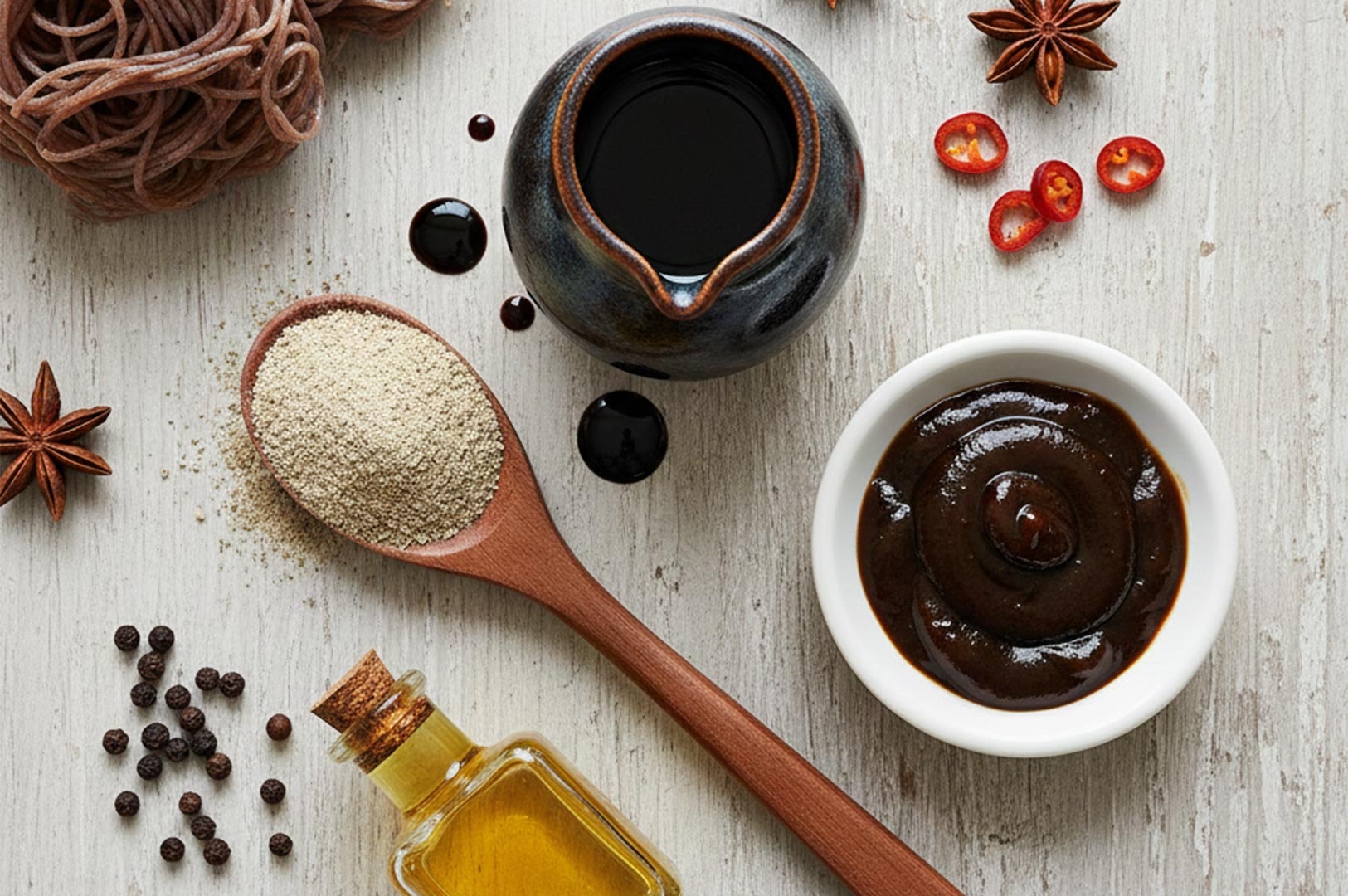
The seasoning of fried bee hoon is where the cook’s personality truly shines. A master of the craft uses a combination of light soy sauce for saltiness and dark soy sauce for that deep, mahogany color. A splash of oyster sauce provides a thick, velvety umami, while a dash of white pepper adds a sharp, floral kick.
Throughout the tossing process, the cook may find the noodles becoming dry or sticking to the pan. To remedy this, a small amount of chicken stock or chicken broth is flicked into the wok, creating a burst of steam that rehydrates the strands without making them soggy. The final flourish is almost always a drizzle of sesame oil, added just before the noodles are plated to provide a nutty, aromatic finish.
The Social Fabric of the Economical Bee Hoon
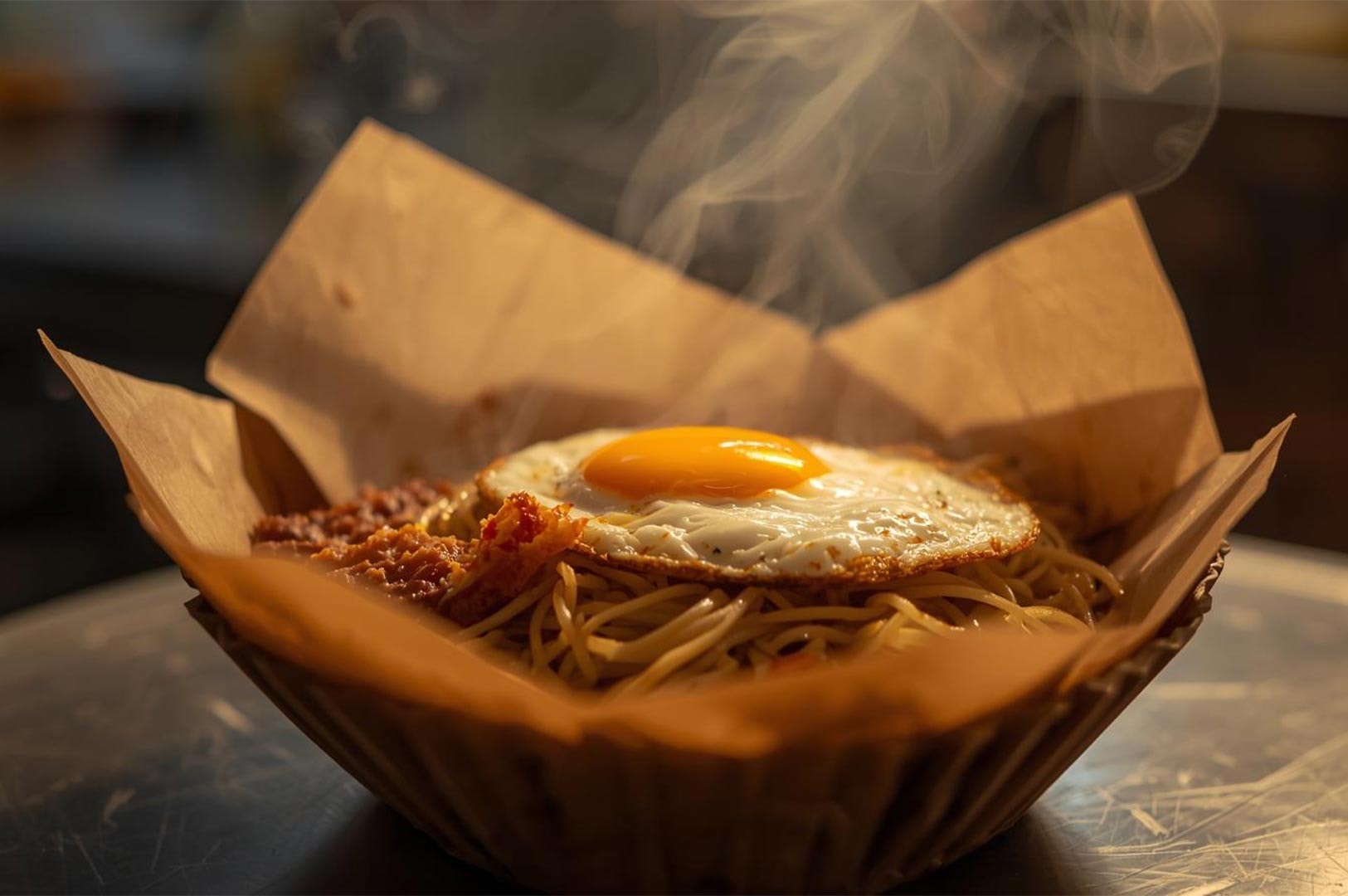
Beyond the taste and the high heat, fried bee hoon serves as the social glue of Southeast Asian life. In the morning, the “economical bee hoon” stall is a place of pilgrimage. Workers and students line up to receive a brown paper packet of noodles, often served plain or with a single piece of luncheon meat and a fried egg. It is a delicious, affordable, and reliable start to the day.
In the evening, the dish transforms. It becomes a communal platter at a family dinner, served alongside fried chicken wings and a saucer of fry sauce or sambal. It is a dish that invites people to comment something kind about the cook, a meal that demands to be shared. The versatility of bee hoon—its ability to be both a humble breakfast and a festive centerpiece—is what has allowed it to remain a pillar of Asian noodle culture for centuries.
The Enduring Legacy of the Rice Strand
As the world becomes more interconnected, the global community has begun to recognize the brilliance of these thin rice noodles. From the required recipe ratings on digital platforms to the inclusion of bee hoon in high-end fusion restaurants, the secret is out. However, the heart of the dish will always remain in the one pan wonders of the Southeast Asian kitchen.
It is a testament to the power of simple seasoning and simple ingredients. By taking nothing more than rice, water, a bit of soy sauce, and a handful of vegetables, the people of the East have created a delicious legacy that continues to evolve. Whether you are enjoying a plate of char bee hoon under the neon lights of a city or an easy bihun goreng in the quiet of a home, you are participating in a tradition of flavor that is as deep and enduring as the rice vermicelli itself.
From the first soak bee hoon to the final sizzle of the high heat, the story of these noodles is one of resilience, creativity, and the universal joy of a tasty meal. As long as there is a wok, a fire, and a bundle of rice vermicelli, the sizzle will continue to echo through the streets and kitchens of the world.

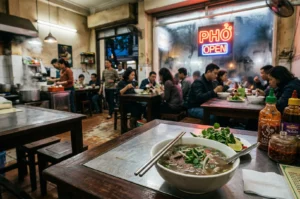
The Neighbourhood Restaurant Test: How to Spot Truly Authentic Cuisine Restaurants in Your Area
Eda Wong | March 31, 2026
A friend texted me last week: “I’m outside this new Vietnamese place. How do I know if it’s legit before I waste my money?” It’s a question I get often. We’ve all been there, drawn in by a cool sign, only to get a plate of sad, sweet, tourist-grade pad thai that tastes like ketchup….
-
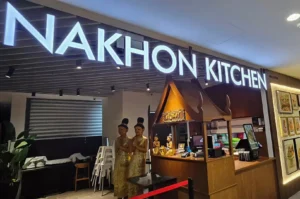
Cuisine in the World Meets Singapore: Inside Nakhon Kitchen’s Cross-Cultural Magic
Dio Asahi | March 26, 2026
There’s a rite of passage for any food lover living in the East of Singapore, and it involves a queue. Specifically, the perpetually long, snaking queue outside Nakhon Kitchen in Bedok. I’d heard the legends for years: authentic Thai food, rock-bottom prices, and a wait time that tests your commitment. So, on a Tuesday evening…
-
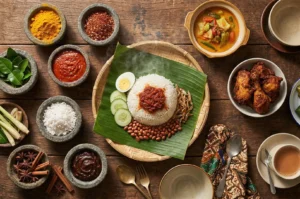
The Spice Route Secrets: A Deep Dive into Malay Ethnic Food
Eda Wong | March 24, 2026
My first time ordering Nasi Padang in Geylang Serai was overwhelming, I randomly picked dishes and was shocked by a $20 bill due to premium beef rendang and squid. That taught me to always ask seafood prices and that Malay food is a complex, modular cuisine. Malay food is everywhere in Singapore, in hawker centres,…
-
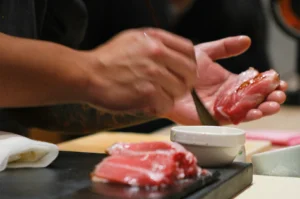
The Shokunin Spirit: How Japan’s Craftsman Philosophy Lives Inside Singapore’s Most Disciplined Omakase Counter
Dio Asahi | March 21, 2026
The fire is not roaring; it is breathing. In a small, darkened workshop in Sakai, a swordsmith watches the colour of the steel with eyes that have tracked the same transformation for forty years. He does not look at a clock. He listens to the hum of the charcoal. He waits for the metal to…
-
The Evolution of the Plate: How History Transformed Iconic Malaysian Dishes
Eda Wong | March 19, 2026
I used to think I understood Malaysian food. As a Singaporean, it’s practically in my DNA, right? Nasi lemak for breakfast, a cheeky roti canai for supper – I thought I had it all figured out. Then I spent a week eating my way through Penang and Kuala Lumpur, and I realised I knew absolutely…
-
The Soul of the Table: An Educational Guide to the Role of Food in Malaysian Culture
Eat Drink Asia Team | March 17, 2026
We still remember our first collective Rumah Terbuka (Open House) experience in Kuala Lumpur.Standing at the doorway of a home during Hari Raya, we were utterly paralyzed by the sheer volume of people and the aroma of Malaysian cooking. There were aunties ladling beef rendang and tables groaning under the weight of colourful kuih. “Do…
-
Asian Food Comfort Trends: Why Broths and Bowls are Dominating Globally
Eda Wong | March 14, 2026
I still remember the first time I faced a “build-your-own” Mala Xiang Guo counter. I stood there, plastic tongs in hand, completely paralyzed by the mountain of choices. Lotus root? Kelp knots? three different types of tofu skin? My anxiety spiked. I panicked, grabbed way too much luncheon meat, and ended up with a $28…
-
The Fifth Element: A Masterclass on Umami in East Asian Cuisine
Dio Asahi | March 12, 2026
I’ll never forget the first time I made miso soup from scratch. Not the instant kind, but the “proper” way. I boiled water, dissolved miso paste, added tofu, and waited. It tasted flat, salty and cloudy but missing the deep, satisfying flavor I loved in Japanese restaurants. I thought maybe I needed better miso. Years…
-
Why My Quest Ended at Yummy Western (409 AMK)
Dio Asahi | March 10, 2026
There’s a specific magic to a late-night supper hunt in Singapore. It’s the ritual of chasing a craving through the humidity to find that one stall that hits the spot. For me, that meant a pilgrimage to Ang Mo Kio Avenue 10. I arrived at 10 PM on a Friday, just as the ‘supper soul’…
-
A Taste of Time: My Dinner at Guan Hoe Soon
Eda Wong | March 7, 2026
There’s something special about visiting a place that has seen decades of Singapore’s history unfold. Guan Hoe Soon, tucked away on Joo Chiat Road, holds the title of Singapore’s oldest Nyonya restaurant, and you can feel that heritage the moment you step inside. I’d heard about it for years, a place where recipes aren’t just…